Ever wonder if a movie can truly show the soul of the Caribbean?
Local films here turn ordinary stories into vibrant adventures on screen. They mix catchy islands beats with age-old legends to create a fresh look at tradition.
These movies are full of surprises and real, heartfelt moments that let you see Caribbean identity in a whole new way. In this blog, you’ll discover how bold local film stories break the mold and invite you to experience island life like never before.
Understanding Caribbean Cinematic Culture: Overview and Key Elements
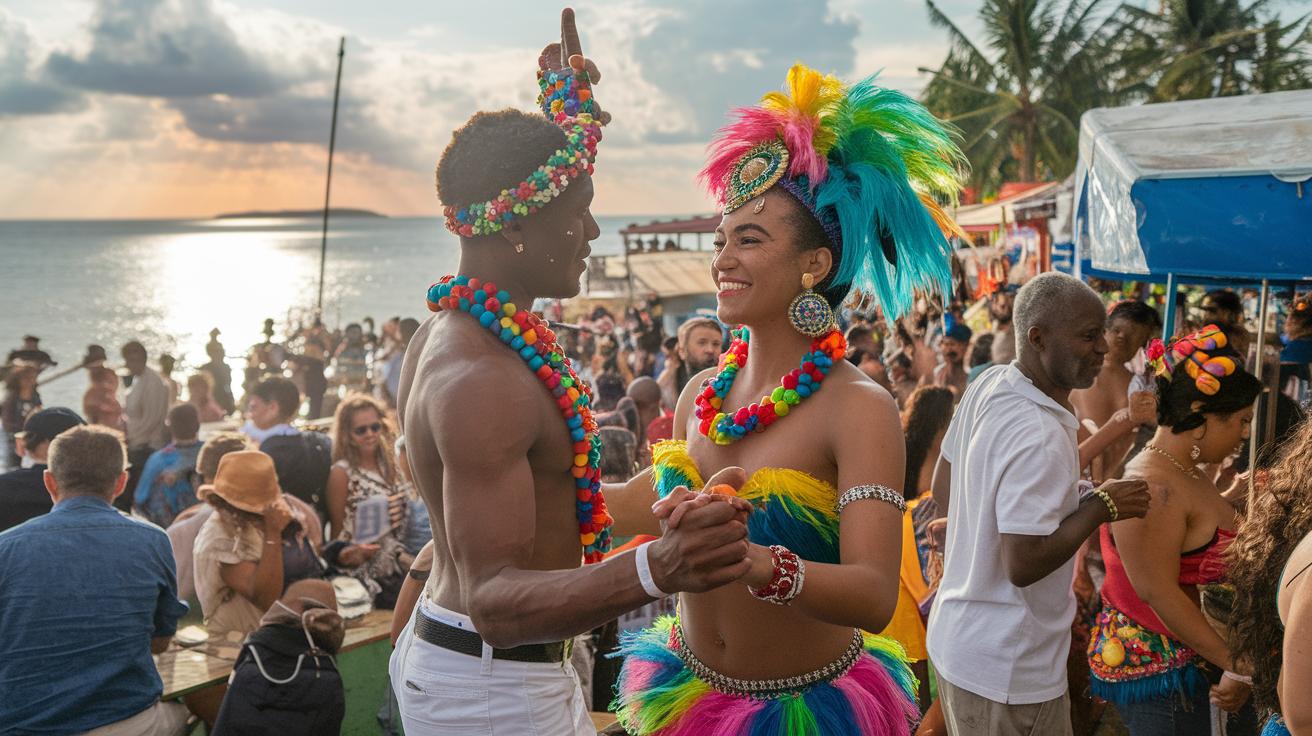
Caribbean movies burst with the vibrant spirit of island life, capturing the soul of the Caribbean in every scene. Think of films that mix lively local beats, time-honored folklore, and thoughtful social stories with the stunning backdrop of sandy shores and colorful festivals. Each shot feels like a glimpse into the heart of the islands, inviting you to experience their pulse. If you’re curious, check out this discussion on identity and tradition in Caribbean cultural narratives.
In earlier times, folks in the Caribbean mostly watched foreign films, especially during the late 1800s. Then things began to change. After Cuba’s big revolution in 1959, the island started its own film industry that showed fresh ways to tell stories. In the 1960s and 70s, as many islands embraced independence, local filmmakers began to craft films that spoke from histories filled with challenge and resilience.
Today, Caribbean cinema stands out with its unique look and feel. It blends native music, folklore, and heartfelt storytelling to create movies that are as colorful as the local culture itself. These films draw inspiration from many art forms, linking to Caribbean art and literature, and bring a welcoming, new visual style that offers an escape from the usual Hollywood vibe.
Historical Evolution of Caribbean Cinema and Cultural Roots

Back in the late 1800s, Caribbean islands mostly showed films imported from abroad because they were under colonial rule. It was a quiet beginning that slowly sparked local curiosity and a taste for movies.
Then, after the Cuban revolution in 1959, things started to change. State-supported film studios began creating their own stories, signaling that the region was ready to share its own unique way of seeing the world.
By the 1960s and 70s, when many Caribbean nations won their independence, local filmmakers began exploring new ideas. Movies like Puerto Rico's Nuestro Día (1970) and Trinidad's Bim (1974) captured daily life and reflected the colorful spirit of the islands. These films mixed familiar everyday scenes with a true sense of local pride, offering a fresh and heartfelt look at Caribbean life.
Caribbean cinematic culture Radiates Bold Film Expressions

Caribbean filmmakers are lighting up the screen with heartfelt stories and vibrant images that feel as warm as a tropical breeze. They mix local music, everyday challenges, and the lively spirit of their islands to craft films that feel like a friendly chat about life under the sun. Each movie speaks with a unique local voice, inviting you to experience the true beats of island life and the real issues that matter to its people.
| Director | Film Title | Year | Description |
|---|---|---|---|
| Storm Saulter | Sprinter | 2018 | Explores athletics and social issues in Jamaica |
| Maya Cozier | She Paradise | 2019 | Tackles environmental activism in Barbados |
| Kareem Mortimer | Cargo | 2006 | Looks at immigration challenges in the Bahamas |
| Frances-Anne Solomon | Hero | 2003 | Recounts the story of West Indian war hero Ulric Cross |
| Michael Mooleedhar | Green Days by the River | 2017 | Brings a classic Trinidad novel to life with rich local textures |
| Idris Elba | Yardie | 2018 | Marks a turning point in films about the Caribbean diaspora |
| Howard & Mitzi Allen | The Sweetest Mango | 2001 | The first feature film from the British Virgin Islands |
| Maria Govan | Play the Devil | 2020 | Explores the evolving Caribbean identity in a changing world |
These creative directors are reshaping film in a way that feels fresh and true to home. Their innovative approach pushes beyond the usual storylines, embracing the local flair and cultural nuances that connect with viewers everywhere. In their work, you'll taste the spices of everyday life on the islands, hear voices that echo with history, and see a
Narrative Trends in Caribbean Cinematic Culture

Lately, Caribbean films have been mixing intimate personal stories with broader social insights. They explore themes like migration, identity, and histories from the postcolonial era, showing us these challenges through a fresh, local lens. The natural beauty of the islands and the lively beats of local music aren't just scenery, they set the mood and bring every scene to life. For example, one film features a walk along a soft, whispering beach that mirrors a character’s journey to connect with her cultural roots, making every emotion feel real.
Modern Caribbean movies are also trying out exciting new blends of genres. Filmmakers are combining hints of mystery with folk dramas and documentary styles, creating unique stories that touch on both the heart and the mind. Imagine a film where gentle folk rhythms mix with suspenseful visuals, capturing the calm of swaying palms along with the tough realities that people face. This creative mash-up deepens our connection to the film while celebrating the ever-changing art of island storytelling.
Screen Aesthetics and Festivals in Caribbean Cinematic Culture
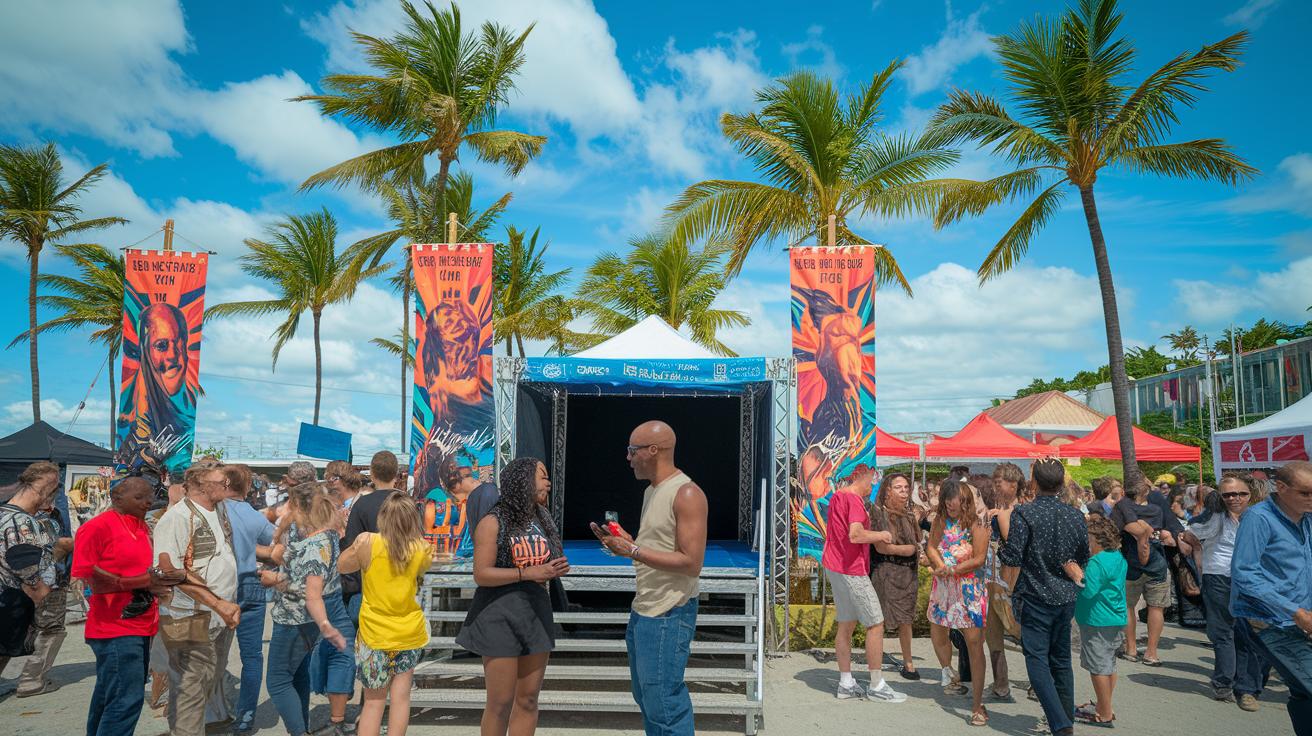
Caribbean movies burst with bright energy and heartfelt stories, and the festivals celebrating them make it even more special. Every year, island film festivals bring together filmmakers and movie lovers in a warm, lively setting where both art-house gems and popular movies share the spotlight. Ever been curious about how these events mix learning with fun? At festivals like the Trinidad & Tobago Film Festival, Cinefiesta Puerto Rico, and the Barbados Film Festival, you can join masterclasses on filmmaking, think cinematography (the art of capturing pictures with a camera), production design, and even the cultural backdrop of the islands. It’s like a big, immersive workshop where local voices shine and new talents blossom.
| Festival Name | Location | Founded Year |
|---|---|---|
| Trinidad & Tobago Film Festival | Trinidad & Tobago | 2005 |
| Cinefiesta Puerto Rico | Puerto Rico | 1980 |
| Barbados Film Festival | Barbados | 2012 |
Beyond the festivals, the movies capture the imagination with bold colors, rhythmic editing, and a touch of local music that fills every scene. Filmmakers use light and clever framing to bring out the warmth of sunny days and the mystery of nights under a sky full of stars. Each carefully framed shot invites you to feel the everyday magic of island life, like a stroll on a quiet beach or a burst of laughter during a local dance. These creative choices are a loving nod not only to the stunning heritage of the Caribbean but also to the innovative spirit that makes its film scene so unique and lively.
Distribution Channels and Future Innovations in Caribbean Cinematic Culture

Streaming services like Netflix and Amazon Prime have opened up fresh paths for Caribbean films, making movies like Sprinter easy to watch no matter where you are. Local broadcasters, film clubs, and online sites are now teaming up to share these island stories, bringing the lively spirit of Caribbean culture to more people.
New ways to fund films and cool tech are also mixing things up in how Caribbean movies are created and enjoyed. Crowdfunding and international partnerships have started to back small, creative projects, giving a boost to fresh ideas in island cinema. And remember 2020? Online film festivals really took off, letting viewers around the world dive into Caribbean stories with just a click, setting the stage for even more digital innovation.
Final Words
in the action, our dive into Caribbean cinematic culture carried us from its colonial film beginnings to today’s fresh digital releases. We saw how filmmakers capture island life with vivid colors, local tunes, and honest social tales. Each section shared a piece of the region’s lively festivals, innovative screen art, and sustainable spirit. Caribbean cinematic culture truly warms the heart with creative expression and a natural charm that continues to brighten our view of island life.
FAQ
What is the history of Caribbean cinema?
The history of Caribbean cinema starts in the late 1800s with colonial film screenings, builds through Cuba’s post-revolution state films, and grows with indigenous productions after island independence in the 1960s and 1970s.
What are some key types of Caribbean films?
Key types of Caribbean films include older classics, works spotlighting Black Caribbean filmmakers, and acclaimed titles that capture unique local narratives and identities, often highlighted on world cinema movies lists.
What is Caribbean film distribution?
Caribbean film distribution involves using streaming platforms, local TV networks, and film societies to share titles worldwide, broadening audience reach and promoting regional storytelling styles.
What are the three main cultures of the Caribbean?
The three main cultures shaping the Caribbean come from African, European, and indigenous roots, each influencing the region’s music, art, storytelling, and everyday traditions.
Why did Keira Knightley quit Pirates of the Caribbean?
Keira Knightley’s departure from Pirates of the Caribbean was driven by creative differences and scheduling conflicts, decisions that often affect casting choices in large-scale film productions.
What is meant by the “big 3” of the Caribbean?
The “big 3” typically refers to culturally influential islands like Cuba, Jamaica, and Trinidad, which have significantly shaped the region’s film, music, and overall creative expression.
What characterizes the cinema of Aruba, including references like Mission Impossible?
The cinema of Aruba stands out by showcasing tropical visuals and local culture; its scenic locations have attracted international productions like Mission Impossible, blending island charm with global film appeal.
