Have you ever imagined drifting off to sleep under a sparkling Caribbean sky, with a cool sea breeze gently lulling you into dreams? This guide is like a friendly chat by the beach, showing you how to set up your very own campsite along these tropical sands. We’ll help you plan a simple daily budget, share the local park tips you need to know, and offer easy tricks to blend fun with simplicity. Get ready to explore practical ideas that let you enjoy the outdoors with a smile and lots of confidence.
Planning Your Caribbean Camping Trip
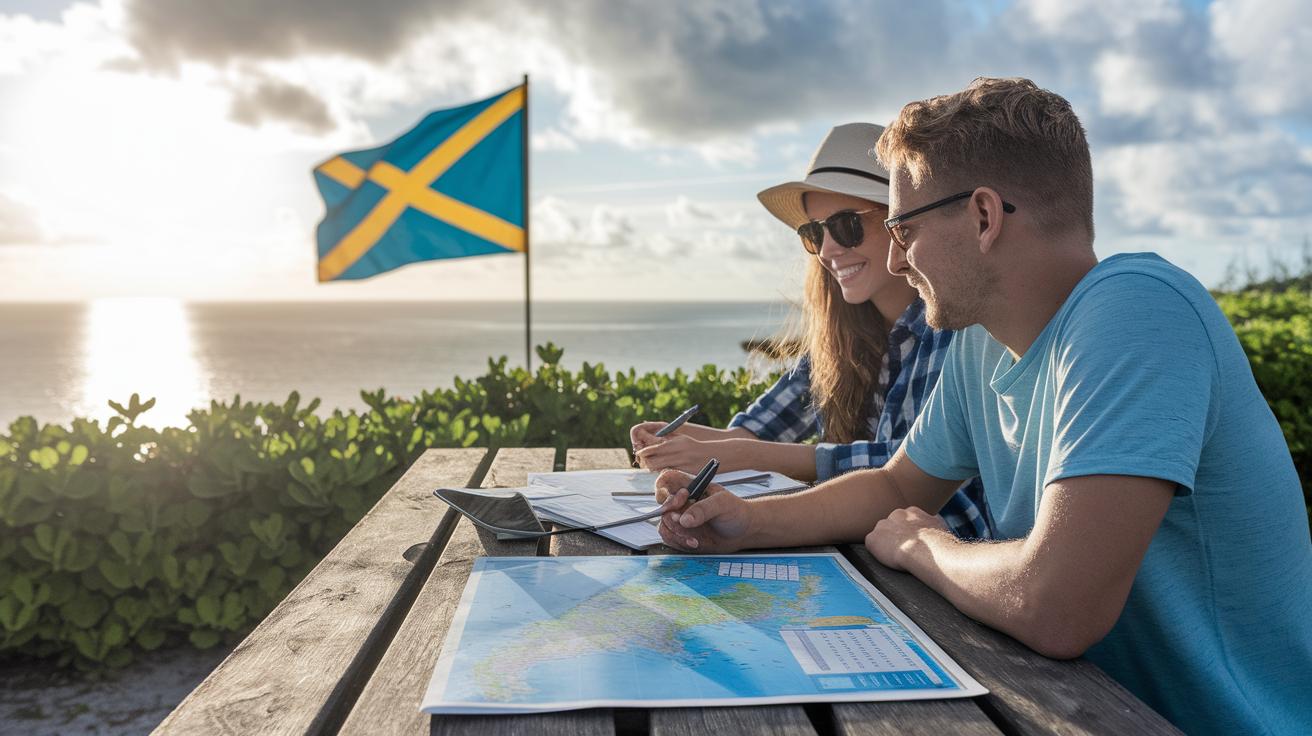
First off, set a daily budget. On average, a midrange camping trip in the Caribbean costs about $190 USD each day. If you’re after a few extra perks or a more upscale spot, you might end up paying between $355 and $500 USD daily. Think of your budget as a friendly guide that helps you mix fun and cost just right.
Next, when planning your island stops, keep in mind that many parks, like Virgin Islands National Park or Bahía de las Águilas, ask for small permits or fees. It's a smart move to check these details ahead of time. And a little heads-up: local park guards know the best spots and rules, like the “200-foot rule.” That means you should pitch your tent at least 200 feet away from water or protected zones to stay safe and keep nature happy.
The best season to visit is from December to April. The weather is warm, around 30° C (87° F), and the skies are clear, making your adventure even more fun. When you're plotting your island route, use a map app on your phone or tablet to explore every little detail. Many campers love using the AllTrails app as their go-to tool for finding well-loved Caribbean hiking trails.
Finally, double-check your camping gear and coastal equipment before you go. Make sure everything’s ready to handle any sudden changes in the weather. With these tips in hand, you’re all set to follow your own tropical manual and create an unforgettable Caribbean camping story. Enjoy the journey!
Top Caribbean Campsites and Island Camping Reviews
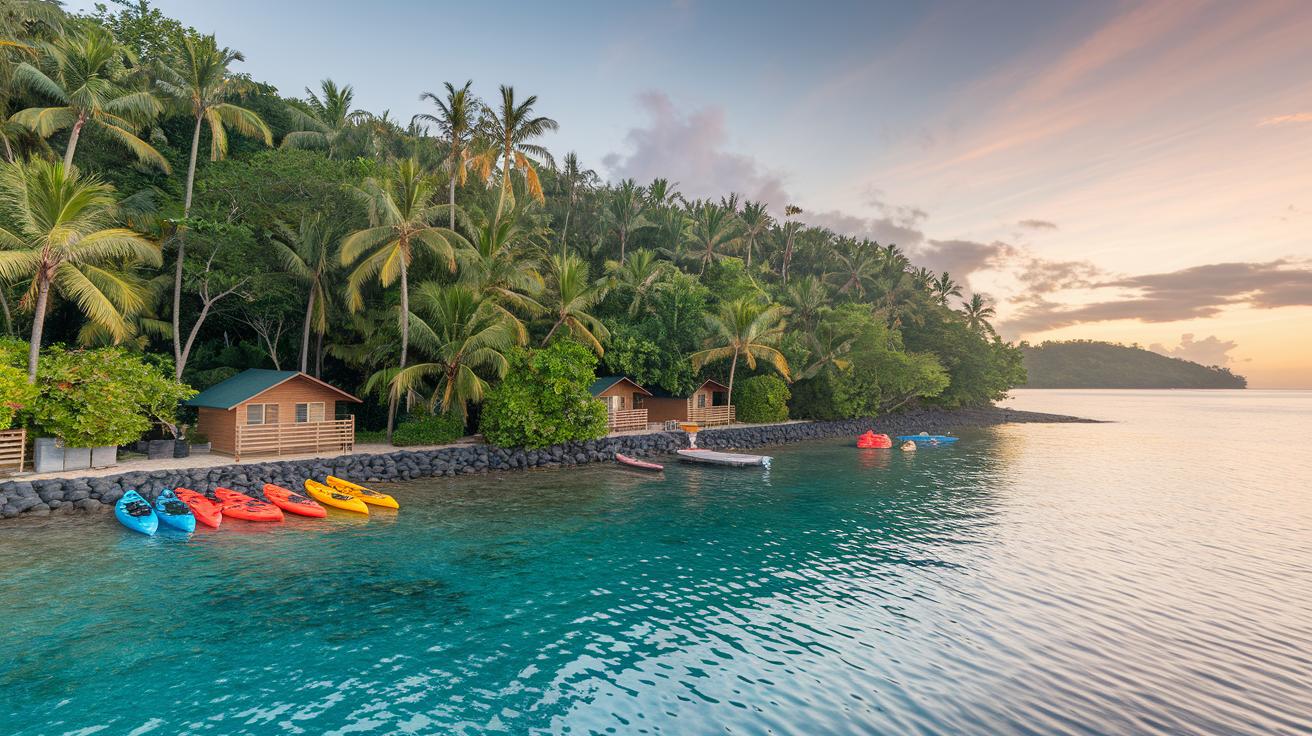
At Cinnamon Bay Campground in St. John, USVI, you’ll find a cozy mix of cabins, tent spots, and open-site camping right inside Virgin Islands National Park. It’s like waking up to a choice, do you set up camp near a sparkling beach cove or hide away in a quiet green forest? And hey, there’s plenty of gear available, from kayaks to windsurf boards to sailboats, so you can add a splash of adventure to your day. Imagine starting your morning gently paddling on calm waters, with the sea winking at you.
Crescent Moon Campground in Dominica offers a little slice of jungle magic. Here, chains of riverside spots provide just the basics, letting you soak up nature’s melody, birds chirping, leaves rustling, and a soft stream flowing nearby. It might be simple, but that rugged, real Caribbean vibe is unforgettable.
Over in Culebra, Puerto Rico, Flamenco Beach Campground is another must-see. Tents are set right on the beach, only a few steps away from soft, white sand and clear blue waters. The blend of beach life and natural beauty makes it a dream spot. One camper even said setting up their tent here felt like finding your personal paradise at the water's edge.
For the more adventurous, the Dominican Republic offers a seven-hour trek up Pico Duarte. Hikers can choose to camp near the top or settle in a peaceful valley. Just remember that you’ll need permits, and there’s a 200-foot rule to follow to help protect those beautiful shorelines. In truth, this mix of raw nature and smart rules really shows off the best of Caribbean camping.
Essential Camping Gear for Caribbean Conditions
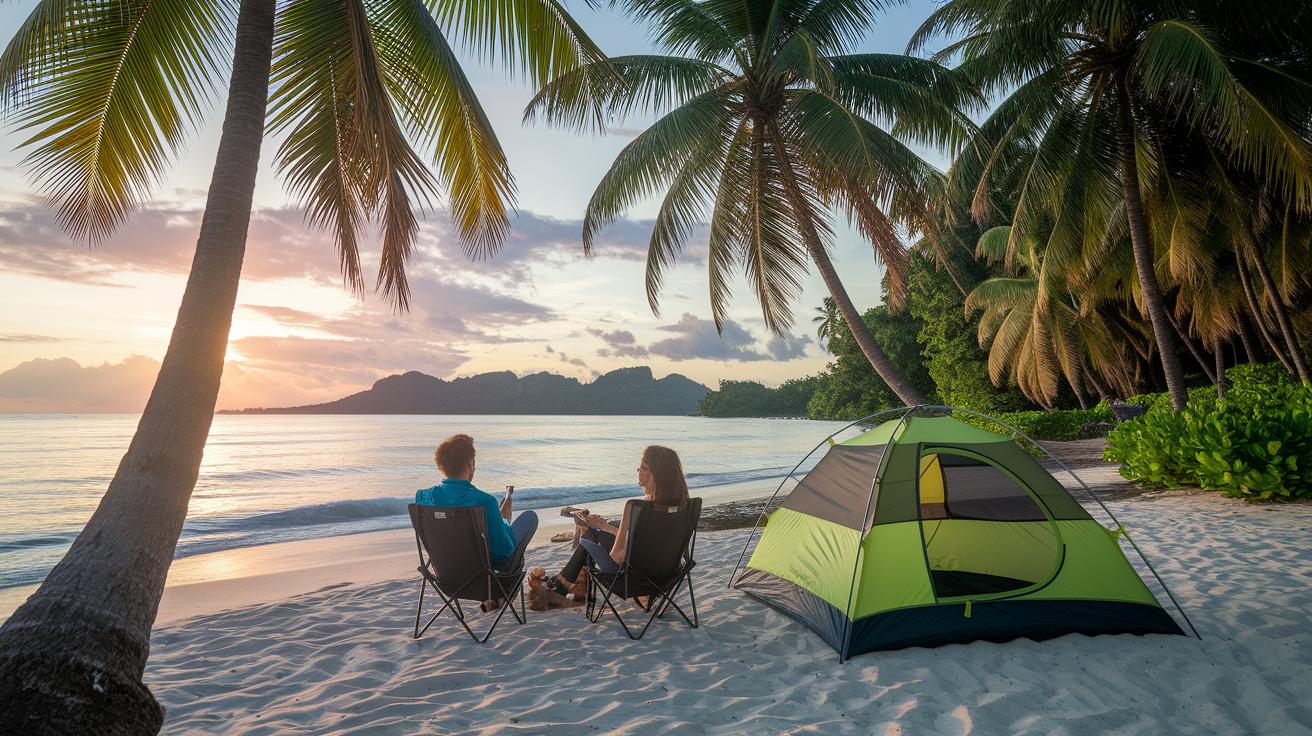
When you plan your Caribbean camping trip, start by picking a tent that can handle the tropical weather. A waterproof, UV-protected tent with a sturdy rainfly is key. Think of it as your cozy, mobile backyard that stays comfortable whether it's raining or the sun is blazing.
Next, get an ultralight backpack that suits your everyday needs. For example, the Osprey Eja for women (only 1,220 grams) and the Osprey Exos for men are great choices. They help you haul your essentials without feeling weighed down, whether you're hiking island trails or moving from one campsite to another.
Then, fill your gear list with must-have items like a lightweight sleeping mat, some handy multipurpose tools, and compact cookware perfect for campfire cooking. Imagine grilling fresh fish with smoky spices under a starlit sky, the warm aroma and the sound of crackling fire can really set the mood.
Also, make sure you have the tech you need for navigation and communication. Use a trusted app like AllTrails along with a local SIM or a satellite communicator. This keeps you connected while you explore off-the-grid spots. If you want more tips on staying in touch, check out expert advice on international connectivity.
Finally, always be mindful of local wildlife. Pack animal-proof food containers and keep your perishables secured away from your tent. This simple step helps keep both your snacks and your campsite safe from curious critters, making your Caribbean adventure smooth and worry-free.
Weather and Seasonal Considerations for Caribbean Camping
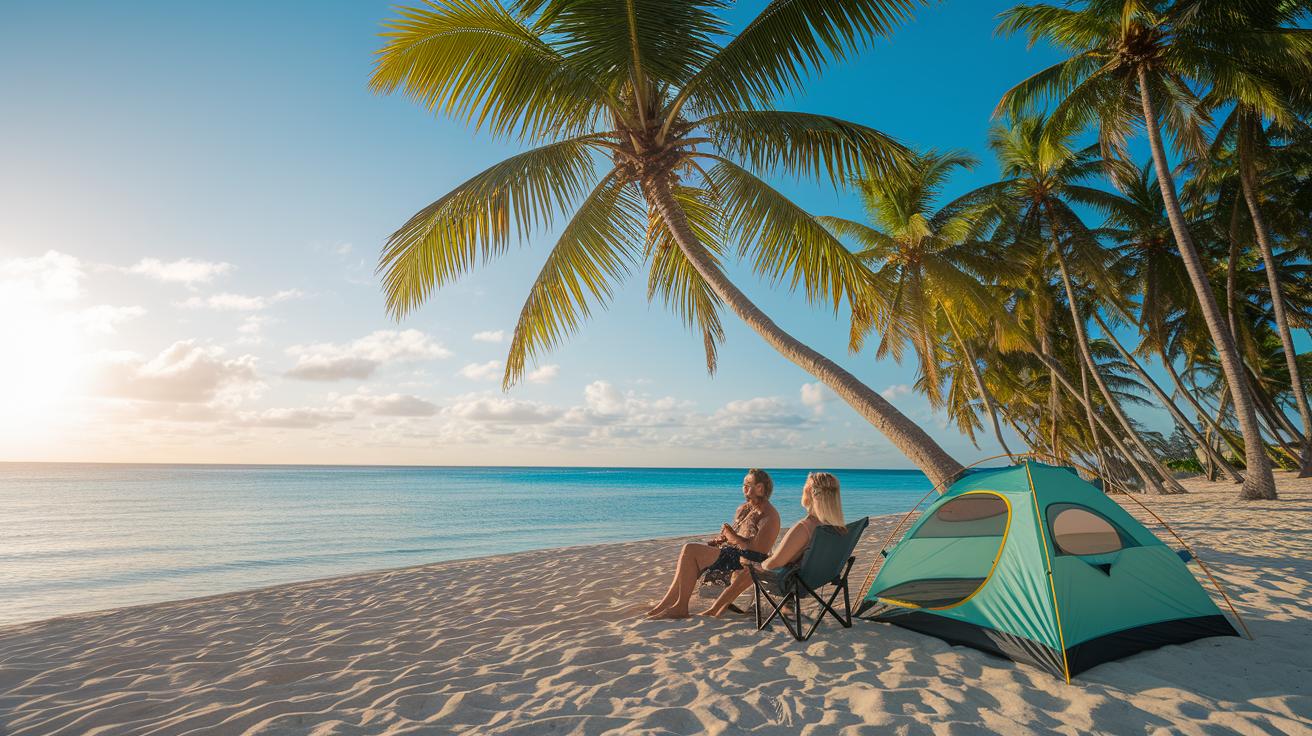
Planning a camping trip in the Caribbean can feel like stepping into a warm, sunlit postcard. The best time to pitch your tent is from December through April. During these months, you can expect warm days with temperatures around 30 °C (87 °F) and plenty of sunshine. Imagine spending a day soaking in the golden rays with a gentle sea breeze keeping you cool.
When summer hits and the rainy season rolls in from June to November, it’s smart to keep an eye on local storm alerts. Tropical showers can surprise you at any time, so pack a waterproof tent and some quick-dry clothes, just like grabbing an umbrella when the clouds start to gather.
You’ll also notice that the humidity often climbs above 70%, making the air feel heavy after a long hike. This is why using SPF 50+ sunscreen and wearing UV-blocking clothes is a must. Think of it as your personal shield against the brilliant, tropical sun.
For a smooth trip, check local weather updates regularly. Reliable forecasts can tell you about shifts in wind speed, sun intensity, or unexpected showers, helping you adjust your gear and plans. This way, you can keep your Caribbean camping adventure safe and as enjoyable as a day at your favorite beach.
Safety, Regulations, and Permits for Caribbean Camping
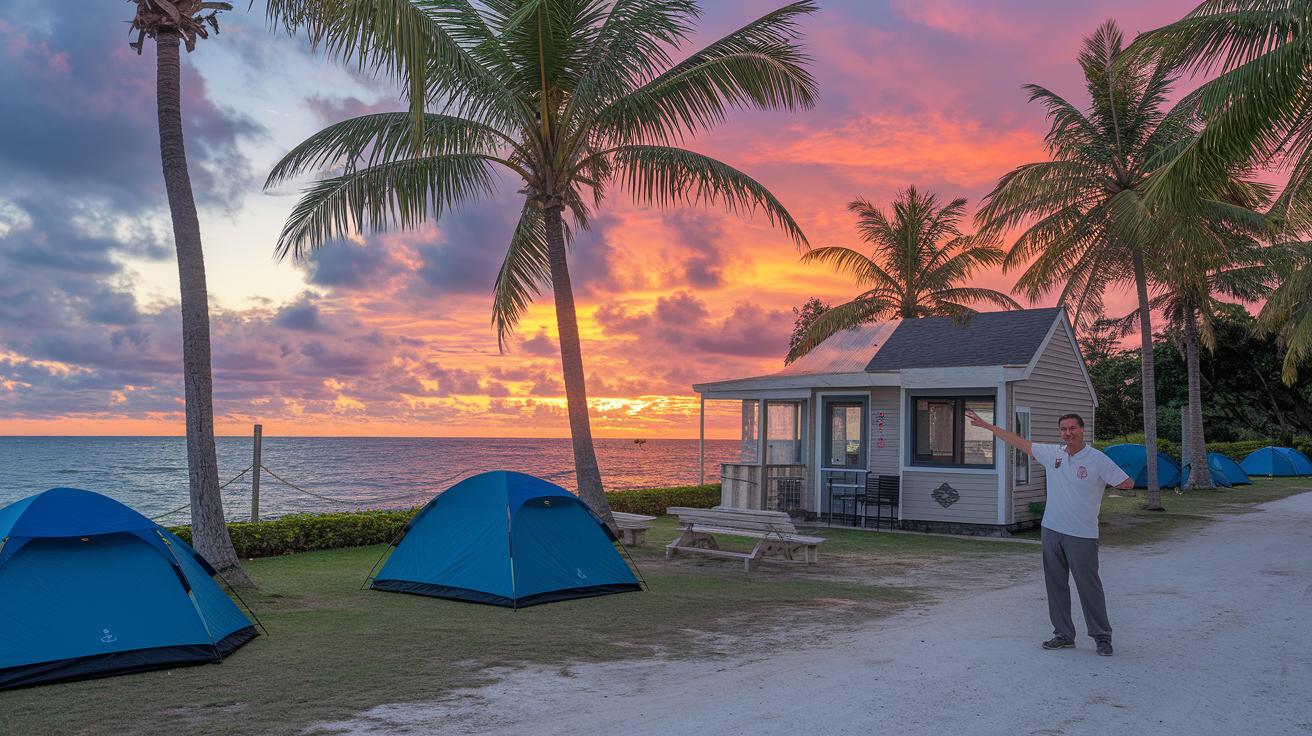
When you plan your Caribbean camping adventure, be sure to check if you need a permit or if there's a fee. It’s best to ask at the park office or chat with a friendly local guide as soon as you get there. You might find out about special rules, like keeping at least 200 feet away from water and delicate natural areas. This guideline isn’t just a nice idea, it really helps keep our beautiful nature intact.
Before you pitch your tent, pack a handy first aid kit. You know, one that helps with pesky insect bites, small cuts, or even if you start feeling dehydrated. It also helps to have a list of emergency contacts ready. Write down numbers for park rangers and the coast guard so that if things suddenly go wrong, you’re all set. I once heard a camper say, "I never head out without my first aid kit and emergency contacts, just in case."
Be extra careful if you decide to build a fire. In some areas, you might need a fire permit or must follow strict rules about fire pits. It’s a good idea to ask local staff about what you can and can’t do before lighting anything. And remember, it’s safer not to wander into dark or remote spots after sunset. Sometimes hiring a local guide or checking in with a park ranger before nightfall can make all the difference.
In case something unexpected happens, report it to the local authorities right away. Knowing the steps for backcountry evacuation and help can really put your mind at ease. Following these simple tips not only keeps you safe, but also helps protect the stunning natural beauty of the islands for everyone to enjoy.
Sample Caribbean Camping Itineraries
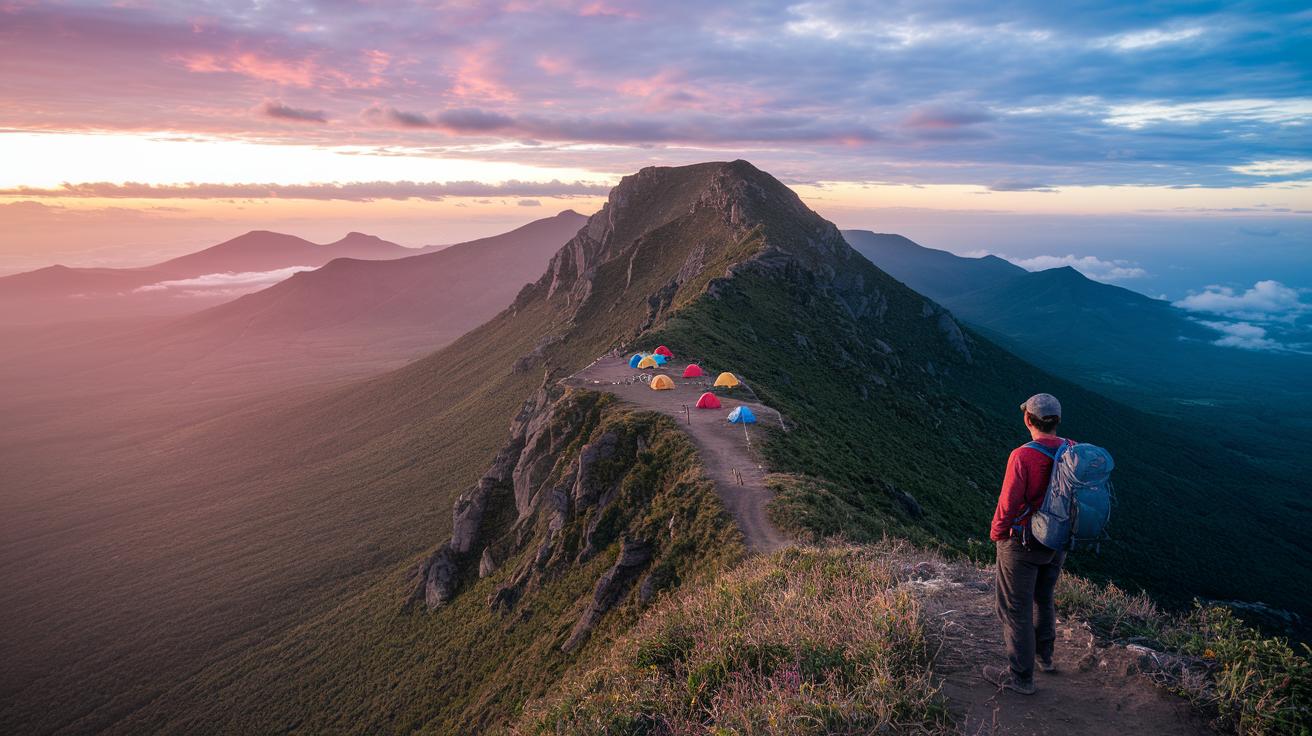
Imagine planning your own island adventure where forest trails and relaxing beach days come together perfectly. One cool idea is the Dominican Republic 3-Day Plan. On Day 1, set off on a seven-hour hike to Pico Duarte, which is the highest mountain around, and pitch your tent at the very top. Up there, you’ll feel both small and part of something huge as you take in the view. On Day 2, head down to a valley in Jarabacoa to camp by a gentle river. The sound of flowing water and a cool mist make it a great spot to kick back. Then, on Day 3, visit Rancho Ruisenor to enjoy local, farm-fresh meals while watching a soft sunrise light up the sky.
Another fun option is the USVI Loop. Start off at Cinnamon Bay for a beachfront camp where the sandy shores and quiet ocean sounds set the perfect scene for a sunrise. Next, explore the scenic circuit at Maho Bay, where changing light and water reflections create a magical evening. Picture gathering around a cozy campfire under a starlit sky, it’s a mix of rugged trails and peaceful nights.
If you’re up for a longer trip, consider Dominica’s Waitukubuli National Trail. This famous route is split into 14 parts and takes you through lush rainforests, over bubbly streams, and into quaint village camps over 4 to 7 days. Every section of the trail has its own little story and a chance to reconnect with nature.
For those who crave variety, try a multi-island adventure by combining St. John, Culebra, and Dominica. You get a rich mix of stunning coastlines and quiet inland spots. For more tips, check out "How to Plan a Multi-Island Caribbean Vacation" and let your journey begin.
Local Culture and Cuisine at Caribbean Campsites
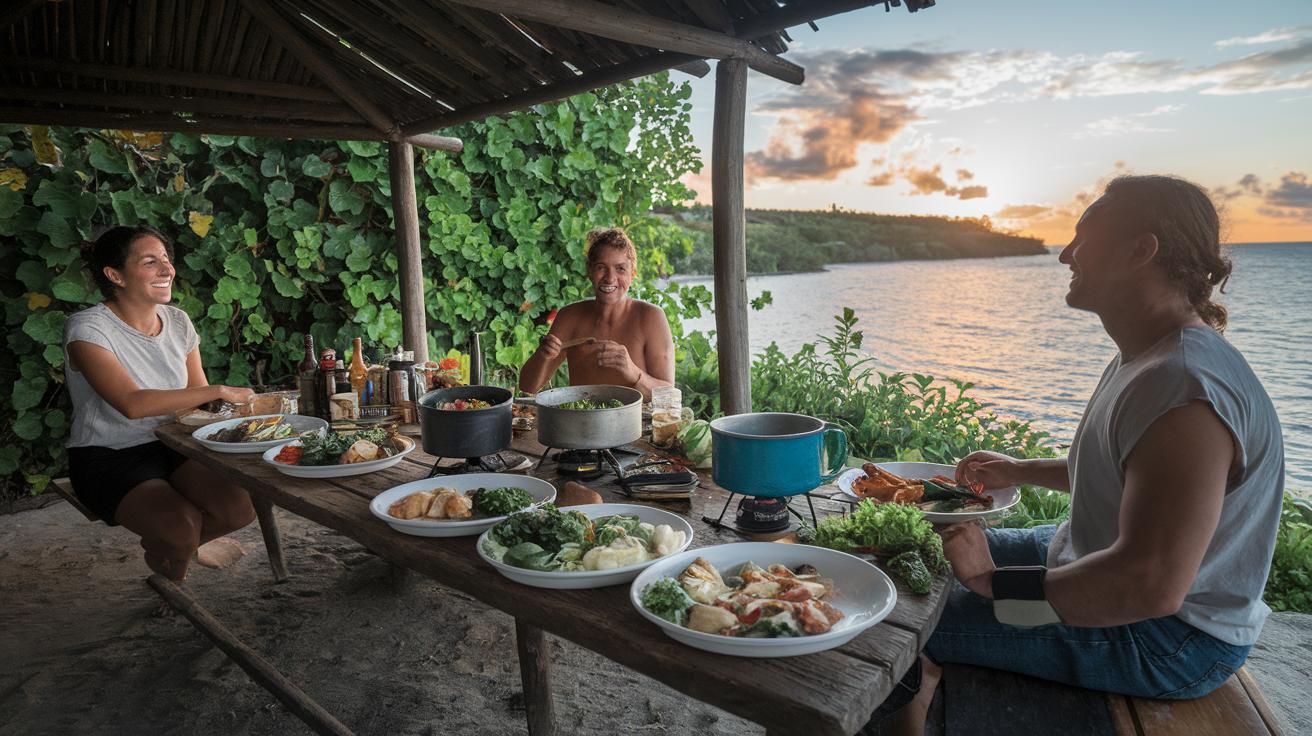
At many Caribbean campsites, you can really feel the local vibe with every meal and friendly gathering. In Cinnamon Bay, there’s a cozy spot called T’ree Lizards that serves up hearty breakfasts and lunches made from ingredients grown right on the island. It’s more than just a meal, it’s a chance to taste traditions that have been lovingly passed down through the years. Over in the Dominican Republic, Rancho Ruisenor treats campers to fresh, farm-to-table meals and even a coffee tasting that highlights the unique flavors of the region.
If you love cooking outdoors, you'll enjoy whipping up your own simple yet delicious dishes on a small camp stove or over open coals. Imagine grilling fresh fish with a smoky spice as the cool ocean breeze carries the inviting aromas around the campsite. These recipes, made with locally sourced spice blends, let you savor authentic island flavors while enjoying nature.
As dusk settles in, the magic truly begins around a crackling campfire. Picture sitting with friends, sharing stories, listening to local customs, and feeling the island’s natural rhythm all around you. Many campsites also wrap in the festivities of nearby village events and local music nights, where you can join in on traditional songs and dances. It’s a perfect way to dive into the colorful local culture and feel right at home.
Final Words
In the action, readers explored planning tips, top campsites, essential gear, seasonal weather, and safety steps that make Caribbean camping fun and stress-free. The post also shared ready-to-use island itineraries and local culture insights to spice up your outdoor experiences. Each section guides you like a trusty caribbean camping guide, ensuring you have practical advice and a warm welcome at every step. Enjoy a laid-back camping trip filled with memorable moments and discover the charm of Caribbean outdoor life.
FAQ
Frequently Asked Questions
What does a free Caribbean camping guide offer?
A free Caribbean camping guide offers handy tips, detailed campsite information, permit details, gear suggestions, and local weather advice to help plan a safe and memorable island camping trip.
What does camping in the Caribbean offer?
Camping in the Caribbean offers sunlit sites, coastal views, and easy access to local culture. It combines simple settings with opportunities for outdoor fun and genuine island living.
What amenities can be found at Cinnamon Bay Campground?
Cinnamon Bay Campground features rustic cottages, tent sites, and open camping areas near the beach or forest. It also provides on-site dining and options for kayak, windsurf, and sailboat rentals.
How can visitors explore Waitukubuli National Trail?
Visitors can explore Waitukubuli National Trail by hiking through lush forests, crossing small streams, and camping at peaceful stops along the trail. It offers a relaxed way to experience nature.
What features define a Virgin Island Campground?
A Virgin Island Campground is set in protected park areas on a scenic island. It offers different camping styles and follows guidelines, like keeping campsites 200 feet from water, to protect the environment.
What are the camping options in Puerto Rico?
Puerto Rico offers diverse camping options including beach camping, car camping, and spots near San Juan. Each site pairs natural beauty with access to local dining and cultural experiences.
What is the 200-foot rule for camping?
The 200-foot rule means you should set up camp at least 200 feet away from water bodies or protected areas. This guideline helps keep the environment safe and minimizes shoreline erosion.
What are the 7 C’s of camping?
The 7 C’s of camping focus on cleanliness, comfort, community, caution, cost, convenience, and connection with nature. They serve as a friendly reminder to balance fun with responsibility outdoors.
What are the big 3 attractions of the Caribbean?
The big 3 attractions of the Caribbean often highlight top islands or experiences known for beautiful beaches, lively local culture, and easy access to outdoor activities. Personal tastes decide which three stand out.
What standout qualities do top Caribbean beaches offer?
Top Caribbean beaches offer soft white sands, clear, sparkling waters, and an inviting, relaxed vibe. Spots like Flamenco Beach and Crash Boat Beach are perfect for soaking up the sun, swimming, and water sports.
