Have you ever wondered if cruising the Caribbean can be as smooth as a gentle breeze? This guide is your go-to for easy tips on choosing the right boat, navigating trusted water routes, picking out proper safety gear, and understanding local port rules. Imagine gliding past over 5,000 islands and secret little cays, all while feeling the sun and sea air on your face. With a bit of smart planning and a well-equipped boat, your day on the water can turn into a relaxing and unforgettable adventure.
Caribbean Boating Guide: Key Routes, Regulations, and Safety
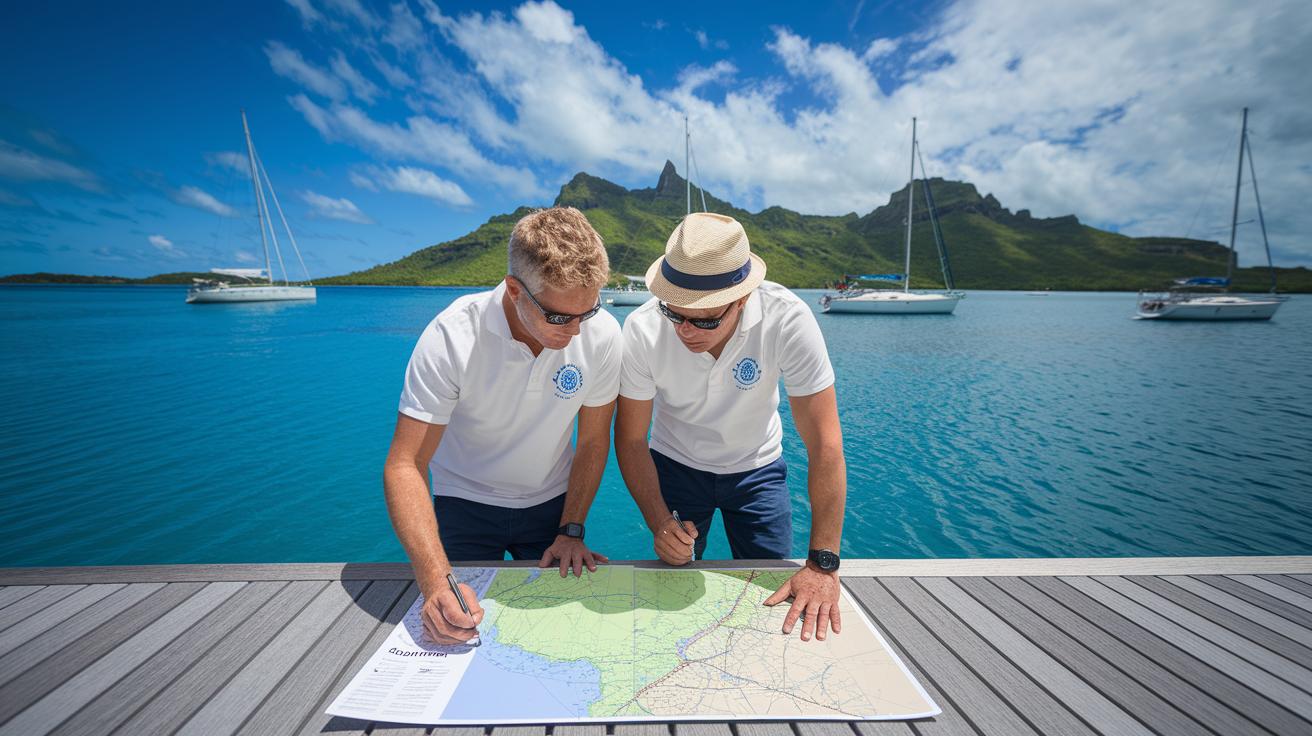
Sailing in the Caribbean is like stepping into a treasure hunt with over 5,000 islands and hidden cays just waiting to be discovered. Imagine planning your multi-island adventure by checking out tips like "How to Plan a Multi-Island Caribbean Vacation" on Caribiana. Most territories are pretty relaxed for European travelers, often letting you stay up to 90 days. Still, it’s smart to double-check customs rules and local port guidelines before you set sail.
Choosing your boat is one of the first fun steps. A classic monohull gives you that timeless sailing feel without breaking the bank, perfect for newcomers. On the other hand, a catamaran offers extra stability and navigates shallow waters with ease when exploring reef areas. Whichever you pick, make sure your boat is equipped with a good GPS, compass, and up-to-date nautical charts. That way, you’re ready to adjust to any surprises that come your way.
Your safety kit is your best buddy on the water. A depth sounder can help you keep track of shifting sandbanks, and a VHF radio on channel 16 is essential if you need to send out an SOS. Don’t forget the basics like life jackets for everyone, fire extinguishers with current inspection tags, emergency flares, and a signal mirror. These items could be lifesavers when you need them.
As you cruise along the sparkling blue waters, remember to protect the natural beauty around you. Anchor on sandy or muddy bottoms and use reef-safe sunscreen to keep the delicate coral and marine life safe. Simple routine checks, like monitoring battery voltage and engine oil, will also help keep your trip sailing along smoothly.
Before you dock at any local port, be sure to go through customs and understand any fees or anchorage zones. Taking care of these details ensures your island adventure stays as effortless as a gentle Caribbean breeze.
Top Caribbean Boating Destinations and Sailing Routes
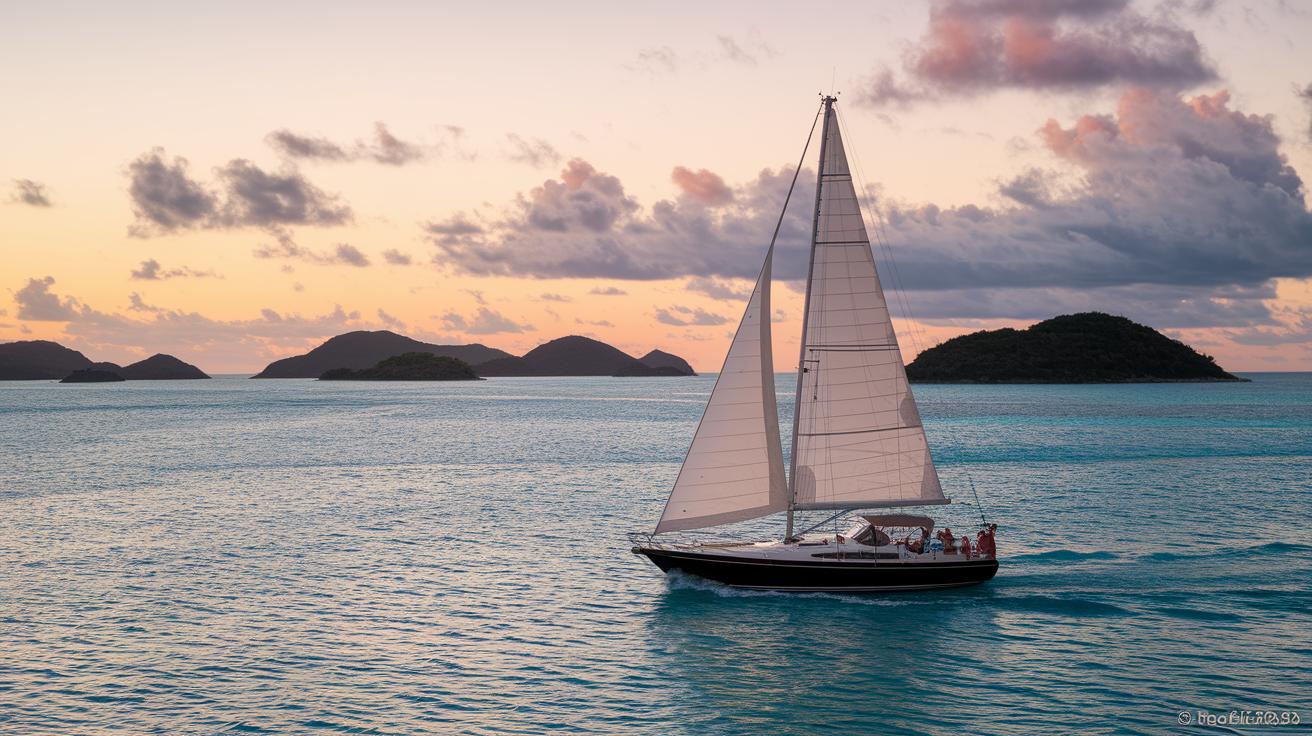
Imagine yourself gliding over turquoise waters, exploring a bunch of amazing spots in the Caribbean. The British Virgin Islands, with over 60 cute isles, invite you to calm bays and marinas like Nanny Cay and Road Town where you can anchor and enjoy mouthwatering local dishes. And then there’s the Bahamas, which dazzles with 700 islands, shallow channels, and clear lagoons. Ever heard of Big Major Cay? It’s famous for its friendly swimming pigs!
Next, we have the Leeward Islands. With stops in places like Saint Martin and St. Barthélemy that bring a French twist, and Antigua’s never-ending sandy beaches, you get a delightful mix of culture and tasty treats. Longer trips here lead you to hidden treasures such as Guadeloupe or Montserrat, adding a hint of mystery to your adventure. Over in the Windward Islands, Caribbean magic unfolds with Martinique’s Creole flare, St. Lucia’s breathtaking Pitons, and the calm waters of Tobago Cays Marine Park, which are perfect for spotting vibrant coral and playful sea turtles.
If you’re in the mood for something off the beaten track, Cuba might be your next stop. Its southern coast is dotted with over 1,000 little cayos. Areas like Jardines del Rey and Jardines de la Reina offer quiet, rarely explored anchorages for those looking to escape the busy spots. Each of these destinations combines stunning scenery with lively local culture, making every sailing trip feel like you’re writing a new page in your travel journal.
| Destination | Key Features | Average Passage (NM) |
|---|---|---|
| British Virgin Islands | Calm bays, full-service marinas | 5–15 |
| The Bahamas | Shallow cays, friendly swimming pigs | 20–40 |
| Leeward Islands | French touches, sandy beaches | 30–60 |
| Windward Islands | Creole charm, coral lagoons | 25–50 |
| Cuba | Quiet anchorages, historic ports | 50–80 |
Seasonal Weather Patterns for Caribbean Boating
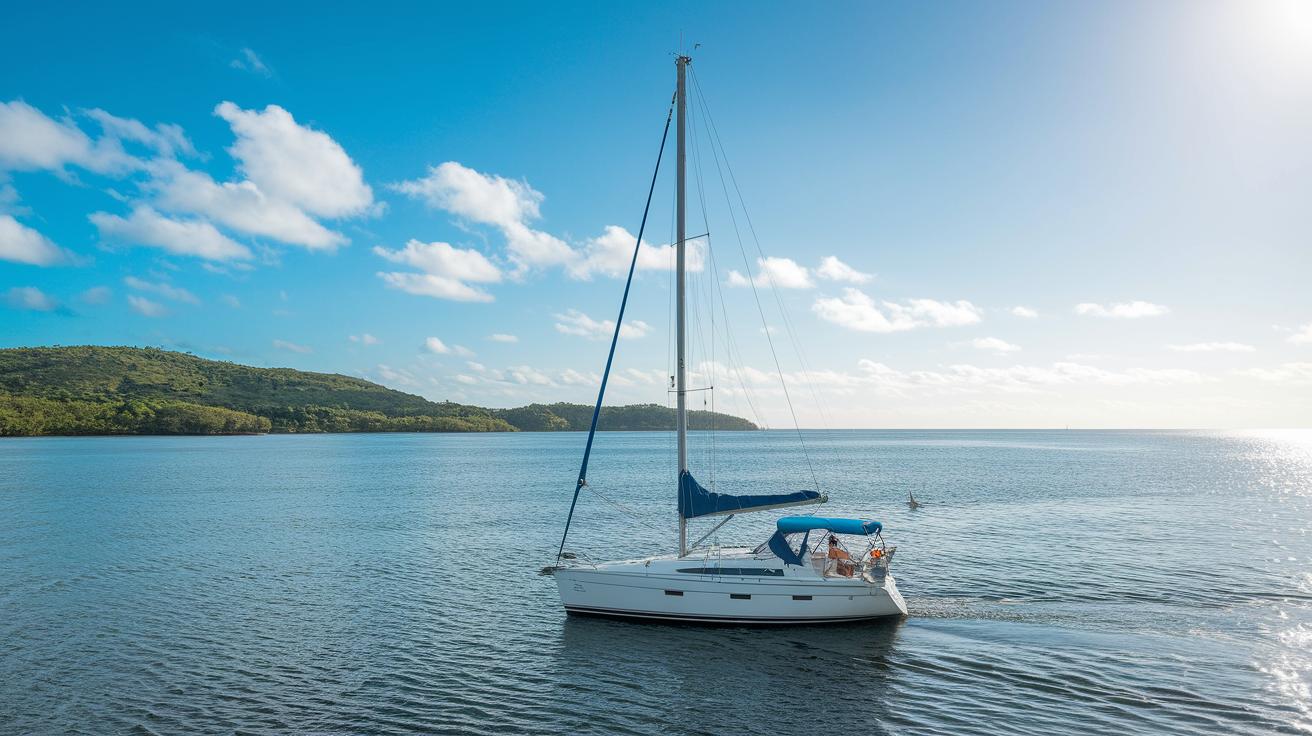
The dry season runs from December to May. During this time, you can count on gentle east winds blowing between 15 and 25 knots and warm sea temperatures from 26°C to 29°C. Imagine sailing on calm, clear waters with the wind softly nudging you along. Picture a perfect day on the water, where the breeze feels like a friendly push making every maneuver seem effortless.
Then there’s hurricane season from June through November, with August and September being the peak months. The weather can change quickly – you might get a few sudden squalls, higher humidity, and a rougher sea. This time of year also brings lower visibility for diving or snorkeling, unlike the crystal clear underwater scenes of the dry season that are ideal for seeing vibrant coral and marine life.
When you’re planning your voyage, think about timing your trip during the dry months if smooth sails and clear dive spots are what you’re after. Choosing your dates with these coastal weather patterns in mind ensures you have a safe journey filled with maximum enjoyment on your Caribbean boating adventure.
Caribbean Boating Guide to Yacht Charter and Rental Advice
Ever feel like reliving that classic sailing experience? Monohulls bring you that authentic, old-school vibe. Take the Dufour 41, for example. In 2024, you might rent one for about €2,399 a week. It’s direct and simple, just right if you’re new to the sea.
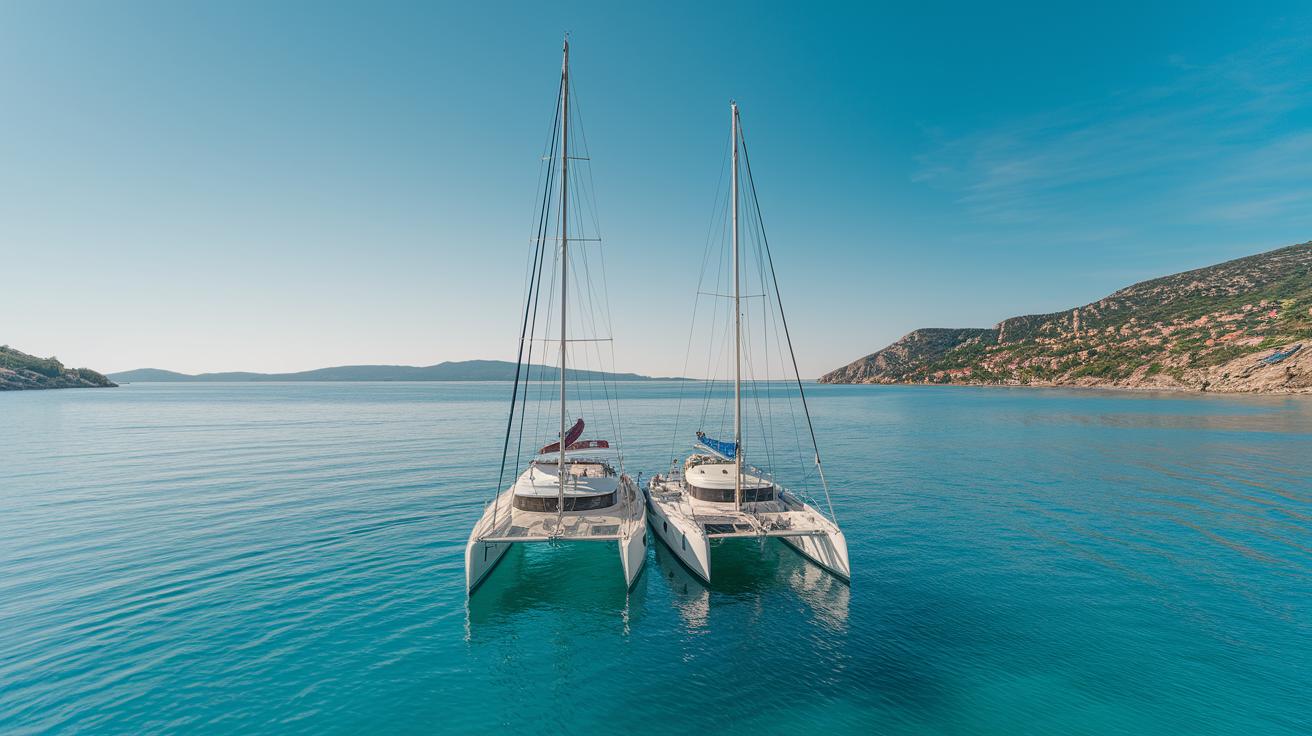
Now, if you love the idea of cruising close to colorful reefs with plenty of room to relax, a catamaran might be your best bet. Their shallow draft makes them perfect for gentle waters, and they give you more living space. In 2024, Lagoon catamarans can cost between €2,727 and €8,013 per week, so there’s an option for every taste.
When you book your charter, you can choose between doing it yourself or letting someone take charge. With a bareboat rental, you’re the captain, handling navigation and onboard tasks, which can be a fun challenge if you’re experienced. But if you’d rather kick back and enjoy the ride, a crewed option is available. Hiring a skipper (and sometimes a hostess) usually adds around €150 to €250 per day. Their expertise means fewer worries and more time to soak in that Caribbean magic.
Most charter agreements come with helpful extras like insurance, damage waivers, and allowances for provisions. This setup helps you avoid surprise costs so you can focus on making memories on the water. Taking a moment to check these details means you can choose a boat rental that really fits your cruising style.
Safety and Equipment Checklist for Caribbean Boating
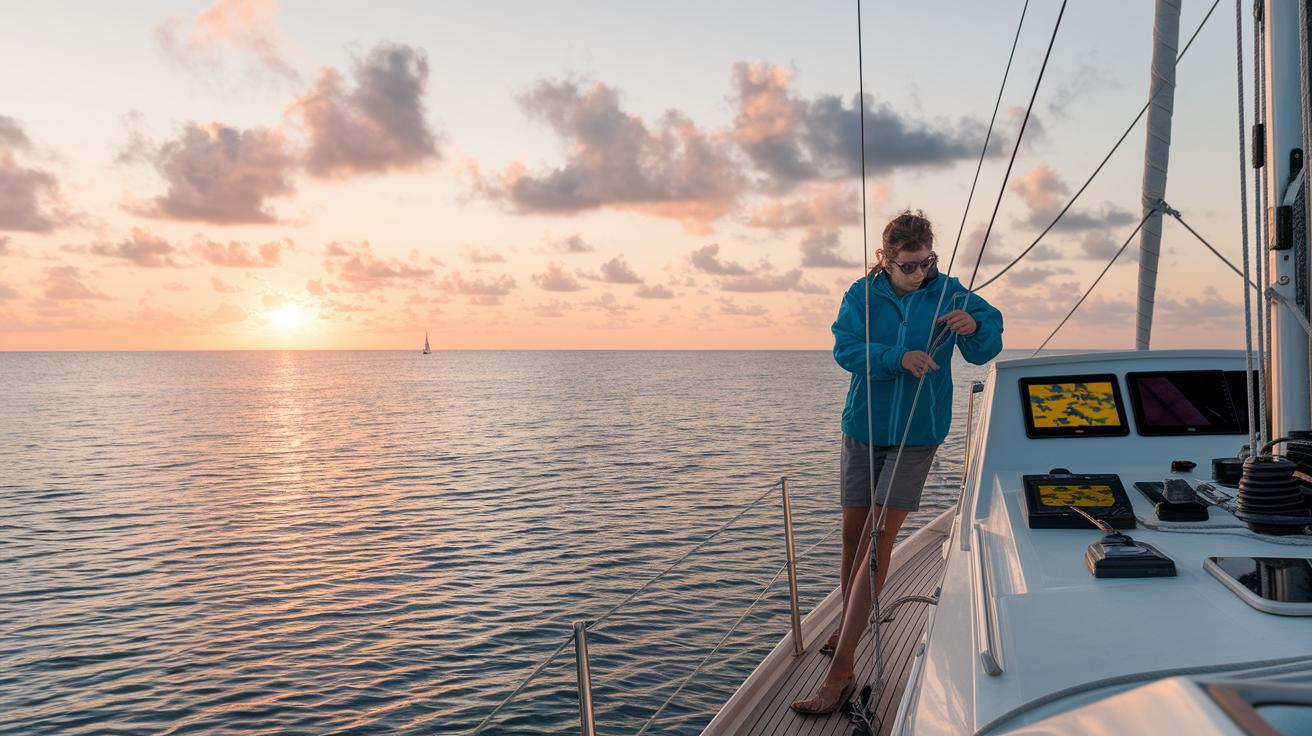
We’re sharing some fresh, up-to-date safety tips to keep your boat in tip-top shape, like giving it a quick app update before heading out on the open sea. Picture a gentle Caribbean breeze as you check off these essentials.
- First, adjust your VHF radio settings to match the latest marine standards. Even a small tweak in your radio’s setup can be a lifesaver if an unexpected call for help comes through.
- Next, make sure your emergency flares and signaling mirrors are up-to-date, following their inspection schedules and not past their expiration dates.
- Then, look over your onboard navigation systems. Update them with the latest digital maps and nautical charts recommended by local maritime experts so you’re always in the know.
- Finally, run a detailed check on your engine, battery voltage, and fast-rope lines, using the newest manufacturer guidelines and regulations as your guide.
It’s a bit like updating your phone’s apps, each step keeps your boat ready for smooth, safe adventures on the sparkling Caribbean waters.
Hidden Coves and Secluded Islands in Caribbean Boating
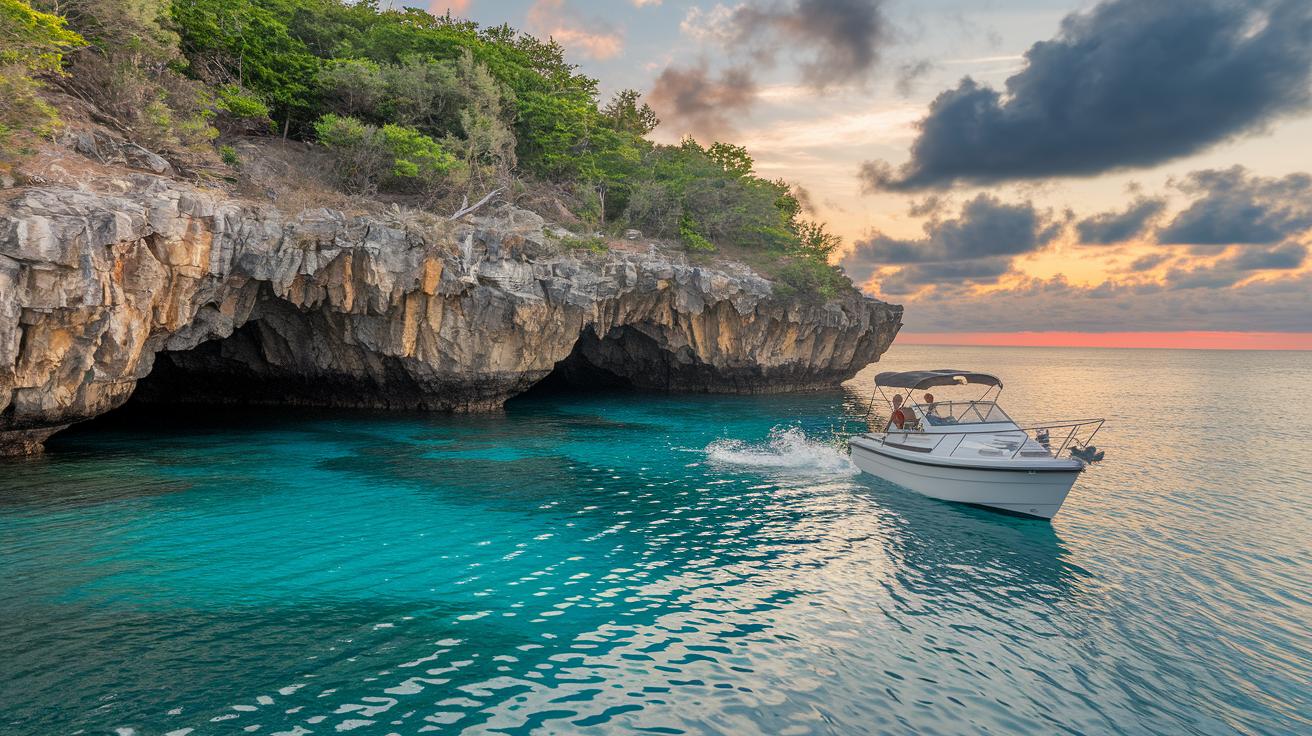
Norman Island welcomes boaters with its mysterious underwater caves. These natural hideaways even sparked the idea for Treasure Island. Imagine dropping anchor and feeling the cool Caribbean splash as you explore secret nooks that seem to whisper ancient tales.
White Bay at Jost Van Dyke is pure bliss. With powdery white sands and a laid-back vibe, it’s the perfect spot to relax by the water and let the rhythm of the waves lull you into vacation mode.
Over at Big Major Cay, you'll find a delightful surprise. Friendly pigs greet your boat as if they’re longtime pals, adding a playful twist to your day on the water.
Tobago Cays Marine Park is a little underwater paradise. Here, you can wander among bright coral gardens and discover quiet coves where sea turtles make their nests. It’s a treat for anyone who loves getting up close with nature.
Off the coast of Cuba, Jardines de la Reina offers a pristine reef system. This protected marine haven is ideal for those who want to experience an untouched underwater scene.
Mustique wraps it all up with charm. Its well-kept bays provide a quiet place to drop anchor, while the lively waterfront is perfect for soaking up the local culture and people-watching.
Local Port Regulations and Docking Procedures in Caribbean Boating Guide
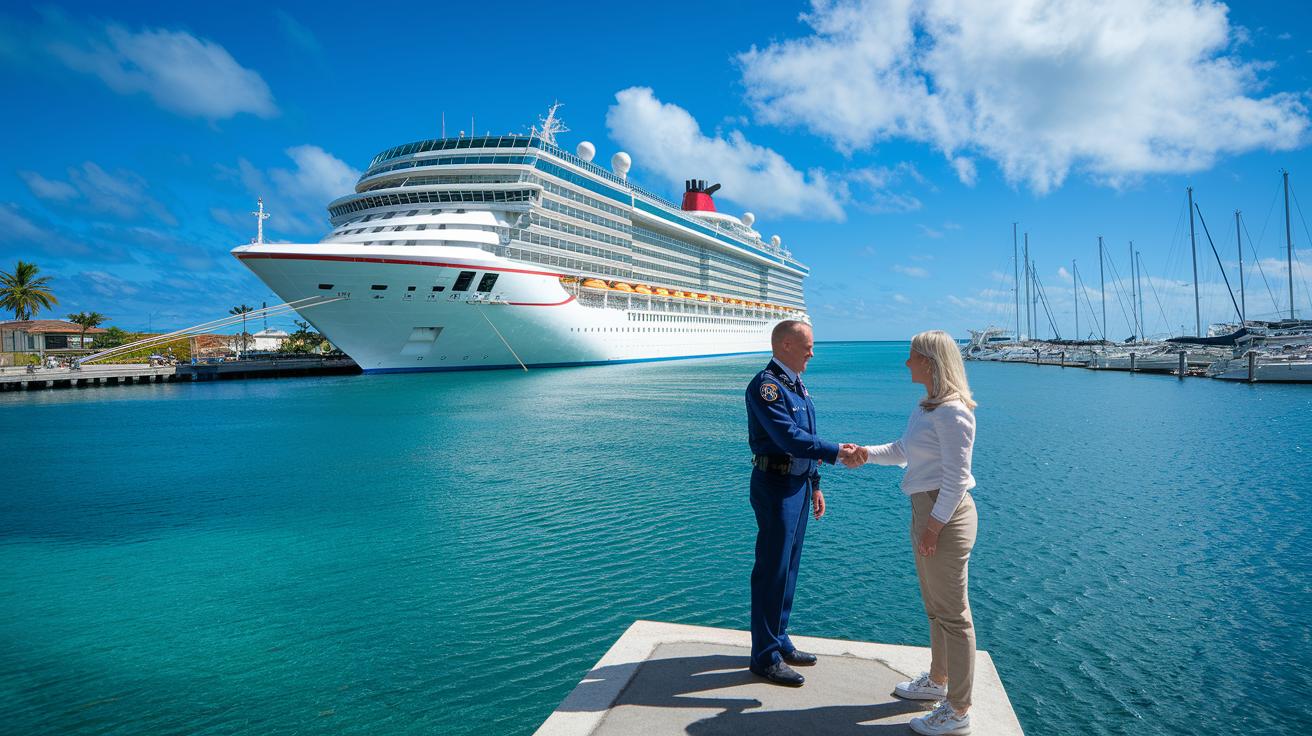
When you head into Caribbean ports, the first thing to do is clear customs and immigration. If you have an EU passport, you usually don’t need a visa for stays up to 90 days, but the rules change a bit from one place to another. When you arrive at a harbor, have a quick word with the local folks to make sure your paperwork is all set.
Next, be ready for docking fees at busy marinas like Nanny Cay and Road Town. Daily fees often come out to around €1.50 to €3.00 per foot, plus extra environmental fees. These charges help keep the marinas tidy and protect the stunning natural surroundings.
Anchoring is another key step. The rules are firm to protect the delicate coral and sea life. Always drop your anchor only in spots marked for it, usually on soft sand or mud. Here’s a simple checklist to follow before you dock:
- Clear customs and immigration when you first land.
- Double-check the docking fees and any extra environmental charges.
- Anchor in areas that are approved.
- Use marina pump-out stations for waste disposal.
Stick to these tips and take a little time to read the local port notices. That way, your journey is smooth, follows the local guidelines, and shows love for our beautiful Caribbean environment.
Caribbean Boating Guide to Itinerary Planning and Onshore Adventures
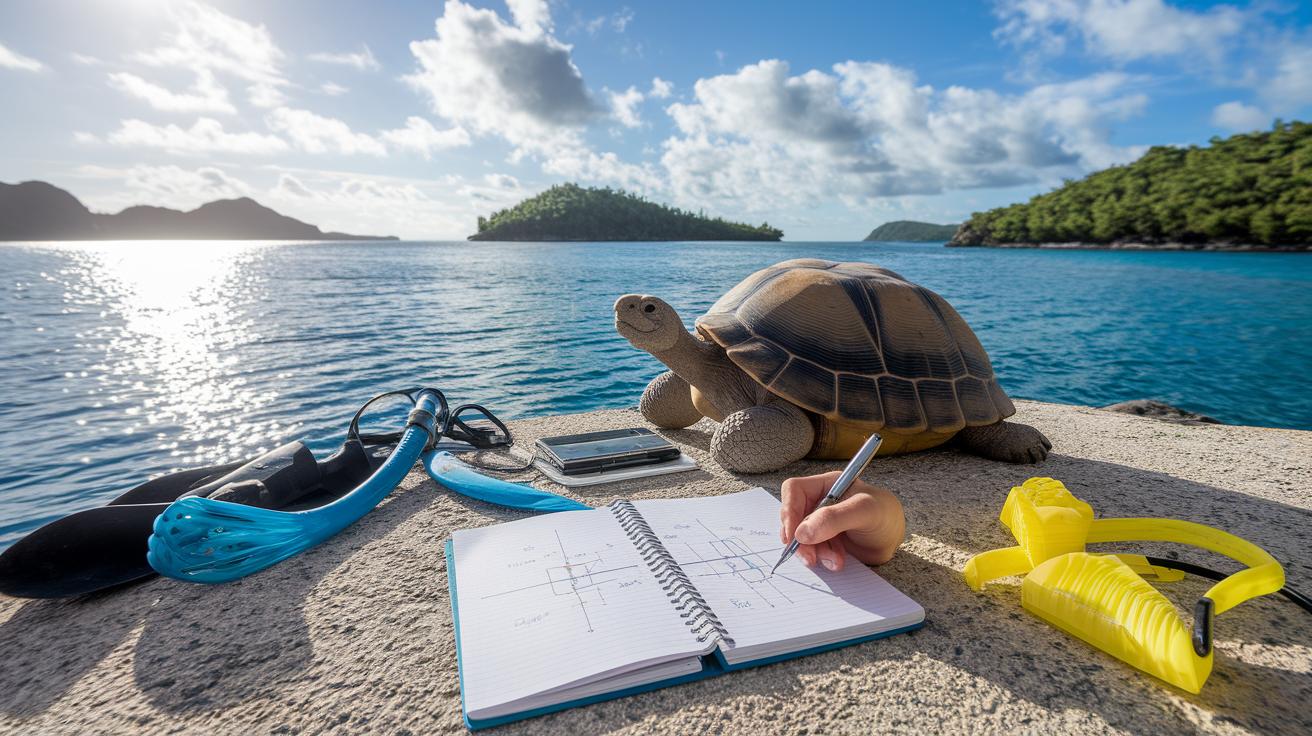
Imagine planning your perfect week in the Caribbean like you're sketching out a dream. You might kick off your adventure in Tortola, head over to Virgin Gorda, drop anchor at Jost Van Dyke, then circle back to Tortola. This 5- to 7-day loop blends smooth sailing with fun breaks on land, your very own island escape plan.
On land, why not start by snorkeling near a sunken ship at The Baths? Think of colorful fish and hidden coves that make you feel like you've stepped into a secret world. Next, take a relaxed hike through Sage Mountain National Park, where the fresh island air fills you with energy and every view is a little masterpiece. Then, consider visiting a rum distillery like Mount Gay. Here, you'll get a taste of local tradition alongside a bit of Caribbean history. And of course, treat yourself to local delights, jerk chicken from a roadside stall or conch fritters at a beach bar, that let you truly savor the Caribbean vibe.
Be sure to plan a stop for supplies too, maybe in St. Martin or Antigua, where you can pick up fresh produce and ice to keep your onboard meals just right. For more ideas on crafting the perfect multi-island loop, check out Caribbean Travel Itinerary Ideas and turn your getaway dreams into an unforgettable reality.
Final Words
In the action, we explored key routes, port clearances, and safety essentials along with tips for booking charters and planning balanced island stops. We touched on weather patterns and eco-friendly practices while highlighting those hidden coves that make Caribbean trip planning so special. This rundown gave you a clear look at legal and navigational requirements, along with practical advice for onshore fun. Trust this caribbean boating guide to set you up for a smooth, memorable experience out on the water. Enjoy every sun-kissed moment!
FAQ
Where can I find a free Caribbean boating guide for beginners?
A free Caribbean boating guide for beginners is available in PDF format from trusted online sources. It covers basic navigation, local port rules, safety tips, and essential cruising advice to get you started confidently.
Is there a Cruising Guide to the Virgin Islands for 2025?
The Cruising Guide to the Virgin Islands for 2025 offers updated routes, marina details, and regulatory tips. It provides boaters current insights to plan a smooth and enjoyable cruise through the islands.
Where can I access a St Martin cruising guide or other online cruising guide publications?
You can access a St Martin cruising guide and other online cruising publications via maritime resource sites and specialized boating websites. These guides explain docking procedures, fee details, and recommended stops.
What months should I avoid for cruising the Caribbean?
To steer clear of rough seas, boaters should avoid cruising during the hurricane season from June to November, especially in August and September when storms and squalls are most common.
What are the Caribbean’s big three cruising regions?
The big three cruising regions in the Caribbean are often the British Virgin Islands, The Bahamas, and the Eastern Caribbean islands like the Leeward Islands. Each region offers distinct scenery, anchorages, and cultural experiences.
Which Caribbean islands might not be worth a visit for boaters?
Some Caribbean islands may not suit every boater if they lack scenic anchorages, cultural highlights, or proper facilities. Personal taste plays a role, so choose destinations that best match your cruising interests.
What size boat is best for Caribbean cruising?
The ideal boat size depends on your group and comfort. Many opt for monohulls, which offer a classic feel and lower cost, or catamarans, which provide extra space and can explore shallower reefs.
