Ever wondered what happens when the warm, Caribbean water meets the cool, deep Atlantic? Picture a shimmering line where two seas mingle, each bringing its own story to life with soft currents and changing hues. Off the coast of St. Kitts, you can watch this gentle meeting unfold, where each current whispers a different tale. Our post explores how this blend shapes a unique playground for nature and coastal living, inviting you to step closer and feel the magic for yourself.
Geographic Convergence: Where the Caribbean and Atlantic Ocean Meet
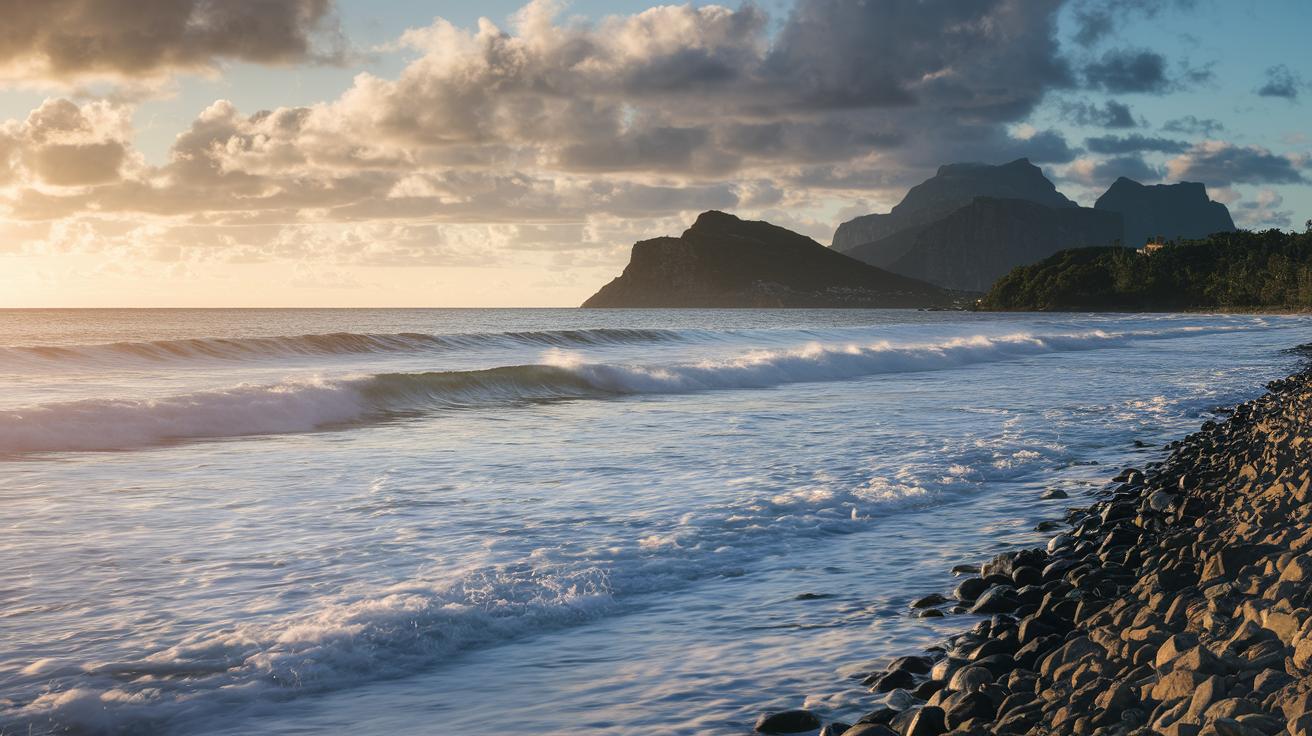
Imagine the warm, sunlit waters of the Caribbean slowly meeting the cooler, deeper currents of the Atlantic. It creates a visible line where two very different stories blend into one scene. A snapshot taken off St. Kitts even captures this magic moment, showing the blue Caribbean gently brushing against the open Atlantic.
This special meeting spot does more than just look pretty. It shapes the local weather, supports a diverse mix of sea life, and influences the way coastal communities live. In this zone, the unique traits of each sea combine to impact everything from daily weather to the delicate habitats of marine creatures. Ever thought about why some island shores seem so uniquely vibrant?
- Barbados
- St. Kitts
- Tobago
The way islands lean into the ocean plays a big part in this mix. Islands such as Barbados and Tobago naturally catch sweeping ocean currents, stirring the waters along their shores. With gentle coastal slopes, warm and cool waters mingle easily, forming a distinct zone where marine life shifts noticeably over short distances. This natural setup not only molds the landscape but also nurtures a lively assortment of sea creatures throughout the region.
Water Properties at the Caribbean–Atlantic Ocean Junction
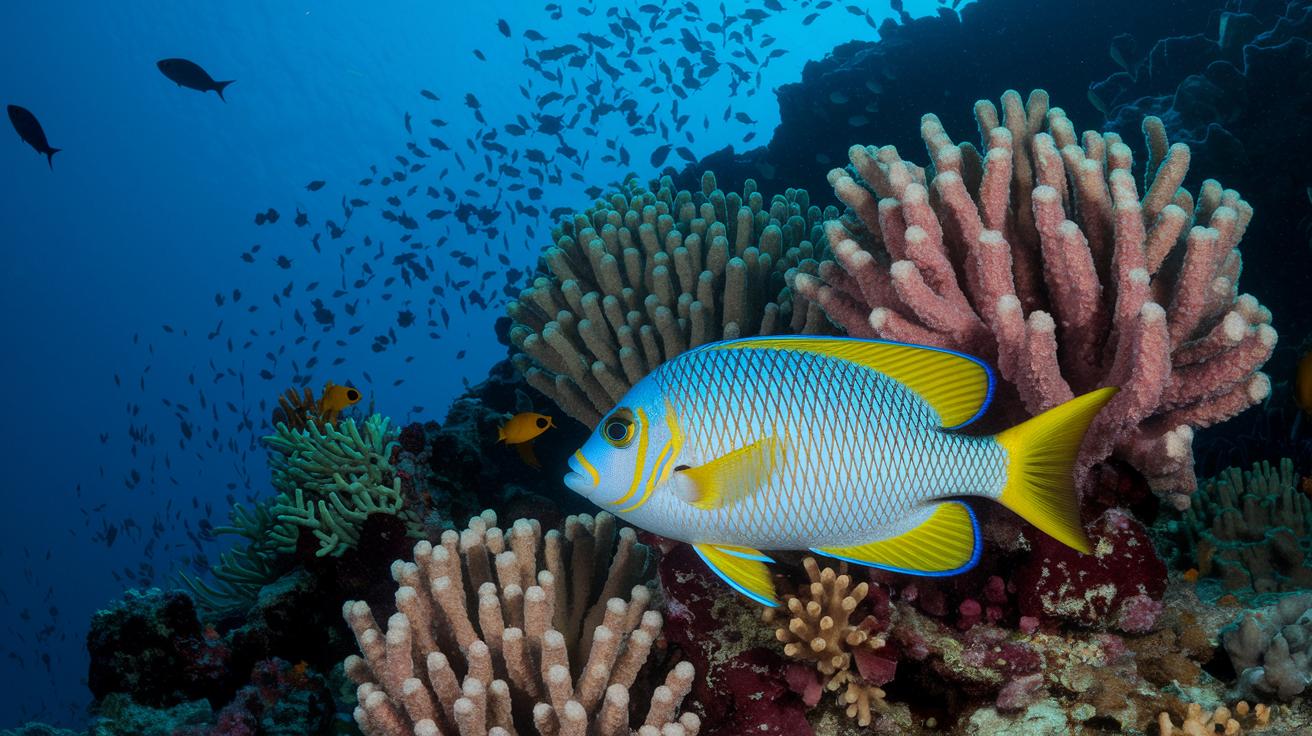
At this special meeting point, you can quickly tell the two sides apart by simply feeling the difference in the water. On the Caribbean side, the water is warm and sunlit, making it wonderfully clear. It's the perfect spot to spot bright reef fish and even watch stingrays dart by. Meanwhile, the Atlantic side has cooler, deeper water that whispers of hidden secrets. It’s like two different worlds coming together in one amazing place.
The mix of salt and varying water depth adds even more charm here. The Caribbean water is lighter and less salty and slowly blends into the denser Atlantic currents that sink down deep. Even tiny changes in salt levels build different layers, each supporting its own group of sea life. Places like Buccoo Reef and Castara Reef thrive because of these gentle shifts in the water. This blend of warm, clear water and cool, heavy flows creates a perfect home for many species, turning the region into a lively, natural lab.
| Feature | Caribbean Water | Atlantic Water |
|---|---|---|
| Temperature | Warm and sunlit | Cooler and deep |
| Salinity | Lower and lighter | Higher and denser |
| Clarity | Exceptionally clear | Often murkier |
All these contrasting water features do more than create a striking view, they build a patchwork of different habitats. Shallow coral gardens live side by side with deeper underwater worlds, each offering plenty of food and shelter for reef fish, stingrays, and even the tiny critters hidden in the sand. It’s nature’s way of weaving together a colorful, ever-changing seascape.
Currents and Hydrodynamics in the Caribbean and Atlantic Confluence
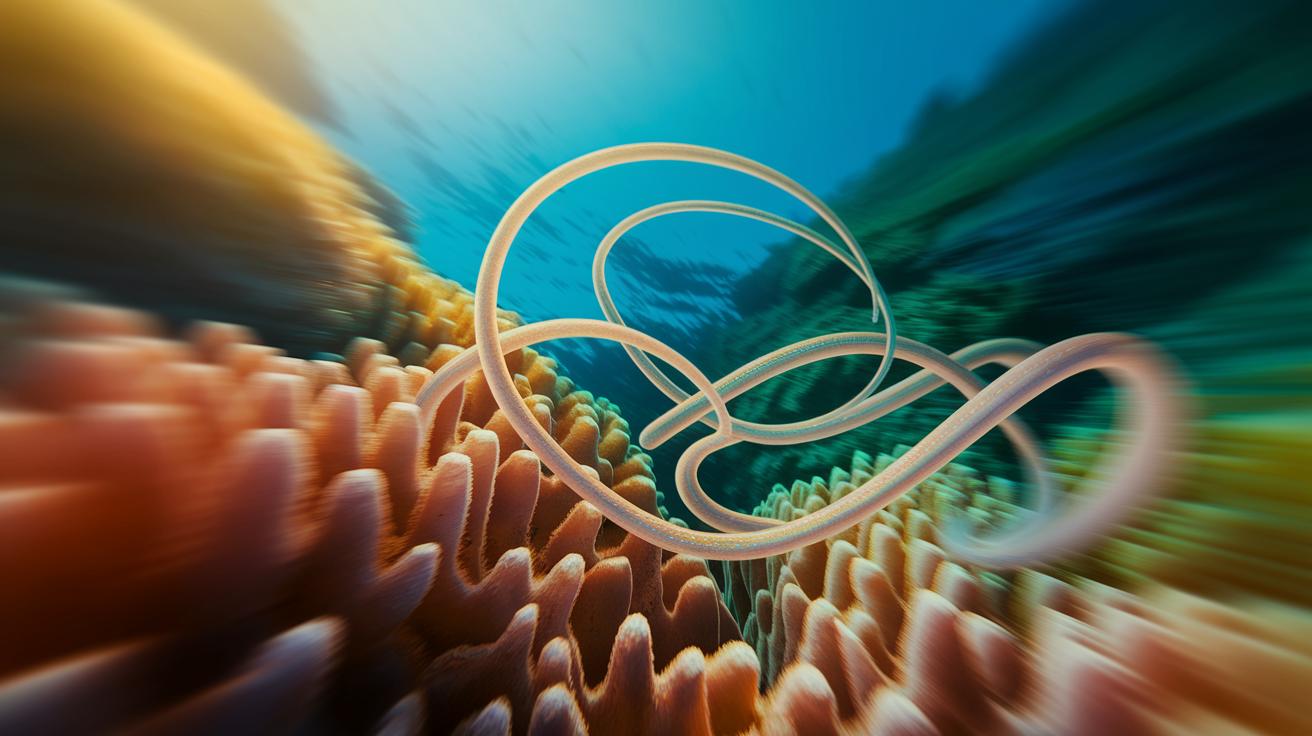
In the Caribbean, you can see two big currents at work. The Antilles Current sends warm, light water from the Caribbean while the North Equatorial Current brings in cooler, heavier water from the Atlantic. When these flows meet, they mix into ever-changing swirls that almost look like a natural highway for marine life. Imagine smooth, ribbon-like eels drifting along these lively currents, traveling between coral reefs as if they’re riding waves.
When these water streams clash, the result is a lively dance of swirling patterns and unexpected water pockets. This natural mix carries sediments and nutrients along the coast, feeding local habitats just like a refreshing tropical breeze. And tides join in too, with gentle surges that keep the ocean layers continuously refreshed.
Here are a few key factors:
- The collision of different water streams
- Swirling eddy formations
- Mixing caused by the tides
- Shifts that come with the seasons
Scientists have been exploring these dynamic waters to unlock the secrets of marine connectivity. Their ongoing studies reveal how the complex mix of currents supports healthy coastal ecosystems. In essence, this research helps us see how the natural motion of the ocean nurtures biodiversity and reminds us to care for these amazing habitats, much like tending to a cherished tropical garden.
Biodiversity in the Caribbean–Atlantic Ocean Meeting Zone
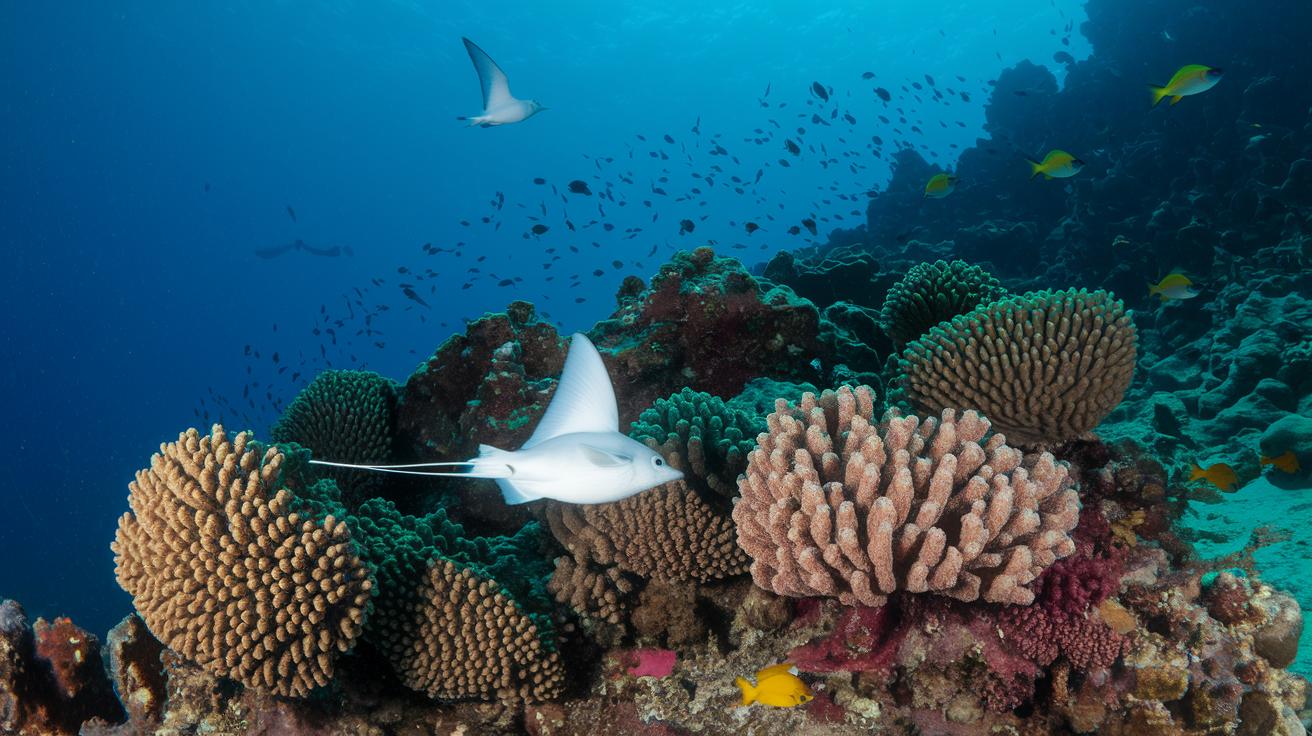
Where the warm Caribbean waters meet the cooler Atlantic currents, life blossoms in amazing ways. This unique blend of water temperatures brings together a treasure trove of colorful creatures. Imagine spotting lively seabirds, mysterious eels, graceful stingrays, vibrant reef fish, and busy crustaceans, all adding their own splash of life to the seascape.
- tropicbirds
- eels
- stingrays
- reef fish
- crustaceans
Coral Reef Communities
Coral forms like little underwater gardens. These living structures provide shelter and food for many sea creatures, acting as safe havens in the vast ocean. The mix of bright Caribbean waters with the deeper Atlantic currents stirs up nutrients that keep everything thriving.
For example, around Tobago you might see reef fish darting among the corals while stingrays glide by in clear water. The gentle flow allows eels and crustaceans to move freely along the ocean bottom. Even a small change in water temperature or saltiness can send ripples through this connected network, supporting delicate corals and the bold creatures that depend on them.
Every tiny shift in this dynamic setting plays a part in a robust, living mosaic that makes the Caribbean–Atlantic meeting zone truly magical.
Historical Narratives of the Caribbean and Atlantic Ocean Interface
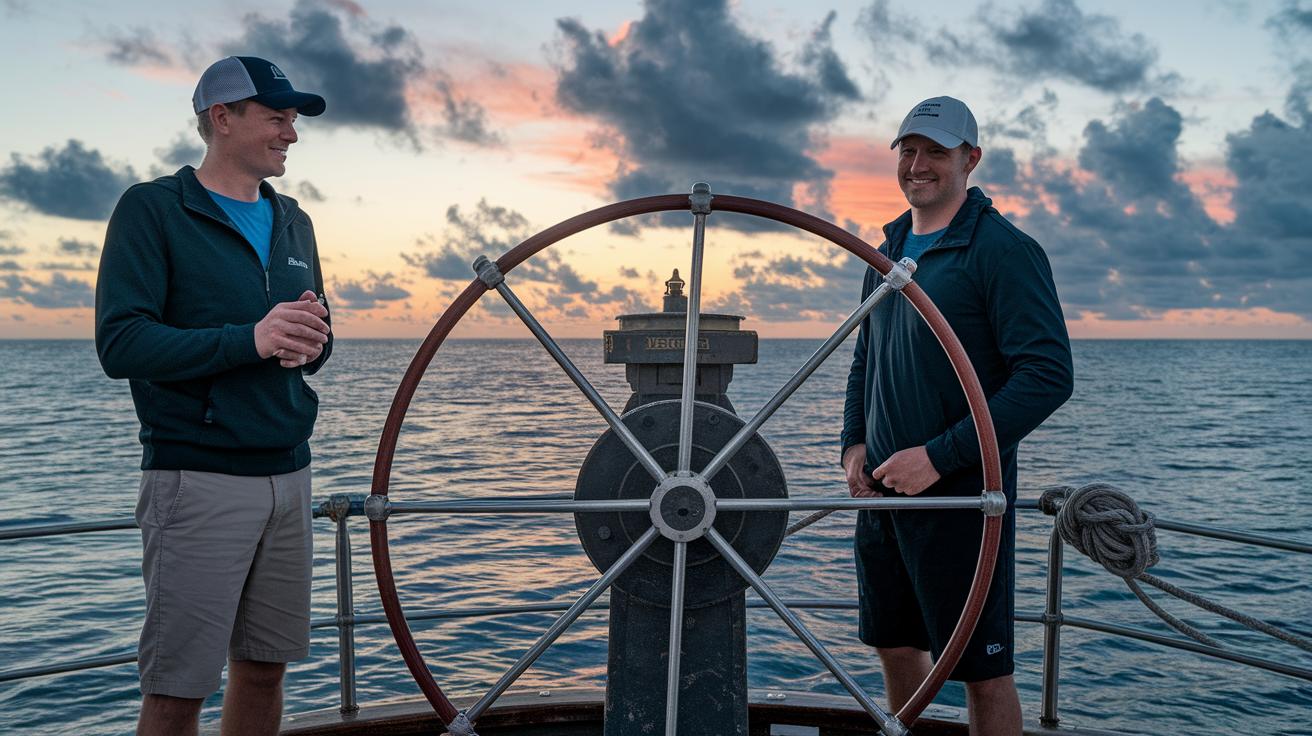
Christopher Columbus once picked St. Kitts as a favorite stop on his early trips, even jokingly linking the island to his own name. This playful gesture sparked interest and excitement among many European explorers, turning the island into a beacon of hope and adventure. Old parchment records tell of brave sailors setting off into mysterious waters, where the meeting of the Caribbean and the Atlantic set the perfect stage for countless legendary tales.
Soon, colonial traders saw the clear advantage of this natural crossroads. They discovered that this unique channel made it much easier for ships to move between the two vast seas, helping merchants share goods, cultures, and stories over long distances.
- One legend tells of a soft, mysterious light that led lost sailors safely through foggy nights.
- Another story speaks of hidden coves where secret deals were made under the silent cover of darkness.
- A local myth even describes magical waters that seemed to show early mariners the friendly spirits watching over them.
These vivid stories have become a cherished part of the region's heritage. The meeting point not only helped guide seafarers but also influenced how towns and settlements developed along the coast. Explorers and traders alike relied on natural clues and age-old legends to navigate these historic, storied waters.
Experiencing the Caribbean and Atlantic Meeting Point: Travel Highlights
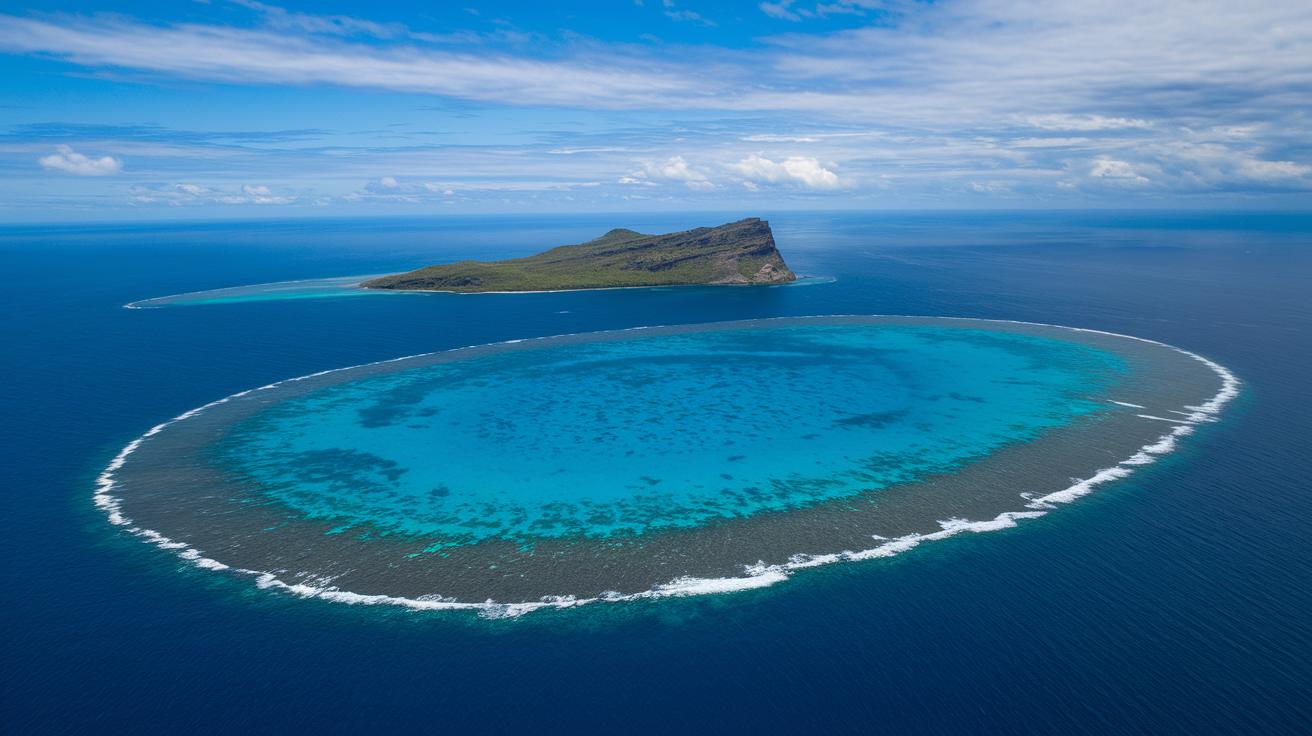
This spot is pure magic. Imagine warm Caribbean waters gently brushing against the deep, lively Atlantic, with soft sandy shores setting the scene for a day you won’t forget. Every glance here feels like a picture-perfect postcard moment.
Wondering what to do? Here are a few ideas:
- Snap stunning photos right where the two waters meet.
- Enjoy reef snorkeling in Tobago, exploring vibrant underwater landscapes.
- Try birdwatching for a glimpse of graceful tropicbirds.
- Join a coastal boat tour near Barbados to soak in sweeping views and local charm.
This unique meeting of seas draws in explorers all year long, though the dry season offers especially pleasant weather and calm seas. Early mornings at Castara Reef off Heavenly Bay are a real treat, imagine the underwater world alive with colorful marine life. Meanwhile, Barbados stands out as a welcoming cruise port, blending scenic beauty with a taste of authentic local culture.
Book your tours early during peak times so you get the best experiences without the hassle. With clear skies, soothing sea conditions, and a vibe that’s both relaxed and inviting, this is the perfect time to uncover the wonder of where two iconic waters embrace.
Mapping the Caribbean and Atlantic Ocean Confluence
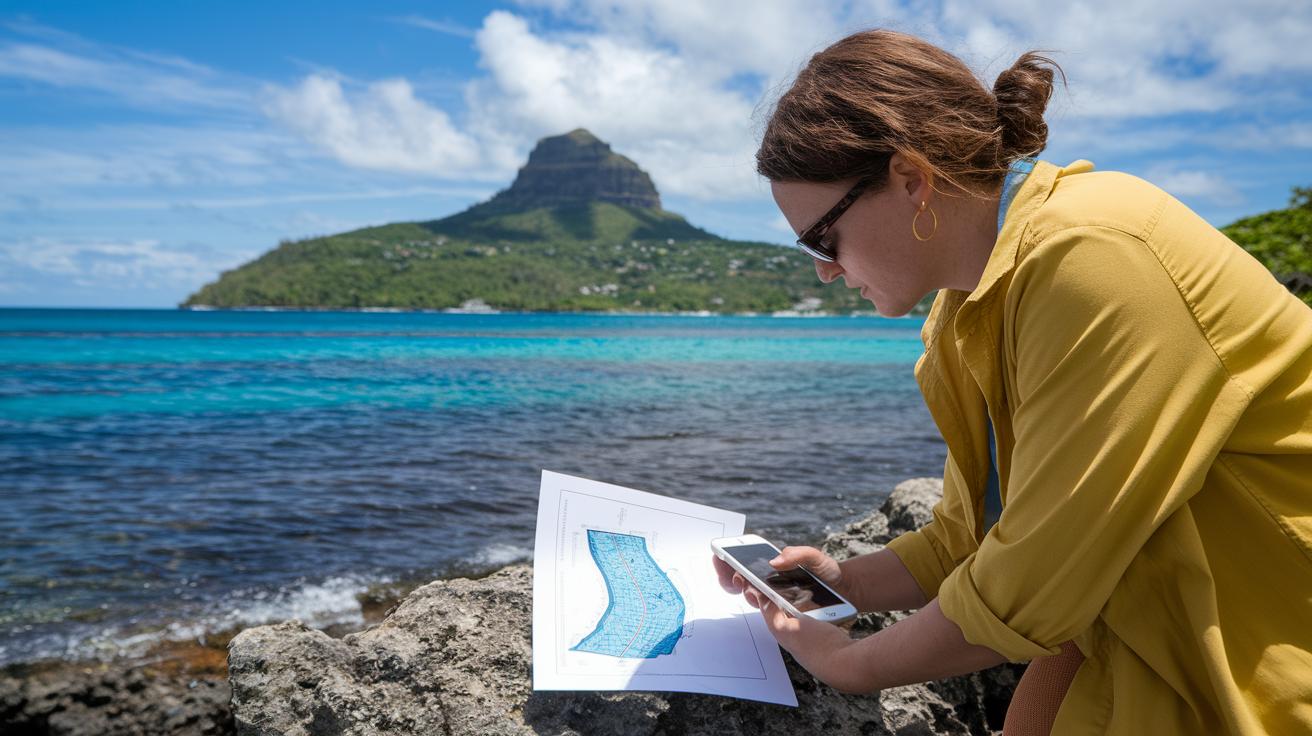
Imagine a place where the steamy, inviting Caribbean waters warmly meet the cool, refreshing Atlantic currents. Different types of maps help us see this magical meeting with clarity. For example, bathymetric charts, which show underwater shapes and dips, offer precise views of the ocean floor. And then there’s satellite imagery that captures super clear pictures of island edges, like those around St. Kitts. Plus, interactive 3D models let you dive into the scene, turning static maps into lively glimpses of shifting coastlines.
| Map Type | Source | Key Feature |
|---|---|---|
| Bathymetric | Maritime agencies | Depth and contours |
| Satellite | Spaceborne sensors | Crisp coastal imagery |
| Interactive 3D | Digital mapping platforms | Real-time visualization |
When you explore online mapping platforms like government nautical sites, commercial services, or handy mobile apps, you'll find all the latest chart details. These digital tools make it easy to spot the fine line where the two waters meet and help you plan your coastal adventures with a clear and friendly guide.
Final Words
In the action of exploring nature's meeting point, our post took you through the unique zone where the caribbean and atlantic ocean meet. We examined coastal boundaries, water differences, dynamic currents, lively marine life, and rich historical ties, while hinting at fun travel stops along Barbados, St. Kitts, and Tobago.
This guide shows how island layouts and coastal shelves create a natural spectacle. Enjoy planning your next trip and soaking in the sun and sea!
FAQ
Where do the Caribbean and Atlantic Ocean meet?
The meeting point of the Caribbean Sea and the Atlantic Ocean is seen off the coasts of islands like Barbados, St Kitts, and Tobago, where warm tropical waters contrast sharply with deep blue Atlantic currents.
What two seas meet and don’t mix?
The two seas that meet yet keep their distinct qualities are the Caribbean Sea and the Atlantic Ocean. Their different temperatures and densities allow both waters to run side by side without fully blending.
Which Caribbean island is completely surrounded by the Atlantic Ocean?
The idea of a Caribbean island completely surrounded by the Atlantic is a bit misleading. Most islands border both the Caribbean Sea and the Atlantic Ocean, sharing influences from each side.
What two oceans meet in St Kitts?
The two oceans that meet near St Kitts are the Atlantic Ocean and the Caribbean Sea, where the island’s coastal waters show a clear seam between the deep Atlantic and the sunlit Caribbean waters.
