Ever wondered if your Caribbean getaway might have a few surprises waiting for you? Canadian travel advisories have updated tips for five key island spots. Some of these islands mention a few power cuts and minor street troubles, while others have a few extra safety worries. We’ve gathered all the practical details you need so you can plan your trip with confidence. Stick around to see how these updates can help you have a relaxed, sunny vacation in the Caribbean.
Current Canadian Travel Advisories for the Caribbean Destinations

Canadian officials have flagged five Caribbean spots with active travel warnings, giving travelers a friendly heads-up about what to expect in each area. Each advisory points out some key concerns to help you plan better.
In Cuba, extra caution is needed since the island has been hit with major power outages that disrupt daily services. And if you're flying from Vancouver, most flights have a stopover, though Sunwing even offers a direct flight on Tuesdays!
Over in the Dominican Republic, it's wise to be alert on sunny beaches where minor crimes like pick-pocketing might occur. Similarly, in Jamaica, keeping an eye out is important due to a rise in violent incidents.
The Bahamas now come with warnings too, especially in Nassau and Freeport where crime levels are higher. And then there’s Trinidad and Tobago, recent updates advise avoiding non-essential travel in areas under a State of Emergency, where security forces have extra powers to search, arrest, or detain without a warrant.
Before you set off on your adventure, make sure to check the latest updates from official Canadian travel sources since these advisories can change quickly.
| Destination | Advisory Level | Key Risks |
|---|---|---|
| Cuba | Exercise Increased Caution | Power outages, service disruptions |
| Dominican Republic | Exercise Increased Caution | Beach crime |
| Jamaica | Exercise Increased Caution | Violent crime |
| Bahamas | Exercise Increased Caution | High crime in Nassau/Freeport |
| Trinidad and Tobago | Avoid Non-Essential Travel | State of Emergency, extended security powers |
Key Safety Concerns in Canada's Caribbean Travel Advisories
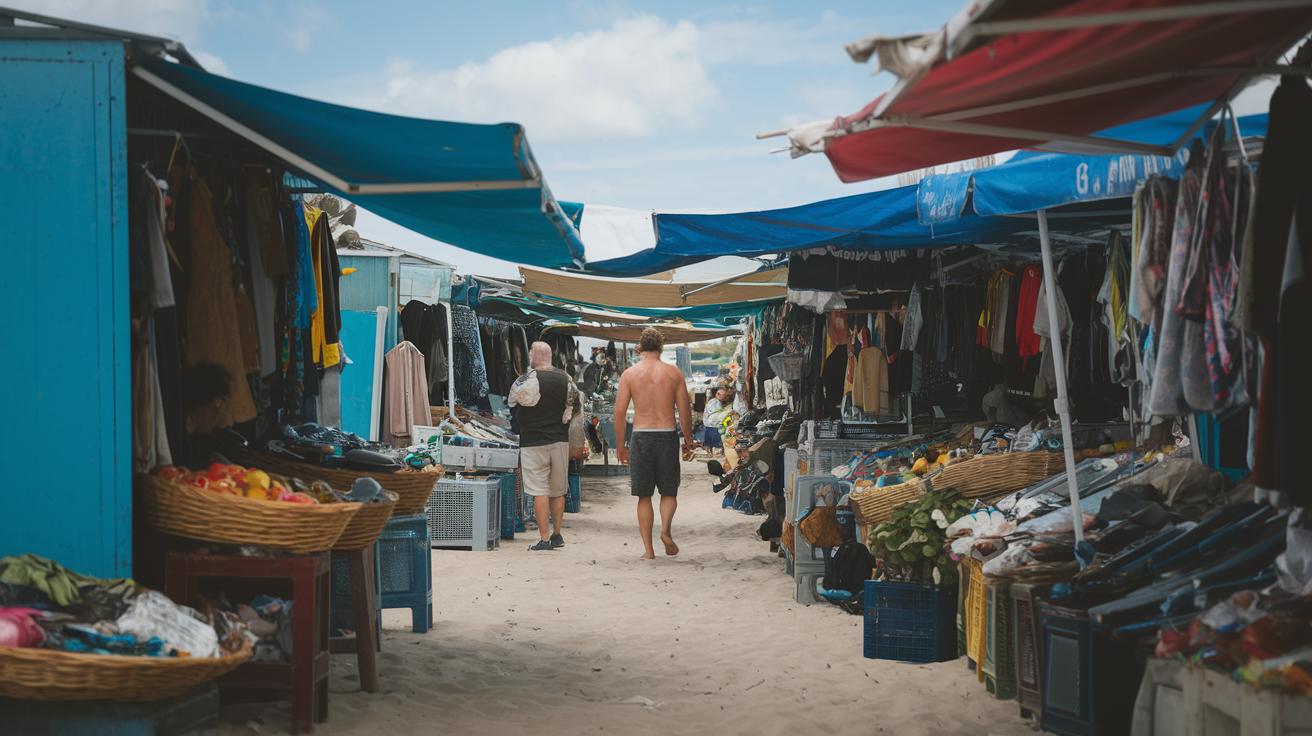
Canadian travel alerts remind us to stay on our toes when visiting the Caribbean. Local news tells us that places like Trinidad and Tobago are experiencing more petty crimes. You might hear about pickpocketing, purse snatching, and even some credit-card scams that come with unexpected assaults, even when gangs aren’t involved. In busy beach areas, there have been a few violent incidents and a bit more relaxed security than usual. Plus, some spots, like Cuba, often face power outages and other hiccups with local services.
- Petty crime, like theft, pickpocketing, and scams
- Violent crime, including armed muggings and assaults in busy beach spots
- Political unrest with occasional protests or curfews that might shake things up
- Infrastructure troubles, like power cuts and transport delays, especially in Cuba
- Tourist scams with fake vendors and credit-card skimmers
- Local enforcement, including warrantless searches or arrests under emergency rules
Staying in the loop with the latest local updates can help you change your plans quickly if you need to.
Practical Guidelines under Canadian Advisories for Caribbean Travel
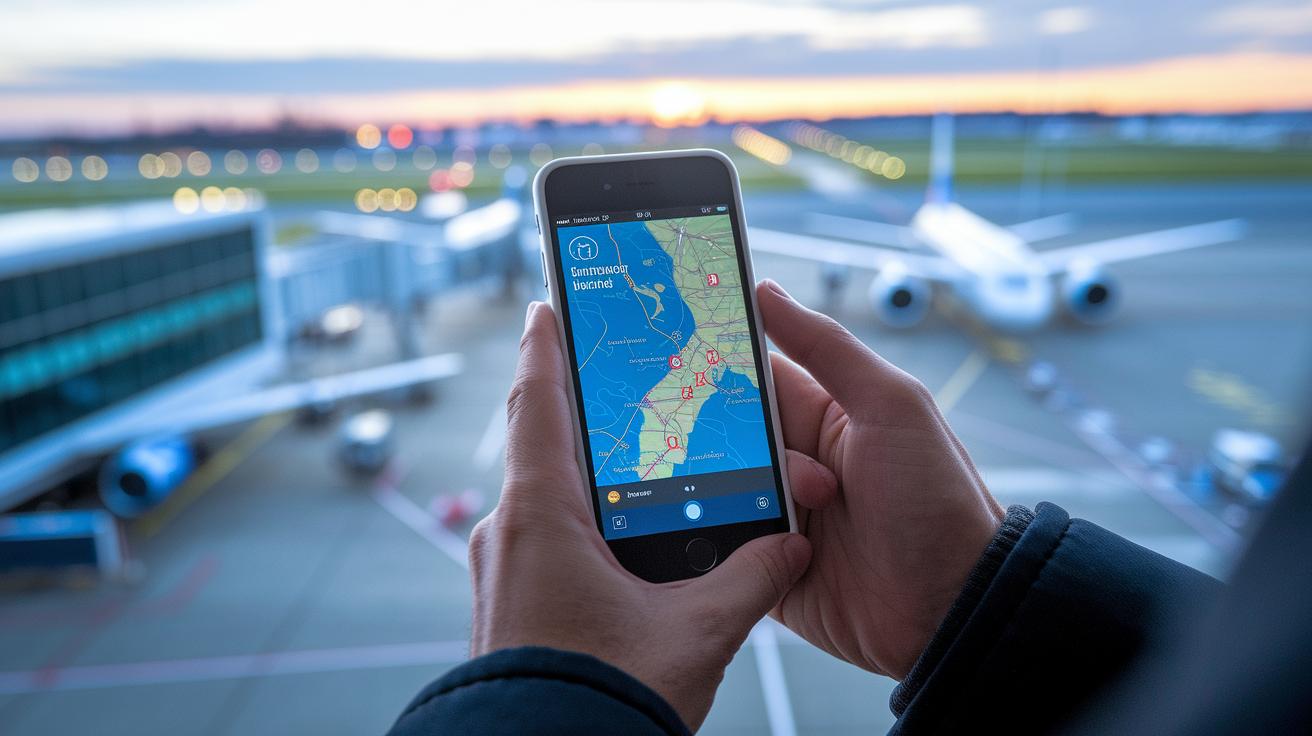
Keep an eye on official advisory maps to spot areas considered risky, much like checking your favorite weather app before a beach day. If non-essential trips are being discouraged in an area, it’s similar to hearing a sudden downpour warning, it's best to hold off. And if you see a region, like parts of Trinidad and Tobago, under a State of Emergency, be aware that local officials might take swift action to keep everyone safe.
Plan ahead by checking your travel details well in advance. Imagine you’re set to fly with a service like Sunwing on a Tuesday, and suddenly there’s a hiccup, a power cut or transit change in Cuba, for example. Always have the latest advisory info and local emergency numbers handy, so you’re ready to shift gears without missing a beat.
Monitoring Official Canadian Travel Advice for Caribbean Trips
Global Affairs Canada keeps you informed with updated travel advisories, clear risk details, and the latest timestamps right on its website. The site paints a clear picture of safety in Caribbean spots by grouping risks in simple categories. For instance, you can easily spot notes on things like power outages in Cuba or tightened security in Trinidad and Tobago. It’s like getting the latest heads-up before checking out the local weather.
If you’re gearing up for a Caribbean getaway, signing up for email or SMS alerts with the Registration of Canadians Abroad service is a smart choice. These alerts deliver any last-minute changes or unexpected events straight to your phone or email. Checking these updates before you leave, and even while you’re enjoying your trip, lets you adapt on the fly and travel with extra peace of mind.
Understanding Canada's Travel Advisory on Trinidad and Tobago State of Emergency

If you need more details about the advisory and extra security measures in some areas declared under the State of Emergency since December 2024, check out the earlier section. If you’re in these zones, keep an eye on local news and reach out to consular services immediately if anything seems off.
Role of Canadian Consular Services in Caribbean Regions

When you're off exploring the sunny Caribbean, signing up for the Registration of Canadians Abroad is a smart step. It’s a simple service where you share your contact info so that consular staff can quickly reach you if things go sideways. This way, you get handy travel alerts in case of any issues like detentions or sudden health problems.
Canadian consular services are there for you 24/7. Whether you need an emergency passport, help at a hospital, or a local connection to ease a tricky situation, your local consulate has got your back. In fact, many travelers have shared stories of receiving fast support when they lost a travel document, turning a rough moment into a manageable bump in the road.
Before you head out, take a moment to check where the nearest Canadian embassy or consulate is at your destination. You can easily find these details through the Registration of Canadians Abroad service or local government sites. Knowing who to call gives you extra peace of mind as you enjoy the vibrant Caribbean experience.
FAQs on Canadian Travel Advisories for Caribbean Travel
Which Caribbean countries have active Canadian advisories?
Right now, five places are on alert: Cuba, the Dominican Republic, Jamaica, The Bahamas, and Trinidad and Tobago. If you're curious about what conditions land each advisory in place, check out the detailed advisory section.
What do the advisory levels mean?
When you see "Exercise increased caution," it means there might be troubles like small crimes or interruptions in services. "Avoid Non-Essential Travel" means security could be a bigger issue. Think about it like checking the weather before a picnic, sometimes you just need an umbrella, and other times it might be best to reschedule your outing.
How often are advisories updated?
Advisories can change whenever new events occur, like shifts in local security, policy changes, or even tropical storms. For the latest info, have a look at the main advisory updates section.
How can I access consular help abroad?
If you register with the Registration of Canadians Abroad service, you'll get the important contacts and details for nearby consulates. For step-by-step instructions, head over to the consular support section.
Final Words
In the action, we've explored quick overviews of safety alerts, practical tips, and consular support for Caribbean trips. We touched on key risks like power outages and crime, as well as smart tactics for planning and exploring responsibly. The post helped shine a light on the finer details of canadian travel advisories caribbean and outlined steps for staying informed. Keep these insights in mind and enjoy your trip with the confidence that smart planning leads to memorable, worry-free travels.
FAQ
How are Canada travel restrictions updated?
The Canada travel restrictions update provides current details on safety measures and border policies, often published by official sources like Global Affairs Canada to help travelers adjust their plans according to the latest advisories.
What does the Canada travel advisory for the USA indicate?
The Canada travel advisory for the USA outlines safety guidelines and border requirements for Canadians heading south, reflecting changing conditions and updated information from relevant authorities.
Which countries are on the do not travel or high alert list?
Some areas, including certain Caribbean destinations under heightened alerts, are listed with warnings such as “avoid non-essential travel” due to security risks and infrastructure concerns, along with other regions experiencing increased safety challenges.
What should travelers know about re-entering the U.S. from Canada?
Re-entering the U.S. from Canada requires up-to-date travel documents and compliance with customs procedures; travelers should check both nations’ official guidelines to ensure a smooth border crossing.
Is there a travel advisory for the Caribbean?
Yes, Canada currently advises caution for Caribbean routes, detailing safety levels for destinations like Cuba, the Dominican Republic, Jamaica, the Bahamas, and Trinidad and Tobago, each with specific concerns highlighted.
What does a Level 4 travel advisory mean?
A Level 4 travel advisory signals the highest risk, advising against all non-essential travel to areas facing serious safety issues such as intense security measures and emergency conditions.
What should U.S. citizens know about traveling to and from Canada?
U.S. citizens must follow updated border regulations and travel document requirements when moving between the U.S. and Canada, staying informed via official advisories and news from both governments.
Does Canada issue advisories for locations like Mexico?
While Canada commonly updates advisories for Caribbean regions, advisories for Mexico also exist and are based on current safety assessments; travelers should consult official sources for the most accurate and timely information.
