Tours
Best Time to Visit the Caribbean to Avoid Hurricanes Safely
By bonniemoses
October 6, 2026
Field Notes
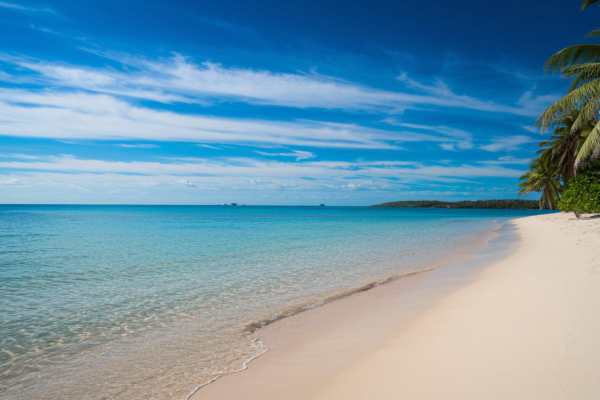
Worried a Caribbean trip will be derailed by a hurricane?
The safest window to avoid storms runs December through May, with January through April the lowest-risk stretch for dry weather, calm seas, and fewer cancellations.
That said, no month is entirely risk free, so build some flexibility into flights and bookings and check seasonal forecasts before you go.
Safest Caribbean Travel Window: December Through May
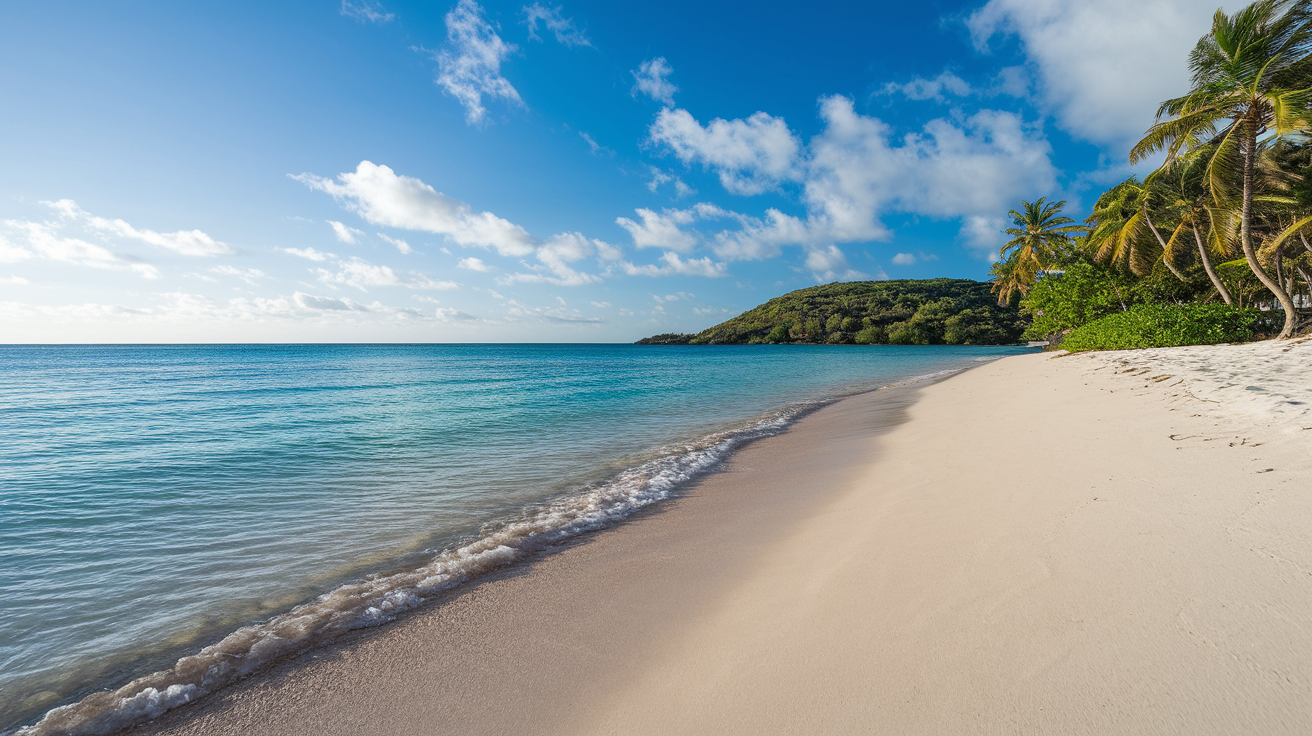
The best time to visit the Caribbean to avoid hurricanes is December through May, with January through April providing the lowest historical hurricane activity and the strongest combination of dry weather, settled seas, and fewer disruptions. These four months consistently show the best balance of weather and peace of mind for travelers who want to minimize storm risk. That said, no month is entirely risk free. Even in the quietest stretch of the calendar, weather can shift, so a little flexibility in your plans always helps.
| Month | Hurricane Risk | Typical Conditions | Planning Recommendation |
|---|---|---|---|
| January | Very low | Dry, warm, settled seas | Excellent choice, book early for best rates |
| February | Very low | Driest stretch of the year | Prime travel month, expect higher demand |
| March | Very low | Warm, dry, clear water | Great for diving and sailing trips |
| April | Very low | Warm and mostly dry | Strong choice before late spring crowds thin out |
| May | Low, rising late in the month | Warmer, slightly more rain | Good value option, book early May if possible |
| June | Moderate | Hurricane season begins, still mostly dry | Keep bookings flexible |
| July | Moderate to high | Warm, humid, scattered storms | Monitor forecasts closely |
| August | High | Peak heat, rising storm activity | Avoid if storm avoidance is the priority |
| September | Very high | Climatological peak around Sept 10 | Riskiest month, best to avoid |
| October | High | Wet season continues, storm risk elevated | Approach with caution |
| November | Moderate, declining | Short showers, season winding down | Possible deals, still monitor forecasts |
| December | Low | Dry season returns, holiday crowds | Safe and popular, book well ahead |
If you’re building a trip around hurricane avoidance, January through April should be your first pick. December and May work well as solid alternatives if your schedule doesn’t line up with peak winter. August through October is the stretch to steer clear of if you want to avoid cancellations, rerouted flights, or last-minute evacuations.
Caribbean Hurricane Season Dates, Peak Risk, and Historical Patterns
(((alt-img2)))
The official Atlantic hurricane season runs from June 1 through November 30. That’s the window meteorologists use to track tropical development across the basin, though activity isn’t spread evenly across those six months. Risk builds slowly through the summer, hits its climatological peak around September 10, then fades out through November.
Warmer ocean water is the fuel behind this pattern. By late summer, Caribbean sea temperatures have had months to heat up under the sun, and that warm water feeds energy into developing storms. Add in shifting trade winds and the right atmospheric setup, and you get the conditions that let tropical waves grow into named storms, then hurricanes. That’s why August through October line up as the highest risk months on the calendar.
To put a number on a typical season, the 1991 to 2020 climatological baseline averages about 14 named storms, 7 hurricanes, and 3 major hurricanes of Category 3 or higher. That’s a useful benchmark, but individual years can look very different. The 2005 season produced a record 28 named storms, while 2017 brought 17 named storms, including 10 hurricanes and 6 major hurricanes. Those two seasons are a good reminder that averages describe a typical year, not every year.
Large scale climate patterns play a role too. El Niño tends to increase wind shear over the Atlantic, which can suppress storm formation, while La Niña often creates more favorable conditions for storms to develop and strengthen. Climate change adds another layer worth watching. The season dates themselves remain a reliable planning tool, but warmer oceans and shifting rainfall and intensity trends make it worth checking current seasonal forecasts rather than leaning on historical averages alone.
Caribbean Weather, Crowds, Festivals, and Beach Conditions From January Through May
(((alt-img3)))
January and February are classic dry season picks, with regional average highs holding around 82°F. January itself has a fairly wide range depending on where you land, from about 77°F in Saint Kitts and Nevis up to 84°F in the British Virgin Islands. These two months also happen to be the most popular on the calendar, so expect fuller resorts, higher prices, and less last minute availability.
March and April keep the dry, sunny pattern going, with warm water that’s ideal for swimming, sailing, and general beach time. These months also bring some lively sailing events, including the Bequia Regatta and British Virgin Isl
Final Words
Head straight to December through May for the clearest balance of dry weather, settled seas, and fewer disruptions. January through April shows the lowest historical hurricane activity, and the post walked you through month-by-month risk, island differences, cruise and activity impacts, booking timing and insurance choices, plus how to monitor storms and make smart emergency decisions.
If you want the safest window, the best time to visit the caribbean to avoid hurricanes is January–April, with December and May as solid backups. Book smart, keep flexible cancellation or CFAR where it counts, and add a day or two of buffer—then enjoy the trip.
FAQ
Q: When to avoid traveling to the Caribbean?
A: You should avoid traveling to the Caribbean during the official hurricane season, June 1 through November 30—especially August through October, with peak risk around September 10; no month is entirely risk-free.
Q: Which Caribbean island is least affected by hurricanes?
A: Islands in the southern Caribbean—Aruba, Bonaire, Curaçao, and Trinidad and Tobago—are least affected historically, lying south of about 12°N, though indirect storm effects and heavy rain can still occur.
Q: What is the weather like in the Western Caribbean?
A: The weather in the Western Caribbean is warm year-round with regional highs near 82°F; December–May are drier and calmer, while June–November brings higher rainfall and elevated hurricane risk, peaking in September.
Q: What is the weather like in the Caribbean in November?
A: The weather in the Caribbean in November is transitional: hurricane risk is declining but storms remain possible, with frequent quick showers and variable skies—check forecasts through the official season end on November 30.