Hotels
Best Time to Visit the Caribbean for Snorkeling Bliss
By gadgets
July 13, 2026
Field Notes
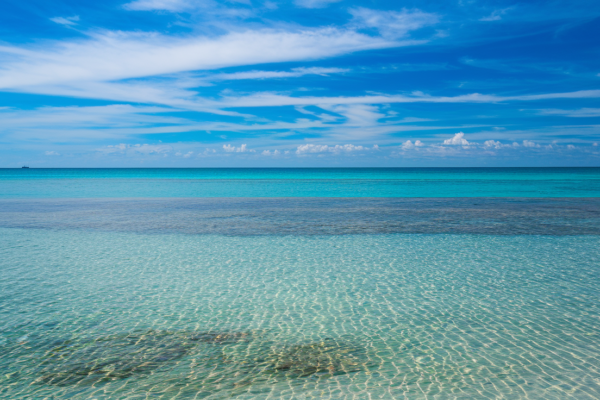
Think snorkeling in the Caribbean is great any time of year? Not quite.
If you want the clearest water, calmest seas, and the fewest surprise squalls, aim for December through April.
Within that window, February through April is the most dependable for visibility and settled weather.
May and November can work as smart, budget-friendly in-betweens, but June to October brings higher storm and rough-sea risk, so plan with flexibility.
This guide will help you match dates, islands, and what to pack so your snorkel days actually happen.
The Prime Caribbean Snorkeling Window at a Glance
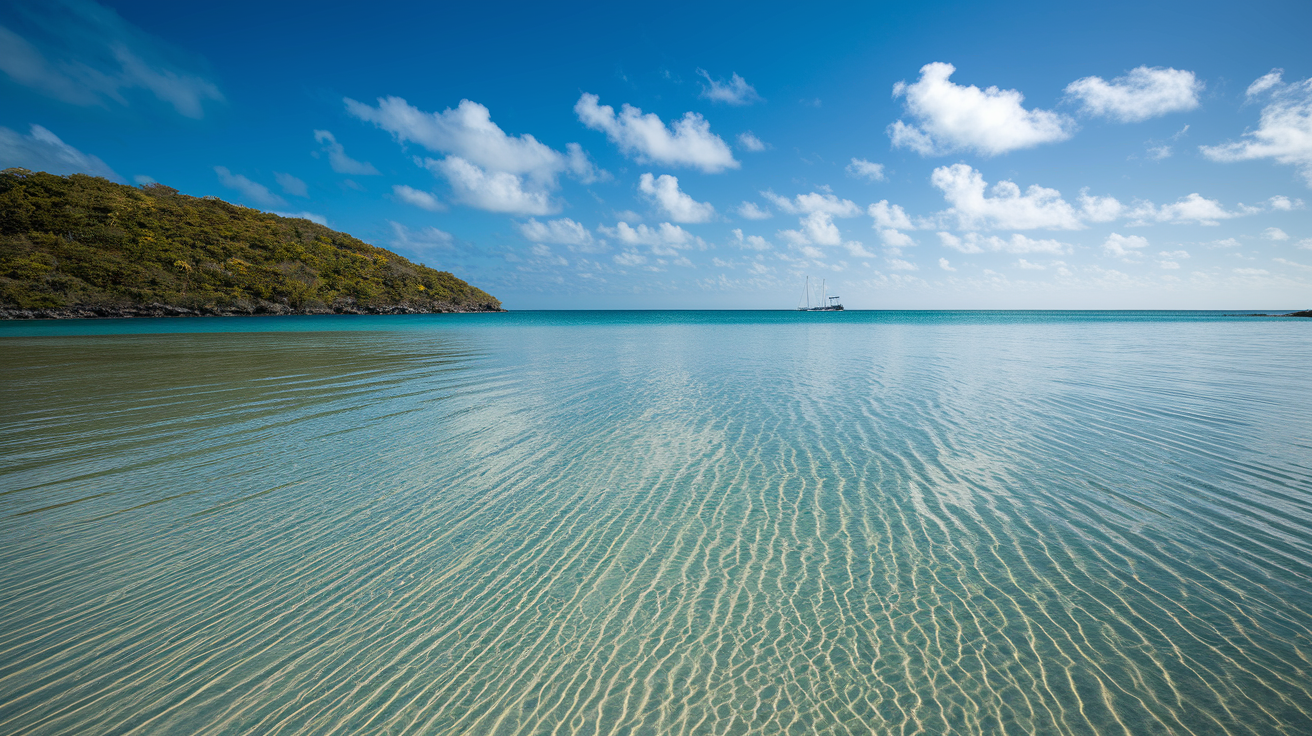
Trying to figure out the best time to visit the Caribbean for snorkeling? Here’s the short answer: December through April. This stretch gives you the calmest seas, the lowest rainfall, and the most predictable water clarity across most islands in the region. Within that window, February through April tends to be especially dependable, with settled weather and fewer surprise squalls rolling through. Want the best weather for snorkeling in the Caribbean without overthinking it? This is your safest bet.
That said, no single stretch of months works perfectly for every island or every traveler, and that’s worth saying plainly. May and November offer a solid middle ground. May brings warmer water and noticeably thinner crowds, though it sits right at the edge of the coming wet season. November is the calmer bookend on the other side, arriving just after the Caribbean’s highest risk storm period has wound down. Official Atlantic hurricane season runs June 1 through November 30, with the heaviest historical storm activity concentrated in August and September. Think of May and November as the smart, budget conscious middle tracks on a playlist. Not the big single, but still good listening.
If your travel dates fall between August and October, don’t panic, but do plan with your eyes open. This is the period when rough seas, storm runoff, and last minute tour cancellations are most likely to disrupt a trip. Aruba, Bonaire, and Curaçao sit south of the main hurricane belt and remain dependable choices during these months, so they’re worth prioritizing if your dates are fixed. For everyone else traveling in this window, flexible bookings and a loose itinerary will save you some frustration.
Caribbean Snorkeling Conditions Month by Month
(((alt-img2)))
Conditions shift quite a bit depending on which island, and even which coast of that island, you’re asking about. A windward beach in July can feel completely different from a sheltered bay a few miles away. The table below gives you a general month by month planning reference, but treat it as a starting point rather than a forecast.
| Month | Typical Water Temperature | General Sea and Weather Pattern | Recommended Caribbean Areas | Monthly Risk Summary |
|---|---|---|---|---|
| January | 77-81°F (25-27°C) | Calm seas, dry air, settled trade winds | Bahamas, Turks and Caicos, Cayman Islands, Puerto Rico | Low storm risk, outside hurricane season |
| February | 77-81°F (25-27°C) | Calm, clear, among the driest months | Dominican Republic, USVI, BVI, Turks and Caicos | Low storm risk |
| March | 77-81°F (25-27°C) | Generally calm with light trade winds | Bahamas, Cayman Islands, Puerto Rico, USVI | Low storm risk |
| April | 79-82°F (26-28°C) | Warming water, still mostly dry | Belize, Cayman, Bonaire, Greater Antilles reefs | Low storm risk |
| May | 79-82°F (26-28°C) | Warm water, scattered showers increasing | Belize, Bonaire, sheltered Greater Antilles sites | Hurricane season has not yet begun |
| June | 79-82°F (26-28°C) | Very warm water, rain becomes more frequent | Belize (early season), ABC Islands | Hurricane season begins June 1, risk still low |
| July | 82-86°F (28-30°C) | Hot water, humid, periodic rain | ABC Islands, Belize | Gradually increasing tropical weather risk |
| August | 82-86°F (28-30°C) | Warmest water of the year, unsettled weather | Aruba, Bonaire, Curaçao | Primary storm risk period begins |
| September | 82-86°F (28-30°C) | Peak heat, highest storm frequency historically | Aruba, Bonaire, Curaçao | Historical peak of hurricane season |
| October | 79-82°F (26-28°C) | Still unsettled, storm risk remains elevated | Aruba, Bonaire, Curaçao | Elevated storm risk continues |
| November | 79-82°F (26-28°C) | Improving seas if no recent storm activity | Belize, Cayman, Greater Antilles, ABC Islands | Risk tapering toward season end Nov 30 |
| December | 77-81°F (25-27°C) | Return of dry season calm, busy holiday travel period |
Final WordsHead to the Caribbean between December and April for the most reliable calm seas and clear water. February through April is especially steady. If you want lower prices and fewer crowds, consider May or November. May is warmer and November follows the highest historical storm window, while August through October calls for prioritizing Aruba, Bonaire, and Curaçao and keeping plans flexible. No single month fits every island or traveler, so pick dates that match your priorities. When you do, the best time to visit the caribbean for snorkeling usually pays off with bright reefs and big smiles. FAQQ: When’s the best time to go snorkeling?A: The best time to go snorkeling in the Caribbean is December through April, with February–April especially calm and clear. May and November offer fewer crowds and better prices; August–October carries higher storm risk. Q: When to avoid traveling to the Caribbean?A: You should avoid travel during the highest hurricane-risk window of August–September; hurricane season runs June 1–November 30. If you must travel then, favor the ABC Islands and keep flexible plans and insurance. Q: What time is it in the Caribbean now?A: The time in the Caribbean varies by island. Most eastern and central islands use Atlantic Standard Time (UTC−4); some places observe UTC−5 or daylight saving. Check a current world clock for the exact local time. Q: What Caribbean islands have good snorkeling?A: The Caribbean islands with good snorkeling include Bonaire, Turks and Caicos, Grand Cayman, the Exumas in the Bahamas, Curaçao, Aruba, and Belize. These offer clear visibility, shore-access reefs, and strong marine parks. |