Featured
Best Time to Visit Aruba for Diving: Prime Months
By bonniemoses
June 15, 2026
Field Notes
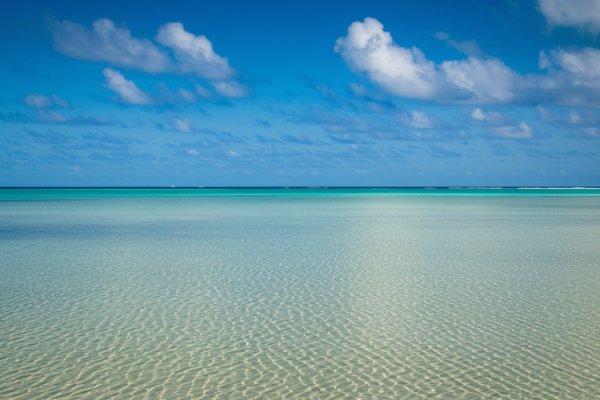
Think Aruba’s best diving happens in high season?
Not quite.
If you want warm water, steady visibility, calm west-coast sites, and better value, the real sweet spot is April through September.
Within that stretch, April to June usually brings the clearest water (often 65 to 98 ft), while August and September deliver the calmest seas, the warmest water, and friendlier prices, so if you must pick one window, those months are the best all-around time to dive in Aruba.
Quick Recommendation by Conditions and Priorities
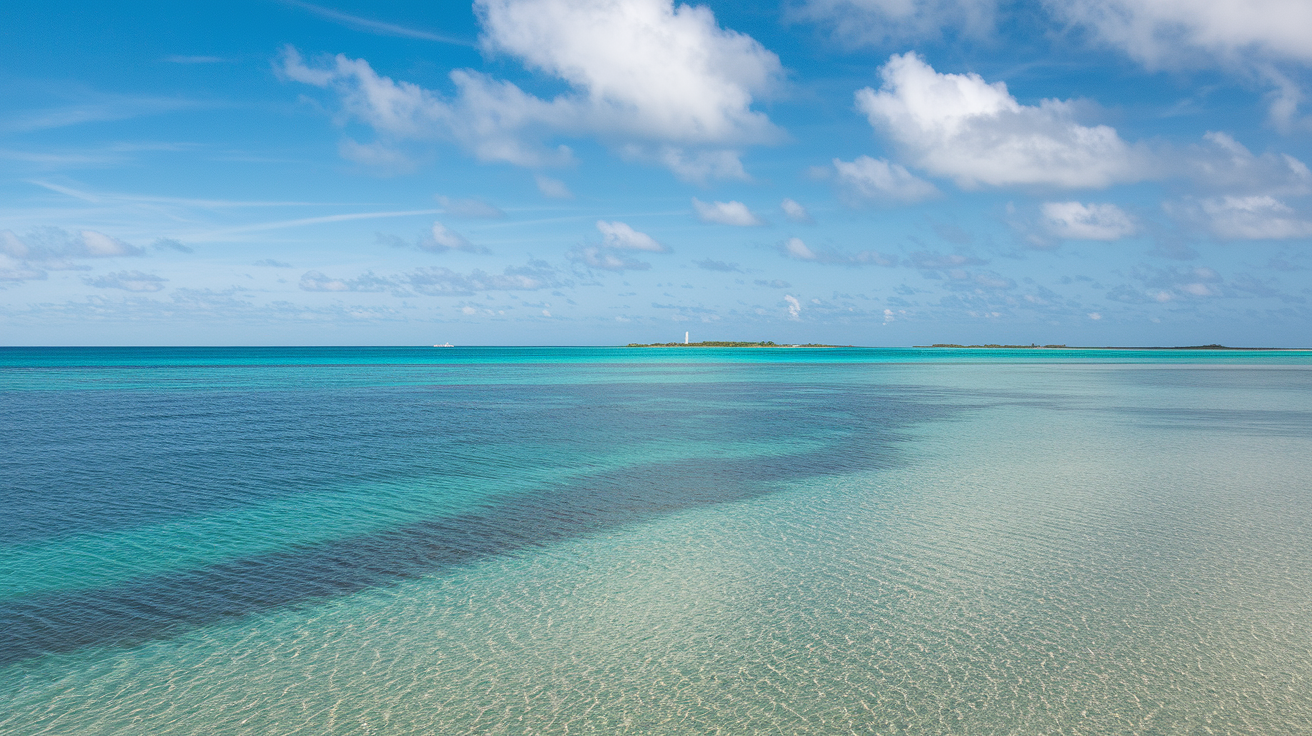
If you’re trying to pin down the single best window for diving in Aruba, start here: April through September is your broad sweet spot. Water’s warm, west coast seas are manageable, visibility holds up well, and you’re not paying peak season prices for the privilege. Within that stretch, August and September stand out if what you want is warm water, low wind, and good value for your trip dollar. That said, April through June tends to deliver the clearest water most consistently, often reaching 20 to 30 m (65 to 98 ft), while July and August run a slightly wider range of 15 to 30 m (49 to 98 ft) and September typically settles into 15 to 25 m (49 to 82 ft).
So if visibility alone is your top priority, lean toward late spring and early summer. If you’re after the best all around experience, calmer water and friendlier pricing included, August and September do most of the work. Now, if your goals shift, so should your timing. Divers hoping to catch humpback whale surface activity should look at February and March, when sightings in the wider region tend to peak. If turtles are the draw, May through August overlaps with increased nesting and hatchling activity, giving you a better shot at turtle encounters on nearshore dives. And if you’re newer to diving and warm water matters more to you than squeezing out the last few meters of clarity, July and August offer that comfortable, forgiving combination on the west coast.
One honest caveat before you book anything. Aruba dives year round, and no month is really off the table. Winter trade winds can add chop to exposed sites, autumn brings a short run of squalls, and your own experience level and budget will shape what “best” actually means for you. Think of this as a strong starting point, not a rulebook.
Aruba Diving Conditions Month by Month
(((alt-img2)))
The numbers below are typical ranges built from seasonal patterns, not promises. Rain, wind shifts, and site exposure can all move visibility and sea state around on any given day. Treat this table as a planning baseline, not a forecast.
| Month | Typical Water Temperature | Typical Visibility | Wind and Sea Conditions | Marine-Life Notes | Crowds and Pricing |
|---|---|---|---|---|---|
| January | 26-27°C (79-81°F) | 15-30 m (49-98 ft) | Strong trade winds | Humpback season begins | High prices |
| February | 26-27°C (79-81°F) | 20-30 m (65-98 ft) | Windy but clear | Peak whale window | High demand |
| March | 26-27°C (79-81°F) | 20-30 m (65-98 ft) | Persistent trades | Whales and reef life | Peak-season rates |
| April | 27-28°C (81-82°F) | 20-30 m (65-98 ft) | Winds begin easing | Late whale opportunities | Crowds decline after Easter |
| May | 28-29°C (82-84°F) | 20-30 m (65-98 ft) | Calmer seas | Rising turtle activity | Shoulder-season value |
| June | 28-29°C (82-84°F) | 20-30 m (65-98 ft) | Calm west-coast diving | Turtles and pelagics | Moderate prices |
| July | 28-29°C (82-84°F) | 15-30 m (49-98 ft) | Warm and generally calm | Turtle encounters | Family travel demand |
| August | 28-29°C (82-84°F) | 15-30 m (49-98 ft) | Excellent calm-water window | Turtles and schooling fish | Good value |
| September | 28-29°C (82-84°F) | 15-25 m (49-82 ft) | Low winds, regional storm monitoring needed | Pelagics | Low prices |
| October | 27-28°C (81-82°F) | 15-25 m (49-82 ft) | Short squalls may reduce clarity | Fewer visitors | Lower rates |
| November | 27-28°C (81-82°F) | 15-25 m (49-82 ft) | Intermittent rain, improving late month | Reef life steady | Low-to-moderate rates |
| December | 26-27°C (79-81°F) | 15-25 m (49-82 ft) | Trade winds returning |