Ever wondered about the secrets hidden in Caribbean walls? Imagine sturdy buildings crafted from palm, coral limestone, and native woods, all built to keep cool under the tropical sun. Local builders blended their native skills with touches of Spanish and French charm, creating designs that tell the story of generations past. Today, we'll take a breezy stroll through these historic structures and discover how clever layouts and natural materials keep the island's traditions alive.
Architectural Heritage in Caribbean Culture: A Comprehensive Overview
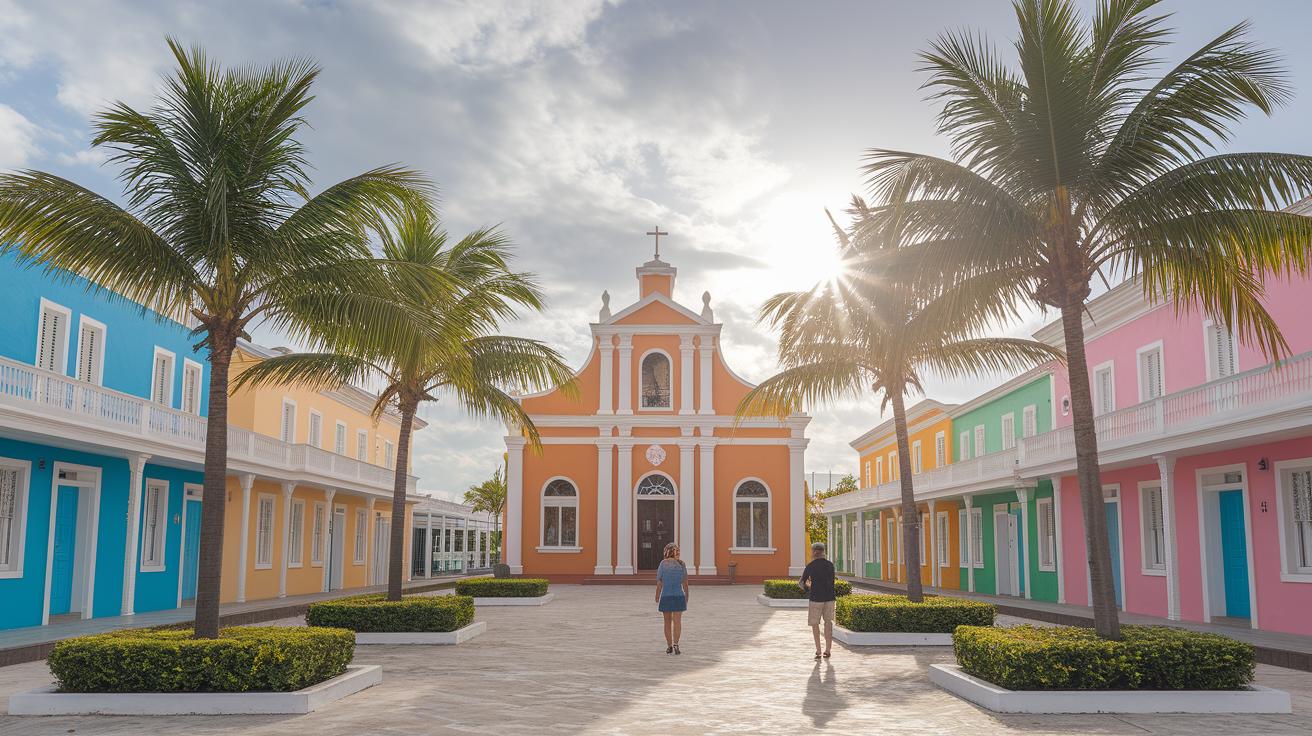
The Caribbean's buildings are like stories told under a warm sun. Local craftsmen mixed indigenous skills with Spanish, British, Dutch, and French touches, and the result is a colorful blend that still shines today. Early builders used materials like palm thatch, coral limestone, mahogany, and wood to keep their homes cool during the tropical heat.
Imagine a town laid out like a little garden. Spanish planners set the pattern with neat grids, putting a lively square and a special spot for the church at the heart of each town. It’s like every street and every square has its own little tale to tell.
Local builders also added their own creative spark. From bright, bustling public buildings to small, welcoming houses with raised foundations and breezy verandahs, each design shows how life on the islands is both a challenge and a chance to shine. You can see the mix of cultures in the balanced look of colonial fronts and the smart use of local materials that give every building its own island vibe.
Historical records, like those in "Identity and Tradition in Caribbean Cultural Narratives" and "Caribbean Islands with Historical Landmarks," remind us that these building designs have evolved over time. Even as they change, they still hold on to the unique spirit of the Caribbean.
Vernacular and Indigenous Influences on Caribbean Architectural Heritage
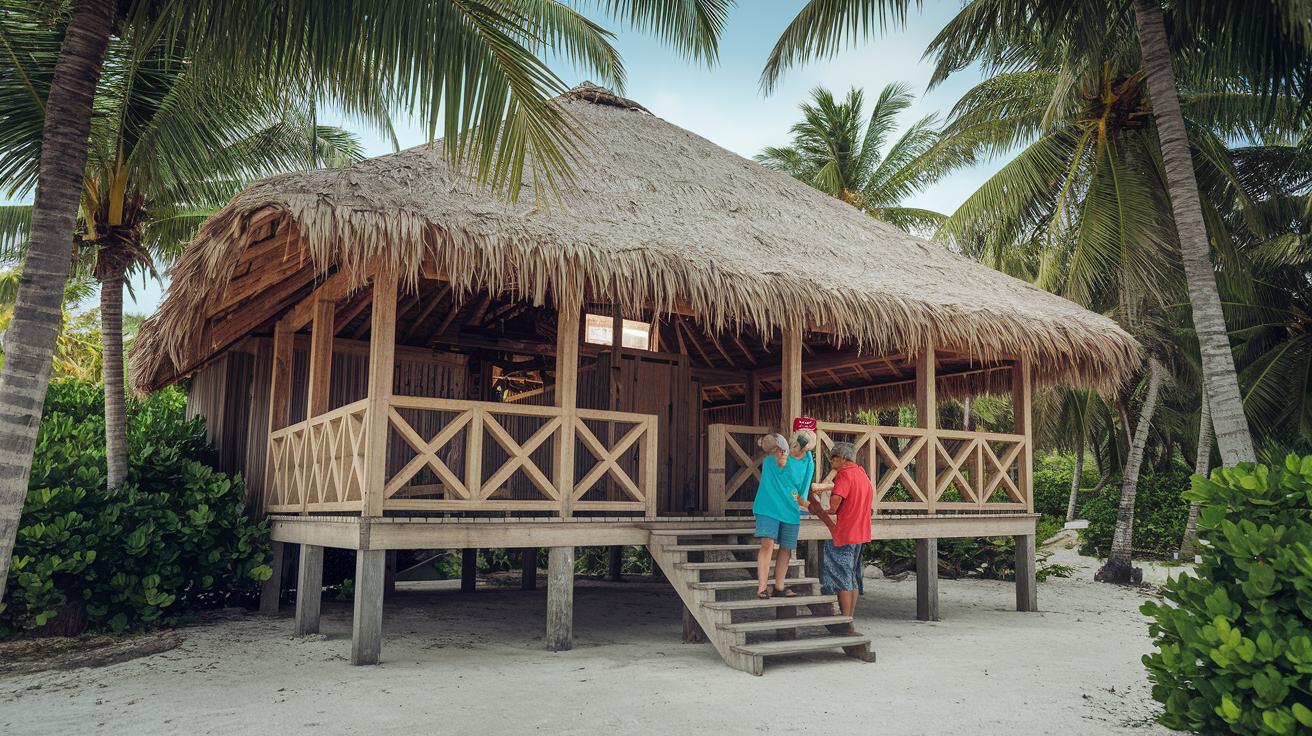
On these islands, building techniques grew naturally over time. Early builders used materials like palm thatch, coral limestone, mahogany, and native woods, not just because they were handy but because they shaped a style that could bend and adapt. Open-air designs and wrap-around verandahs popped up as a smart response to the warm, humid climate, setting these homes apart from the strict European colonial styles you might see elsewhere.
Local craftspeople worked magic by turning what nature offered into flexible, resilient structures. Homes with movable parts and raised foundations reveal an indigenous creativity that dances with the rhythm of the land, imagine a house that shifts like the tide during a storm! These designs, born from local know-how and a respect for nature, tell a story of adaptation and resilience.
Colonial Architecture Legacies in Caribbean Heritage
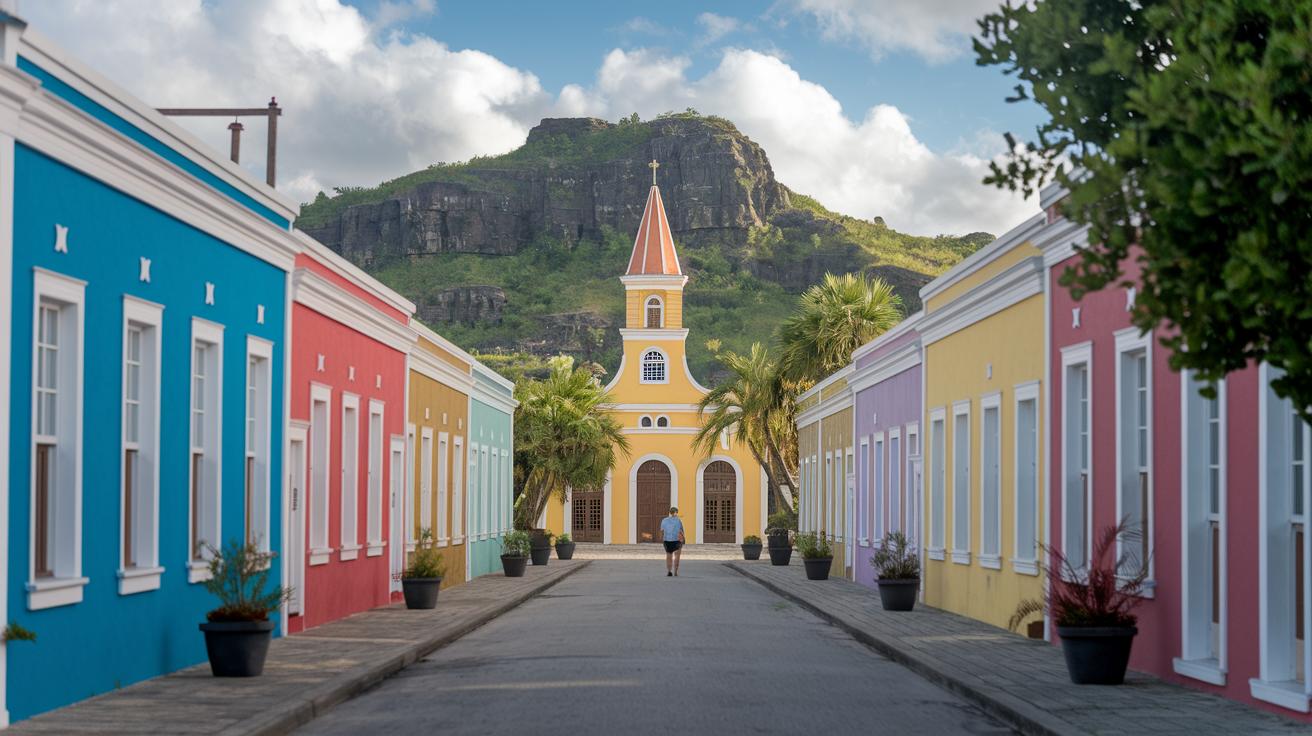
Caribbean colonial architecture shows a beautiful mix of styles that still shape towns and neighborhoods today. The Spanish design brought neat grid streets, cozy town squares, and church zones that formed the heart of many communities. Fun fact: early Spanish settlers set up their neighborhoods in tidy rows that worked perfectly with the local weather and way of life. This smart planning not only organized community living but also set a style that continues even now.
In Barbados, you can see colonial touches through Georgian and Victorian plantation houses built on coral limestone with carefully balanced fronts. These stunning homes stand side-by-side with colorful wooden chattel houses, reflecting a British influence that blended formality with tropical practicality. It’s a mix of elegance and everyday strength that tells a story of a time when buildings were more than just shelter, they were a statement.
Over in Aruba’s Oranjestad, the Dutch colonial revival brings its own charm. Imagine pastel-painted facades, unique two-sloped gambrel roofs, and cute second-story balconies that invite you to enjoy the view. Well-known spots like City Hall, built in the 1920s and carefully restored in 1998, along with the De Olde Molen windmill, rebuilt in 1961, show how the island keeps its classic style while meeting modern needs. It’s a delightful blend of history and fresh design.
Then there’s Martinique, where 19th-century buildings add another layer to the Caribbean story. The Schoelcher Library, topped with a bright Byzantine glass dome, and a tropical version of Sacré-Coeur share a French colonial vibe that feels both historic and inspiring. Each island adds its own unique piece to this rich heritage, sparking modern ideas with deep, lasting traditions.
Preservation and Restoration Practices for Caribbean Architectural Heritage
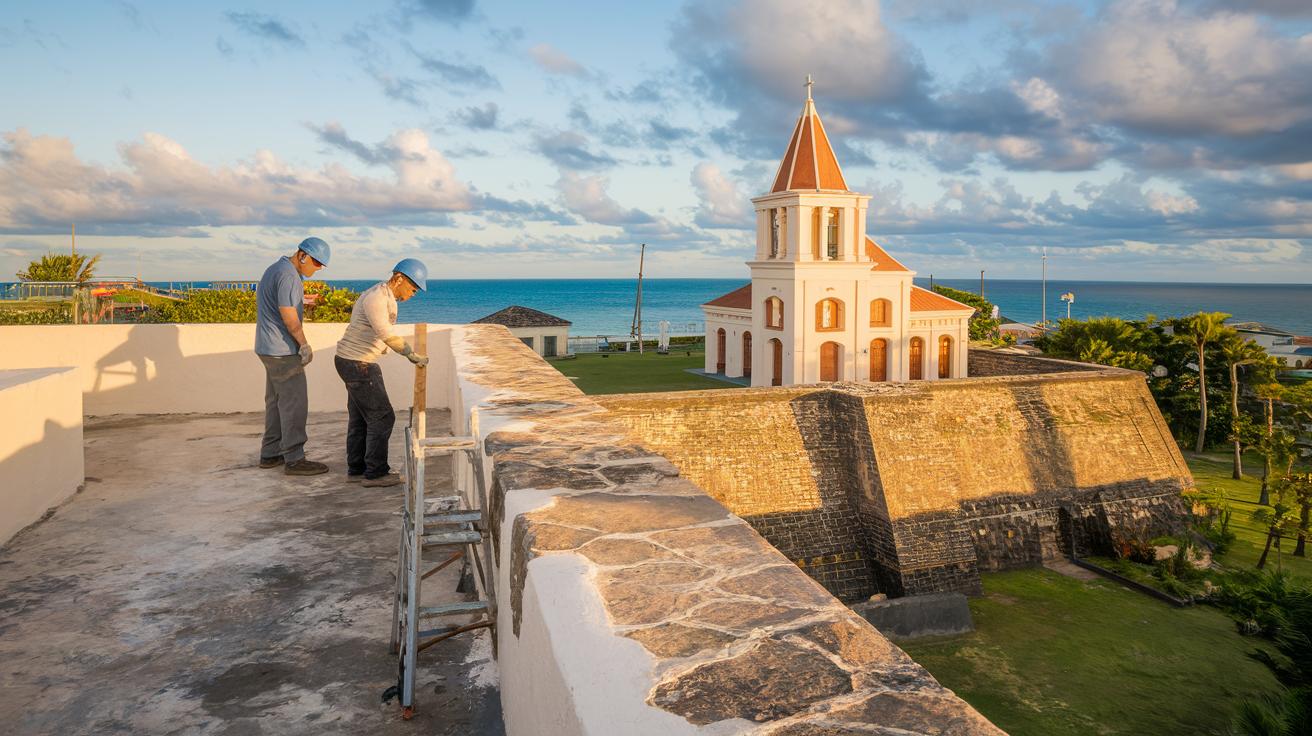
Across the Caribbean islands, local teams and caring communities are working hard to save their beloved historic buildings. They face everyday challenges like coral limestone wearing away, mahogany wood rotting, and metal parts rusting. These community-led efforts and clear rules help old forts, churches, and plantation homes keep sharing their special stories.
Local crews use trusted methods to fix these treasures. They repair walls with lime mortar (a mix of lime, water, and sand), keep careful records, and even run workshops to pass on their skills. It’s not just about patching up old stones, it's about keeping a living piece of Caribbean history.
Government support and partnerships with organizations like UNESCO offer extra help. They provide funds and easy-to-follow guidelines, making sure every repair meets high standards. Local volunteers also join in, taking pride in keeping their landmarks strong and celebrating the talent of local craftsmen. By mixing modern stabilization with traditional repair techniques, each restored building shines as a warm reminder of the islands’ enduring spirit and rich cultural heritage.
Modern Adaptations and Sustainable Caribbean Architectural Design
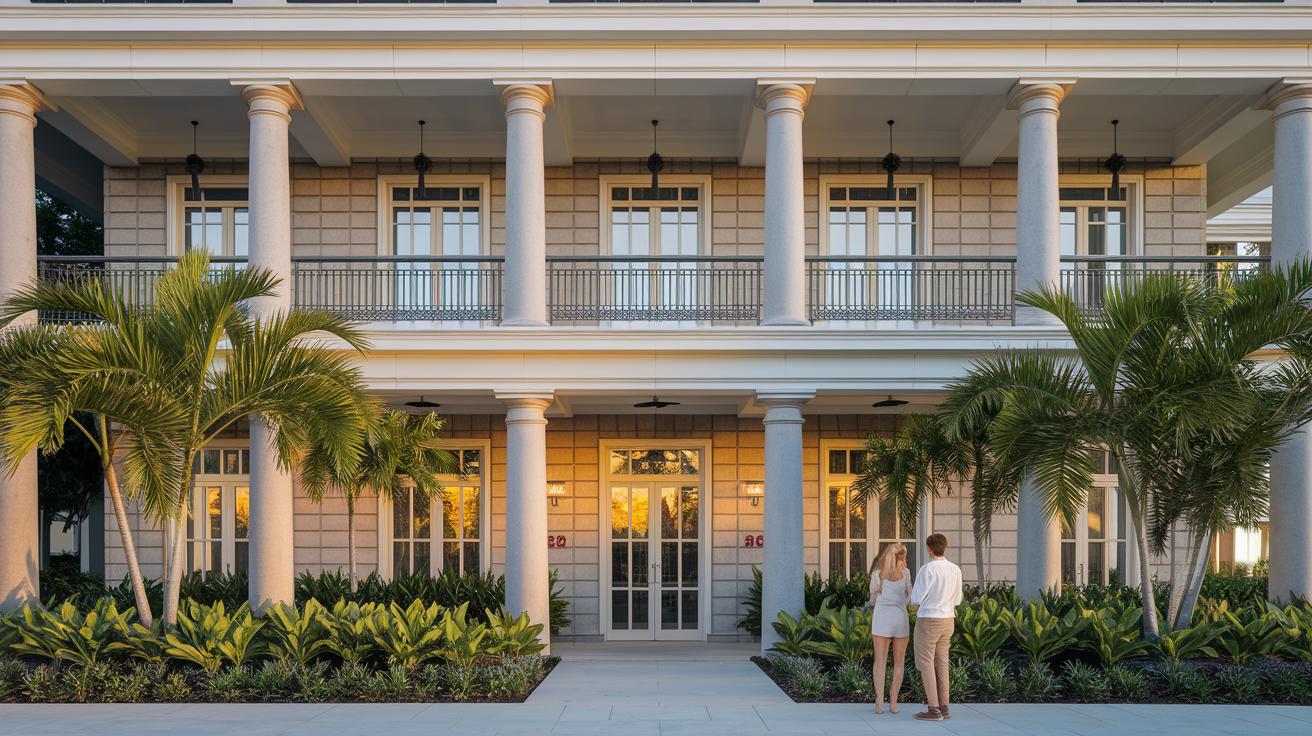
Today in the Caribbean, architects artfully mix classic details like old columns, wrap-around verandahs, and pretty moldings with modern materials such as steel, concrete, and glass. They take inspiration from age-old sugar plantation houses, forts, and town halls and give these timeless buildings a fresh twist by transforming them into hotels, museums, or community centers. It’s like walking into a story where the past and present hand in hand create a space that feels both charming and new. Ever imagined stepping into a place where gentle arches meet sleek glass accents?
Local designs also celebrate tropical sustainable practices. Architects here use natural ventilation, which means letting fresh air cool the space without needing too much air conditioning, much like opening a window on a warm day. They also capture rainwater during the rainy season and build with hurricane-resistant features, like extra-strong concrete, to keep the buildings safe during storms. This blend of old and new is a bit like cooking a classic dish using modern health tips, it keeps the heart of the tradition alive while preparing for a safe, vibrant future.
Heritage Tourism and Community Engagement in Caribbean Architecture
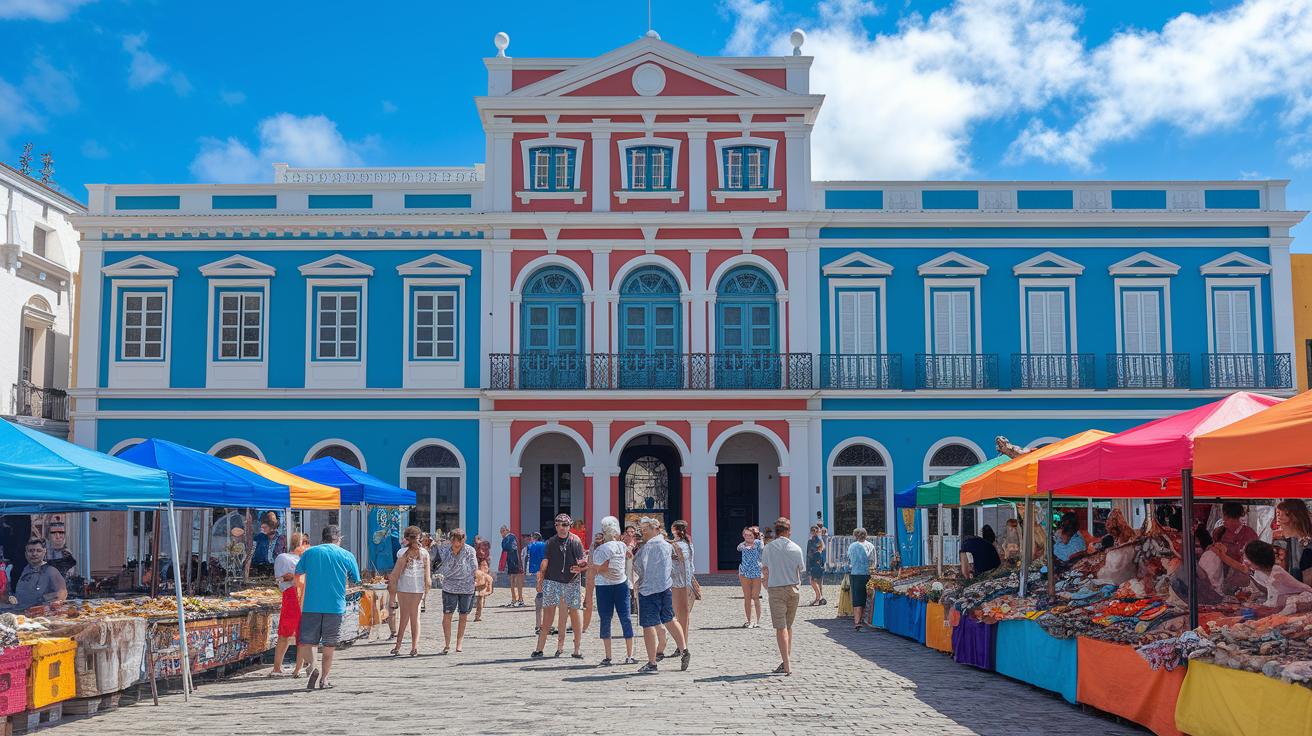
Heritage tourism in Caribbean architecture celebrates the islands' one-of-a-kind building stories like a lively island fiesta. Old sugar plantations, forts, and colonial town halls now serve as vibrant spots where locals and visitors can learn together. Local guides lead fun walking tours, put on living history shows, and host annual heritage festivals that bring the past right back to life.
Community projects and smart partnerships between public and private groups play a huge role in giving these historic spaces a fresh start. With help from regional grants, local teams plan to revive heritage districts with projects that honor both traditional roots and modern needs. People take great pride in showcasing their culture while boosting the local economy with heritage tourism initiatives.
This shared effort has transformed worn-out buildings into bright and busy landmarks that vividly tell the islands' colorful histories. Many visitors love joining guided tours that blend authentic local stories with fascinating historical insights. If you’re curious to explore more, check out Caribbean Cultural Walking Tours (https://caribiana.com?p=2927) for a closer look at these local treasures.
Final Words
In the action, this article painted a lively picture of Caribbean design traditions, spotlighting how indigenous methods blend with colonial influences and modern adaptations. It reviewed community-led restoration, sustainable practices, and practical planning tips for a smooth trip.
Every preserved building and eco-friendly project reflects the true spirit of architectural heritage in caribbean culture. Enjoy exploring these hidden gems and let the captivating island vibe inspire your next stress-free adventure.
FAQ
Q: Architectural heritage in caribbean culture pdf
A: The PDF on Caribbean culture architectural heritage explains historical examples, colonial legacies, and modern conservation practices using indigenous methods and natural materials to offer a clear view of island design influences.
Q: Architectural heritage in caribbean culture examples
A: The examples of Caribbean cultural heritage feature colonial town layouts, open-air indigenous houses, renovated sugar mills, and historic forts that demonstrate a rich mix of local craftsmanship and tropical building methods.
Q: Importance of architectural heritage in caribbean culture
A: The architectural heritage is vital as it preserves local history, strengthens cultural identity through indigenous and colonial design, and supports tourism by showcasing unique, time-honored building styles.
Q: Architectural Digest Caribbean
A: Architectural Digest Caribbean shares insights on local design by featuring articles that blend historical colonial elements, sustainable tropical practices, and modern innovations, offering readers a glimpse into island architectural charm.
Q: Famous Caribbean Architects
A: Famous Caribbean architects are known for blending regional materials with tropical design and colonial influences, creating iconic structures that celebrate the islands’ unique style and rich cultural legacy.
Q: What are the characteristics of Caribbean architecture?
A: Caribbean architecture features open-air layouts, wrap-around verandahs, raised foundations, and natural materials like coral limestone and mahogany, all designed to stay cool in the tropical climate.
Q: What is the Caribbean culture heritage?
A: Caribbean cultural heritage includes indigenous traditions mixed with influences from Africa, Europe, and Asia, which together shape lively traditions, art forms, and distinct architectural styles across the islands.
Q: What is Caribbean architecture called?
A: Caribbean architecture is known simply as Caribbean architecture, reflecting a blend of indigenous designs, colonial styles, and modern tropical adaptations that capture the islands’ unique character.
Q: What are the three main cultural influences on the Caribbean?
A: The three main cultural influences on the Caribbean are indigenous traditions, European colonial design, and African heritage, each contributing unique techniques and styles to the region’s built environment.
