Have you ever thought about how one little flag can carry centuries of stories? Caribbean island flags are more than just pieces of fabric floating in the wind. They hold a rich past and a freedom that still lights up the islands today.
Each flag tells a tale through its colors and shapes. They speak of early settlers, brave struggles, and the birth of self-rule. It’s like every flag is a colorful page in a diary, marked with moments that made the islands who they are.
Join us as we dive into these vibrant symbols of home and heritage, and discover the lively stories behind them.
Caribbean Island Flags: Radiant Symbols of Heritage
The story behind each Caribbean flag starts long ago, with early settlers dating back to 8000 BCE and European ships arriving around 1492. Imagine those early days, the first encounters etched stories of struggle, hope, and identity, much like a vibrant diary painted in bold colors.
In the beginning, European rulers flew naval ensigns and simple flags as tokens of control. But as the islands broke free from forced labor in the 1800s, a fresh breeze of freedom took hold. By the 1900s, each island designed its own modern flag, blending tradition with a new spirit that felt as refreshing as a coastal breeze.
Every flag reflects the soul of its nation. Warm red can remind you of the welcoming, energetic island communities, while blue brings to mind the endless sea that lovingly surrounds the coast. Green shouts nature's rich beauty, and a touch of black symbolizes the deep strength felt by many. These simple symbols and vivid colors combine to create a language that speaks of pride, history, and a shared journey, a conversation written in hues as lively as the Caribbean itself.
Historical Evolution of Caribbean Island Flags
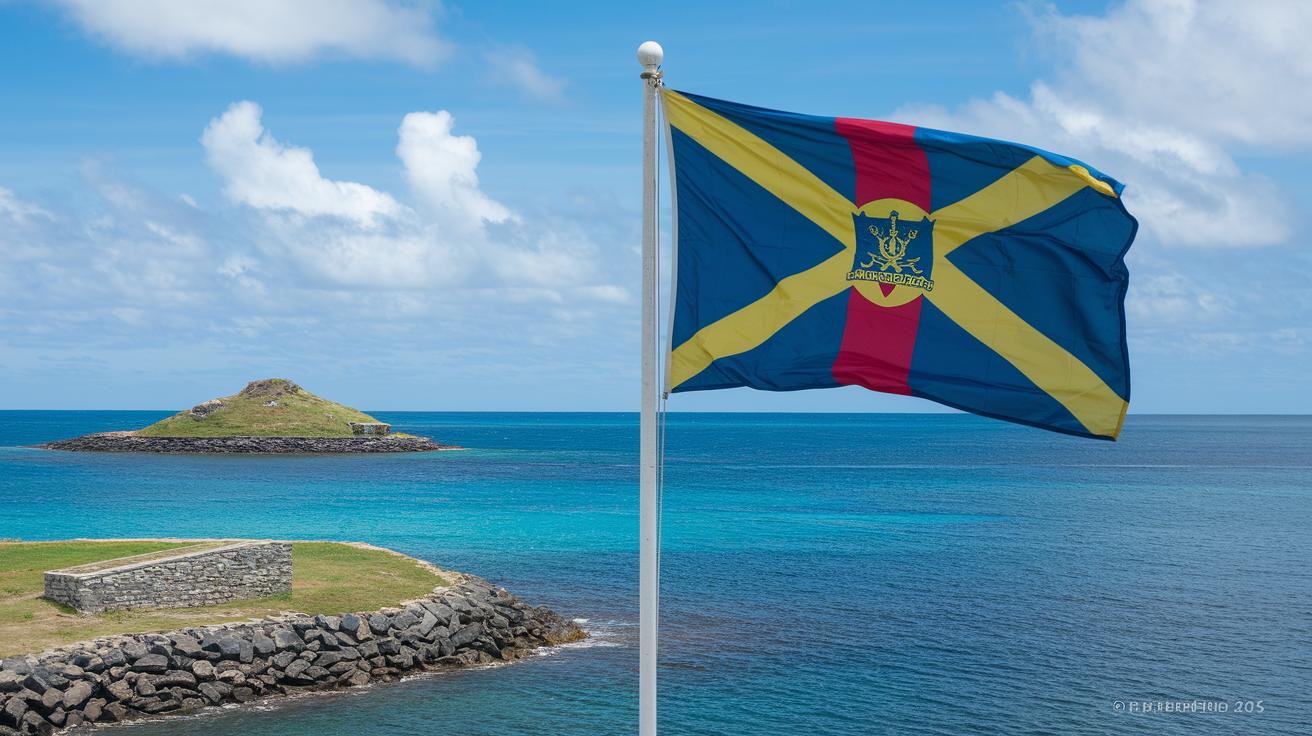
Back in the colonial days, European powers brought over simple naval flags and small pennants to the Caribbean. They used bold colors and unique shapes to mark their territories. Picture a modest flag fluttering above a far-off outpost, it quietly announced a new order in a wild new land.
By the 1800s, everything began to change with the end of slavery. The islands were shedding heavy, old histories and celebrating newfound hope and strength. New flags started to emerge, replacing old colonial symbols with designs that spoke of community spirit and fresh starts. These emblems told stories of local pride, steering clear of reminders of distant rulers.
Then, in the 20th century, as islands finally gained independence, the story became even more personal. Nations proudly created their own flags during independence ceremonies. Each flag blended traditional heritage with a modern wish for self-expression. It’s like every flag carries its own tale, linking the islands one to another. To see the full parade of symbols, check out the complete list on the Caribbean Islands page at caribiana.com.
In the end, the journey of these designs shows a beautiful transformation, from symbols forced upon the people to emblems that capture the dreams and unique experiences of the Caribbean.
Caribbean Island Flags: Enduring Cultural Emblems
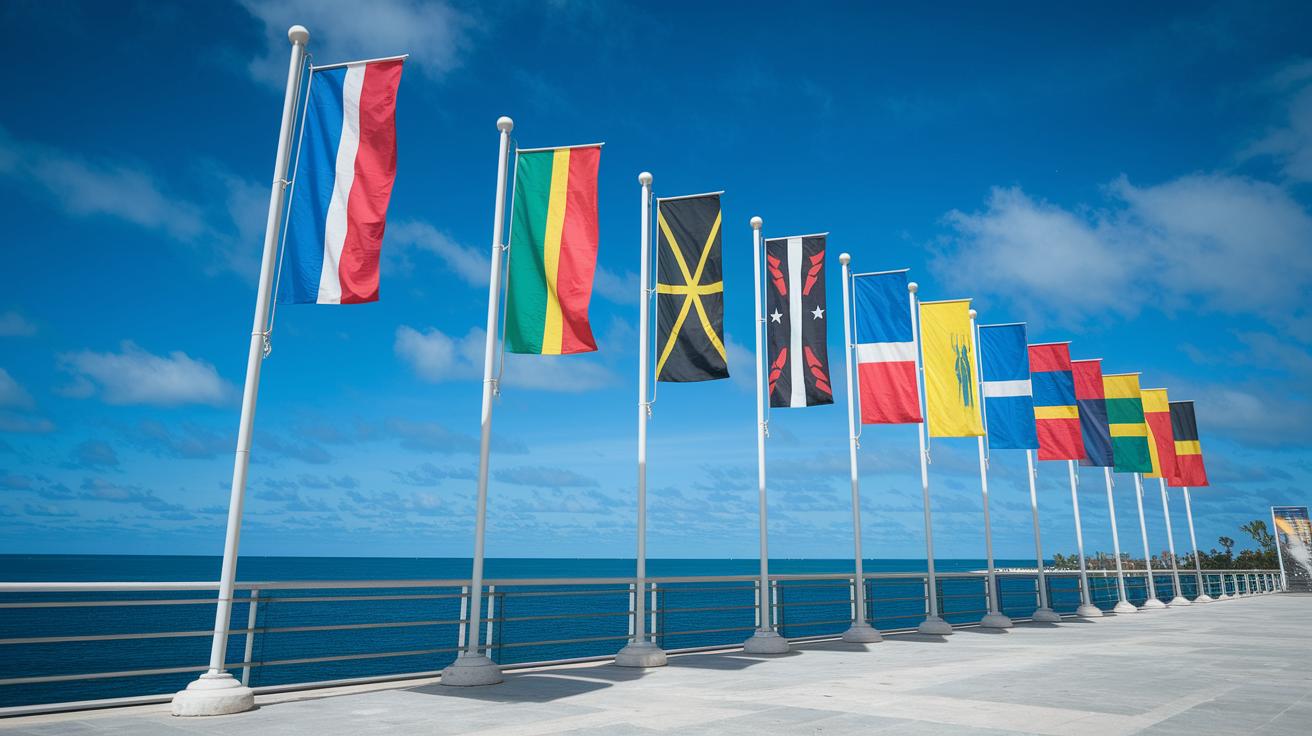
Caribbean island flags are like warm snapshots of shared pride and history. They do more than just show colors; each hue tells a deeper story. Think of black as the still calm of a midnight sky, a quiet promise that even in darkness, strength endures.
Green bursts with life, much like the island's lush foliage dancing in a gentle breeze. Yellow and gold remind you of the friendly warmth felt during local celebrations, as if the sun itself were smiling down. Red beats with the vibrant energy of community gatherings, filling the air like the thrilling rhythm of a festival.
Blue brings to mind the vast, inviting ocean that shapes island life, wrapping you in a comforting embrace and sparking dreams of adventure.
Spotlight on Key Caribbean Island Flags
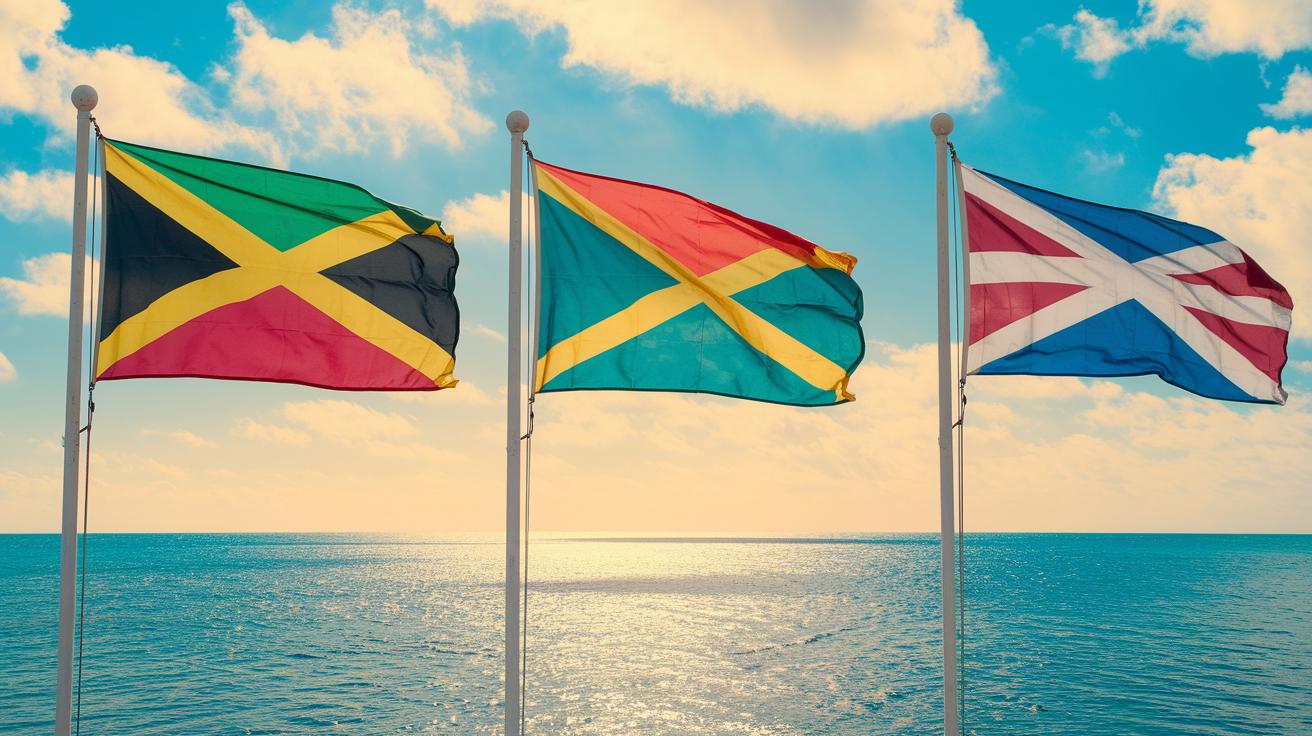
Jamaica's flag, first flown in 1962, mixes bold colors that tell a heartfelt story. Black stands for the strength to overcome tough times, while green brings to mind the hope and lush beauty of the island. Yellow sparkles like the warm Caribbean sun, lighting up the entire design. Imagine a flag that turns old pain into a promise for tomorrow.
Trinidad and Tobago raised their flag in 1962 too, and every color here has a special meaning. Black shows the deep, rich soil of the island, connecting its people to the land. White is calm and clear, reminding us of the gentle waters that bring everyone together. And red? It bursts with energy, much like the beat of a community drum that keeps hearts united.
In Barbados, the flag was revealed in 1966 and feels as free as the ocean. A deep blue color mirrors both the sea and the endless sky, inviting you to dream big. Gold glistens like the island's sandy beaches, symbolizing the glow of independence. At its heart, a strong trident stands for the nation’s spirit and determination as it steps into a bright future.
The Bahamas embraced its current flag design in 1973. It balances cool aquamarine with warm gold and includes a bold black triangle. The aquamarine reminds you of lively, clear waters, while the gold shines like the radiant Caribbean sun. The black triangle is a strong symbol of unity and identity that holds the islands together.
Regional Variations and Lesser-Known Caribbean Flags
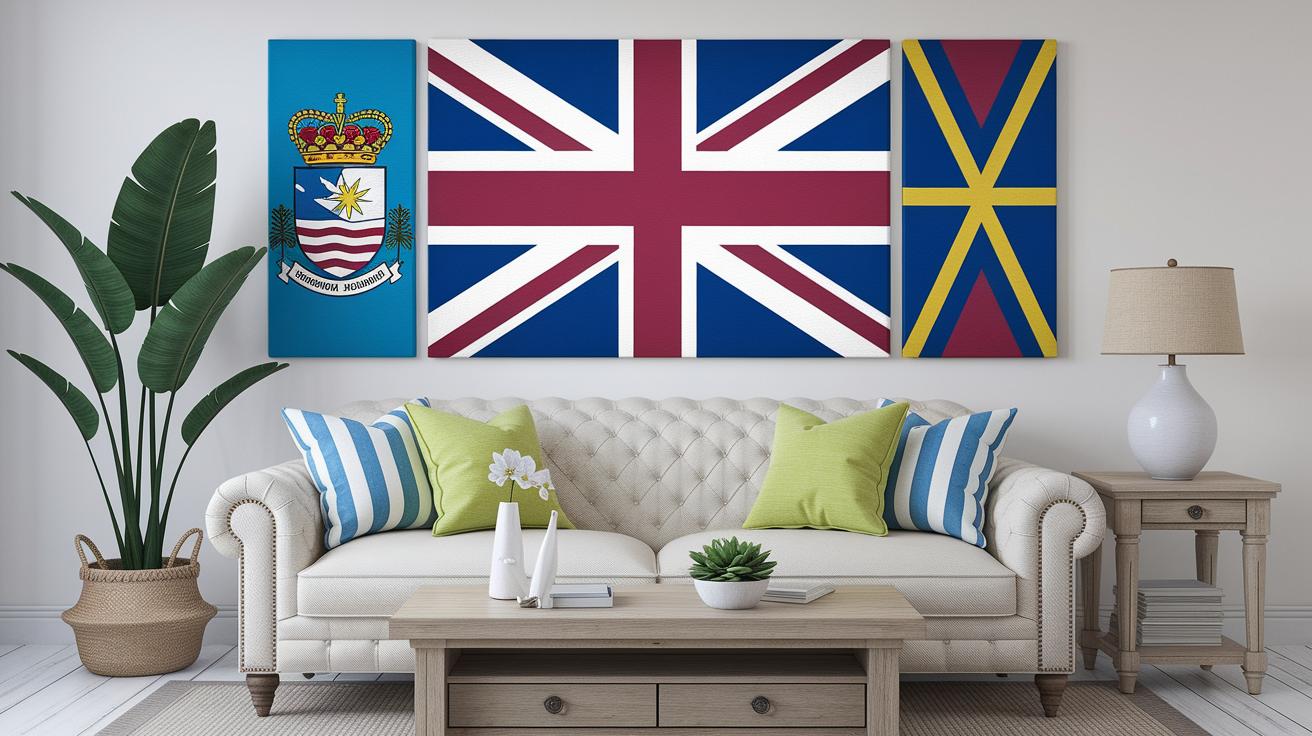
In the Caribbean, you’ll find flags that tell unique local stories. These designs aren’t the typical national symbols; they carry hints of history and the heart of their communities. Take the Cayman Islands, for instance, they use a blue ensign adorned with a special local crest that quietly nods to the islands’ deep connection with the sea.
Likewise, the British Virgin Islands mix the classic Union Jack with a local emblem, reminding you of both old ties and modern pride. Then there’s Puerto Rico, whose striking red, white, and blue flag has been a symbol of island culture and civic spirit since 1952. And let’s not forget Saint Lucia, where the flag features a blue backdrop cut by black and gold shapes that evoke a sense of prosperity and unity.
| Island | Flag Detail |
|---|---|
| Cayman Islands | Blue ensign with a local crest |
| British Virgin Islands | Union Jack alongside a territory emblem |
| Puerto Rico | Bold red, white, and blue design (since 1952) |
| Saint Lucia | Blue field with black and gold shapes symbolizing unity |
Imagine each flag as a vivid sketch on a canvas, with every brushstroke celebrating local pride and the rich heritage of its people.
Further Resources and Vexillology References

If you love learning about Caribbean island flags, you're in for a treat. There are amazing flag images full of colors and details just waiting for you. Many government archives keep records that show how these flags have changed over time, and special databases have high-res pictures that let you see every little detail. It’s a bit like flipping through a digital photo book where each image tells a unique story.
Ever paused and wondered why a simple design could mean so much? Some historical records even hint that what looks like an ordinary pattern once played an important role in local events. One great place to dive into these fascinating details is the International Federation of Vexillological Associations, which digs deep into the stories behind each flag. These collections not only teach us about history, but they also show how cultural beliefs and art come together in every stunning design.
Final Words
In the action, we explored the colorful past, design details, and deep meanings behind Caribbean island flags.
We walked through historical milestones, eye-catching symbols, and even looked at lesser-known flags that carry offbeat stories.
The article served up insights on how each flag reflects a rich cultural heritage, making the region shine even brighter.
Keep your spirits high and your curiosity alive as you uncover more about caribbean island flags, each one tells its own tale.
FAQ
What are Caribbean island flags with names?
Caribbean island flags with names refer to the unique banners of each territory, showcasing symbols that tell stories of their past and cultural identity through distinct design and color choices.
What do Caribbean flags mean and what do their colors symbolize?
Caribbean flags mean much more than decorative art. Their colors—black, green, yellow, red, and blue—symbolize strength, hope, sunshine, courage, and the surrounding seas, each capturing a part of the island story.
Do old Caribbean island flags show African influence?
Old Caribbean island flags show African influence alongside European touches. These designs highlight historical ties and cultural interactions that have shaped the islands’ lasting symbols.
How many Caribbean countries are there, and what about their flags and capitals?
Counts vary by source—some lists feature 10, 13, or even 26 Caribbean countries. Each nation’s flag and capital reflect a rich mix of local heritage and historical experiences.
Are any Caribbean flags designed with three colors (tricolor)?
Some Caribbean flags are tricolor. For instance, Trinidad & Tobago’s flag uses three distinct colors to honor and express its cultural and natural heritage in a bold, simple design.
