Have you ever come across an island that’s known as the Bahamas' biggest wonder? Andros Island is a huge patch of paradise, stretching over 2,300 square miles with its hidden coves and friendly nooks waiting just for you. It isn’t just the largest island, it’s a place where rustic beaches and secret bays share their stories with you in a gentle, sunlit whisper. Today, let’s take a stroll through this incredible haven that mixes unique charm with a warm, welcoming vibe, revealing a side of island life that's as surprising as it is unforgettable.
Bahamas Largest Island Shines Bright
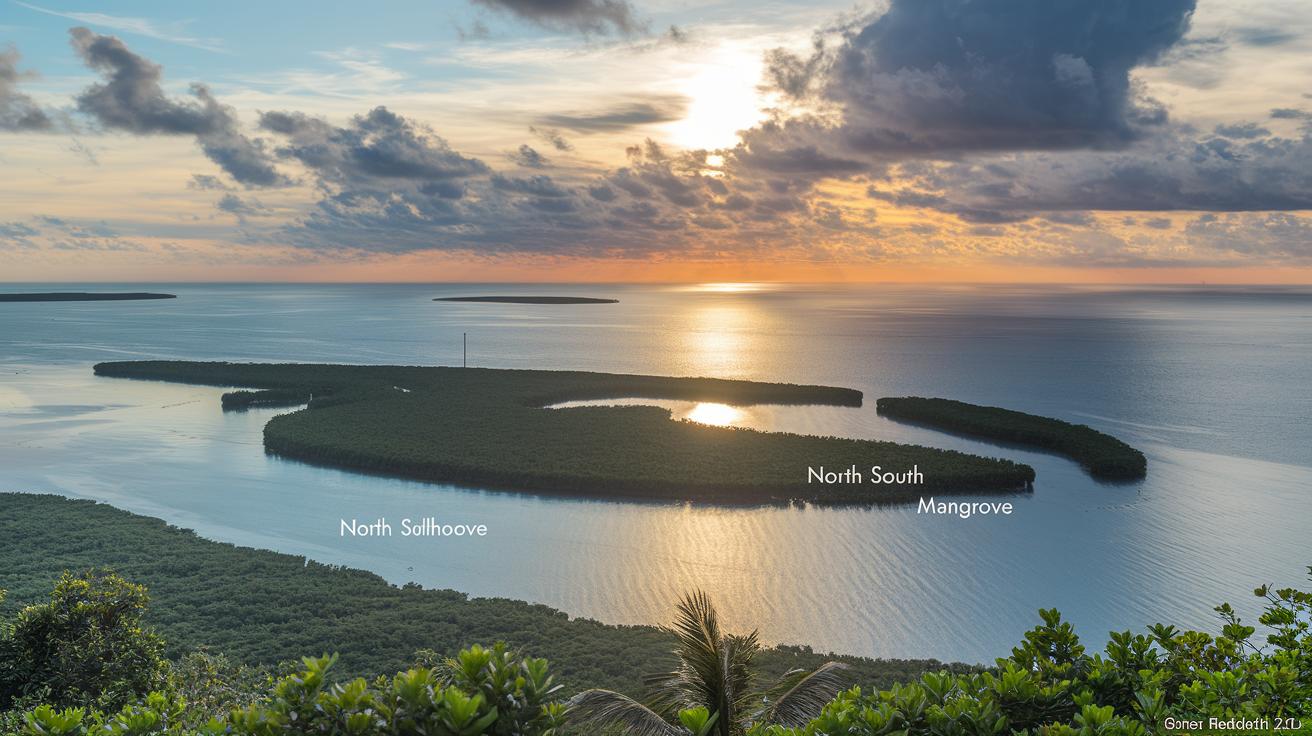
Andros Island is the Bahamas' biggest gem, a massive slice of nature that leaves a lasting impression. Stretching over 100 miles long and about 40 miles wide, it covers roughly 2,300 square miles. This size makes it not just the largest in the Bahamas, but also the fifth largest in the Caribbean. Its grand scale pairs with unique natural and cultural touches that set it apart from other islands.
The island breaks into three main areas: North Andros, Mangrove Cay, and South Andros. Each part has its own vibe. North Andros gives off a rustic, beachy feel, Mangrove Cay offers quiet little inlets, and South Andros welcomes you with warm, friendly communities. There’s no single road connecting them all, which means you often hop on a boat or take a small plane to explore. It’s like having your own private adventure, discovering tucked away treasures at every turn.
Stepping onto Andros feels like entering a world where wide open spaces mix with tight-knit communities and breathtaking nature. It’s a place that makes you feel truly immersed in island life, where every corner tells a story and the beauty of nature is all around.
Geographic Profile of the Bahamas Largest Island Andros
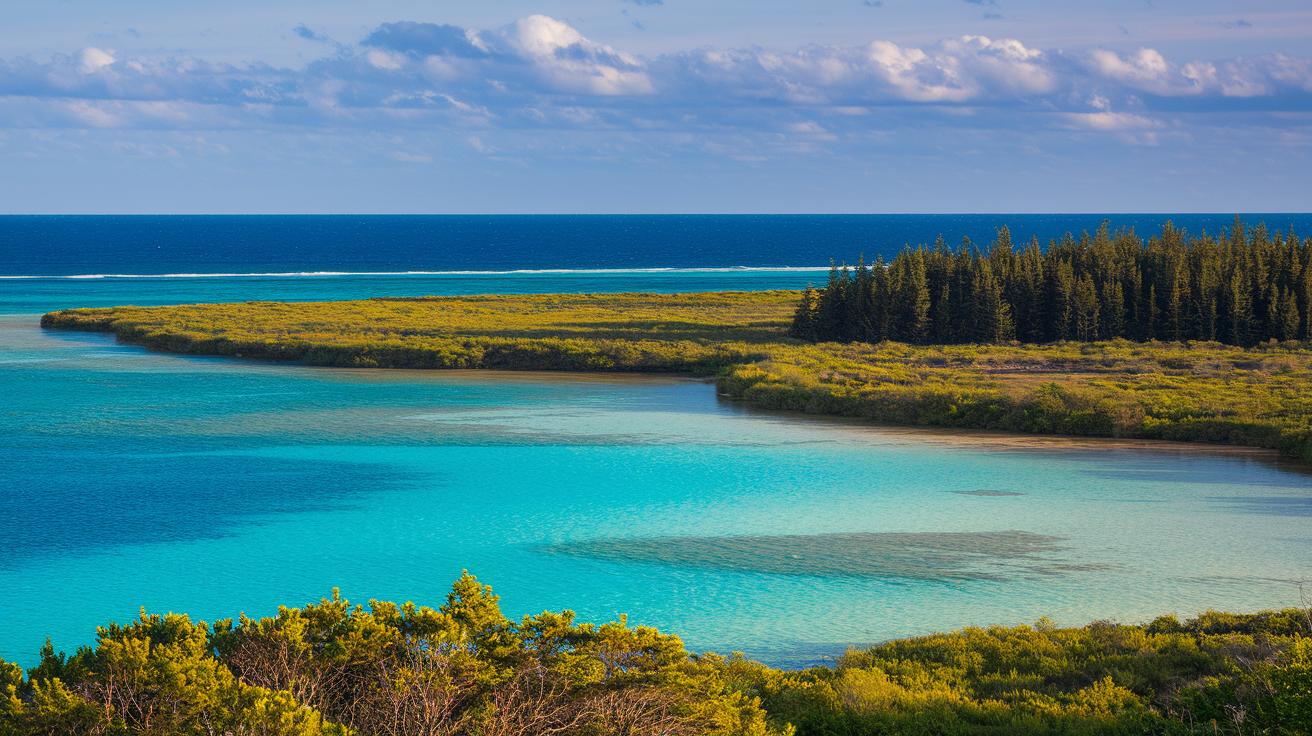
Andros Island is a wonder of nature, where dramatic borders meet varied terrain. Just under 200 miles from Florida, the island proudly shows off its eastern edge formed by the Great Bahama Bank's barrier reef and the impressive Tongue of the Ocean, a deep trench about 20 miles wide and 150 miles long. These natural features create a clear line between the shallow coastal waters and the deep, mysterious ocean around the island.
Step inland and you step into a different world. Dense pine forests and red mangrove wetlands weave together with winding creeks, quiet inlets, and crystal-clear, blue holes. Picture yourself walking through a forest filled with the smell of pine and the fresh caress of salty air, while the warm sun lights up hidden waterways. Summers are warm and breezy thanks to the trade winds, and even winter gets a cool boost from the Gulf Stream.
All these features combine to make Andros a unique blend of coastal and inland landscapes. The island is split into three main parts, each offering a little slice of paradise for nature lovers and explorers alike.
| Segment | Approximate Length | Key Features |
|---|---|---|
| North Andros | Varied | Rustic beaches, freshwater lakes, and pine forests |
| Mangrove Cay | Modest | Winding mangrove creeks and secluded inlets |
| South Andros | Considerable | Coastal wetlands and red mangrove swamps |
This mix of natural wonders makes Andros a true treasure. It invites travelers to enjoy a range of landscapes, from the vibrant shoreline to the heart of its green, shady inland paths.
Natural Habitats and Ecosystems on the Bahamas Largest Island
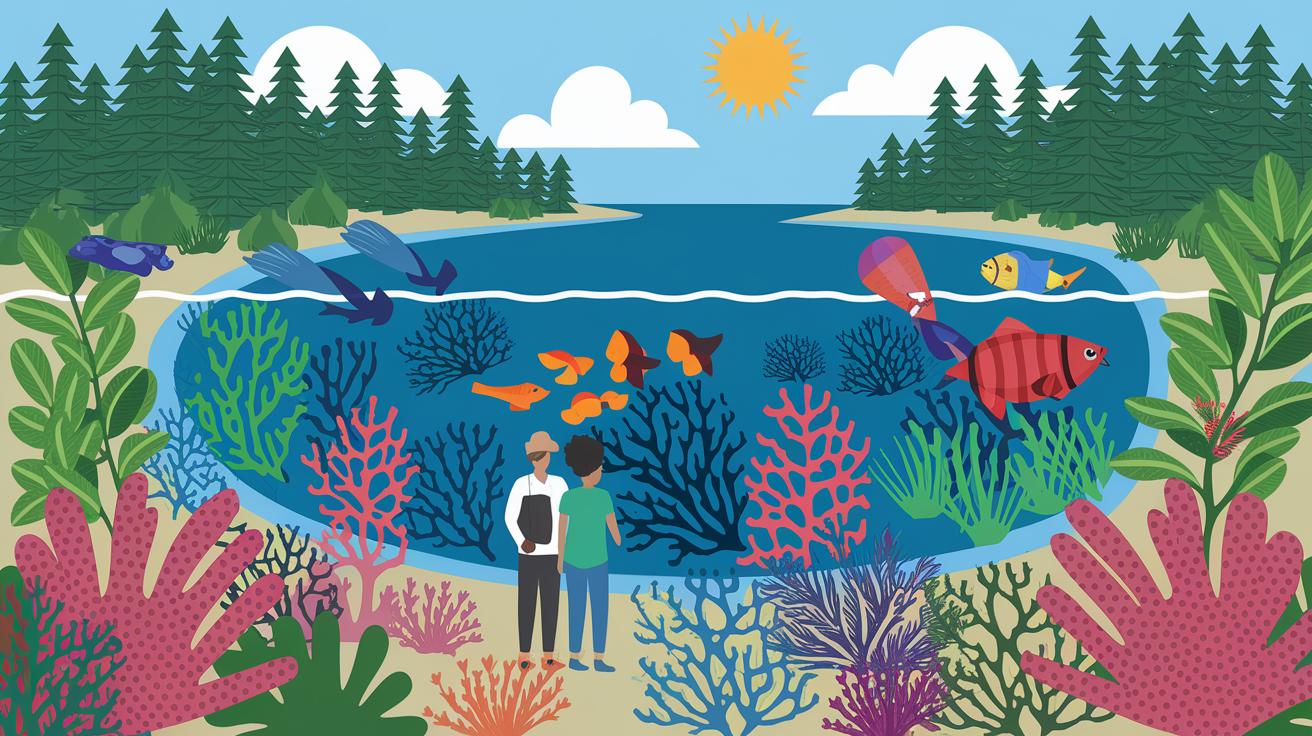
Andros Island is full of life and natural treasures. Its pine forests and red mangrove wetlands don't just look beautiful, they help local species thrive and naturally protect the coast. Fun fact: one study found that a blue hole had almost twice as many marine species as expected. Cool, right?
Local folks are dedicated to keeping these special habitats safe. They work together through community projects and scientific checks to look after the coral reefs, which shield the island and support marine life. They also study the sandy beaches and coastal wetlands to lessen the impact of too much human activity.
These efforts create a vibrant environment where both plants and animals flourish. Island experts join hands with locals to protect the landscapes that make Andros Island so unique.
Key habitats include:
- Pine forest interiors
- Red mangrove wetlands
- Coral barrier reef
- Blue hole sinkholes
- Coastal sandy beaches
Cultural and Historical Highlights of the Bahamas Largest Island
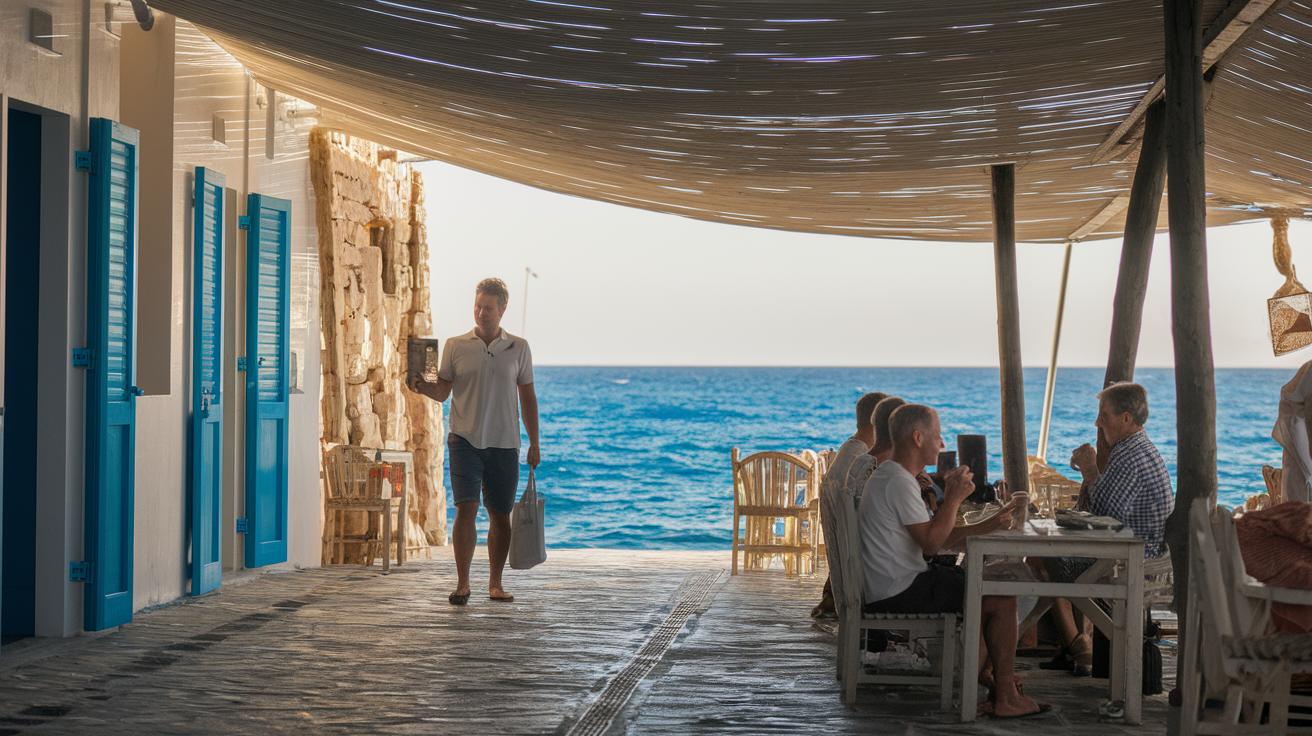
Andros Island holds a mix of traditions and a deep history that you can feel in its quiet, small communities. Life here moves at a relaxed pace, where conversations are warm and inviting, tinted with hints of African influence in the way people speak. Around 1783, British Loyalist settlers arrived and left behind stories and customs that blend perfectly with the island’s ancient Lucayan roots. Local legends, especially the tales of sea spirits, have been passed down like cherished family secrets. Some say these stories are as enchanting as a whispered secret on a warm summer night. Listen to the ocean, and it might just share its mysterious tale with you.
Even today, old traditions live strong. Many young locals can join a fun 6-week marine science gap-year program, where they learn basics like SCUBA diving (using special gear to explore underwater), sea kayaking, and the simple idea of leaving nature just as you found it. This hands-on program lets students enjoy the island’s natural beauty while keeping a deep respect for its traditions alive. In Andros Island, the past and present come together in a colorful tapestry of stories, teaching us that every local legend adds a unique brushstroke to a vibrant cultural portrait.
Travel Guide for the Bahamas Largest Island Andros
Getting There
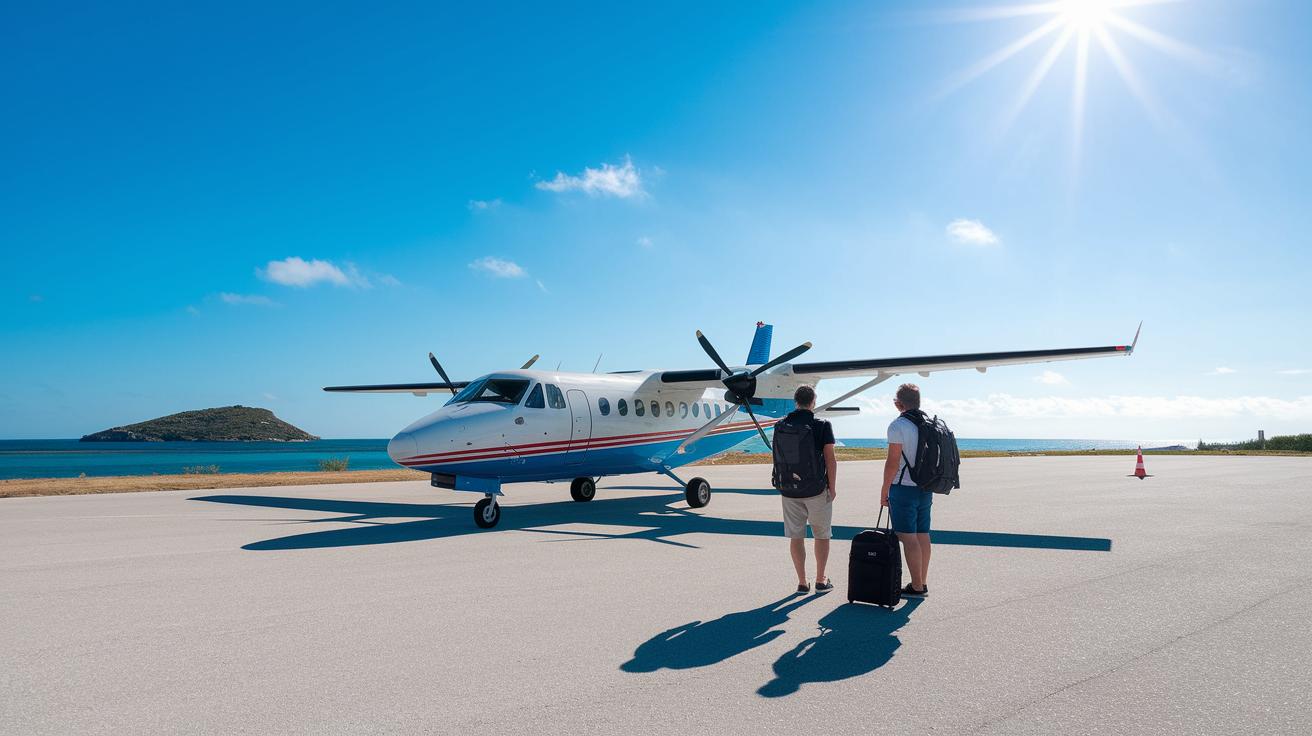
Flying into Andros is truly a breeze. Short regional flights from Nassau drop you right onto North or South Andros so you can start soaking up that island vibe immediately. If you’re headed to Mangrove Cay, why not enjoy a scenic ride by ferry or charter boat? For a fun twist, check out Caribbean Island Hopping Tours for all the ferry details. These quick flights leave you plenty of time to uncover Andros’s secret spots, and charter boats add that extra personal touch while whisking you between the island’s unique areas. Since there isn’t a direct road linking every part of Andros, every transfer becomes a little taste of local adventure.
Getting Around
Once you’re on the island, exploring is simple and friendly. Taxis run on set routes, taking you from lively coastal hubs to quiet inland paths. Prefer to set your own pace? Renting a car lets you meander along less-trodden roads, feeling the rustic charm of island life. And if you’re in the mood for true adventure, private boat charters open up the chance to discover tucked-away beaches and winding creeks. These boats are especially handy for moving between North Andros, Mangrove Cay, and South Andros. Even if some roads feel a bit rough, resources like custom travel itineraries can guide you smoothly through the island. Every journey here blends modern travel with the warm, relaxed pace that makes Andros so unforgettable.
Activities and Attractions on the Bahamas Largest Island Andros
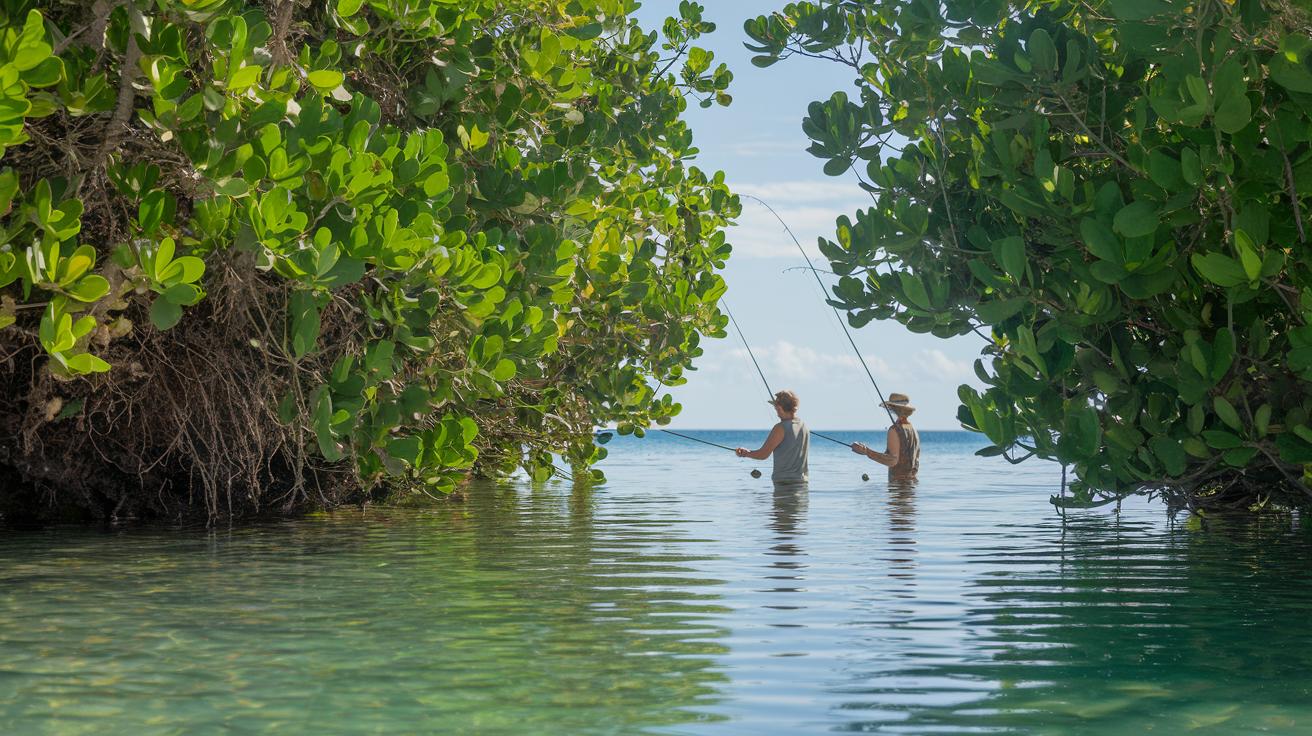
Andros Island is famous for its bonefishing adventures and a mix of outdoor fun that feels like a mini getaway in nature’s very own playground. Imagine standing by a gentle creek, the warm island breeze carrying hints of salt and pine, while you feel that thrilling tug on your fishing line. It’s an experience that makes you feel right at home in the wild.
Next, the island’s barrier reef welcomes everyone from beginners to seasoned divers. Scuba diving and snorkeling here reveal underwater worlds filled with bright fish and lively corals that seem to dance in the clear blue water. And if you prefer something a bit less technical, in truth, nothing beats gliding a kayak through peaceful mangrove creeks. Every paddle stroke brings you closer to secret coves that whisper tales of old.
For a calmer pace, why not try bird watching? It’s a favorite way to spot the playful Bahama parrot fluttering among the trees. And sometimes, a simple boat ride across the Tongue of the Ocean can surprise you with deep blue waters sparkling under the sun, a perfect blend of adventure and wonder.
- Bonefishing and fly-fishing trips
- Scuba diving along the barrier reef
- Snorkeling in stunning blue holes
- Kayaking through quiet mangrove creeks
- Bird watching to see the Bahama parrot
Conservation and Environmental Efforts on the Bahamas Largest Island Andros
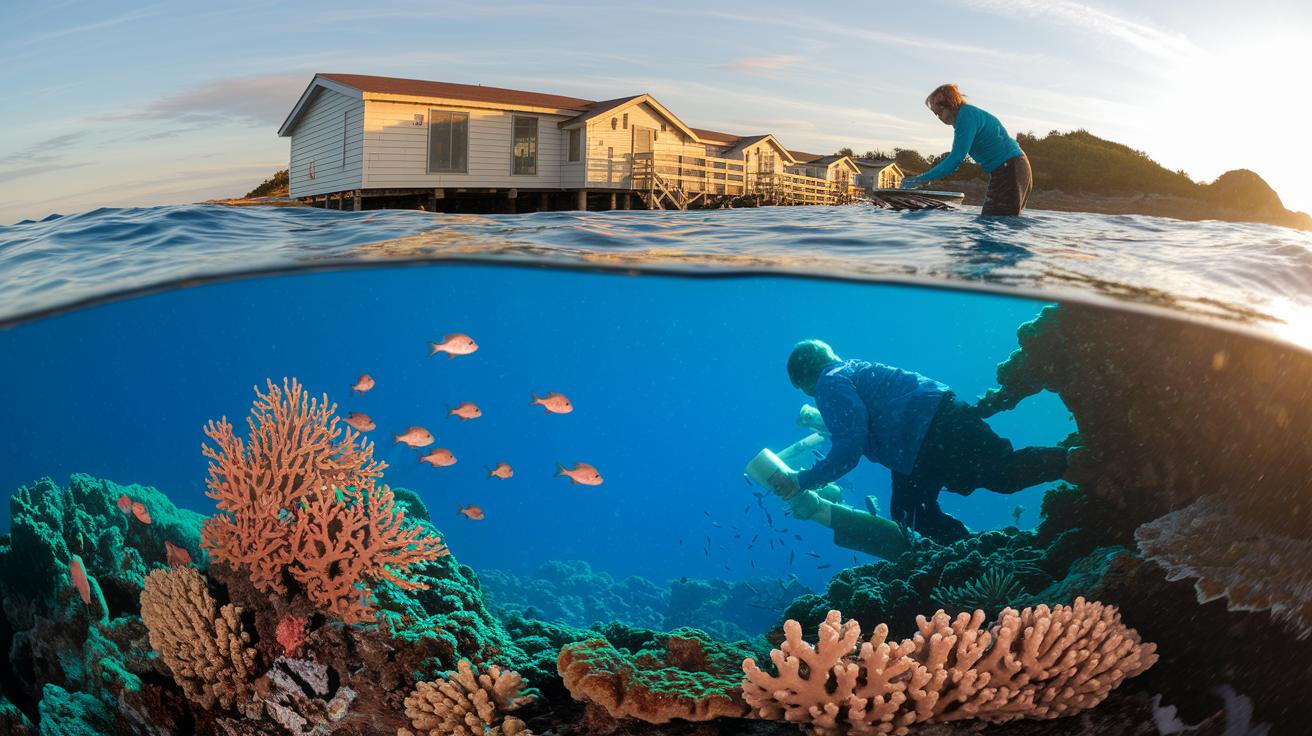
Andros Island isn’t just a playground for travelers; it’s a special home for nature too. At the center of all these caring efforts is the Andros Marine Research Station. Here, experts keep a close watch on the health of coral reefs and the vibrant marine life in the Tongue of the Ocean (a deep channel of water). Picture a team scanning the deep blue seas, spotting bursts of colorful coral and quick, darting fish. Fun fact: local researchers once found a coral patch hosting rare species, a true underwater wonder.
Across the island, designated marine sanctuaries carefully guard the delicate balance of the reefs. These protected spots help an array of marine creatures thrive while reminding visitors to tread gently on nature. Local groups, who truly believe in sustainable tourism, have embraced Leave No Trace principles to keep the island’s natural beauty intact.
And there’s more. Educational programs provide gap-year students with hands-on experiences in citizen science (everyday research that involves local community members). These eager learners even earn certifications in SCUBA diving (underwater exploration), sea kayaking, and safe wilderness practices. It’s a cool way to learn how to care for Andros’s incredible ecosystems firsthand. Together, research, protection, and education weave a story of environmental care that makes Andros Island a true beacon for nature lovers.
Final Words
In the action, we took a close look at Andros Island, Bahamas largest island, examining its impressive size, unique districts, and fascinating natural settings. We traced how its pine forests, coral reefs, and blue holes make it a standout spot for nature lovers.
We also touched on its rich local history and easy travel options. The insights shared remind you that stepping into Andros means embracing a sunlit Caribbean escape that leaves a lasting smile.
FAQ
What is the Bahamas’ largest island?
The Bahamas’ largest island is Andros Island. It stretches over 100 miles long and 40 miles wide, offering diverse landscapes and small rural communities that capture the soulful spirit of island life.
What are the top three largest islands in the Bahamas and the Caribbean?
The Bahamas’ largest island is Andros, while other major islands like Grand Bahama and New Providence complete the top three; in the wider Caribbean, Cuba and Hispaniola rank larger than Andros.
Is Andros Island uninhabited?
The notion that Andros Island is uninhabited is mistaken. The island is home to various small communities where locals live and work amid its rich natural beauty.
What is the population and capital of Andros, Bahamas?
Andros Island does not have a designated capital, and its population lives in scattered, laid-back rural communities that enjoy the island’s scenic ecosystems.
Is Andros Island safe?
Andros Island is generally safe for visitors. Its friendly, small communities and low crime rates create a peaceful setting, though common travel precautions are still advised.
Where can I find an Andros Island map?
Andros Island maps are available through local tourism offices and trusted online travel sites, which clearly highlight its districts and natural landmarks for easy exploration.
What is Andros Island famous for?
Andros Island is famous for its world-class bonefishing, pristine barrier reefs, captivating blue holes, and dense pine forests—making it a perfect spot for fishing, diving, and experiencing nature.
Where is Johnny Depp’s island in the Bahamas?
Johnny Depp’s private island is not located near Andros but in another part of the Bahamas, offering its own unique vibe apart from Andros’ expansive natural settings.
What is the smallest island in the Bahamas?
The Bahamas feature many tiny cays aside from the larger islands. These smaller islands are often private or uninhabited, each offering a unique, charming spot off the beaten track.
