Ever wondered what makes Caribbean films and TV shows feel so genuine? They capture a rich blend of history, hard work, and the pride of close-knit communities. Starting from humble beginnings and growing into famous projects like Small Axe and Kiss of the Spider Woman, these stories let you see everyday island life with all its resilience and warmth.
In this post, we're sharing how a mix of history and creative energy sparks inspiration for both filmmakers and viewers. It’s like the islands are whispering their secrets to you, reminding us all of the Caribbean’s everlasting spirit.
Caribbean Cultural Narratives in Film and Television: Inspiring

Caribbean films and TV shows give us a bright window into history, identity, and creative spirit. Think of it like stepping into a lively market at dawn, where even a simple camera can catch the heartbeat of a community. Starting just after independence and reaching today’s popular works like Small Axe (2020) and Kiss of the Spider Woman (1985), these stories remind us of the tough times and true cultural pride found in titles such as Fairyland, Captains of Za’atari, Kicking It, and Bantú Mama.
Each production feels like a mini adventure, using real sounds, music, and words that remind us of everyday island life. Early projects, made with very little but lots of heart, have grown into rich tales that mix cherished memories with fresh ideas. Every film and show becomes a little record of the people’s lives, linking the past with the present. You can almost hear the distant beat of Caribbean drums in every scene, a reminder to keep local traditions alive for tomorrow. This careful look at these stories invites us to explore more about how the Caribbean continues to inspire both filmmakers and fans.
Historical Evolution of Caribbean Cultural Narratives in Film and Television
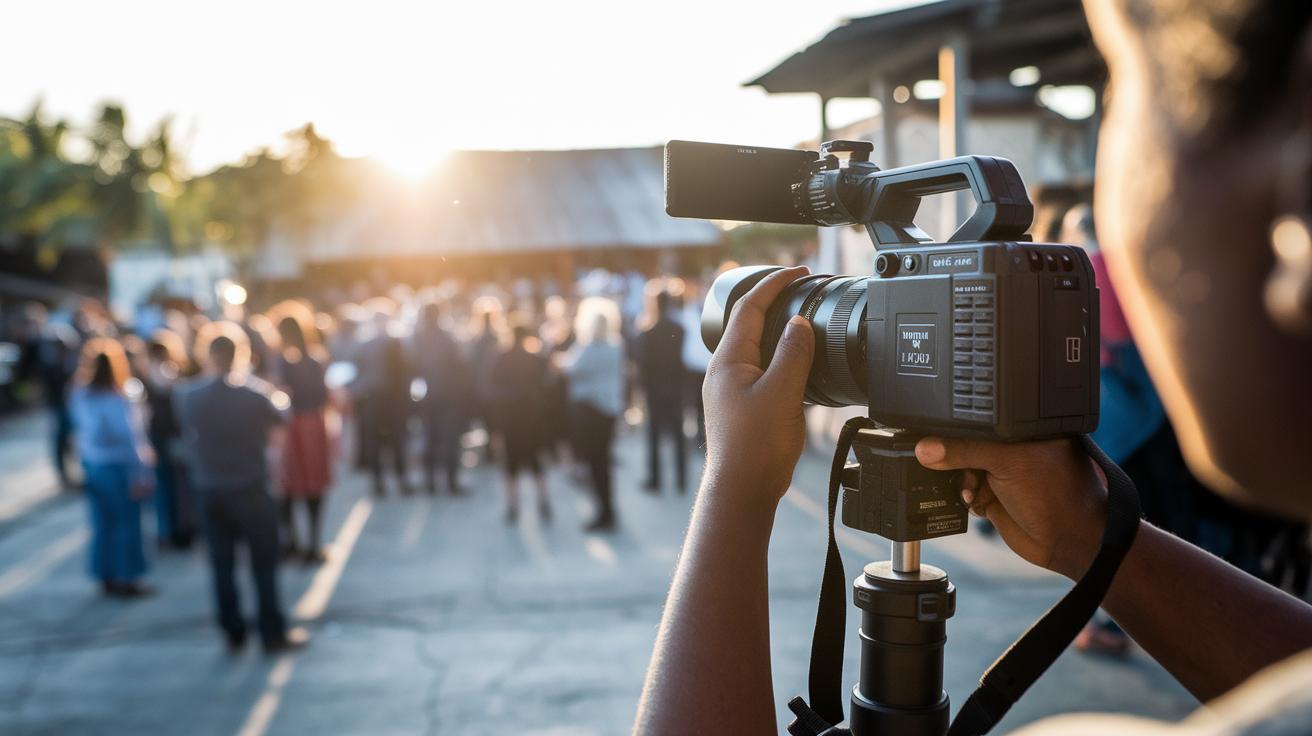
Back in the 1960s, local storytellers in the Caribbean used simple cameras and community radio to capture the heart of island life. Imagine people recording lively gatherings with just a basic handheld device, creating precious memories of unity and struggle.
Then, over the next few decades, better equipment and more funding helped these filmmakers move beyond basic documentaries to short films and TV series. Even though these early works were modest, they overflowed with the vibrant creativity of Caribbean communities. Upgraded technology brought clearer images and crisper sound, allowing storytellers to dive into fresh themes and truly celebrate their regional identity.
By the 1990s and 2000s, Caribbean cinema took a bold turn. Feature films and TV shows began blending historical details with personal triumphs. Early filming techniques transformed, mixing improved production quality with heartfelt narratives that captured everyday island life while honoring tradition alongside innovation.
Today, films and television from the Caribbean stand as living proof of decades of creative growth. Modern productions pay tribute to the humble beginnings of community recordings while embracing the advanced techniques of today. This journey highlights not only improved technology and funding but also a deep, ongoing commitment to preserving the vibrant culture of the Caribbean in every frame.
Tropes, Mythic Storytelling, and Symbolism in Caribbean Screen Culture

Caribbean screen culture blends old myths with bright symbols to bring age-old legends and daily struggles into vivid focus. Imagine watching characters cross paths with duppies, those ghostly figures from local lore, just like a storyteller saying, "Picture a hidden spirit gently guiding you along a moonlit path." These scenes not only entertain but also reflect the shared history and heartfelt beliefs of Caribbean life.
Often, Caribbean tales tread familiar ground, think of a journey from a peaceful island village to the busy rhythm of city life. This shift is filled with rich images: a deep blue ocean suggesting endless freedom and the resonant call of ancestors reminding us where we come from.
Many of these stories dive into quests for self-discovery, the strength of community, and subtle acts of defiance against lingering colonial pasts. In a way, writers and directors build their narratives like a chef assembles a tropical salad, each familiar trope adds its own unique flavor.
• A tale of moving from the countryside to the city turns into a warm, heartfelt look at both dreams and losses.
• A wise ancestral guide steps in with insights during life's crucial moments.
These vivid images and themes are the heartbeat of culturally rich storytelling on Caribbean screens.
Afro‐Caribbean and Diaspora Identity in Caribbean Cultural Narratives on Screen

Television and streaming have changed the way we see the Caribbean diaspora. Series like BBC’s Small Axe (2020) bring everyday stories to life using natural accents and heartfelt storytelling. It’s like hearing a familiar voice while sitting on a warm, sandy beach. Imagine someone saying, "I grew up listening to the rhythm of the waves," with an accent that makes you feel right at home.
Actors such as Grace Byers, Michelle Buteau, CCH Pounder, and Susan Kelechi Watson add fresh energy to their roles. They mix humor, grit, and deep cultural pride to create characters that hold real traditions and personal memories. Their performances remind us that these stories are more than just acting, they are journeys through the diaspora.
Accents that sound genuine, a change seen since movies like 1990’s Marked for Death, make each word feel like a cherished memory passed down through generations. This richer storytelling comes from characters who are well-developed and settings that capture the island’s true spirit. Directors often treat these projects like preparing your favorite Caribbean recipe, using a blend of tradition, a pinch of spice, and a splash of modern flair.
Modern shows also sprinkle in local folklore, mixing ancient tales with today’s life. This creates a narrative that celebrates shared heritage and everyday wins. In truth, these stories feel as vibrant and real as a sunlit Caribbean morning.
Pioneers and Production Dynamics in Caribbean Cultural Narratives for Screen
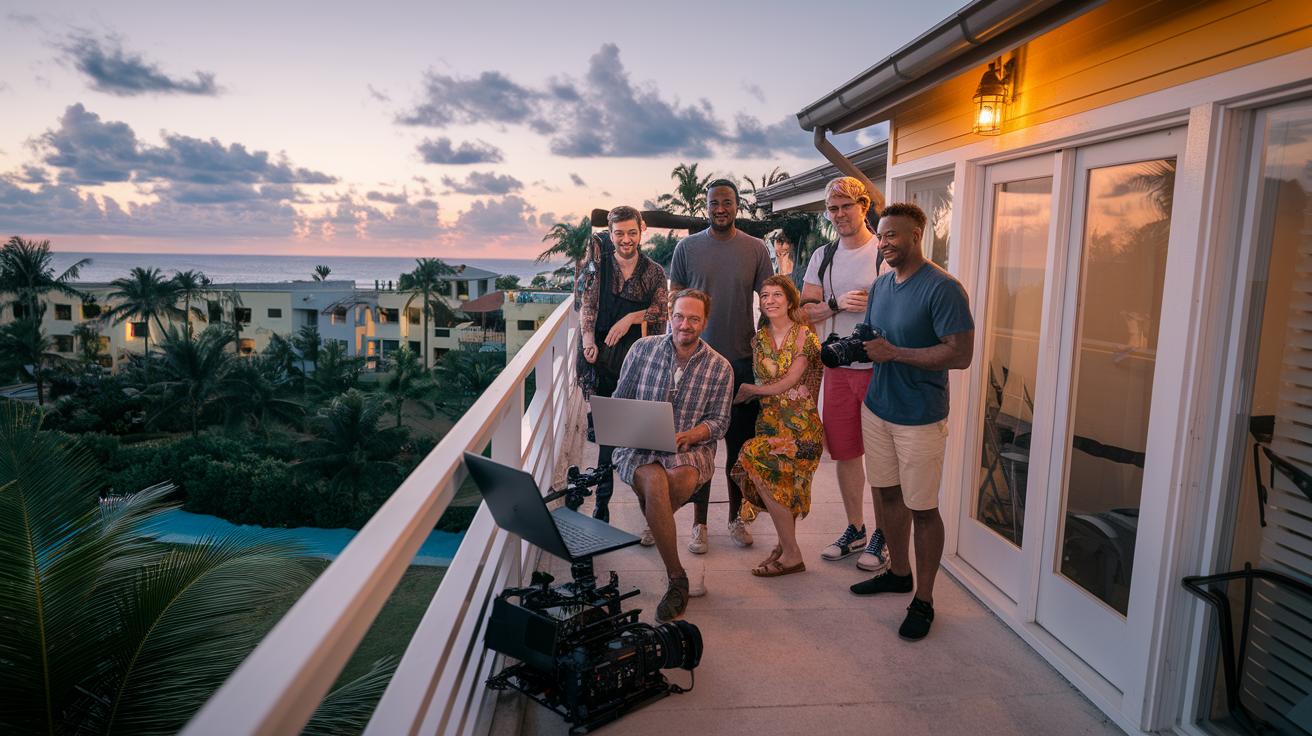
Caribbean storytellers captured lively local culture using simple community tools. Now, the story is all about today's modern production scene.
Modern teams often struggle with money and making sure their films reach more people. One filmmaker once said that finding funds was like mixing the perfect tropical drink, where every ingredient had to be just right. And yes, teaming up with international distributors is still a big challenge since local projects need to match global standards.
Today, global partners help Caribbean films shine on bigger screens. Working with production teams abroad and using digital platforms opens fresh ways for these films to be seen. This mix of grassroots creativity and worldwide support lets true Caribbean voices be heard by more people.
Case Studies: Notable Caribbean Films and Television Series

Kiss of the Spider Woman from 1985 takes us on a journey through Argentina’s colonial past. The film bursts with energetic Afro-Caribbean dance moves that remind us of old struggles for power. In its gentle mix of personal passion and historical hints, it invites you to look at the past in a fresh, culturally rich light.
Bantú Mama truly shines by blending real-life documentary moments with touching family drama. The movie captures everyday scenes with thoughtful detail, letting you feel the weight of family conflicts and the soothing magic of shared memories. It unfolds like a warm conversation with a close friend, bringing the rich human side of the culture to life.
Fairyland, set right in the heart of Trinidad, pulls you into a community filled with warmth and vibrant spirit. Its lively beats and friendly local chatter are like a stroll through a bustling street fair. With every scene richly painted in local colors, it feels both nostalgic and wonderfully real.
Captains of Za’atari shifts the focus to the refugee journey, showing the strong spirit of families who have left home. Its honest storytelling ties personal hardships to larger cultural themes, offering more than just a film, it gives you a deep look at what it means to seek new beginnings while keeping your roots alive.
Kicking It dives into important social issues in Jamaica with raw, unfiltered honesty. Every scene radiates energy and determination, sharing powerful insights into social life and the challenges between different generations.
New Caribbean web series are now emerging as a fresh study, blending time-honored cultural identity with modern storytelling techniques. These shows prove that even as technology changes, the heart of Caribbean film and television, its authenticity and proud cultural spirit, remains stronger than ever.
Contemporary Challenges and Future Directions in Caribbean Cultural Narratives on Screen

Caribbean film projects often struggle with tight budgets and stiff distribution issues. Many local filmmakers work with few funds and simple equipment, which can make it hard to create films that capture the true essence of island life. It’s a bit like mixing a tropical cocktail and finding out you’re missing that one key ingredient; scarce resources can slow down even the best creative ideas.
Getting films in front of the right eyes is another hurdle. Often, creators find it tough to share their work beyond their local communities. But now, streaming platforms let them reach viewers directly, sidestepping older, more limited channels. New co-production deals with European partners are also paving the way for films to grow their audience while keeping that genuine Caribbean flavor.
Big film festivals like Sundance 2023 are shining a light on Caribbean talent by giving them a stage to secure better funding and reach more viewers. Global media partnerships are stepping in with fresh strategies to bring these vibrant stories to screens worldwide. Even with challenges like limited budgets and fierce international competition, the spirited heart of the Caribbean continues to inspire creative ways to share its rich cultural narratives.
Final Words
In the action, the blog brought Caribbean screen storytelling to life. We saw how film and television capture the spirit of local culture, using mythic elements, historical insights, and modern portrayals. The piece knits together key case studies with production dynamics that have shaped vibrant on-screen narratives. Each section painted the picture of caribbean cultural narratives in film and television, inviting us to experience the island’s heart through its storytelling. Enjoy the charm and depth of these narratives and keep exploring what the screen has to offer.
FAQ
What are Caribbean cultural narratives in film and television?
The Caribbean cultural narratives in film and television focus on how regional heritage and identity are portrayed through on-screen storytelling, using historical context and cultural heritage to connect with audiences.
How have Caribbean cultural narratives evolved on screen?
The evolution of Caribbean cultural narratives is shown by a shift from early post-independence films with basic recordings to modern productions using more sophisticated storytelling and realistic portrayals.
What storytelling tropes and symbolism are common in Caribbean screen culture?
Caribbean screen culture uses tropes like rural-to-urban stories, ancestral guides, and visual symbols such as the endless blue sea to express freedom, cultural identity, and historical memory.
How is Afro-Caribbean and diaspora identity portrayed on screen?
Afro-Caribbean and diaspora identity appears on screen through authentic accents, everyday struggles, and deep character development, reflecting both cultural pride and the realities of contemporary life.
Who are the key pioneers shaping Caribbean cultural narratives?
Key pioneers include early local storytellers using community radio and modern figures like Kerry-Ann Reid-Brown and Steve McQueen, who have brought regional stories to wider audiences with fresh perspectives.
What are some notable Caribbean films and television series?
Noteworthy examples include Kiss of the Spider Woman, Bantú Mama, Fairyland, and Small Axe, each highlighting different aspects of Caribbean heritage and providing a rich critique of cultural issues.
What contemporary challenges do Caribbean screen narratives face?
Contemporary Caribbean screen narratives face obstacles like limited budgets, distribution hurdles, and global competition, while new streaming platforms and international collaborations offer evolving opportunities.
