Ever wondered if art can speak louder than words? Caribbean art has a way of saying what many of us feel deep inside. When creative minds broke free from old colonial stories, they painted over blank walls and turned city spaces into lively calls for change.
Every brushstroke feels like a warm Caribbean breeze, and each mural sings of pride, resistance, and hope. It's like the colors and shapes are whispering secrets and dreams to anyone passing by.
In this journey, we explore how these bold expressions sparked a cultural shift and continue to inspire many voices to stand up against injustice.
Roots and Evolution of Caribbean Art as Protest
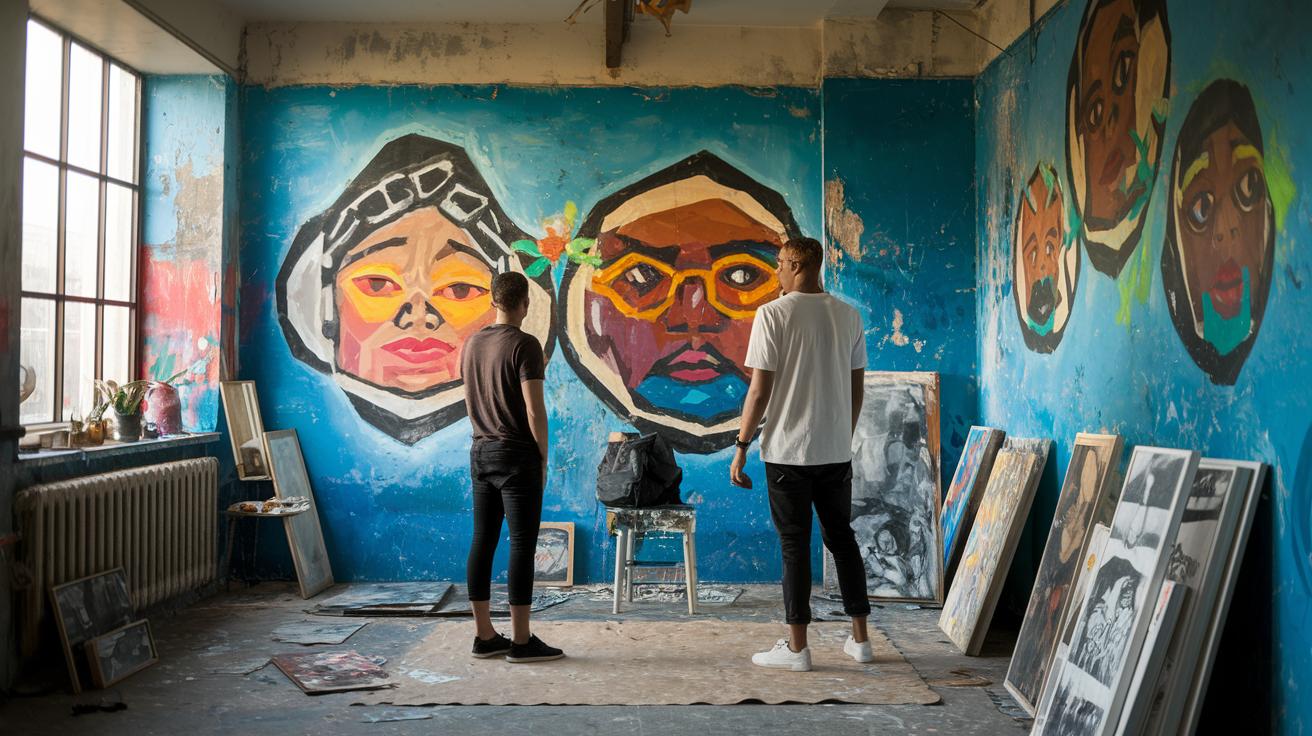
Back in the 1960s, Caribbean art began speaking out as a bold form of resistance. The Caribbean Artists Movement (CAM) brought together creative spirits determined to bring back a lost cultural voice. They mixed cherished Caribbean themes with fresh ideas, leaving old colonial stories behind. Fun fact: before CAM, many local artists didn’t see their own culture in the art world, so they turned to their roots to share hidden stories. This moment truly changed how Caribbean culture was shown and felt.
Experiencing life in Britain added a new twist to their creative journey. Caribbean artists far from home struggled with fitting into a new society while wanting to keep their heritage alive. In this unfamiliar land, where their cultural signals were often misunderstood, art became their way of speaking out. They blended traditional symbols with elements from the local scene, crafting pieces that spoke to both their memories and new surroundings. Their work quietly pushed back against the old colonial hold while celebrating the strength of their community.
In cities like Kingston and Port-au-Prince, artists took their protest directly to the streets. With cans of spray paint and catchy slogans, they turned urban walls into lively canvases of change. These colorful expressions, inspired by African-diaspora roots and local folk art, told stories of long struggles and dreams for a better future. Even today, their art continues to echo, showing us how creativity and activism can mix to reshape a culture.
Iconic Caribbean Protest Artworks and Artists
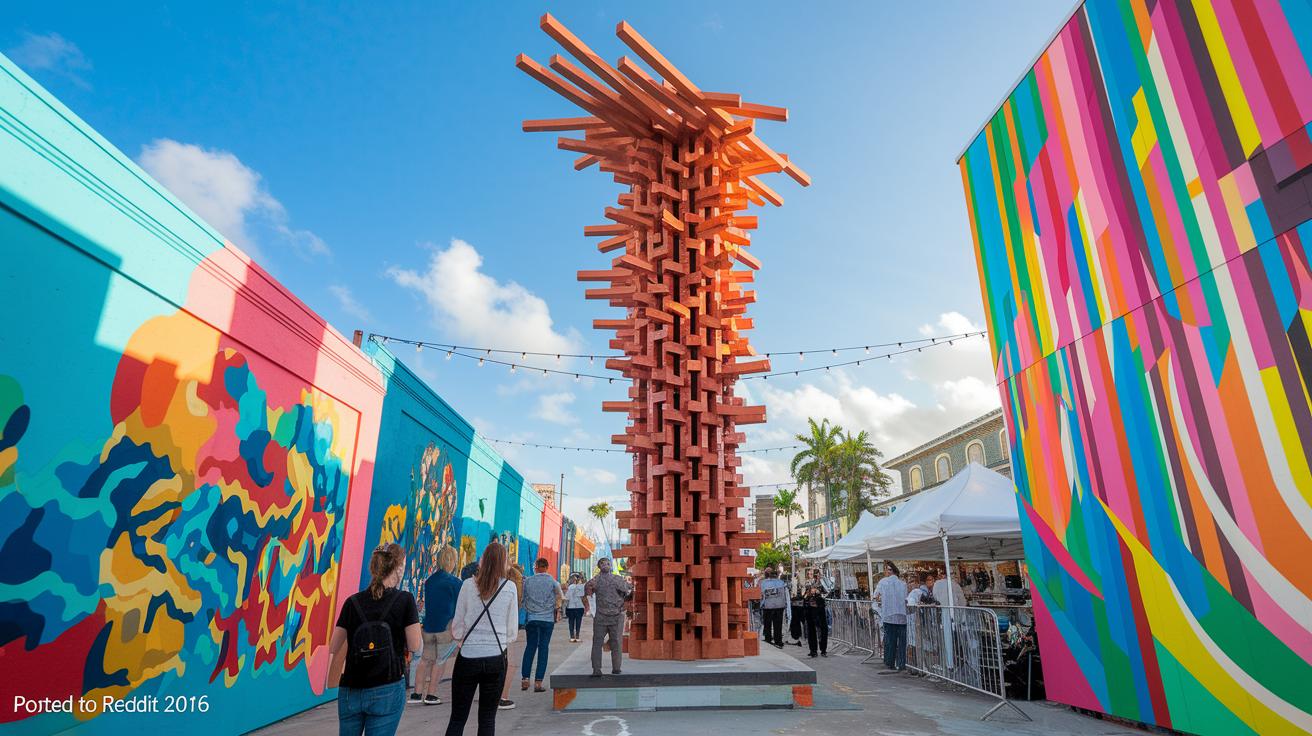
Caribbean protest art bursts with bright colors and strong messages. It feels like a call to grab back history and push for a change. Picture a towering sculpture or a vivid mural that turns a busy street into an open stage for conversation. Before they turned into celebrated icons, these pieces were raw shouts of community pride and defiance.
- Teresita Fernández created Rising (Lynched Land) in 2010. This giant 16-foot sculpture is made from scorched wood and weathered copper that tells a story of colonial oppression and the possibility of rebirth even after violence.
- Taj Francis painted Island Resilience in 2008. This lively street mural, born from spray paint and stencil work, challenges the quieting of culture by highlighting Jamaican struggles and a restored sense of identity.
- Angurria unveiled Roots of Resistance in 2012. Using a mix of spray paint, stencils, and eye-catching collages, this piece calls out social injustices and urges Dominican communities to unite and stand strong.
- David Zayas designed Reclaiming Identity in 2015. His powerful graffiti-style mural on an urban wall shouts Puerto Rico's pursuit of cultural freedom and a fair society for all.
These artworks have sparked local conversations and pushed street art into the political spotlight. They become a visual space where shared struggles and hopes mingle together. When you look at them, you might feel a burst of pride, a reminder that creativity can challenge oppression and bring people together.
Visual Techniques and Symbolism in Caribbean Protest Art
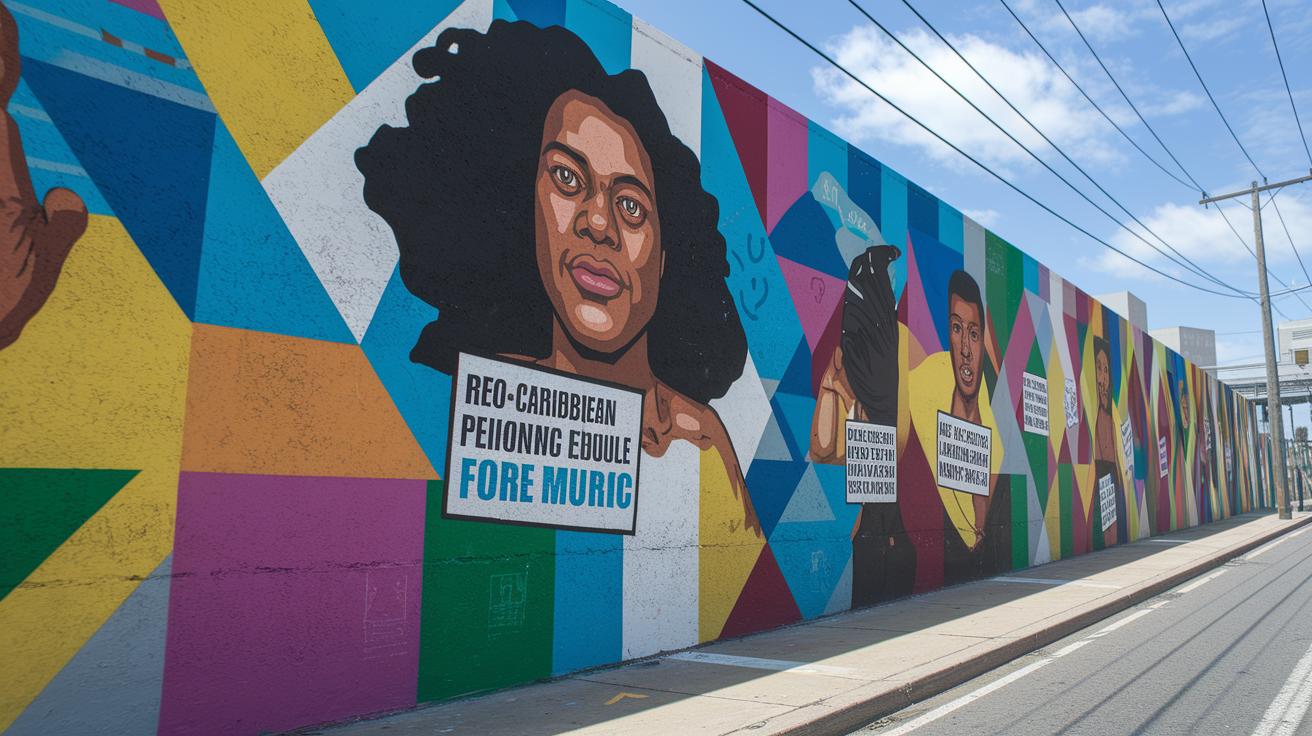
Caribbean protest art bursts with lively colors and bold images that mix political signs with revolutionary pictures and Afro-Caribbean folk themes. Artists use spray paint and stencils to add textures that feel both rough and smooth. Each brushstroke is a brave stand against old ways, turning everyday symbols into powerful messages of hope and change.
The techniques these artists use are just as important as the message itself. They choose methods like spray painting and stencil work to share a radical story in a clear, bold way. By mixing popular graffiti styles with the local bright color palette, simple images become powerful symbols. This art tells a story of both struggle and hope, inviting every viewer to feel the rhythm of cultural resistance.
- Voodoo iconography – shows spiritual strength against suppression.
- Palm trees – remind us of nature's beauty mixed with the scars of a colonial past.
- Decapitated landscapes – signal a split in cultural identity.
- Political slogans – clear, tough words that challenge injustice.
- Afro-Caribbean motifs – traditional images given a fresh twist to express defiance.
Caribbean Street Art as a Catalyst for Social Change
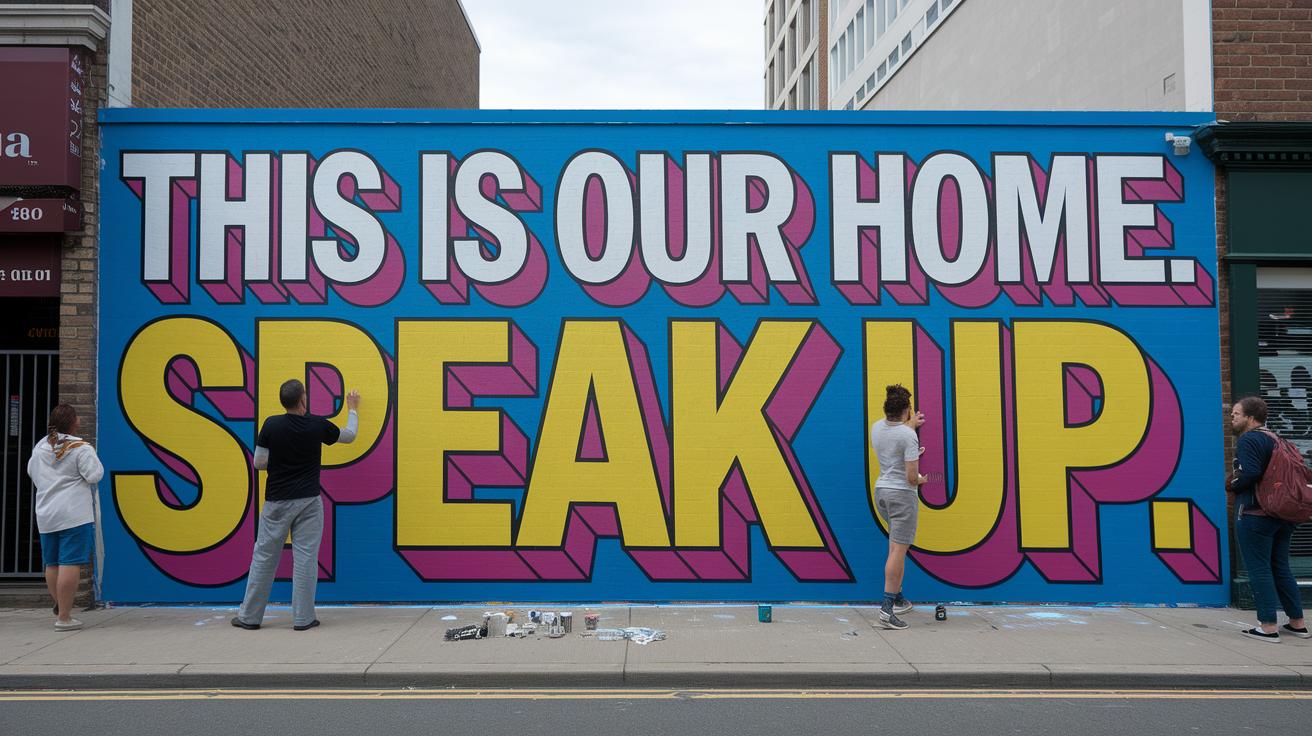
In cities like Kingston and Port-au-Prince, street art has grown from hidden scribbles into bold public displays. Today, walls burst with bright colors and strong images that capture everyday challenges. Imagine strolling by a mural that shouts, "This is our home, speak up!" It’s a clear, heartfelt call that turns simple streets into lively spots for conversation.
Local murals speak right to the heart of daily struggles. Using everyday spray paint and stencils, artists share stories about urban violence, gender gaps, tough immigration issues, and human rights. Passersby might pause to read a wall message urging, "Stand up, never back down!" Such art gives communities a voice and makes their feelings and hopes visible for everyone to see.
Now, these vibrant works have jumped from local scenes to international stages. Caribbean street art, once tucked away in neighborhoods, now shines at global festivals and exhibitions. Critics and art lovers alike see these creations as more than just pretty pictures, they are powerful movements for change. When a mural steps out onto a worldwide platform, it shows that local calls for justice can spread hope far and wide.
Postcolonial Themes: Resistance to Colonialism and Oppression in Caribbean Art
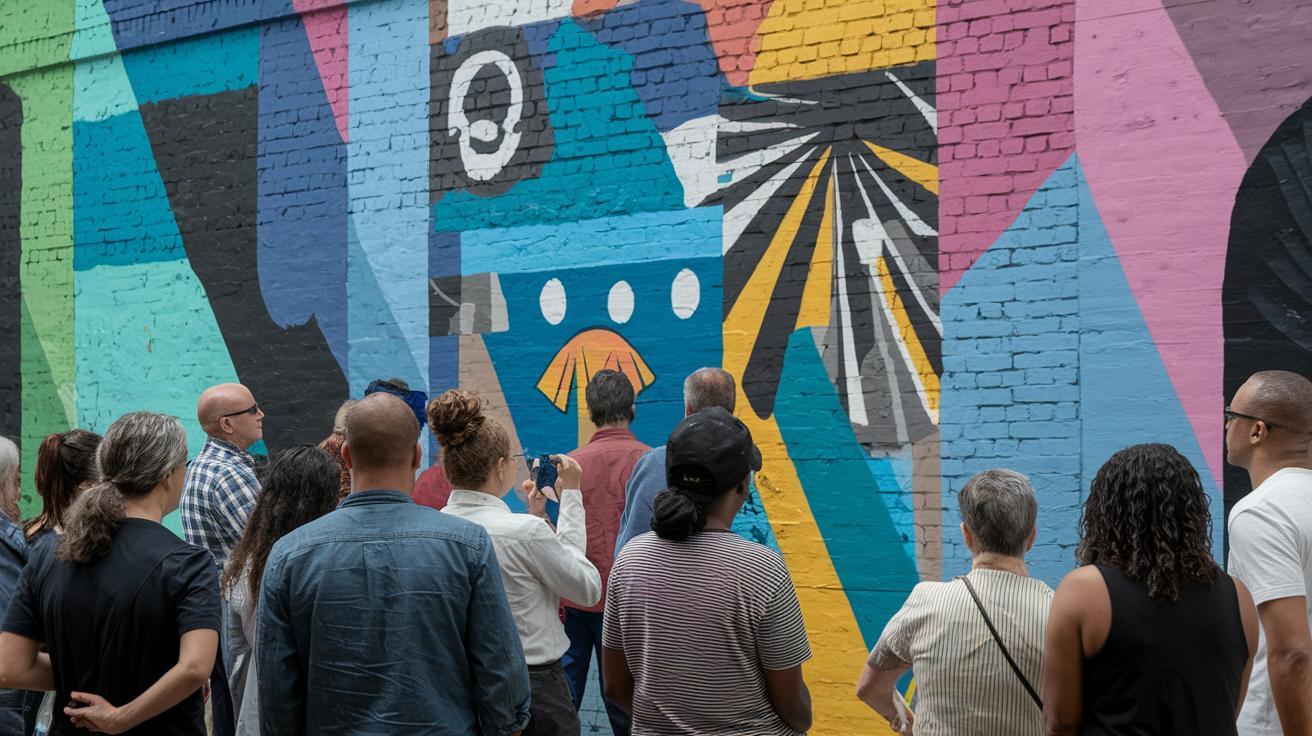
Caribbean art today peels away layers of history to expose old power plays that still echo in our lives. Local artists mix dusty archives with fresh political views to shine a light on rules and social balance. They use soft hints in their work to shake up old ways and spark conversations about modern practices. Ever noticed? Many street murals in Kingston quietly show that protest never dies, it just speaks a new language of unity.
Modern artworks blend age-old symbols with bold, modern imagery and social messages. They speak clearly about issues like land rights by turning memories of loss into lively debates. Picture a painting that mixes daring images of nature with reform headlines, using shared memories to boost political voices. Imagine a canvas that layers old trade maps with vivid political icons, inviting you to question the power passed down to us.
These creative expressions do more than honor the past, they become a real space to question today's policies and society. By reinventing familiar island symbols, artists show us that culture can challenge tired political and economic systems. A modern sculpture, for example, might take a well-known island icon and use it to critique land control, urging us to reflect on our community's strength and a fresh political focus.
The Legacy and Contemporary Relevance of Caribbean Protest Art
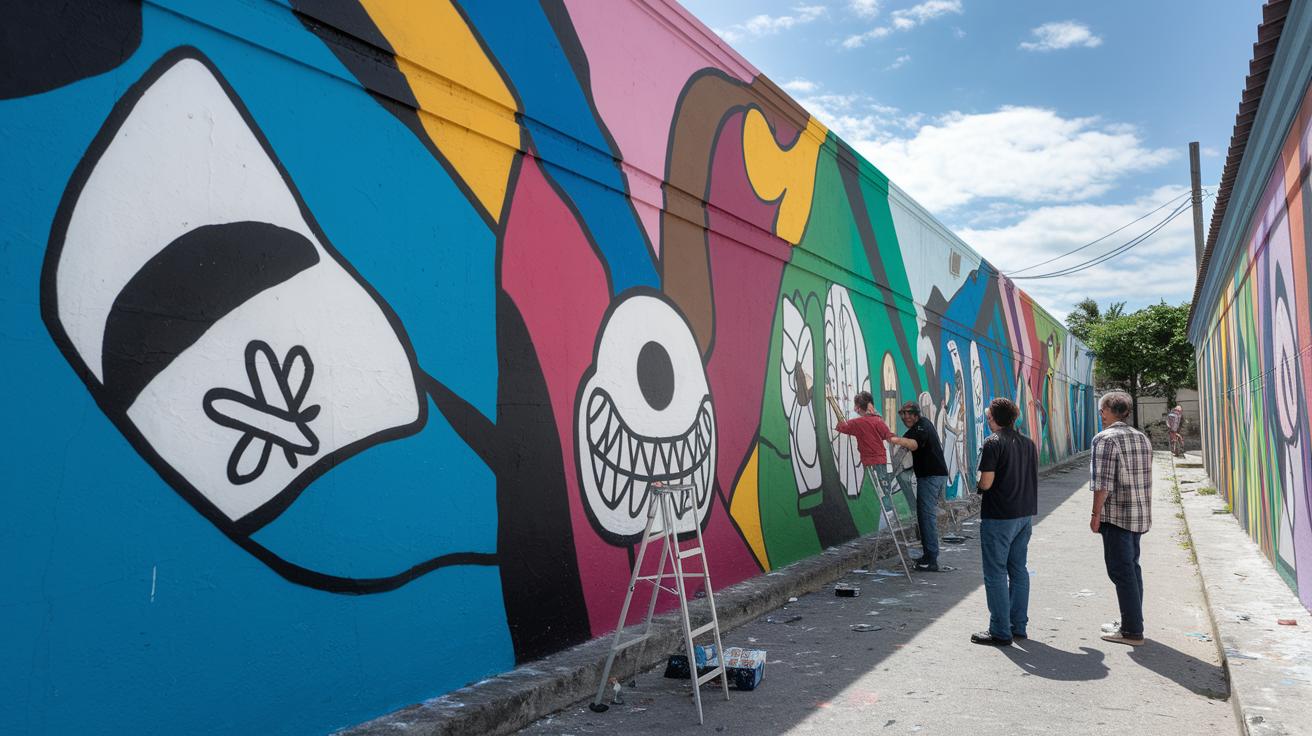
Even today, you can feel the energy of the 1960s in Caribbean protest art. Artists, inspired by a time of bold change, mix fresh symbols with a clear stand against the system. Their work brings to mind the creative spirit of the Caribbean Artists Movement, turning old styles into striking modern expressions that challenge unfairness with every brushstroke.
Around the world, art lovers and galleries are beginning to notice these passionate pieces. Big shows feature them alongside well-known political art, and community projects in the Caribbean and beyond turn public spaces into colorful stages for diverse voices to be heard. With each new display, Caribbean art not only honors its colorful past but also lights the way for fresh ideas about fairness and unity.
Final Words
In the action, we traced caribbean art’s bold beginnings, from the daring 1960s movement to the striking street murals that speak truth through powerful symbols. We stepped through visual techniques that mix tradition with modern flair and felt the impact of art that stands as a form of protest.
This piece leaves us with a taste for local culture and a reminder that art carries change. Embrace the truth and colors of caribbean art as a form of protest, inspiring hope for many tomorrows.
FAQ
How can art be used as a form of protest?
Art is used as a form of protest by combining bold imagery with clear social messages. Caribbean artists use political slogans, street visuals, and cultural symbols to challenge injustice and express community concerns.
What was the aim of the Caribbean arts movement?
The aim of the Caribbean arts movement was to assert a fresh cultural identity and counter colonial traditions by blending familiar Caribbean motifs with modern art techniques during a time of social change.
What are famous examples of protest art in the Caribbean?
Famous examples of protest art in the Caribbean include politically charged paintings and street art from the Caribbean Artists Movement, which use striking visuals and slogans to comment on social and political issues.
Which art movement was started as a form of protest?
The Caribbean Artists Movement began as a form of protest in the 1960s, using creative techniques that mixed traditional styles with new ideas to question old power structures and advocate for cultural pride.
What defines traditional and Afro-Caribbean protest art?
Traditional and Afro-Caribbean protest art are defined by the use of folk styles, symbolic imagery, and cultural heritage. They serve as a visual record of resistance and celebrate a unique cultural legacy.
Are there PDF resources on Caribbean art as a form of protest?
PDF resources on Caribbean protest art can be found through cultural institutions and educational sites, offering detailed studies, images, and historical context to support further learning on the subject.
How do Caribbean artists use their paintings to express protest?
Caribbean artists use their paintings to express protest by incorporating vivid colors, symbolic figures, and strong cultural references. Their work communicates resistance and serves as a powerful statement on social issues.
