Have you ever thought that a simple laugh might hold a whole story? Caribbean humor does more than just make you smile. It tells tales of sticking together, overcoming hard times, and sharing happy moments.
A quick joke from a friendly vendor or a light-hearted comment during a meal opens up a window into a rich culture that cheers up even the toughest days. It's like feeling a cool breeze on a hot day, refreshing, uniting, and full of life.
Caribbean humor and its cultural significance Shines
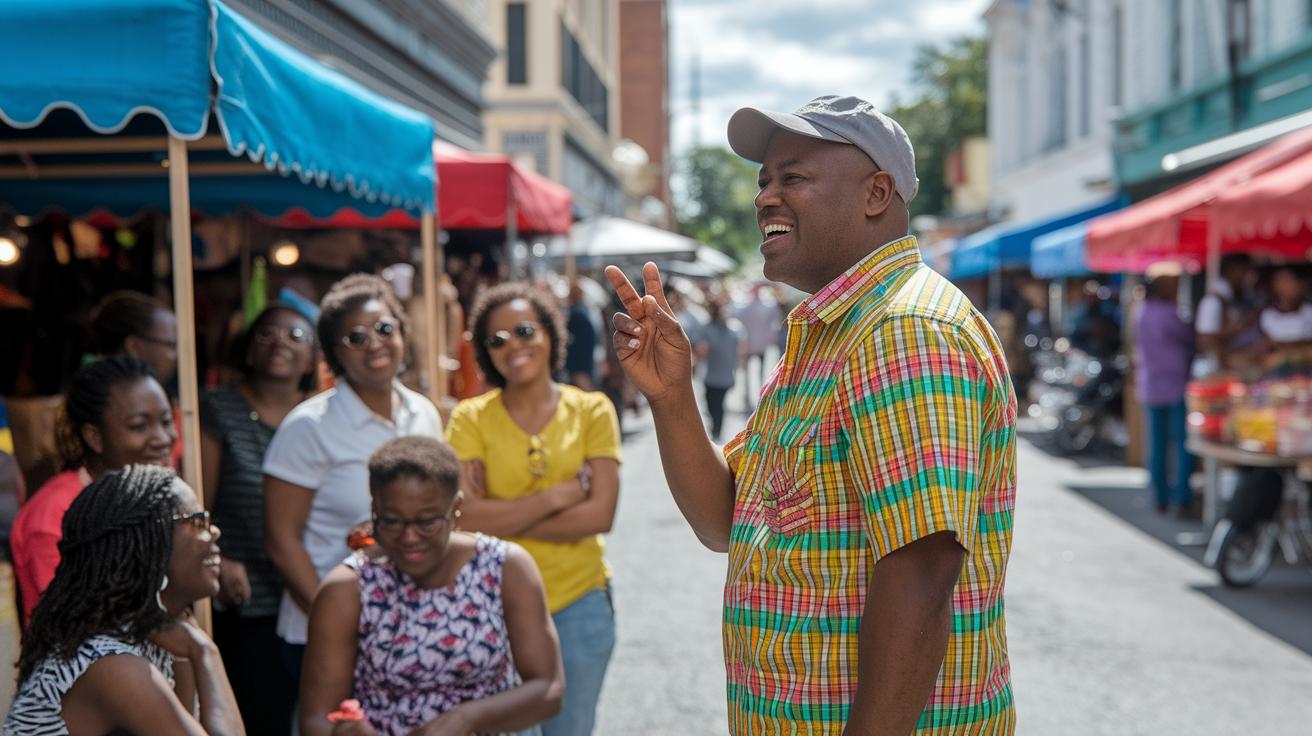
Caribbean humor is so much more than a simple laugh, it’s a friendly guide that helps locals and visitors discover the true spirit of the islands. Ever noticed how even a quick joke from a busy street vendor in Kingston or a shared laugh over some jerk chicken opens the door to genuine local moments? It’s like an insider tip that you won’t find in any guidebook.
Laughter here does more than brighten the day; it builds strong community bonds. Just as you enjoy a cool drink on a sweltering day, sharing a lighthearted moment makes the everyday struggles a bit easier to bear. This humor carries stories of both past hardships and cheerful triumphs, all told with a playful twist that brings people closer together.
It works in many ways:
- Fostering community ties
- Offering social commentary
- Building resilience
- Preserving oral traditions
- Uniting people
Every chuckle and smile is a small reminder that the islands stick together, even when times get tough. In this way, Caribbean humor becomes not only a way to enjoy the moment but also a symbol of strength and unity, a testament to the enduring spirit of the Caribbean.
Historical origins of Caribbean humor and its traditions

Caribbean humor grew from blends of colonial influences, African roots, and native ways of expressing culture. Over time, these elements mixed like a tropical smoothie, creating a playful style that celebrates both tough times and moments of joy. Imagine gathering with friends while the beat of drums fills the air, each playful joke a nod to the past echoing right into today. It's as if the islands have handed down an endless supply of jokes, each one carrying a taste of their shared history.
In the 1950s, local storytellers began turning everyday life into funny tales, lightening up the struggles that were part of daily life. One early star, John Agitation, started in 1951 in Trinidad and Tobago with a lively call-and-response style. This interactive approach, born from native storytelling traditions, still sparks laughter and brings everyone together when remembering their shared past.
Regional performance styles in Caribbean humor
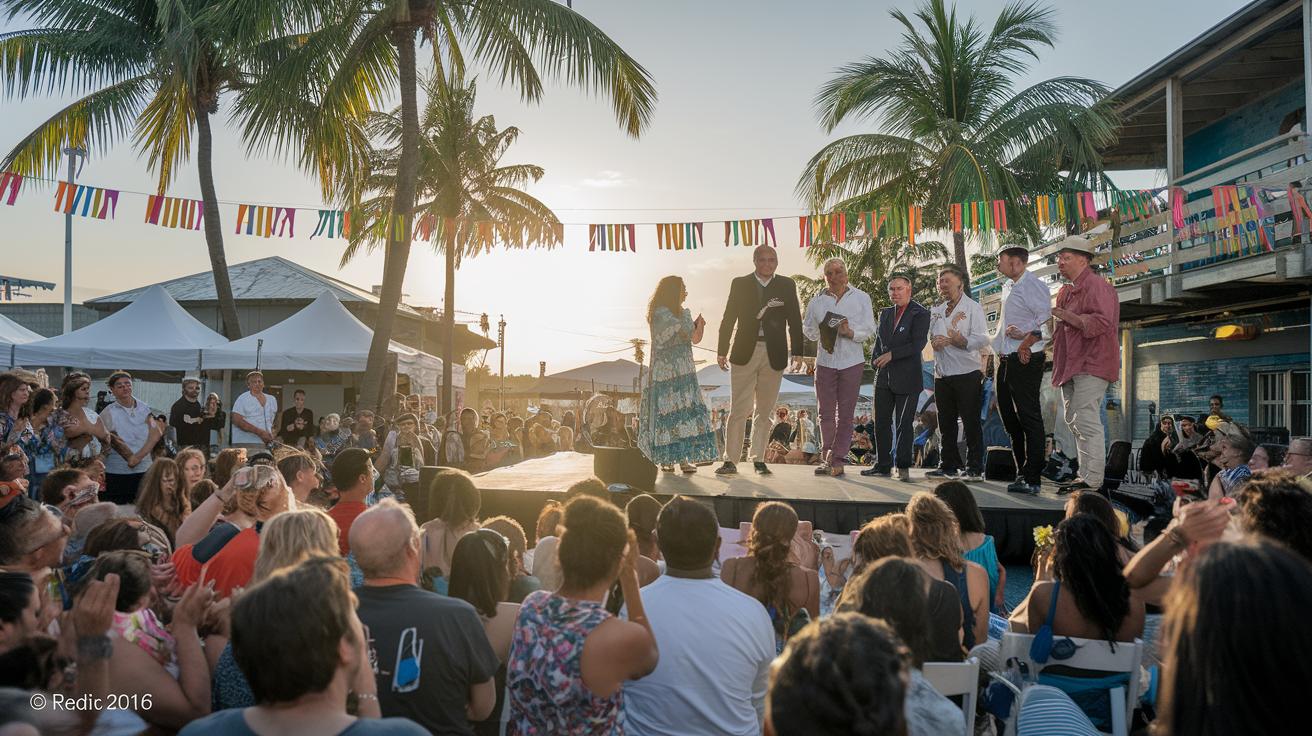
The Caribbean is bursting with energy and diverse performance styles that tell its colorful history. Across the islands, humor dances from lively festivals to spur-of-the-moment street shows. It’s amazing how each performance mixes everyday observations with quick, playful wit, making every joke feel like a friendly chat right on your porch.
Trinidadian satire
In Trinidad, the Alternative Comedy Festival is where sharp, topical jokes come to life through quick call-and-response exchanges. Comedians toss out rapid-fire lines packed with local flavor and current events. The back-and-forth with the audience feels like a fun conversation among close friends. Ever felt like you’re part of a lively community chat even when tackling some heavy topics? That’s the magic here.
Barbadian sketch comedy
Over in Barbados, events like “Laff It Off” bring sketch comedy into the spotlight. Here, short and snappy scenes take aim at everyday life and give a playful nudge at social norms. The sketches are clever and light-hearted, making you think even as you laugh. It’s like watching a mirror of society where every playful jab reflects something real about island life.
Jamaican street humor
In Jamaica, you can catch street performers who sprinkle humor throughout bustling markets and open-air gatherings. Their playful jokes in Patois and spontaneous acts bring the streets to life with clever wordplay and a genuine sense of community. These performers not only make you smile with their quick wit but invite you to soak in the laid-back vibe of Caribbean street comedy.
Caribbean humor in social and political critique
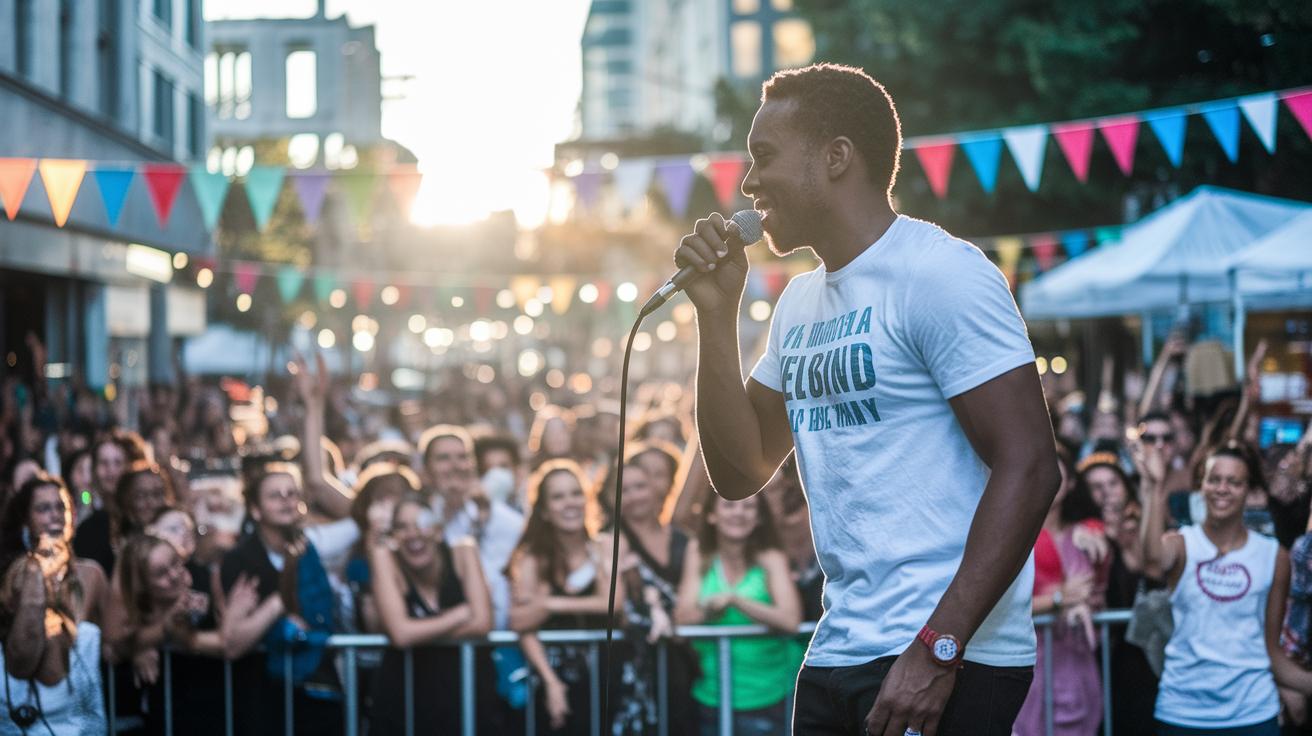
Caribbean comedians do more than just get a good chuckle, they spark thoughts about power and unfair rules. At local festivals and busy street shows, funny acts are a way for performers to push back against rules that make life tough. They laugh at the powerful, revealing a lighter side to challenging those in charge. Imagine hearing a local comedian say, "Even the government needs a break from its own jokes," and feeling both the laughter and a quiet nudge to think deeper.
In many shows, call-and-response (where the performer and audience chat back and forth like old friends) and parody (a humorous take on something serious) turn the performance into a vibrant conversation. The audience joins in with quick replies and playful comebacks, building a shared space where everyone can question the unfair systems around them. This friendly back-and-forth not only leads to hearty cheers but also opens up discussions that matter, turning every burst of laughter into a step toward social change.
Evolution and global reach of Caribbean humor traditions

Caribbean humor started on the islands but quickly spread to far-off places. In communities like the Greater Toronto Area, Black Caribbean families keep the island spirit alive with playful teasing and inside jokes. At family gatherings, these light-hearted roasts spark genuine laughter while sharing beloved cultural traditions that bridge generations and even continents.
Modern entertainers are carrying this legacy into fresh, exciting directions. Comedians like Russell Peters and Jean Paul mix Caribbean wit into their acts, creating relatable moments for audiences in Canada and around the world. And with social media platforms, talents such as Majah Hype are blending classic island humor with modern digital twists. This mix of familiar banter and inventive storytelling continues to unite fans from many different backgrounds, much like a shared moment of laughter on a warm Caribbean day.
Final Words
In the action, Caribbean humor shines as a lively guide to cultural identity. It’s more than witty banter, it brings locals together, comments on social issues, and builds resilience. The blend of historical roots and modern twists shows how jokes and playful words weave community ties across the islands. This article showcased how Caribbean humor, with its cultural significance, keeps traditions alive while sparking genuine connections. It leaves us with a warm smile and the urge to enjoy every moment on these spirited islands.
FAQ
Q: What does Caribbean humor and its cultural significance mean as described in cultural essays and Wikipedia?
A: Caribbean humor and its cultural significance means that island laughter reflects everyday life and traditions. It acts as a guide to genuine local interactions and helps shape the community’s identity.
Q: What are the cultural influences and flavor profiles of the Caribbean?
A: The cultural influences and flavor profiles in the Caribbean come from African, indigenous, and colonial roots. These mix to shape unique tastes in music, food, and humor that define island life.
Q: What are five key aspects of Caribbean culture and the cultural differences evident across the islands?
A: Five key aspects include lively humor, colorful music and art, distinctive cuisine, strong community bonds, and varied language use. These elements highlight differences in social customs and traditions across the islands.
