Ever wonder why staying connected on tropical islands can be a headache? In the Caribbean, your phone might seem like it's playing hide-and-seek with cell towers, especially when you leave the coast. Imagine sitting at your favorite beach spot, checking emails without a worry about surprise fees. In this guide, we explore all your options, from local SIM cards to digital eSIMs (electronic SIM cards, a digital version of the physical SIM card), so you can stay in touch easily and enjoy every sun-kissed moment.
Guide to Caribbean Mobile Connectivity and SIM Options!

Staying connected in the Caribbean is a must, whether you're checking emails from a cozy beach cafe or keeping in touch with loved ones on a quiet island. When you're close to the shore, your phone uses regular cell towers, but step about 12 to 20 miles out and it switches to maritime networks that can cost a lot. So, choosing the right SIM card is key to keeping your bills low while staying online.
Here’s a quick rundown of your options:
- Physical local SIM – This option needs a passport check at airports or local shops. It offers steady 4G/LTE coverage, and some islands even have 5G now. Imagine getting connected at a bustling local market – neat and simple!
- Regional eSIM – If your phone is unlocked, this digital SIM activated by a QR code or an app is a smart pick for travelers who hop between islands.
- International roaming – You can use your regular plan, but it tends to get pricey the further you stray from the coast.
- Wi-Fi solutions – Many cruise ships, hotels, resorts, and even local cafes offer Wi-Fi to help supplement your mobile data.
Your device type and how long you plan to stay play a big part. If your phone supports eSIM and you’re island-hopping, the digital solution might be perfect. But if you're only visiting for a short while or your device sticks to a physical SIM, picking one up at the airport is a safe bet to avoid any shockingly high fees.
Comparative Review of Caribbean Carriers and Data Plans
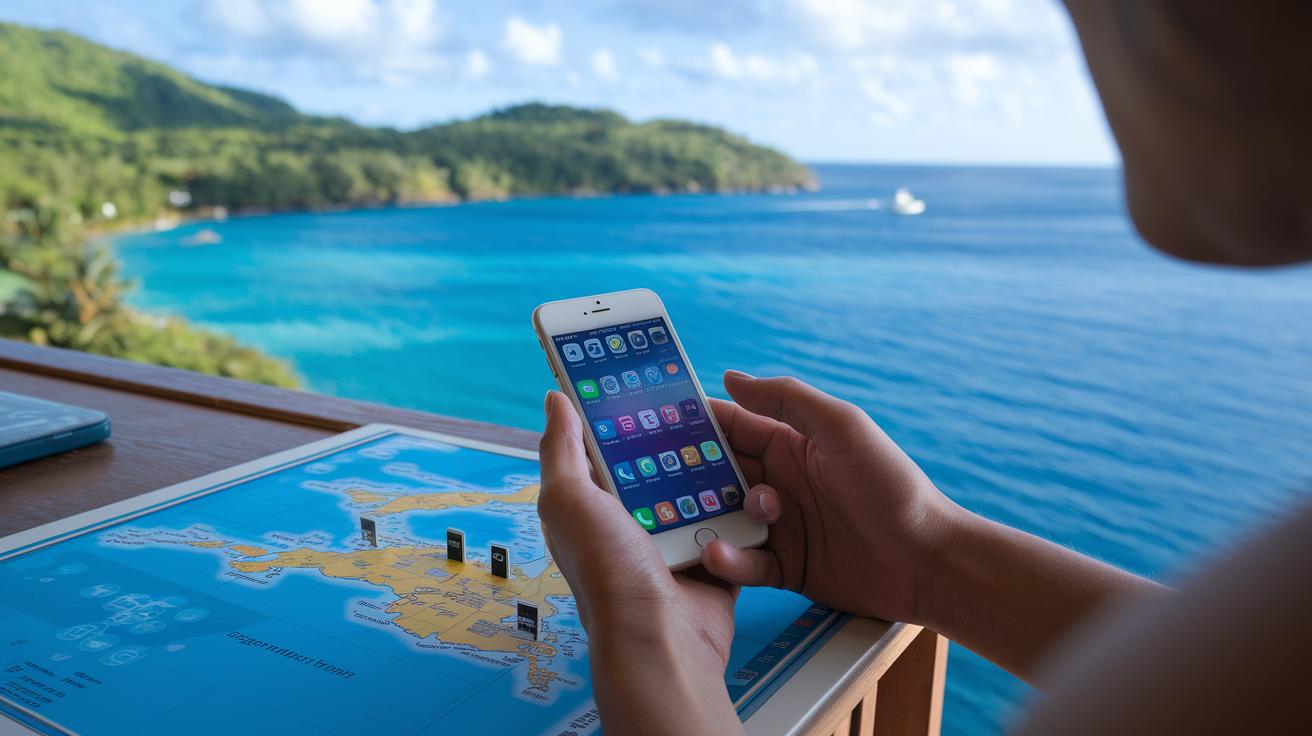
Finding the right cell carrier in the Caribbean really matters if you want to stay connected without spending too much. It means checking out local networks to see if they offer fast speeds, steady coverage, and plans that fit your budget. Whether you're casually browsing or making frequent calls, knowing what each provider offers makes planning your trip a breeze. Plus, busy urban centers often have quicker service, while quieter islands might be a bit slower, so you can tailor your plans to each locale.
For a quick look at some plan options, check out this table:
| Country | Provider | Plan Details | Cost | Data Allowance |
|---|---|---|---|---|
| Jamaica | Digicel | One-day plan with unlimited calls | JMD 350 | 500 MB |
| Haiti | Natcom | One-day plan with unlimited calls | HTG 50 | 250 MB |
These examples show how coverage and plan features can shift from one country to the next. In larger towns, many networks offer 4G or LTE performance that works well for everyday tasks, while some islands even boast the newer 5G for quicker connections when available. For instance, if you're headed to Jamaica and need strong calling and decent data, Digicel has a plan that fits the bill. On the other hand, Natcom in Haiti might be ideal if you're looking to keep your costs low while staying in touch. By comparing what each network offers, you can choose the best option that suits your device and how long you'll be on the island.
Physical SIM Cards vs eSIM Solutions for Caribbean Travel
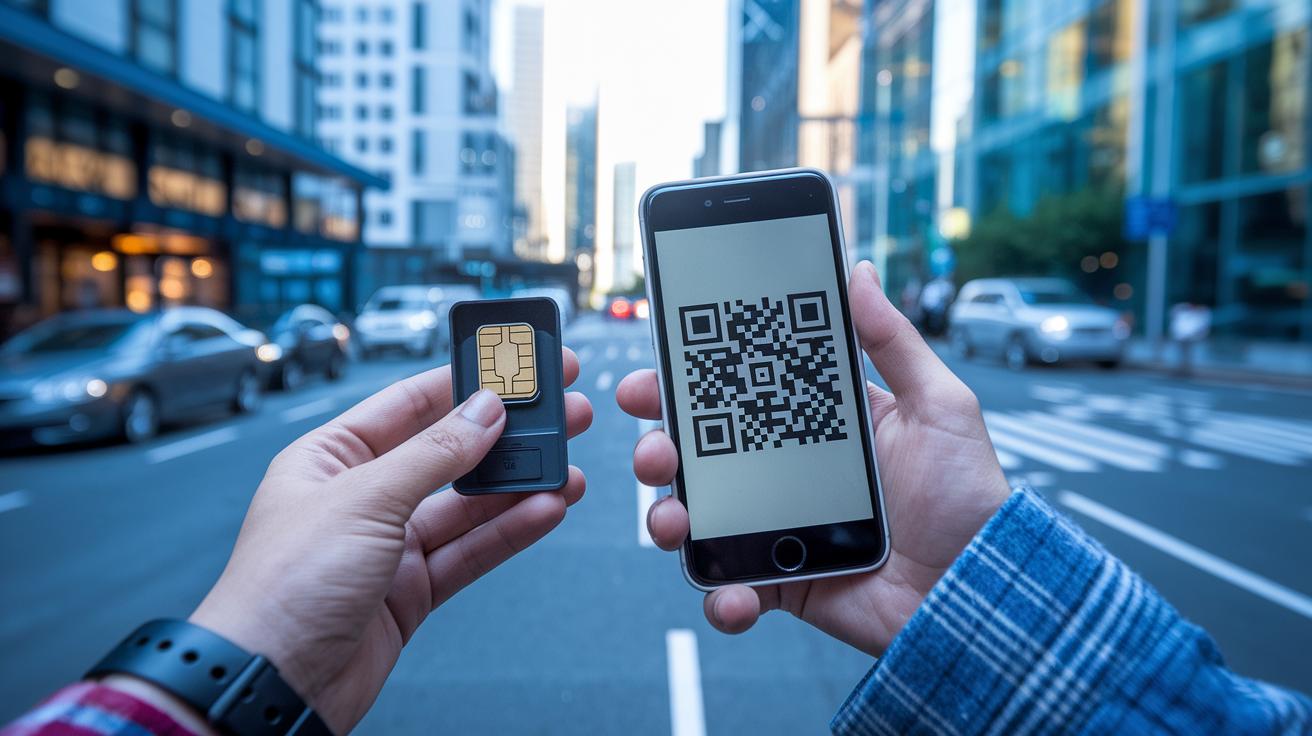
Physical SIM cards are the old reliable method. You switch them out and register with your passport at local shops or airports. It’s like stopping by a friendly store and getting help on the spot when you have tech issues.
eSIM solutions, on the other hand, let you go digital. You simply scan a QR code or use an app to get connected. Most modern unlocked phones work with eSIMs, but a few older or country-specific locked phones might not. It’s a good idea to check your phone before your trip, just like testing a new gadget.
For quick trips, the personal support of physical SIM cards might be just what you need. If you’re planning a stay across different islands and have an unlocked phone, then the quick, paperless setup of an eSIM could be the perfect fit.
Step-by-Step SIM Activation and Troubleshooting in the Caribbean
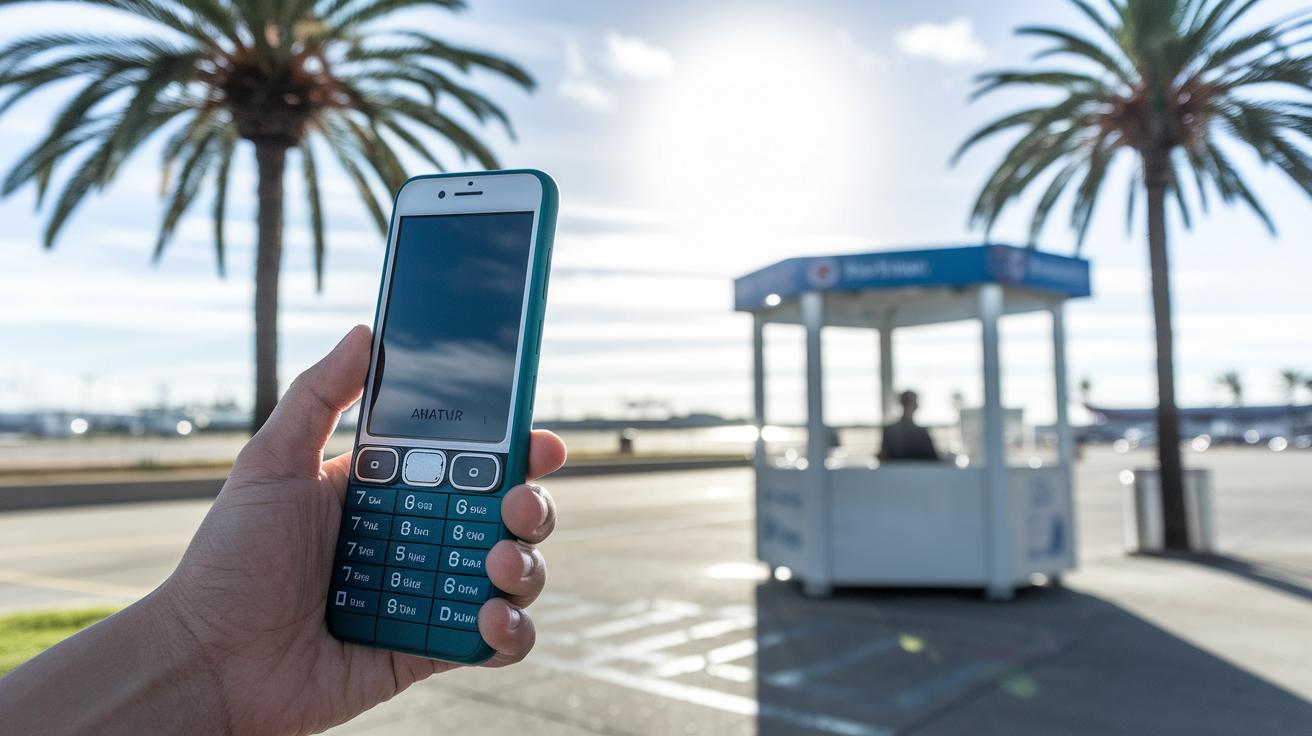
Getting your mobile device set up right is the first step to a worry-free Caribbean adventure. When your phone works perfectly, you won’t have to stress about missing maps, calls, or directions.
- If you’re using a physical SIM, head over to an airport kiosk or local shop. Just show your passport, and they’ll help register your plan in no time.
- Once you have your SIM in hand, slip it into your phone and give your device a quick restart. This simple step usually gets you connected to the local network right away.
- For those opting for an eSIM, simply scan the provider’s QR code with your phone, download the digital profile, and install it. It’s a breeze!
- Next, adjust your cellular settings so your phone uses the new eSIM profile correctly. This ensures your device is set for local connections.
- If you run into any issues, try turning off airplane mode and manually search for nearby networks. Sometimes a little tweak is all you need.
- And if you’re experiencing weak signals or lag, consider switching from 4G to 3G or even 2G. Turning off background sync and auto-updates can also help conserve your battery and data.
Before you set off, double-check that your device is compatible with the SIM method you’ve chosen, and keep a support contact handy in case you need a little extra help along the way.
Cost Considerations and Avoiding Roaming Fees in the Caribbean
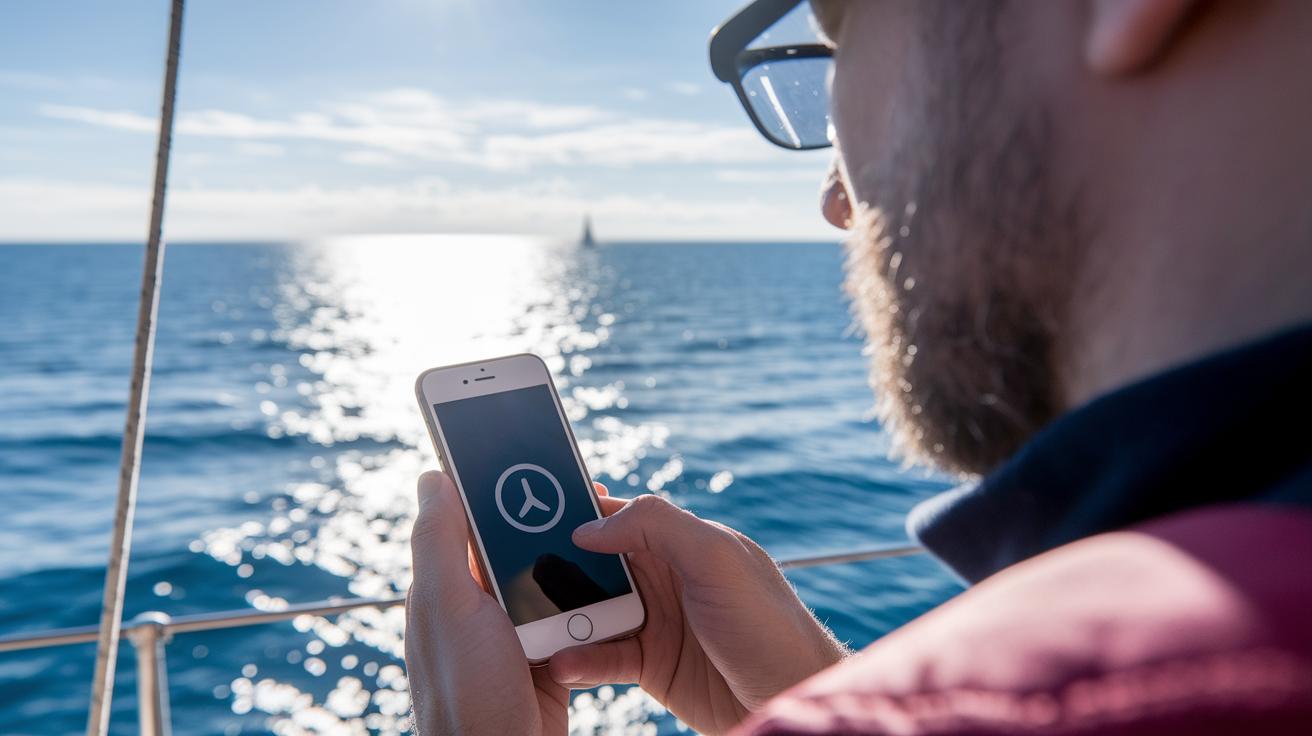
Roaming fees can catch you off guard. Out in the Caribbean where you’re sailing away from the shore, your phone might start charging you extra. Imagine paying $2 to $5 per minute for calls, or even $15 to $25 for each megabyte of data once you pass about 12 to 20 miles offshore. A single picture upload could set you back up to $50 if your phone automatically connects to these expensive networks.
The easiest fix? Turn on airplane mode as soon as you leave the beach. This quick move stops your phone from snapping up those pricey connections without your say-so. With just a few taps in your settings, you can avoid those surprise charges and keep your phone bill under control.
Another smart tip is to use free public Wi-Fi whenever you can. Many hotels, resorts, cafes, airports, and even larger towns have solid Wi-Fi available. Before heading out, download offline maps and key information so you always have what you need, even when the signal is spotty. Also, switch your apps to sync only on Wi-Fi and disable background updates to cut down on data use.
For even more savings, consider using local options like an eSIM (a digital SIM card you can download) at port stops or picking up a local SIM card once you land. These choices ensure you stay connected with minimal cost, leaving more money to enjoy the island vibes.
Maximizing Data Plans and Wireless Solutions for Caribbean Travel
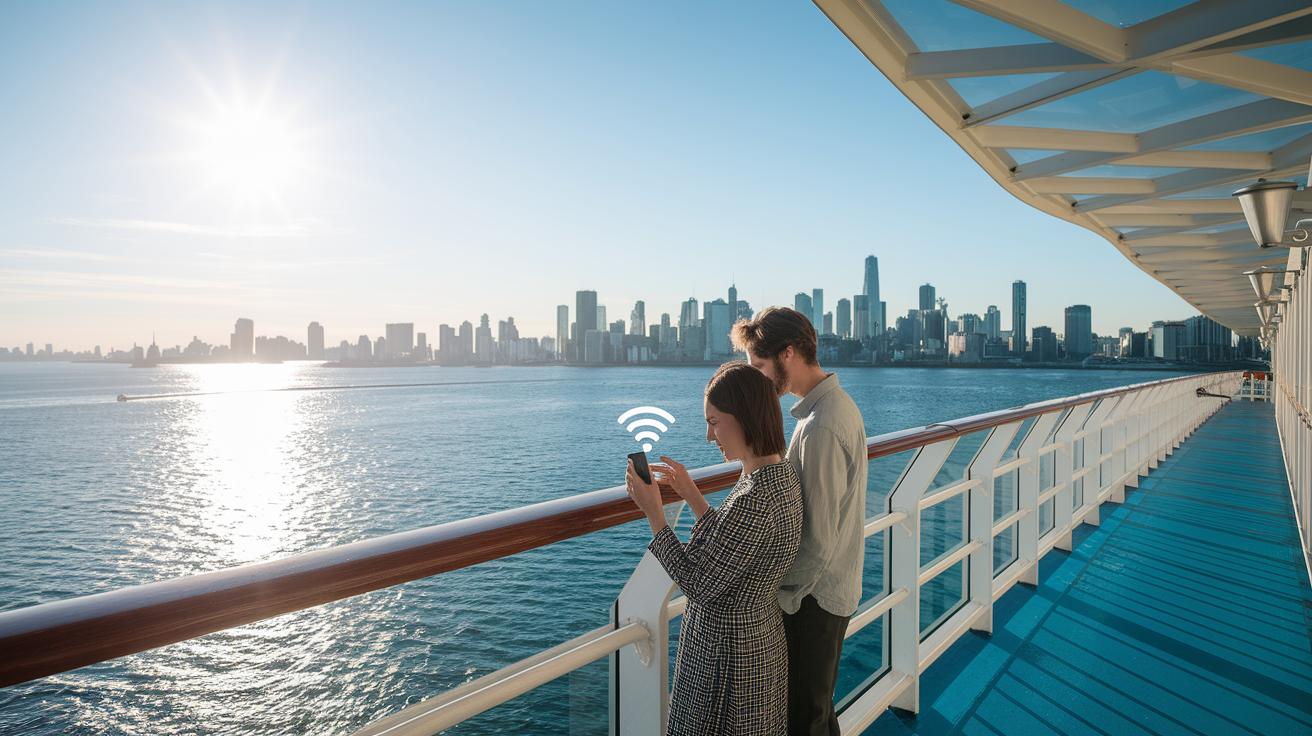
When you're out at sea, cruise ship Wi-Fi can be a real lifesaver even though it might be a bit slow or affected by the weather. Many cruise lines offer daily plans from about $15 to $50 that work great for checking emails or browsing social media. And when you're on land, you'll often find free Wi-Fi at hotels, resorts, cafes, and airports. In some busy town centers, you might even catch on-demand 5G public access. This blend of options means you don't always have to rely on your mobile plan.
Sharing a solid Wi-Fi plan using a portable hotspot can be a clever move, especially when traveling with friends or family. Instead of each person paying for their own service, you can split the cost for one strong connection that covers everyone’s devices. It’s like pooling together for a common goal, making life on the islands even more budget-friendly.
Mixing eSIM options with public networks is another smart trick during port calls. With an eSIM, you can switch to a local plan when it’s available, giving you faster data speeds without the extra roaming fees. Then, when you're at a hotel or grabbing a coffee at a cafe, you can jump back onto free Wi-Fi. This mix-and-match approach helps you make the most of your data plan while keeping expenses low and staying connected.
Essential Tips for Seamless Caribbean Mobile Connectivity
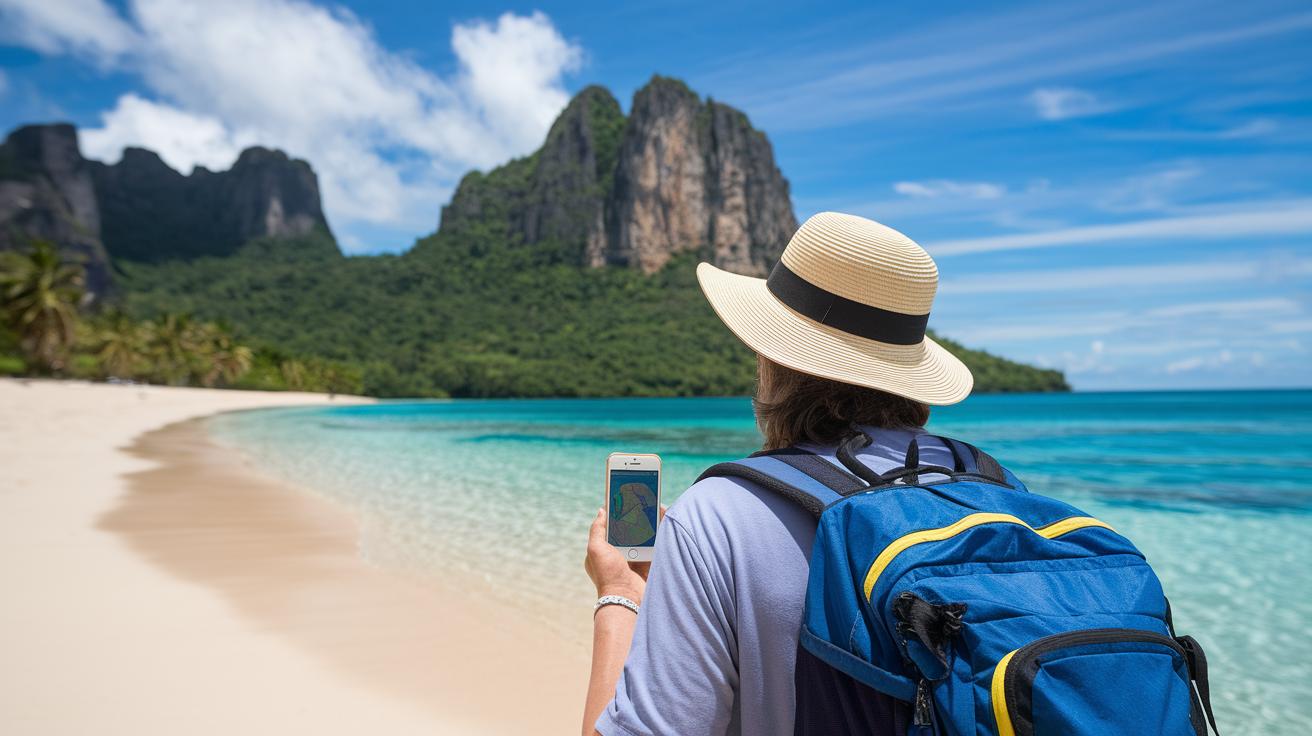
Before jetting off to the Caribbean, make sure your phone is all set for adventure. We’ve talked before about grabbing offline maps, giving your apps a quick update, and turning off background sync. This is just a friendly reminder to get things ready so your phone feels as relaxed as a quiet day on a sandy beach. Try disabling background sync and automatic updates to keep your device running smoothly.
Next, take a little time to check which local networks work best on the islands you’re visiting. Look into backup options and learn how to top up with your provider. Also, double-check that your SIM or eSIM will work with the local carriers. Enjoy your island getaway with worry-free connectivity!
Final Words
In the action, we explored local SIM cards and eSIMs, walked through easy activation steps, and shared practical tips to keep you connected on each island stop. We also covered carrier comparisons, cost considerations, and handy tips to dodge high roaming fees.
This short recap brings together seamless connectivity, clear instructions, and budget-friendly advice, all designed to help plan a stress-free Caribbean trip. Enjoy your adventure with our Guide to Caribbean Mobile Connectivity and SIM Options.
FAQ
What does Saily phone compatibility mean?
The term Saily phone compatibility means your device supports both physical SIM and eSIM options for Caribbean travel, helping you stay connected with local networks when exploring the islands.
What is Nord e SIM?
The Nord e SIM refers to a digital SIM solution that lets travelers download Caribbean data plans using a QR code, simplifying mobile connectivity on the go.
How can I tell if my phone supports eSIM and if flip phones are compatible?
The process of checking eSIM compatibility involves reviewing your phone’s settings or manual. Most modern smartphones support eSIM, and some flip models now offer digital SIM capabilities too.
What does roaming in the Caribbean mean?
The concept of roaming in the Caribbean means your phone connects to local networks outside your home country, which may incur extra fees, especially on maritime networks when you are far from shore.
Which SIM card is best for the Caribbean?
The ideal Caribbean SIM card provides both physical SIM and eSIM options, offers reliable 4G/LTE coverage, and helps you avoid extra roaming fees while traveling across the islands.
What phone service works in the Caribbean?
The phone service that works well in the Caribbean includes local physical SIM cards and eSIM plans that support 4G/LTE—and in select spots, emerging 5G networks for faster data speeds.
Is there internet in the Caribbean?
The Caribbean offers internet via local SIM data plans, eSIM options, and public Wi-Fi at hotels, cafes, and resorts, so you can stay connected while enjoying island life.
What is GigSky Royal Caribbean?
The GigSky Royal Caribbean is a mobile data service geared for cruise and coastal travelers, providing on-demand connectivity along Caribbean shorelines so you remain in touch during your trip.
