Have you ever noticed how one small act of defiance can light up an entire culture? Caribbean history is packed with stories of brave people who stood strong against long years of colonial rule.
Old letters, bright artwork, and shared memories bring us raw, real tales of courage and the fight for freedom. These vibrant stories keep the spirit of resistance alive and inspire us today. Let’s take a closer look at how these powerful memories shaped a region and remind us that coming together and standing up for what is right truly matters.
Academic Foundations of Narratives of Resistance in Caribbean Cultural History
European colonization in the Caribbean kicked off back in the late 1400s under Spanish, French, and British rule. Over time, researchers have uncovered many stories of resistance that show the tough realities of colonial rule and the spark of local defiance. Historians have dug into letters, diaries, and official records, gathering a treasure of emancipation stories about communities fighting for freedom and self-determination. These records join other expressions of freedom, like art, shared oral histories, and everyday acts of rebellion.
The Haitian Revolution from 1791 to 1804, for example, is a standout story of breaking free. It lifted thousands out of slavery and influenced anti-colonial movements across the region. Scholars study this and other uprisings by looking closely at historical details, artworks, and personal writings. They even use what they call counter-hegemonic folklore critiques, a way to see how local traditions pushed back against European views, to highlight that Caribbean culture has always been rooted in a desire for self-determination.
By mixing social research with historical and textual studies, experts bring these stories of defiance to life. They review old archives and cultural artifacts that act as markers of freedom. This careful work challenges old ideas and reshapes our understanding of Caribbean identity, showing how detailed studies of emancipation stories and self-determination moments reveal a resilient and enduring spirit in the region.
Insurrection Chronicles: Colonial and Slave Uprisings in Caribbean Resistance History

Caribbean history pulses with stories of rebellion that feel as warm and vibrant as a sun-drenched beach. You can almost hear the rustling of palm leaves and feel the sweat of those who fought through colonial rule and slavery. The Haitian Revolution from 1791 to 1804, for example, was a bold stand for freedom that lit up hope across the islands. Researchers dig into early slave narratives, firsthand accounts that capture these brave acts, to piece together a human story of defiance.
Old letters, diary entries, and even an 1835 map of Trinidad and Tobago help us walk through this past. Imagine tracing key uprising spots on that map, feeling like you’re stepping back into the intense heat of history. Obeah tales, with their blend of local magic and everyday struggle, show how even quiet acts of resistance can be powerful. Each document, each note, adds a splash of color to a living mosaic of Caribbean courage.
Today, these chronicles continue to inspire locals and travelers alike. They mix music, oral traditions, and written words into a rich history that still speaks out today. When you read these accounts, you can almost feel the revolutionary spirit warming your skin and urging you to remember that courage and hope are timeless.
Subaltern Sagas: Oral Histories and Marginal Voices in Caribbean Resistance
Oral histories keep alive the first-hand memories of resistance, capturing the true spirit of defiance in Caribbean communities. The voices from the margins, often overlooked, reveal rich stories of daily life that big records miss. In this fresh look at history, community storytelling teams up with classroom partnerships to preserve these hidden tales, each standing as a tribute to enduring resilience.
Students dive into projects that gather interviews and personal experiences, sharing stories as vibrant as a local recitation. These accounts, whether from secret meetings or simple daily chats, show how ordinary folks embraced spiritual rituals like Obeah as quiet acts of defiance. By retelling these secretive rebellious moments, both historians and local guides shine a new light on Carnival’s traditions from before emancipation, traditions that still spark modern cultural celebrations.
Every whispered tale and recorded conversation from the margins reminds us of the power of community memory. When classrooms and researchers join forces, they celebrate these acts of oral rebellion as a core part of Caribbean identity. These stories, shared through fresh historical views and passionate recitals, boldly remind us that the fire of resistance continues to burn through the generations.
In every spirited recital and secret rebellious account, those on the margins pass down a legacy of defiance to future generations.
Artistic Defiance Memoirs: Music, Literature, and Visual Arts as Caribbean Counter-Narratives
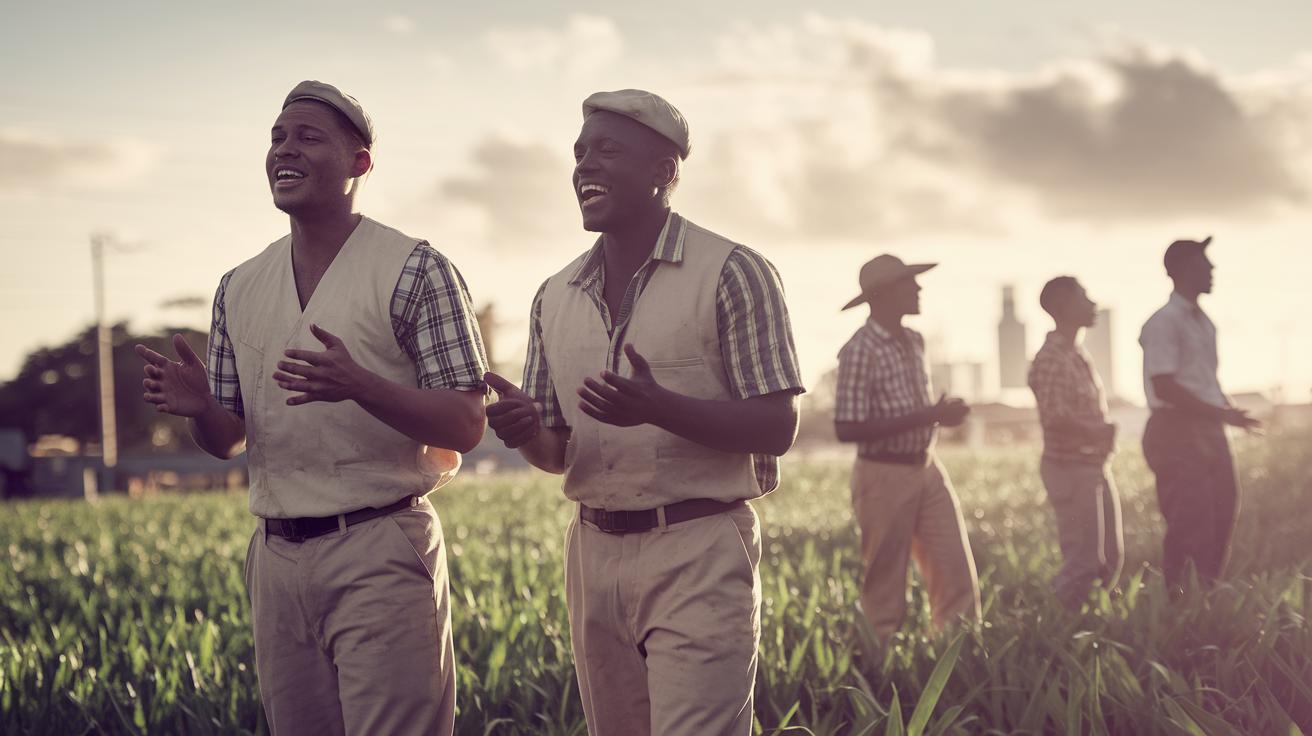
Back in the day, plantation workers turned ordinary songs into bold acts of defiance. Their hidden tunes not only brought folks together but also served as secret messages against harsh rules. Imagine catching a beat that secretly protests, each note carrying a quiet story of resistance.
In the 1800s, Trinidad Carnival became a playful jab at colonial power. Parades turned into lively displays where costumes and floats winked at authority in a fun, rebellious way. Picture a masquerade ball where every mask tells its own secret tale of defiance, filling the streets with art that challenges the old order. That creative spark still shines today.
Today, street art and gallery shows bring fresh ideas right into our public spaces. Think about a colorful mural on a city wall that reimagines stories of struggle and freedom. Exhibitions, like Firelei Báez’s Boston show, serve up art that questions old tales. When you look closely, each piece feels like a friendly conversation between the past and the present.
Books and plays also open a window where colonial stories are openly challenged. Written words share personal memories and celebrate the freedom of culture. By blending individual recollections with shared history, these works create counter-stories that keep the spirit of resistance alive.
Liberation Lore in Carnival and Festival Dissent within Caribbean Cultural History
Caribbean festivals burst with history and feeling. They take us back to times before freedom, when brave souls acted out their defiance. Long ago, during events like the Cannes Brûlées, enslaved Africans set sugarcane fields on fire as a bold way to fight back. This fierce act sparked a spirit of resistance that still shines in today's festivals.
Carnival has become a fun and powerful stage for speaking out. Its parades, full of lively music and playful dances, carry hints of past rebellions and colonial challenges. Ever noticed how the costumes and movements feel like a nod to ancient Obeah rituals? It's as if each dance and song whispers stories of old defiance with a modern twist.
Display boards and written records help keep these powerful stories alive. They show us how acts of protest have shaped Caribbean culture into a living archive of renewal and strength. Every modern celebration feels like a shared memory, an ongoing story of community spirit and resistance.
In truth, every festival carries the heartbeat of the past. They remind us of the resilience of Caribbean people and invite us, just like a friendly chat by the seaside, to feel the warmth and power of this rich history.
Archival Activism: Counteraction Archives and Freedom Annals in Contemporary Caribbean Scholarship
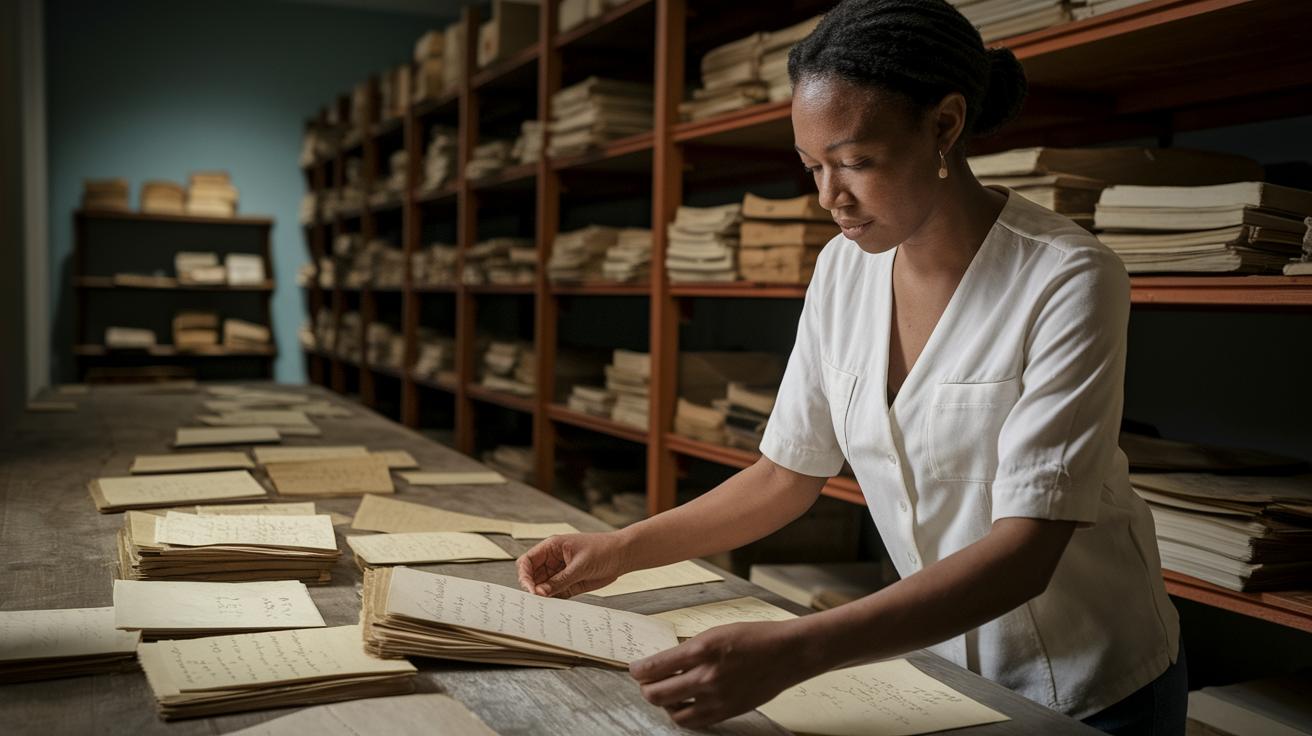
Modern efforts to preserve history in the Caribbean are giving new life to records that tell stories of resistance. Local research teams are carefully uncovering handwritten letters, official files, and personal diaries from past uprisings, making sure we see history from a fresh, honest point of view.
Across the region, museums and libraries are keeping tangible pieces of these struggles safe. In classrooms and public spaces, student-led projects are creating archives that shine a light on voices once lost in the shuffle. These projects connect everyday community life with powerful narratives of defiance.
I’ve seen essays that read like heartfelt fables hidden among official records, sharing untold stories of courage. Exhibitions of raw, daily resistance now stand as living chapters of local freedom, honoring the enduring spirit of dissent. In truth, efforts to decolonize how we think about archives are now focusing on indigenous acts of defiance, ensuring these collections not only remember the past but also shape our current view of Caribbean identity.
By bringing these rich stories into the open, modern scholarship celebrates the community’s ongoing fight for voice and justice. This active remembrance inspires fresh research and deepens our connection to the traditions that continue to empower local souls.
Final Words
In the action, we revisited academic studies and oral histories that keep Caribbean narratives of resistance in Caribbean cultural history alive. We walked through colonial uprisings, artistic expressions, and archival tales that show how culture continues to shape sustainable futures. Each section highlighted ways locals dared to challenge the past, using music, art, and festivals as everyday acts of defiant storytelling. The vibrant layers of cultural critique leave us feeling hopeful and inspired to experience the Caribbean with a renewed sense of wonder.
FAQ
Narratives of resistance in Caribbean cultural history PDF
The narratives of resistance in Caribbean cultural history PDF offers academic insights into anti-colonial struggles. It presents archival evidence, artistic expressions, and firsthand testimonies to explain how Caribbean resistance unfolded.
Narratives of resistance in Caribbean cultural history essay
The narratives of resistance in Caribbean cultural history essay examines key anti-colonial events through archival documents, oral accounts, and cultural critiques. It clearly outlines the scholarly perspectives that shape our understanding of resistance.
