Have you ever wondered why Caribbean reggae always feels magical? Back in the late '60s, Jamaican musicians mixed everyday vibes with steady beats that gently shared the secrets of island life. Their soulful tunes did more than just quicken your heartbeat, they shared stories of hope and tough times. Picture each note as a soft breeze carrying the warm memory of a sun-soaked night. Keep reading and discover how these sounds helped shape a rich culture that still fills the Caribbean with life today.
Caribbean Reggae Roots Radiate Cultural Magic
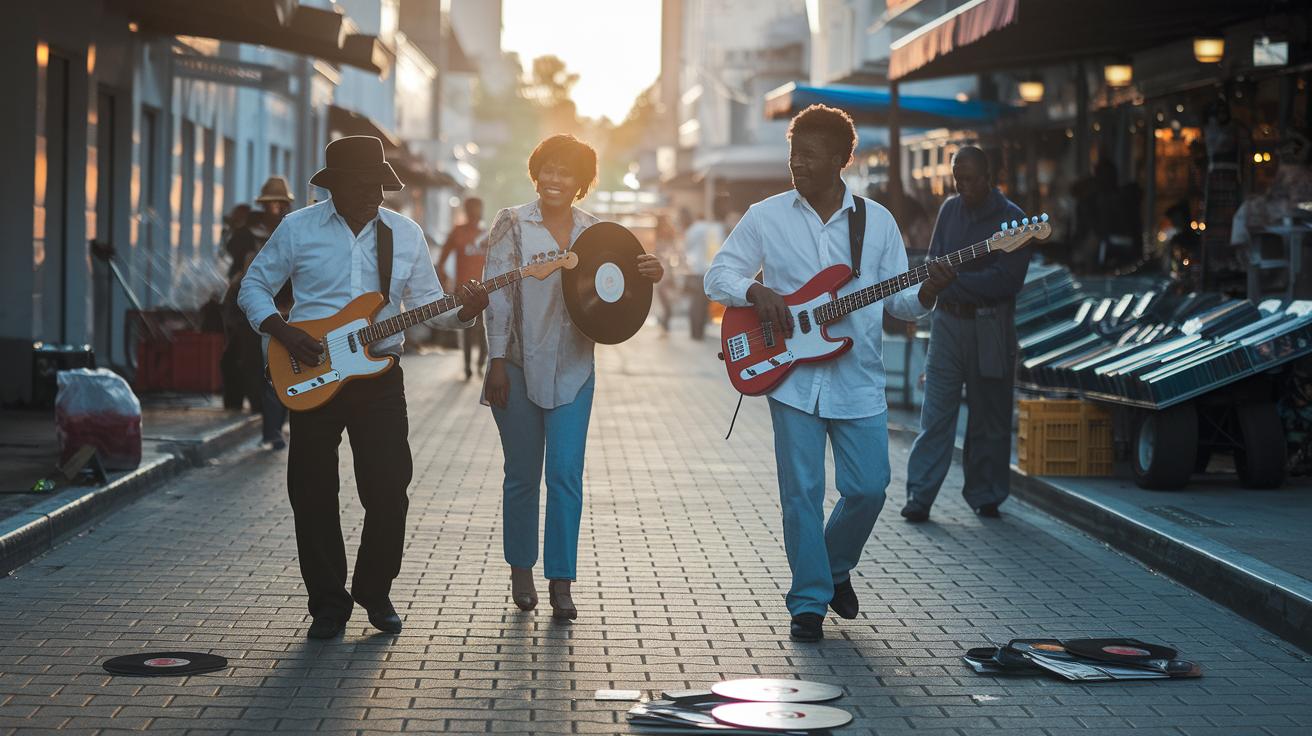
Jamaica in the late 1960s set the scene for a sound that captured the island's true heartbeat. Local musicians mixed classic Caribbean beats with everyday vibes to create something new and exciting. It was a time of playful experiments with rhythm that eventually blossomed into what we now call roots reggae.
Artists honed a style full of slow, steady beats and deep basslines that feel like a cozy Caribbean night. Their soulful voices carried messages inspired by Rastafari ideals, sharing stories of hope and struggle. You know, it's interesting to think that roots reggae started out as much about the beat as it was about the powerful message behind each note.
This fresh sound broke away from the faster ska and smoother rocksteady tunes of the past. Instead, brass bands and quick solos made room for thoughtful grooves and repetitive rhythms that truly echoed the island's raw energy. In the end, it was all about celebrating Caribbean heritage and keeping the spirit of Jamaican musical innovation alive.
From Rocksteady to Roots: Island Groove Evolution in Caribbean Reggae Roots
Rocksteady set the mood with its laid-back beats, opening a door for deeper roots music. Its warm, slow rhythms gave artists plenty of room to express themselves, just like a calm Caribbean night that wraps you in cool breezes and soft light. It was a time when musicians began playing with longer, more thoughtful rhythms that let every note settle in your mind.
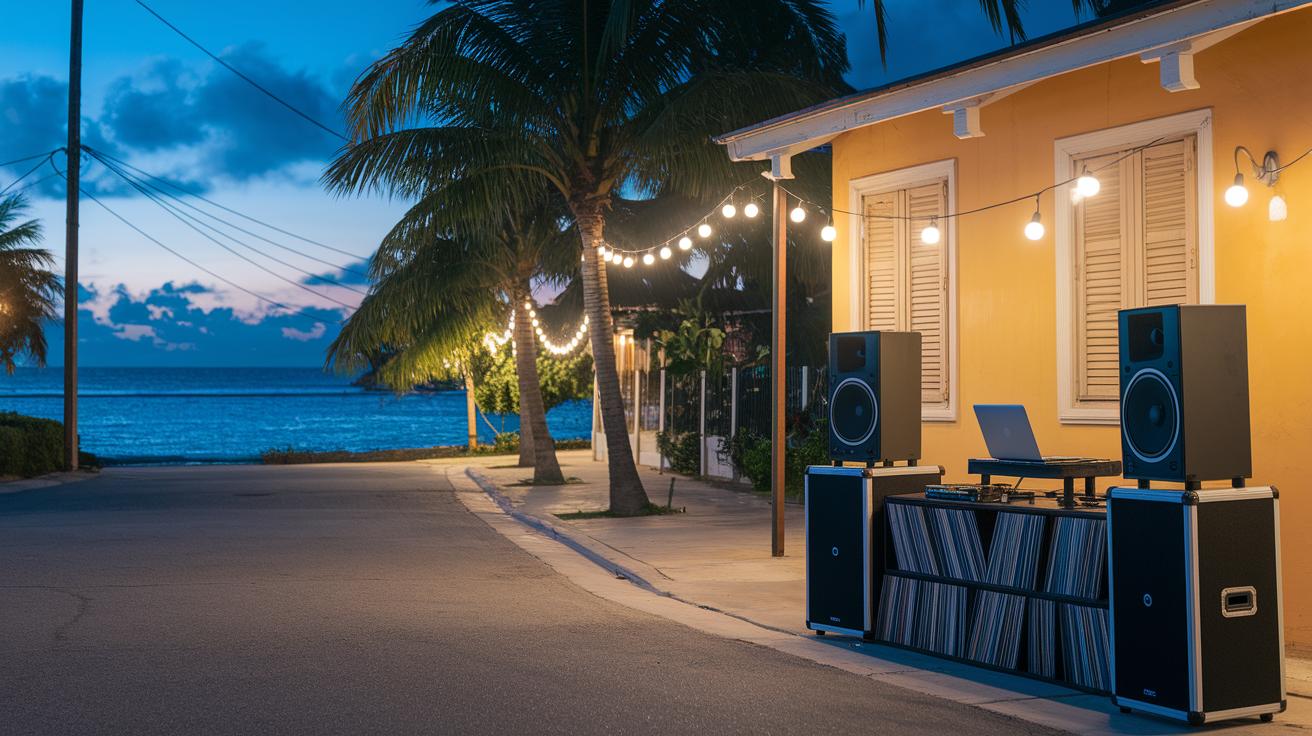
Down in Jamaica, local sound systems were breaking new ground. Picture this: innovative DJs building big setups with booming speakers and a collection of unique vinyl records. They turned small neighborhood gatherings into lively street parties that pulsed with energy. These pioneers tweaked their gear until every beat rang out, sharing the vibrant pulse of island life. You can almost hear the local chatter and feel the excitement in each impromptu performance under the stars.
Take the Ashanti Roots and Throw Mi Corn riddims, for example. With artists like Richie Spice, Amelia Harmony, Cheshire Cat, Luciano, Admiral Tibet, and Jah Mason, these beats layered rhythms and deep bass lines in a tasteful mix. Their sounds invite you to tap your foot and sway softly, blending classic vibes with a fresh, modern twist. This music isn’t just sound; it’s a living story of Caribbean spirit and creative evolution.
Iconic Figures Shaping Caribbean Reggae Roots
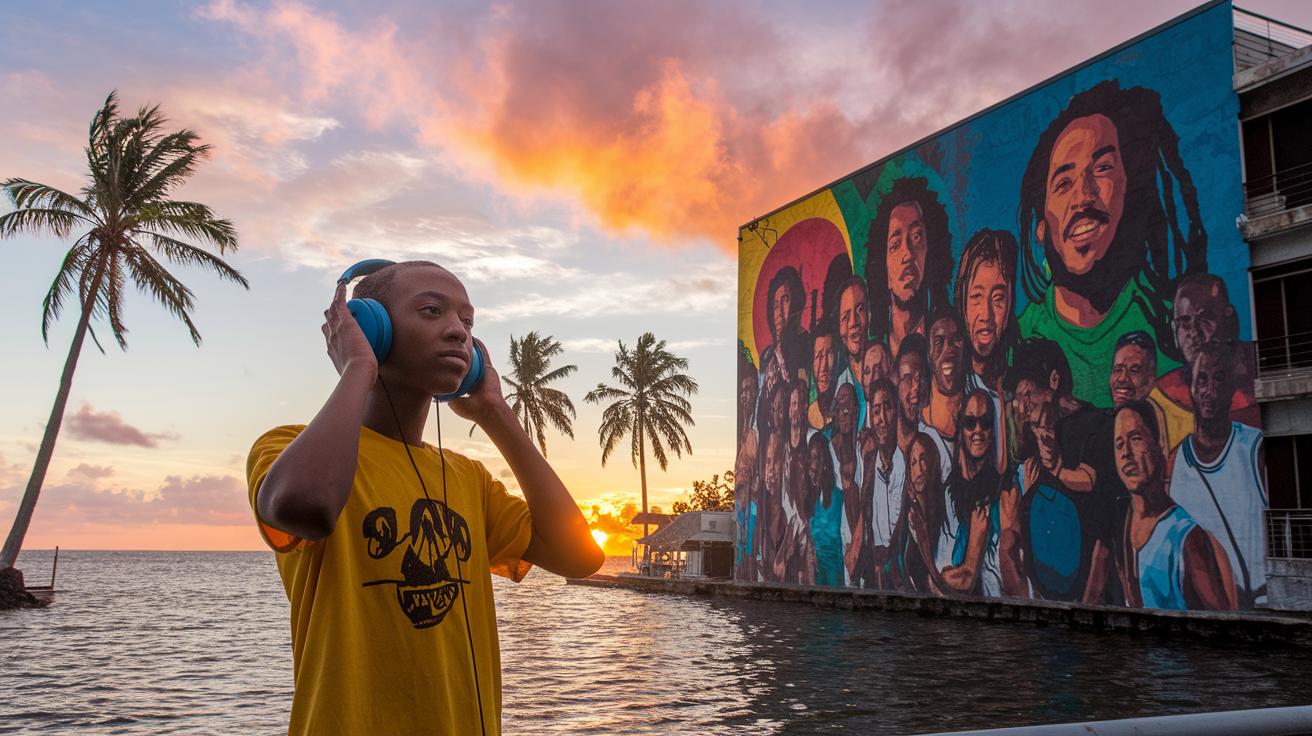
Imagine tuning in to the soulful voices that gave reggae its heartbeat. These artists poured their heart and soul into every note, using simple yet powerful words and steady beats that remind you of a warm island evening. Picture a young person hearing a raw, honest protest song that opened their eyes to a whole new way of looking at life.
- Bob Marley & The Wailers: A Grammy-winning icon who carried the reggae spirit across the globe.
- Jimmy Cliff: The star from The Harder They Come and one of the pioneers at Trojan/Island Records.
- Max Romeo: A well-known protest singer famous for his hit “War Ina Babylon.”
- The Wailing Souls: A group that captured hearts with their beautiful harmonies during the 1970s.
- The Congos: A vocal duo celebrated for their soulful and deep musical exchanges.
- Chronixx: A leader in the modern revival of reggae roots.
- Jesse Royal: A contemporary artist mixing classic rhythms with fresh social insights.
These legends set the bar high by weaving real stories with rhythms that feel as deep as the Caribbean sea. Their music tells colorful tales of both struggle and hope, much like a vivid painting that keeps inspiring new fans and artists alike.
Traditional Island Melodies and Instrumentation in Caribbean Reggae Roots
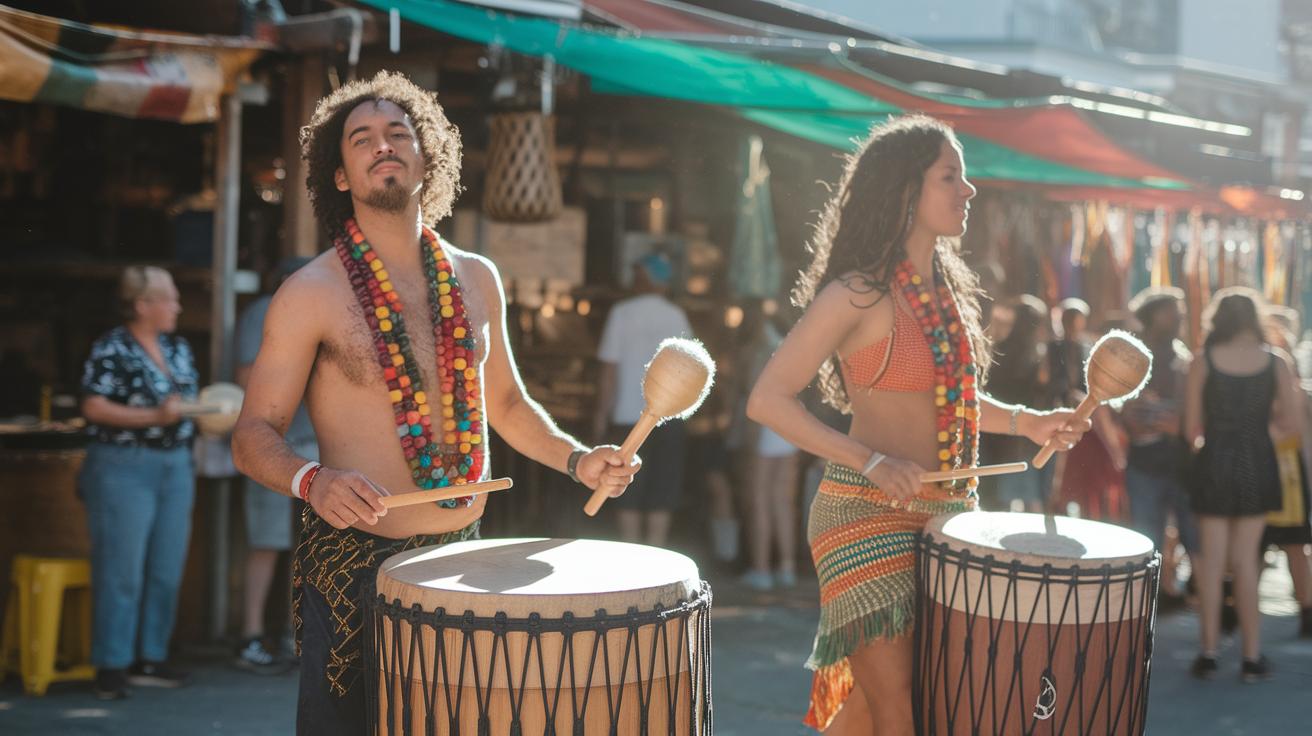
Caribbean reggae beats come straight from the island’s folk tunes, shaped over many years of storytelling and shared moments. These songs mix ideas from mento, calypso, and African drumming to give roots reggae its one-of-a-kind sound. The rich, earthy tones of folk music not only remind us of the past but also help create the lively rhythms that we now love.
Percussion Patterns
Reggae drumming borrows a lot from mento and African beats. Early drummers would follow the sounds of community celebrations, playing simple but powerful rhythms that made everyone want to join in. Picture each beat as an invitation to come together, much like the buzz you feel at a friendly Caribbean dance party. When you listen closely, you can almost see people moving together, sharing smiles and stories as the drum calls out its message.
Bassline and Melody
The deep thump of the bass guitar paired with sprightly guitar or organ touches forms the heart of every reggae song. In many classic tracks, these parts create a smooth groove that feels both steady and uplifting. The deep bass, much like the ones in old folk songs, gives the music a strong, grounding feel, while the bright, off-beat notes add a spark of energy. This mix connects the slow, hypnotic drum beats with sweet melodies that remind you of sunny, breezy island days. Each sound has its own story, drawing from a deep heritage that keeps inspiring new generations.
Spiritual and Social Lyricism in Caribbean Reggae Roots
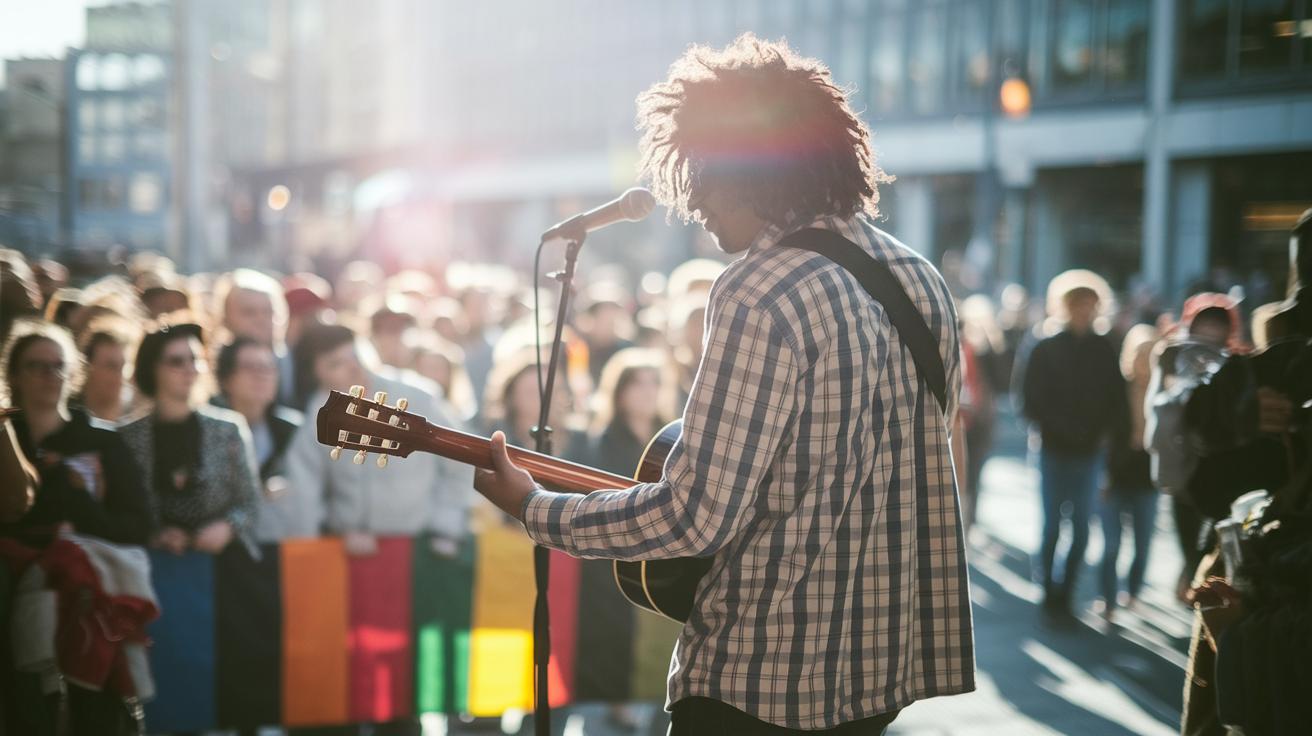
You can feel Rastafari’s presence in early reggae. Back then, artists sang with simple words and catchy tunes that talked about love, unity, and strength. One writer even said that before his famous songs, the musician spent quiet hours soaking in the natural rhythms and spiritual wisdom of his community.
Many classic reggae tunes speak about fighting for what is right and coming together. They use strong, clear words to stand up against unfair treatment. Imagine hearing a line like, "Rise up and stand tall" as the music plays, blending Rastafari ideas with a call to rise above hard times. Each beat reminds us to find our strength and support one another.
In Jamaica during the late 1900s, music was a powerful way to share the struggles and hopes of everyday life. The lyrics dealt with real challenges like poverty and inequality, while also celebrating the island’s rich heritage. These songs became anthems that captured the heart of the people and their determination to make life better.
Historic Recording Sessions and Studio Pioneers in Caribbean Reggae Roots

Jimmy Cliff opened the door for today's roots reggae during his sessions at Trojan and Island Records. His work captured the feel of the Caribbean using old-school, analog techniques (that means no digital processing) so every deep bass beat and light chord came through naturally. The vibe was simple and true, letting the natural groove shine without overdoing things. That warm, inviting sound made tracks that not only won Grammy awards but still echo in the hearts of reggae fans today.
Vivian Jones later added his own laid-back touch in the early 2000s. His recordings, celebrated on many podcasts, show a relaxed style that honors decades of reggae magic. You can almost feel the care he put into every note, turning little studio quirks into timeless sounds. Listening to his music is like taking a gentle stroll back to a time when every analog record told its own soulful story.
| Artist | Label | Era |
|---|---|---|
| Jimmy Cliff | Trojan/Island Records | 1970s |
| Vivian Jones | Independent | Early 2000s |
Legacy and Global Influence of Caribbean Reggae Roots
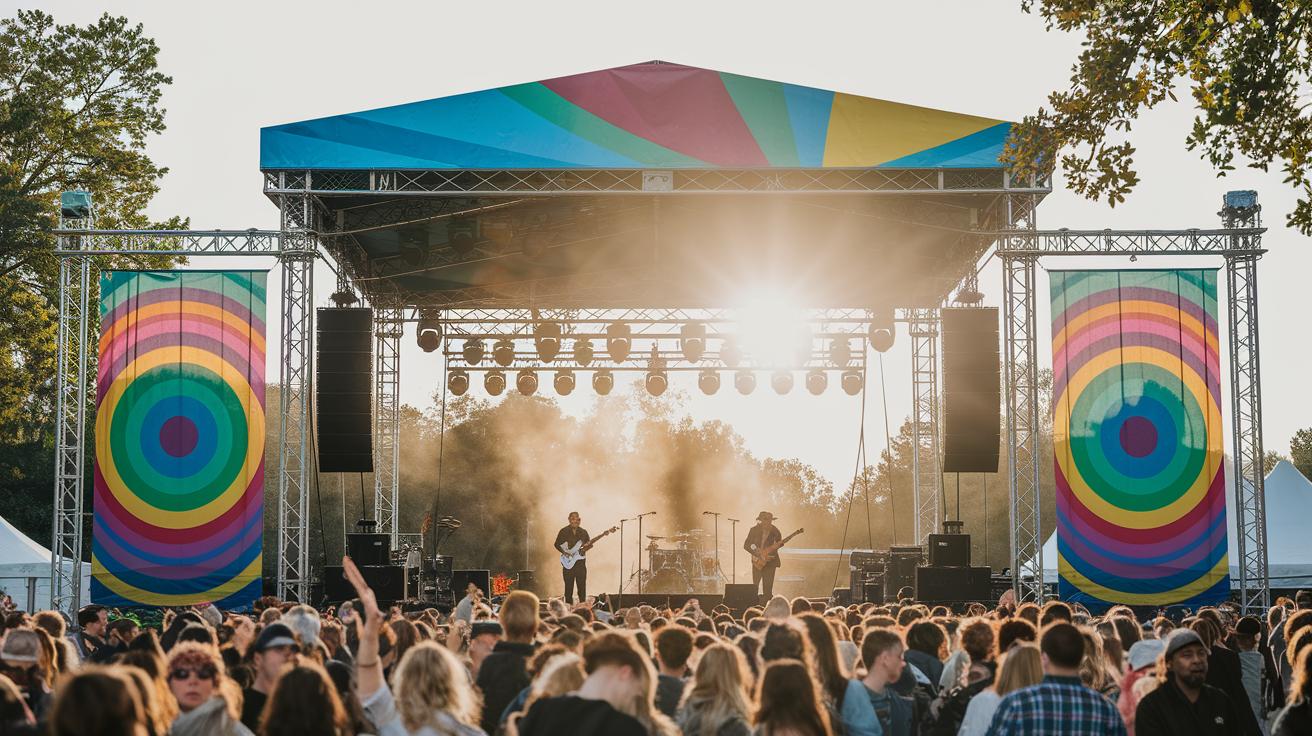
Outdoor festivals and recording studios are abuzz with a fresh wave of roots reggae revival. Imagine a sunlit stage bursting with color, where smooth beats from artists like Chronixx, Jesse Royal, Kabaka Pyramid, and Etana fill the air with a nostalgic vibe. It's a modern take on the classic 1970s sound, familiar slow rhythms mixed with new, exciting twists that make every note feel like a bridge between times, much like a family reunion that connects past and present.
Streaming platforms have totally changed the reggae experience. Today, fans from every corner of the world can dive into playlists filled with timeless hits and brand-new tracks, accessible whenever their hearts desire. The rich, immersive sounds of reggae bring not only energy but also a deep, personal connection to the island’s musical roots, almost like feeling the warm, inviting Caribbean breeze.
Digital archives and live recordings now serve as colorful windows into the past. They capture the spirit of unforgettable live shows and soulful performances, preserving the heartbeat of Caribbean music. This technique keeps the legacy alive, ensuring that the island’s vibrant musical spirit continues to inspire and touch hearts around the world.
Final Words
In the action, we traced Jamaica's early beat pulse, exploring the shift from rocksteady to a sound defined by iconic voices and deep, soulful lyrics. We looked at how traditional percussion and simple basslines set the mood for heartfelt expression and local storytelling. The layered rhythms and marked cultural depth in our discussion remind us why caribbean reggae roots continue to nurture authentic island vibes. Every note echoes the rich legacy of the genre, inviting us to feel the beat and savor every moment.
FAQ
What defines a top Caribbean reggae roots mix?
A top Caribbean reggae roots mix features slow, repetitive rhythms, heavy basslines, and Rastafari-inspired lyrics that capture the authentic sound and warm spirit of Jamaica’s musical beginnings.
Which Caribbean island is the birthplace of reggae roots?
The reggae sound started in Jamaica, where the unique beats and lyrical expressions grew into what we now call roots reggae, reflecting the island’s rich musical heritage.
Did Jamaicans create reggae music?
The emergence of reggae is credited to Jamaica, where innovative musical styles and vibrant cultural expressions merged to form a sound that became a defining part of the island’s identity.
Did reggae music begin in Trinidad?
Reggae music did not begin in Trinidad; its origins lie in Jamaica. Trinidad has its own strong musical traditions, but reggae evolved and flourished in Jamaica.
Where did roots reggae find its start?
Roots reggae began in Jamaica during the late 1960s and early 1970s, when pioneering artists blended distinct rhythms with meaningful lyrics to express social and cultural themes.
