Have you ever noticed how ancient drum beats still fill the air today? Caribbean music began with simple rhythms played by island natives. Then, African beats mixed with European tunes to create something truly special. Imagine oil drums turning into vibrant steelpan sounds that led to reggae and other catchy beats.
In this piece, we explore the journey of these island sounds. It feels almost like reliving a festival where every beat brings warmth, energy, and soul to a cultural celebration.
Caribbean Music: From Island Origins to Modern Evolution
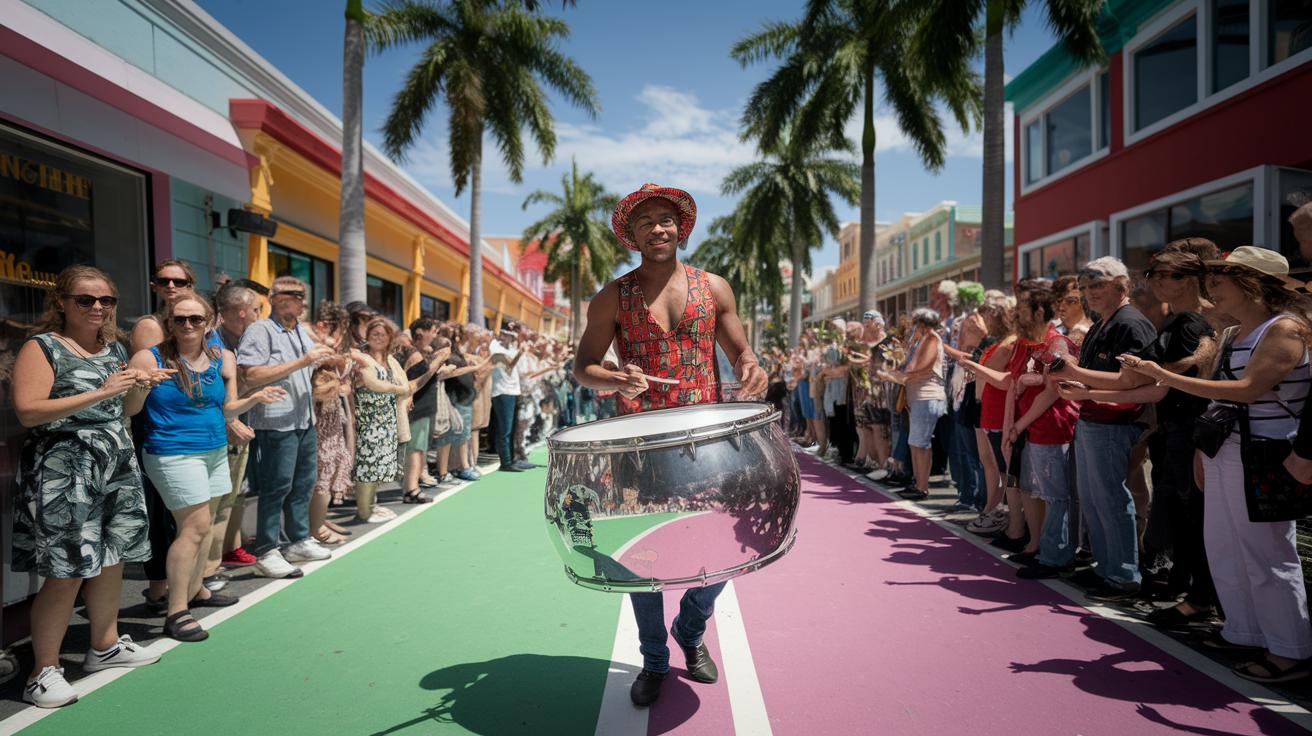
Caribbean music has been evolving for many centuries, even before our modern instruments existed. The native Taíno people originally used simple drums and call-and-response songs to talk and celebrate with one another. Later, when African people were forced into the region, their rhythmic drumming mixed naturally with European instruments like guitars and violins during colonial times.
Fast forward to the 20th century, and things got really exciting. In Trinidad, locals transformed oil drums into steelpans, giving Carnival a lively pulse that still thrills us today. In Jamaica, the 1960s brought a fresh twist when Toots & The Maytals helped bring reggae into the spotlight, making it a beloved sound that felt like home. Soon after, inventive mixes such as soca, Dancehall, Zouk, and Haitian Kompa emerged, each adding a new flavor to the Caribbean beat.
Today, digital archives and streaming platforms help keep these rich sounds alive. They continue to inspire new styles that honor the diverse musical heritage of the islands.
| Era | Date Range | Key Development | Example Genre |
|---|---|---|---|
| Pre-Columbian | Before 1492 | Taíno chants with simple drums | Native Rhythms |
| Colonial | 1600s–1800s | African drums mix with European strings | Early Creole Tunes |
| Steelpan Era | 1930s–1950s | Oil drums turned into steelpan instruments | Steelpan Beats |
| Reggae Emergence | 1960s | Shift from Ska to Rocksteady to reggae | Reggae |
| Modern Fusion | 1970s–Now | Soca, Dancehall, Zouk, Kompa and digital music growth | Hybrid Grooves |
This timeline shows how native beats, African rhythms, and European sounds came together to create music that is truly one-of-a-kind. Each stage built on the one before it, layering a rich musical heritage that continues to inspire new tunes and touch hearts around the globe.
Archipelago Audio Origins in Caribbean Music
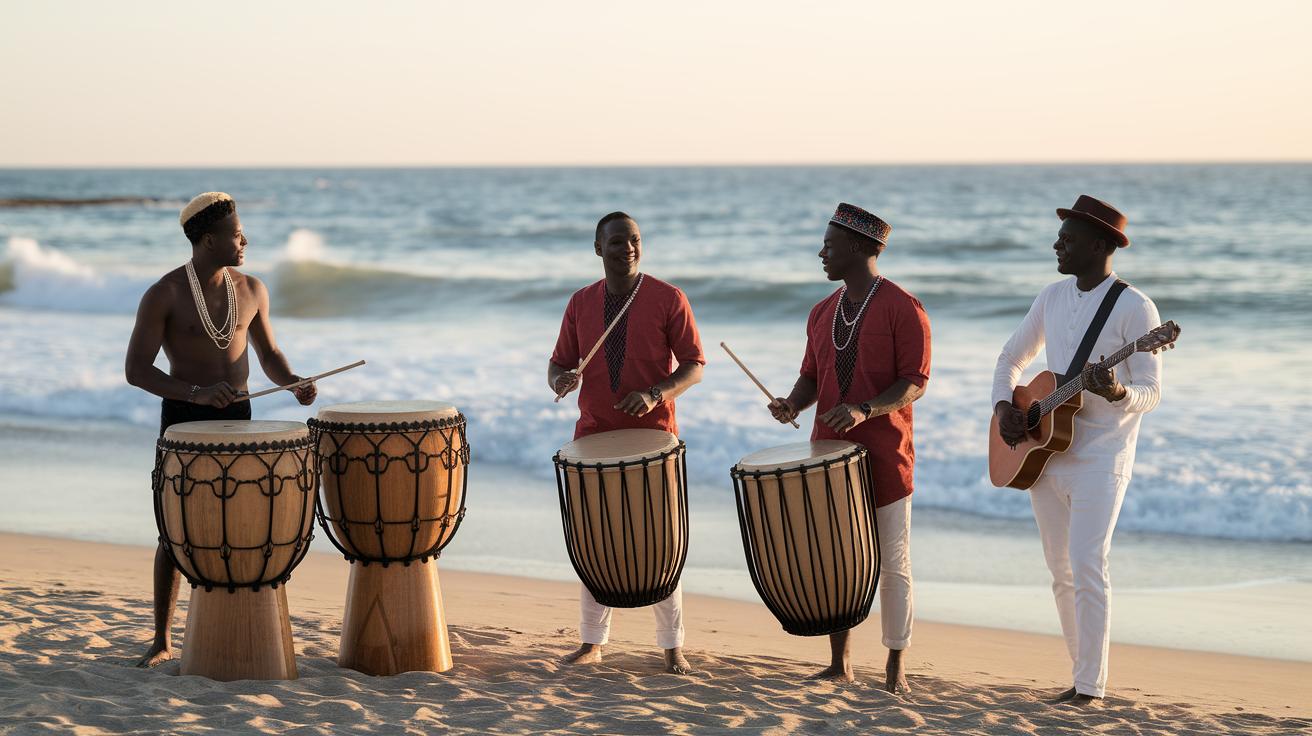
The Taíno people set the stage with their lively call-and-response chants and simple percussion like the mayohuacán and maracas. Imagine sitting on a warm beach, the sound of these basic beats blending with the soft crash of ocean waves, carrying stories passed down through generations.
Next, enslaved Africans added their own vibrant rhythm with Yoruba bata and Ewe kpanlogo drumming. These pulsating beats weren’t just music, they were a community’s heartbeat, a powerful reminder of identity and resilience during hard times.
Then came the European touch with instruments like guitars and violins. They mixed with indigenous and African sounds to create early Creole music, a lively blend of strings and drums that gave the islands a special, unmistakable vibe.
Colonial Era Grooves and Caribbean Folk Foundations

Back in the old colonial days, folk music began to shape the vibrant sounds we love now. Music was more than just tunes, it was a way to tell stories, share thoughts about daily life, and bring communities together. Creole melodies, a mix of many different influences, started to create rhythms that still feel like the beating heart of the islands.
Take a look at some of the folksy styles that got their start in these times:
- Mento (1940s–50s, Jamaica): Known for its soft guitar sounds and lyrics that paint a picture of everyday life.
- Calypso (early 20th century, Trinidad): Famous for its bold brass sounds and smart, witty commentary on society.
- Quelbe (late 19th century, USVI): Recognized by its use of scrapers, guitars, and a call-and-response style that brings local tales to life.
- Parang (timing varies, with roots in Venezuelan folk): A festive blend of traditional tunes and a touch of Christmas carols that fills the air with seasonal joy.
- Plantation work songs (dating back to early colonial times, see caribbean plantation heritage): Built on simple call-and-response rhythms, these songs captured the pulse of daily work and the strength of community spirit.
These early folk sounds not only set the stage for later musical adventures but also still play a big part in Caribbean identity. The mix of Creole rhythms and real-life stories from those times has woven itself into the region's cultural fabric, keeping the rich history and lively spirit of the Caribbean alive.
Caribbean Music Innovation: Steelpan and Carnival Pulse
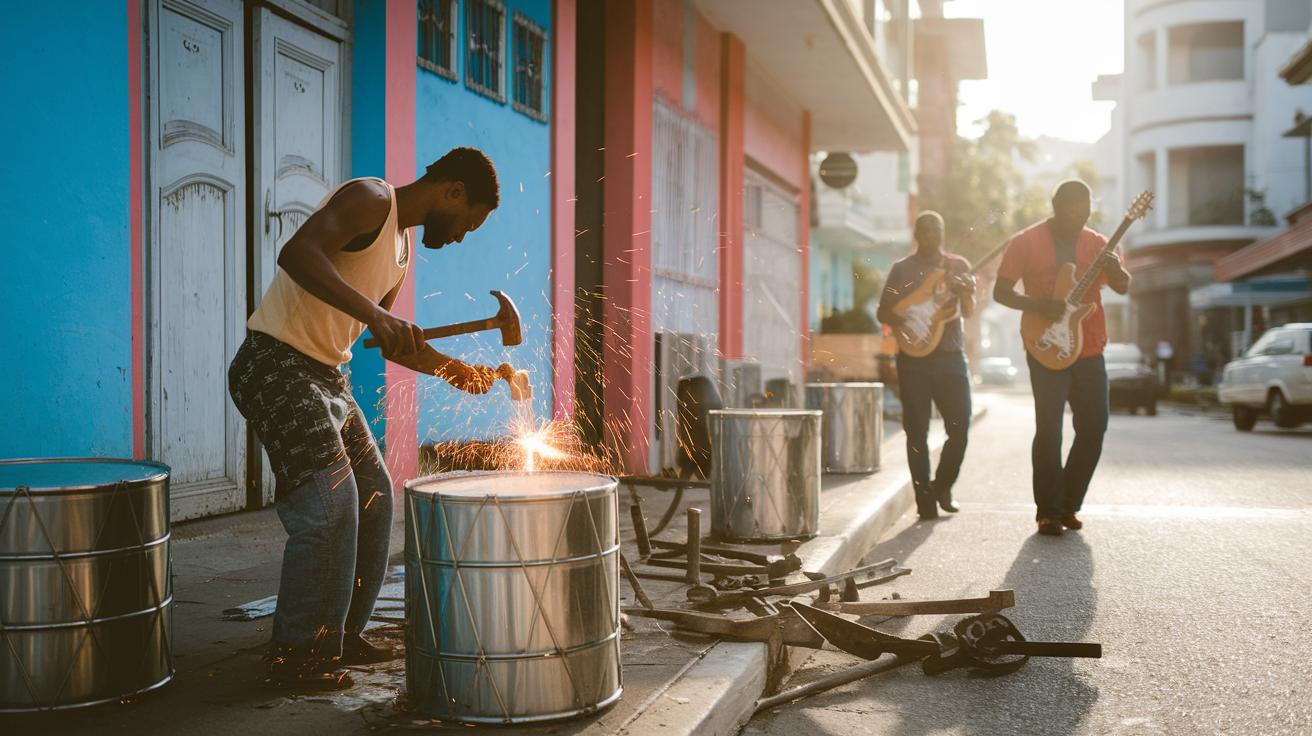
Back in the 1930s, inventive Trinidadians spotted opportunity in everyday oil drums. They turned old oil containers into musical instruments with clear, ringing notes. Imagine an artisan working away, hammering and shaping metal like a sculptor, creating sounds that matched the lively pulse of their streets. Even with just four or five notes at first, these humble beginnings captured the spirit of island life with every beat.
By the time Carnival rolled around in 1941, the simple pans had grown into full-blown steelband contests. Musicians got together, mixing friendly rivalry with creative jams that soon turned into mini symphonies on steel. Each competition pushed the instrument's limits, gradually adding more notes until they could play full chromatic tunes. Carnival wasn't just a party, it was a celebration of island creativity and festive pride, where every tune told a story of community and resilience.
Today, the steelpan stands as a true symbol of Trinidadian culture and Carnival magic. Its warm, melodic sound reflects the heart of Caribbean life, melding artistic ingenuity with community spirit. Whether you hear it in a vibrant parade or a quiet local gathering, the steelpan continues to echo the timeless story of creativity and unity.
Reggae Genre Genesis to Caribbean Dancehall Transformation

Back in the 1940s and 50s, Jamaica's music scene was buzzing with Mento. This friendly folk style featured cheerful acoustic guitars and playful lyrics that captured everyday life, setting the mood for island fun. Soon, the lively horns of late 1950s Ska took over, bringing a quicker beat that made everyone want to dance.
Then, in the mid-1960s, Rocksteady made its debut with a smoother, slower sound and a strong bass that let singers shine. It was around this time that Toots & The Maytals dropped “Do the Reggay” in 1968. That song marked the birth of reggae, its catchy rhythm and meaningful lyrics spread far beyond Jamaica. With legends like Bob Marley in the mix during the 1960s and 70s, reggae grew into a global voice of freedom and hope.
Not long after, as reggae became more popular, Jamaica's musical style was ready for a fresh twist. By the late 1970s in Kingston, Dancehall burst onto the scene. This faster style, known for its quick beats and DJ toaster culture, brought a new energy to the island. With bold sounds, creative production, and dance moves like the Bogle, Dancehall quickly resonated with local urban youth. Its raw energy told the story of everyday life and firmly established itself as a modern Caribbean heartbeat.
Tropical Beat Emergence in Caribbean Music: Soca, Zouk, Kompa
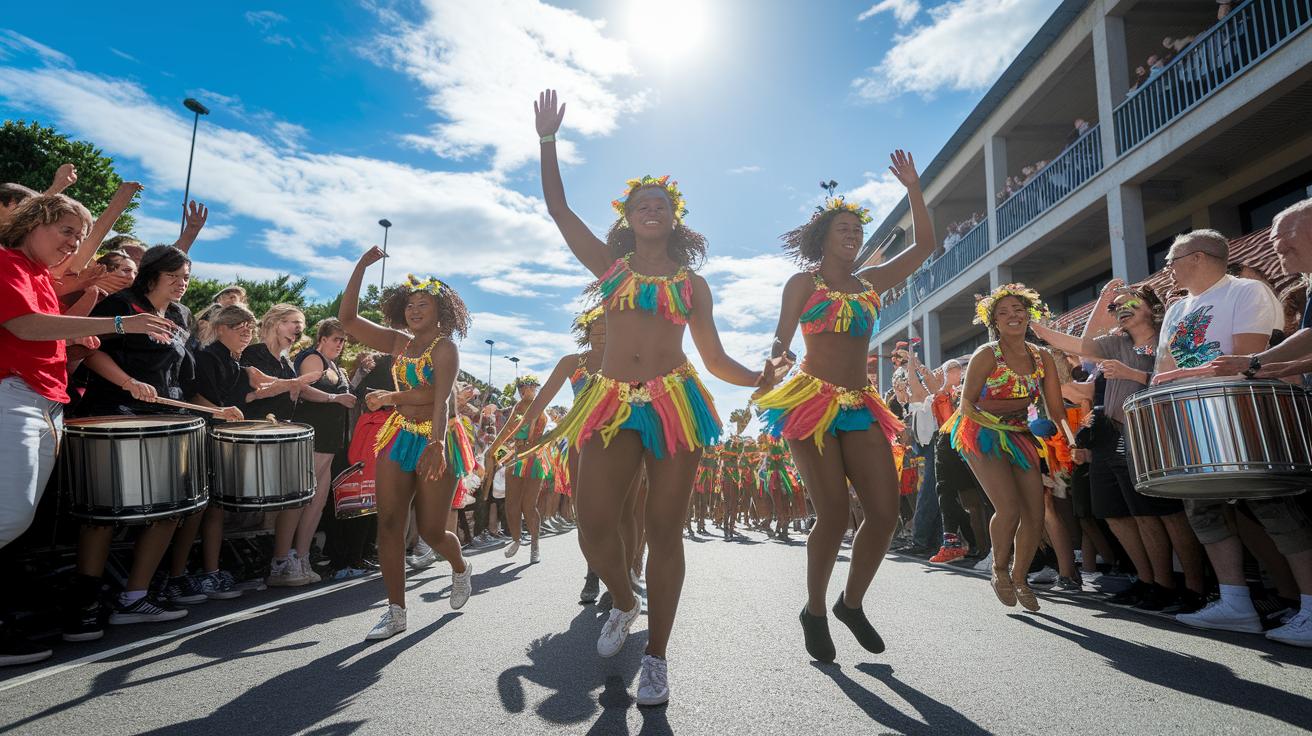
Back in the 1970s, Trinidad lit up the music scene with soca. This lively sound grew from a mix of calypso and East Indian chutney beats, blending bright tunes with fast, infectious rhythms that matched the Carnival spirit. Imagine a sunny festival where every drumbeat and catchy hook lifts your mood and brings everyone together.
In the early 1980s, the French Caribbean gave us zouk, a fresh sound that mixed elements like cadence-lypso, African beats, synthesizers, and drum machines to create a groove you just can’t resist. Picture a cozy, dim club where the music’s smooth energy makes you want to dance. Zouk brought a refined twist to traditional Caribbean tunes, winning hearts across the islands.
Haitian kompa, which started to evolve in the mid-20th century, added its own unique flavor with electric bass lines and a steady, lively beat. Drawing from styles like méringue de salon and European contra dance, kompa quickly became a favorite at festive gatherings. Its rhythmic pulses tell tales of heritage and shared pride, inviting everyone to feel each beat and celebrate together.
Contemporary Caribbean Music Soundscapes and Global Influence
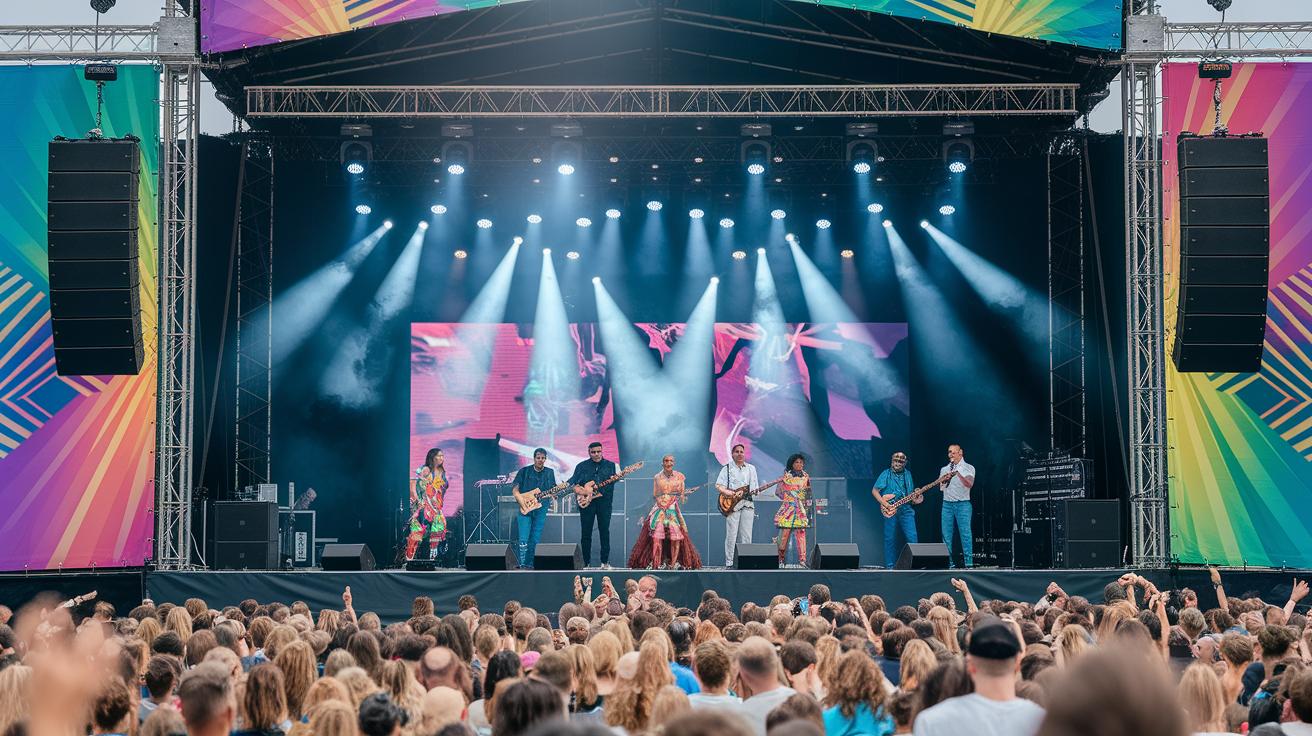
After the 1940s, Caribbean music set sail around the world as Windrush migrants brought reggae and calypso to new lands. Imagine the energy at a festival like Toronto's Caribana, where over one million people gather to feel the rhythm and share in a celebration that goes way beyond the islands. Even in Japan, more than 300 reggae bands keep the island beats alive, proving that these sounds have a magic all their own.
Today, digital broadcasting and live streaming have changed the game for sharing Caribbean music. Spots like The Windmill Bar stream local shows in real time, letting fans from every corner of the globe catch a live glimpse of the scene. All of this tech-new magic works hand in hand with age-old Caribbean traditions, making sure that the island vibes reach music lovers any time they need a little sun and spice in their day.
At the same time, many projects are using digital tools to restore old recordings and preserve the deep roots of Caribbean folk and indigenous music. These efforts mix modern tech with heartfelt respect for the past, ensuring that the lively rhythms born on small islands continue to inspire and connect people all over the world.
Final Words
In the action, we traced Caribbean music from its early island beats to the cutting edge of modern sound.
We uncovered how Taíno chants, African drumming, and European instruments came together, sparking styles like steelpan, reggae, and soca.
Every beat tells a piece of the history of caribbean music.
These rich sounds continue to inspire and brighten the Caribbean experience, driving a rhythm that invites us to move forward with hope and excitement.
FAQ
How did Caribbean music originate and evolve over time?
The origins of Caribbean music involve a blend of indigenous Taíno chants, African rhythms influenced by slavery, and European instruments. This mix evolved over time, shaping traditional songs into the lively genres we hear today.
What are three typical features of Caribbean music?
Caribbean music typically features call-and-response vocals, prominent percussion, and upbeat melodies that echo the lively, communal spirit of the islands.
What is Caribbean music called?
Caribbean music covers genres like reggae, calypso, soca, and dancehall, with each name highlighting a unique facet of the islands’ rich musical heritage.
What instruments are common in Caribbean music?
Caribbean music often includes instruments like steelpan, drums, guitars, and brass, each providing distinctive beats and sounds that capture the island vibe.
What are some popular Caribbean songs or top hits?
Popular Caribbean songs span across genres such as reggae, calypso, soca, and dancehall, with top hits celebrated globally for their catchy beats and vibrant rhythms.
What styles of music come from the Caribbean?
Caribbean music features a variety of styles including reggae, calypso, soca, dancehall, and folk, each offering unique rhythms and colorful cultural storytelling.
