Have you ever thought your phone could hold hundreds of years of Caribbean history? It’s pretty cool when you think about it. Digital archiving helps us keep our island treasures safe by storing old artifacts, cherished stories, and family recipes that have been passed down for generations.
Today, almost 80 to 85% of us are online, and these digital collections act like a bridge connecting modern life with our ancient customs. They let us hold both today’s innovations and age-old traditions right in our hands. This way, our rich culture stays alive, making it easy for everyone to feel connected to our shared heritage.
Overview of Digital Archiving for Caribbean Cultural Heritage
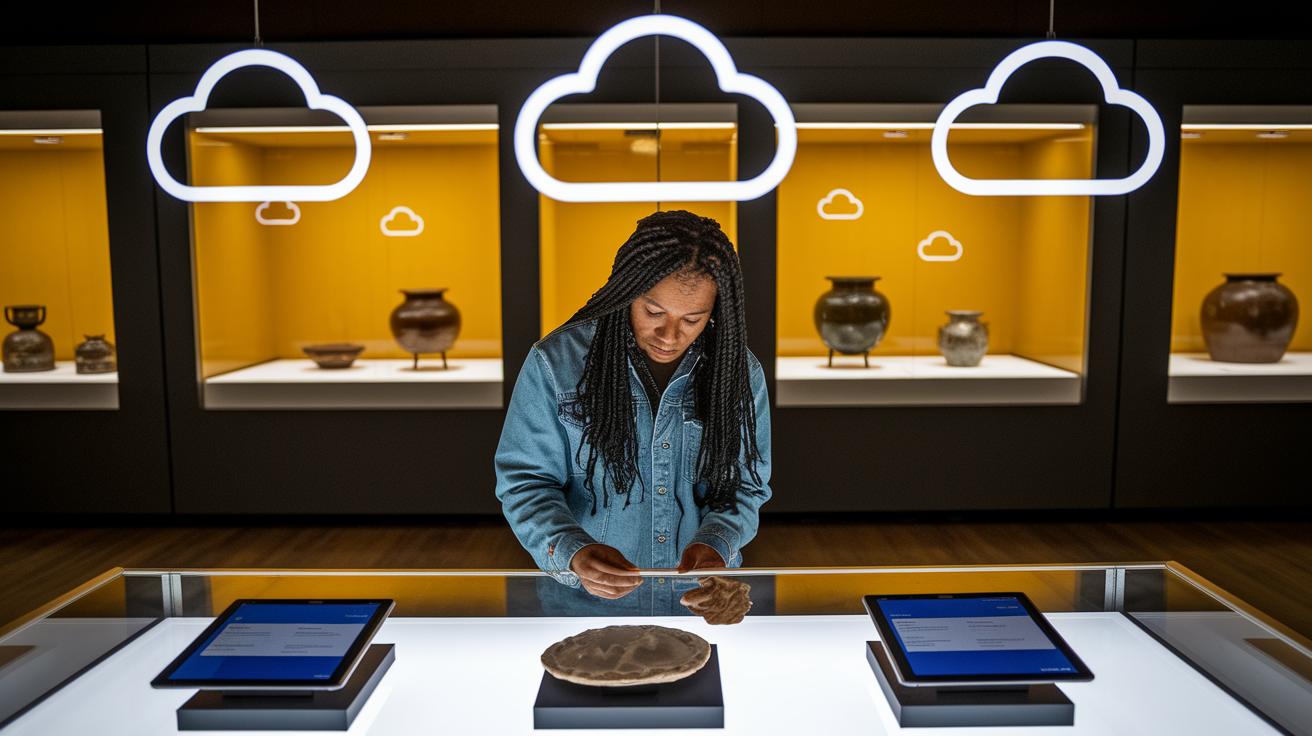
Digital archiving is key to keeping Caribbean culture vibrant. It brings together physical treasures like artifacts, documents, and photos along with spoken stories and cherished rituals passed down through generations. In just a few years, when nearly 80-85% of our Caribbean family is expected to be online, these digital collections will open up a rich world of music, handmade crafts, secret recipes, and age-old folktales. Ever imagine scrolling through a centuries-old travel tale or that family recipe on your phone? It feels like holding a piece of history right in your hands.
Digital archives work on secure online systems carefully managed by local institutions. They use simple filing methods and clear keywords to keep records easy to find. For example, a student might quickly search for a diary from the 1600s that captures daily life in a colonial Caribbean town. It’s a gentle reminder that history isn’t just locked away in museums – it lives and breathes with us.
In truth, digital archiving helps everyone feel connected. By mixing local voices with stories from Caribbean communities abroad, these archives give a fuller, richer picture of cultural identity. With smart designs built to protect every document and image, modern technology and treasured history come together in a cycle of sharing that both honors tradition and inspires new ideas.
In a nutshell, digital archiving shines when it connects Caribbean communities with the world. It lets everyone enjoy our beloved narratives and diverse history through a friendly, easy-to-use online space.
Key Techniques for Heritage Digitization in Caribbean Archives
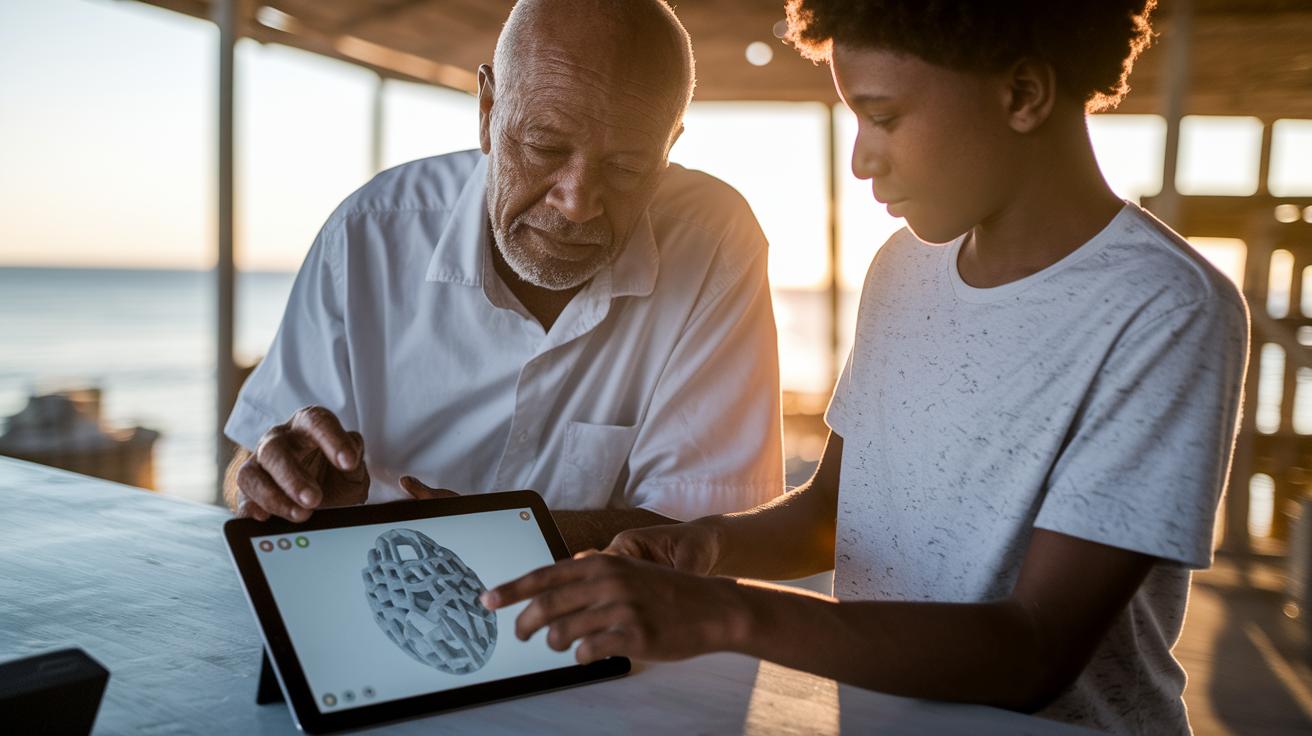
Have you ever noticed how mobile storytelling apps and online tools can capture the true spirit of Caribbean life? They record everything from traditional crafts and time-honored recipes to those lively folktales that bring the islands to life. High-resolution scanners take fragile old papers and transform them into detailed digital files. Imagine finding a centuries-old handwritten letter and seeing every word shine clearly because of modern scanning technology.
Then there’s photogrammetry and 3D modeling working hand in hand. These techniques turn physical treasures, like a handcrafted sculpture or a well-used tool, into digital models you can explore from all angles. Picture an intricate wooden carving becoming a virtual model that lets you feel like you’re running your fingers over every groove and curve.
Audio recording methods are also at play. They capture the beats of Reggae, Soca, and Dancehall music, ensuring that the vibrant rhythms of island culture are always just a click away. And with interactive cultural maps and VR tours, you can virtually stroll through local markets and community spaces, experiencing the familiar charm of Caribbean streets as if you were really there.
Finally, by combining simple document conversion, artifact scanning, and digitized oral stories, experts create digital versions of rich cultural traditions. This blend of user-friendly technologies preserves Caribbean heritage, making historical records feel like living stories for both researchers and local communities.
Metadata Standards and E-Document Curation Practices for Caribbean Collections

Digital archives in the Caribbean are passionate about keeping history safe and organized. The Early Caribbean Digital Archive, for example, uses Snell Library’s Digital Repository Service to apply consistent, easy-to-understand metadata for texts from before the twentieth century. This thoughtful approach makes finding an old diary as refreshing as remembering the salty Caribbean breeze.
Electronic library systems work much like labeling your favorite mixtape by matching each song with its details. They use controlled vocabularies and clear indexing protocols, ensuring that files, whether text or multimedia, fit together perfectly. By mixing descriptive, administrative, and structural metadata, these guidelines make it a breeze to search for treasured records.
Each digital item, from a weathered manuscript to a vibrant photo captured at a local festival, is treated with care to become part of an inviting, well-organized collection. Just as you might arrange family keepsakes in a cherished album, multimedia heritage storage holds Caribbean cultural treasures safe and ready for discovery.
Case Studies in Caribbean Digital Archiving Projects
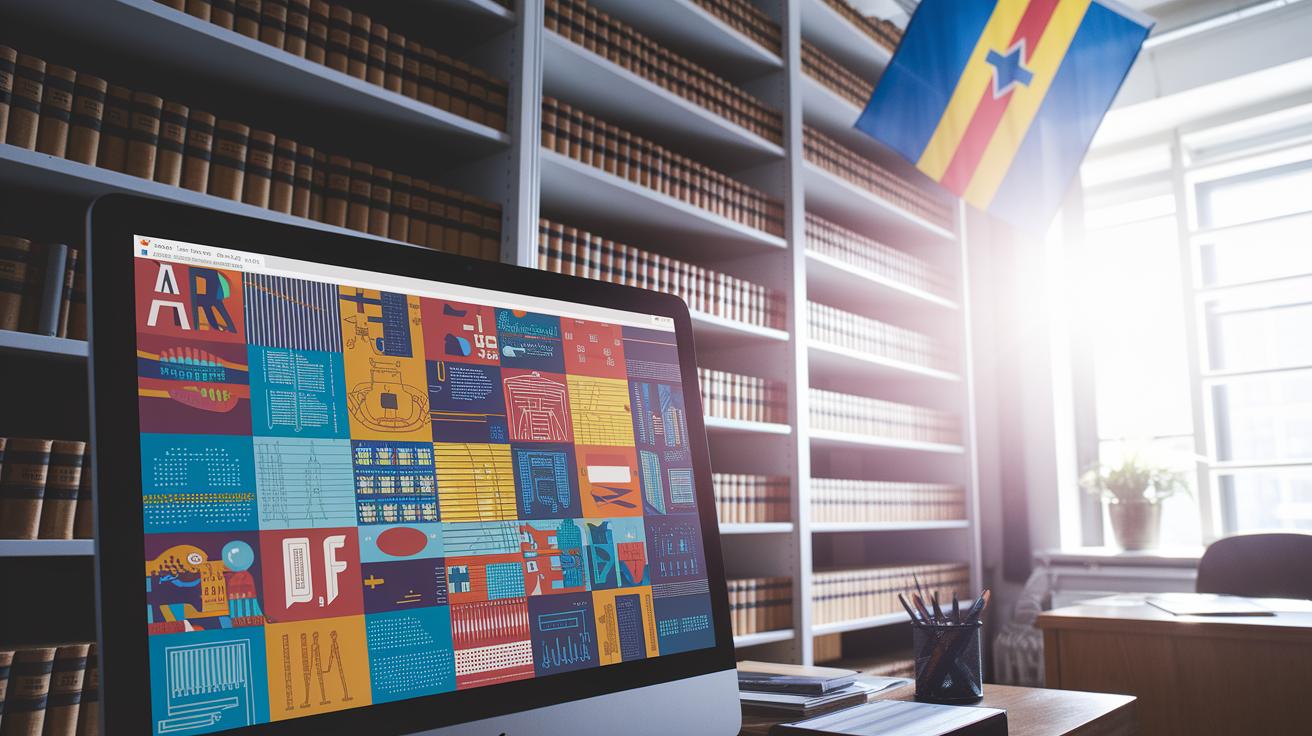
Aruba’s Digital Heritage Portal is a shining example of preserving history in a clever way. Run by the Aruba National Library and the National Archives since 1986, this vibrant portal gathers 40,000 documents, 60,000 images, 900 videos, 45 audio clips, and even seven 3D objects across 67 collections. During its April 8 livestream launch, the portal treated viewers to a live tour of rare historical texts and images that sparked lively chats in classrooms and community centers.
This project isn’t just about digitizing rare finds; it also serves as a treasure trove for learning. In one undergraduate course on Oil and Capitalism (a subject exploring the role of oil in shaping societies), students dove into the portal to discuss how oil towns impacted local culture. It’s like connecting a rich past with today’s classroom in a truly hands-on way.
Then there’s the Early Caribbean Digital Archive (ECDA), which focuses on materials from 1500 to 1750. ECDA collects travel stories, novels, poems, natural histories, and diaries that bring early Caribbean life to light. Managed by Northeastern University’s NULab, a small but dedicated team puts in about 40 hours of work each week. They’re supported by graduate students, work-study funds, and grants from organizations like NEH and ACLS, plus partnerships with groups like the Digital Library of the Caribbean, Slavery Images, and the John Carter Brown Library. Imagine reading a diary written centuries ago, now available for curious K-12 students and researchers alike, it’s like a personal peek into colonial life right on your screen.
These case studies highlight a community-driven approach to saving and sharing history. They blend fresh digital methods with a deep love for Caribbean culture, keeping the tropical legacy alive. Each initiative is more than just an archive, it’s a welcoming gateway that encourages education and community spirit, making sure that the Caribbean’s unique stories continue to inspire people everywhere.
Technological Tools and Software Integration for Caribbean Archives
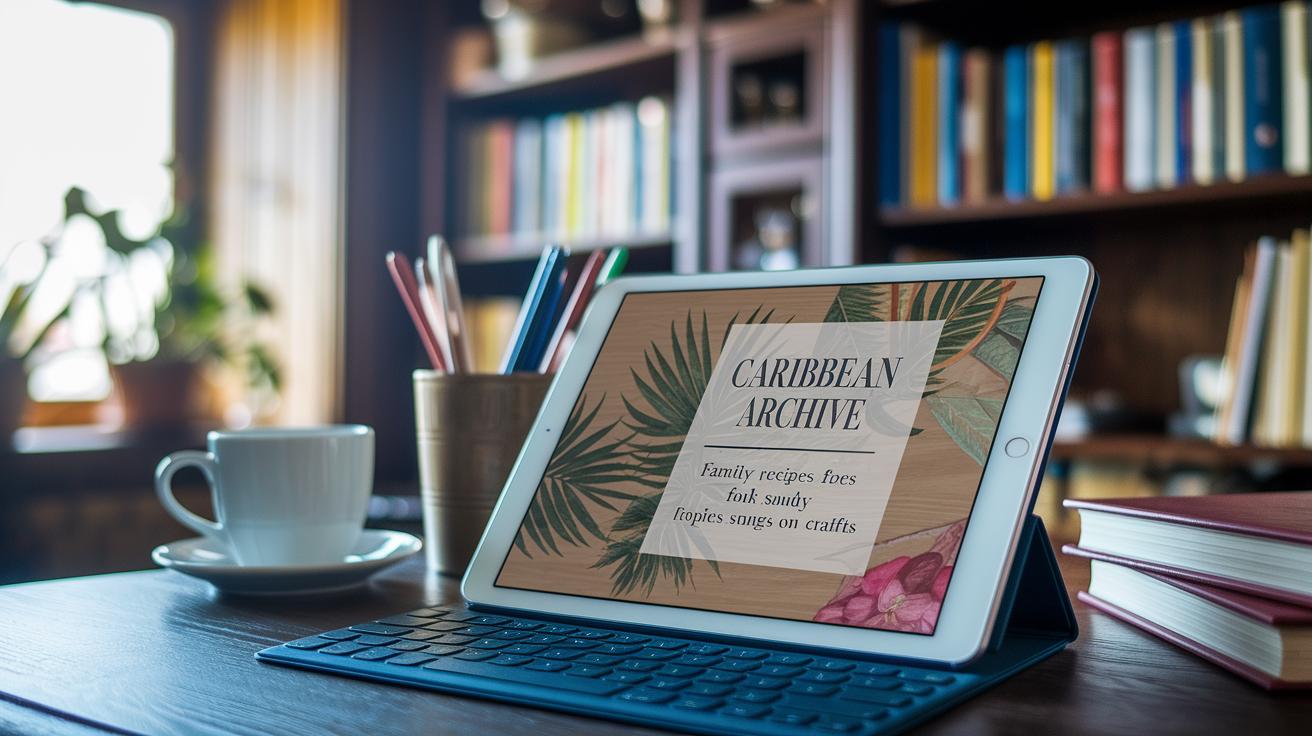
Digital archiving in the Caribbean has taken on a modern twist that keeps our cultural treasures within easy reach. Today, people can use simple mobile apps to record family recipes, folk songs, and traditional crafts, while popular social platforms like Facebook, Instagram, TikTok, YouTube Shorts, and Spotify help broadcast these heartfelt stories. And here's a neat tidbit: one digital archive even features a scanned 3D model of an old musical instrument that lets you feel like you're hearing the island's rhythm firsthand.
Open-source tools like Omeka and DSpace help organize digital files, making it a breeze for institutions to handle everything from photos to important documents and even 3D scans. Imagine virtually wandering through a lively Caribbean market, that's what VR/AR tour software can do by turning stored memories into captivating, interactive experiences.
Photogrammetry suites add another layer of magic by capturing physical artifacts with great detail, creating digital replicas that keep the original textures and shapes intact. Plus, with strong institutional support from Northeastern University, these digital collections are secure and always available for all to enjoy.
Best Practices and Community Engagement in Caribbean Cultural Record Conservation
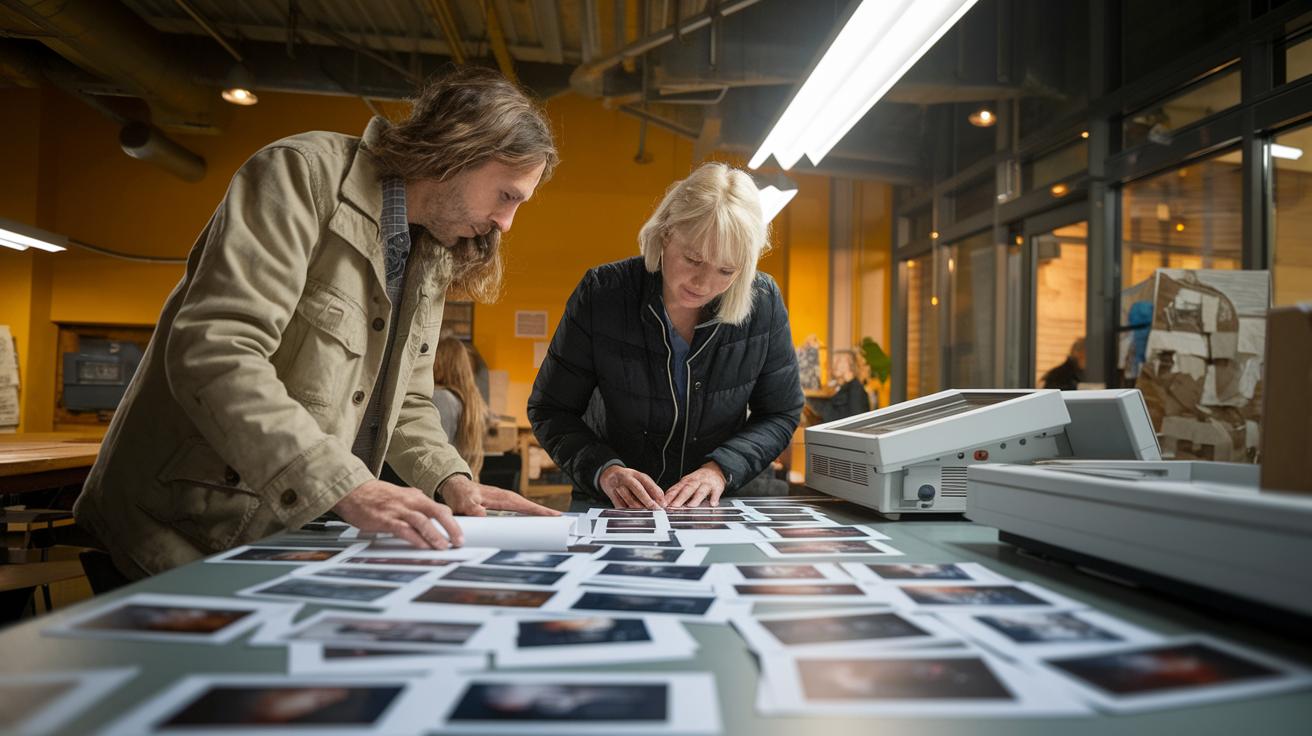
Getting locals involved is key to keeping Caribbean cultural memories alive. Local workshops invite community members to scan their favorite family photos, letters, and documents, turning treasured history into digital keepsakes. One local remarked, "I never imagined my great-grandfather's diary could inspire so many today." This shows that even a small memento can hold a huge story.
Successful models include:
- Community heritage scanning sessions where neighbors digitize their own family archives.
- Crowdsourced projects that welcome everyone to submit stories and images.
- Oral history sessions that capture traditional folktales and customs, making you feel like you're right there in the moment.
- Mobile archive tools that let people easily upload and view materials wherever they are.
- Social media campaigns that connect island residents with friends and family abroad.
- Recorded projects that capture everyday music, conversations, and spoken word, preserving the sounds of local life.
Other approaches mix hands-on workshops with crowdsourced transcription drives to include all kinds of voices and stories. Using simple mobile tools, locals can share their history in real time, while social media helps keep communities connected at home or overseas. For more insights, check out the Caribbean Eco-Cultural Heritage resource or the Caribbean Oral Traditions guide.
Long-Term Management for Caribbean Digital Archives: Quality Control, Storage, and Access
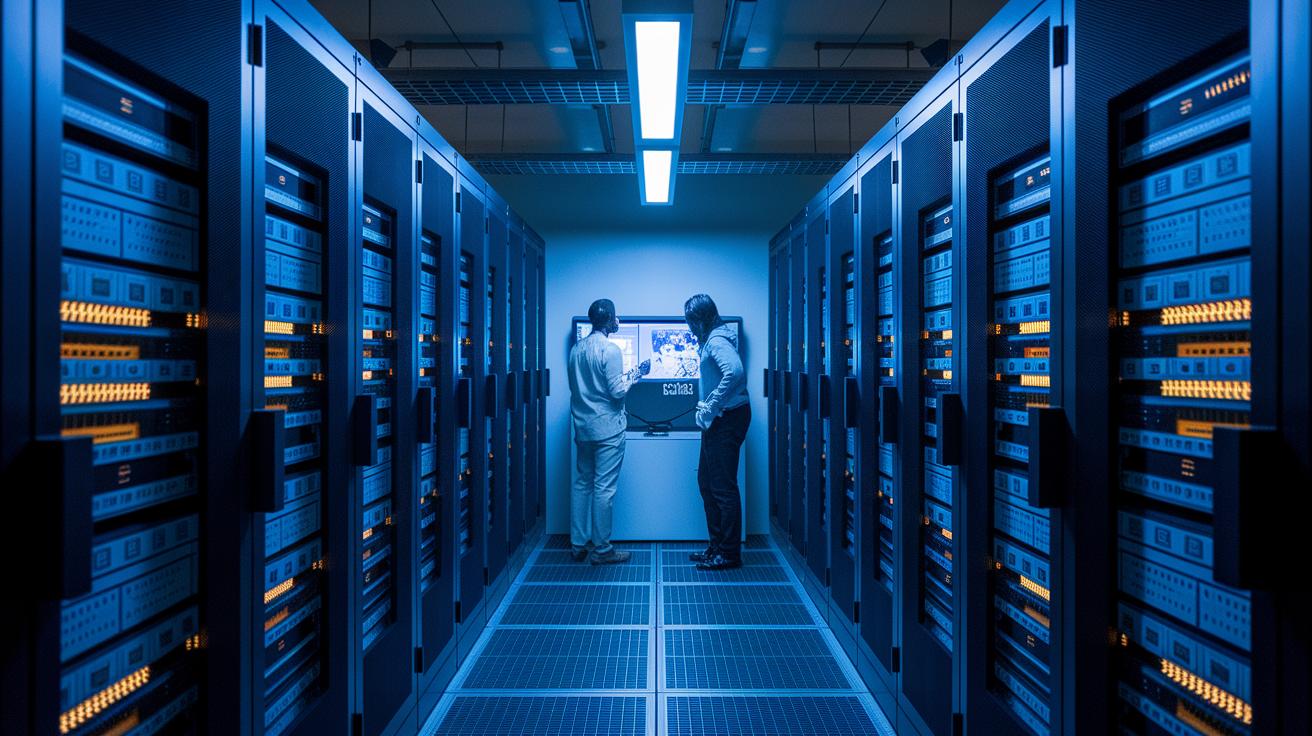
Taking care of Caribbean digital archives is like keeping a cherished family photo album safe for future generations. Museums and libraries use backup systems and cloud storage (think of it as a modern, digital safe) to store every important document in more than one spot. This way, our cultural treasures stay protected and easy to reach.
Key steps include:
- Regular checks using simple file tests to make sure nothing has changed.
- Strong access controls that work like special keys, letting only trusted folks see the files.
- Clear disaster plans that guide staff through any tech hiccup.
- Routine reviews of storage spots to double-check that everything is kept in good shape.
- Following solid risk-management tips, kind of like getting regular health checkups for your data.
Imagine you’re looking at a digital scan of an old manuscript. Every detail remains clear because of these careful checks. All these steps work together to create a trusty system that preserves Caribbean cultural history for years to come.
Emerging Trends and Future Directions in Caribbean Heritage Digitization
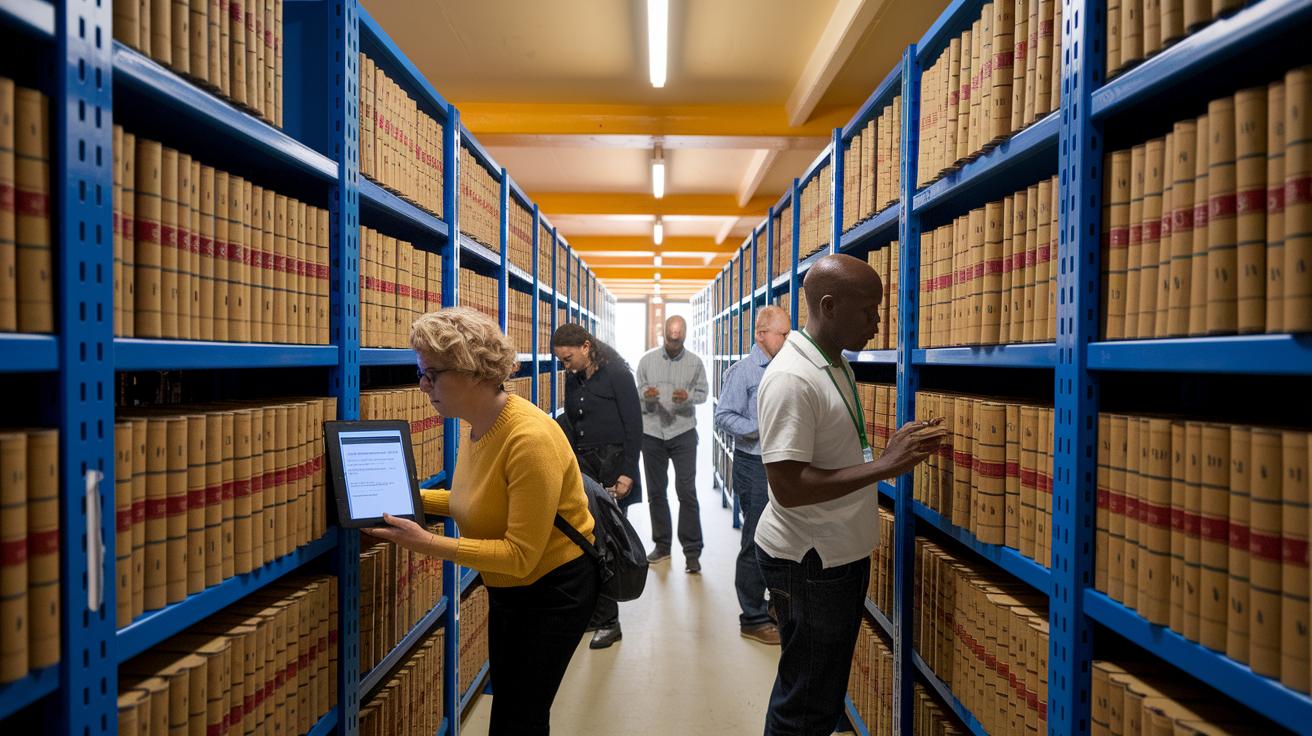
Caribbean cultural preservation is buzzing with fresh tech that keeps our lively heritage safe and sound. New tools like AI-assisted metadata tagging (a smart way to label and organize info) and automatic indexing make it super simple to find old documents. Even better, mobile archive apps are popping up, giving locals a chance to add their own stories as they capture treasures straight from the field.
Imagine stepping into history! With immersive tech such as virtual and augmented reality, you can wander through scenes that bring the past right up close. Augmented tours let you see virtual images layered over today's views, mixing what was with what is now. Plus, interactive web platforms and digital storytelling are on the rise, promising a future where exploring Caribbean art, music, and stories is both fun and enlightening.
And there’s more, blockchain technology is being used to track where each digital artifact comes from. This means every record is trustworthy and secure, much like knowing a friend has your back on a sunny beach day.
Final Words
In the action of preserving Caribbean traditions, this article explored key techniques, metadata practices, and community efforts that bring the region’s vibrant history to life. It shared practical insights from scanning artifacts to curating digital collections, all while highlighting the role of digital archiving of Caribbean cultural heritage in linking communities and researchers.
Every step shows how accessible tools and shared passion can help keep lively local stories and memories with us for years to come.
FAQ
What does digital archiving of Caribbean cultural heritage in 2022 entail?
The digital archiving of Caribbean cultural heritage in 2022 entails using modern scanning, 3D imaging, and audio tools to preserve artifacts, texts, and oral histories for community access and research.
What is the Early Caribbean Digital Archive?
The Early Caribbean Digital Archive focuses on preserving texts, travel narratives, and cultural records from 1500–1750, making historical Caribbean writings available for students, researchers, and educators.
What is the Digital Library of the Caribbean?
The Digital Library of the Caribbean is an online repository that gathers Caribbean cultural assets—documents, images, and multimedia—improving access and encouraging community participation.
What role does the Smithsonian Digital Archive play in Caribbean heritage?
The Smithsonian Digital Archive collects and curates digital records, including Caribbean cultural materials, enriching the range of accessible heritage and supporting global preservation efforts.
What does The Caribbean Digital refer to?
The Caribbean Digital refers to initiatives that integrate online platforms and digital tools to archive and share aspects of Caribbean culture, ranging from traditional crafts to oral stories.
What are Caribbean Digital Humanities about?
Caribbean Digital Humanities involves using digital methods to study cultural materials, linking scholars, local voices, and historical archives through interactive and accessible digital storytelling.
What do the West Indian Gazette archives capture?
The West Indian Gazette archives capture historical print records that reflect the social and cultural life of Caribbean communities, offering a rich record of the region’s printed heritage.
What is the Digital Public Library?
The Digital Public Library serves as an online portal where diverse digital collections, including Caribbean cultural materials, are available, making historical records easily accessible for research.
