Ever thought about waking up where every sunrise tells a story? St. Vincent in the Caribbean mixes history with natural beauty in the most charming way. Imagine driving along winding roads with green hills on one side and a sparkling shore on the other, all touched by a soft, gentle breeze. The island’s magic shows up everywhere, from its quiet, historic streets to its bright, refreshing beaches. Let’s take a closer look at what makes St. Vincent so uniquely inviting.
St Vincent Caribbean Islands: Lively Island Charm
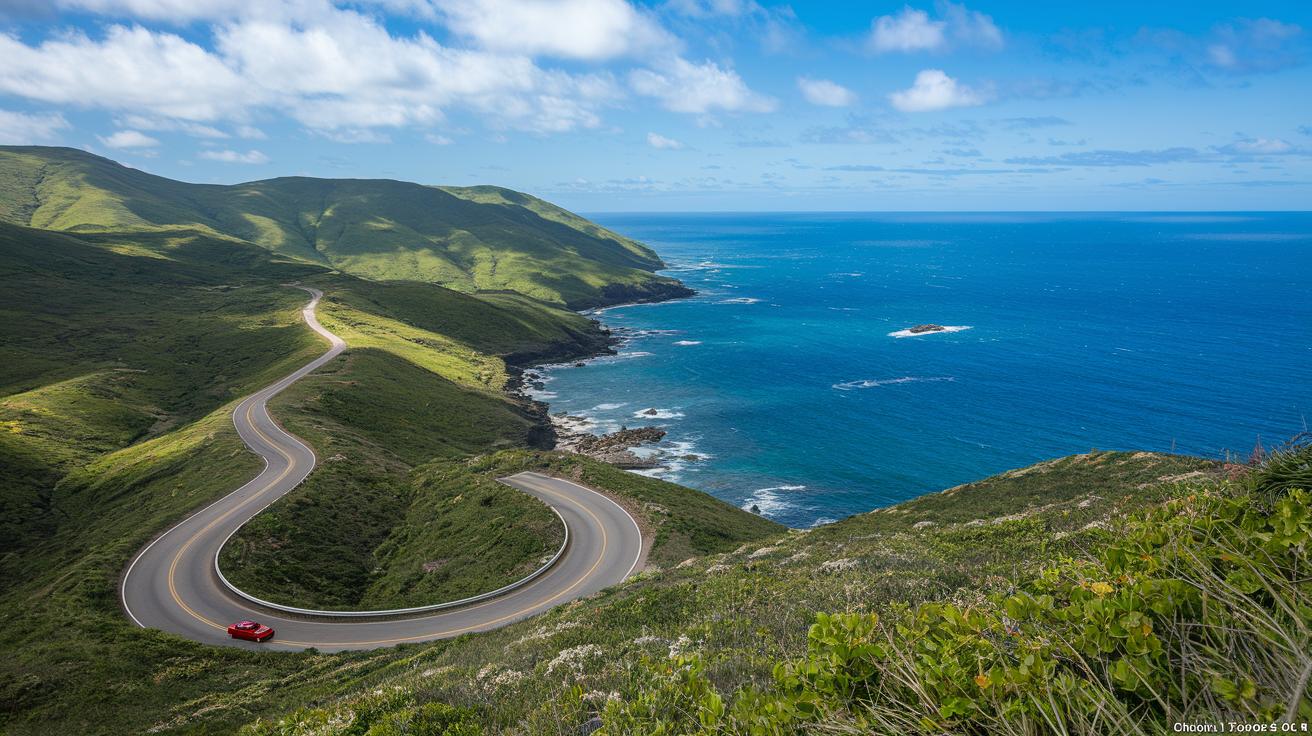
St. Vincent and the Grenadines are nestled in the heart of the Lesser Antilles, tucked in between St. Lucia to the north and Grenada to the south. The main island covers about 88% of the land, and it's joined by 32 smaller Grenadine islets. Picture driving along winding roads with lush green hills and shimmering shores as a warm Caribbean breeze gently brushes past you.
Located near 13° N and 61° W, these islands offer a mix of grand natural scenery and intimate coastal views. In the winter, the weather is pleasant with an average of 25 °C and only about 2 inches (50 mm) of rain, making it a comfy time to wander around. In spring and early summer, temperatures creep up to around 27 °C, perfect for a beach stroll or a playful dip in the sea. From June through November, things get a bit wetter with up to 280 mm of rainfall per month, although December cools down a bit to around 180 mm.
The sea stays inviting at a steady 25–27 °C, drawing in swimmers and sun-lovers alike. You can enjoy anywhere from 6 to 10 hours of daylight, giving you plenty of time to soak in the island magic. Imagine planning your day just like preparing a tropical picnic: start with the bright morning sun, sprinkle in some local flavor, and relish every moment under the Caribbean sky.
Historical and Cultural Heritage of St. Vincent Caribbean Islands
Long before Columbus landed in 1498, the island was full of life. Indigenous groups like the Ciboney, Arawak, and Carib peoples lived there, creating a vibrant community that thrived with its own unique rhythms. Then in 1719, French settlers arrived, and later, by 1763, Britain took over. These different layers of history mix together to form the special character of the island, which eventually became independent in 1979.
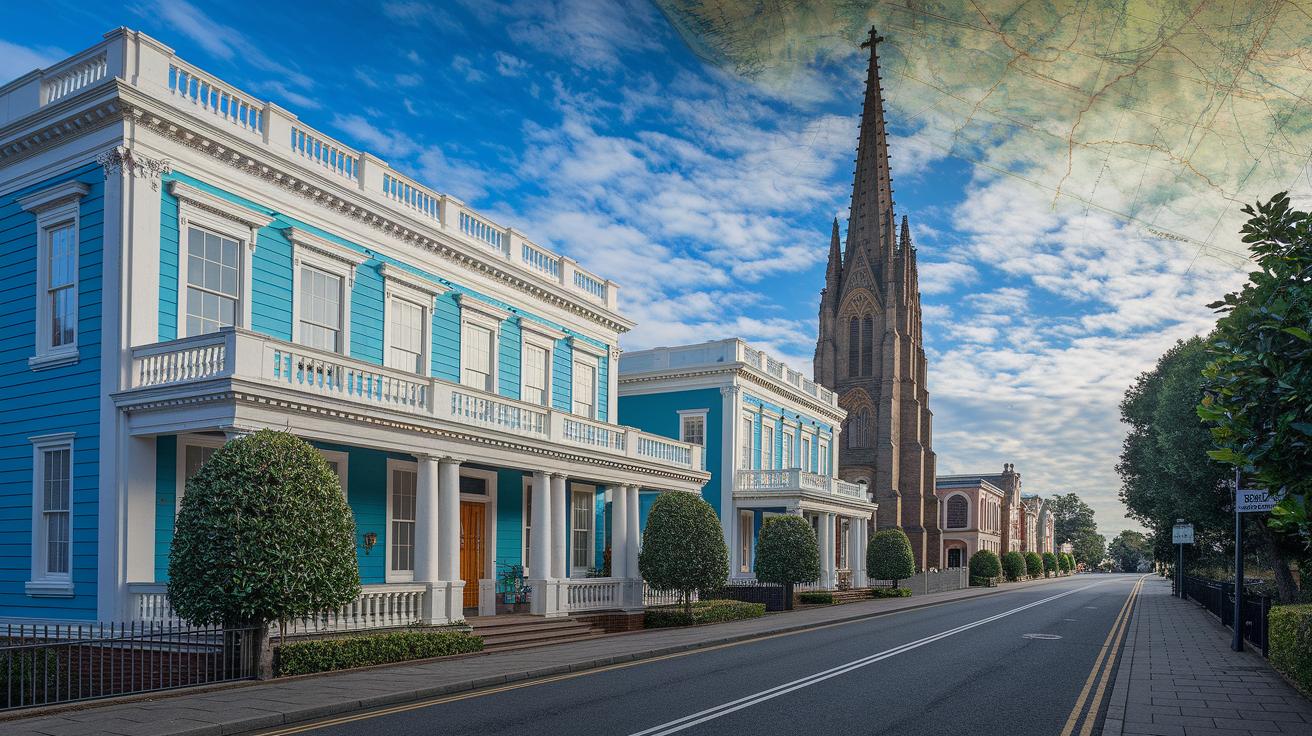
Kingstown, the bustling capital, still shows off its colonial charm with grand old mansions and Gothic church spires. Walking through its streets is like flipping through pages of a living history book, where every corner tells a story. A true jewel is the Saint Vincent Botanical Gardens, started way back in 1765. Known as the oldest botanical garden in the Western Hemisphere, it features a blend of local and exotic plants, offering a peek into centuries-old gardening traditions and cultural exchanges.
And then there’s the touch of pirate lore that spices up the island’s narrative. Stories of daring pirates, kind of like the movies, add a fun twist of mystery and adventure. Whether you’re exploring well-preserved sites or hearing local tales, St. Vincent invites you to dive into its rich, layered past with a sense of wonder and excitement.
Natural Landscapes and Scenic Routes on St. Vincent Caribbean Islands
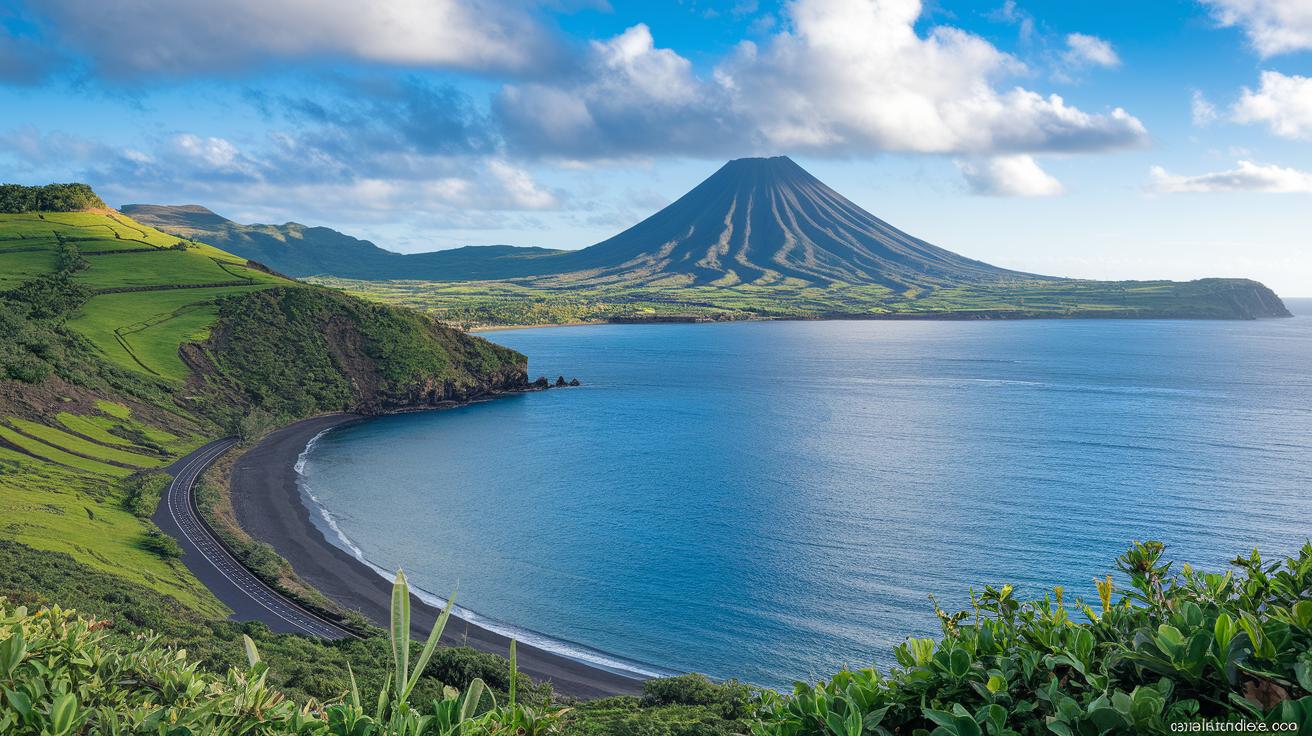
St. Vincent is full of natural beauty that enchants every visitor. Right in the heart of the island stands La Soufrière volcano, towering at 1,234 meters. Even though it erupted in April, the volcano is now calm and quiet. You can even join a guided hike around its crater while enjoying the lush farms on its slopes. Volcanic forces have given rise to stunning black-sand beaches, a unique treat that stands out against the typical white sands you see elsewhere in the Caribbean.
Winding coastal roads cut through green, forested ridges, leading you to secret bays and amazing lookout points. Imagine cruising along a scenic route where every turn gifts you fresh views of waterfalls tumbling down, rivers rushing by, and thick tropical rainforests. Perhaps you’ll stop at a hidden cove where the gentle sound of the waves makes you feel like you’ve discovered your own private paradise.
The island’s landscape is as diverse as it is beautiful. Besides the dramatic volcanic areas, St. Vincent is home to a 20-acre botanical garden bursting with hibiscus, cinnamon, nutmeg, mahogany, palm, and breadfruit trees. Nearby nature reserves shelter local birds and native plants, creating peaceful spots where untouched nature thrives. Every trail and coastal drive reveals a new piece of St. Vincent’s wild, sunlit charm, inviting you to soak in the island’s extraordinary natural blend.
Diving, Snorkeling, and Water Sports in St. Vincent Caribbean Islands
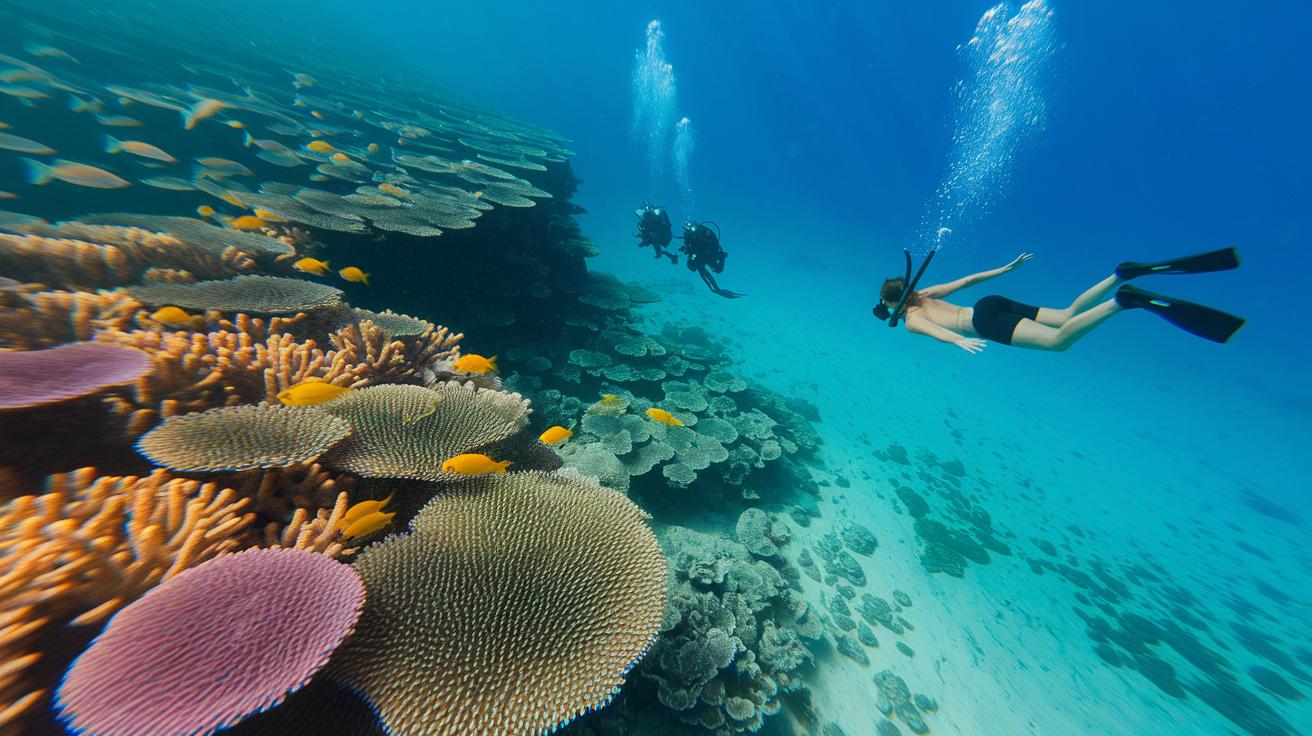
Anchor Reef and Critter Corner are two of the top dive spots here. They let you jump into a colorful underwater world full of life. Manta rays glide by gracefully while squid, frogfish, and reef sharks zip around amazing coral formations. Picture yourself swimming with a gentle manta ray as it moves through ancient coral gardens, it’s an experience you won’t easily forget.
Try snorkeling off the island's famous black-sand coves. You'll discover lively coral gardens teeming with sea fans and bright, cheerful fish. The clear water makes you feel as if you are right in the middle of this wonderful underwater scene.
If you hop on a whale-watching boat, you can see up to seven types of whales and 11 varieties of dolphins throughout the year. Imagine the thrill when a playful pod of dolphins pops up right alongside your boat. It’s one of those magical moments that stays with you.
For those who like a bit more adventure, fast ferries connect St. Vincent to Bequia in just about 30 minutes. This makes it easy to plan a full day of water fun. You can also choose a private charter yacht or a sailing trip to explore the quieter Grenadine islands, offering a peaceful escape from the crowds.
And if a quiet paddle is more your style, try kayaking through the calm mangroves. In the right season, you might even catch a glimpse of hidden, glowing natural displays at night, a truly magical treat that turns an ordinary kayak trip into a sensory wonderland.
Culinary Experiences and Festivals on St. Vincent Caribbean Islands
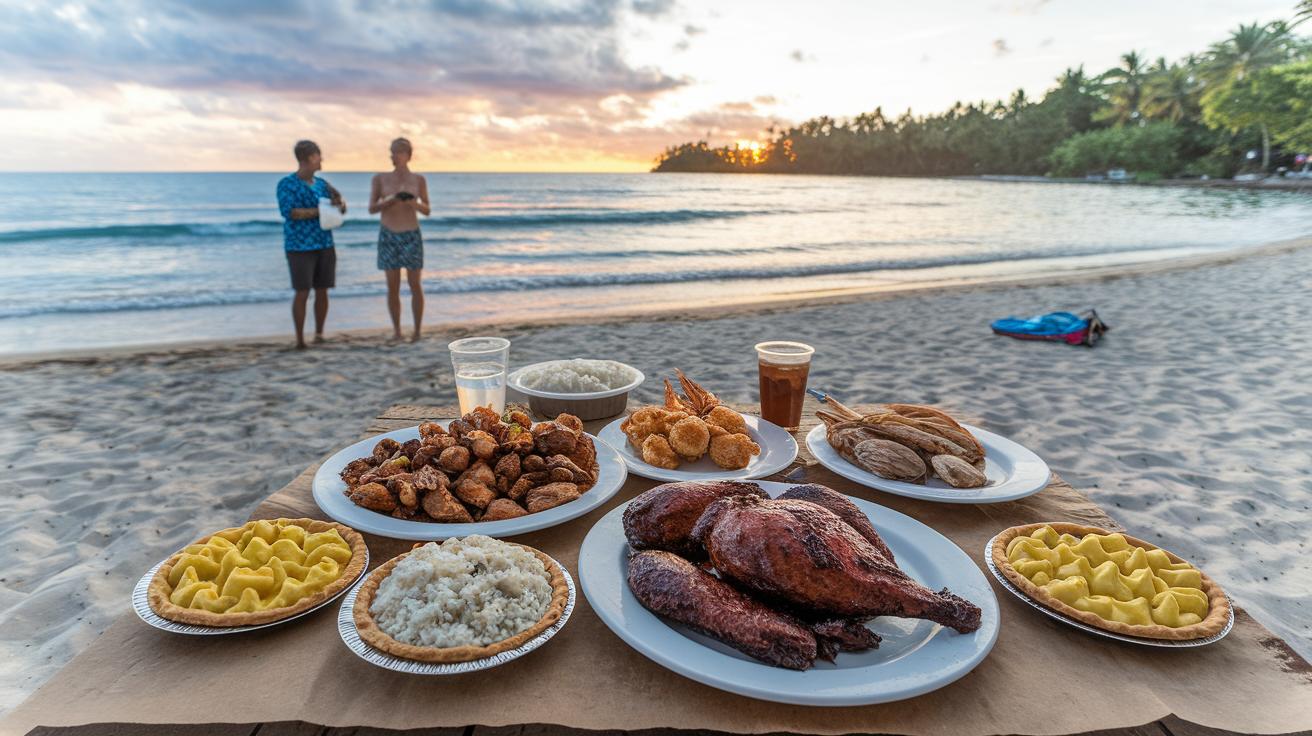
St. Vincent overflows with delicious flavors that make every meal feel like a mini celebration. Picture starting your day with spicy jerk chicken paired with rice and peas or indulging in fresh seafood straight from the ocean. There’s also delight in each bite of mac 'n' cheese pies, crispy fried fish with baked jackfruit, and tender arrowroot dumplings nestled alongside hearty bowls of callaloo or bouyon soup. These meals capture the island’s vibrant, warm spirit.
Imagine a beach cookout with locals serving up refreshing drinks like Maui cocktails, five-finger juice, or a cool sea-moss smoothie. As the sun dips low, the gentle hum of waves mixes with the sizzle of food on the grill, creating a scene straight out of your favorite island movie. Every bite seems to whisper a timeless tradition passed down through generations.
Throughout the year, lively carnivals burst into life during June and July. Calypso rhythms and steel-pan beats fill the streets, and traditional dance performances light up the summer nights. Heritage Square on Friday evenings is a magical blend of live music and tasty treats, where culture and cuisine come together in perfect harmony.
And don’t miss the artisan markets in Kingstown and Georgetown. Here, friendly vendors offer beautiful batik textiles, unique wood carvings, and indigenous spice blends, inviting you to take a little piece of island life home. Imagine wandering through a bustling market where the warm aroma of spices mingles with joyful laughter, a true slice of festive island charm.
Travel Planning Tips for St. Vincent Caribbean Islands
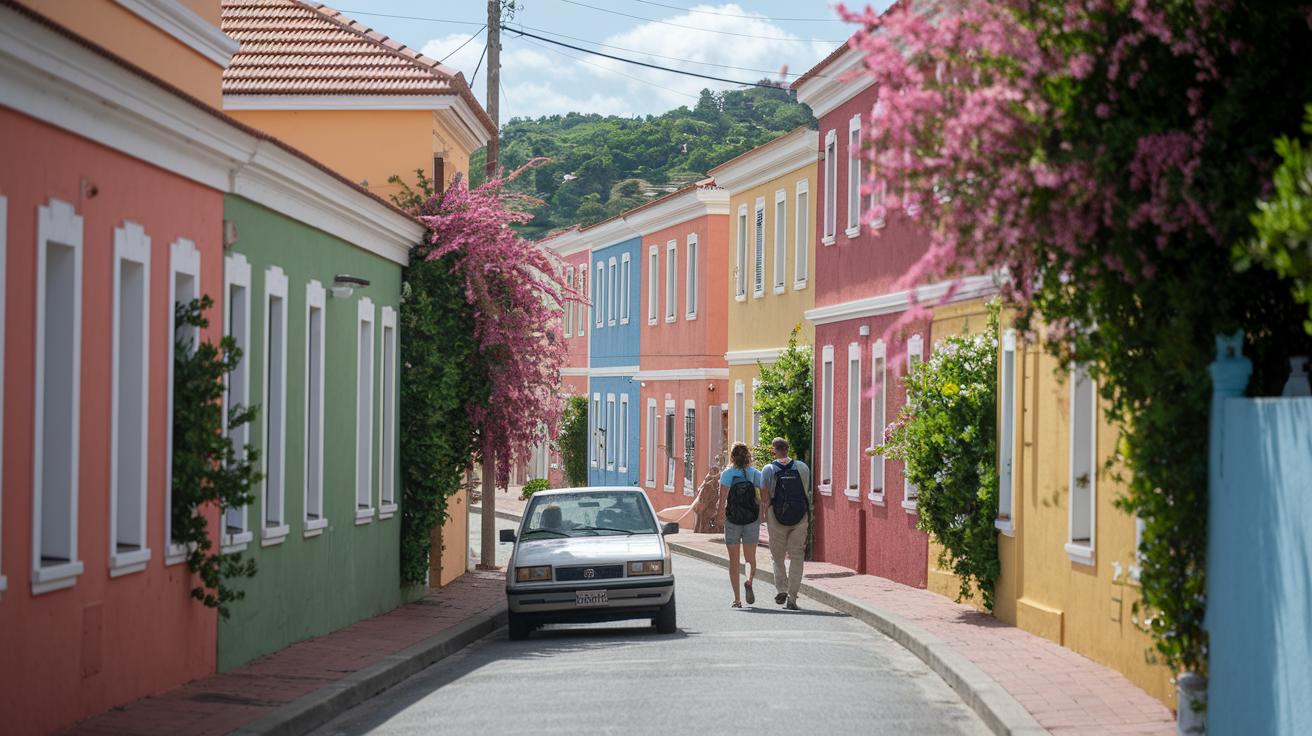
Planning your trip to St. Vincent is like getting ready for a sunny day at your favorite beach. You have a few ways to get around, private transfers, taxis, or even renting a car. Just remember, the roads here can be narrow and curvy. For more details on getting around, check out our friendly expert guide.
If you’re watching your spending, you'll love the many affordable guest houses and cozy B&Bs available. Large resorts are pretty rare here. Traveling during off-peak times, like May to early June or late autumn, means fewer people and lower prices, and you can enjoy the island’s sights without the crowd.
Keep safety in mind too. It’s best to avoid the areas right around the La Soufrière crater. Always stick to the marked paths and don’t forget your travel insurance. The island uses the Eastern Caribbean Dollar (XCD), and you’ll mainly find ATMs in Kingstown. Visa and entry rules can change, so be sure to check the latest info before you leave.
Here’s a handy checklist for what to pack:
- Lightweight clothes for the warm, tropical weather
- A waterproof bag for your beach outings
- Sunscreen and a hat to shield you from the strong sun
- Insect repellent for those fun jungle hikes
- Your travel insurance documents
Plan your transfers and flights with care. Boat services and small local flights make hopping between Union Island, Bequia, and Canouan a breeze. Follow these tips, and you’ll be set for a smooth, enjoyable adventure as you explore the charming vibe of St. Vincent.
Accommodation Guide on St. Vincent Caribbean Islands
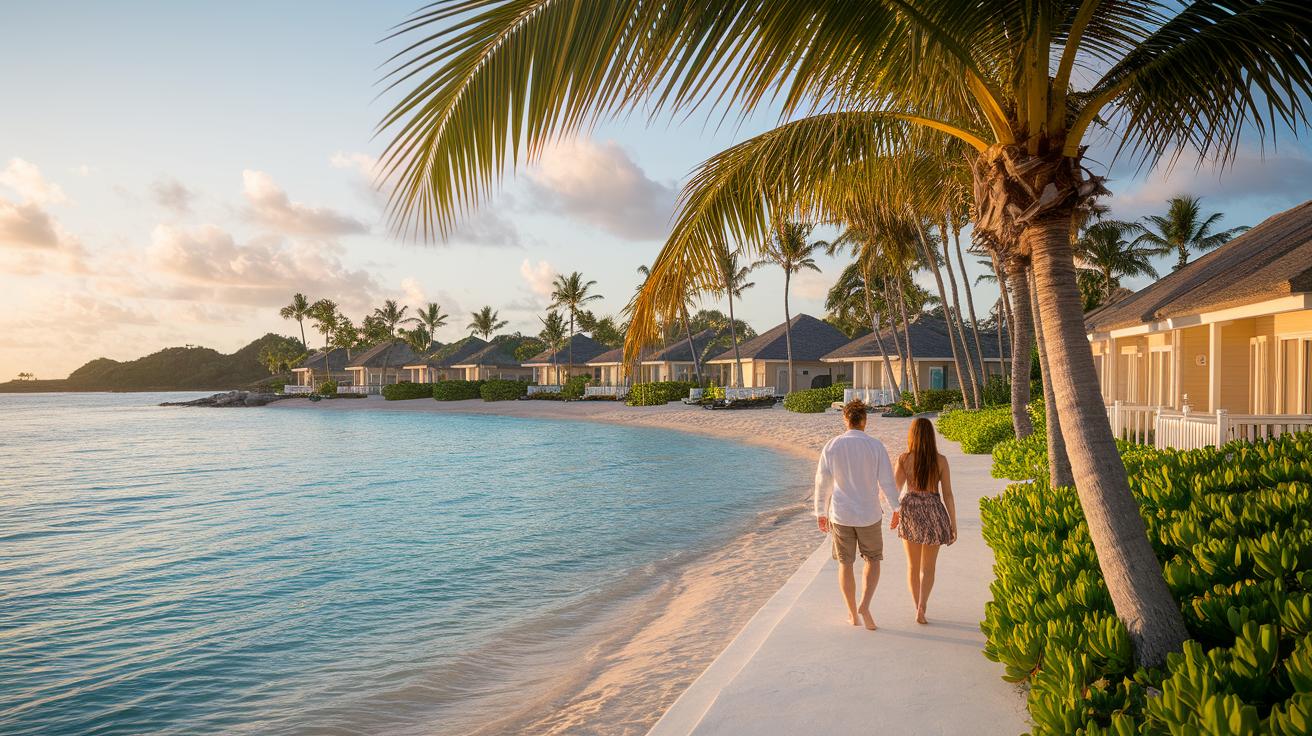
Staying in St. Vincent is totally up to you, whether you want to kick back in a relaxed way or indulge in a swanky getaway. If you’re all about luxury, you can’t go wrong with places like Mandarin Oriental in Canouan, where you’ll find beachfront villas and invigorating spa sessions that feel like a dream. Over in Bequia, The Liming boasts 19 stylish suites right on a private beach, giving you that exclusive island hideaway vibe. And then there’s The Cotton House in St. Vincent with its charming hillside cottages and a refreshing pool, blending comfort with spectacular views.
On a tighter budget? Kingstown and Layou have cozy guest houses and bed-and-breakfast spots where rates hover between US $50 and $100 a night. These warm, friendly spots offer simple perks and a genuine taste of island life without breaking the bank.
If you’d rather have everything taken care of, head over to the all-inclusive resorts on Mustique and Palm Island. With packages ranging from US $350 to $600 per night, you can enjoy meals, fun activities, and onboard entertainment without sweating the details.
Families will love spots that cater to kids with fun activities and guided nature tours, ensuring everyone has a blast. Meanwhile, couples on a romantic escape often choose retreats with private breakfasts and sunset cruises that set the scene for unforgettable memories.
For more tips on where to stay and how to plan your day, check out the Caribbean Travel Guide.
Final Words
In the action, this article painted a clear picture of st vincent caribbean islands, from its sunny geography and rich cultural heritage to its striking natural paths and refreshing water sports. We talked about local flavors, practical travel tips, and a mix of cozy lodgings that suit every mood. Each section aimed to spark that sense of wonder and help you map out a smooth, eco-friendly visit. Every detail is meant to invite you to experience the island’s charm and make your trip feel warm and memorable.
FAQ
How do maps show St. Vincent and the Grenadines’ location?
Maps indicate that St. Vincent and the Grenadines lies in the Lesser Antilles with the main island between St. Lucia and Grenada at about 13° N, 61° W, along with its smaller islets.
What makes St. Vincent a good vacation spot?
St. Vincent offers rich culture, stunning natural landscapes, and a mix of activities like diving, whale watching, and exploring local festivals, making it a delightful vacation destination.
What kinds of activities can travelers do on St. Vincent?
Travelers can explore volcanic terrain, enjoy scenic coastal drives, snorkel off black-sand beaches, visit historical sites in Kingstown, and take part in local culinary and cultural festivals.
What types of accommodations are available on St. Vincent?
The island provides a range of stays from luxurious beachfront villas and spa retreats to budget-friendly guest houses and B&Bs, catering to family and romantic escapes.
What are the top destinations to visit on St. Vincent?
Key destinations include historic Kingstown, the La Soufrière volcano, secluded black-sand beaches, and vibrant local markets, along with the nearby Grenadines for island escapes.
What is the population of St. Vincent and the Grenadines?
The islands are home to a modest, close-knit community that carries a rich cultural history and warm Caribbean hospitality.
Which country governs St. Vincent island?
St. Vincent island is governed by the nation of St. Vincent and the Grenadines, an independent country that emerged after gaining freedom from British rule in 1979.
Is it safe to travel to St. Vincent right now?
St. Vincent is generally considered safe for travelers, though it is recommended to check current travel advisories and follow routine safety measures during your visit.
Is St. Vincent considered an expensive destination?
The cost of visiting St. Vincent varies, offering affordable guest houses and budget options as well as upscale resorts for those seeking a more premium experience.
