Have you ever assumed that Caribbean Spanish is too relaxed to catch on? Think again. It’s as vibrant as the island sunsets and as memorable as a cool ocean breeze on a sunny day.
This guide is like chatting with a friend on a warm beach. You'll learn simple phrases and neat tips that feel natural and fun, perfect for ordering your favorite meal or greeting someone with a touch of island charm.
Imagine adding a little Caribbean magic to your everyday conversation. It’s bold, lively, and easy to grasp, just like the real islands.
Caribbean Language Guide: Overview of Regional Speech
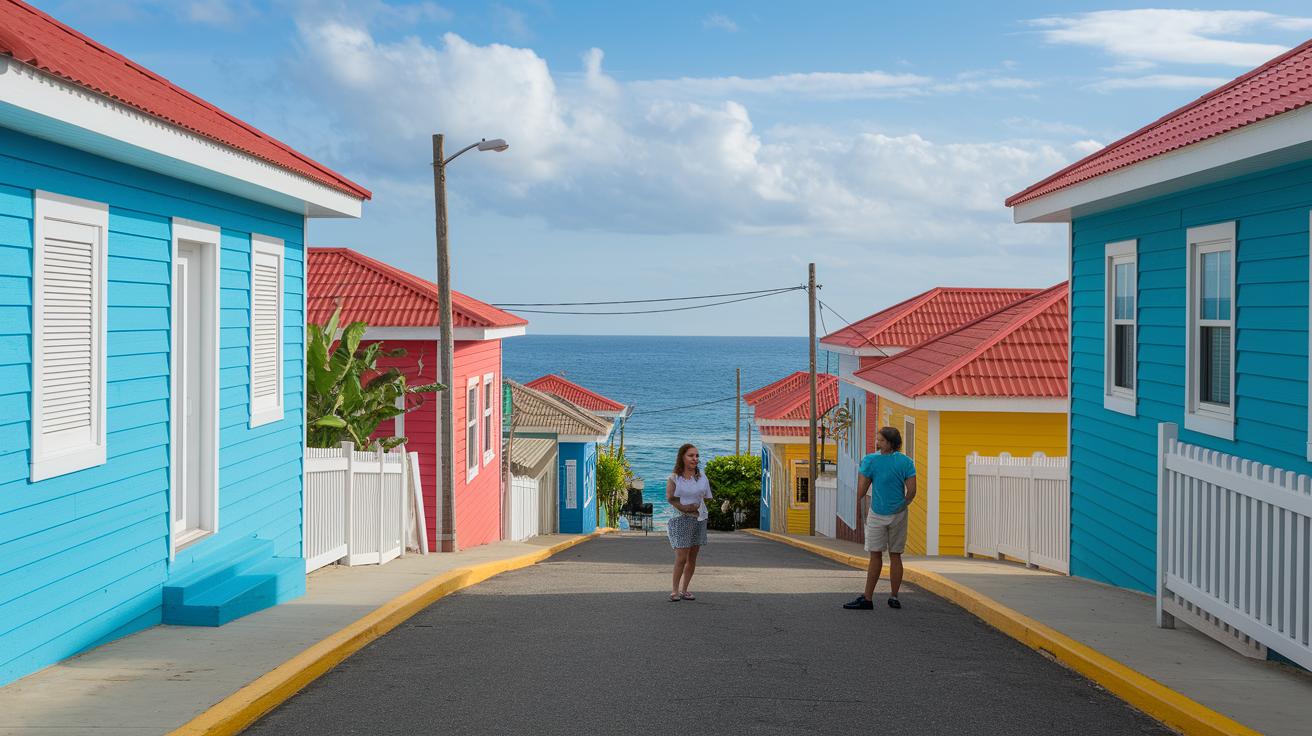
Caribbean Spanish is a lively blend that thrives on more than 700 islands stretching from sunny Florida to eastern Mexico and along the northern shores of South America. In Cuba, the Dominican Republic, and Puerto Rico, Spanish lays the groundwork for a distinct island feel that's warm and inviting.
This guide is your passport to the basics of Caribbean Spanish. We dive into simple grammar tips, everyday phrases, and easy pronunciation hints that make chatting like a local a breeze. For instance, many speakers skip the letter d between vowels, imagine saying "pescao" instead of "pescado." In fact, local fishermen once used the term "pescao" long before it caught on worldwide, instantly evoking visions of sunlit shores and delicious, hearty meals.
There are also fun twists like yeísmo, where "ll" and "y" blend together, and seseo, meaning both "c" and "z" sound just like an s. These features lend the language a soft, musical tone that's perfect for traveling and exploring.
Picture yourself at a cozy seaside café, practicing phrases with friendly locals as the ocean breeze carries the sound of their lively chatter. Whether you're asking for directions, ordering a meal, or simply greeting a neighbor, every interaction is a step closer to experiencing the authentic flavor of Caribbean life.
Caribbean Language Guide: Historical Roots of Spanish in the Islands

Imagine explorers from southern Andalusia dropping anchor on the sunny shores of Hispaniola and Cuba. They brought Spanish with them, mixing it with the island sounds and simple rhythms of everyday life. It wasn’t long before a special way of speaking took shape, one that feels relaxed and full of local charm.
Soon after, friendly encounters with the Taíno people and West Africans added even more flavor to the language. Many words we hear today come from the native and African tongues, and they gently changed how Spanish is spoken on these islands. It’s like the language got a taste of the local spices, making it both familiar and wonderfully different.
When you listen to locals chatting with friends or giving directions, you’re hearing a blend of histories and cultures. It’s a living story of adventures, traditions, and the simple joy of island life. For those curious to explore more about this colorful mix, check out "Caribbean language influences" at https://caribiana.com?p=3558.
Caribbean Language Guide: Pronunciation Patterns in Caribbean Spanish

Every day, if you listen closely, you’ll hear a relaxed way of speaking that feels as smooth as a gentle seaside breeze. Instead of going over all the details from our Overview, here are some simple tips and fresh examples to help you get the hang of these patterns.
Often, locals skip the letter d between vowels, saying "pescao" instead of "pescado." This little change makes words sound light and breezy, just like ordering a cold drink by the beach. Try listening to local conversations and then practice dropping the d in your own phrases.
You’ll also notice that sounds like ll and y blend together. This mix, known as yeísmo, means that when you say "pollo," it starts to sound more like "poyo." Let your words flow smoothly, and see how the rhythm of the language comes alive.
In the same way, seseo makes the letters c and z sound just like an s. Practice by saying words such as "casa" and "zorro," and focus on that clear, crisp s sound.
Here’s something cool: Some locals change their tone based on the day or the mood, turning even a simple hello into a lively expression full of local flavor.
Try these exercises:
- Listen to everyday recording where you can spot dropped d sounds, yeísmo, and seseo.
- Record yourself practicing these local phrases and then compare them to the standard examples from the Overview.
- Repeat these patterns every day to build muscle memory and to capture the musical lilt of Caribbean Spanish.
Caribbean Language Guide: Essential Spanish Vocabulary and Phrases
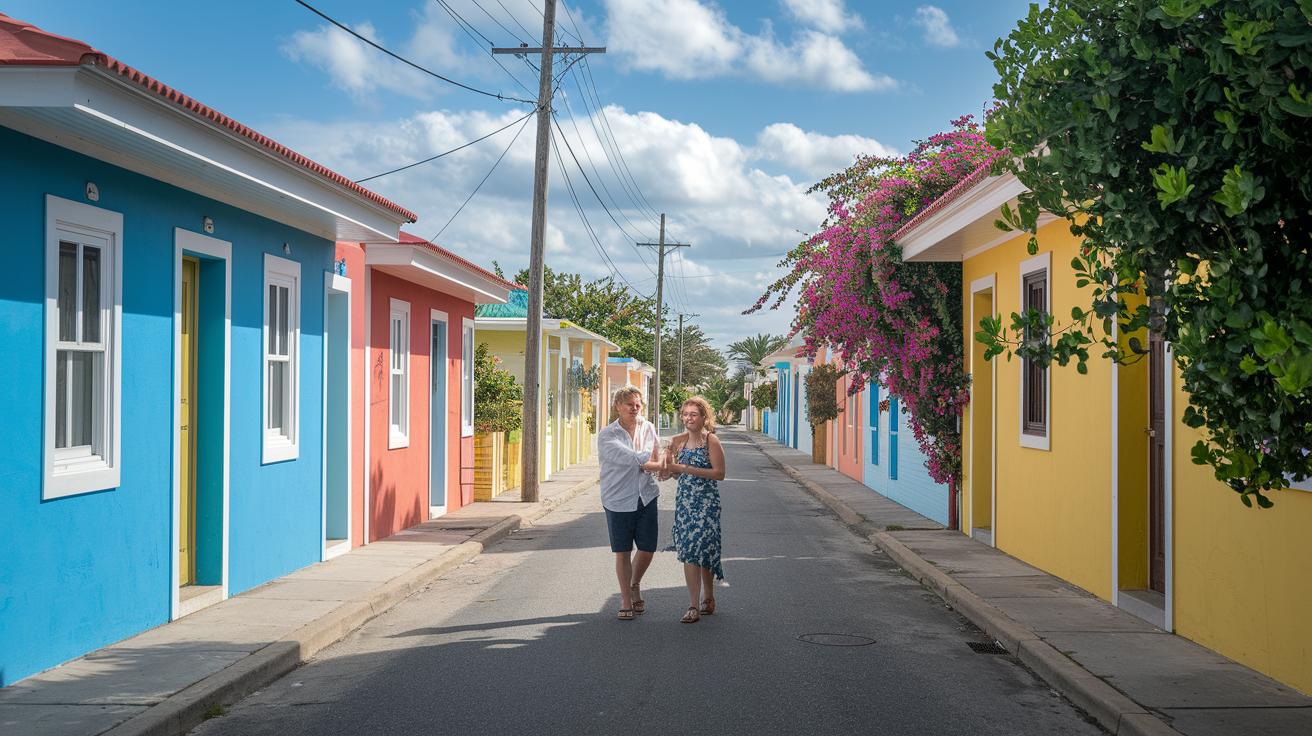
Caribbean Spanish is a lively blend of English, native words, and classic Spanish. It’s like listening to your favorite island tune where every word has a beat. Below you'll find some everyday phrases and words that help you chat like a local and feel right at home.
For instance, when someone wants to say "friendly," they might choose the warm word "amigo," echoing the breezy vibe of a sunlit street.
| Spanish Word/Phrase | Translation | Usage Note |
|---|---|---|
| ¿Qué vuelta? | What’s up? | A common greeting among friends |
| Me gusta la playa | I like the beach | Shows how the verb gustar (to like) is used often |
| Traer vs. Llevar | Bring vs. Take | Keep in mind: “traer” is for bringing something here, while “llevar” means taking it away |
| Boricua | A person from Puerto Rico | A word steeped in local pride |
Every phrase carries its own story. Try them out like you would sample a local dish on a laid-back afternoon. Imagine it like mixing a vibrant tropical salad, start with timeless Spanish, sprinkle in a bit of indigenous spice, and add a dash of English cool. Using these expressions, you'll quickly become part of the community's relaxed and colorful spirit.
Caribbean Language Guide: Regional Spanish Dialects Compared
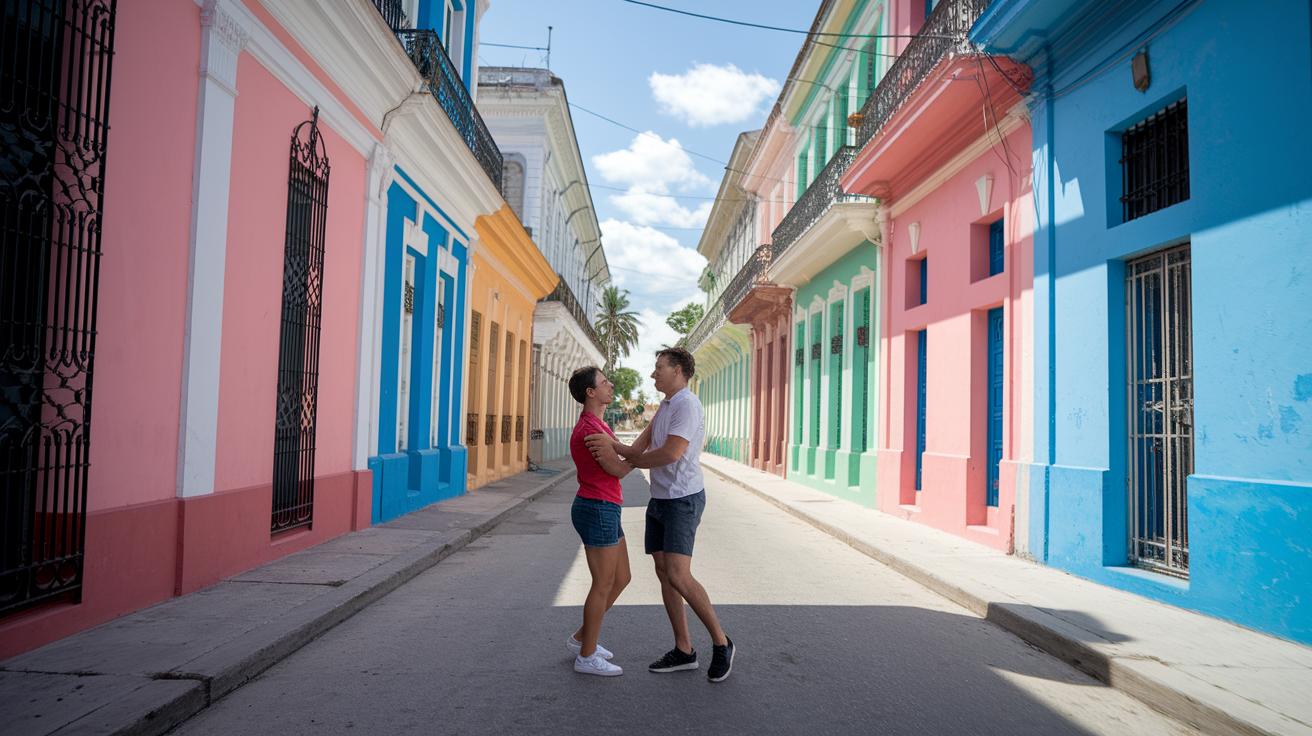
Let’s explore the fun and vibrant world of Caribbean Spanish. In Cuba, you might catch locals asking questions with a twist. Instead of the usual "¿De dónde eres tú?" they say, "¿De dónde tú ere'?" It’s like the words are dancing together, giving the question a playful, relaxed vibe, imagine chatting with a friend on a sunny Cuban street.
Over in the Dominican Republic, Spanish speeds along like a warm Caribbean breeze. Conversations here are fast and full of shortcuts. For example, you might hear a quick "¿Dónde tú ta?" as if the words are blending together in a friendly, effortless banter that mirrors the island’s energetic spirit.
Meanwhile, Puerto Rican Spanish has its own special charm. It mixes the classic sounds of Spanish with a sprinkle of English flavor. The word "boricua" carries deep local pride and tradition. This blend of sounds creates a rhythm that’s as inviting as a sunny day on the island, making every conversation feel warm and familiar.
Even with these unique twists, all these dialects share common features. They use yeísmo, where the sounds for ll and y merge, and seseo, where letters like c or z sound like an s. This common thread weaves the different flavors together, giving learners a rich taste of the Caribbean vibe, just like mixing together all your favorite tropical fruits for a perfect smoothie.
Caribbean Language Guide: Learning Resources and Practice Tips

Learning a new language can be a lot like spending a day on the beach, fun, relaxed, and full of surprises. Imagine tuning into podcasts that bring the sound of the islands right into your ears. You can catch episode 183 for a taste of Dominican flair, 211 for a Puerto Rican vibe, 226 for that classic Cuban charm, 230 to enjoy a dash of Colombian spice, and 177 if you’re curious about a Nicaraguan twist. Experts even say these podcasts are like having a heart-to-heart chat with a friend, using brain-friendly tips to make every conversation easy and enjoyable.
For those moments when you want to put your speaking skills to the test, try using language learning apps or join conversation groups where locals share everyday phrases. Picture yourself at a lively cultural exchange event or even chatting on a fun cruise, they’re all perfect for hearing that bold island rhythm in real life. It’s like adding a live soundtrack to your learning journey!
Here are a few simple tips to keep in mind:
- Listen to specific podcast episodes to pick up the musical lilt of island Spanish.
- Use mobile apps for an easy, daily practice routine.
- Join cultural exchange events where friendly chats build your confidence.
For more adventure in language and travel, check out the Expert Guide to Immersive Local Travel Experiences at https://mauisky.com?p=1703 and see what Onboard Language and Cultural Exchange Activities on Cruises (https://theroyalcaribbean.com?p=2840) are all about.
This guide, first shared on Feb 27, 2021, stays one of our favorite tools to make language learning feel like a vibrant island festival.
Final Words
In the action, the blog post explored how Caribbean Spanish found its roots and evolved through history. We checked out pronunciation quirks and even learned handy phrases.
This caribbean language guide served as a friendly guide to help you feel more at home with island talk. It also shared practical tips and key vocabulary for an enjoyable trip. Let these insights spark your curiosity and boost your confidence for that unforgettable Caribbean escape.
FAQ
Q: What are Caribbean language guide words?
A: Caribbean language guide words introduce local phrases and slang used in island communities, helping travelers understand everyday expressions drawn from Spanish, Creole, and native languages.
Q: How does a Caribbean language guide translator work?
A: A Caribbean language guide translator helps convert local phrases into English, making it easier for visitors to communicate and understand the rich mix of languages spoken on the islands.
Q: What is Caribbean Creole language?
A: Caribbean Creole language refers to the unique languages formed by blending European tongues with African and indigenous influences, resulting in distinct local dialects across various islands.
Q: What are indigenous Caribbean languages?
A: Indigenous Caribbean languages are the native tongues of the region’s first peoples. They offer a glimpse into the history and culture of the Caribbean and are treasured despite being less commonly spoken today.
Q: How many languages are spoken in the Caribbean and which language is most spoken?
A: Multiple languages are spoken in the Caribbean, with Spanish being the most prevalent. Other key languages include English, French, and several Creole varieties that reflect the region’s diverse history.
Q: Which Caribbean language is similar to English?
A: Some Caribbean Creoles, such as Jamaican Patois, share similarities with English due to historical influence, making them easier for English speakers to recognize even though they have developed their own unique sound.
Q: Is Creole Jamaican or Haitian?
A: Jamaican Creole (Patois) and Haitian Creole are both Creole languages but developed separately. Each displays its own unique mix of colonial and local influences, making them distinct from one another.
Q: What is a Caribbean language map?
A: A Caribbean language map visually displays where different languages and dialects are spoken across the islands, highlighting the linguistic variety influenced by history and culture.
Q: How does language vary among destinations like Montego Bay, Barbados, the Dominican Republic, Saint Lucia, Jamaica, and Aruba?
A: Each destination features a unique language mix shaped by its history and culture, ranging from Spanish and English to local Creole variants, giving visitors a rich taste of Caribbean diversity.
