Ever thought Caribbean weather was just endless sunshine? Well, there’s a bit more magic to it than just perfect beach days.
Imagine planning your day with a mix of warm rays, soft breezes, and even a light, refreshing sprinkle when you need it. This handy guide gives you five smart tips to choose exactly the kind of weather that fits your mood, whether you love a dry, crisp day or enjoy a little playful tropical rain.
Get set to transform your escape into the perfect getaway.
Caribbean Island Weather Overview
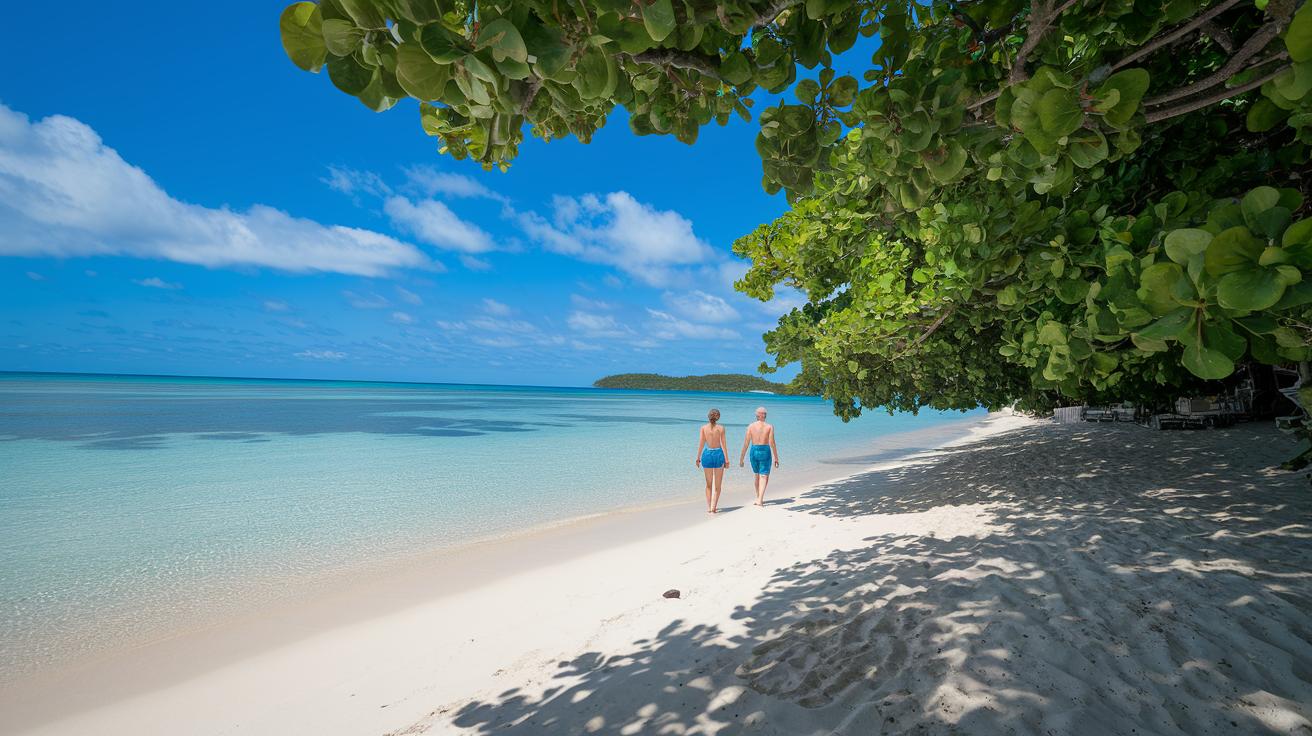
The Caribbean feels like an endless summer, where warm sunshine greets you all year long. Picture yourself walking along a soft sandy beach, with a gentle breeze and the sun wrapping you in a cozy hug. It’s the kind of weather that makes you forget all about those cold winter days back home.
There are two main vibes here. The dry season, or "high" season, runs from mid-December to mid-April. During these months, the weather is mild and rain rarely drops by, making it perfect for beach days and outdoor fun. Then there’s the "low" season from June to November. It’s hotter and more humid, with daily temperatures reaching the high 80s to low 90s°F. You might get a few tropical showers here and there, especially from mid-August to early October when storms are more likely.
Spring and early autumn bring a little something extra. Right after the bustling high season, April and May offer warm days with fewer people and lower prices, making it a sweet deal. Similarly, the time from November into early December gently follows the hurricane season, providing a calm end to the stormy period. This mix of steady warmth and smart travel value makes these shoulder seasons a great time to enjoy the best of Caribbean life.
Seasonal Temperature and Rainfall Patterns Across Caribbean Islands

Imagine a place where each month brings its own little song of sun and rain, a mix that feels as bright as a Caribbean smile. Here, you might wake up to soft, gentle warmth in January, and by September, experience a tropical heat that's bold and lively. The islands keep a steady high temperature year-round, while the rainfall dances in a pattern that can help you pick just the right time for your adventure.
Whether you’re dreaming of long, sun-soaked beach days or don’t mind a refreshing shower now and then, you can plan your trip to match your mood. If clear skies are your thing, the drier months will be right up your alley. But if a few rain showers and fewer crowds sound appealing, then late summer and early fall might be just what you need.
Here’s a handy table that breaks down the weather details for each month, so you can set off on your perfect Caribbean escape:
| Month | Avg High (°F) | Avg Rainfall (in) | Sunshine Hours |
|---|---|---|---|
| January | 82 | 2.0 | 8 |
| February | 84 | 1.5 | 9 |
| March | 85 | 1.0 | 8 |
| April | 85 | 1.2 | 10 |
| May | 89 | 1.0 | 10 |
| June | 90 | 3.0 | 8 |
| July | 88 | 3.0 | 8 |
| August | 90 | 3.5 | 8 |
| September | 88 | 4.0 | 7 |
| October | 87 | 3.0 | 7 |
| November | 85 | 2.0 | 8 |
| December | 84 | 1.5 | 8 |
By checking out this table, you’ll know exactly when the sun and rain team up to create your ideal island getaway. Whether you’re after endless beach lounging or a mix of bright days and soft showers, your Caribbean journey will feel just right.
Hurricane Season and Storm Risk in the Caribbean Islands

From early June to the end of November, the Caribbean islands welcome hurricane season. This is the time when heavy rains and strong winds can surprise you, especially from mid-August to early October. Picture yourself planning a beach day only to see the sky switch from bright blue to a stormy gray. During these peak months, the natural rhythm of the islands changes, and you might notice fewer tourists as Mother Nature takes the stage.
It’s a smart move to keep an eye on the weather during this time. Check local storm updates and listen to trusted sources for any tropical storm alerts. And, hey, getting travel insurance that covers weather changes can save you a lot of hassle if your plans need a quick tweak. If severe warnings pop up, consider adjusting your itinerary so you can stay safe and make the most of clear, sunny days.
Being aware of the weather helps you enjoy the Caribbean magic even with its occasional stormy surprises. Stay informed, be prepared, and you'll be all set to soak in the beauty of the islands when the skies clear again.
Comparing Weather Across Popular Caribbean Islands
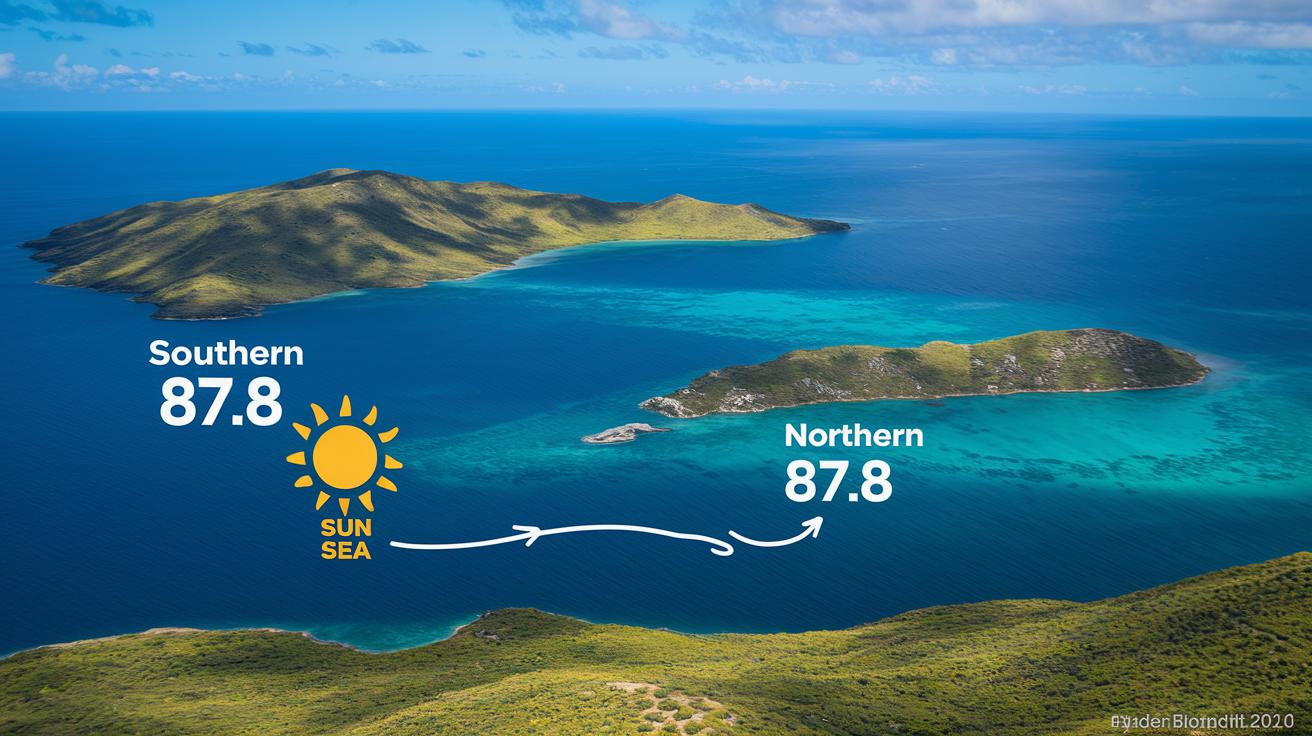
When you visit the Caribbean, you might notice that the weather can change a bit depending on where you are. Down south, it's generally warmer, even in January, compared to the islands up north. For example, in October, southern islands can reach about 87.8°F while northern spots hover around 86°F. This small difference also shows up in the rain. Up north, the air inland is a bit drier, and a gentle coastal breeze keeps the temperatures just right, but down south, you can feel a bit more heat and stickiness. It’s like comparing two friends who both love the sun but each brings their own unique flavor to the experience.
Big islands like the Dominican Republic, Cuba, and Jamaica usually have bigger swings in daily temperatures and more rain when you go inland. This mix means you might enjoy bright sunshine by the beach and cooler, wetter moments away from it. On the other hand, smaller spots like Cozumel, Turks & Caicos, and the British Virgin Islands tend to enjoy steady sunshine and skies that clear up quickly after a short rain shower. This consistency makes it easier to relax on the beach without unexpected changes in the weather.
5 caribbean island weather guide: Enjoy sunny vibes

Planning your Caribbean escape? Try timing your trip for those quieter months in April, May, or even November. During these times, you get warm days and lower prices compared to the busy season from mid-December to mid-April when everyone is flocking to the islands. And if you can catch special events like HEAL Week in February or October 2026, that adds a fun twist to your getaway.
When packing, think light and breathable, bring along a reliable sun hat, your favorite sunscreen, and a solid pair of sunglasses to soak up those bright, sunny days. You might also want to toss in a small waterproof jacket or a compact umbrella just in case a surprise shower rolls in. It’s a smart move to grab travel insurance and keep an eye on local storm updates. For extra tips on staying healthy while traveling, check out this handy guide on travel health precautions (https://mauisky.com?p=1673).
Final Words
In the action, we covered how warm Caribbean weather stays nearly constant while shifting seasons paint a clear picture of dry spells, rainy months, and those prized shoulder periods. We walked through monthly insights, compared island differences, and shared tips to pack smart for sudden tropical sprinkles.
This caribbean island weather guide gives you a clear roadmap to making the most of every sunlit moment. It’s all about enjoying nature’s rhythm and emerging with memories that’ll brighten your spirit.
FAQ
What does a Caribbean island weather guide by month show?
A Caribbean island weather guide by month shows how warm temperatures persist year‐round, with a dry season from December to April and a wetter period from June to November, offering key tips for planning your visit.
How can I learn about November weather in the Caribbean?
A Caribbean island weather guide for November shows tapering rainfall and milder temperatures as the rainy season ends, making it a smart time to enjoy fewer storms and lower travel costs.
What does a 14-day Caribbean weather forecast indicate?
A 14-day Caribbean weather forecast indicates short-term temperature trends, expected tropical showers, and possible hurricane risks during peak months, helping travelers adjust their plans accordingly.
What are typical Caribbean temperatures by month?
Caribbean temperatures by month remain consistently warm, with highs ranging from the mid-80s°F during the dry season to the low 90s°F in the rainy period, ensuring pleasant conditions for most activities.
What is the weather like in the Caribbean in February or March for cruises?
The weather in the Caribbean in February and March is generally mild and sunny, offering lower rainfall and comfortable temperatures that are ideal for cruising and outdoor island adventures.
How does Caribbean weather in April compare for travelers?
Caribbean weather in April features mild temperatures with extended sunshine and occasional showers as the dry season winds down, providing a balanced climate for exploring the islands.
When is the best month to visit the Caribbean?
The best month to go to the Caribbean is during the dry season, typically between December and April, when clear skies, mild temperatures, and calm seas offer the most enjoyable travel conditions.
Which Caribbean island offers the best weather?
Which island in the Caribbean has the best weather depends on personal taste; however, islands like Curaçao and Barbados often enjoy steadier sunshine and fewer heavy rain episodes compared to larger islands.
What months tend to bring bad weather in the Caribbean?
Bad weather in the Caribbean is most typical during the low season from June to November, when tropical showers are frequent and summertime storms, including hurricanes, peak from August to October.
Is there any bad weather in the Caribbean right now?
Whether there’s bad weather in the Caribbean now depends on the season; during the rainy season, short bursts of heavy rain and strong winds are common, while the dry season brings fewer weather disruptions.
