Ever pictured enjoying a worry-free escape while soaking up the Caribbean vibe? With unexpected changes and new alerts on the islands, planning is more important than ever.
Think of it like getting ready for a day at your favorite beach, keeping an eye on the tide can make all the difference. A bit of planning and keeping updated on local news can turn any surprise into something you’re ready to handle.
This guide will walk you through easy safety tips that help you stay relaxed and confident. Ready to learn some smart strategies so you can truly enjoy your island getaway? Let’s dive in and explore how you can travel with the peace of mind that you deserve.
Caribbean Travel Advisory: Current Warnings and Alerts
The U.S. State Department is warning visitors to stay extra alert in Jamaica. Crime has been on the rise, the health system is under pressure, and recent natural disasters have taken a toll on the island.
Last week, Jamaica was hit by Hurricane Melissa, a strong Category 5 storm that brought heavy rains and violent winds. At least 40 people lost their lives, and many communities are now dealing with flooded streets and damaged travel routes. It’s a hard reminder of nature’s power.
Recent changes to this advisory ask travelers to take extra care with their personal safety and be ready for emergencies. For example, carrying items like empty shell casings can get you into big trouble, even if they are not live. One traveler even shared that a spent shell almost cost them their freedom. That really shows how risky these situations can be.
The State Department looks over these Level 3 and Level 4 warnings every six months, with the next check set for May 2026. Even with such concerns, the Caribbean still pulls in huge numbers of visitors. In 2024, over 12 million people from the U.S. made the trip, and 1.8 million of those headed straight to Jamaica. It goes to show that many still believe in the island’s charm.
If you’re planning a visit, make sure you have a personal emergency plan in place. It’s best to avoid walking, driving, or taking public buses at night. These simple steps can help you keep safe and enjoy your time in the Caribbean.
Caribbean Travel Advisory Entry Requirements and Visa Guidelines
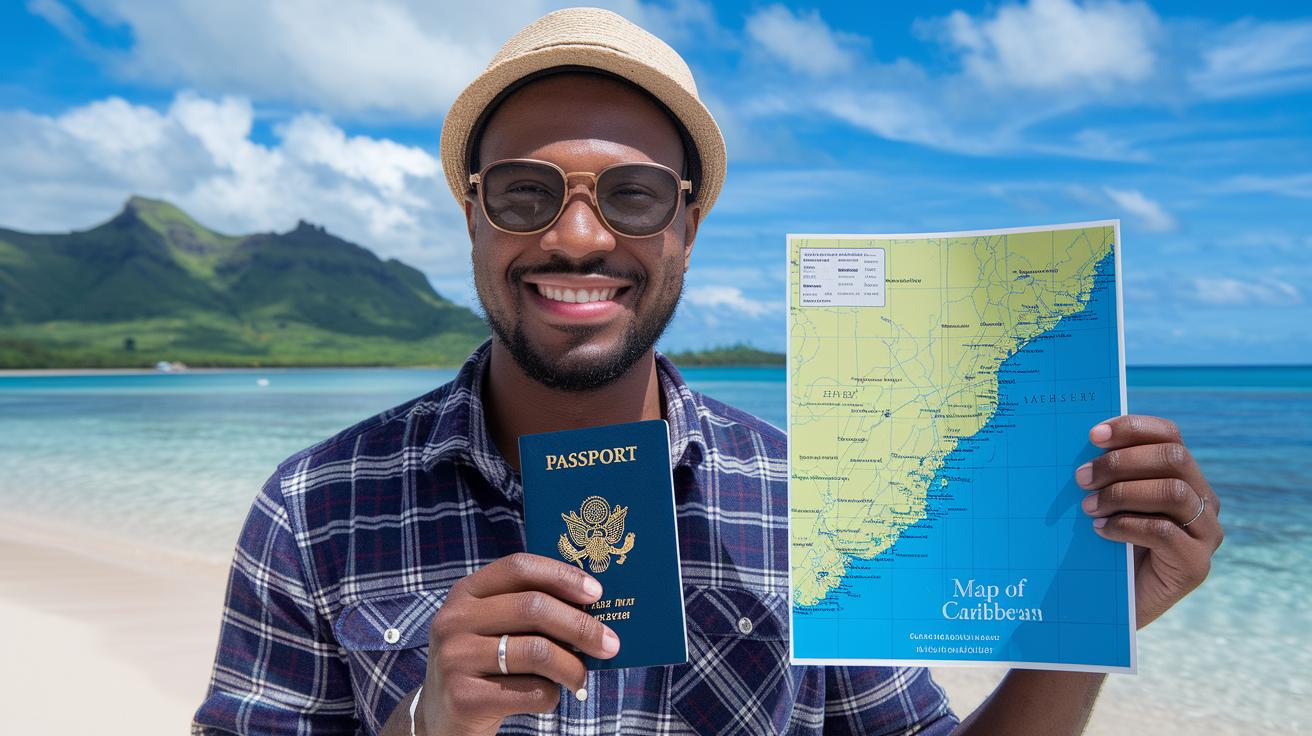
Even a small detail, like carrying proof of funds, can open doors to endless beach days without interruption.
Visa and entry rules change from one Caribbean island to another. For example, if you hold a Caribbean passport, many CARICOM countries let you stay for up to six months without a visa, just like enjoying a long, carefree day at your favorite spot on the sand. And if you’re visiting from the US, Canada, the EU, or the UK, you can usually enter visa-free for anywhere between 30 and 180 days, depending on which island you’re headed to.
For folks with citizenship in OECS member states, there’s an extra perk. Thanks to the free-movement arrangement, you can stick around indefinitely. This means that even if you’ve earned your citizenship by investment, what started as a temporary escape might just turn into a longer adventure. But remember, each island can still ask for extra papers. You might need to show proof of an onward ticket or evidence that you have enough funds to get back home safely.
If you’re ever unsure about these details, it’s a good idea to chat with a local Caribbean travel agency. They can help clear up any questions and make sure your trip goes off without a hitch.
Always double-check each island’s guidelines before you head out. After all, a smooth getaway is all about planning those little details just right.
Caribbean Travel Advisory Health and Medical Alerts
If you’re planning a trip to the Caribbean, travel insurance is a real lifesaver. Many of the smaller islands don’t have extensive medical facilities, so if you get sick or have an accident, you could end up with a big bill. It’s a bit like packing your favorite sunscreen, you’re just making sure you’re covered no matter what.
Staying up to date with your vaccines is super important too. Some islands require a Yellow Fever shot, and COVID-19 rules can change from one spot to the next. A handy expert guide shows you exactly what you need. Ever felt that little relief when you remembered to grab an umbrella on a rainy day? That’s what getting your shots can feel like.
Mosquitoes in the Caribbean can be more than just annoying, they can carry diseases like dengue, Zika, or chikungunya. Simple steps like using mosquito nets and repellents can really help. A local travel tip is to always keep a trusty bottle of repellent with you, like a magic ticket to staying safe.
Lastly, it never hurts to have a list of important medical contacts on hand. Jot down phone numbers for local hospitals and your embassy hotline so help is always just a call away in an emergency.
Caribbean Travel Advisory Crime and Security Notices

Kingston and Montego Bay are lively cities with tons of energy, but they also face issues like theft, pickpocketing, and even violent attacks that can catch visitors off guard. One traveler said, "I was enjoying the city lights and suddenly felt unsafe because I wasn’t aware of my surroundings." If you’re exploring these busy urban spots alone, it’s a good idea to stay extra alert, even when the streets seem busy.
At night, try not to wander on your own and steer clear of dark or quiet areas. It’s much safer to use transportation approved by your hotel instead of hailing a random cab. One traveler summed it up by saying, "Taking a trusted taxi felt like having a local friend guide me safely through unseen alleys." And remember, local laws are strict about firearms; even empty bullet casings can lead to serious legal trouble, including long jail time.
Here are a few simple tips to help keep you safe:
| Tip | Why It Helps |
|---|---|
| Keep your valuables in the hotel safe | It minimizes the risk of theft. |
| Travel in groups when possible | There is safety in numbers. |
| Register with your embassy upon arrival | They can help in emergencies. |
By staying cautious and prepared, you can turn your trip into a secure and enjoyable getaway, letting you fully appreciate the Caribbean’s charm with peace of mind.
Caribbean Travel Advisory Weather and Natural Disaster Alerts
The hurricane season in the Caribbean runs from June 1 to November 30, with the strongest storms appearing from August to October. In 2025, Hurricane Melissa, a fierce Category 5 storm, battered Jamaica, causing severe floods, damaging homes and roads, and sadly taking at least 40 lives. Travelers should pay close attention to coastal flood warnings, storm surge alerts, and flash flood notices in low-lying areas.
Think of it like checking your weather app before a rainy day, it's a simple step that can make a big difference. Using trusted sources such as NOAA (the National Oceanic and Atmospheric Administration) and the Caribbean Meteorological Organization helps you stay informed. One traveler shared, "I made sure I knew my local evacuation route and where the shelters were before I set off, and that extra step made me feel much safer when a heavy downpour hit."
Here are some practical steps to keep your getaway safe:
- Keep an eye on official weather updates.
- Learn your local evacuation routes and find nearby shelters.
- Get hurricane-coverage insurance to help with unexpected costs.
- If you’re on a cruise, check the cruise port guidelines to stay aware of any port closures or route changes during severe weather.
By keeping these tips in mind, you stay prepared during stormy days and can really enjoy the sun when it comes out again. Always plan your activities with a look at the forecast and local advice in mind. This kind of simple preparation can turn a weather alert into a secure and enjoyable Caribbean escape.
Caribbean Travel Advisory Regulatory and Policy Updates
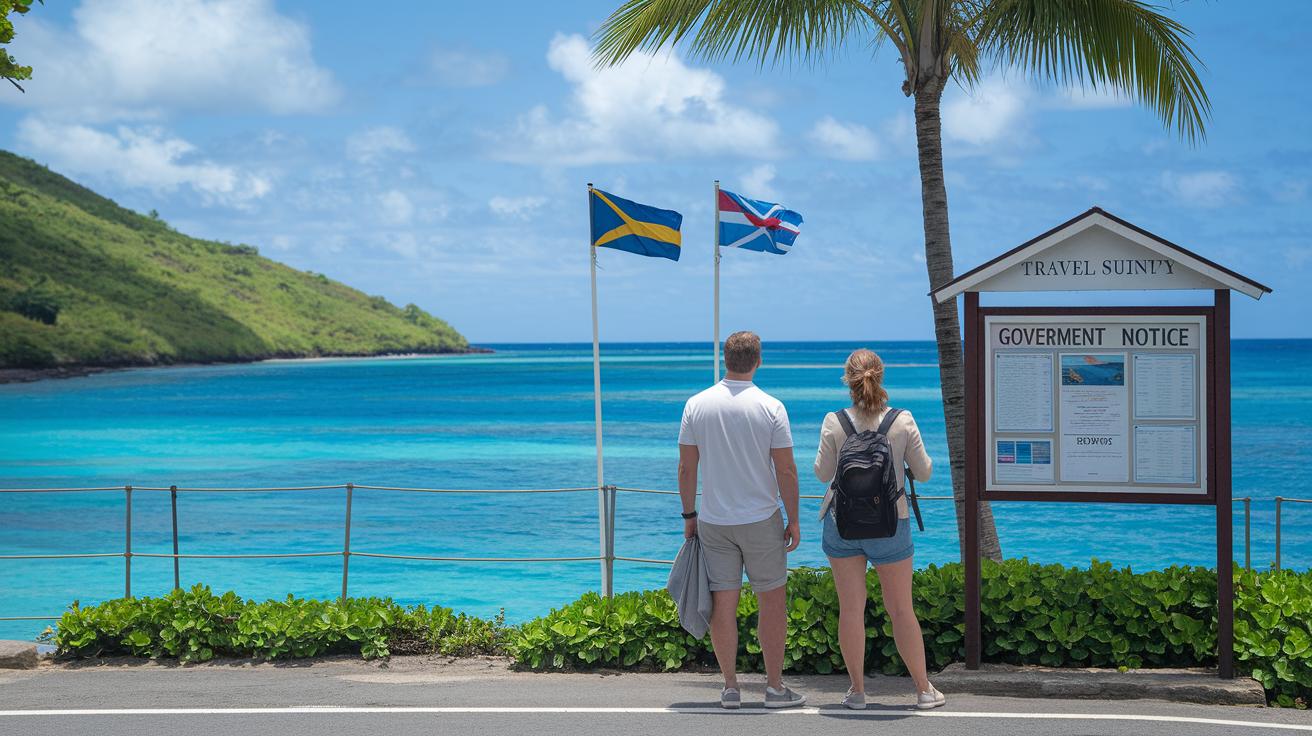
Recently, changes in rules are shaping how you can explore the Caribbean. U.S. officials are checking on entry rules for those traveling from certain Caribbean islands, so you might need to tweak your travel plans a bit. At the same time, new guidelines for citizenship-by-investment programs in Antigua & Barbuda and St Kitts & Nevis kicked in January 2025. This means the process to earn residency through investment has evolved, which could affect longer stays or future travel dreams.
Since August 2025, most islands waved goodbye to mask mandates related to COVID-19. Instead, testing now depends on your vaccination status. To keep things smooth, airlines and port authorities introduced digital health declaration portals and pre-travel QR codes in late 2025. These handy tools make it easier to sort out your travel details while still keeping everyone safe.
Staying updated on these changes is key for your trip planning. Keep an eye out for new entry rules and digital checks so your Caribbean getaway stays smooth and secure.
Caribbean Travel Advisory Official Sources and Emergency Contacts
When planning a Caribbean adventure, safety is your best travel buddy. Reliable numbers act like a lifeline during those unexpected moments. For instance, if you need urgent help in Jamaica, try calling the U.S. embassy at +1-876-702-6000. And while in The Bahamas, help is just a call away at +1-242-322-1181.
Local help is always near too. In Jamaica, you can reach local police by dialing 119, while in The Bahamas, give 999 a ring. Many Caribbean islands even have a 911-style service to get you fast assistance. Keeping these numbers handy ensures you’re ready to respond quickly if things go sideways.
A smart tip? Enroll in STEP, the Smart Traveler Enrollment Program (it sends real-time alerts and support right from your embassy). And while you're at it, check out official online sources like the CARICOM and OECS websites for the latest travel advice and additional contact info. It’s a neat way to stay updated on any local changes.
Before you set off, always verify these numbers because details might change. One traveler once shared, "Having all the emergency contacts saved on my phone was a lifesaver during a sudden event." A little extra prep goes a long way in making sure your Caribbean escape stays safe and stress-free.
Final Words
in the action, we've covered warnings on weather, crime, health, and policy updates across the Caribbean. We highlighted visa requirements alongside clear safety contacts and practical tips for careful planning while on the move. Recent updates, like the state alerts and hurricane impacts, remind us to keep well-informed and prepare with solid travel insurance. This caribbean travel advisory serves as a handy guide to help you stay safe and enjoy every moment under the warm Caribbean skies. Here's to a smart, well-planned trip filled with unexpected delights.
FAQ
What does the list of countries on the do not travel list cover?
The list of countries on the do not travel list covers nations flagged by officials for serious safety concerns, helping travelers steer clear of areas with high risks from crime, health issues, or natural events.
What do Level 1, 2, 3, and 4 travel advisory countries mean?
The travel advisory levels assign warning ratings to countries. Level 1 indicates minimal concern, while Level 4 signals high risk. Officials use these levels to help travelers make informed safety choices.
What does the U.S. travel advisory map show?
The U.S. travel advisory map displays risk levels by region, highlighting safety alerts based on crime, health, and weather. It offers travelers a quick guide to current advisories for planning their trips.
What is the new State Department travel advisory?
The new State Department travel advisory provides updated safety warnings, including recent crime, health, and natural disaster alerts. It aims to guide travelers by outlining current risks at destination points.
Which Caribbean islands have travel advisories or are advised against visiting?
Some Caribbean islands hold travel advisories due to heightened safety concerns from crime or natural disasters. Travelers should check official updates to know which areas are best to avoid for a safer visit.
Are Turks and Caicos under a travel advisory?
Turks and Caicos may be subject to travel advisory updates based on evolving safety, weather, or health conditions. It is best to consult the latest official guidance before planning a visit.
