Ever wonder if nature can be both powerful and gentle? Imagine Caribbean volcanoes that blow bursts of heat and then settle into a calm, timeless pace. These marvels aren’t just fiery spots on a map, they're like quiet storytellers sharing secrets of the islands' pasts.
Some volcanoes are still active, rumbling with energy, while others rest peacefully like old guardians of the land. They shape the islands and even help create life under the ocean waves. Let’s take a closer look at these wonders that spark curiosity and awe, showing us that even fire can share a moment of tranquility.
Comprehensive Overview of Caribbean Volcanoes: Locations, Status & Features
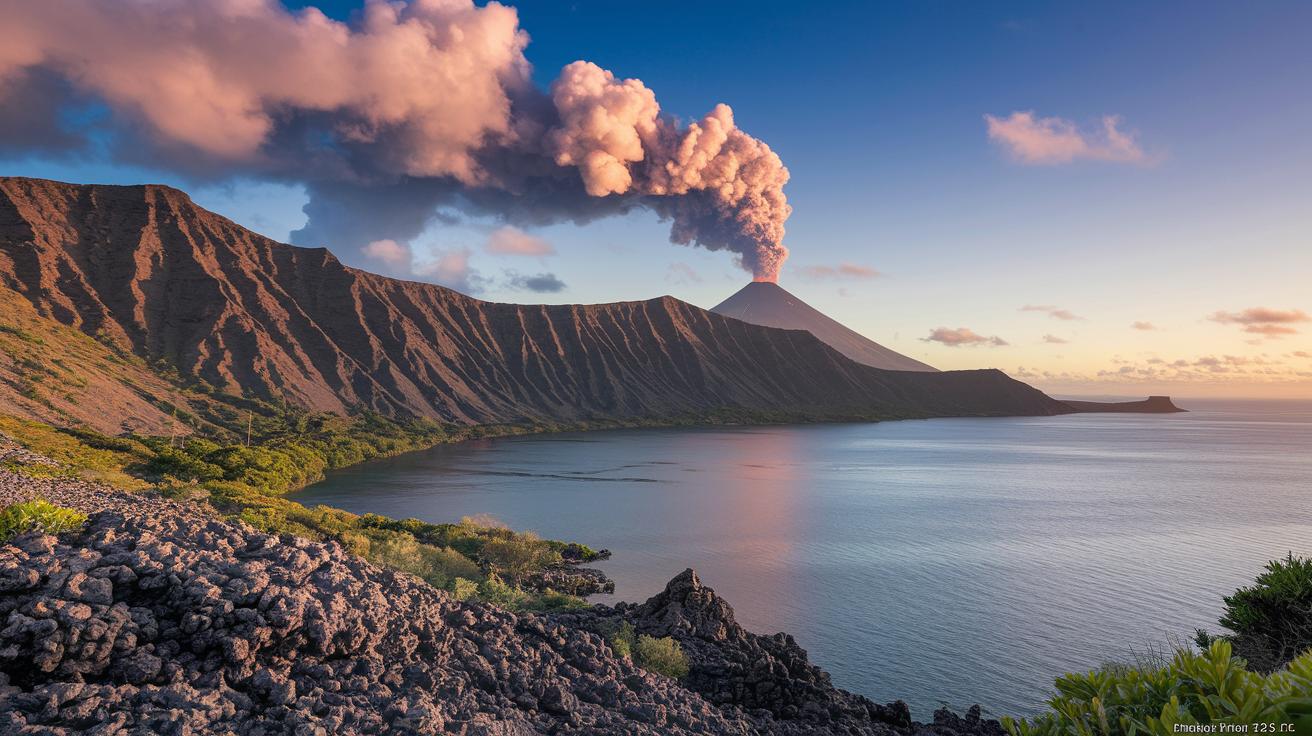
When you wander through the Caribbean, you'll discover volcanoes that blend fiery bursts with a gentle, timeless calm. Some islands have volcanoes that are very active and continue to change the land, while others host peaceful, sleeping giants that whisper stories from long ago. Even the old, extinct volcanoes tell tales of a rich natural history, and secret vents beneath the sea help nourish colorful coral reefs.
Imagine a landscape filled with steep, towering volcanoes and rugged formations sculpted from flowing lava. Active volcanoes like Soufrière Hills in Montserrat light up the horizon with ongoing eruptions, while other massive, slumbering volcanoes add a quiet, mysterious charm to the region.
- The Quill (St. Eustatius): A sleeping volcano with a 300 m-wide crater, lovingly maintained by STENAPA.
- Soufrière Hills (Montserrat): A lively volcano that has been erupting since 1995.
- La Soufrière (St. Lucia): A volcano that is still active in its own way, with a long history of eruptions.
- Nyamuragira (Saba): A rugged dome formed by lava, with soft, quiet slopes.
- Kick 'em Jenny (St. Vincent and the Grenadines): An underwater volcano that no longer erupts.
- Kaspar (St. Kitts): A dormant volcano marked by ancient lava flows.
Stretched out in a chain from the northwest to the southeast in the Lesser Antilles, these islands show off a fascinating mix of volcanic features. This lineup is a clear sign of the shifting tectonic forces that have slowly shaped each island over the years, inviting both scientists and travelers to dive into the region's deep geological story.
Geological Formation of Caribbean Volcano Chains

Every Caribbean island tells its own tale written in rock by powerful earth movements. Deep below, the hard Atlantic ocean floor slowly slides under the Caribbean Plate at about 2 cm per year. This steady push creates pressure that sometimes bursts out as volcanic activity, constantly shaping and reshaping the islands and their rugged charm.
Over the years, repeated eruptions have given these islands a unique character. Lava flows from these fiery bursts have carved steep cliffs, hidden caves, and scattered rock fields that make the land feel wild and alive. Scientists studying the layers of rock see fascinating signs of how composite cones and rounded lava domes have formed. These not only add new land but also create perfect settings for bright coral gardens and bustling marine life along the rocky seabed.
Today, experts use modern tools like high-resolution ocean maps and 3D surveys to explore deep beneath the waves. These techniques reveal hidden submarine vents and zones where large craters have collapsed. With these fresh discoveries, we get a clearer picture of the mysterious, ever-evolving story beneath the Caribbean seas.
Planning Research Expeditions to Caribbean Volcanoes

Getting out into the Caribbean for field research lets you feel the island's heartbeat up close. Researchers and curious adventurers can learn a lot by observing the land firsthand, taking careful rock samples, and measuring the warmth of natural springs. There's nothing like experiencing volcanic sites in person when you want to truly understand what shapes these islands.
Our first trip kicks off in early December from Gingerbread Hill in Montserrat. You'll head over to Guadeloupe to see the active Soufrière volcano and then make a stop in St. Vincent. Next, you'll relax in the soothing hot springs of Dominica before wrapping up your adventure in St. Vincent & the Grenadines.
Trip number two is set for early April. This journey has a unique twist with a drop-off at Gingerbread Hill, giving you a flexible way to see the same volcanic areas from a fresh perspective.
Then there's Trip three, which starts again from Montserrat. Along the way, you'll visit St. Eustatius, Nevis, St. Kitts, and Saba, before finishing up in the Virgin Islands. Each stop offers a new look at the island's volcanic features.
Before you head out, make sure you sort out any permit requirements and team up with knowledgeable local guides. Working with locals not only helps you follow regional rules but also keeps you safe, especially in areas where the land can change on a dime. With a solid emergency plan and up-to-date hazard checks, you can enjoy this eye-opening adventure while staying safe.
Monitoring & Hazard Preparedness for Caribbean Volcanoes
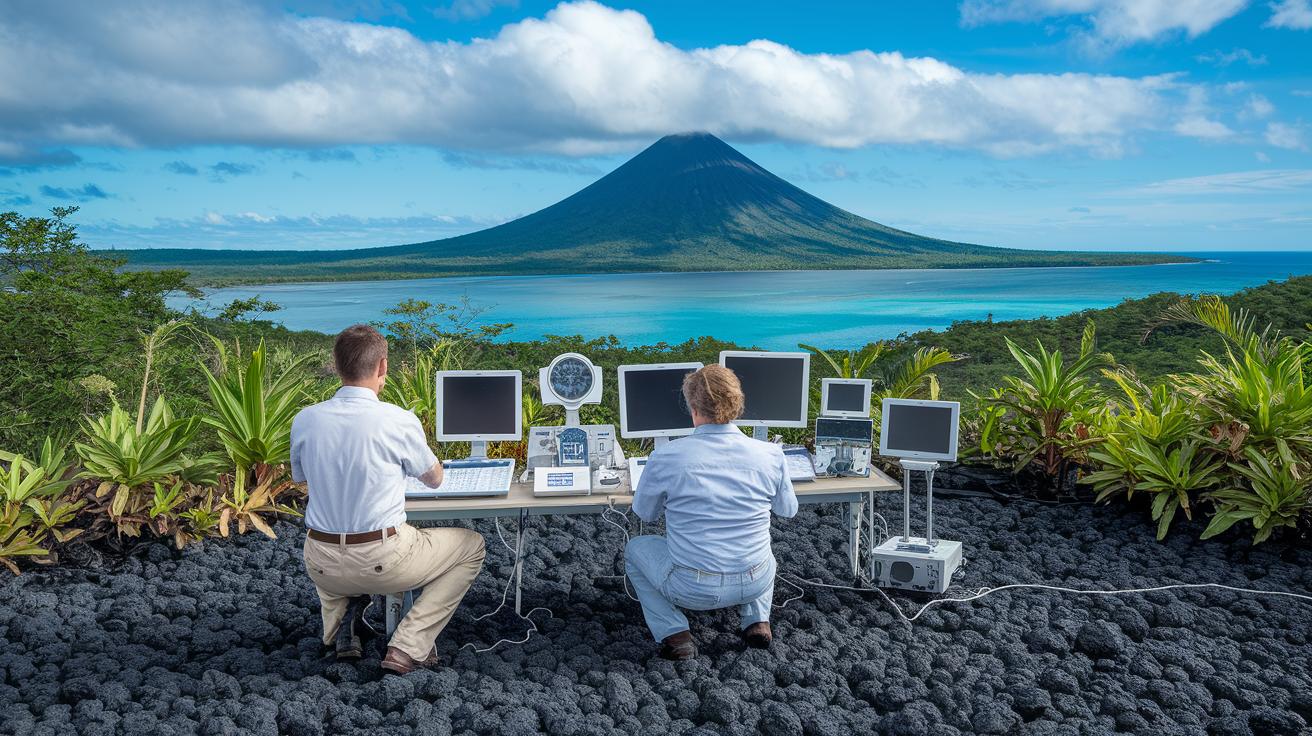
Scientists in the Caribbean use many different tools to keep watch over volcanoes. They set up networks of quake detectors and gas sensors that send real-time info to systems linked with satellites. Even a tiny change in these readings can hint that a volcano is starting to stir. This close watch helps researchers catch subtle signals long before any eruption may occur.
Hazard maps also play a big role in preparing for volcanic risks. Experts mix models that show where ash and debris might fall with 3D maps of volcano shapes. This blend of data from monitoring tools helps them check volcano risks day by day. Over time, studies that measure gas leaks and shifts in the ground make these maps even better, so scientists can update safety plans across the islands.
Volcano alert systems are a key part of being ready. People living near risky sites, like Soufrière Hills, often take part in drills and practice emergency plans. This way, when an alert comes up, everyone knows exactly what to do.
Visiting Caribbean Volcanoes: Tourism & Safety Guidelines
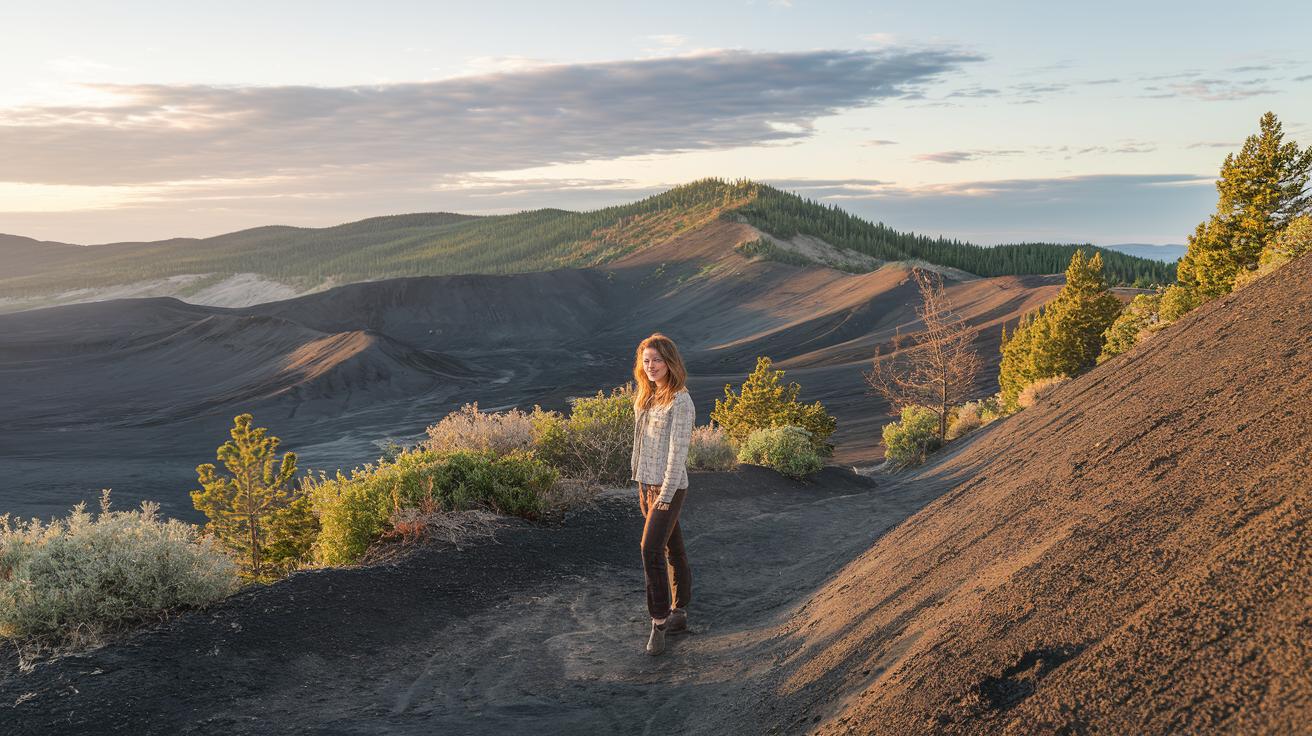
Volcano tourism is a unique mix of natural wonder and fun learning. Imagine standing near soft, volcanic slopes, breathing in the earthy scent, and seeing landscapes molded by ancient eruptions. It really makes you feel the magic of nature.
Think about staying at the Golden Rock Resort, nestled close to The Quill’s foothills. You can step right onto a trail leading to breathtaking views that beckon you to explore. Plus, visitor centers on places like St. Eustatius and Montserrat feature interactive displays that share the region’s volcanic story. And with modern places to stay nearby, your journey feels easy and exciting.
When you set out, it's best to stick to the marked trails and hire guides certified by STENAPA. Be sure to pack the right gear, follow permit instructions, and listen to local advice. These steps aren’t just about safety, they help protect the environment, too.
Visiting these volcano sites isn’t just about discovering nature’s surprises. It also supports local communities by creating jobs and building community pride. In a way, your adventure helps keep the vibrant spirit of the Caribbean alive.
Ecological & Agricultural Impacts of Caribbean Volcanism

Volcanic ash and lava mix into the soil, loading it up with minerals that sugarcane and bananas love. This natural boost makes the land super fertile, helping farmers bounce back fast after an eruption. It’s almost like nature is lending a hand, turning fresh volcanic deposits into a rich bed for crops and smarter farming practices.
After an eruption, the landscape changes quickly. Pioneer plants spread over the new ash and lava, acting like nature’s first responders to steady loose slopes. Their growth paves the way for a fuller, more colorful return of plants. Plus, local communities use volcanic rocks in building roads and houses, creating a friendly cycle where nature and daily needs work together.
Local experts keep an eye on water quality and shifting habitats through regular checks. These studies help ensure that both nature and agriculture thrive, even as the volcanic scene keeps offering new surprises.
Underwater Volcanoes & Submarine Eruptive Vents in the Caribbean
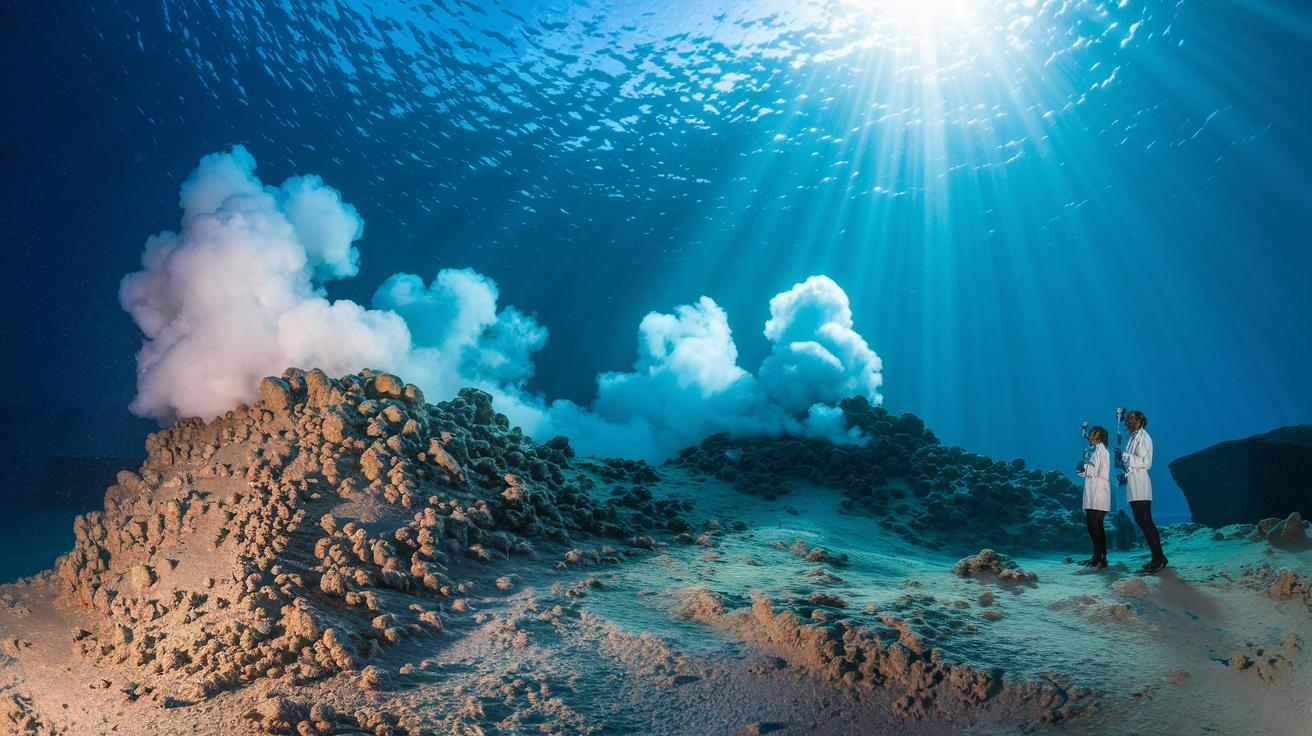
Deep in the Caribbean Sea, old vents form rocky hills and ridges that show just how strong nature can be. Over countless years, these vents have built up by releasing warm, mineral-rich fluids that gently reshape the seafloor.
Scientists keep a close eye on the gases escaping from these underwater vents by using smart tools to measure both the amount and type of gas. This information helps them create models that show how volcanic gases and tiny particles spread through the sea. These models work like treasure maps, guiding us to understand how underwater eruptions help form new land and change the seafloor, and even giving hints about the timing and size of future eruptions.
Diving near lava-formed reefs is like stepping into a magical world. Divers get to see colorful coral and bustling marine life thriving on volcanic rocks. The mix of fresh lava flows with older reefs creates vibrant underwater gardens that seem to pulse with life. It’s a wonderful reminder of how nature combines different forces to create ever-changing, living landscapes beneath the waves.
Case Studies: The Quill & Soufrière Hills Volcanoes
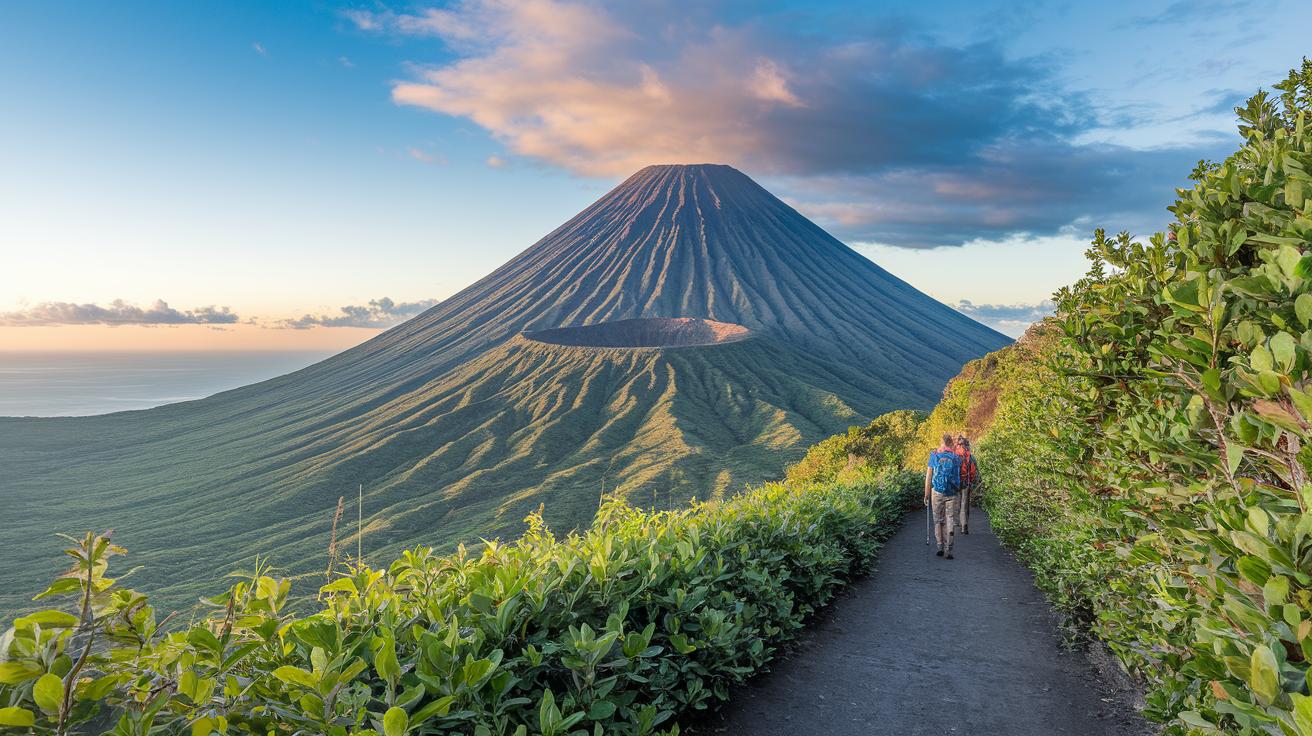
The Quill, St. Eustatius
The Quill stands tall on St. Eustatius. This volcano, over 600 meters high, features a wide 300-meter crater that tells the story of nature’s raw power. Look after it with care, just like STENAPA does, keeping safety and preservation in mind. Whether you're taking a gentle walk or setting off on a vigorous hike, every step invites you to sense the history written in the stone. Each layer of solidified lava and scattered ash whispers secrets of a time when the island roared with fiery vigor.
Clear, well-marked paths help you explore safely while you soak up breathtaking views, feeling the heartbeat of the island's ancient energy.
Soufrière Hills, Montserrat
Soufrière Hills on Montserrat is a place where nature and history come alive. On trips like Schooner Heron’s December journey from Gingerbread Hill, you can watch bubbling fumaroles (hot vents that let out steam) and see the rugged remains left by explosive pyroclastic flows. It’s like stepping into a living classroom where heat and ash mix into an unforgettable, natural display.
During these adventures, researchers use hands-on techniques like rock sampling, thermal spring checks, and scuba surveys of underwater lava to learn more about the volcano’s changes. Each method helps reveal how this powerful force continues to shape the island. Every visit here deepens our wonder for the amazing forces working quietly beneath the Caribbean ground.
Final Words
In the action, we covered how active, dormant, and extinct volcanic sites spice up Caribbean travel. We looked into science-based research, safe tourism, and even the underwater vents that shape island beauty. The post shared tips for planning eco-friendly trips and experiencing local cultures alongside thrilling volcano visits. Caribiana.com brings clear insights into caribbean volcanoes, making every trip a mix of wonder and laid-back charm. Enjoy every moment as nature guides you to the best experiences.
FAQ
What does a Caribbean volcanoes map show?
A Caribbean volcanoes map shows the spread of active, dormant, and extinct volcanoes across the islands, helping you visualize each natural site’s unique location and characteristics.
What is included in a Caribbean volcanoes list and their location details?
A comprehensive list explains each volcano’s island placement, status, and features. It provides a quick guide to help you plan visits or delve into regional geological studies.
What is considered the most dangerous volcano in the Caribbean?
Soufrière Hills on Montserrat is often seen as the most dangerous due to its ongoing activity, prompting rigorous monitoring and emergency plans that help protect local communities.
How many volcanoes are in the Caribbean?
The Caribbean hosts dozens of volcanoes, covering a range of activity levels from active cones to dormant and extinct structures that together shape the region’s dynamic natural terrain.
What occurred during the Caribbean volcano eruption in 1995?
The 1995 eruption, particularly at Soufrière Hills, stressed the need for accurate monitoring and emergency preparations. It led scientists to refine tracking methods and update local safety protocols.
What defines dormant volcanoes in the Caribbean?
Dormant volcanoes, like The Quill on St. Eustatius, show long periods of inactivity while possessing a potential for future activity, making them appealing spots for both research and scenic visits.
What is the biggest volcano in the Caribbean?
The Caribbean’s largest volcano is often identified as The Quill on St. Eustatius. It features a massive crater and extensive trails maintained by local services for visitors to explore safely.
Which Caribbean island was largely affected by a volcanic eruption?
While no island has completely vanished, regions on Montserrat were dramatically impacted by the eruption of Soufrière Hills, which reshaped local landscapes and community settlements.
Is Jamaica a volcano?
Jamaica is not volcanic. Its landforms have evolved from different geological processes, meaning you won’t find any active or dormant volcanoes on the island.
Is the Bahamas a volcano?
The Bahamas are not volcanic; instead, they were formed by sedimentary processes that created unique carbonate islands and platforms, distinctly different from the volcanic islands of the Caribbean.
