Have you ever wondered why Caribbean traditions feel like a warm hug from the past? Over here, every song, ritual, or family meal tells a tale of resilience and shared hope. Native roots mix with hints of European explorers and distant voices to form a colorful way of living.
Locals keep cherished customs alive while adding their own special touch, all with a deep love for family and community. This piece looks at how these cultural values shape everyday life and keep Caribbean spirits shining bright.
Caribbean Cultural Values and Traditions: Inspiring Heritage
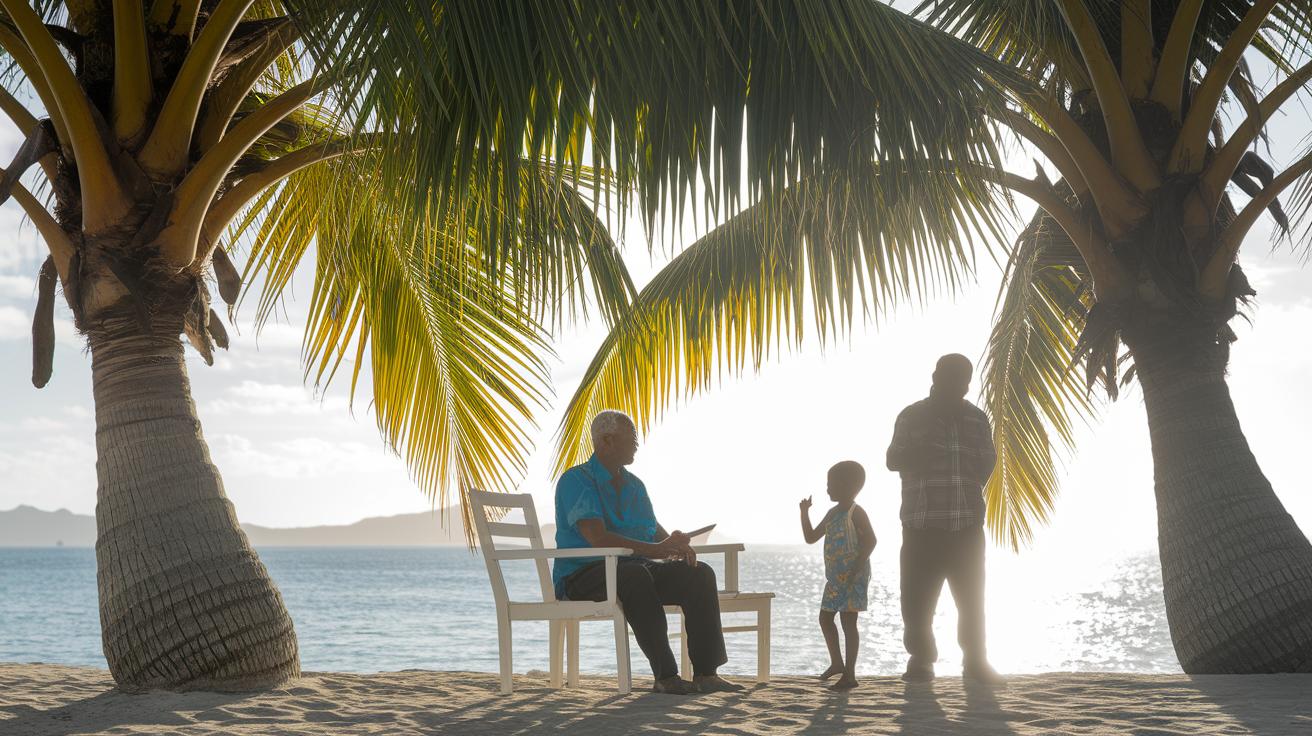
Caribbean culture grew over many years as people from different backgrounds came together. Native communities, European explorers, enslaved Africans, and later migrants all added their unique touch. Imagine being at a vibrant gathering where every custom tells a story, a story of strength, shared sorrow, and hope.
At its heart, the Caribbean values family, community, and a deep respect for elders. These ideas have helped communities stay strong even during hard times. Families celebrate big moments, and local artists pass on their skills, showing a love for freedom and creativity. It’s like a giant, ancient tree whose roots hold the tales of everyone.
Local communities lean on these traditions to create a warm sense of belonging. Every shared ritual, festive gathering, and storytelling session weaves people together. This lively spirit reminds us that the past is just as important as today and that freedom, unity, and creative expression make Caribbean life so special.
Historical Influences Shaping Caribbean Cultural Values
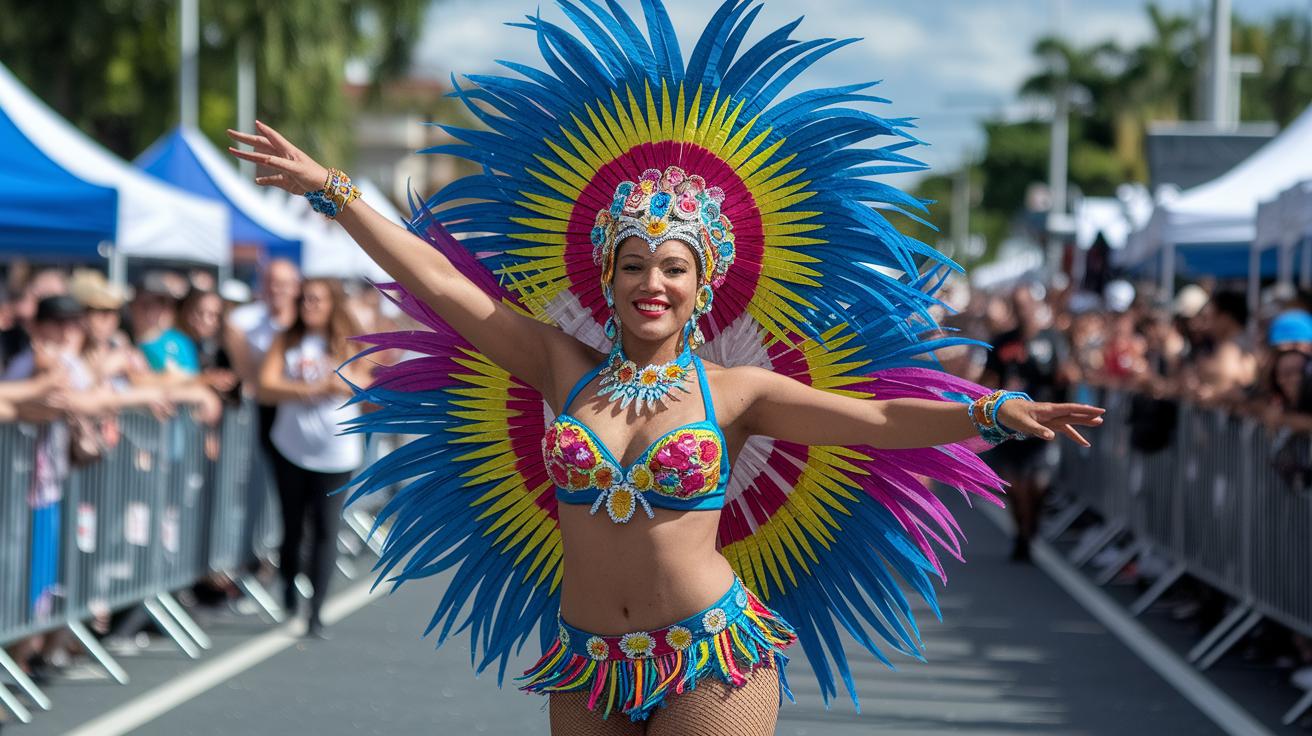
When Europeans first landed in the Caribbean, they brought a mix of ideas that changed everything. Spanish, British, French, and Dutch folks set up new rules, religions, and ways to live from the 15th to the 19th century. Local traditions blended with these new ways, kind of like different colors mixing into a beautiful tropical painting.
Then came the transatlantic slave trade, which forced millions of Africans to the islands. Their songs, stories, and cooking joined with native customs and European ways to create a lively, shared culture. Imagine a lively street filled with music and mouth-watering smells, that’s the magic they left behind.
After slavery ended, people from India, China, and the Middle East made their way to the Caribbean in the 19th and 20th centuries. They brought new foods, rituals, and crafts, adding even more spice to daily life. Their traditions are like extra ingredients in a delicious island recipe that makes every celebration extra special.
All these influences weave together into the cultural fabric of the Caribbean. They remind us of hard times, incredible creativity, and a strong sense of unity. Every island community reflects a story of resilience and a deep respect for their past, making the Caribbean a vibrant mosaic of life and history.
Island Tradaditions Practices: Festivals, Music, and Dance in the Caribbean
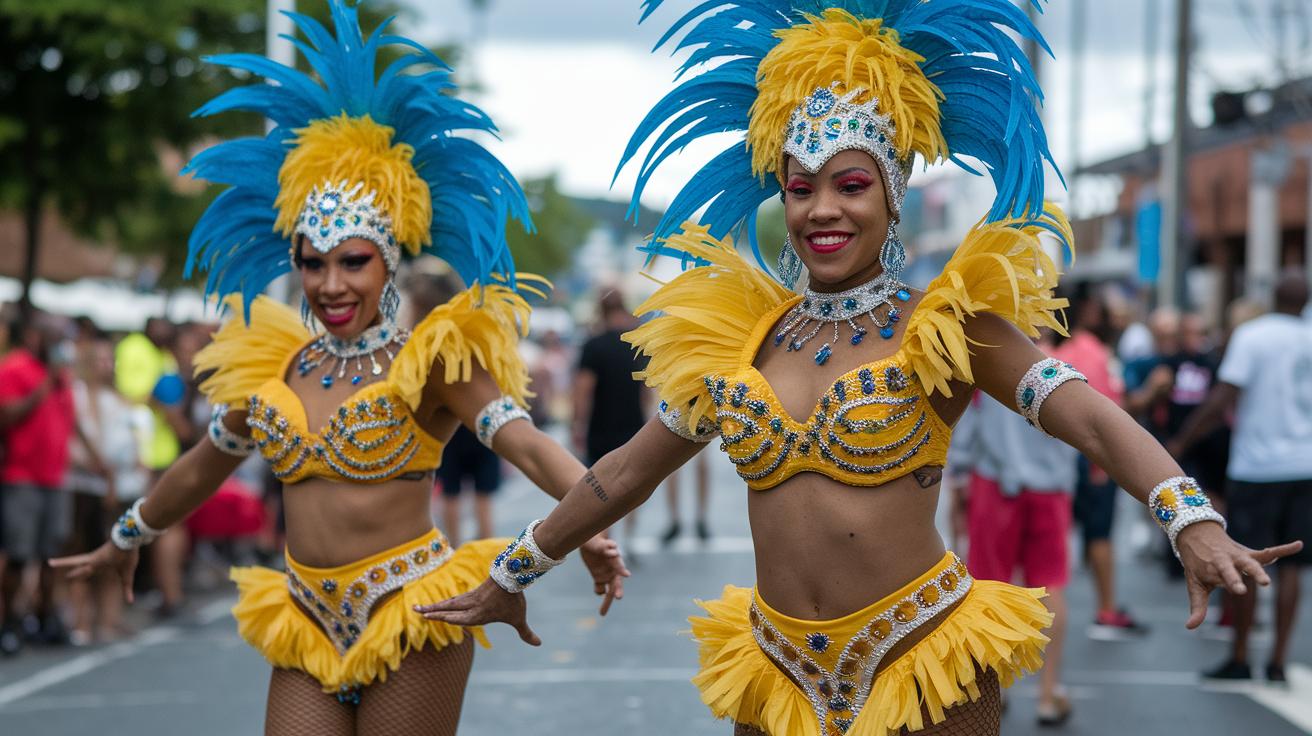
Caribbean festivals burst with color, sound, and life. Carnival parades and lively street parties turn everyday moments into magical celebrations where everyone comes together. People dress in bright, eye-catching outfits and join in the fun that has been shared from one generation to the next. In Trinidad & Tobago and Barbados, the carnival is a must-see, but every island shines during these festive times.
Imagine walking down a bustling street filled with the sound of upbeat soca, the graceful steps of a quadrille dance, and the irresistible rhythms of festivity. These events honor the changing seasons and important stories from the past, showing us that music and dance have a way of bringing everyone close, no matter their age or background.
Here are some festivals you won’t want to miss:
- Trinidad Carnival – Trinidad & Tobago – February/March
- Crop Over Festival – Barbados – August
- Junkanoo Festival – Bahamas – December
- Dominican Carnival – Dominican Republic – February
- St. Lucia Carnival – St. Lucia – July
Music and dance in the Caribbean have grown and changed over time while keeping their deep roots in tradition. From reggae and calypso to salsa, merengue, and the lively beats of steelpan, these tunes still make you want to move. Whether you’re tapping your feet or marveling at the simple elegance of a quadrille, every note and step brings the island’s rich history to life.
Religious and Syncretic Ritual Customs in Caribbean Culture
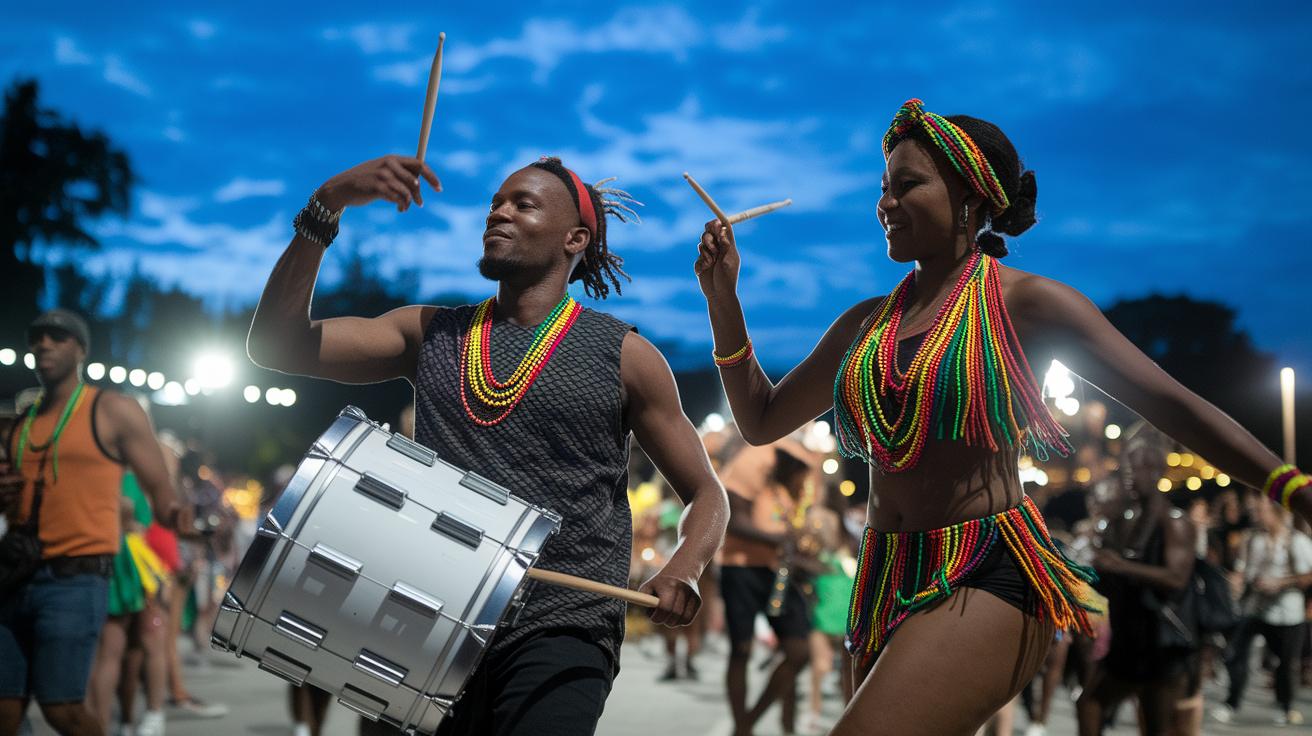
Spiritual life in the Caribbean is like a blend of favorite recipes, mixing native customs with African traditions such as Vodou, Santeria, and Obeah, all wrapped up with a touch of Christian influence. Imagine joining a community where the deep beat of Haitian Vodou drums sets the mood, or where you can feel the energy of a Cuban Santeria festival as bright dances and sincere prayers fill the air. Each ceremony is a heartfelt nod to the past while celebrating the present.
In Jamaica, a special movement called Rastafarianism came about in the 1930s, speaking strongly to African identity and a dream of returning to one's roots. And over in Trinidad, you might catch a lively Orisha procession that mixes native traditions with African practices in a way that feels both timeless and refreshing. Picture yourself surrounded by rhythmic beats, colorful moments, and soul-touching chants that invite you to take part in a deeply personal spiritual journey. These rituals remind everyone of past struggles and shine as joyful celebrations of unity and hope.
Caribbean Island Cuisine Artistry and Local Crafts Vibrancy
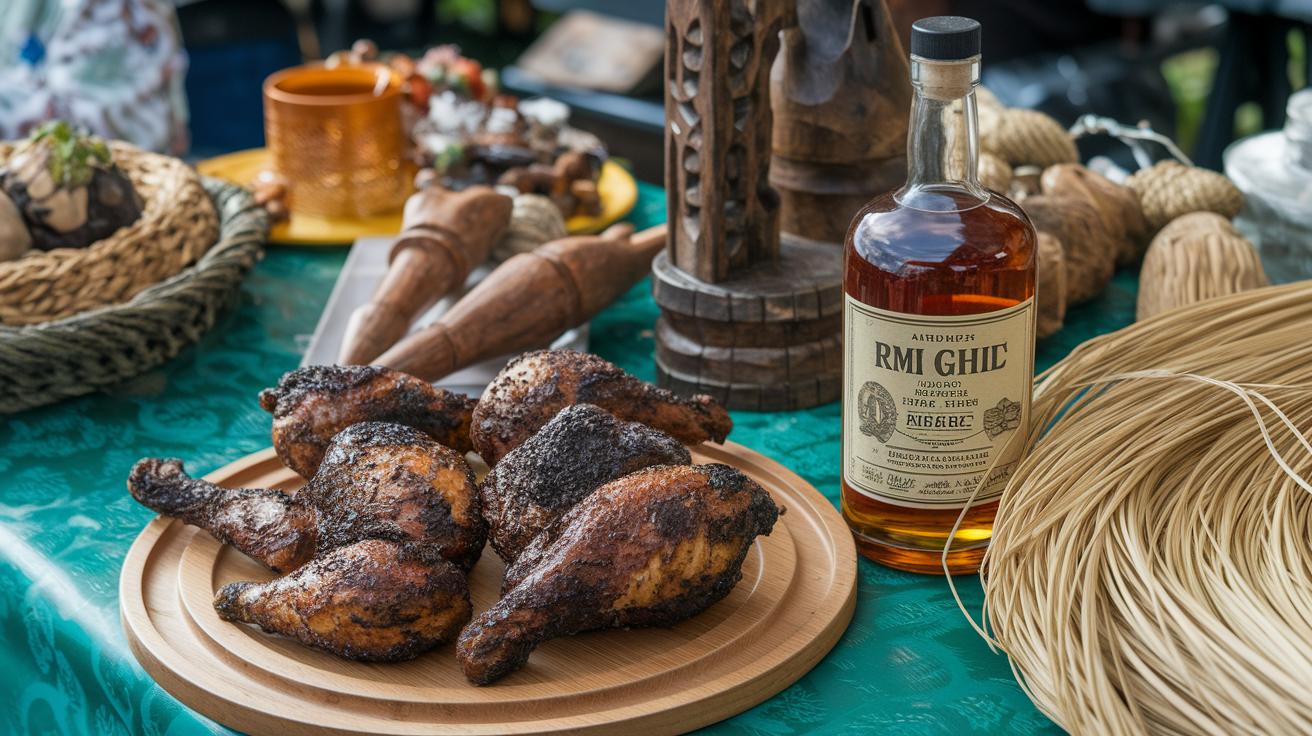
Caribbean food is a warm mix of flavors and traditions, drawing from African, European, Indigenous, and Asian roots. Imagine biting into spicy Jamaican jerk chicken or enjoying a soft piece of Trinidad roti that feels just like home. Every dish tells its own story of combining different customs. Even the art of making rum, whether it's light, gold, dark, spiced, flavored, overproof, or premium, sings with the spirit of islands like Barbados, Jamaica, and Grenada. It’s like sharing a conversation full of secret spices passed from one family to the next.
Local crafts add another splash of creativity to the Caribbean vibe. Skilled makers transform everyday materials into cherished art, from Haitian wood carvings that mimic nature’s curves to Bahamian straw weaving that feels as breezy as a day at the beach. Think about Cuban pottery or Trinidad steelpan construction; these traditions have been honed over many years, keeping culture alive in every piece. Both the food and crafts celebrate a rich heritage of innovation and history.
| Dish | Island | Cultural Influence |
|---|---|---|
| Jamaican Jerk Chicken | Jamaica | African & Indigenous flavors |
| Trinidad Roti | Trinidad & Tobago | South Asian culinary touch |
| Barbadian Pepperpot | Barbados | Indigenous & African fusion |
| Bajan Fishcakes | Barbados | Coastal culinary innovation |
| Grenadian Nutmeg Ice Cream | Grenada | Spice heritage |
Language Evolution and Oral Legacy in Caribbean Cultural Narratives
The Caribbean is a warm mix of languages like English, Spanish, French, Dutch, and many Creoles. These special Creole languages started on old plantations, where European words blended with African ways of speaking. Imagine listening to a language that feels like a living story, where each everyday word carries hints of past struggles and joyful celebrations.
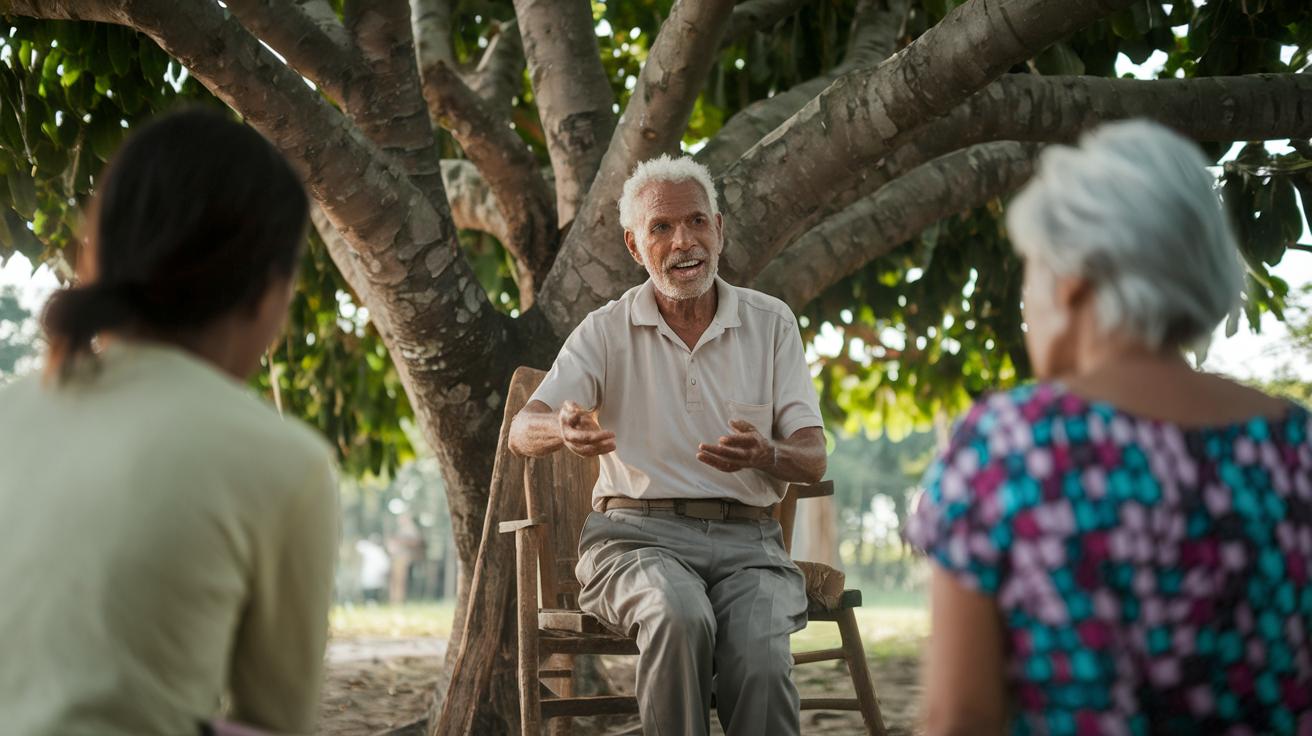
Local storytellers keep the island’s history alive through oral traditions. They share Anansi tales, heroic legends, wise proverbs, and cherished family stories. Picture an elder under a shady mango tree, telling a favorite story that fills the air with the comfort of shared memories and community wisdom.
Here, spoken language and storytelling work together to pass on centuries of culture. Every phrase holds deep layers of meaning from old encounters and shared experiences. The spoken word becomes a living record that invites you to join in a folklore journey, connecting each listener to the roots and enduring spirit of island life.
Community Structures and Family Legacy in Caribbean Culture
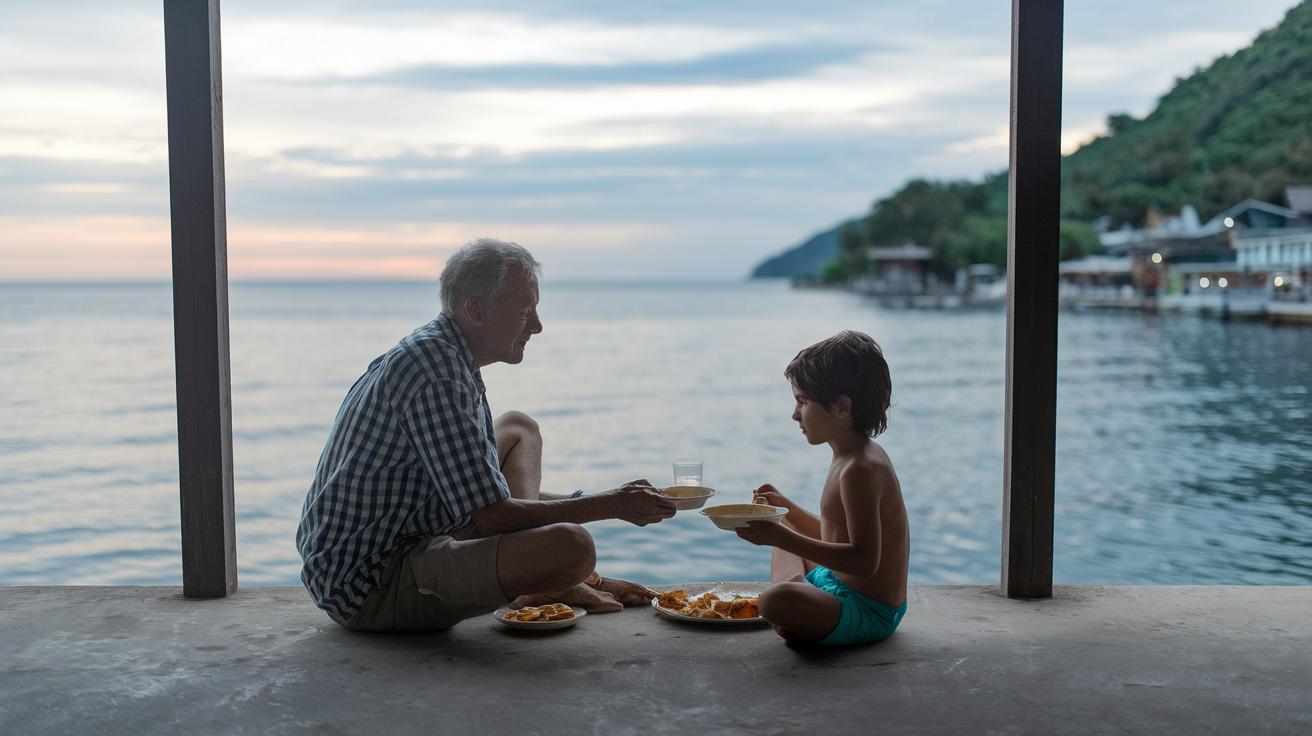
Family ties really make Caribbean life tick. In every island, villages rely on tight-knit extended family networks and local councils to steer daily life, ensuring everyone gets a fair share of care and respect. Picture a friendly coastal town where neighbors share meals, pitch in with chores, and come together for special events. It’s an everyday reminder that wisdom flows from one generation to the next, with everyone making choices as a team.
Celebrations like naming parties, weddings, and special tributes to ancestors add even more color to these bonds. Each ceremony feels like another page in a colorful family story, echoing the deep roots of shared traditions. You can see it in the warm smiles at festivals and in the gentle way elders are honored. In truth, the seamless blend of age-old customs with everyday living keeps the spirit of family legacy shining bright across the Caribbean.
Modern Caribbean Identity: Diaspora, Postcolonial Evolution, and Heritage Conservation
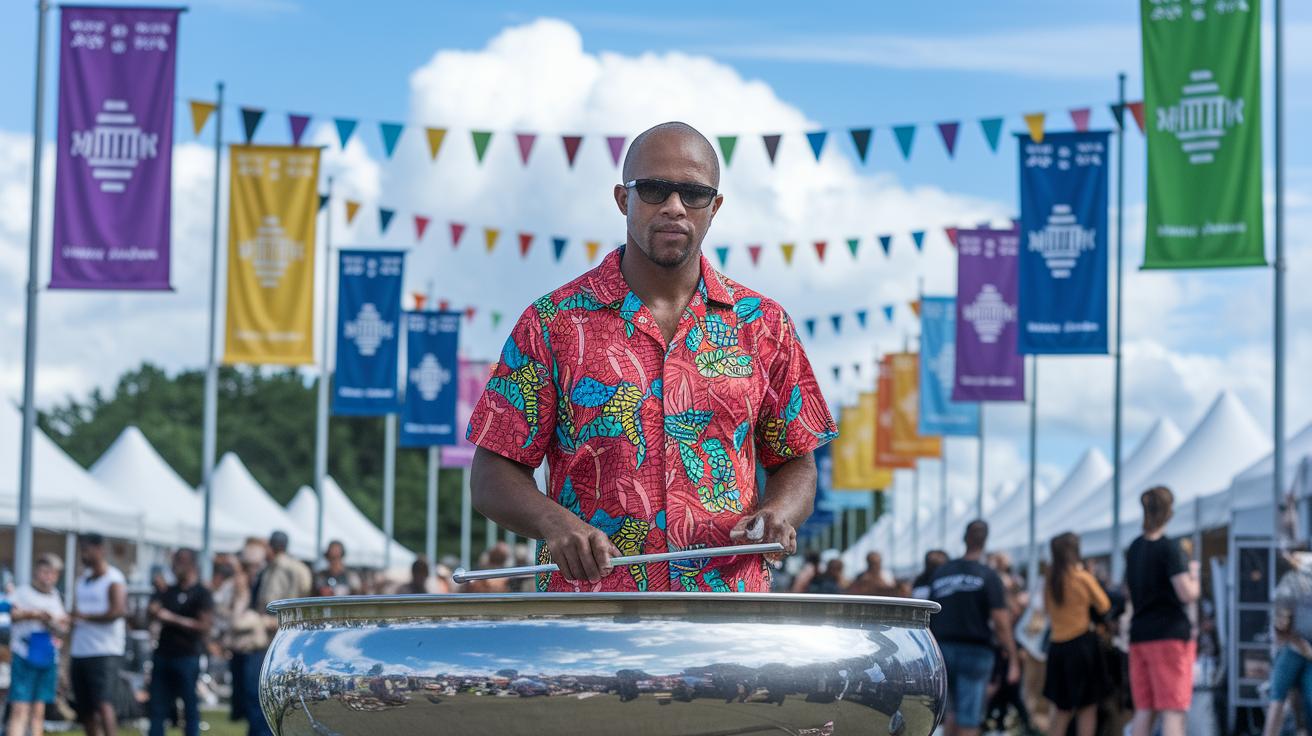
The Caribbean spirit thrives even when you're far from the islands. African roots and traditions live on in communities across the US, UK, and Canada. You can feel that festive energy in the lively music, colorful festivals, and book talks that capture the heart of island life. It's like hearing a familiar melody that gently reminds you of home.
Art and literature in the Caribbean tell their own story of change and hope. Since independence, creative minds have used their work to share messages of resistance, empowerment, and self-discovery. Places like Bridgetown in Barbados and Nelson’s Dockyard in Antigua stand as real-life examples of this cultural journey. Local museums and online archives keep these stories alive so future generations can experience the rich history firsthand.
At the core of modern Caribbean identity is the passion for saving cherished traditions. Leaders and local organizers are busy merging the old ways with new ideas. They often blend modern technology with historical storytelling, preserving the art, music, and rituals that define island life. These efforts remind us that even when times change, the heart of the Caribbean beats strong through every story and celebration.
Final Words
In the action, we explored the island's rich history, lively festivals, and deep-rooted community ethics, all mingling to shape memorable experiences. This article highlighted how the caribbean cultural values and traditions continue to inspire everyday life, from heritage legacies to mouthwatering cuisine.
We wrapped up small yet powerful insights into family bonds, language evolution, and ethical travel practices. Every detail brings us closer to a true taste of island spirit. Here's to many more sunlit moments on the vibrant shores.
FAQ
What is Caribbean culture and traditions?
Caribbean culture and traditions blend Indigenous, African, and European influences to create a lively mix of music, festivals, and customs, fostering unity and a resilient sense of community.
What are the Caribbean cultural values?
Caribbean cultural values emphasize strong family bonds, mutual support, respect for elders, and community solidarity, all arising from a rich history of diverse cultural influences.
What are the three main cultures of the Caribbean?
The three main cultures in the Caribbean originate from Indigenous peoples, Africans, and Europeans, each contributing distinct traditions that shape language, art, and community practices.
What are some key Caribbean culture facts?
Caribbean culture facts include a colorful mix of music genres, festive celebrations, fusion cuisine, and historical influences that create a unique identity shared across many islands.
How do Afro-Caribbean cultural values and traditions stand out?
Afro-Caribbean cultural values highlight traditions from African heritage seen in music, dance, and ritual practices that celebrate resilience, creativity, and strong community ties.
How does Caribbean culture influence food?
Caribbean culture influences food by blending flavors from African, European, and Indigenous roots, resulting in signature dishes like jerk chicken and roti that offer a taste of the islands’ diverse heritage.
