Ever wondered if a tiny island could surprise you? In the Caribbean, even a small place can offer loads of hidden treasures. People might think bigger islands are always better, but even the coziest spots have their own secret stories and special charm. They might cover just a few square kilometers, yet each one gives off a warm, inviting vibe and a glimpse of a lifestyle you won't easily find anywhere else. In truth, these little islands show us that real magic isn’t measured by size.
Determining the Smallest Caribbean Island by Area
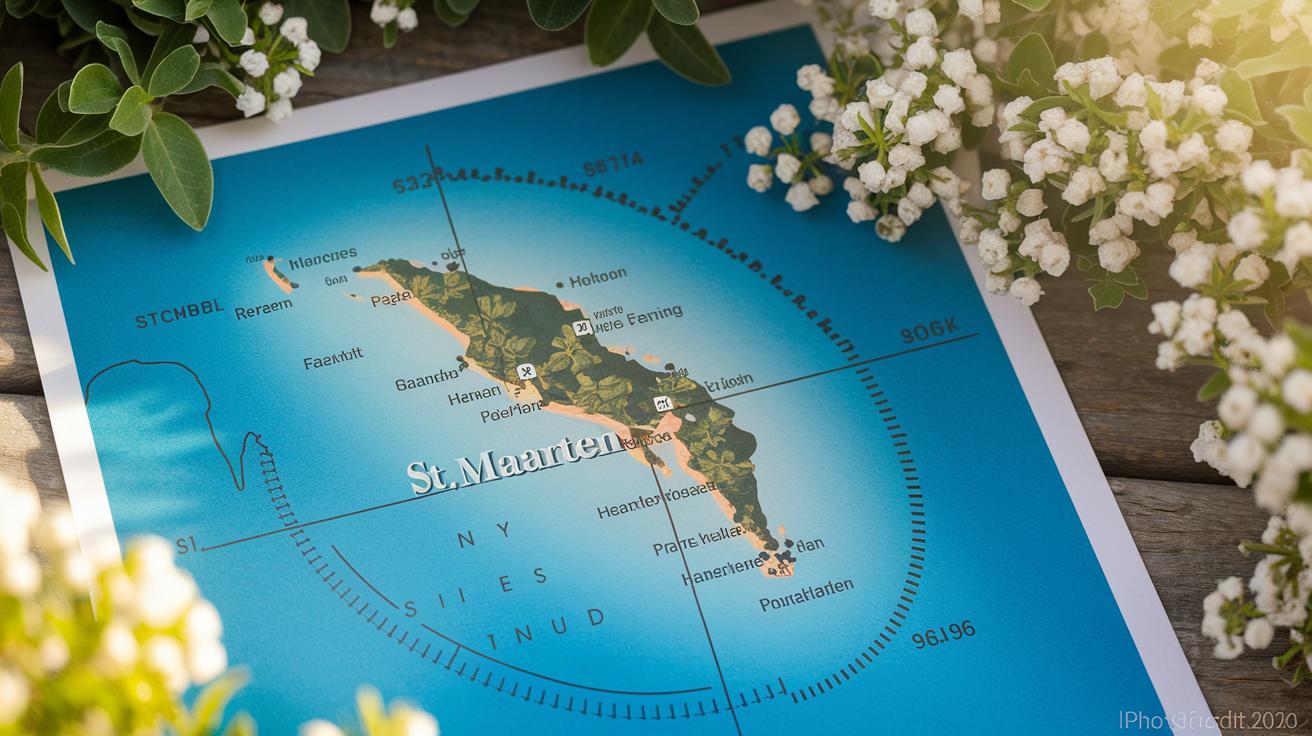
When you take a closer look, measurements can reveal some pretty surprising details about each island's size. A lot of folks assume that St. Maarten, with its famous 88 km² split between two nations, is the tiniest Caribbean island. But the real numbers might surprise you; size isn’t the only thing that matters. Even the smallest islands hide secrets and charm that go far beyond simple square kilometers.
| Island | Area (km²) | Status | Population |
|---|---|---|---|
| St. Maarten | 88 | Divided Territory | N/A |
| Isla Mujeres | 4.5 | Inhabited | Variable |
| Klein Bonaire | 6 | Uninhabited | N/A |
| Salt Cay | 6.74 | Inhabited | ~100 |
| Saba | 13 | Inhabited | Varied |
Beyond what you might have heard, these tiny islands prove that even a small spot on the map can pack a big punch. Isla Mujeres is small but buzzing with local life, where every little street and sandy corner tells its own story. Meanwhile, Klein Bonaire might be scarcely marked on any atlas, yet its underwater world is simply breathtaking. Salt Cay offers a cozy, tight-knit community vibe despite its size. And then there's Saba, with its bold, volcanic scenery that feels like nature’s very own masterpiece. In the end, these numbers just tell one part of the story, each island invites travelers to explore, experience, and discover its hidden magic.
smallest caribbean island Radiates Unique Charm
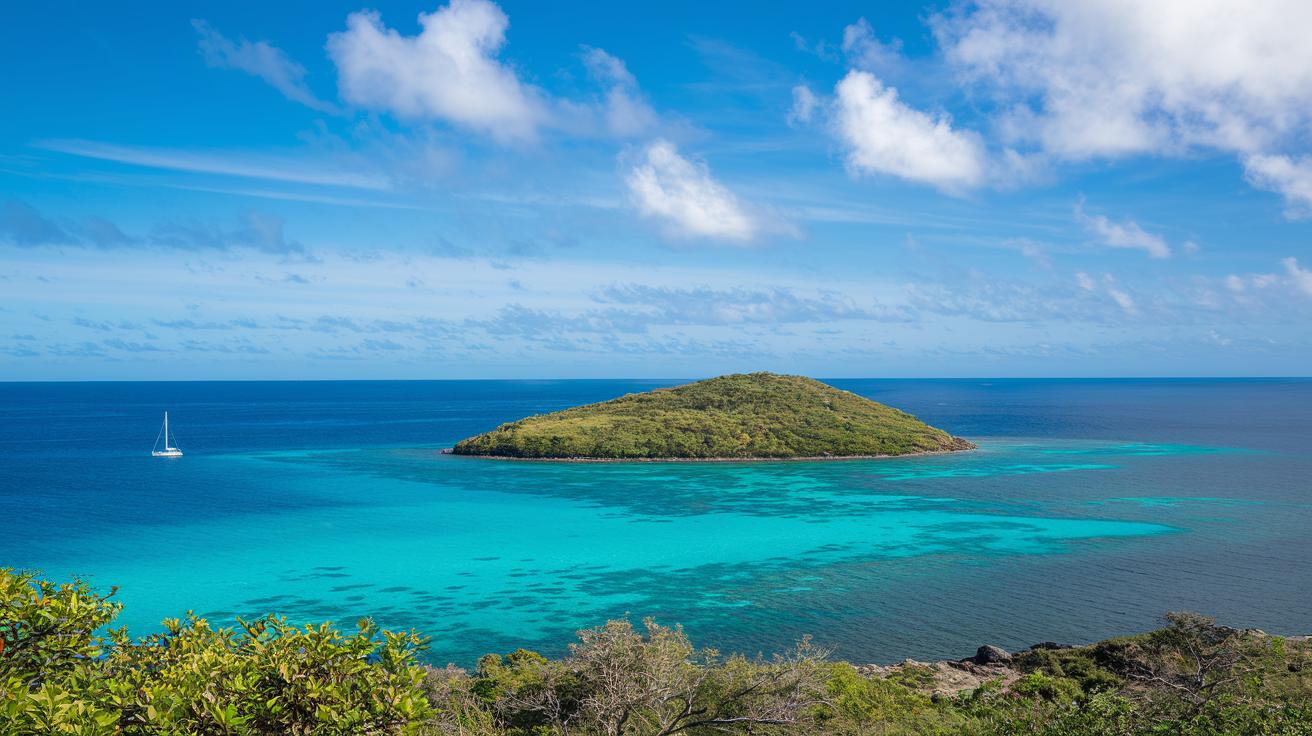
In the Caribbean, a few islands are so small that they cover less than 15 km², and they pack a surprisingly big charm. Out of more than 700 islands, only a handful meet this tiny size, including gems like Isla Mujeres, Klein Bonaire, Salt Cay, and Saba. Even some uninhabited spots have their own special allure, offering unique landscapes and hidden natural wonders.
Location and who lives on these islands help shape the way you travel there. For example, places like Isla Mujeres and Salt Cay are home to small local communities where everyday life is full of warm traditions and friendly faces. On the other hand, islands like Klein Bonaire don’t have residents but invite visitors to enjoy calm, clear waters and vibrant underwater scenes. How you get there, whether by water taxi, ferry, or a small charter, adds to the adventure and personal feel of each visit.
These little islands are perfect for travelers who want to escape the ordinary and find their own secret haven. Every corner, from a quiet beach to a small local eatery, holds a little secret waiting to be discovered. If you’re looking for a place where friendly faces meet breathtaking natural beauty, these islands are waiting to share their magic with you.
Terrain and Dimensions of the Smallest Caribbean Island
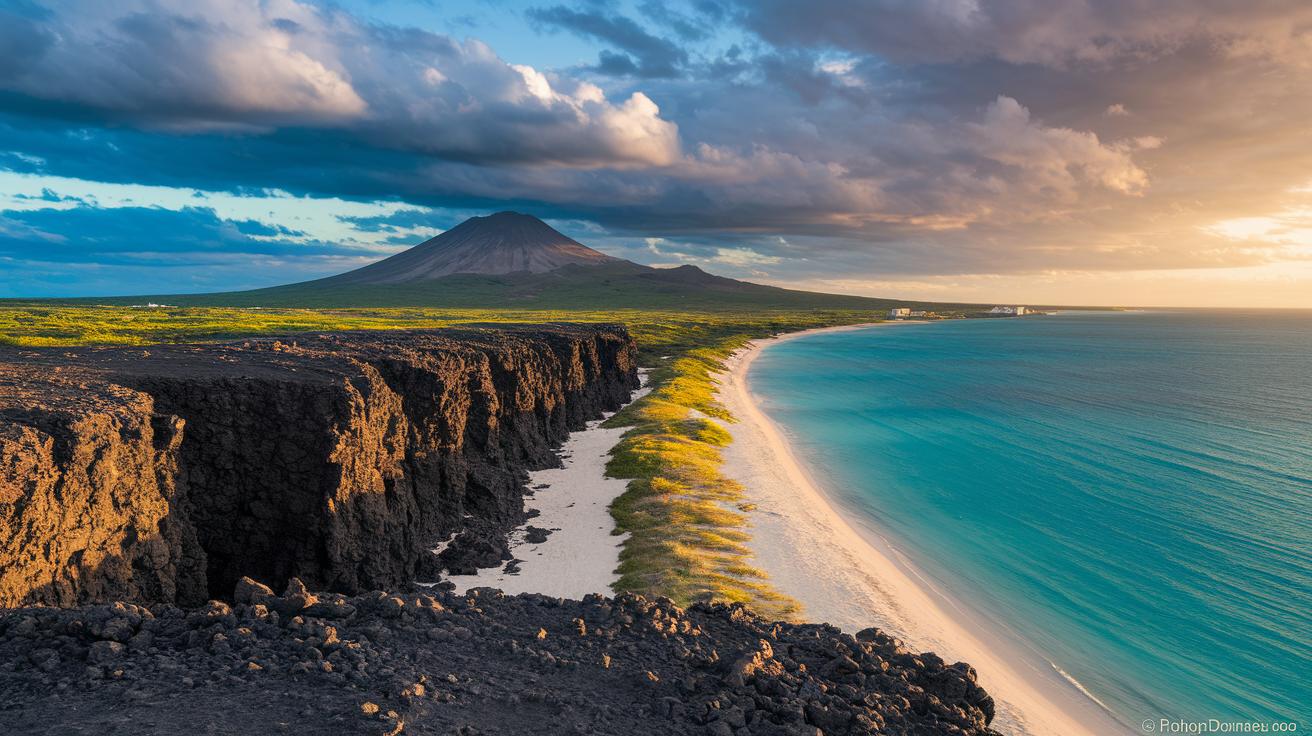
Caribbean islands may be tiny, but they sure pack a punch in character. Some islands, like Saba, burst forth from ancient volcanic eruptions, gifting them dramatic peaks and rugged cliffs that seem to tell tales of a fiery past. Others, such as Isla Mujeres, formed on coral bases, offer soft sandy plains that gently kiss the ocean. It’s like visiting two different worlds in one trip, each with its own unique charm.
Saba really steals the show with its volcanic roots. Mount Scenery, which climbs up to 887 meters above sea level, stands tall and proud, almost daring you to explore its trails. Then there’s Klein Bonaire, built on a limestone reef platform that creates a mesmerizing underwater playground. Snorkelers can dive into crystal-clear, lively waters filled with colorful sea life. Over at Isla Mujeres, a relaxed vibe rules thanks to its sandy beaches and coral foundation. And if you wander to Salt Cay, you’ll see historic salt flats and rugged coastal cliffs that seem to whisper secrets of days long past.
Even though these islands aren’t very big, their diverse landscapes shape thriving ecosystems. The rich volcanic soil on Saba nurtures sturdy plants and a variety of wildlife, while the soft, coral-based grounds of Isla Mujeres and the intricate formations around Klein Bonaire and Salt Cay create the perfect backdrop for marine adventures. From hiking up steep volcanic paths to snorkeling among vibrant reefs, each activity feels like a new chapter in a never-ending Caribbean story.
Visiting the Smallest Caribbean Island: Travel Essentials
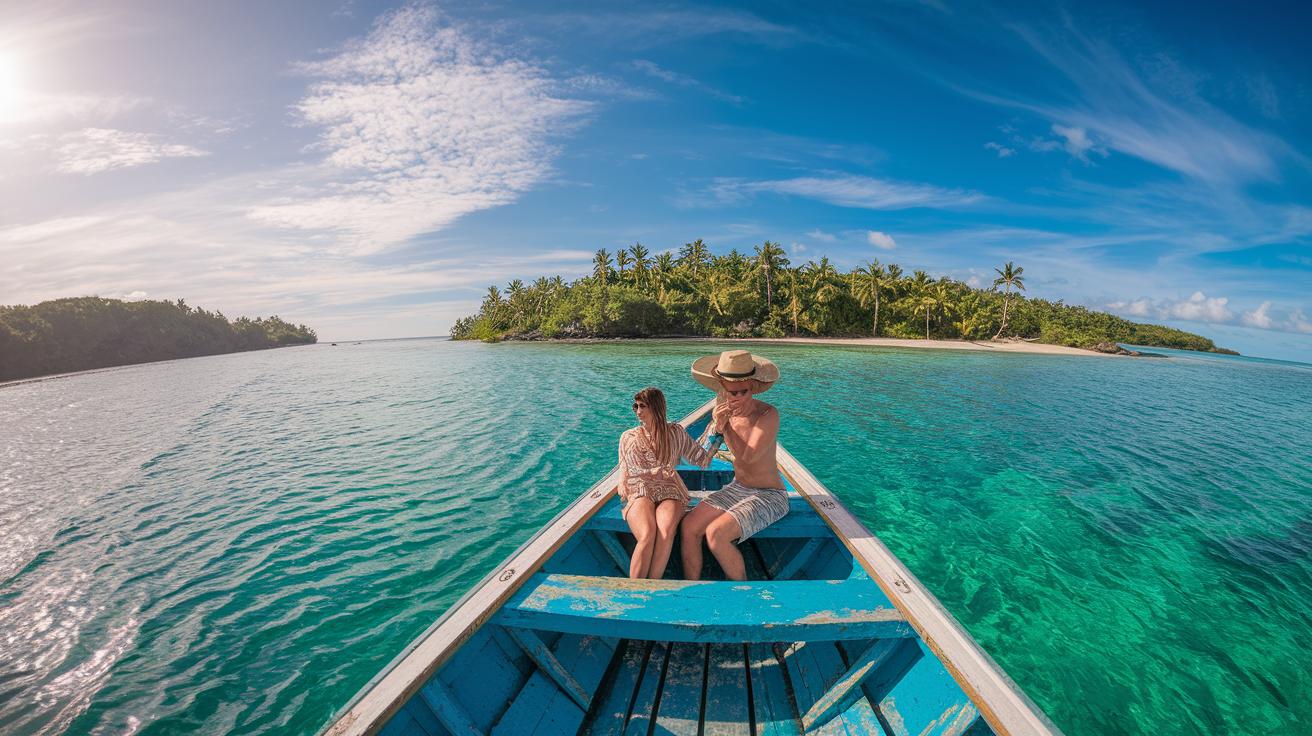
Have you ever dreamed of escaping to a hidden tropical gem? Getting to these tiny Caribbean islands is easier than you might think. You can hop on a quick boat ride or catch a short flight, both options blend perfectly with the laid-back island vibe.
Water travel is a big hit for island explorers. Take Isla Mujeres, for example. It’s just a 20-minute ferry ride from Cancún, making it ideal for a relaxed day trip under the sun. Or consider Klein Bonaire, where ferries and boat charters offer a scenic journey over brilliantly clear waters. If you need a handy reference for times and routes, there’s a guide that breaks everything down in simple terms.
For those who like the ease of flying, small charter planes are your best friend. Picture this: you board a short flight from Providenciales and soon find yourself on Salt Cay, ready to soak in the island’s charm. And if Saba is the spot, a swift 15-minute turboprop flight from St. Maarten gets you there in a flash, so you can start exploring without delay.
When you’re ready to rest, there’s no shortage of places to stay that capture the island’s intimate feel. Whether you choose a cozy guesthouse bursting with local character or an eco-lodge that offers a sustainable retreat, you’re set for a relaxing escape where every moment feels as soothing as a gentle Caribbean breeze.
Cultural and Historical Insights of the Smallest Caribbean Enclaves
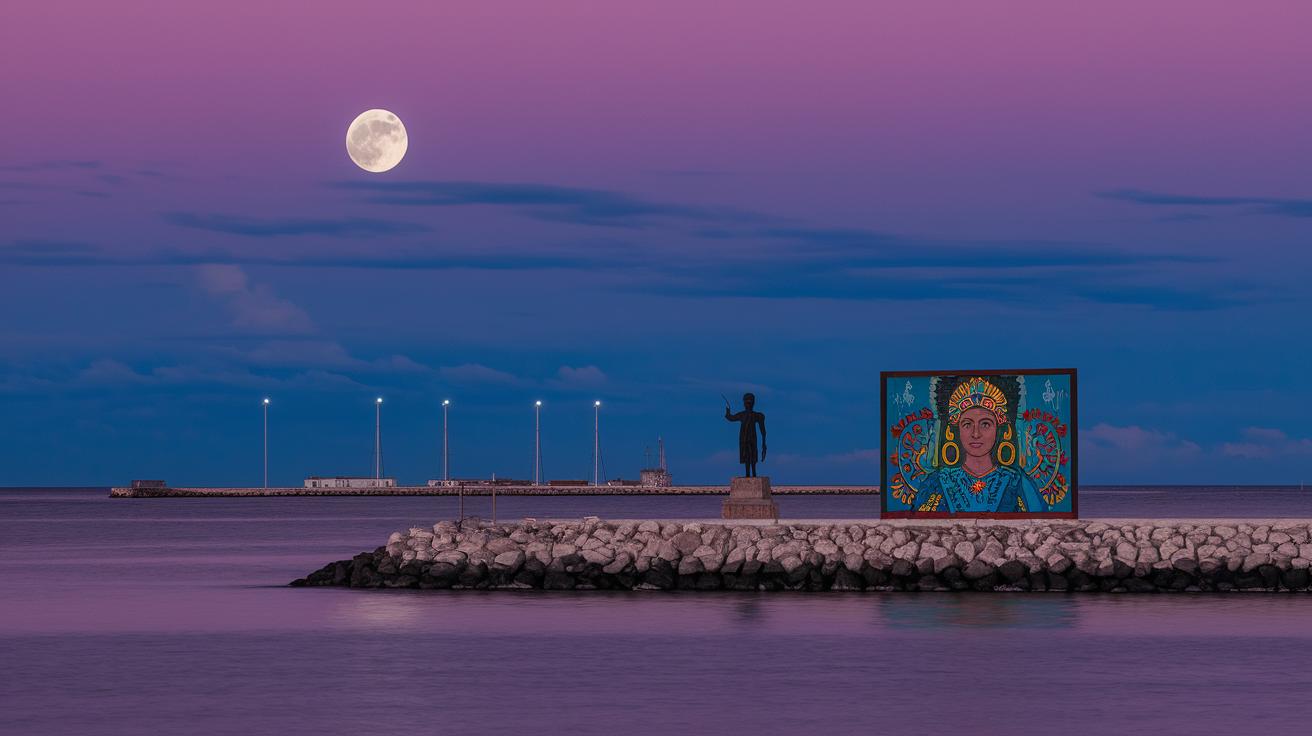
Long before the modern world changed these islands, native customs and early explorers left a deep mark. On Isla Mujeres, folks honored the Mayan moon goddess Ixchel, which still influences the island's spirit today. Saba was first mapped by seafarers in 1493 and later came under Dutch rule in the 1600s, adding yet another colorful chapter to its story. Meanwhile, Salt Cay thrived as a salt export center from the 1600s to the 1800s, and Klein Bonaire carries the legacy of the Caiquetio tribes, now protected as part of a national marine park.
Walking through these charming islands, you can almost hear the past whispering in the breeze. Colonial forts and quaint churches stand as reminders of bygone days. On Salt Cay, old buildings recall the busy salt trade, while Isla Mujeres features subtle carvings and small shrines that speak of its ancient traditions. Saba shows off markers from its early exploration, and even Klein Bonaire’s status as a marine park tells its own story of history and heritage.
Today, lively modern festivals and conservation projects keep these rich traditions alive. On Isla Mujeres, local celebrations honor its age-old customs with colorful events that feel as warm as the Caribbean sun. In Saba, heritage days invite everyone to explore old forts and scenic paths, and Salt Cay’s events bring back memories of its bustling salt trade days. Community efforts on all these small islands ensure that the past and present mix beautifully, making every festival a chance to feel history with a modern, joyful twist.
Natural Attractions on the Smallest Caribbean Islands
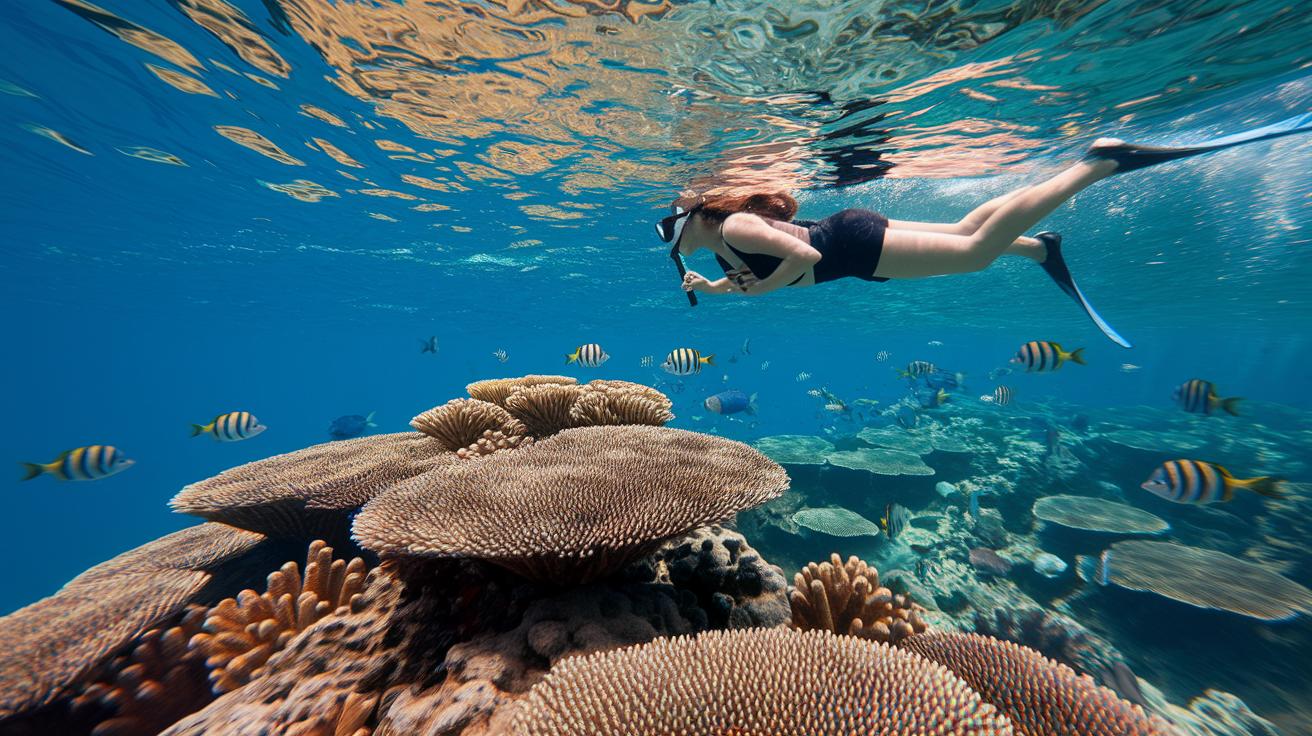
Imagine slipping into clear waters and discovering a magical world beneath the surface. Reef snorkeling here feels like a gentle dance with nature, as you float above colorful coral gardens. Klein Bonaire's reefs pulse with life, hosting over 50 different kinds of hard and soft corals. Picture yourself gliding close to bright coral formations while tropical fish zip by. The warm sun overhead makes the moment even more special, sparking excitement as you spot rare underwater treasures.
Then there’s deep-sea diving and whale watching that bring a whole new thrill to your adventure. In Saba National Marine Park, divers explore dive sites along volcanic slopes, where dramatic underwater landscapes challenge and charm you all at once. And on Salt Cay, between January and April, you might catch a breathtaking glimpse of humpback whales breaching against a sparkling Caribbean backdrop. These moments with the ocean’s giants feel like a personal secret shared just with you.
Local communities take conservation seriously, guiding visitors to help keep these precious ecosystems intact. Each island offers its own simple rules to protect marine life and coral reefs, and many eco-tours share smart tips on sustainable travel. Whether you’re visiting Isla Mujeres’ sea turtle sanctuary or checking out the quirky underwater displays at the MUSA sculpture museum, a mindful approach helps ensure these wonders stay just as enchanting for everyone who follows.
Final Words
In the action, we explored size facts, cultural highlights, and practical tips for planning a smooth Caribbean trip. Each section showcased the islands’ unique features, from vibrant coral reefs to historic landmarks, offering a mix of practical advice and local flavor.
We wrapped up by connecting natural beauty with thoughtful itineraries and eco-friendly tips. With a focus on authentic island experiences, every detail helps you picture that perfect escape on the smallest caribbean island.
FAQ
What are some of the smallest Caribbean islands to visit?
The smallest Caribbean islands refer to those with tiny areas or populations. Islands such as Isla Mujeres, Salt Cay, Klein Bonaire, and Saba offer a unique, quiet charm for travelers seeking a less crowded experience.
Which Caribbean islands rank among the largest, including the second largest and top three?
The Caribbean’s largest islands include Cuba as the biggest, followed by Hispaniola, and then Jamaica. Additional notable islands in wider lists are Puerto Rico and The Bahamas, each offering rich cultural vibes.
Which Caribbean island is known as the least crowded?
The least crowded Caribbean island is often seen in places like Salt Cay. Its low population and seclusion allow visitors to enjoy a peaceful atmosphere and unspoiled natural beauty.
Are there any Caribbean islands with no permanent population?
Some Caribbean cays remain uninhabited and serve as natural retreats. These islands, free of permanent residents, offer serene settings ideal for nature lovers and eco-focused explorers.
How safe are Caribbean islands for travelers?
Safety on Caribbean islands can vary. While many popular islands maintain a friendly, secure environment, some remote spots might offer fewer services. It’s wise to review local travel advisories before heading out.
What are some popular Caribbean destinations for travelers?
Popular destinations include islands like Saint Lucia, Jamaica, Puerto Rico, Saint Vincent and the Grenadines, The Bahamas, and Saint Kitts and Nevis. Each island offers its own blend of culture, history, and tropical beauty.
