What makes Caribbean culture so vibrant? Every island sings its own tune, thanks to a mix of British, Spanish, French, Dutch, African, and Indigenous roots. The reggae and calypso beats feel like the island's heartbeat, while the spicy aromas of local dishes invite you in for a taste. And when street festivals pop up, they add a burst of energy that warms your soul.
In this post, we take a closer look at what makes the Caribbean so colorful and unforgettable. From the music and food to the friendly community vibes, you'll soon see why this slice of paradise makes everyone want to slow down and enjoy life.
Defining Elements of Caribbean Cultural Identity
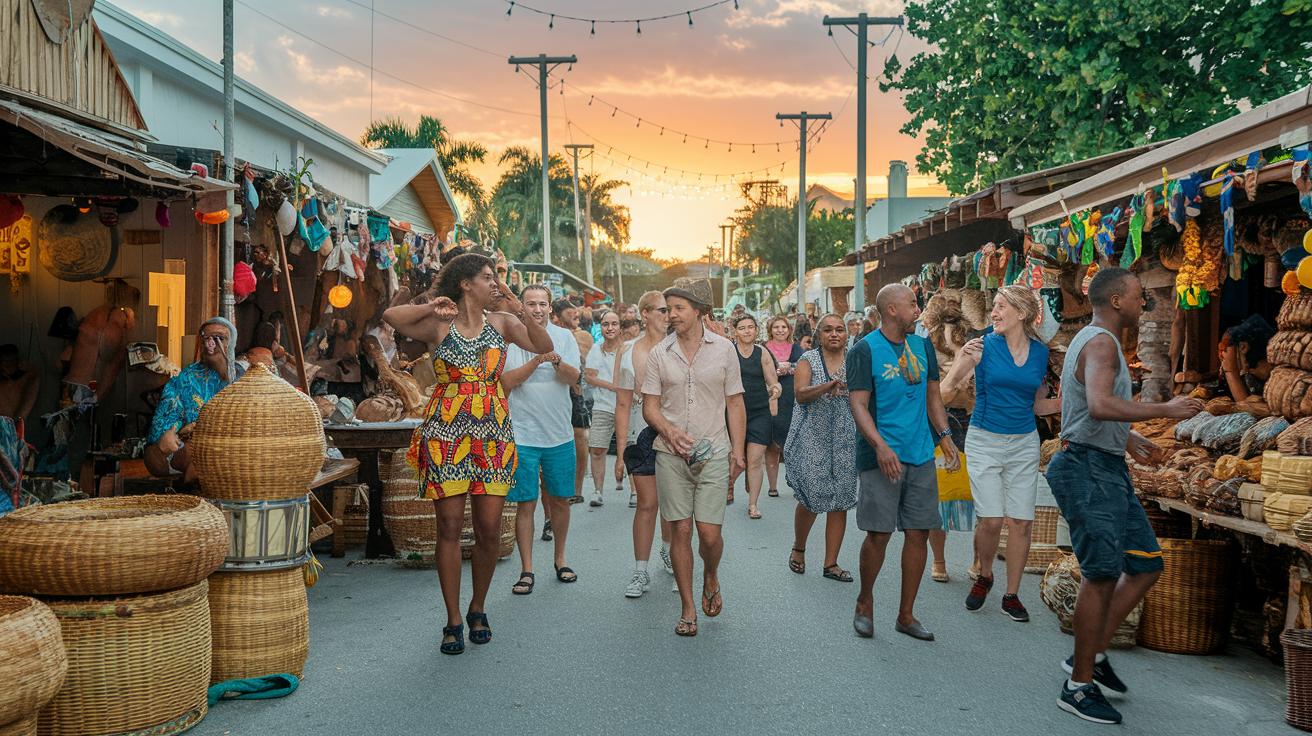
Caribbean culture comes from a mix of British, Spanish, French, Dutch, African, and Indigenous influences. Out of over 7,000 islands, only about 2% are home to people, making each spot feel truly unique. This blend creates a warm tapestry of lively music like reggae, calypso, and soca, fun dancing, fusion foods, and Creole languages that bring the islands to life.
Life here thrives on community spirit. Local celebrations, bustling street festivals, and handcrafted treasures like woven baskets and wood carvings fill every corner. You can almost taste the flavors in every bite and hear the rhythm of everyday music that invites you to kick back and relax.
- A mix of European, African, and Indigenous roots
- A laid-back vibe and island time social habits
- Music and dance woven into daily life
- Flavorful, spice-infused culinary traditions
- Evolving Creole languages and heartfelt storytelling
- A rich culture of artisanal crafts and lively markets
All these elements come together to create a cultural identity that feels both spirited and inviting. Every bit of it offers a peek into a world where history, art, and delicious flavors beat in tune with the warm pulse of Caribbean life.
Key Characteristics of Caribbean Culture: Lively and Colorful
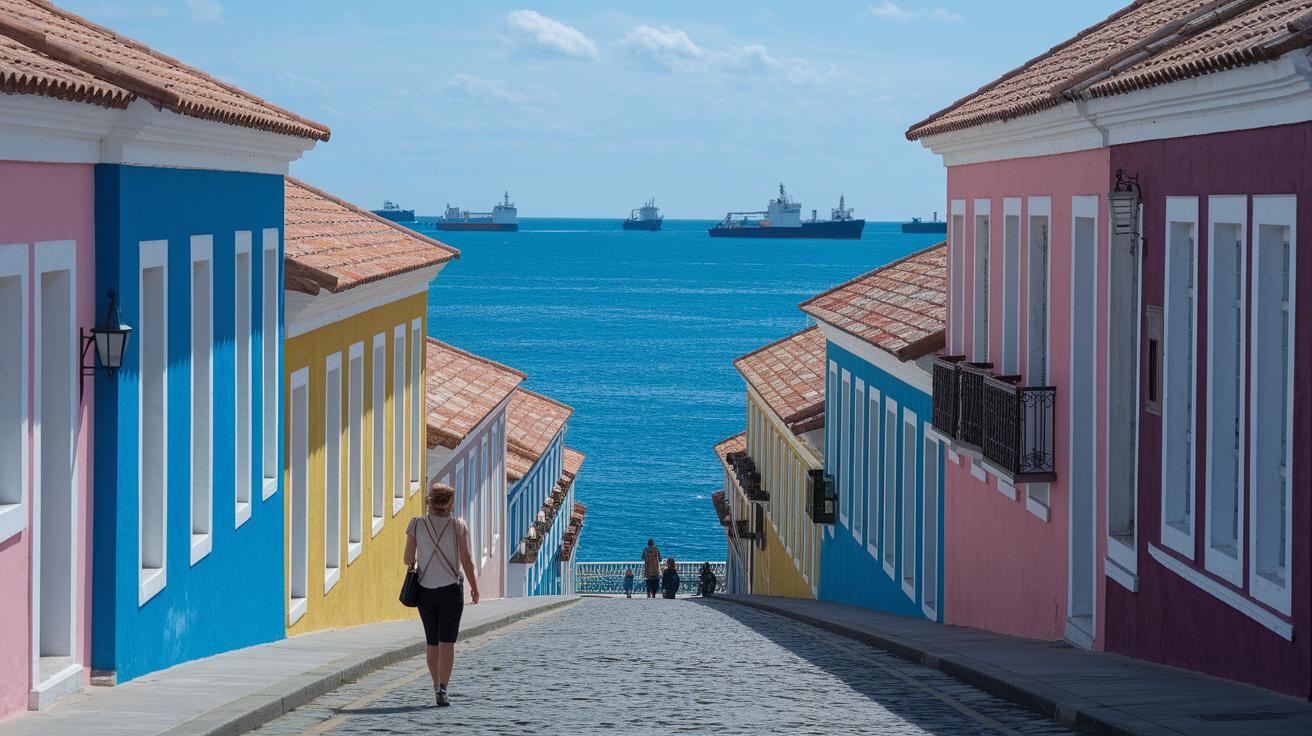
European colonial powers left a colorful mark on the region. They built grand Spanish forts and set up busy trading posts by the British, French, and Dutch that still spark our curiosity today. For example, the forts in Old San Juan remind us of a time when buildings served both as strong defenses and as proud symbols of power. If you join one of the historical walking tours, you can step right into that lively past and see history come alive.
Plantation societies also played a huge role in shaping daily life. With the arrival of enslaved Africans and indentured workers from India, different food traditions, music, and customs mixed together. Think of it like creating a vibrant tropical smoothie where every ingredient adds its own special flavor. These estates turned into lively meeting spots where art, recipes, and everyday habits were passed along from one generation to the next.
Out in the remote areas, Maroon communities managed to keep African traditions burning bright even in tough times. Their spirit shows up in the island’s music, dance, and local festivals, coloring today’s celebrations with deep roots from the past. When indigenous practices blend with European influences, you see a social tapestry that remains at the heart of Caribbean culture. It’s a rich history stitched together from old forts, the legacy of hard labor, and the joyful survival of Maroon traditions, all making the Caribbean as dynamic and colorful as a sunlit festival.
Musical and Dance Traditions Shaping Caribbean Culture
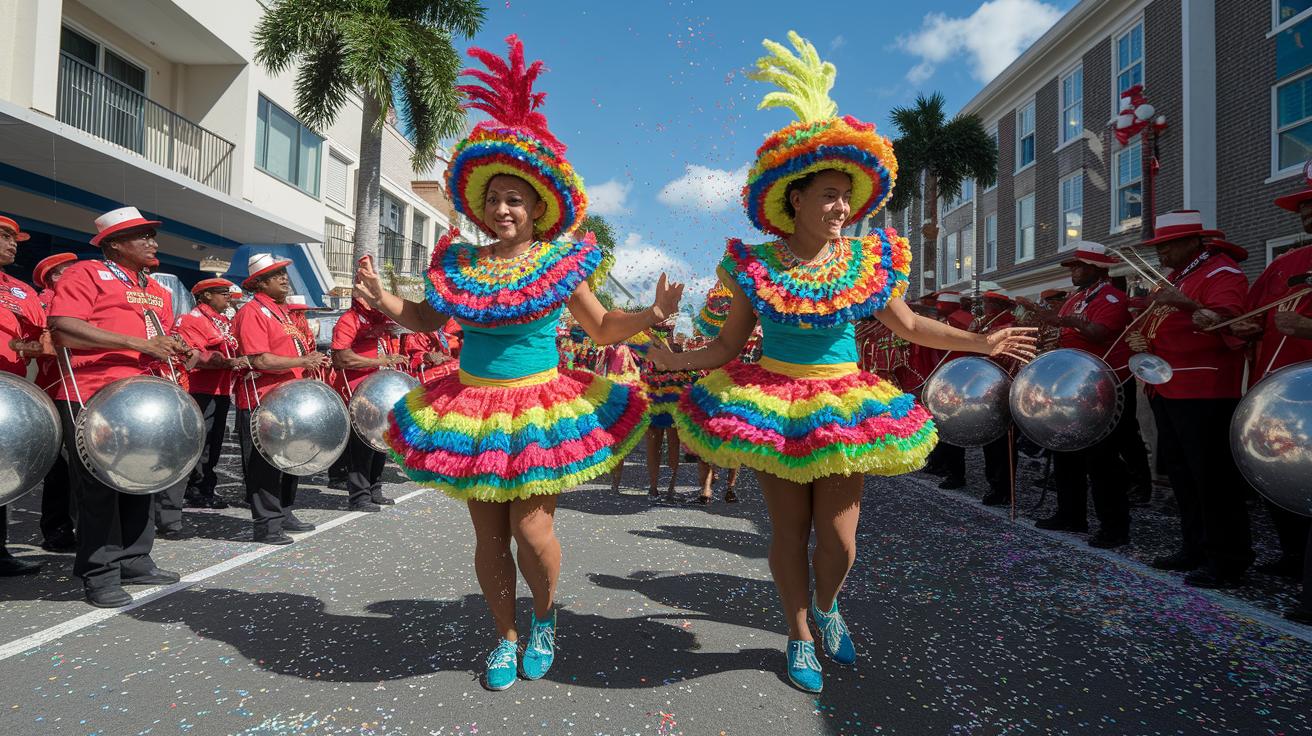
The Caribbean beats with lively music and dance that shape everyday life. Tunes like reggae, calypso, and soca bring people together, echoing the islands' proud history and vibrant spirit. Whether you're watching a colorful street parade or enjoying a quiet moment on a porch, the sounds of unique instruments, like the steelpan, congas, and talking drums, fill the air.
Calypso and Soca
In many Caribbean communities, calypso and soca are more than just catchy tunes. They tell real stories about life, love, and the challenges people face. Their playful lyrics mix fun with honest observations about island living. At Carnival, for example, upbeat soca beats light up the streets while calypso songs invite you to listen to tales that are both entertaining and full of meaning.
Reggae and Dancehall
Reggae and dancehall capture the heart of Caribbean life. Reggae’s smooth, steady beats share messages of unity and hope, often touching on social and political struggles. Dancehall, with its energetic pulse and lively club vibe, gets everyone moving and feeling free. Together, these music styles turn local gatherings into moments of joyful reflection and celebration.
Steelpan and Percussion Ensembles
The steelpan, created in Trinidad during the 1930s, changed Caribbean music forever with its rich, resonant melodies. Paired with percussion instruments like congas, guiro, and talking drums, it creates beats that tell stories of joy and hardship. Each rhythmic pulse bridges the gap between the islands' past and present, inviting you to feel every heartbeat of the Caribbean.
Culinary Heritage and Flavor Fusions in the Caribbean
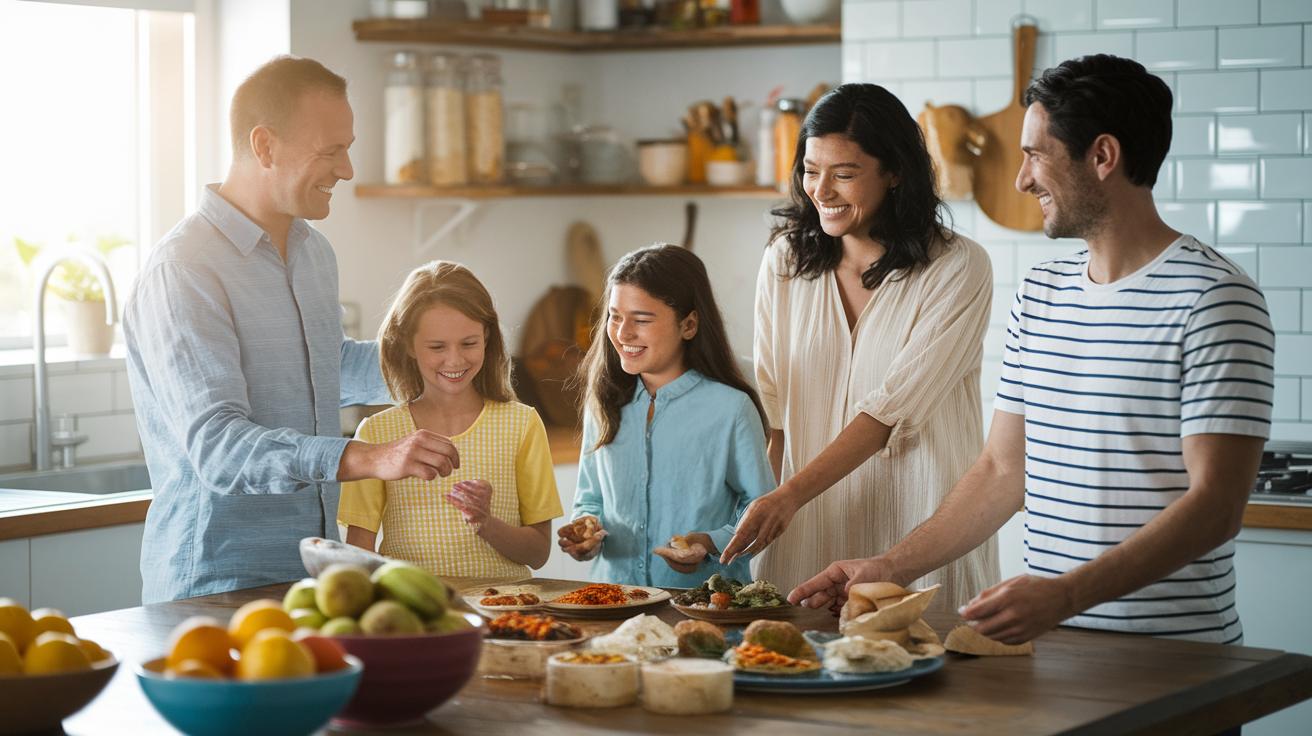
The flavors on these islands come from a mix of African, European, Indian, and Indigenous roots. Family recipes have been passed down for generations, turning every meal into a living piece of history and pride. Each dish whispers its own story, from the spicy coastal treats to the cozy stews filled with fresh veggies and tropical fruits like mango, coconut, and guava. And sometimes, a splash of rum and a pinch of bold spices make every bite even more playful. For instance, in Jamaica, locals started the famous jerk style by marinating meat with Scotch bonnet, allspice, and thyme, a flavor that has since captured many hearts.
Here, mealtime feels like a warm, community celebration. Dishes such as Trinidadian roti stuffed with curried meats or veggies give you a real taste of island life. Street vendors and backyard chefs work their magic daily, whipping up big pots of callaloo soup or serving flying fish with cou-cou. Tropical ingredients and old cooking traditions blend together to create a menu as vibrant and colorful as the islands themselves.
| Dish | Region | Main Ingredients |
|---|---|---|
| Jamaican Jerk Chicken | Jamaica | Scotch bonnet, Allspice, Thyme |
| Trinidadian Roti | Trinidad & Tobago | Curry powder, Chickpeas, Split peas |
| Bahamian Conch Fritters | Bahamas | Conch, Flour, Peppers |
| Haitian Griot | Haiti | Pork shoulder, Sour orange, Scotch bonnet |
| Cuban Ropa Vieja | Cuba | Shredded beef, Tomatoes, Olives |
From bustling local markets to friendly street corners, these traditions live on every day. The tastes invite you to dive into the Caribbean’s delicious story and savor every sun-kissed bite.
Language, Storytelling, and Folk Traditions of the Caribbean
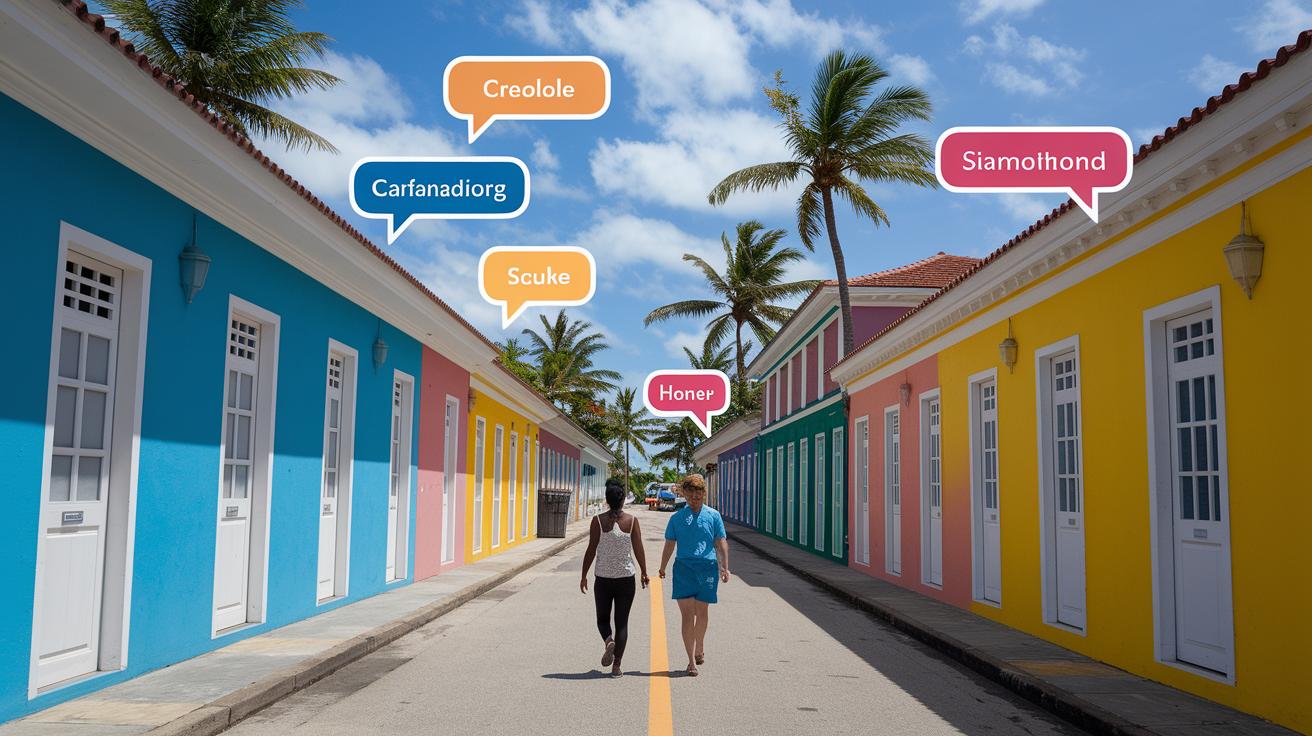
The Caribbean's vibrant mix of European and African languages gave birth to Creole forms like Haitian, Papiamento, and Antillean. These languages blend grammar and vocabulary from different origins to create everyday chatter that carries a rich history. Have you ever noticed how local idioms and proverbs capture the islands' playful spirit?
Legends and folktales have always been the heartbeat of Caribbean culture. Stories like those of Anansi the spider share simple, memorable lessons about cleverness, resilience, and the value of community. Whether heard at a village gathering or during an impromptu storytelling session, these narratives bond locals together and keep their cultural memory alive.
Today, storytelling in the Caribbean gets a modern twist. Digital platforms, from social media posts to multimedia projects, give traditional tales a fresh voice. This blend of old and new helps maintain cultural continuity while inviting everyone to participate. For more on how these digital stories are reshaping the tradition, check out "Digital storytelling in Caribbean communities" on Caribiana.com.
Festivals, Carnivals, and Communal Celebrations in Caribbean Culture
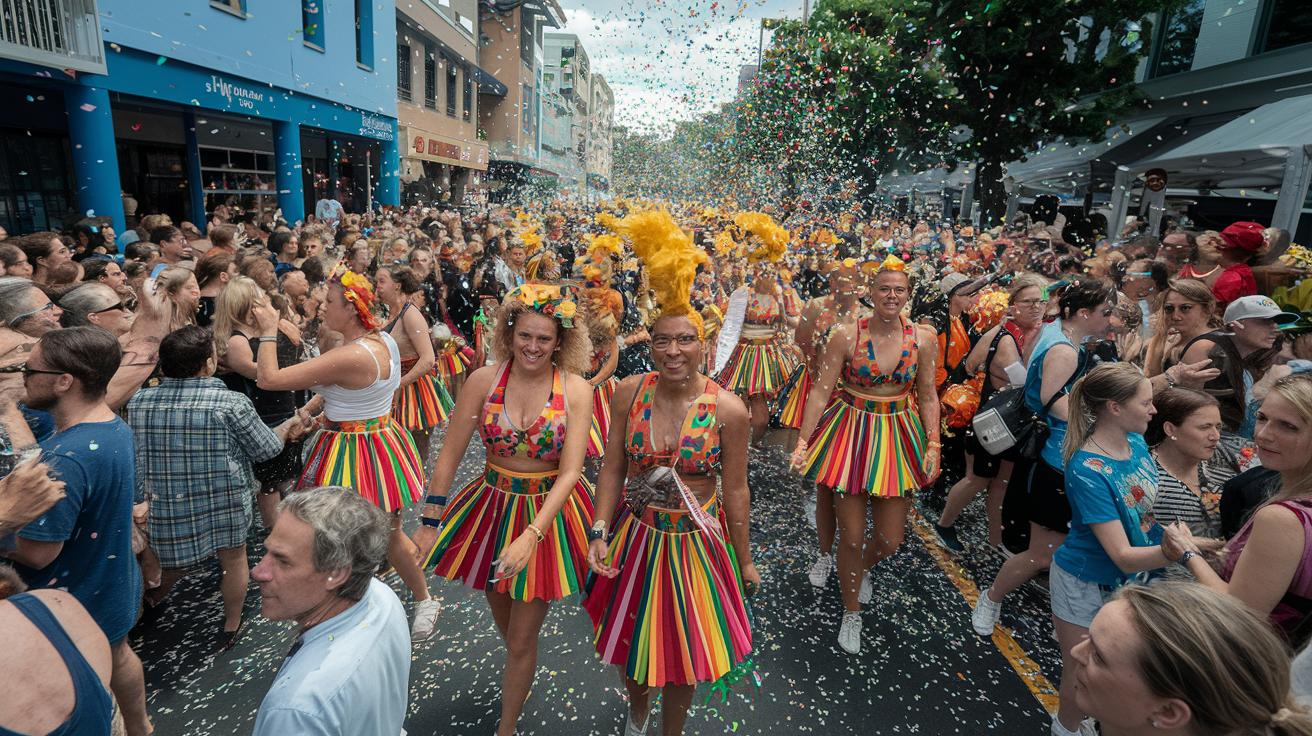
Carnival is the heartbeat of life in the Caribbean. Every drumbeat and burst of color pulls everyone together. In Trinidad, Carnival turns everyday streets into a lively stage where over a million people come to enjoy vibrant parades, striking costumes, and amazing steelband processions. It’s like stirring together a bowl of fresh tropical fruits, each piece adds its own sweet burst of flavor, making the celebration feel both timeless and electrifying.
Costumes, music, and dance aren’t just part of the fun, they're a way of keeping memories and community pride alive. Locals and visitors join in to swap cultural tales, with every mas band and parade sharing a little story about the island’s rich heritage. The air is filled with joy, and every celebration creates a warm space where old traditions meet new ideas.
Carnival Spectacles
At Carnival, timing and performance are everything. The day kicks off with early gatherings that build excitement for what’s ahead. People show off elaborate costumes packed with vibrant, intricate details. Mas bands lead the parades, and the crowd’s energy is contagious, with cheers and impromptu dances filling the streets. It’s a lively blend of art, music, and a strong community spirit all wrapped up in one unforgettable experience.
Other Regional Festivals
Outside of the big Carnival scene, other festivals keep the island spirit alive. For example, Junkanoo in The Bahamas, held on December 26 or January 1, lights up the streets with electrifying parades that capture the creative energy of the island. Then there’s Crop Over in Barbados, a festival that celebrates the harvest with music, masquerades, and a nod to long-standing farming traditions. Even the smaller, intimate celebrations sparkle with the universal language of music and dance, uniting communities in a shared love for life on the islands.
Artisanal Craftsmanship and Visual Arts in Caribbean Culture
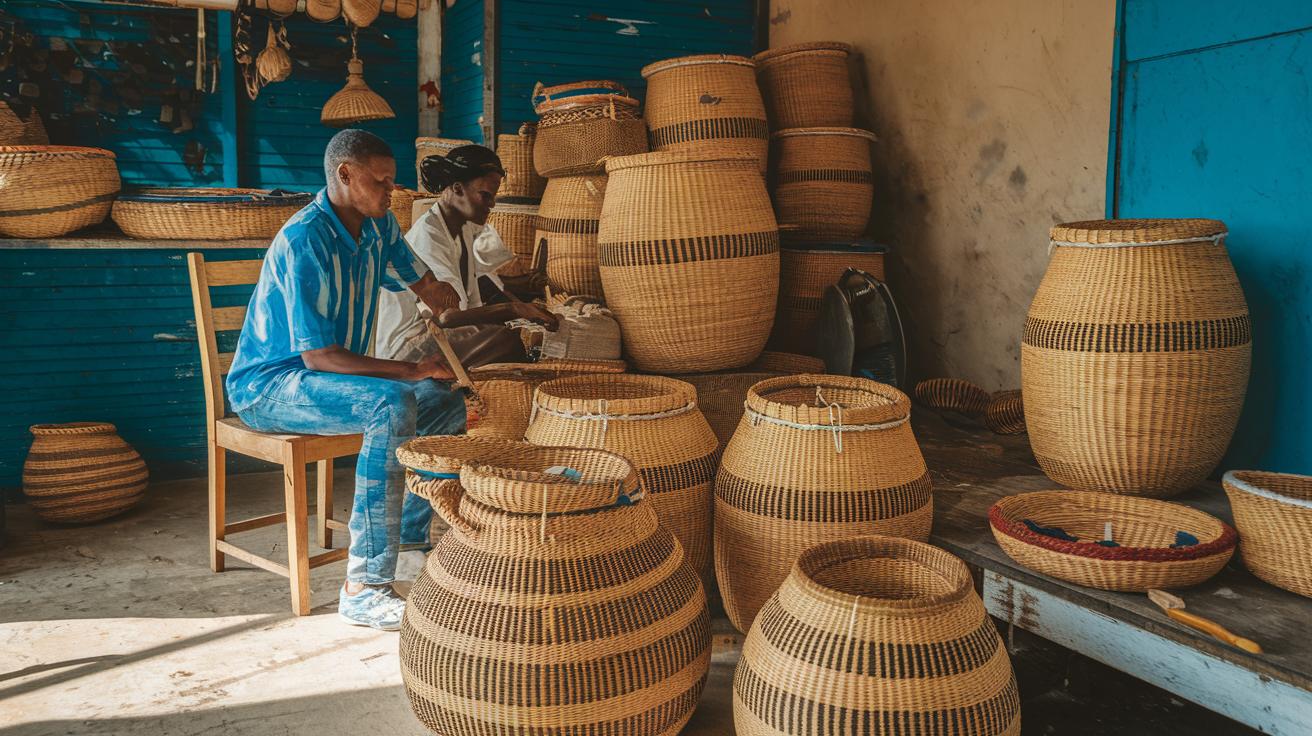
Local artisans keep old techniques alive every day. In Grenada, skilled crafters handweave baskets; in Trinidad, they mold clay into pottery; and in Jamaica, master carvers shape wood into art. It’s like watching magic happen when a piece of wood becomes a story of the island, a true slice of Caribbean history you can touch.
Meanwhile, bright modern galleries and lively outdoor murals add a splash of color to urban life. Talented street artists mix old traditions with fresh ideas, turning blank walls into community art that speaks volumes. Next time you visit a local market, take a moment to enjoy the playful blend of folklore and modern flair that makes each piece so special.
Final Words
In the action of Caribbean culture, every beat, flavor, and tradition paints a lively picture. We captured a mix of diverse roots, island time customs, and the soulful rhythms that echo through local streets. Enjoy the spice of the cuisine, the warmth of Creole storytelling, and the charm of artisanal crafts.
• Historical mosaic of diverse roots
• Island time social customs
• Rhythms of music and dance
• Spice-infused culinary flair
• Creole language evolutions
• Local artisan craft
These key characteristics of caribbean culture remind us that every island holds its own unique story.
FAQ
What is Caribbean culture?
Caribbean culture refers to a mix of traditions, music, food, and social customs shaped by Indigenous, African, and European roots that give each island its warm, relaxed vibe.
What are the key characteristics of Caribbean culture and traditions?
The key characteristics of Caribbean culture include a rich historical blend, rhythmic music and dance, festive celebrations, flavorful cuisine, vibrant clothing, and a strong sense of community.
What are five aspects of Caribbean culture?
Five aspects of Caribbean culture are its deep historical roots, lively music and dance, spicy and diverse cuisine, colorful festivities, and unique artisanal crafts that showcase a rich blend of traditions.
What are three main cultures shaping the Caribbean?
Three main cultures shaping the Caribbean are the Indigenous heritage, African traditions, and European influences, each contributing distinct elements to music, food, and overall cultural identity.
How do islands like Barbados, Jamaica, and The Bahamas represent Caribbean culture?
Islands such as Barbados, Jamaica, and The Bahamas represent Caribbean culture by showcasing unique local customs, historic legacies, festive street events, and traditions that embody the spirit of island life.
