Guides
7 Caribbean Mountains: Majestic Scenic Peaks
By bonniemoses
November 21, 2025
Field Notes
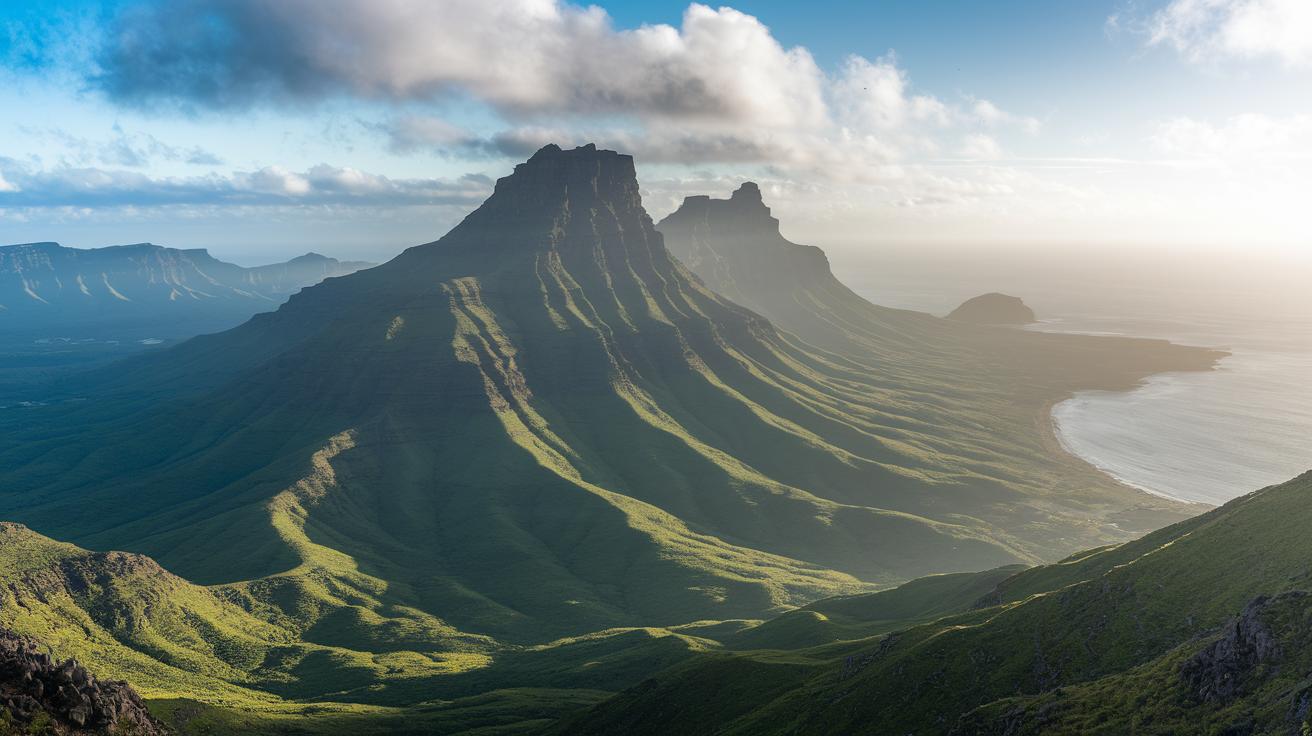
Have you ever wondered if a mountain could steal the spotlight from the ocean? Out in the Caribbean, you'll find tough, rugged peaks that rise right next to the sea. It's like watching warm sunsets mingle with cool, shady trails.
Every mountain has its own story, a secret tale of time and gentle Earth whispers. In this guide, we’re taking you through seven amazing peaks that show just how nature can bring land and sea together in surprising ways.
So, ready to explore a landscape that feels like nature’s very own postcard? Pack your curiosity and let’s dive into the magic of these mountain adventures!
7 caribbean mountains: Majestic Scenic Peaks
Imagine standing on a warm beach and glancing up at towering mountains that seem to rise straight from the sea. In the Caribbean, you’ll find mountains that mix golden sunshine, the deep blue ocean, and endless sky. Think about places like St. Lucia’s twin Pitons, where steep, green slopes meet sparkling water. These ancient peaks have witnessed earth’s secrets over countless years. If you love nature, each trail here is like stepping into your very own postcard.
Let’s talk about some of the most famous peaks. In the Dominican Republic, Pico Duarte climbs just over 10,000 feet and gives you breathtaking views that make you forget your worries. Over in Jamaica, the Blue Mountains, standing above 7,000 feet, and Cuba’s Pico Turquino at 6,500 feet, offer exciting challenges for hikers. And there are even more adventures waiting at Antigua’s Mount Obama (also known as Boggy Peak), Jamaica’s Blue Mountain Trail, Dominica’s Boiling Lake & Valley of Desolation, and Martinique’s Mount Pelée L’aileron Trail.
| Island | Peak | Elevation (ft) |
|---|---|---|
| Dominican Republic | Pico Duarte | 10,084 |
| Jamaica | Blue Mountains | 7,402 |
| Cuba | Pico Turquino | 6,568 |
| Guadeloupe | La Soufrière | 4,810 |
| Dominica | Morne Diablotins | 4,747 |
For more ideas on how to explore these trails and some handy hiking tips, check out the Caribbean hiking trails guide. It’s like having a local friend show you the secret spots on these magical mountain paths.
Caribbean Mountains Geology and Volcanic Summits
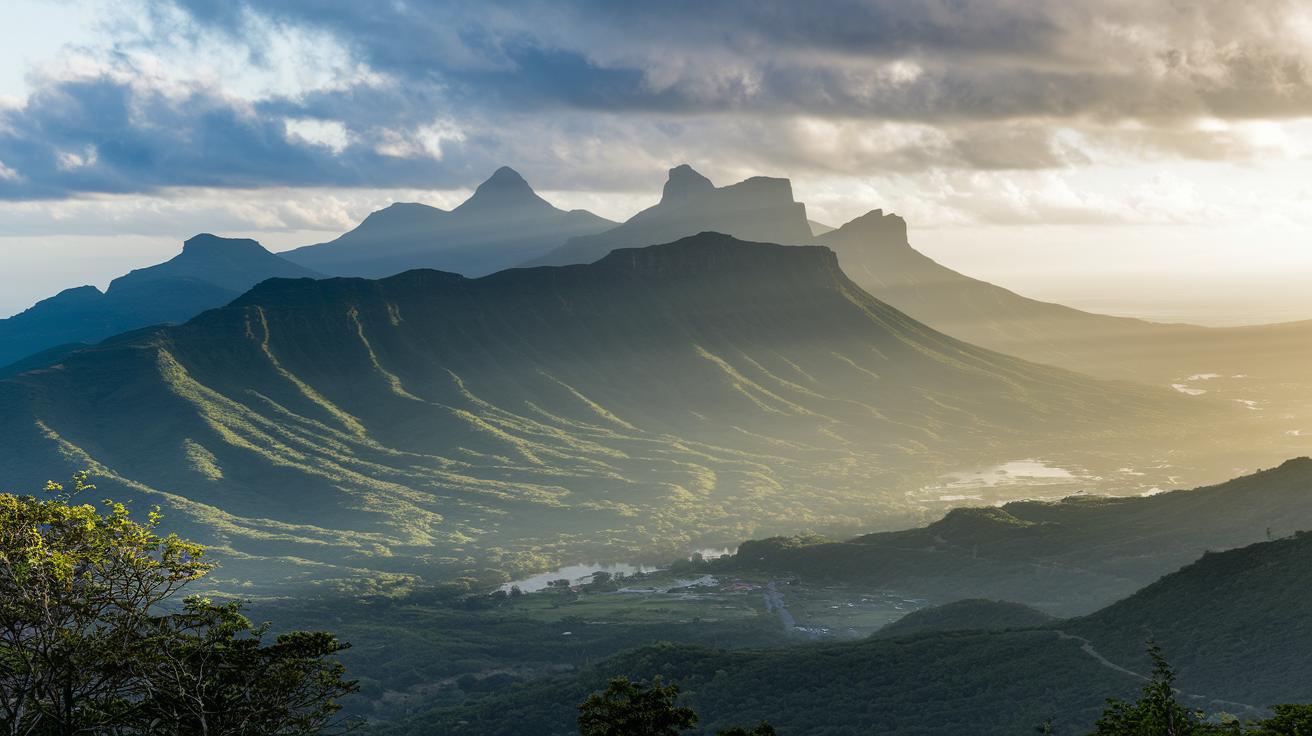
Imagine millions of years of shifting earth plates and volcanic bursts gently crafting these amazing mountains. Over time, nature has slowly hewed out a unique range that hides secret tropical slopes and breathtaking views. Picture the warm, persistent work of nature, carefully shaping the rough terrain of the Caribbean islands.
The volcano peaks really bring drama to the scene. Take St. Vincent’s La Soufrière, for example, it burst into life during its notable eruption in April 2021, reminding everyone how mighty nature can be. Nearby, Guadeloupe’s La Soufrière soars to about 4,800 feet and Dominica’s Morne Diablotins climbs near 4,700 feet. These high peaks are favorite stops for hikers and show that the earth is always busy reshaping its landscape.
And then there are the big shifts, like the Haiti earthquake in 2010. That event changed mountain slopes and nearby communities in real ways. It’s a reminder that seismic activity and natural forces work together to constantly reshape this enchanting part of the world.
Caribbean Mountains Biodiversity and Ecosystems
Caribbean mountains are a real mosaic of natural beauty. Their slopes, elevations, and exposures create little weather pockets, meaning that each part of the mountain offers its own vibe. It almost feels like taking a leisurely stroll through nature’s personal art exhibit.
- Tropical rainforests (check out Caribbean rainforest tours here: https://caribiana.com?p=2624)
- Pine forests
- Cloud forests near the peak
- Wetlands
High up in these mountains, you'll find special species that live only here. These unique creatures and plants have learned to thrive in cool, misty conditions. As you wander along the trails, you might catch a whiff of earthy moss and hear the gentle rustle of leaves, making you feel like you’re right in the heart of a tropical highland. The local flora and fauna add a magical touch, each playing a part in nature’s ongoing story of survival.
The way the weather changes on these mountains makes every spot feel unique. Near the base, the air is moist, while up high, it can be brisk and cool. Imagine each part of the mountain as its own little world. This constant change not only supports a wide variety of life but also reminds us why it’s important to protect these delicate habitats, from the lush lowland rainforests all the way to the airy, cloud-kissed summits.
Caribbean Mountains Conservation Efforts
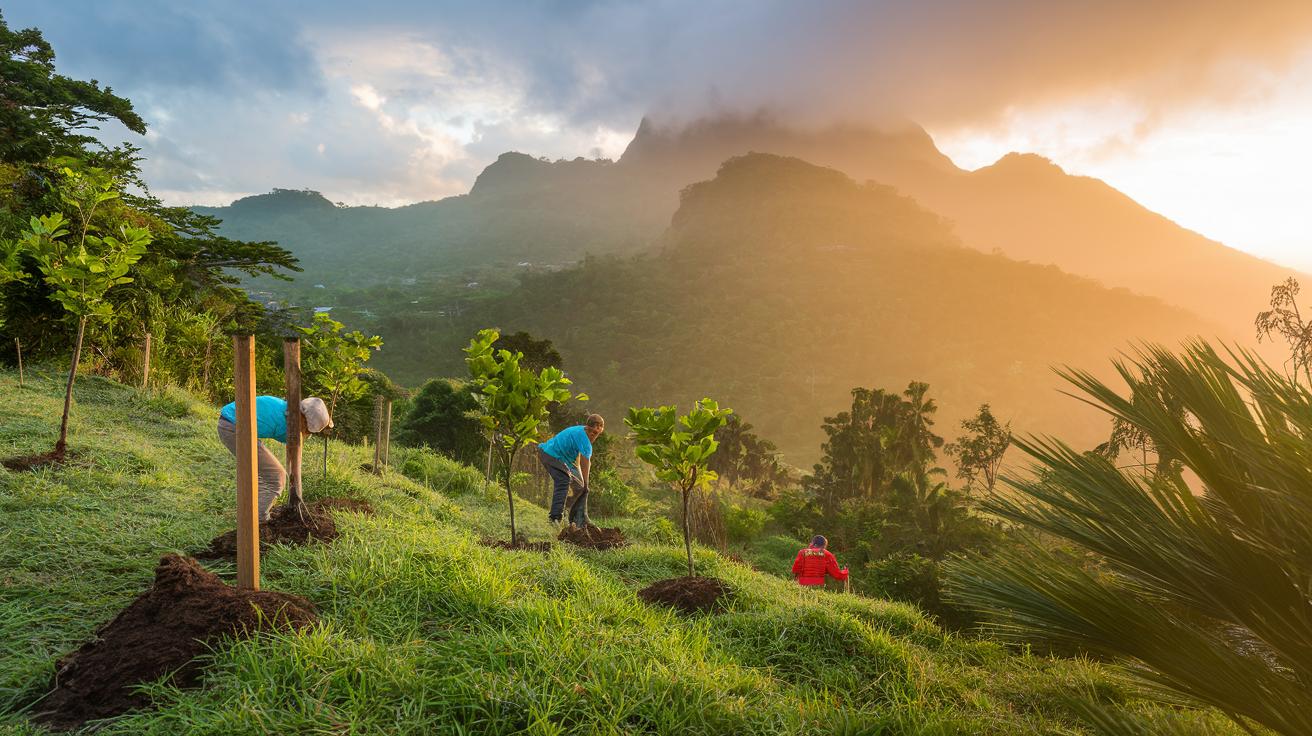
Since 2016, the GEF-IWEco project has been working on ten Caribbean islands like Antigua and Barbuda, Jamaica, Cuba, Grenada, and St. Lucia. This effort is all about taking care of the mountains so they can look and feel natural for years to come. They work hard on planting trees and using better ways to care for the land, all to make sure these beautiful scenes stay just as charming.
Picture yourself near Soufrière in St. Lucia, where new trees are growing and the air smells so fresh after a rain. Over in the Dominican Republic, they are helping the Higüamo River watershed recover, while Barbados sees old quarries get a new lease on life. And in northeast Trinidad, local folks are busy planting forests to protect the land. Each of these projects shows a real commitment to keeping the region's nature healthy and inspiring.
Local communities sit right at the center of these amazing projects. Training programs and long-term monitoring let residents learn and practice sustainable land care. In truth, these work-together moments not only help nature bounce back but also make sure island life stays full of life and balance.
Caribbean Mountains Travel Tips and Mountain Retreats
Imagine sinking into a cozy mountain-view resort after a day of adventure. In the Caribbean, resorts like Ladera on St. Lucia and the charming Sugar Beach invite you to relax in style. You can also find snug lodgings in Dominica and Tobago that offer amazing views and a safe place to unwind. It's the perfect mix of nature’s wild beauty and a little bit of luxury.
Local experts are ready to lead you on island ridge hikes and eco-friendly tours that feel like a true local secret. Ever thought about a guided hike where you not only catch sight of breathtaking paths but also learn about the local culture? These pros know the trails as well as they know their own backyard, so you're in safe hands while taking in the dramatic scenery.
Before you head out, take a moment to get used to the altitude. Pack some light, breathable clothes along with sturdy boots for your trek. Planning your adventures during the dry months, from December to April, means clearer skies and the best conditions for exploring these highland havens. Enjoy every step among the majestic Caribbean peaks, where nature shows off its wonders and every moment feels like a sunlit memory.
Final Words
In the action of exploring Caribbean mountains, this article showcased stunning peaks, vibrant ecosystems, and practical travel tips that make island trips a breeze. The discussion covered everything from unique geological features to eco-friendly travel insights, giving a taste of each island's charm.
Short and sweet, these words remind us of the joy in experiencing caribbean mountains. Embrace these warm insights and let the spirit of the islands invite you to create your own memorable escapes.
FAQ
What does a Caribbean mountains map show, and do Caribbean islands have mountains?
The Caribbean mountains map reveals island mountain ranges and coastal features, showing that many islands have dramatic peaks complementing their sandy beaches.
Which Caribbean islands offer both mountains and beaches?
Several islands, including St. Lucia, the Dominican Republic, and Jamaica, blend rugged mountain backdrops with inviting beaches, offering diverse scenery for every traveler.
What are the top and tallest mountains in the Caribbean?
The top peaks include Pico Duarte, Blue Mountain Peak, and Pico Turquino, which stand among the tallest and most stunning features in the Caribbean landscape.
Which Caribbean island is known for having the most mountains?
The Dominican Republic is well-known for its numerous mountains, with Pico Duarte being a standout summit amidst a rich mix of high peaks.
Does Pico Duarte ever experience snow?
Pico Duarte sometimes showcases a light dusting of snow atop its peak during cooler periods, adding a unique twist to its tropical setting.
What are some notable peak names like Pico Duarte, Blue Mountain Peak, Pico Turquino, and La Grande Soufrière?
Notable peaks such as Pico Duarte, Blue Mountain Peak, Pico Turquino, and La Grande Soufrière capture attention with their impressive elevations and distinct natural features.
What does the term “the big 3 of the Caribbean” mean?
The term “the big 3 of the Caribbean” typically refers to the region’s most celebrated mountains—often Pico Duarte, Blue Mountain Peak, and Pico Turquino—for their remarkable heights and scenic views.
What might the terms “the 7 mountains” and “the 13 Caribbean” refer to?
Phrases like “the 7 mountains” and “the 13 Caribbean” likely denote specific groupings of peaks or islands, highlighting distinctive clusters within the diverse Caribbean terrain.