Have you ever wondered about the hidden stories beneath the glowing Caribbean shores? Every gentle curl of smoke and burst of lava tells its own tale. The islands have a rich past filled with fiery moments that still shape the lively local vibe today.
Think of it like this: ancient legends mix with nature’s raw power, reminding us that each eruption was a turning point for these lands. Every volcanic event offers a peek into the unbridled energy of the earth, making you feel the heat and rhythm of the past.
In this post, we take a friendly dive into three volcanic moments that continue to spark curiosity and add color to modern island life. Ready to explore the vibrant, fiery history of the Caribbean?
Caribbean Volcanic Activity Overview

Caribbean volcanoes have played a big part in shaping the islands, from their rugged lands to their lively local traditions. Since around 1635 AD, the Caribbean has seen over 40 eruptions, and there are still at least 8 volcanoes that remind us of nature’s energy. The very first well-known eruption, called the Pelée event in 1635 AD, set off a long history of volcanic activity that continues to influence the islands today. Imagine reading old accounts filled with smoke, fire, and ash, and then taking in the steep slopes and rocky landscapes that stand as reminders of those fiery times.
Volcanic eruptions mostly happen along an 850 km stretch in the Eastern Caribbean. Here, a natural process called subduction (when one tectonic plate slides under another) sparks many of these events. Some volcanoes sleep for almost 300 years, yet when they do wake up, they can cause serious damage and even cost lives. Take, for example, the dramatic 2020-21 eruption of Soufrière St. Vincent that reached a powerful, sub-Plinian level, reminding everyone of Mother Nature’s raw strength.
Scientists use tools that measure earthquakes and gas levels to better predict risks and keep people safe. By blending old records with modern data, they paint a clearer picture of how these volcanoes behave in our vibrant tropical region.
Historical Island Eruption Chronicles in the Caribbean

The Caribbean has a long past filled with exciting volcanic events. Even centuries ago, around 1635 AD, the Pelée eruption stunned locals with huge clouds of smoke and bright streams of fire. Scientists using radiocarbon dating (a method to determine age using leftover carbon) and old records have found that there were 34 eruptions spread across the Lesser Antilles. Each one left its own special mark on the islands.
Montserrat’s story is just as captivating as any island tale. In 1902, small hints of volcanic activity at Soufrière Hills made residents wonder if something bigger was coming. Then, in July 1995, a major explosion completely buried Plymouth, the island’s capital, in just a few hours. It’s a striking reminder of how quickly life can change when nature surprises you.
Even underwater, the Caribbean holds its own secrets. Kick ’em Jenny, the region’s only active submarine volcano, quietly released its energy back in 1979, showing that surprises can come from below too. More recently, between 2020 and 2021, Soufrière St. Vincent experienced a sub-Plinian eruption, an event with a volcanic explosivity index (VEI) of 4. This dramatic display proved once again how nature can reshape the land in unexpected ways.
These accounts aren’t just old stories, they are vivid reminders of nature’s raw power. History and science come together to show us how volcanic events have shaped the Caribbean, turning sudden moments of fury into memories that live on.
Active Caribbean Volcanoes and Seismic Events in the West Indies

In this warm, tropical region, you can find 21 active volcanoes spread over 11 islands. Some of the well-known ones include Soufrière St. Vincent and Soufrière Hills. Since 1900, records show that six of these volcanoes have erupted 26 times over 45 years in a possible 126-year span, roughly one eruption every 2.8 years. Imagine nature’s own little reminder of its power, like a gentle drumbeat that occasionally gets louder.
Kick ’em Jenny is the only active underwater volcano in the Caribbean. Located about 9 km north of Grenada, it puts on an amazing underwater display with at least 14 recorded eruptions. Picture watching ripples dance on the water’s surface, hinting at the hidden energy deep below.
Local scientists and observatories keep a close eye on these volcanoes. They use seismometers, which pick up tiny earthquakes, along with gas sensors and gauges that notice when the ground swells. Recently, observers detected activity at Soufrière Hills in September 2023, and Soufrière St. Vincent has been showing signs of activity since March 2022.
Today, studying these natural wonders means looking both on land and underwater. Researchers use pressure sensors in the ocean to catch any underwater eruptions at Kick ’em Jenny, giving them a complete view of the volcanic hustle in the West Indies.
| Key Monitoring Tools & Insights | Description |
|---|---|
| Seismometers & Gas Sensors | Devices that detect small earthquakes and changes in gas levels, helping scientists track volcanic behavior. |
| Offshore Pressure Sensors | Instruments placed underwater to monitor eruptions at Kick ’em Jenny. |
| Historical Eruption Data | Records used to outline past eruptions and predict what might come next. |
These vibrant volcanic activities are a clear reminder of the powerful natural forces at work in the Caribbean. Every burst of energy, whether on land or deep beneath the waves, teaches us more about the lively and ever-changing nature of our Earth.
Monitoring Caribbean Eruptive Zones and Regional Networks

Caribbean volcano monitoring mixes high-tech gadgets with a network of local experts to keep an eye on the lively forces beneath these colorful islands. Scientists use seismometers to catch tiny vibrations, almost like listening for gentle knocks at your door, to spot small shifts in volcanic behavior. GPS devices and InSAR (a tool for tracking how the ground moves) work together to notice even the slightest bend or swell in the Earth's surface.
They also use gas-chemistry analyzers, which detect shifts in the makeup of volcanic gases, and thermal-imaging satellites that pick up heat signals from far away. Together, these tools create a complete picture of what’s happening deep below.
Local institutions like the University of the West Indies and the Montserrat Volcano Observatory play a big part in sharing real-time data with communities and officials. Even Kick ’em Jenny, a unique underwater volcano north of Grenada, is watched using offshore pressure sensors that record subtle changes in water pressure, hinting at what goes on beneath the waves.
Every month, organizations such as VVSD in St. Vincent and MVO in Montserrat publish updates. These reports help experts forecast potential volcanic events and keep everyone informed. This means both locals and visitors have access to up-to-date, vital information in a region that is always in motion.
Hazard Preparedness Strategies in Caribbean Volcanic Zones
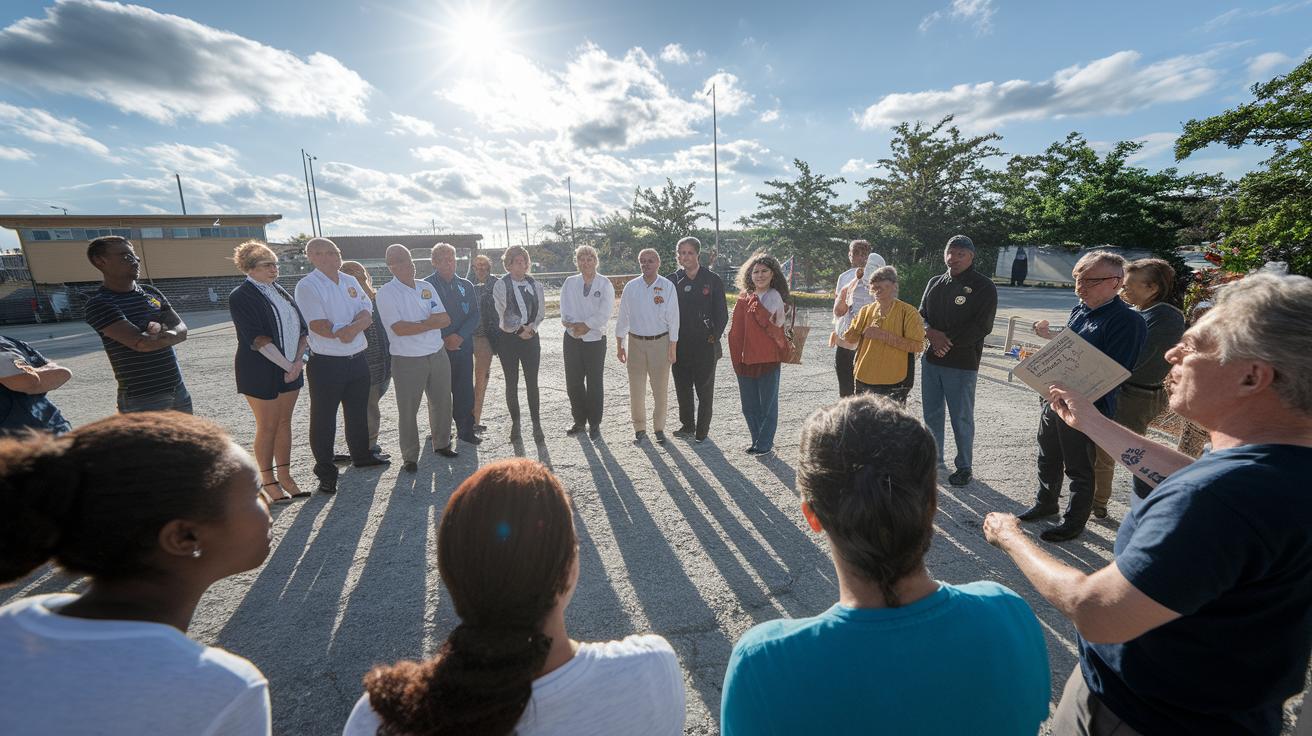
Down here in the Caribbean, everyone stays close and watches out for one another when volcanoes start to rumble. Local leaders set up shelters more than 10 km away from active vents and run regular drills so every neighbor knows the safe way out. Just think back to the 2021 St. Vincent eruption when over 20,000 people evacuated in just a few hours by following clear, practiced routes.
Community education is a big deal, too. Projects like the Volcano Ready Communities Project give locals hands-on training on what to do during an eruption, all taught under the warm, inviting skies of the Caribbean. In Trinidad & Tobago, officials use microzonation mapping (a way to point out which spots might feel the brunt of ash or tremors) and routinely update these maps to keep everyone in the loop.
Emergency planning here means that government teams, first responders, and scientific experts team up. They run drills for ash clouds and even tsunami events so that when nature flexes its power, everyone is calm, confident, and ready to act.
| Preparedness Measures |
|---|
| Practice evacuation routes and plans |
| Host community education programs like the Volcano Ready Communities Project |
| Use microzonation mapping to flag high-risk areas |
| Run ash dispersion and tsunami drills |
| Set up shelters over 10 km from active vents |
| Update hazard maps regularly through civil defense efforts |
These measures help build a tight-knit community that stays ready even when nature reminds us of its mighty power. Every effort is a small step towards keeping everyone safe and sound under our beautiful Caribbean sun.
Montserrat Case Study: Caribbean Volcanic Activity at Soufrière Hills and Recovery
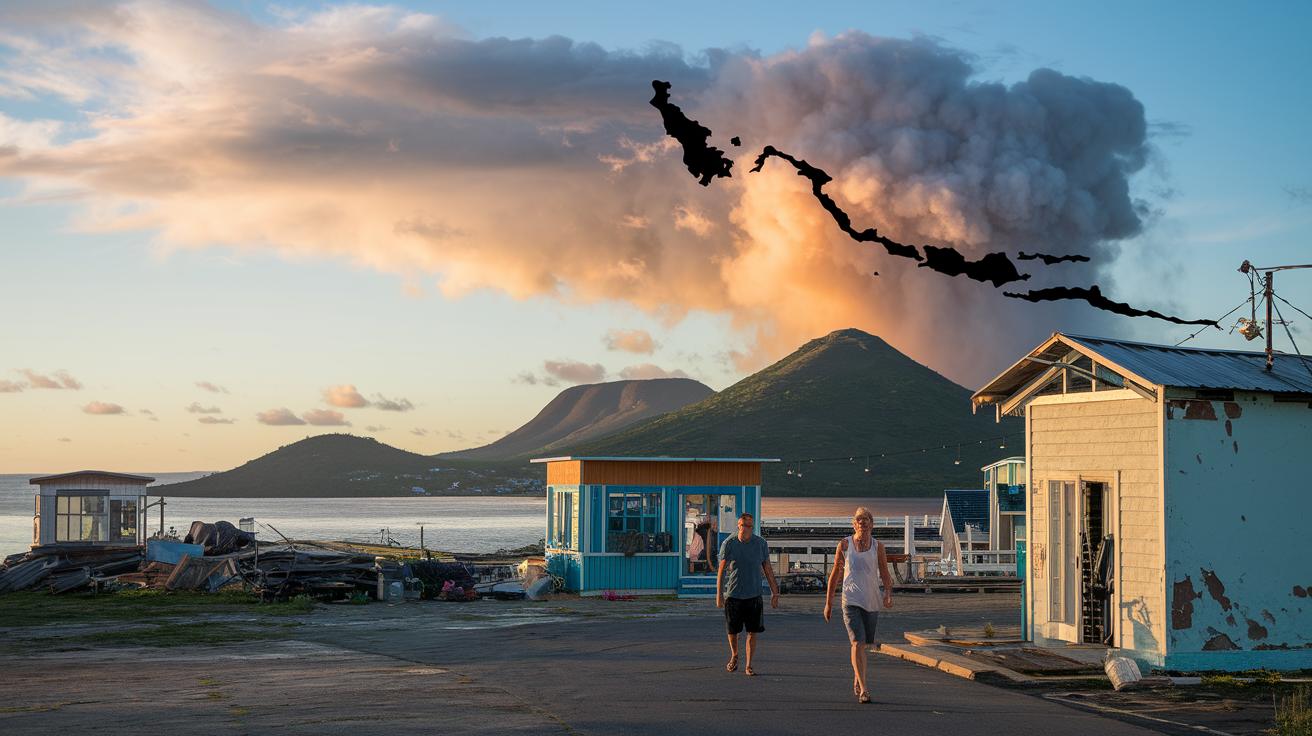
Back in July 1995, the eruption at Soufrière Hills turned Montserrat's life upside down. The town of Plymouth was swallowed up, and nearly 70% of the island’s buildings vanished. Imagine half of your neighborhood suddenly being unsafe to live in. About 7,000 residents had to leave quickly, with organized evacuations that felt both rushed and necessary. Naturally, the island’s economy took a big hit, with the GDP dropping by almost 50%.
After the eruption, local leaders, along with the community, began putting the pieces back together bit by bit. People started settling in the northern parts of the island, steering clear of risky zones. By 2002, officials rolled out hazard zoning, a simple plan to mark off areas that could be in danger in the future. At the same time, the Montserrat Volcano Observatory got a boost, meaning locals could rely on better and more up-to-date information during uncertain days.
This ongoing recovery wasn’t a sprint but a 20-year journey. It turned into a living lesson about how communities can bounce back, learn, and grow stronger even after nature throws its worst curveballs. In truth, Montserrat’s experience shows us that with a little resilience and smart planning, people can rebuild their lives and make the future just a bit safer for everyone.
Final Words
In the action, this article took us through riveting chapters of the Caribbean’s volcanic past and present. We followed historic island eruptions, the latest seismic shifts, and local hazard preparedness that safeguard communities.
Each section painted a vivid picture of how volcanic activity caribbean remains both a powerful force and a cherished part of regional life. With every tale, we uncovered layers of local insight and technological strides, leaving us with a renewed sense of wonder and optimism for the resilient spirit of the Caribbean.
FAQ
Volcanic activity Caribbean map
The volcanic activity Caribbean map highlights active and dormant volcanoes across the region, showing the Eastern Caribbean volcanic arc and other significant sites based on monitoring and historical data.
Volcanic activity Caribbean pdf
The volcanic activity Caribbean PDF compiles detailed information on active volcanoes, recent eruptions, and seismic records, offering a comprehensive resource for researchers and preparedness officials.
Caribbean Volcanoes map
The Caribbean Volcanoes map displays key volcano locations, from on-land peaks like Soufrière St. Vincent to underwater vents such as Kick ’em Jenny, and outlines their eruption timelines and regional geology.
Volcanic activity Caribbean wikipedia
The volcanic activity Caribbean Wikipedia page details historical and recent eruptions, active volcano lists, and regional tectonic settings, providing a user-friendly overview for public understanding.
Volcanic activity Caribbean tsunami
The volcanic activity Caribbean tsunami reports focus on underwater eruptions, like those from Kick ’em Jenny, which have the potential to trigger tsunamis, prompting continuous monitoring by regional observatories.
Caribbean volcano eruption 1995
The Caribbean volcano eruption in 1995 mainly refers to the Soufrière Hills event on Montserrat, which caused significant destruction and evacuations, marking one of the region’s most impactful volcanic incidents.
Most dangerous volcano in the Caribbean
The most dangerous volcano in the Caribbean is often seen as Soufrière Hills on Montserrat due to its destructive history in 1995 and its continued active state that poses serious risks to nearby populations.
List of volcanic islands in the Caribbean
The list of volcanic islands in the Caribbean includes islands like Montserrat, St. Vincent, and Dominica, all located along the Eastern Caribbean volcanic arc with a rich history of eruptive activity.
Is there volcanic activity in the Caribbean?
The volcanic activity in the Caribbean remains active, with several recorded eruptions and continuous monitoring by regional observatories to track both land-based and submarine volcanoes for ongoing risk management.
Which volcano erupted in the Caribbean recently?
The volcano that erupted recently in the Caribbean is Soufrière St. Vincent, which had a significant eruptive phase during 2020–21, reflecting the ongoing volcanic activity in the region.
Which Caribbean islands are not volcanic?
The Caribbean islands without significant volcanic origins are usually those shaped by coral and sedimentary processes, such as many of the Bahamas islands, which lack a volcanic history.
What huge underwater volcano set to erupt in 2025?
The huge underwater volcano set to erupt in 2025 refers to Kick ’em Jenny, a prominent submarine volcano north of Grenada, closely monitored for its potential pressure events and eruptive activity.
