Have you ever wondered why Caribbean water feels like a warm hug even on a cool morning? The ocean here usually hovers between the low 70s°F and the low 80s°F, offering just the right mix of cool and cozy day after day.
As the day unfolds, you might notice the water seems to glow a little more, inviting you to jump in for a refreshing dip. This tropical setting not only helps you escape into a soothing retreat but also promises plenty of excitement with fun water sports and plenty of sunlit adventures.
Caribbean Ocean Temperature: Radiant Summer Allure
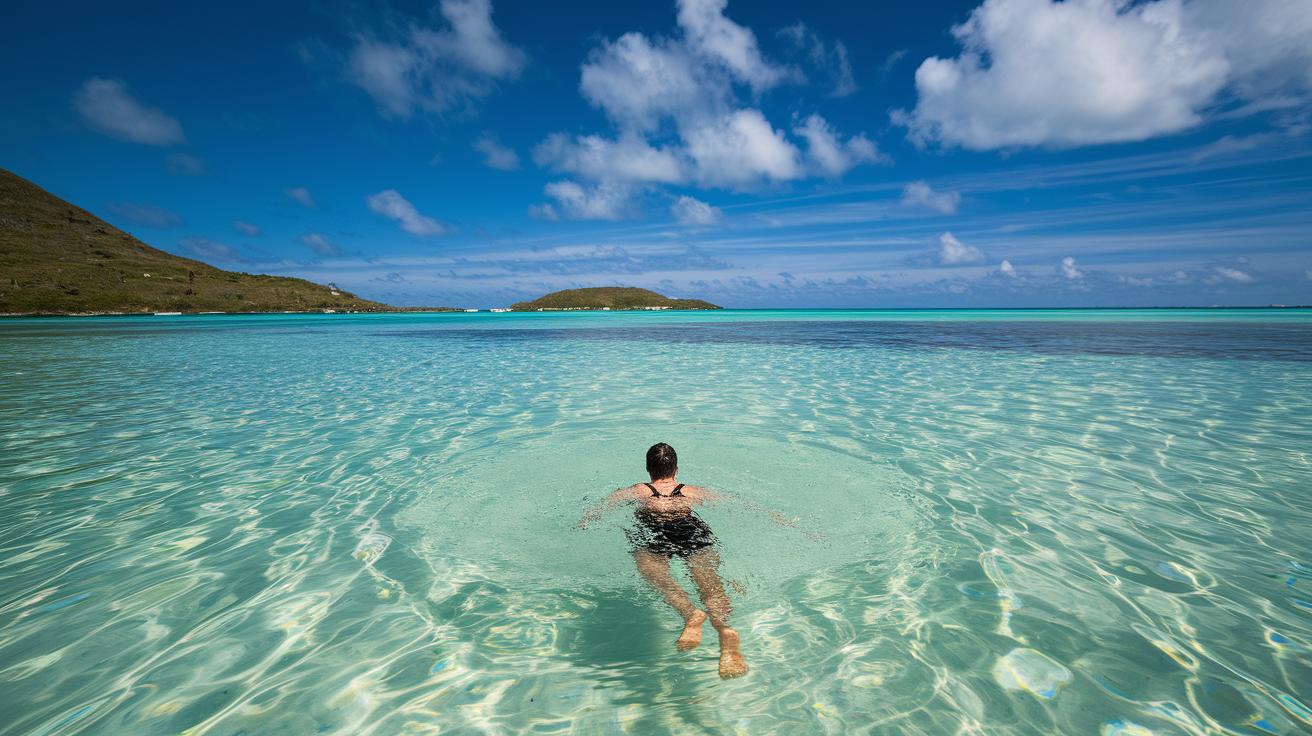
Ever wondered why the Caribbean sea feels like a warm hug all year long? The water here stays inviting, mostly ranging from the low 70s°F to the low 80s°F. Even on cooler mornings, when you might feel a slight chill, the water warms up by midday, making it perfect for a swim or a fun water sport.
During the summer months, the ocean hits its peak temperature, calling out to anyone looking for that perfect tropical dip. Thanks to modern sea surface heat mapping (a way to track how warm the water is each month), both locals and visitors know when to expect that extra golden glow.
| Month | Average Temperature (°F) |
|---|---|
| January | 78°F |
| February | 79°F |
| March | 80°F |
| April | 81°F |
| May | 82°F |
| June | 83°F |
| July | 83°F |
| August | 84°F |
| September | 84°F |
| October | 83°F |
| November | 82°F |
| December | 80°F |
Take Aruba as a quick example. On this island, the water sits at about 79°F in winter and warms to around 83°F in the summer, just like in the table above. So, whether you’re planning a casual dip or an adventurous day in the sea, the Caribbean always serves up a slice of warm, tropical bliss.
Seasonal Patterns in Caribbean Ocean Temperature
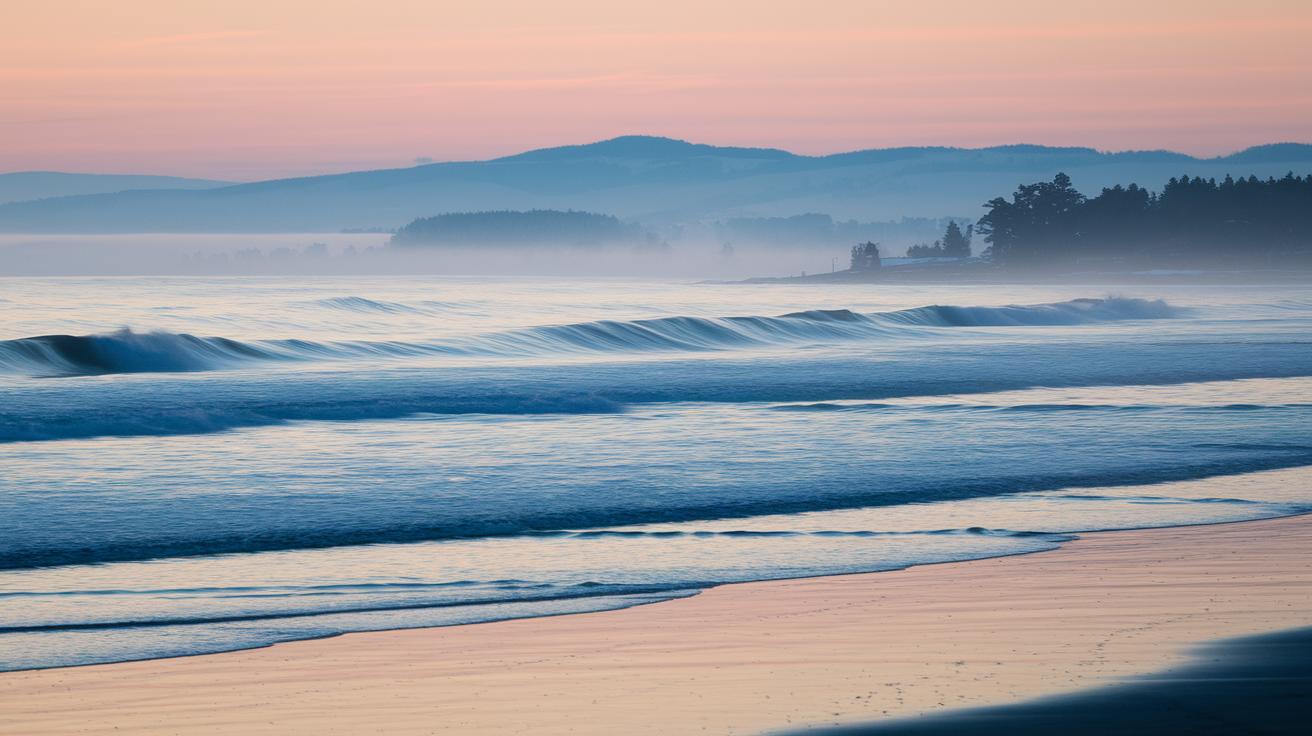
In winter, early mornings greet you with a cool ocean that feels a bit brisk to the touch. As the day unfolds, the warm sun slowly changes the scene. By afternoon, the water often rises above 78°F, giving you a chance to trade that early chill for a soothing, warm swim.
In summer, the ocean truly heats up, usually settling in the low to mid-80s°F. It's perfect for splashing around in water sports or enjoying a lazy dip. But during hurricane season (June to November) and on rainy days, things can feel different. Cloudy skies and heavy showers sometimes block the sunlight, leaving the water a little cooler than on bright, clear days.
Spring and fall bring gentle changes to the ocean’s warmth. Each month, you might notice a tiny shift of 1–2°F, smoothly transitioning from the crispness of winter mornings to the full-bodied heat of summer afternoons. This gradual change is like the natural rhythm of the Caribbean, keeping the waters delightfully balanced all year round.
Regional Variations in Caribbean Ocean Temperature
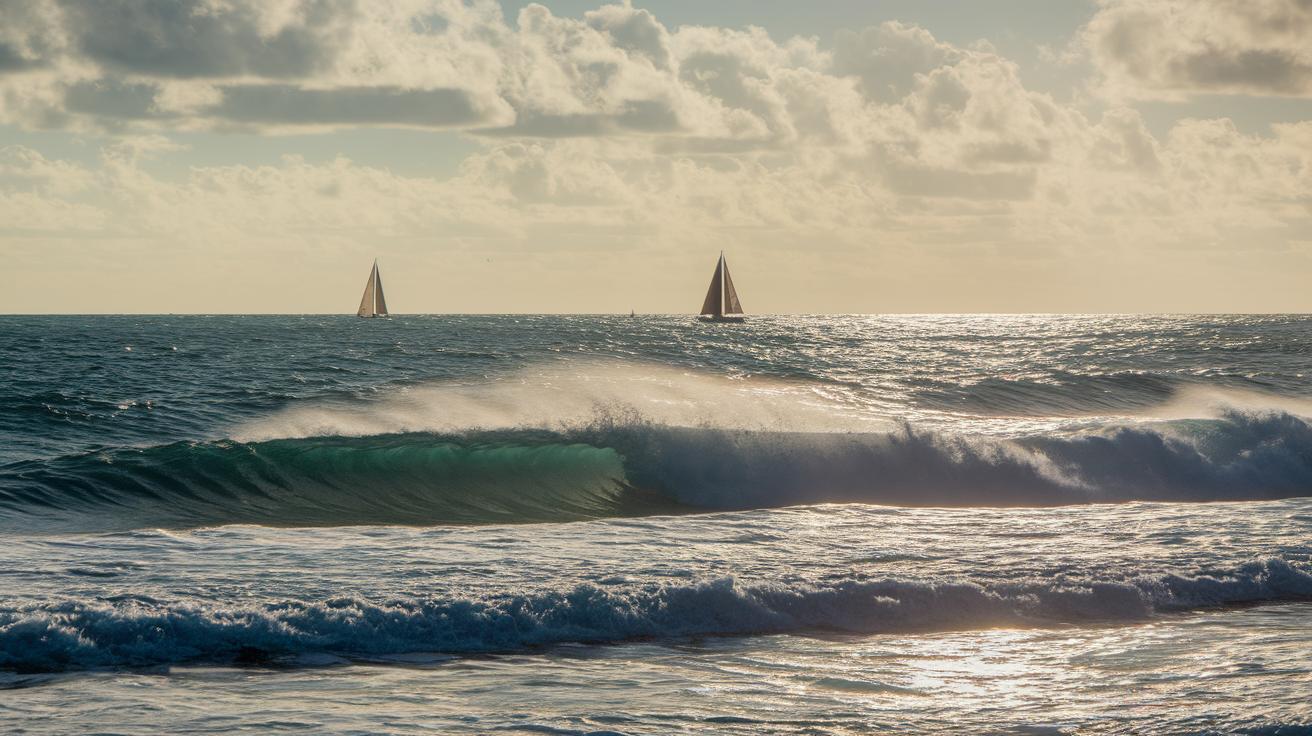
In the western Caribbean, you can often feel the water to be around 82°F to 84°F. The warm temperature here comes from a mix of shallow shelves and gentle warm currents, kind of like the well-known Gulf Stream. Over in the eastern part, the water stays a bit cooler, averaging about 80°F to 82°F, thanks to the soft trade winds that keep the sea freshly cooled. Each area has its own tropical charm, making you want to dive right in.
Head south toward Venezuela, and you'll notice the ocean heats up even more, sometimes rising above 84°F during the summer. Without strong cooling currents, the water gets that extra boost of tropical heat, offering a strong taste of the season's warmth.
Take Aruba as a great example. On this island, the water temperature is about 79°F in the winter and warms up to around 83°F in the summer. Aruba perfectly mirrors the overall Caribbean vibe, while also showing the little differences that make each spot unique.
Weather Factors Affecting Caribbean Sea Surface Heat
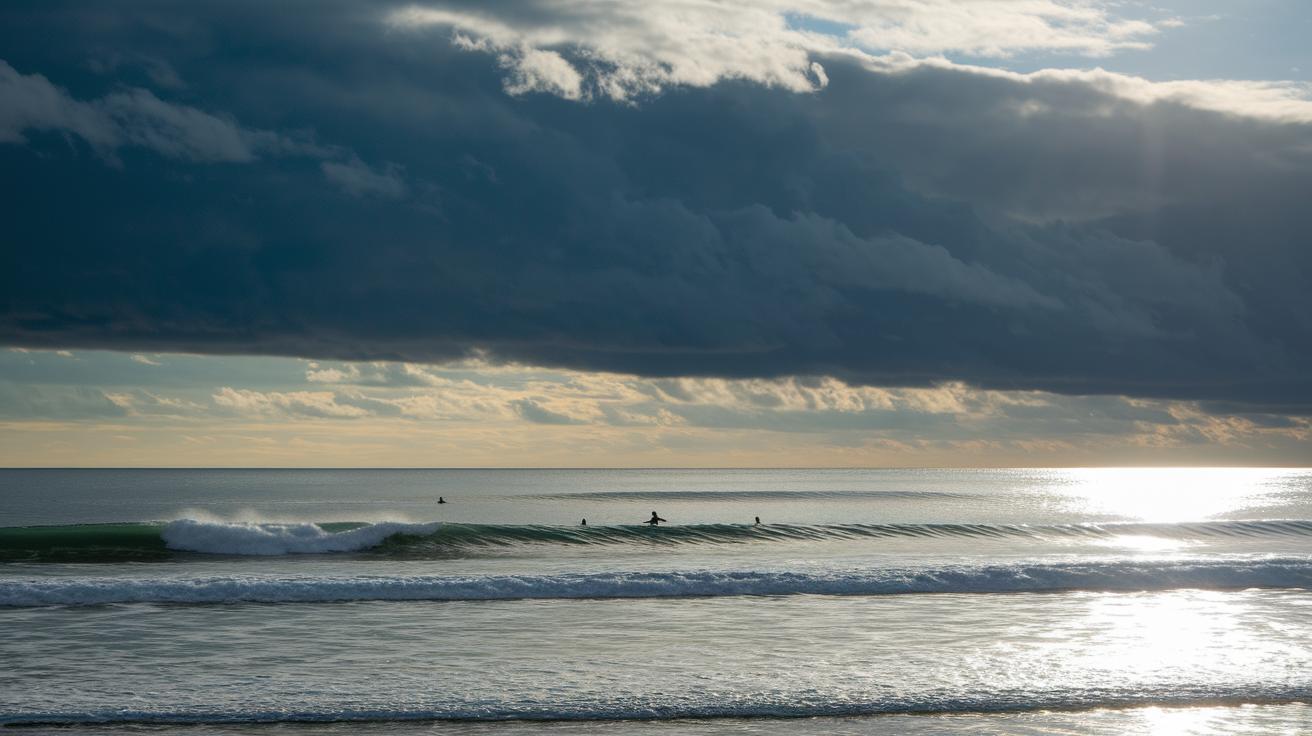
Sometimes the Caribbean Sea tells a cool and warm story at the same time. The trade winds, blowing at 15 to 20 mph, can give a pleasant breeze that cools the surface of the water. Imagine stepping into a bright day dip only to feel that gentle, refreshing wind saving you from the heat. It’s one of those surprising touches Mother Nature offers.
Then there are days when heavy rain steps in. When dark clouds roll over, they lower the sun's heating by about 1 to 3°F. This means the water gets a soft, cool feel, thanks to the rain and land runoff. It’s like the sea catches a little break in its usual warm embrace, offering a brief chill for anyone enjoying the day.
This mix of sun and rain, warmth and cool, makes the Caribbean Sea always seem a bit magical and unpredictable. Next time you’re there, take a moment to feel these changes and remember that every dip in the ocean tells its own special story.
Monitoring Techniques for Caribbean Ocean Temperature
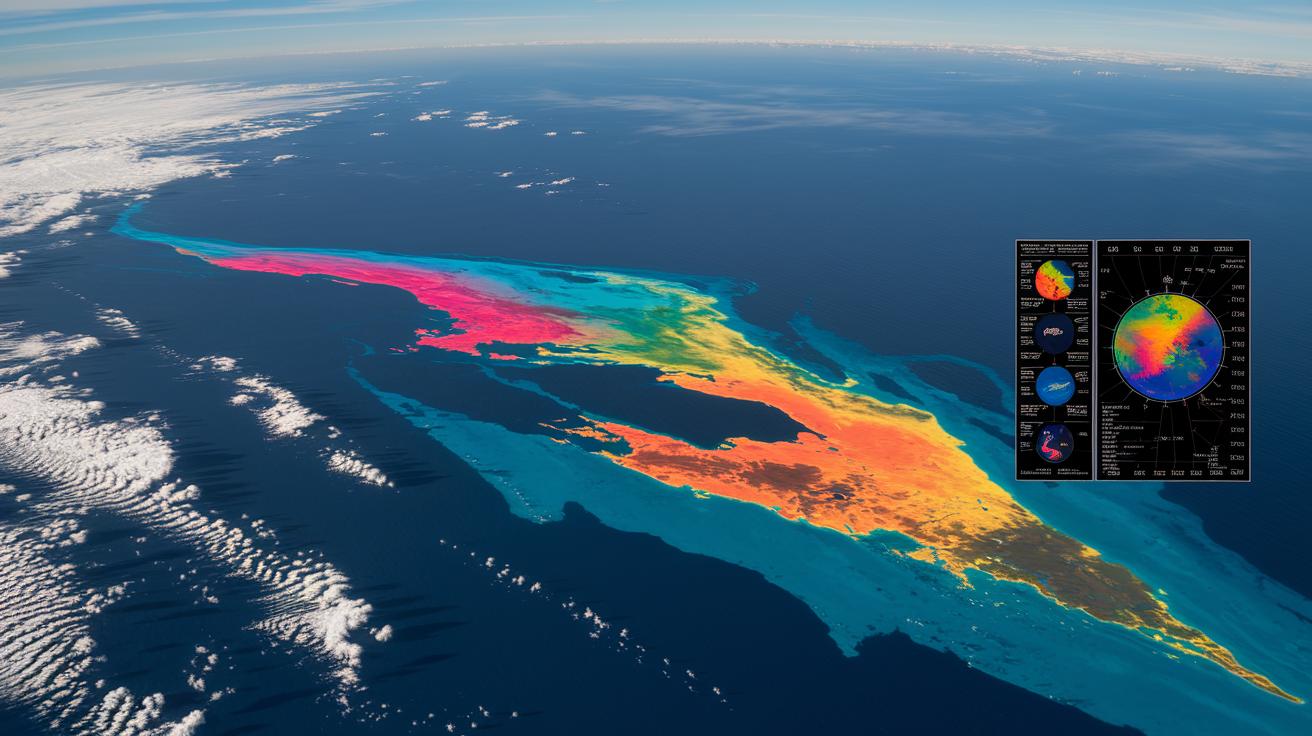
Today’s tech makes it easy to keep track of how warm the Caribbean sea is. Scientists use a mix of tools to watch the water's temperature as it changes with the weather and seasons. With these smart methods, we can see what’s happening right now and also spot long-term trends that show even the smallest shifts.
- Satellite sea heat imagery
- NOAA thermal mapping tools
- Marine buoy sensor networks
- Aircraft reconnaissance data
- Numerical forecast models
Each tool is like a piece of a puzzle, helping build a clear picture. Satellite images deliver live maps, while NOAA maps show changes month by month and year by year. Marine buoys record daily temperature changes, and aircraft provide extra details during storms. Forecast models then use past data to predict temperature trends for the next week. Together, these techniques offer a full look at the ocean’s warmth in the Caribbean.
Effects of Temperature Trends on Caribbean Marine Ecosystems and Activities
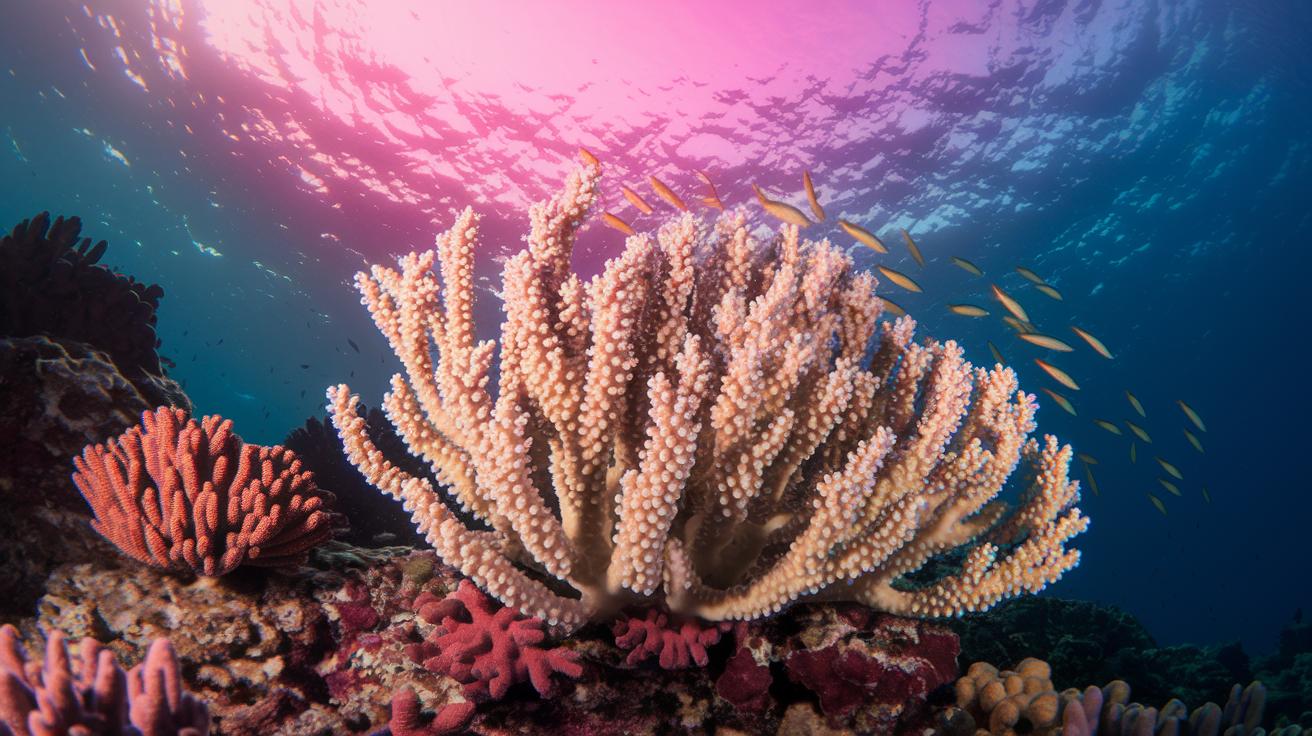
Caribbean coral reefs feel the heat in more ways than one. When summer temperatures stay high for too long, the coral that builds these underwater cities gets stressed as if it were too hot to relax. In Antigua, locals and scientists keep a close eye on these rising temperatures, like checking if your favorite ice cream is about to melt too fast. Imagine an underwater neighborhood where the fish suddenly have to find new spots to live because the water isn’t as cool as it used to be, it’s like a quiet shuffle of residents trying to find a new routine. Experts are working hard to learn how these changes affect our colorful marine life and to help protect these natural treasures for years to come.
Changing ocean heat also ripples out to the people on land. When the sea stays warm (above 78°F), it feels just right for snorkeling and diving, giving visitors that perfect sun-drenched day out. In places like Belize, steady warm waters not only boost fun water activities but also help local fisheries thrive and support coastal economies. As the heat shifts, locals are starting to notice even tiny changes that can make a big difference, from how easy it is to enjoy a swim to how productive the fishing spots are. This mix of marine warmth and daily life shows us why it’s so important to keep track of temperature trends in the Caribbean.
Final Words
In the action of reading this guide, you saw how yearly and monthly sea temperature patterns shape the Caribbean vibe. We shared insights on regional differences, weather effects, and the methods to track warm waters. Aruba’s example ties everything together. With a clear look at caribbean ocean temperature trends, you're well-prepared for a smooth, eco-friendly trip filled with local culture and sunlit moments. Enjoy every minute as you plan a stress-free escape to the tropical shores.
FAQ
What is the Caribbean ocean temperature by month?
The Caribbean ocean temperature by month ranges from about 78°F in January to 84°F in summer, showing a steady warm trend with small shifts from month to month.
How does a Caribbean ocean temperature map work?
A Caribbean ocean temperature map uses satellite and sensor data to visually show current sea surface heat levels across the region in Fahrenheit.
What are typical Caribbean ocean temperatures in Fahrenheit?
Caribbean ocean temperatures are usually between the low 70s°F and the low 80s°F, with warmer waters during peak months and cooler readings during seasonal drops.
How does Florida’s ocean water temperature vary by month?
Florida’s ocean water temperature shifts with the seasons, often being cooler in winter and warmer in summer, similar to the Caribbean but sometimes reaching higher readings.
What is the Caribbean water temperature in January?
The Caribbean water temperature in January averages around 78°F, offering a comfortable climate for swimming and water activities even in winter.
How can I check a current water temperature map?
A current water temperature map displays real-time sea surface data from satellites and buoys, allowing you to quickly see the heat distribution in various ocean regions.
What are the typical temperatures in the Pacific Ocean?
The Pacific Ocean’s temperature varies widely depending on location, ranging from cooler waters in higher latitudes to warmer tropical areas.
How does the Gulf of Mexico water temperature change by year?
The Gulf of Mexico water temperature is tracked over time, showing gradual shifts influenced by climate variations and seasonal weather patterns each year.
Is 72°F water cold for swimming?
Swimming in 72°F water can feel a bit chilly for many people; it may suit those who prefer cooler water, but most swimmers look for warmer temperatures for comfort.
What is the current water temperature in Jamaica?
Jamaica’s water temperature usually hovers in the low to mid-80s°F, providing warm, inviting conditions that support comfortable swimming and water sports.
What is the temperature in the Caribbean today?
The temperature in the Caribbean today typically lies between 78°F and 84°F, offering a warm and pleasant environment for beach activities and marine fun.
