Ever wondered why some islands shine with a special coastal charm? The Dutch Caribbean mixes old Dutch traditions with an easy, relaxed island way of life. Two islands show off sunlit streets, friendly locals, and a splash of color in every corner. Imagine wandering past bright buildings, soft sandy beaches, and a close-knit community that welcomes you right in. It’s a place where history blends with everyday island living, making you feel right at home in a truly unique, sun-kissed world.
Dutch Caribbean Islands: Vibrant Coastal Charm
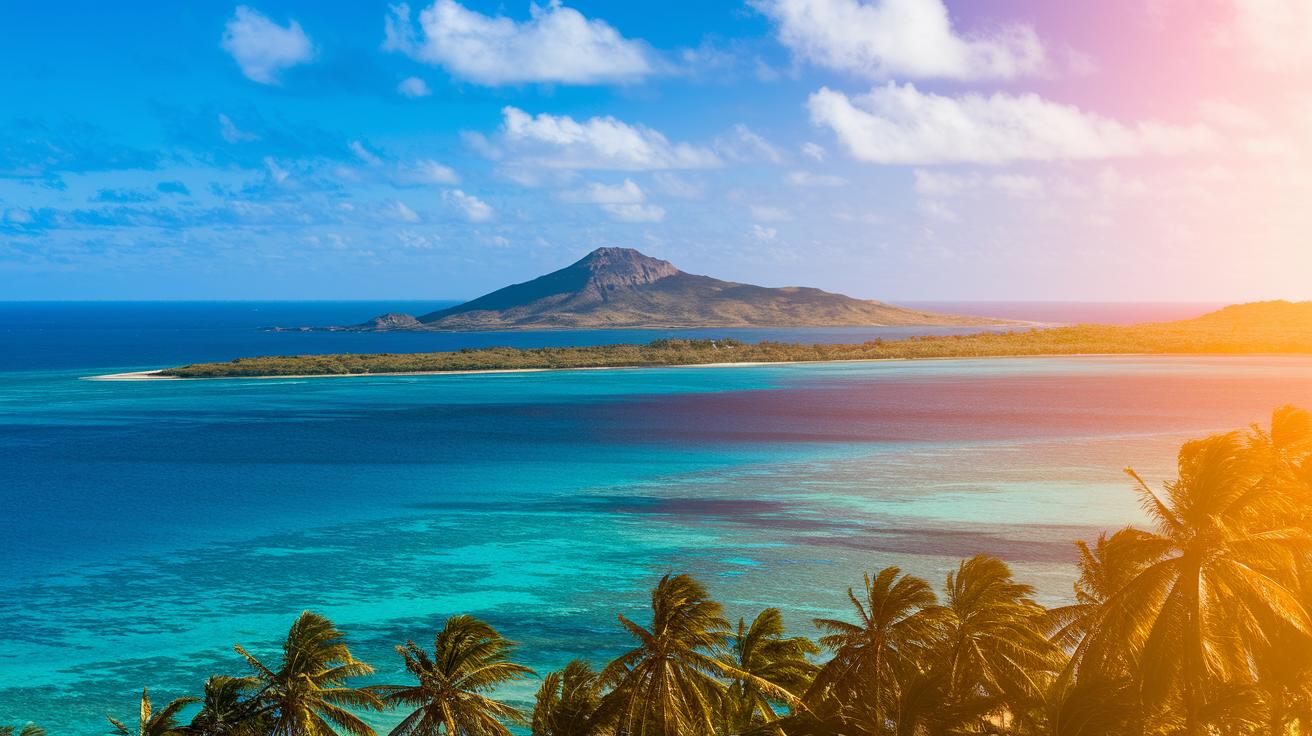
The Dutch Caribbean is a group of six islands ruled by the Kingdom of the Netherlands. Three of these islands – Aruba, Curaçao, and Sint Maarten – are independent and full of character, while Bonaire, Saba, and Sint Eustatius, known as the Caribbean Netherlands, have a special status. Back in 2010, the old Netherlands Antilles dissolved, and since then each island has carved out its own unique way of living.
Imagine the ABC islands – Aruba, Bonaire, and Curaçao – lying under endless blue skies in the Leeward Antilles. These islands dodge the hurricane belt, so you can count on warm, sunny days most of the time. Picture yourself strolling through streets that blend cool Dutch charm with lively local energy. Aruba dazzles with a modern vibe and multicultural beaches, Bonaire is a favorite for its easy shore diving among crystal-clear reefs, and Curaçao’s pastel buildings tell stories of a rich heritage each time you pass by.
Then there's Sint Maarten, where Dutch and French flavors mix to create a fun, bustling spot perfect for shoppers and food lovers alike. Meanwhile, the smaller islands like Saba and Sint Eustatius offer a peaceful retreat. Their rugged hiking trails and untouched natural landscapes create the perfect setting for when you need a quiet break from the busy crowds.
Historical Background and Political Status of the Dutch Caribbean Islands
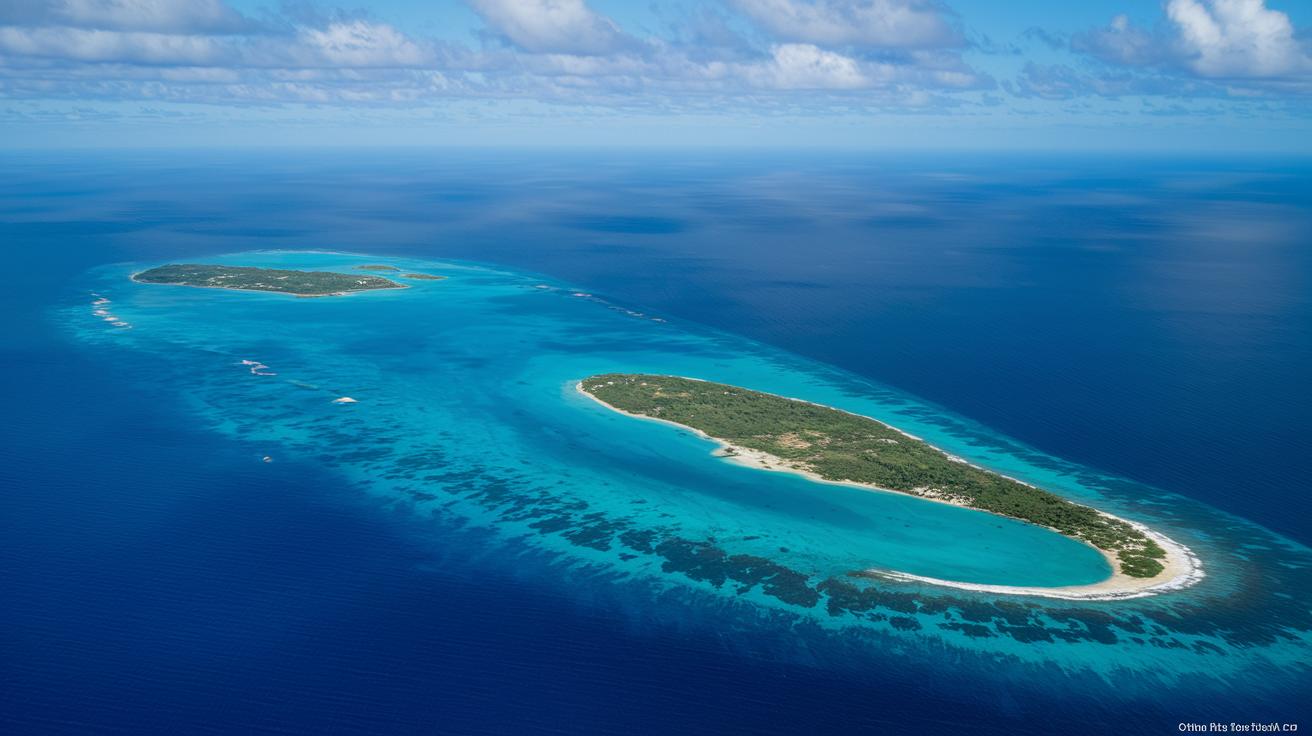
Before October 10, 2010, these islands were united under the umbrella of the Netherlands Antilles. And here’s a surprising fact: the Netherlands Antilles officially dissolved in 2010, marking a turning point in Caribbean governance. This split changed everything, creating two new types of local governments that still influence the islands today.
After the split, Aruba, Curaçao, and Sint Maarten became independent countries in their own right, managing their day-to-day affairs much like other self-governing nations. Meanwhile, Bonaire, Saba, and Sint Eustatius turned into special municipalities, meaning they are now directly managed as part of the Caribbean Netherlands. Each island now has its own unique mix of local decision-making, with hints of Dutch legal traditions and vibrant cultural heritage.
You really can see history in the streets, take Willemstad in Curaçao, for example. With its pastel-colored buildings and charming cobblestone streets, this colonial gem is a UNESCO World Heritage site and a vivid reminder of the Dutch colonial era. Its architecture, language, and local markets still echo the old systems and traditions.
Those colonial roots laid the groundwork for the islands' social communities and economic networks. The journey from a united collection of colonies under the Netherlands Antilles to a modern mix of self-governance shows just how much these islands respect their past while eagerly exploring their independent futures.
Exploring the ABC Islands in the Dutch Caribbean
Aruba
Aruba is a small island about 70 square miles big where people from nearly 90 different countries call home. The sunshine here is almost always bright, making the sandy beaches welcoming and fun. In Oranjestad, you can wander past charming old Dutch buildings and feel the lively mix of cultures. You might even start your day with a refreshing swim in the turquoise water or try horseback riding along the beach. Ever thought about catching a sunrise at Eagle Beach? It’s an experience you won’t forget.
Bonaire
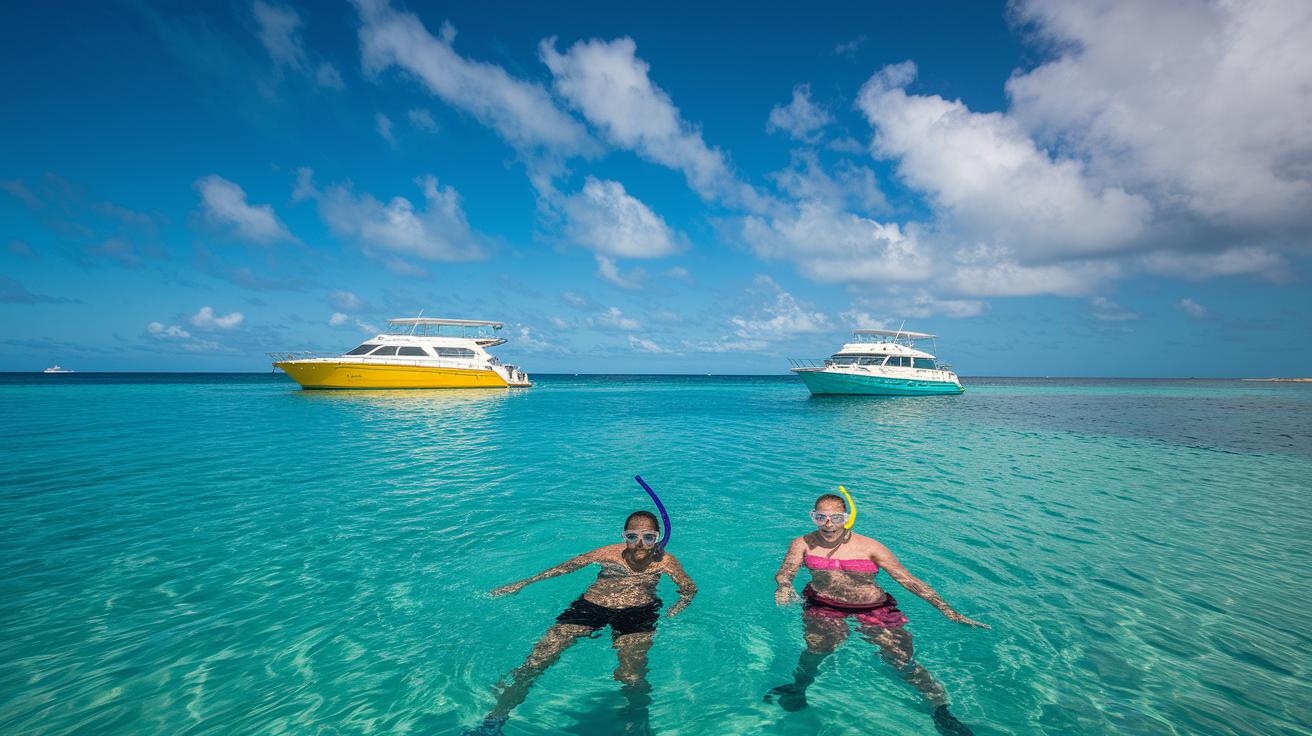
Bonaire is a dream spot for anyone who loves snorkeling and diving along the shore. This island is a favorite because you can easily explore about 80 dive spots with clear, shimmering water. The local Marine National Park takes care of these sites so that the bright coral reefs and lively sea creatures stay beautiful. Whether you're travelling on a budget or looking to splurge on a villa, Bonaire has something for everyone. Imagine gently floating alongside shimmering schools of fish as you explore an underwater wonderland.
Curaçao
Curaçao’s capital, Willemstad, is a place that feels straight out of a storybook with its colorful, pastelly colonial buildings and a rich history waiting around every corner. The island blends African, Creole, Dutch, Spanish, and Portuguese influences, which you can see in the cheerful festivals and tasty food spots. You can easily dive or snorkel from the beach and then stroll through vibrant streets dotted with local markets and friendly cafes. Every step here unfolds a new little adventure. Have you ever wandered through such a colorful, inviting town?
| Island | Top Attraction | Best Activity |
|---|---|---|
| Aruba | Eagle Beach | Horseback Riding |
| Bonaire | Lac Bay | Shore Diving |
| Curaçao | Willemstad | Snorkeling from Shore |
Discovering Saba, Sint Eustatius & Sint Maarten in the Dutch Caribbean
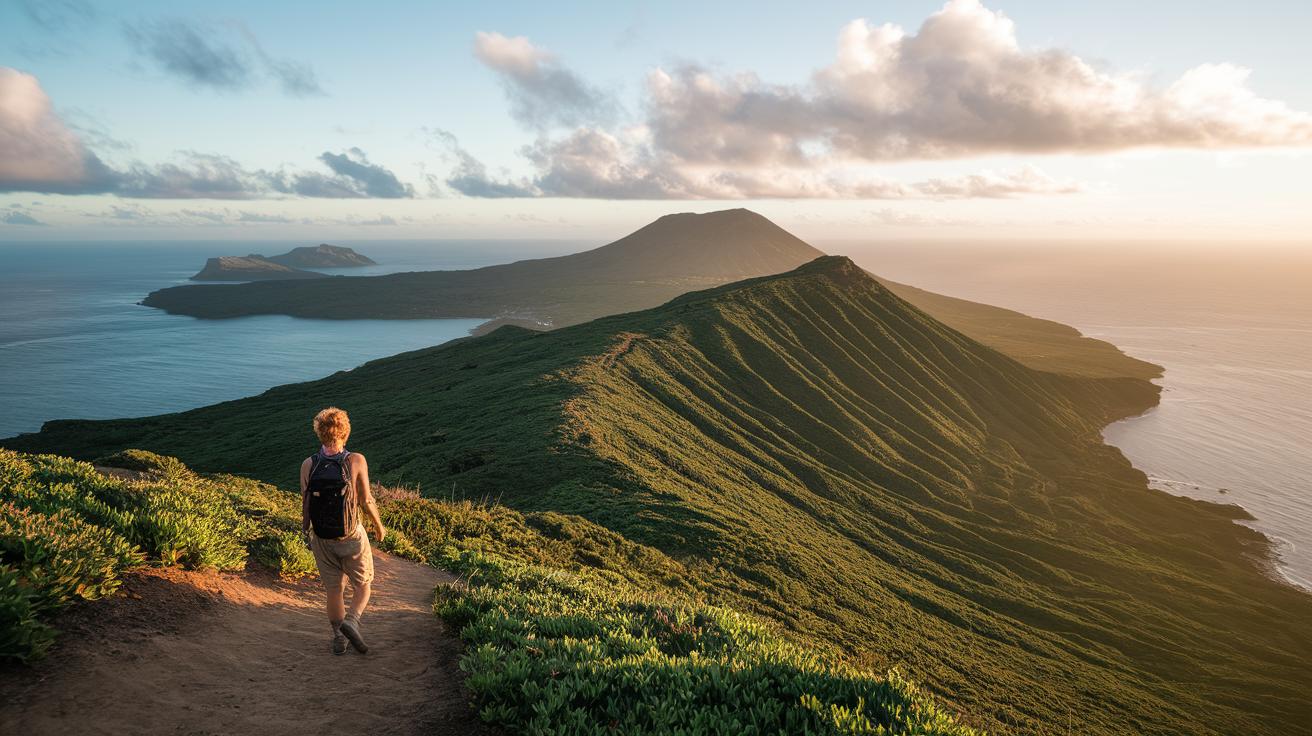
Saba is a small island full of surprises. Its bold, rugged landscapes and relaxed pace invite you to slow down and enjoy nature. Mount Scenery, rising to 2,877 ft, is the highest point in the Kingdom. Picture yourself on a hike through lush trails with breathtaking views at every turn, a true taste of Caribbean wilderness. You can reach Saba by a small plane or sailboat, making the journey feel like a special getaway. Once there, explore a vibrant marine park or unwind in local lodgings that mix old-world charm with modern comfort.
Sint Eustatius, or Statia as the locals call it, charms with a cozy town vibe in Oranjestad where history lingers in every corner. Wander past colonial hints into a world where the Quill volcano trail awaits your footsteps, or dive beneath the surface to explore mysterious wreck sites among sparkling blue waters. In July, the island bursts into life with the Statia Carnival, a joyful mix of music and festivities that fills the streets. Whether you're roaming historic neighborhoods or enjoying a day of nature and culture, Sint Eustatius offers a warm invitation to discover its hidden treasures.
Sint Maarten brings a unique splash of Dutch and French heritage, blending cultures in a friendly, lively mix. With 37 sunlit beaches perfect for sunbathing, swimming, and water sports, the island is a paradise for anyone looking to relax and play. Philipsburg, its bustling hub, is alive with shops, delicious eats, and fun entertainment that adds an urban twist to the beach experience. As a popular cruise port, Sint Maarten welcomes visitors with its coastal charm and energetic spirit, ensuring every moment feels as vibrant as a Caribbean sunset.
Top Attractions and Activities in the Dutch Caribbean Islands
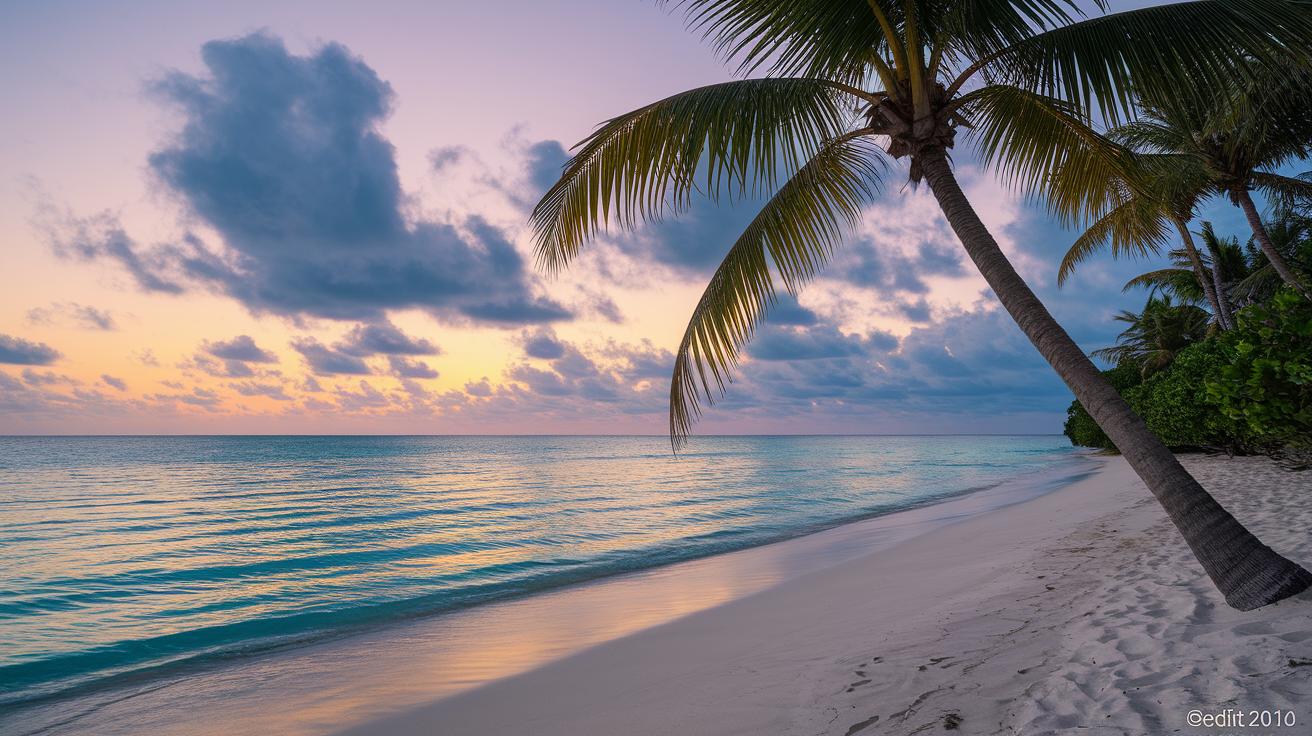
Ever dreamed of a peaceful escape with cool ocean breezes and soft sands? At Eagle Beach in Aruba, early mornings bring calm waters and quiet vibes. It’s the perfect time to grab a paddle board from a local provider and watch the orange sunrise gently light up the waves.
For a burst of excitement, head over to Maho Beach in Sint Maarten. Mid-morning here buzzes with energy and friendly faces. Stick to the safety zones when diving into water sports, and why not pop into a nearby café for a snack? Imagine the thrill of seeing small planes overhead while you splash in clear blue water.
Sometimes, you just need a quiet spot to relax. Curaçao’s hidden beach coves offer a perfect retreat in the late afternoon when the light softens and the crowds thin out. Bring along your favorite book and a light picnic. Picture yourself in a secret cove where the only sound is the soft hum of the ocean.
If you’re ready to explore beneath the waves, Bonaire has over 80 dive sites waiting for you. During the dry season, the underwater world is extra clear. It helps to book a local dive guide who can show you lesser-known spots and share stories about the vibrant marine life. Imagine snorkeling among colorful coral gardens and schools of bright fish.
For an easier snorkeling experience, Curaçao’s shorelines are a great pick. Early mornings offer calm waters and active marine life. Be sure to wear water shoes and consider a guided tour to learn the best spots from someone who knows the area well. It’s like gliding over shallow reefs with a friendly local pointing out the coolest sea creatures.
For those who love a bit of a climb, Mount Scenery on Saba offers breathtaking island views. Choose a clear day with mild winds to make the climb safe and enjoyable. Pack plenty of water and local snacks, and check the weather before you head out. At the top, feel the cool breeze as you take in the rugged beauty of the island.
Nature and history come together on the trails around Statia’s Quill volcano. Cooler months are ideal for a comfortable trek along rugged paths. Make sure to wear sturdy shoes and bring a light jacket since it can get brisk at higher altitudes. A quiet walk here might lead to unexpected encounters with relics of the past.
Finally, dive into local culture at places like Willemstad museums, or join festive events like the Statia Carnival. These special moments let you see the island’s spirit come alive. Chat with friendly locals for firsthand stories of tradition and savor meals at family-run eateries. A meal shared with locals can bring the rich history of the island right to your table.
Cultural and Culinary Highlights of the Dutch Caribbean Islands
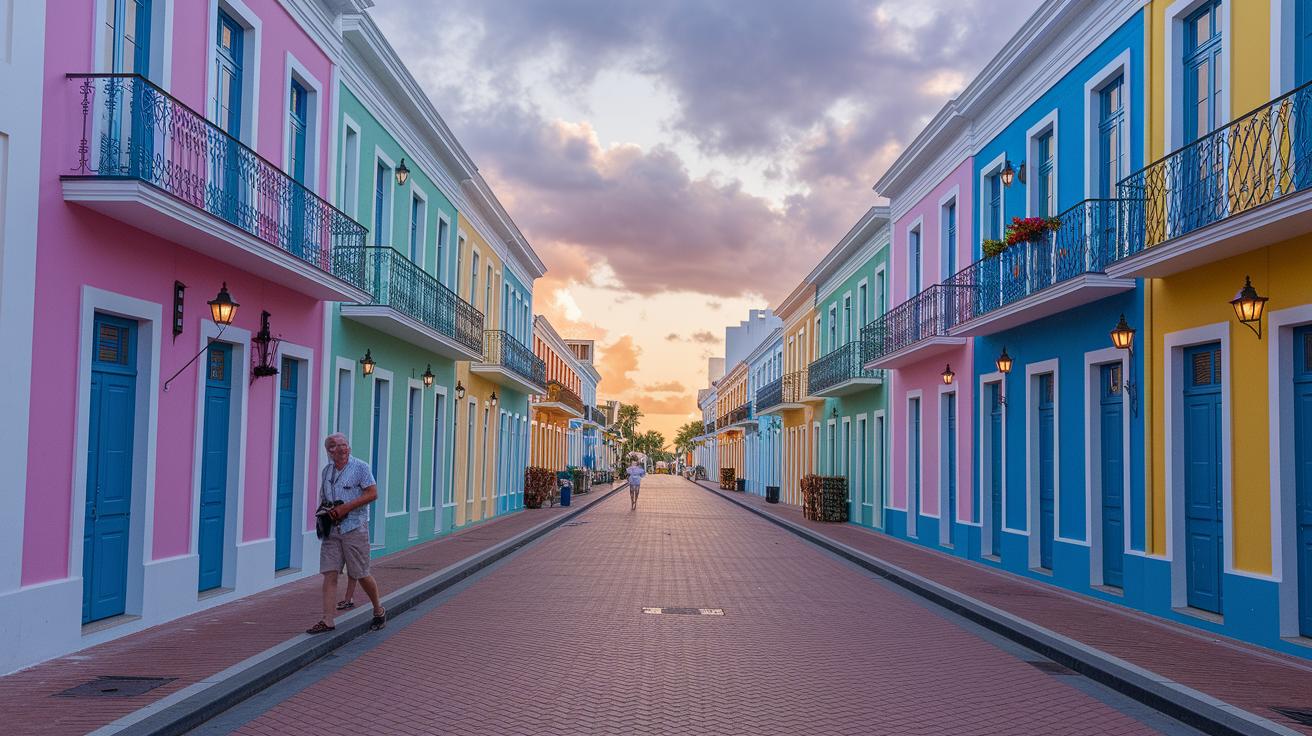
Walking around the Dutch Caribbean is like stepping into a beautiful outdoor art show. In Willemstad, you'll see soft pastel colors and charming architecture that whisper tales of colonial times. On Statia, old forts quietly stand watch over history, while Oranjestad shows off a cool mix of Dutch style and modern touches. The islands throb with the beat of Creole, Dutch, and Latin music. Imagine wandering through a market filled with eye-catching crafts and catchy local tunes. It’s a lively display of culture that feels both warm and timeless.
Food here is as diverse as the islands themselves. You might taste a hearty seafood stew that captures the fresh flavor of the ocean, or dive into a goat stew rich with Afro-Caribbean and Arawak influences. And the local pastries? They’re a sweet finish to every meal, each bite reminding you of recipes handed down through the years. Throughout the year, festivities light up the islands. From the colorful Curaçao Carnival to the energetic Statia Carnival in July and various cultural fairs, there’s always a reason to celebrate. These events invite you to enjoy a mix of flavors, art, and music that perfectly capture the joyful coastal spirit of the Dutch Caribbean.
Practical Travel Tips and Itineraries for Visiting the Dutch Caribbean Islands
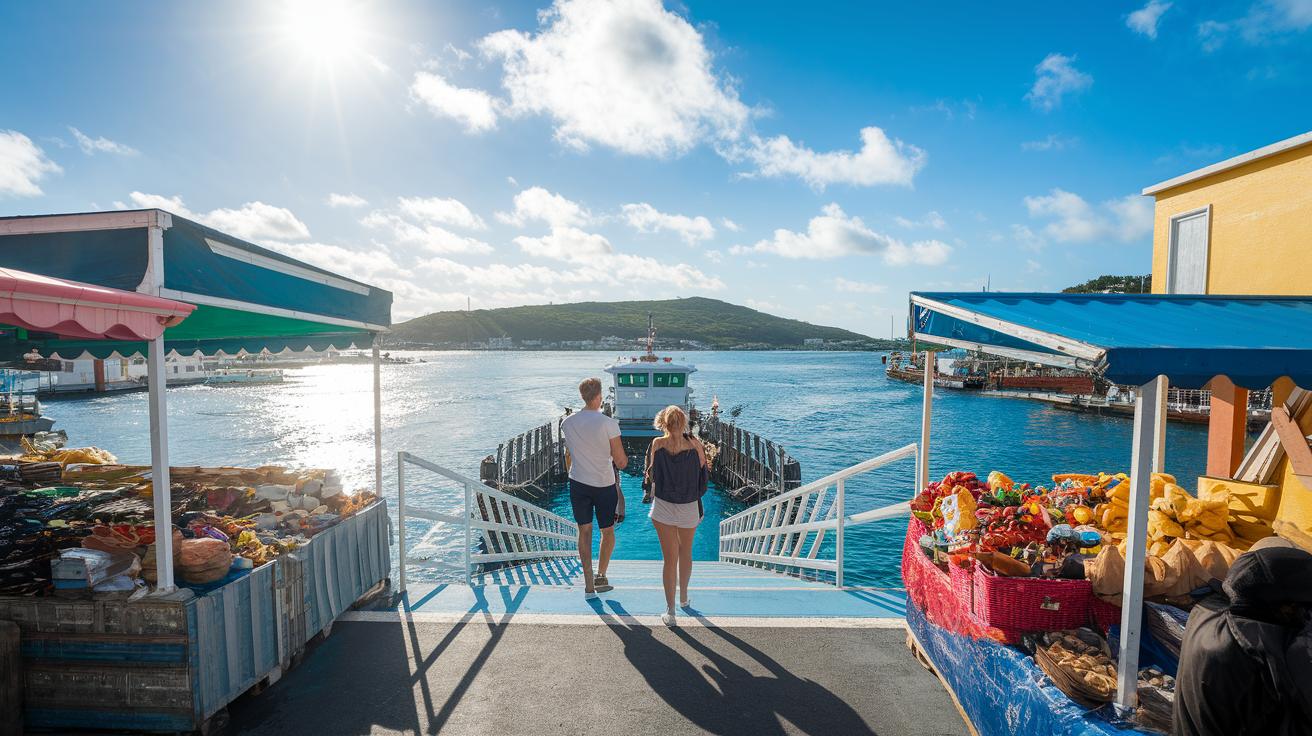
Imagine starting a two-week island adventure from Sint Maarten. You fly into a lively hub, then grab a ferry to Saba. There, the small size of the island and stunning views make you feel like you’ve stepped into a postcard. Next, head off by plane to Statia where you can wander through old colonial towns, hike near ancient volcanoes, and join in joyful local festivities. When you’re ready, return to Sint Maarten by ferry or plane, wrapping up your loop in a relaxed way.
Timing matters in the Dutch Caribbean. The islands enjoy warm sunshine and soft breezes all year. However, the prime period is January to March when the weather is best for outdoor fun. Just a heads-up, even though the islands belong to the Dutch Kingdom, your Schengen visa won’t work here. So be sure to check the passport rules for each island before you leave.
Getting around is a breeze. You can choose from island flights, regular ferries, or even rent a car if you like to drive yourself. For those exploring by car, there’s a handy Guide to Caribbean Island Car Rentals to help you out. With so many travel options, hopping from island to island is smooth and stress-free.
Conservation and Eco-Tourism in the Dutch Caribbean Islands
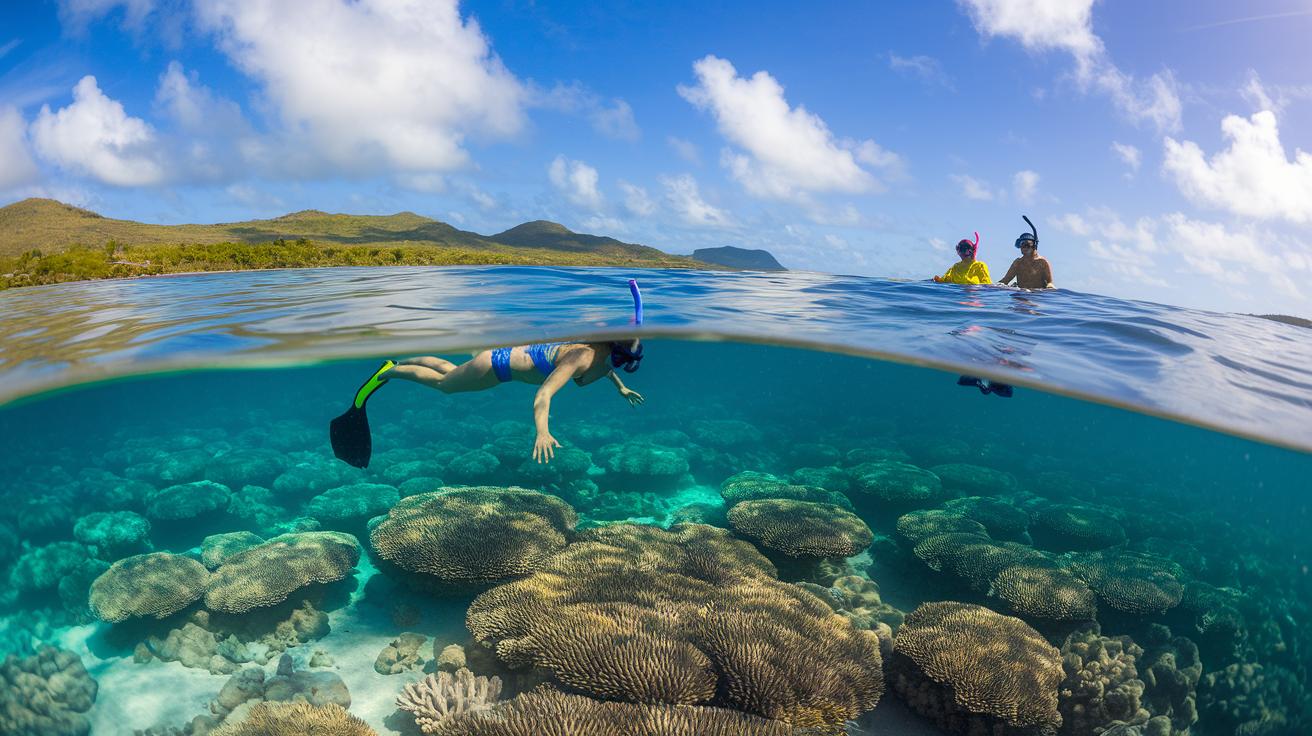
Bonaire Marine National Park plays a key role in protecting the underwater world around Bonaire. It cares for over 80 dive spots and runs simple programs to keep its bright coral reefs healthy. The reefs are right by the shore, which means easy access for gentle snorkeling. Local conservation projects help these underwater wonders thrive. And if you join a guided snorkel tour, friendly experts will share neat tips on how to travel in a sustainable way. Picture gliding past vibrant coral gardens and hearing a local remind you to take care with every splash, each moment helps preserve these magical sea scenes.
On land, the eco-adventure continues. In Saba National Park, strict rules protect unique tropical trails that reach above 1,500 feet. Meanwhile, Statia’s Quill/Boven National Park takes care of a volcanic peak along with lush forests, offering a close-up view of the island’s native plants and animals. Travelers can even choose eco-friendly lodgings and discover off-the-beaten-path trails while enjoying a style of travel that honors nature and local customs. Each step on these paths invites you to explore the special natural reserves of the Dutch Caribbean Islands.
Final Words
In the action, this post whisked you through a vivid peek at six remarkable Caribbean spots. It unraveled a bit of history, local cultural charm, and practical tips that turn trip planning into pure fun. We chatted about the lively scenes in Aruba, Bonaire, Curaçao, and the quieter treasures of Saba, Sint Eustatius, and Sint Maarten. All of it sets you up for an epic and stress-free visit. Enjoy every moment and step into the magic of dutch caribbean islands with an open heart.
FAQ
What are the six Dutch Caribbean islands?
The six Dutch Caribbean islands are Aruba, Bonaire, Curaçao, Saba, Sint Eustatius, and Sint Maarten. These islands comprise parts of the Kingdom of the Netherlands as either autonomous countries or special municipalities.
Where is the Dutch Caribbean located?
The Dutch Caribbean is located in the southeastern Caribbean, mainly in the Leeward Antilles. The islands are spread across areas with clear waters and sunny skies, offering scenic views and relaxed vibes.
Do the Dutch own any Caribbean islands?
The Dutch Caribbean includes islands where sovereignty is shared. Aruba, Curaçao, and Sint Maarten operate as independent countries, while Bonaire, Saba, and Sint Eustatius remain special municipalities under Dutch governance.
What is the best Dutch Caribbean island to visit?
The best Dutch Caribbean island to visit depends on your interests; Aruba offers beautiful beaches, Bonaire excels in diving experiences, and Curaçao charms with its historic architecture and lively cultural scene.
Which Caribbean island has a Dutch side?
Sint Maarten features a Dutch side alongside a French counterpart. The Dutch side is known for its shopping, dining, and vibrant cruise port atmosphere, providing a unique blend of European and Caribbean influences.
What does “Dutch island in the Caribbean” in a crossword puzzle refer to?
The phrase “Dutch island in the Caribbean” in a crossword typically refers to any of the islands associated with the Dutch Caribbean, often hinting at well-known ones like Aruba, Curaçao, or Sint Maarten based on the given letters.
What tourism experiences are available in the Dutch Caribbean islands?
Dutch Caribbean islands tourism offers a mix of water sports, historical tours, scenic hikes, and cultural festivals. Visitors can enjoy diving, exploring colonial architecture, and relaxing on sun-kissed beaches throughout the region.
