Ever thought about how art might change the way we see things? Caribbean artists bring a burst of color into our lives by blending old traditions with fresh ideas. Their bright paintings and lively shows invite us to look at history in a completely new way. They gently challenge old ideas like racism and colonial rule, encouraging us to question what we once took for granted. In doing so, they create a spark of pure joy that makes us rethink our usual norms.
Caribbean artists challenging cultural norms Spark Joy
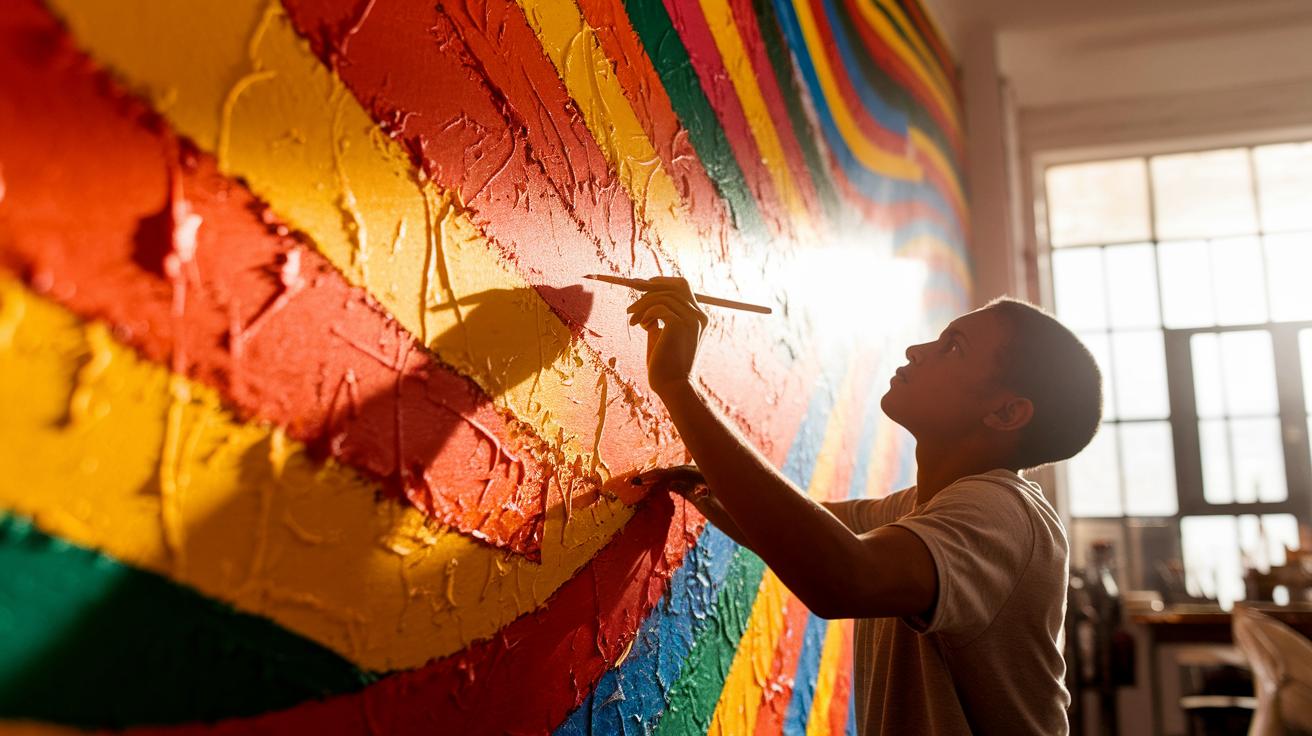
Caribbean artists are shaking up old ideas with their colorful art and lively messages. They mix traditions from African, European, Indigenous, and Asian roots to create pieces that celebrate history while inviting fresh ways of thinking. Their work, from paintings and sculptures to mixed media and performance art, gently mocks outdated ideas and embraces new visions.
These creative souls face topics like colonialism, racial inequalities, and environmental care with bravery. They use bold visual stories to show how past and present power struggles mix, and they invite us to look at what we once thought was normal. For example, many artists bring back Taíno symbols from nearly 6,000 years ago, blending ancient designs with modern twists that surprise and delight.
Their art feels like heartfelt, colorful protests. One clear example draws on powerful protest themes and mirrors the impact of real social movements, proving that art can stand up and speak out.
By mixing street art with classic techniques, these artists create installations and public shows that start conversations and challenge the status quo. Their work reflects a culture that is always changing, turning old influences into vibrant stories for today that truly spark joy.
Profiles of Caribbean Artists Defying Traditions

Firelei Báez splits her time between the warm Dominican Republic and the bustling streets of New York. She creates bright mixed-media art that brings hidden voices into the light. Her 2018 show "Bloodlines" throws a spotlight on stories of race and identity you might not hear elsewhere. Imagine a quiet studio where every brushstroke gently whispers the secrets of forgotten legacies.
Tessa Mars has been painting in Port-au-Prince since 2015, drawing on a playful style inspired by the 1950s Haitian naïf art, a simple, colorful approach that feels almost magical. In her paintings, a character named Tessalines comes to life as a mix of old Caribbean legends, inviting you to wander through a dreamy market where every splash of color tells its own little story.
Ebony G. Patterson divides her time between Jamaica and Chicago and loves to challenge how young people are often seen. Her 2014 series "When They Grow Up" uses a clever mix of beads, glitter, and faux flowers to spell out the word "worthy." Picture this: each sparkling detail celebrates the quiet strength of believing in yourself, turning old negative ideas into a chorus of hope and pride.
María Magdalena Campos-Pons, a Cuban-American artist, blended deep West African ritual elements into a memorable performance at the 2019 Venice Biennale. Her art feels like an intimate conversation between the past and the present, gently healing old wounds with gestures that are both personal and steeped in shared memory. She asks us to think about whose stories get told and how they continue to live on.
Together, these artists offer a fresh and colorful look at identity and tradition, inviting us to experience the Caribbean’s rich mix of cultural voices, all while daring to turn old traditions on their head.
Unorthodox Techniques and Media in Caribbean Artistic Rebellion
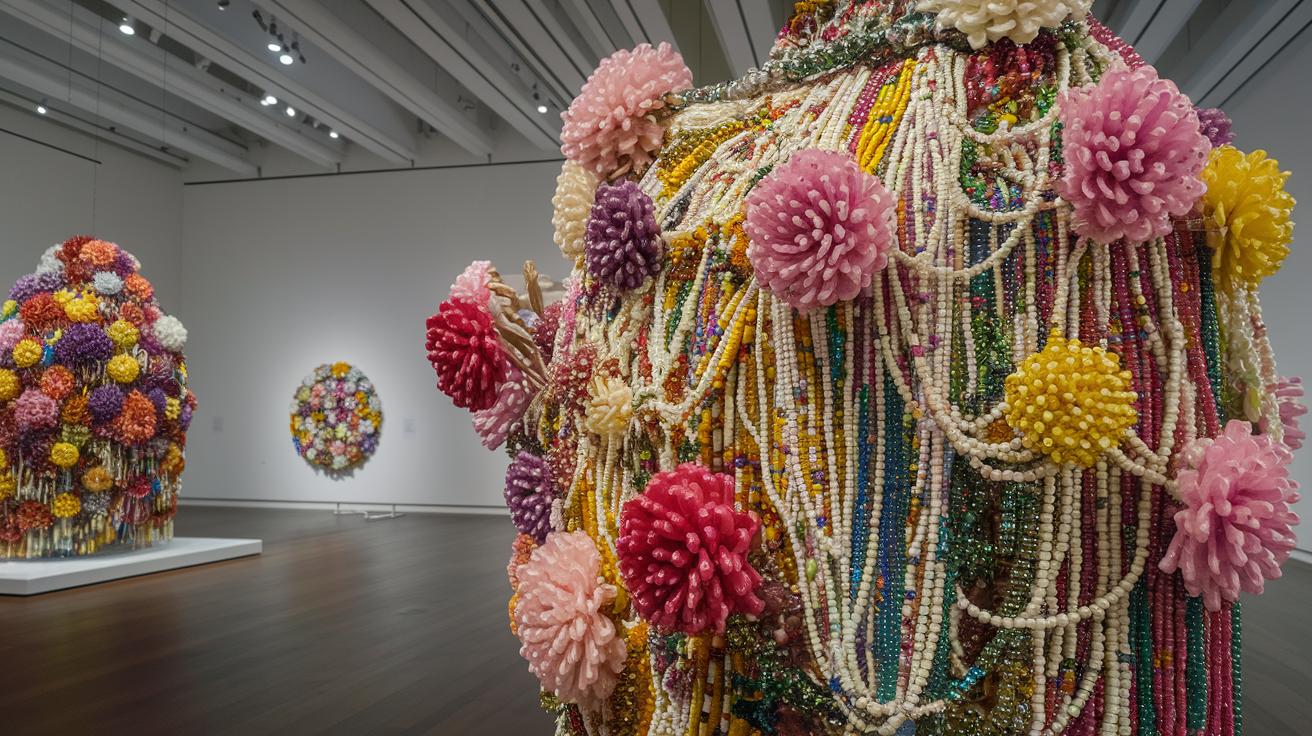
When we blend fresh ideas with earlier profiles, a rich mix of nontraditional art and Caribbean heritage shines through.
Ebony G. Patterson creates art installations with beads and fake flowers that do more than just decorate a space. Imagine a scene where sparkling touches gently bring up memories and celebrate culture. Patterson’s pieces use glitter not only for shine but also as quiet nods to shared histories.
María Magdalena Campos-Pons turns ritual objects into living stories. In her performance art, everyday items fill with deep heritage, almost as if they softly ask, "How does this symbol connect our past to what we see today?"
Tessa Mars crafts self-portraits that speak a visual language, inviting us to rethink what we know about culture. Picture a painting where every brushstroke makes you pause and wonder about your own identity. Mars’s art mixes current imagery with whispers from the past to uncover hidden layers of meaning.
| Artist | Technique Nuance |
|---|---|
| Patterson | Beads and faux flora symbolize layered cultural memories |
| Campos-Pons | Ritual objects transform everyday items into heritage narratives |
| Mars | Mythic self-portraits merge personal identity with ancestral lore |
All these examples build on previous profiles, linking unexpected methods with a deep sense of culture and personal history.
Historical Roots of Caribbean Artistic Rebellion
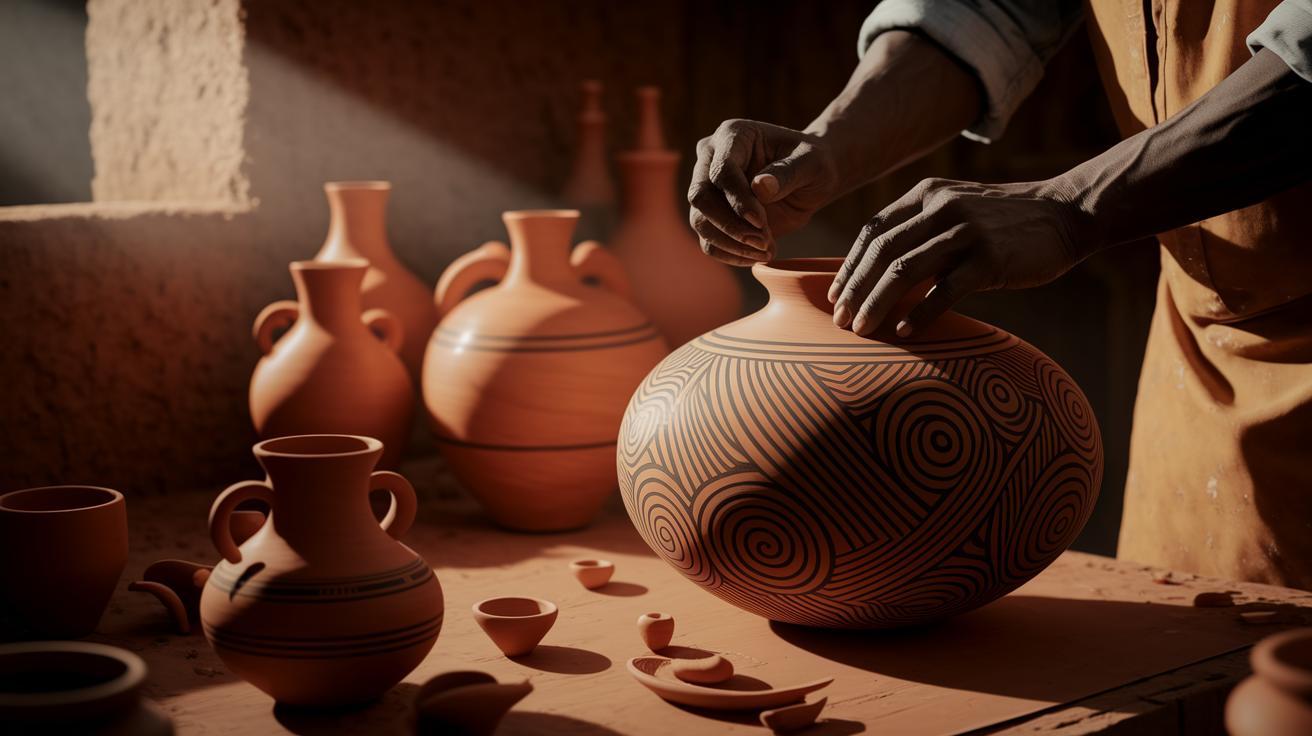
Caribbean artists are taking a fresh look at their rich past by reworking old styles and myths. Picture this: ancient Taíno pottery, which has roots stretching back almost 6,000 years, now inspires modern ceramics. These creatives use old shapes in bold new ways, challenging familiar stories. They shine a light on hidden Indigenous designs and early African patterns seen in masks and textiles, quiet symbols of survival and strength that whisper powerful secrets about the past.
Next, the legacy of the transatlantic slave trade echoes through today’s sculptures. Artists turn painful relics into strong symbols of endurance and hope. Each work questions the usual historical tales, inviting us to see another side of history. Across different countries, creative groups host exhibitions that gently push us to rethink old beliefs and question the power of colonial ideas.
In truth, every piece sparks a lively conversation that mixes yesterday with today. By breaking apart old myths and reclaiming lost traditions, these works invite you to feel the pulse of history while inspiring change. It’s like watching a new sunrise on familiar shores, where every line and curve reminds us that our shared heritage is both a treasure and a call to move forward.
Political and Social Context Shaping Caribbean Creative Resistance

Caribbean artists pour their hearts into art that shakes up old ways of thinking. Their work is filled with bold images that call for fairness and question who should have power, how race is viewed, and what traditions mean. Every painting, performance, or sculpture shows that even old wounds still leave their marks.
They often draw on personal and family stories, sharing moments of challenge and hope that resonate with bigger community struggles. Imagine walking past a mural where each splash of color tells a tale of a neighborhood finding its strength after years of hardship. Every piece invites us to see how deeply personal battles can mirror larger social fights.
Many artists are also turning their creativity toward caring for nature. Through bright installations and community murals, they refresh urban spaces and remind us to think differently about the environment. Their work gently suggests that when we come together, we can heal our surroundings and our spirits.
In their art, Caribbean creators boldly question traditional social norms. Gender-fluid and queer artists, for example, let their work challenge outdated views on identity. By breaking free from labels, they open the door to a more inclusive conversation about what is normal. Some projects even tie into local efforts to keep cultural traditions alive.
Every creation builds a bridge between the struggles of the past and the promise of a fairer tomorrow. Through art, these inspiring voices remind us that even in the face of history’s lingering shadows, the spark of change is never out of reach.
Case Studies of Controversial Caribbean Artworks
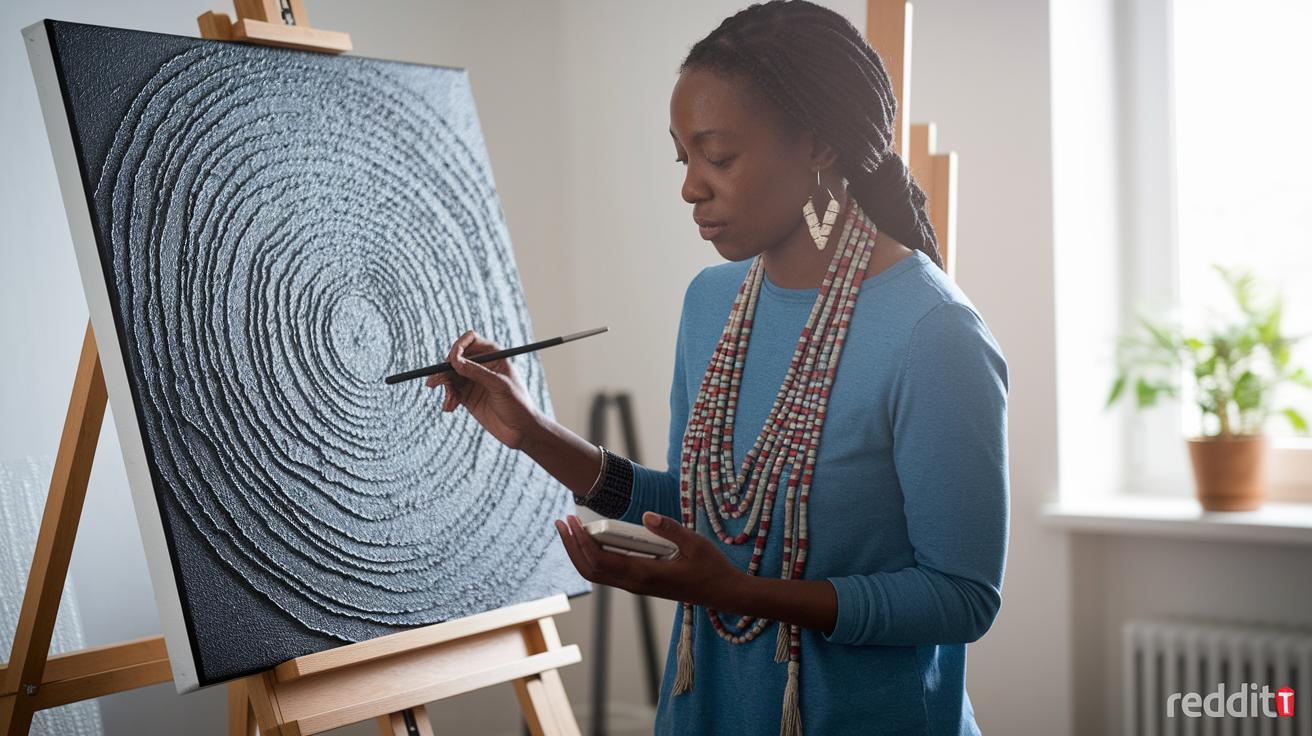
Firelei Báez’s Bloodlines invites you to question symbols passed down through the ages. Her art, layered with rich textures and vibrant colors, makes you pause and think about how history and race shape who we are. Did you know that before her breakthrough style emerged, Báez played with bold color contrasts that quietly challenged cultural norms?
Ebony G. Patterson’s When They Grow Up turns simple, everyday materials like beads and glitter into powerful statements about youth and society. Her work makes you see common objects in a whole new light, sparking a lively cultural conversation. Fun fact: before she was known for her eye-catching installations, Patterson experimented with textures that subtly redefined what seemed ordinary.
Tessa Mars’s Tessalines Series offers visual hints that break apart old ideas about self-image. Her paintings go beyond just showing a face, they encourage us to reevaluate the roles culture often forces on us. Here’s an interesting tidbit: early in her career, Mars toyed with imagery that questioned the typical story lines about identity.
María Campos-Pons’s Venice Pavilion transforms live performance into an open discussion about healing and storytelling. By inviting you to be part of the experience, her art reshapes our understanding of rituals and sparks fresh ideas about what art can ask of us. And interestingly, before her acclaimed installations, Campos-Pons used short live shows to ignite conversations about cultural renewal.
Impact of Artistic Rebellion on Caribbean Identity
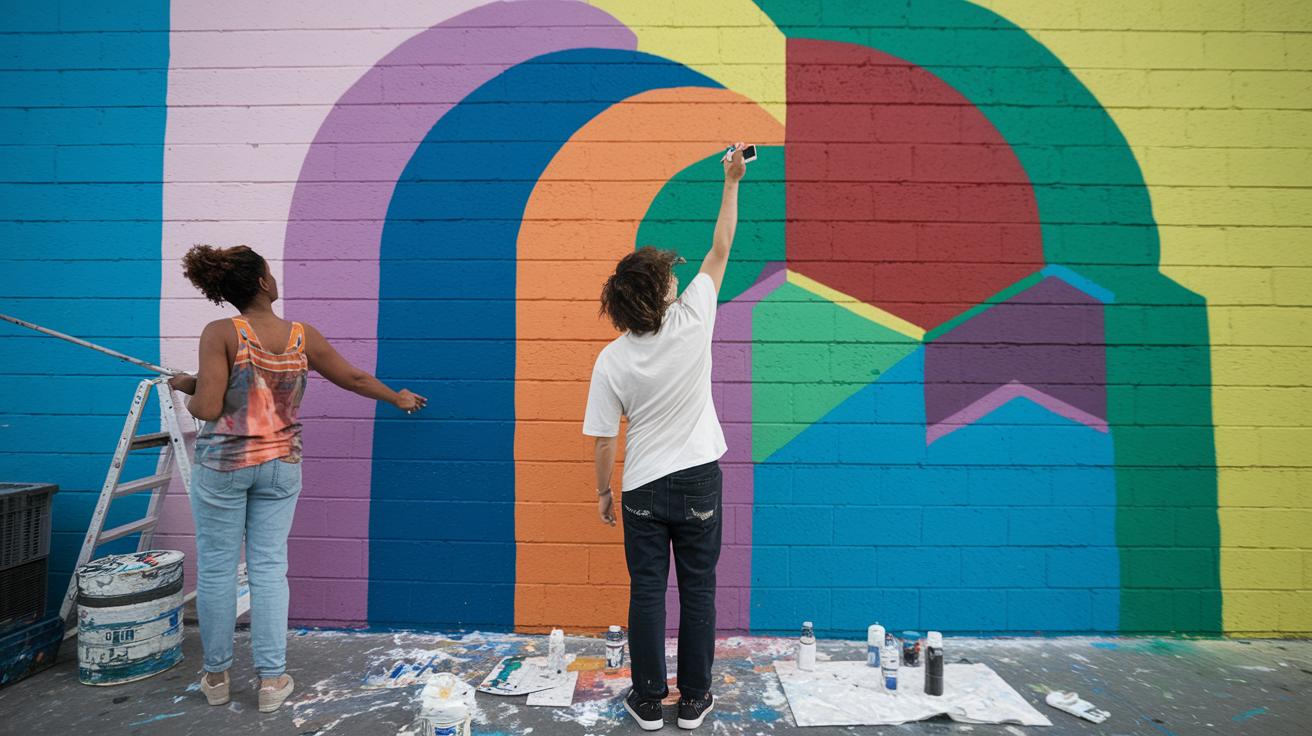
Caribbean art blends local customs with fresh ideas brought back by those who left the islands. It tells a story that mixes family memories with today's vibrant energy. Think of colorful art displays and lively street shows that bring together old rituals and modern styles, making every piece feel like a lively chat between the past and the present.
These creative works act like bridges, linking cherished community memories with new dreams. International exhibitions and online galleries let these voices reach far beyond the islands, so Caribbean art truly sparkles on a global stage. Picture a digital gallery where a bright, bold piece sparks conversations that cross cultures and borders, that's how Caribbean art joins the worldwide mix.
At its heart, this art is about healing together. Many performances feel like neighborhood gatherings, inviting everyone to pause, reflect, and celebrate life. This art not only reclaims its cultural power but also builds a strong spirit that helps keep traditions alive even as time moves on.
Some big wins from these creative expressions are:
- A renewed pride in both local and immigrant roots.
- More stages for sharing stories that bring communities closer.
- New ways of telling tales that break old stereotypes and celebrate diversity.
Every piece of art sparks a conversation. It makes us rethink what it means to belong and shows us how our cultural heritage can inspire change. With every brushstroke and performance, Caribbean identity is redefined with warmth and authenticity.
Emerging Trends in Caribbean Art Challenging Norms
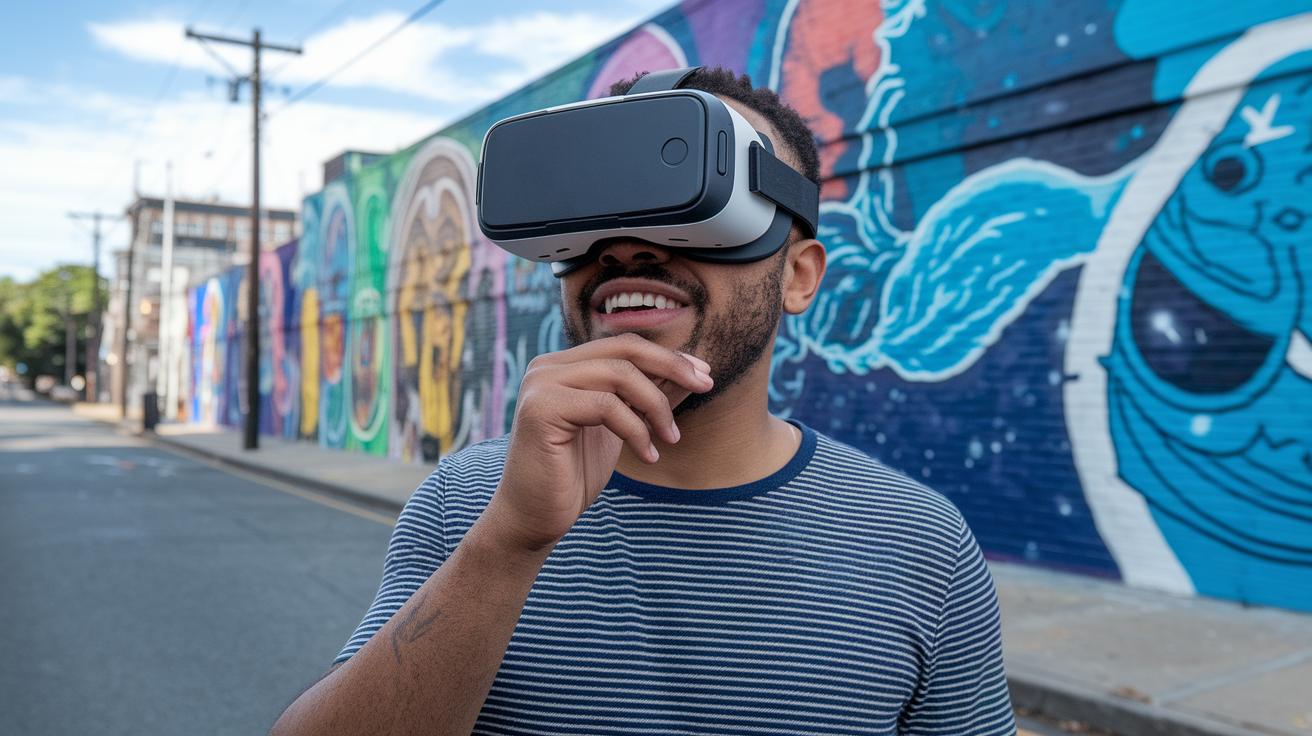
Caribbean artists are diving into fresh creative ideas with new digital tools and fun multimedia mix-ups. They are using things like virtual reality and augmented reality (which adds extra digital info to the real world) to create art shows that almost pull you right into the scene. Imagine stepping into a virtual Caribbean festival, where every bright detail feels like you’re really there. It’s a lively blend of digital coolness and local tradition.
Then there’s the burst of colors on urban walls. Artists are turning city streets into giant canvases with street art and public murals made with community input. These projects brighten up neighborhoods and spark talks about important social issues that hit close to home and resonate worldwide. Picture a mural that bursts with the energy of an island celebration while still sharing a message about community struggles, a mix of bold island vibes that nod to both history and the future.
Collaboration is a big part of the scene now. Creators team up with eco-designers, local businesses, and cultural advocates to push experimental eco-art and build cool, sustainable installations. These joint efforts are breaking old rules and offering new ways to look at art. Think of a sustainable art piece made from recycled materials, paired with VR to share stories of nature’s renewal.
Every project invites you to see things differently, mixing technology, community spirit, and nature into a colorful, inclusive cultural future.
Final Words
In the action, we saw Caribbean artists rewriting the script by mixing vivid cultural heritage with bold, unconventional techniques. The post revealed how these creatives blend traditional influences with modern methods to question past narratives and shape new expressions. It highlighted inspiring examples and real-world debates that show art can speak to local pride and global issues. This celebration of caribbean artists challenging cultural norms leaves us excited for the lively spirit and fresh perspectives that continue to emerge.
FAQ
What are the cultural aspects of art in the Caribbean?
The cultural aspects of Caribbean art combine African, European, Indigenous, and Asian influences that mirror the islands’ rich social history while contesting colonial traditions through various artistic mediums.
What role does art play in challenging societal norms?
The role of art in challenging societal norms shows when creators use their work to push boundaries, question stereotypes, and spark discussions on race, inequality, and identity in a fresh, engaging way.
How can art challenge cultural norms and stereotypes?
Art challenges cultural norms and stereotypes by blending innovative techniques with historic motifs, inviting viewers to rethink long-held ideas and embrace a broader, more inclusive perspective.
What were some of the influences on Caribbean music?
Caribbean music reflects a mix of African beats, European instruments, and Indigenous sounds that blend to form soulful expressions, capturing the vibrant heritage of the islands.
Who are some famous Caribbean artists challenging cultural norms?
Famous Caribbean artists like Ebony G. Patterson, Firelei Báez, and María Magdalena Campos-Pons push against cultural norms through bold visuals and provocative performance art, sparking new dialogues about identity.
How are traditional Caribbean art forms used in modern cultural debates?
Traditional art forms, such as reimagined Taíno motifs and classic ceramics, are reshaped by modern artists to spark conversations about heritage, identity, and the evolving cultural landscape of the Caribbean.
Through which media do Caribbean artists express resistance?
Caribbean artists express resistance using mixed-media installations, narrative paintings, performance art, and public murals, each offering a unique perspective that rethinks long-standing cultural issues.
