Ever felt a dance wrap around you like a warm hug on a sunny Caribbean day? Out here, dancing is more than just moving your feet, it reconnects old memories and brings people closer. Think of it like threads in a simple cloth, each one tied to shared stories and moments. These moves, passed down through generations, form a circle of unity and hope. In this piece, we’ll show you how every step strengthens community bonds and fills hearts with a joyful, spirited vibe.
Caribbean Ritual Dance and Its Role in Community Bonding
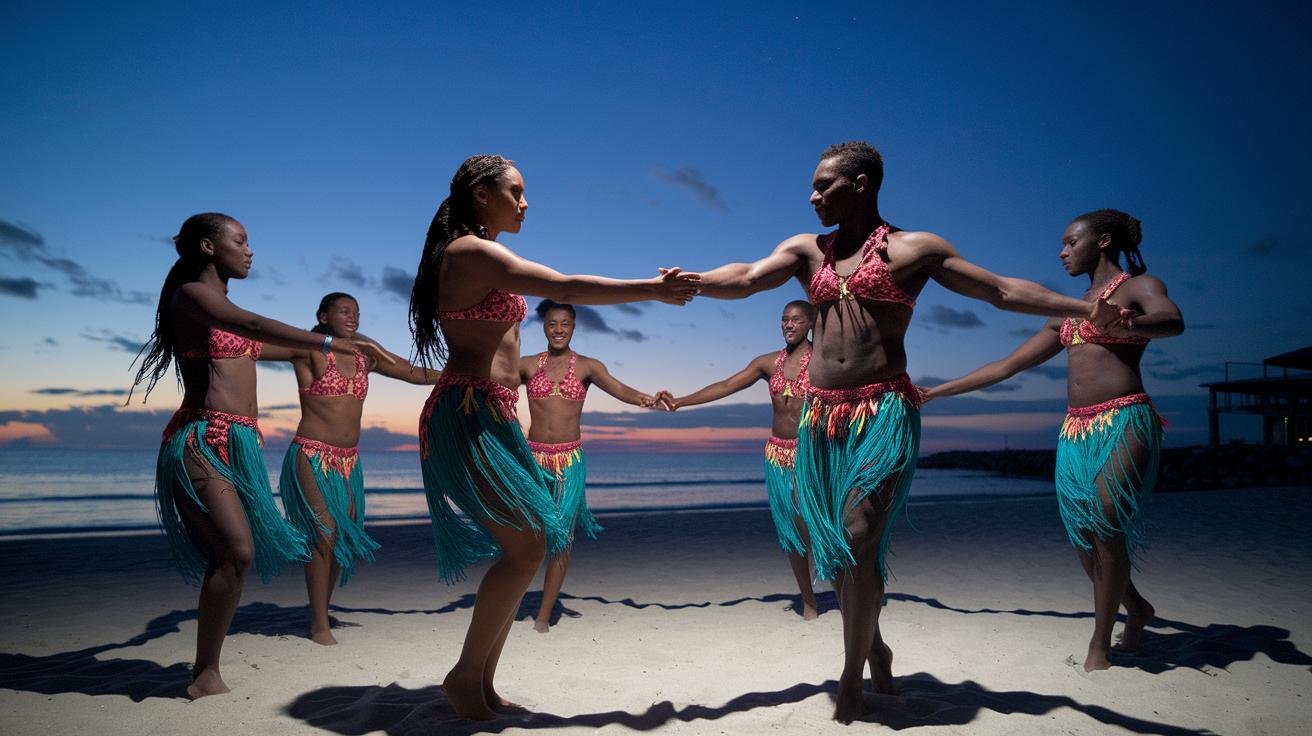
Caribbean dance is a lively way that brings people together. Its swirling circles resemble nature’s own rhythms, linking the earth, sky, and sea in one constant beat. This art form grew from traditions of the African diaspora, where moves like wining (a hip-swaying motion) help bond the community. As one dancer puts it, every beat reminds us of our shared past and our hopes for the future.
This form of dance is like storytelling through movement. Young and old join in to pass on traditions filled with deep meaning. When everyone moves in sync, they create a circle built on trust and connection. It's not just fun; it's a special way to mix personal memories with a rich cultural history.
Every performance invites you to feel the warm, unbreakable spirit of Caribbean unity.
Historical Roots of Afro-Antillean Ritual Dance in the Caribbean
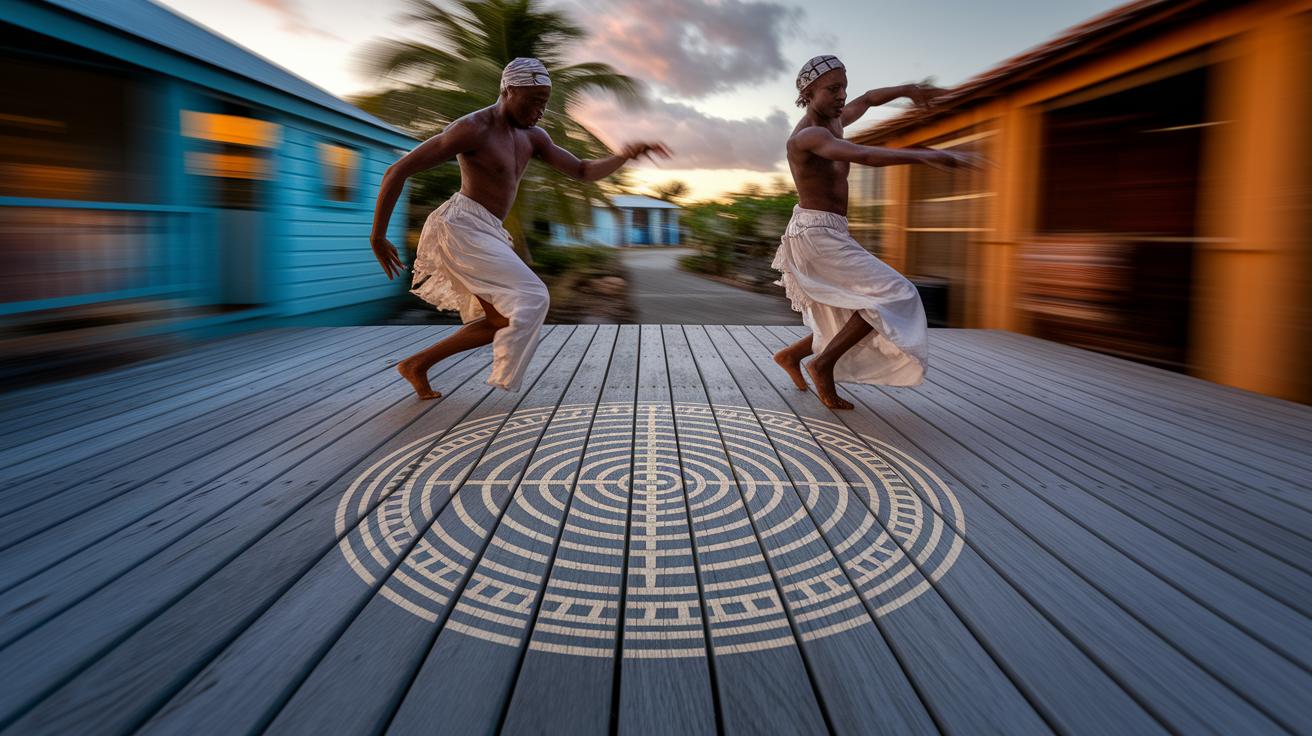
African spiritual movements made their way across the Atlantic with enslaved people, planting the early seeds of a rich Afro-Antillean dance tradition. Imagine ancient island customs blending with local vibes to create the unique dance styles that light up today's Caribbean. Enslaved communities carried ceremonial steps from West Africa, turning everyday moves into a deep, meaningful expression of life. One of these powerful symbols was the BaKongo cosmogram, a simple cross within a circle, that helped dancers trace patterns reflecting life’s journeys and the unfolding of the seasons.
These rhythms weren’t just steps; they were a living connection to the past, linking each generation to their roots. In small villages and at lively festivals, the dances meant so much more than simple entertainment. They were acts of healing, ways to mourn, and celebrations of fresh starts. These rituals let people share their personal stories alongside cherished symbols. Over time, communities adjusted these movements to honor their history and express shared values. The passing down of these traditions from one generation to the next has kept ancestral spirits alive and vibrant. Every performance, filled with thoughtful movement, shows just how powerful culture can be in guiding life.
Traditions carry on, forever alive in every dance.
Symbolic Choreography and Ceremonial Elements in Caribbean Ritual Dance

Caribbean ritual dance bursts with deep meaning and lively symbolism. Each step is a story of heritage and unity, weaving together the past and the present in a way that feels like a heartfelt conversation. One of the most striking symbols is the Potou Mitan from Haitian vodou. This important pillar stands as a center point, drawing dancers into a circle that connects the physical world with the spiritual one. With every graceful move, dancers honor age-old customs, guided by the steady pulse of drums that mark gentle shifts between sacred rituals and festive celebrations.
Drum beats act as friendly signals, inviting dancers to adjust their flow. They remind us that each change in rhythm is as natural as the ebb and flow of the tide. And then there’s the art of wining, a smooth hip-sway that tells its own tale. When done in an anticlockwise motion, it marks a spiritual rite of passage, celebrating new beginnings and the spark of life. In contrast, a clockwise spin creates a relaxed vibe, wrapping everyone in a sense of joy and community.
Every step in these performances is steeped in meaning, as if the dance itself is speaking a common language of identity and pride. This living, breathing art form pulls everyone into a shared celebration that is both personal and deeply communal. Every beat of the drum and each elegant sway carries the heart and soul of the Caribbean, echoing a joyful spirit that unites all who join in the dance.
Key Ritual Dance Forms and Their Communal Functions in the Caribbean
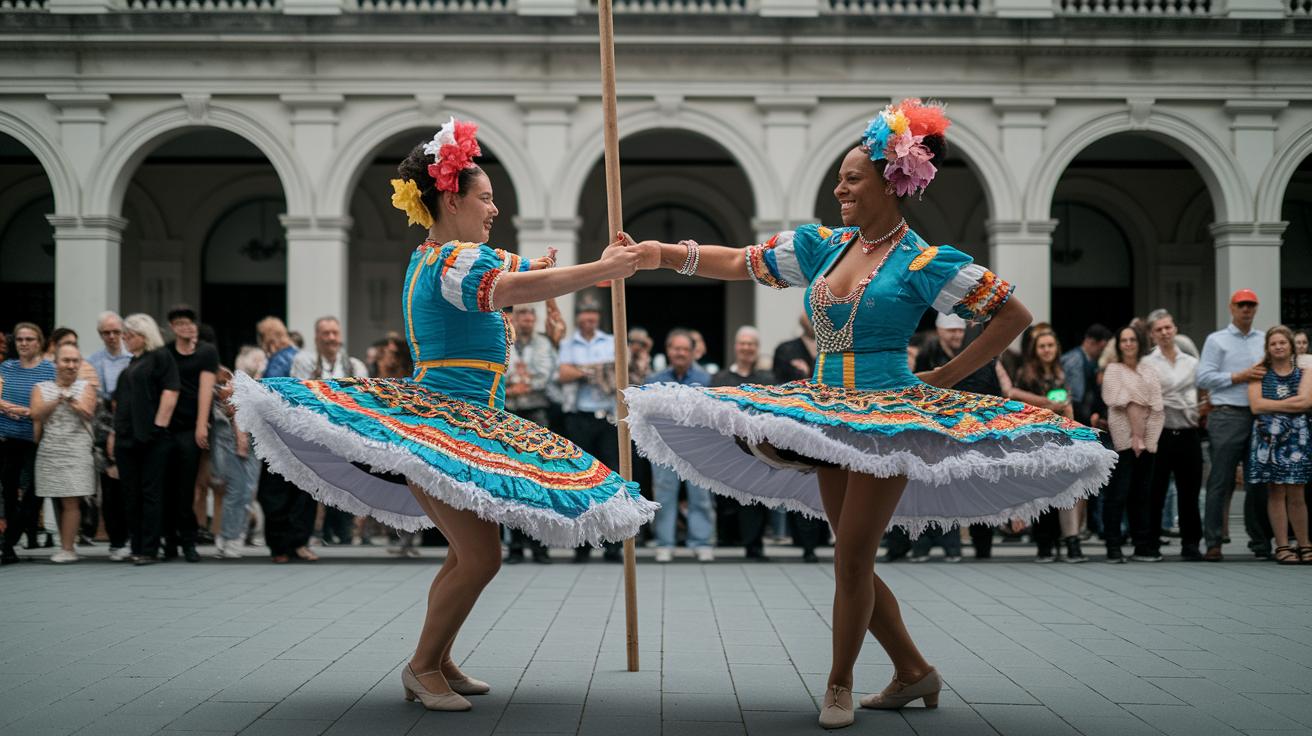
In Trinidad and Tobago, dances like the quadrille and limbo bring everyone together in friendly circles, much like a big family reunion. Imagine a lively quadrille where partners join hands in a welcoming circle, each step filled with joy. And in a local limbo contest, extra flexibility isn’t just about bending low, it turns a simple game into a cherished community ritual.
Over in Jamaica, wining shines with its fun hip rotations and deep roots. This dance started as a group celebration during special milestones, like welcoming a new baby or saying goodbye to a loved one. Each sway connects dancers to age-old traditions, reminding everyone of life’s beautiful moments.
In Haiti, the Kompa Creole dance blends the French quadrille with lively African beats, creating a unique rhythm that unites people from different backgrounds. And in Curaçao, Tambú stands out with its strong drumbeats and circular dance moves, celebrating the spirit of togetherness and the strength of community bonds.
Local artists, such as Denise Belfon, bring these dances to life. Through their performances, they pass on treasured stories and cultural legacies that have been nurtured through generations, keeping the magic of these dances alive for everyone to experience.
Community Bonding and Resistance: Social Impact of Ritual Dance in the Caribbean
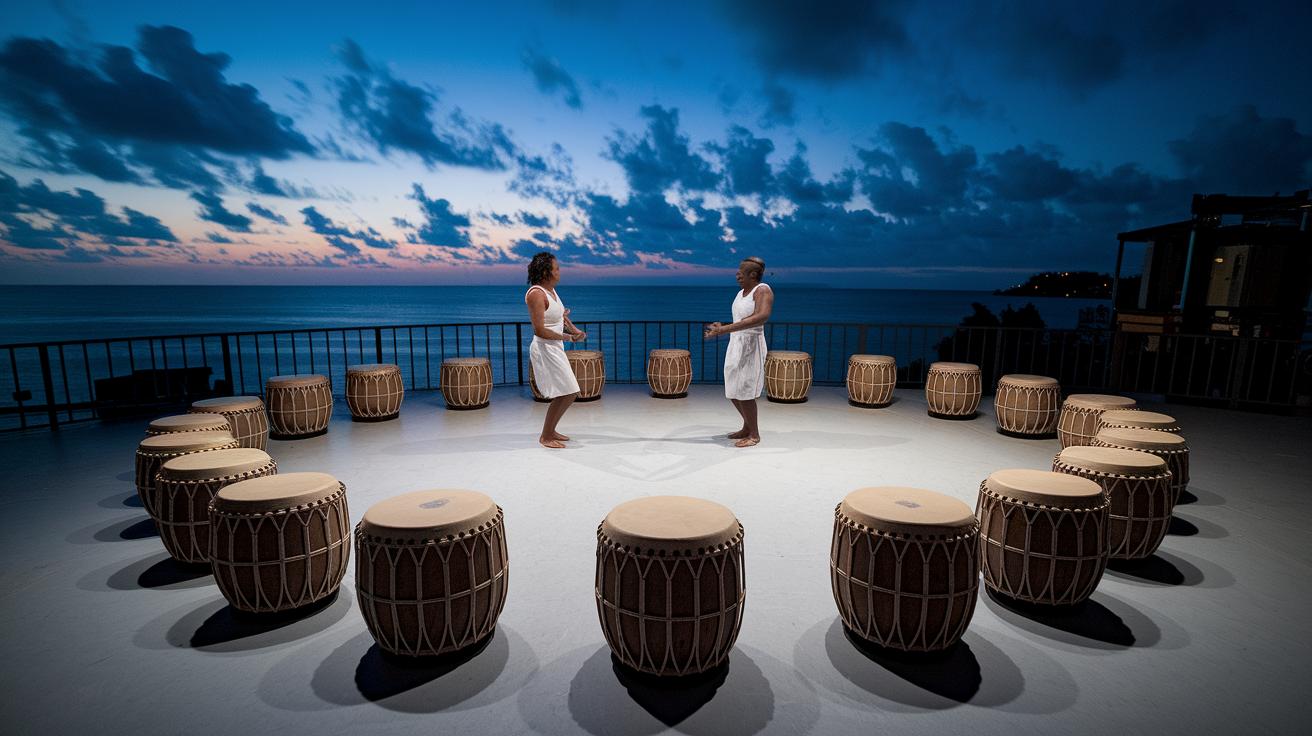
In the Caribbean, dancing in a circle is more than just moving to a catchy beat, it’s a bold stand against the old wounds of colonial rule. These lively gatherings and drum circles create a special space where people share their stories through movement, challenging unfair powers like white supremacy. When dancers wind anticlockwise, it’s like they’re calling upon their spiritual roots and shouting out in unity, each step echoing a quiet act of rebellion and a proud reclaiming of their history.
Drum circles and group dance rituals have long helped people feel connected through their shared cultural traditions. In these moments, every spin and sway is both a celebration and a gentle protest, as if the beat itself unites them in artistic expression. You can really feel how the energy builds up, strengthening the bonds between community members and encouraging everyone to hold tight to their identity.
This artful expression of union gives communities the power to protect their heritage and tell their own stories through dance. Every drumbeat and every sway of the body builds up the collective spirit, nurturing a deep commitment to cherish and revive the true Caribbean identity.
Contemporary Preservation and Evolution of Caribbean Ritual Dance Traditions
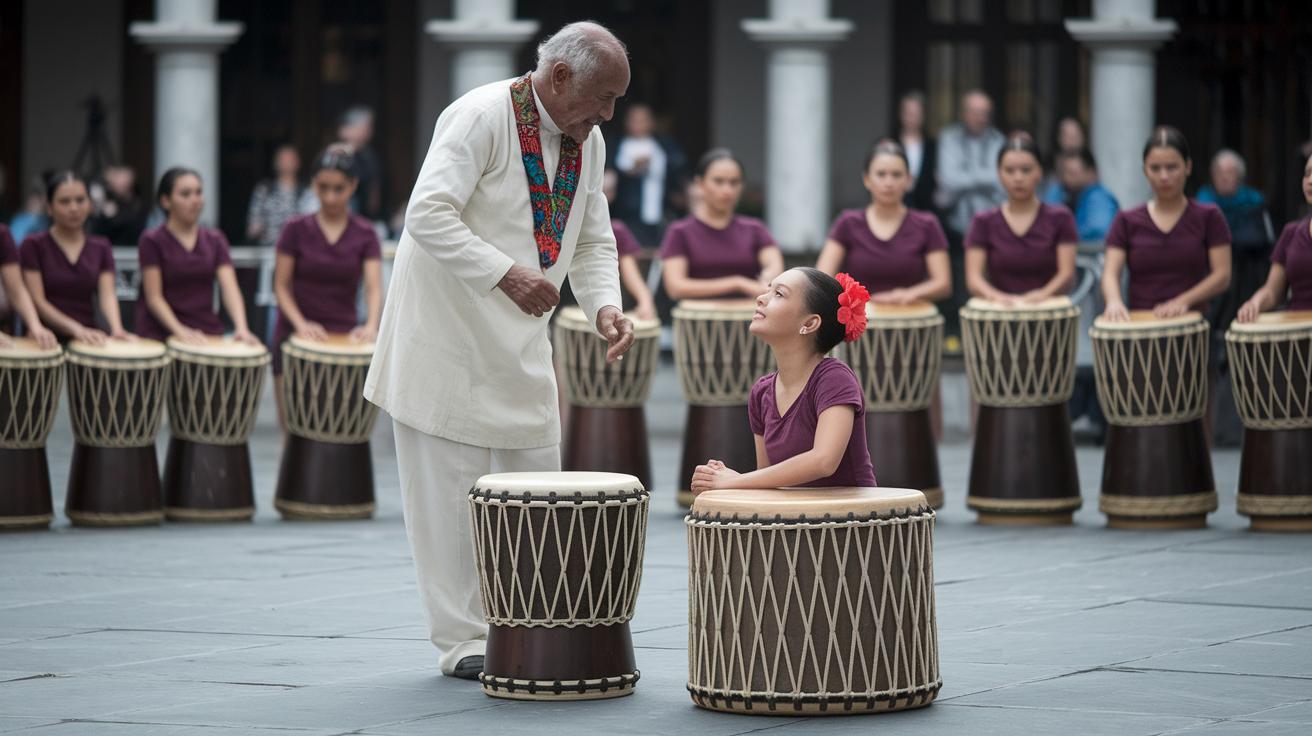
Today, local groups and scholars put their hearts into keeping these special dance traditions alive. In small community schools and friendly workshops, elders pass down folkloric dance moves, a way of sharing stories through movement, that mix old customs with hints of modern style. Across islands like Guadeloupe and Martinique, experts teach the sacred steps and rhythmic beats that have long given Caribbean festivals their lively spirit.
Carnival parades now shine a light on these ritual dance moves. They don’t just showcase tradition; they invite everyone to feel the power of their heritage firsthand. When you watch or join in, the connection is real, a shared sense of history expressed through every step, breathing life into memories of the past. One local program, for example, offers hands-on classes and public demos that brighten community spirit.
Modern Afrofusion art gets a big boost from these preserved traditions too. By mixing timeless steps with fresh, upbeat rhythms, performers celebrate their roots in a creative way. Each dance move, both learned and reimagined, reminds us why these ancient practices still carry such emotional and cultural strength in the Caribbean.
Final Words
in the action, this article traced the rich layers of Caribbean ritual dance and its role in community bonding. We wandered through its historical roots, expressive symbolism, and the powerful acts of cultural resistance. The discussion highlighted how sacred movements continue to unite communities and honor ancestral ways. Every step and circular movement reveals a heartfelt story of unity. Embracing ritual dance and community bonding in the caribbean reminds us that culture lives and breathes in every shared beat.
FAQ
What does the “Ritual dance and community bonding in the Caribbean” query refer to?
The query refers to resources like PDFs that explain how ritual dance, using circular movements and rhythmic steps, works to connect community members and celebrate shared cultural traditions in the Caribbean.
What defines Caribbean dance history and traditional forms?
The Caribbean dance history covers a rich mix of traditional, Afro-Caribbean, and social dance styles. These styles use rhythmic movements and storytelling to express cultural heritage and community unity.
What is Caribbean ballroom dance?
The Caribbean ballroom dance is a refined style blending gentle, smooth steps with festive social influences, allowing couples to engage in rhythmic movement that reflects local cultural celebrations.
What is Merengue dance in the Caribbean culture?
The Merengue dance is a lively social dance originating from the Dominican Republic. Its easy-to-follow, energetic steps have made it a popular expression of Caribbean spirit both locally and worldwide.
What are the spiritual practices in the Caribbean?
The Caribbean spiritual practices include sacred rituals, community dances, and ceremonies that merge ancestral traditions with nature, offering a way for people to connect their everyday life with the spiritual world.
Which country in the Caribbean is known for its lively music and dance culture?
Jamaica is renowned for its lively music and dance culture, where genres like reggae and dancehall inspire social celebrations and continue to influence global musical and dance expressions.
What is a popular form of social dance that originated in the Caribbean?
Wining is a popular social dance from the Caribbean. Its distinctive hip movements and rhythmic flow have become a celebrated expression of community bonding and cultural storytelling at festive gatherings.
