Have you ever imagined a place where history glows with a hint of mystery? Rose Island is just that, a hidden gem where brave ideas met the deep blue sea. It all started as a bold mix of strong metal and concrete near Rimini. Back then, you could even grab a bite at its little restaurant or send a letter from the on-site post office.
Later on, a similar adventurous spirit welcomed curious visitors along the Ohio River. Today, the remains of these experiments gently whisper tales of creative energy and charm. Come explore and follow the lively footprints left by people who dared to dream big. Isn't it amazing how these old stories can spark new adventures?
Geographic Overview of Rose Island
Both the Adriatic platform and the Charlestown, Indiana site are little pieces of history that still spark curiosity. They each offer hints of a past full of creative ideas, tourism, and charm. Even small details tell their own unique story.
The Adriatic platform was built 11 km off the coast of Rimini, Italy, in the heart of the deep blue sea. Spanning 400 m² and supported by nine strong pylons, it once boasted a restaurant and even a post office, an unusual experiment in calling itself independent. Today, its steel remains rest quietly under the water, much like a memory shining softly beneath waves. Imagine it bathed in the warm Mediterranean sun before it slowly faded away.
Over in Charlestown, Indiana, the story unfolds along the north bank of the Ohio River in Charlestown State Park. For nearly a hundred years, people from Indiana, Kentucky, and Ohio came to enjoy its many delights, from a tiny zoo to lively dancing pavilions. Now, old concrete foundations and cleared walkways invite you to wander and recall a once-bustling theme park.
Getting to these spots today is a different adventure. You can best see the Adriatic remains with a relaxing boat tour off Rimini’s coast, while the Indiana site is easy to explore on foot as nature reclaims its space.
Historical Overview and Founding of Rose Island
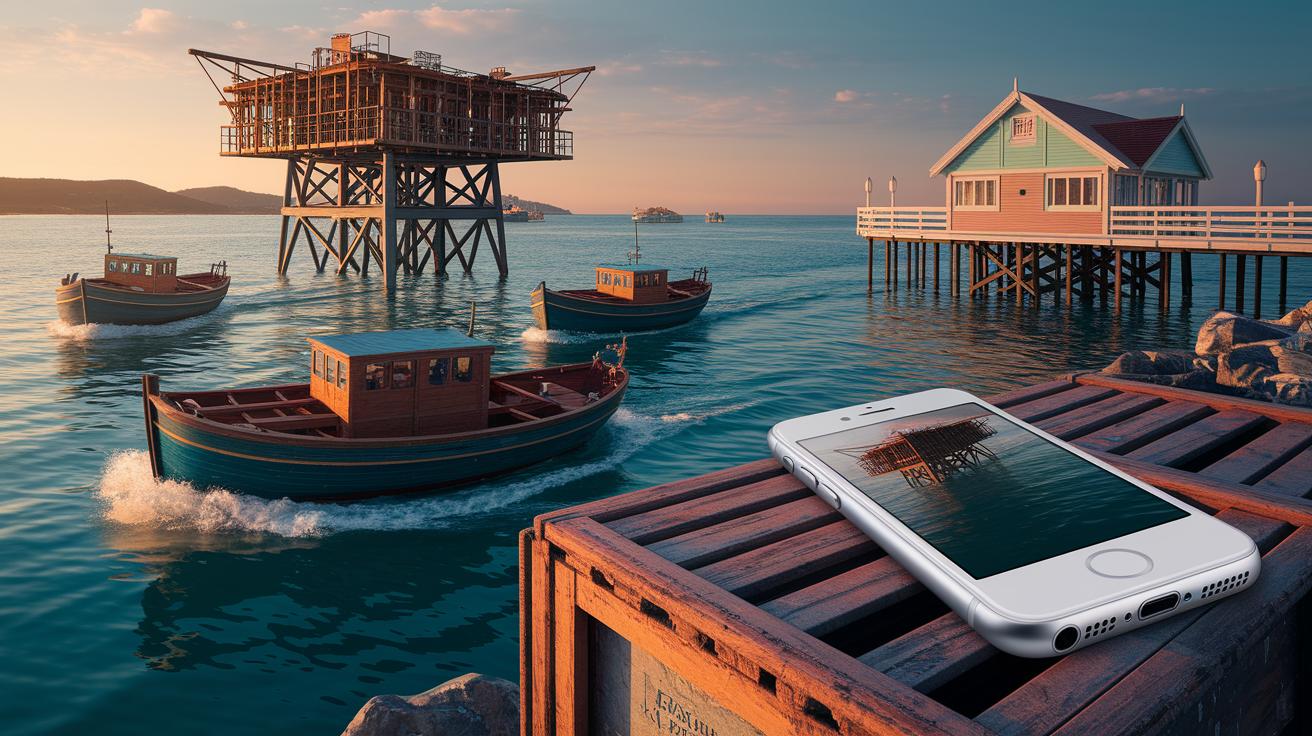
Back in 1958, Giorgio Rosa introduced a fresh idea using a mix of steel and concrete to build a strong platform out at sea. He even got a patent (number 850.987) for his unique method, and all the materials had to be sent by boat to the site.
Just a few days later, on July 15–16, 1958, people came to inspect the offshore structure for the first time. Then, during the summer of 1960, safety checks happened twice a week from a small hut on Rimini’s pier, keeping a close watch on the project.
By 1967, Giorgio brought out another inventive idea, a new patent for a system to build artificial islands using hollow piles. And on May 1, 1968, he took a daring step by declaring the Republic of Rose Island. He boldly said that his creation was free from Italy’s six-mile limit, sparking dreams of a tiny, independent state.
However, things took a dramatic turn. On June 25, 1968, just 55 days after proclaiming independence, a joint force of the Italian Police, Carabinieri, and Guardia di Finanza came together and demolished the platform.
Rosa’s work wasn’t just about building a structure. His mix of cutting-edge engineering and regular safety checks made the platform a true feat of creative construction. And when he declared it an independent republic, it wasn’t simply about numbers or patents, it was a heartfelt bid for freedom that even offered a restaurant, a post office, and plans for untaxed oil sales and freshwater from deep under the sea. It’s a story that shows both the thrill of innovation and the risks taken in the pursuit of a big dream.
Demolition and Aftermath of Rose Island
At 7 a.m. on June 25, 1968, a dedicated team of police pilots, Carabinieri, and Guardia di Finanza arrived on Rose Island. The early morning was calm, almost like the quiet before a big island celebration, as they began taking apart the platform piece by piece.
Soon after, another group of officers joined in. Together, they checked every part of the structure and removed it with clear commands and perfect timing. It was like watching a well-rehearsed routine unfold, each step building on the last.
But this wasn’t just about removing physical parts, it also sparked a wave of legal debates. The Italian state claimed the island had broken maritime safety rules and ignored territorial laws. They pointed to various safety risks and a failure to follow the established guidelines. In truth, the legal battle continued well past that day, finally wrapping up on February 11, 1969.
This whole story feels like a reminder of how even bold ideas face strict rules when they venture too close to the limits. It shows us the balance between daring innovation and the careful hand of regulation.
Modern Legacy and Current Status of Rose Island

Beneath the gentle ripples of the Adriatic Sea, the metal skeleton of Rose Island still shimmers like a hidden treasure. Even though you can’t visit its concrete remains now, its spirit lives on in charming models and videos from the 2013–2014 Space Caviar exhibit in Shenzhen. Ever wondered how a sunken structure could spark such bold ideas about community and self-rule? These digital recreations let you step back in time and feel the buzz of inventive design.
Researchers and history lovers have kept the magic alive by collecting photos, blueprints, and technical notes that detail the island’s remarkable engineering. Think of it like opening a time capsule filled with vivid memories and creative sketches, each piece telling its own story of ambition and innovation.
Over in Charlestown, Indiana, curious explorers can still connect with the past through the Indiana State Nature Passport program. Here, clear pathways and historical markers invite you to wander and reflect, blending a century-old amusement spot with the soft reclaim of nature. It’s a gentle reminder that even lost dreams can leave behind a legacy worth exploring.
Rose Island in Charlestown: Abandoned Theme Park History
Back in the day, Rose Island wasn’t just a spot for fun, it helped shape the memories and gatherings of the community. One local even said, "One hot summer day, I laughed with my friends as we danced in the pavilion and played mini-golf," showing just how much the park was part of everyday life.
Families took dips in cool, shallow waters that brought everyone together, while visitors filled the pavilion with dancing and laughter. Kids and adults alike enjoyed a quirky mini-golf course, turning every round into a playful memory. There was even a small zoo that offered locals their first taste of wildlife encounters.
Today, the park stands as a quiet reminder of its once-vibrant past. Neighbors still share stories of family outings and lively neighborhood parties that lit up the place. Though the concrete has crumbled and walkways have been cleared, you can still feel echoes of those cheerful days. So if you visit, wear some sturdy shoes and stick to the marked paths, imagining the smiles and chatter that filled the air decades ago.
Visiting Rose Island Sites: Planning Your Trip
Charlestown State Park welcomes you with its warm, historical charm. When you arrive, remember there is a per-vehicle fee at the gate. If you love collecting stamps for your Indiana State Nature Passport, you'll find extra joy in the little rewards you earn, even though they don't cover the entrance fee. Think of this fee as your ticket to sunny days filled with vintage echoes and joyful memories.
Boat tours along Rimini’s coast offer a unique glimpse of the Italian platform, a mysterious underwater reminder of a bold history in self-rule. Since visitors can't land on the platform itself, a private charter is the best way to enjoy a peaceful day on the water. Picture planning your boat tour just like setting up a mini beach party, only on a boat! It's a safe and fun way to soak in the island's historic vibe.
For the smoothest trip, take note of the best times to visit. Charlestown State Park is at its liveliest from May through September, with friendly weather and vibrant energy. Meanwhile, the Adriatic Sea is calm and clear from June to August, perfect for enjoying that breezy boat ride. Keeping an eye on local weather updates can make sure you have a relaxed and memorable island adventure.
Rose Island in Culture and Media
At the 2013 Biennale, Space Caviar wowed us with digital art, small-scale models, and video shows that cast Rose Island’s past in a bright, new light. It felt like watching bold, modern designs blend with the island’s daring engineering, sparking plenty of wonder and friendly reflection.
Little documentaries on Rose Island have made their way to Italian festivals and heritage TV channels. Even though they’re short, these films give us neat peeks into the island’s unique bid for independence and its amazing technical feats. It’s an easy way for anyone to feel the island’s rich history through cinema and online streaming.
Local stories and regional writings also tie Rose Island to old Neptune legends. Artists and writers have captured its tale in poems, paintings, and short stories, showing the island as a symbol of creative defiance. These cultural echoes keep its playful and rebellious spirit alive in everyone’s imagination.
Final Words
In the action of exploring rose island, the article shared key moments that shaped its intriguing history. We walked through its striking beginnings, its brief claim to independence, and the slow fade into modern legend. The discussion brought out clear travel tips and reminders of distinct cultural markers that still echo today. Each part of the tale adds a colorful brushstroke to a larger picture, inviting you to see the charm of rose island with renewed wonder. Enjoy the memories and the insights that this unique destination brings.
