Have you ever wondered what happens when different cultures mix? Global connections are bringing a fresh vibe to Caribbean traditions.
Old customs are getting a new twist through modern trade, travel, and shared media. The islands are showing off through colorful art and lively customs that celebrate both their history and new influences.
It’s like enjoying a local dish with a surprising, modern kick, familiar and exciting at the same time. In this post, we take a closer look at how global ties add a burst of color to Caribbean identity, proving that blending the past with the present creates a vibrant harmony.
Globalization and Caribbean Cultural Identity: A Comprehensive Overview

Caribbean culture is like a lively cocktail mixed with African, European, and native island influences. Think of reggae beats and bright art that tell stories of old traditions while whispering hints of fresh, modern vibes coming from global travel and media.
Since the early 1990s, many Caribbean economies have stayed close with countries they once knew as colonial powers. It’s like revisiting an old recipe with a modern twist, traditional elements remain, but new ideas enliven the scene. Money and investments from Europe and North America still steer the local art and business vibe, keeping history and progress closely intertwined.
On many islands, today’s art shows the rich mix of local and international flair. Artists blend native rhythms with tunes and trends from far-off places, turning reggae, for instance, into something that feels both classic and refreshingly new. Local motifs meet modern design, creating a living dance between the past and the present that keeps the West Indian spirit vibrant.
Every day, economic and social forces push the boundaries of creativity, sparking a creative dialogue between local talents and global partners. This fusion lets centuries-old traditions mix with new trends, making Caribbean art an ever-evolving story of passion and heritage.
Globalization and Caribbean Culture: Vibrant Synergy

Back in the 1990s, Caribbean farming took an unexpected turn that felt a bit like a nod to the past. Big money from abroad started to guide exports, nudging local farmers to adjust their practices and reshape their trade ties for the world market. This change sparked a blend of international trends with cherished local traditions, as artisans worked hard to keep their unique Caribbean spirit alive.
In Jamaica, Grenada, and Guyana, state-run projects soon fell apart under the weight of strict IMF rules, local political squabbles, and serious corruption. These collapses not only put a strain on the economy but also left a deep mark on the island’s art scene. Local guilds, which have long celebrated Caribbean values, felt these impacts as they struggled to maintain their way of life.
Old inequalities, born during colonial times, still echo in today’s cultural scene. Now, however, artists across borders are swapping ideas and blending traditional motifs with modern styles. This fresh mix is fueling a vibrant renewal of West Indian identity. Local creators are merging time-honored methods with new techniques and media, crafting art that speaks to both island hearts and a global audience.
Looking at it all through the lens of globalization, the Caribbean is slowly healing old wounds. It’s mixing the legacies of its past with fresh, innovative energy that revives its enduring artistic soul. Ever feel that mesmerizing pull of a Caribbean sunset? That’s the spirit of the islands, reinventing itself while staying beautifully true to its roots.
Economic Integration and Caribbean Traditional Crafts
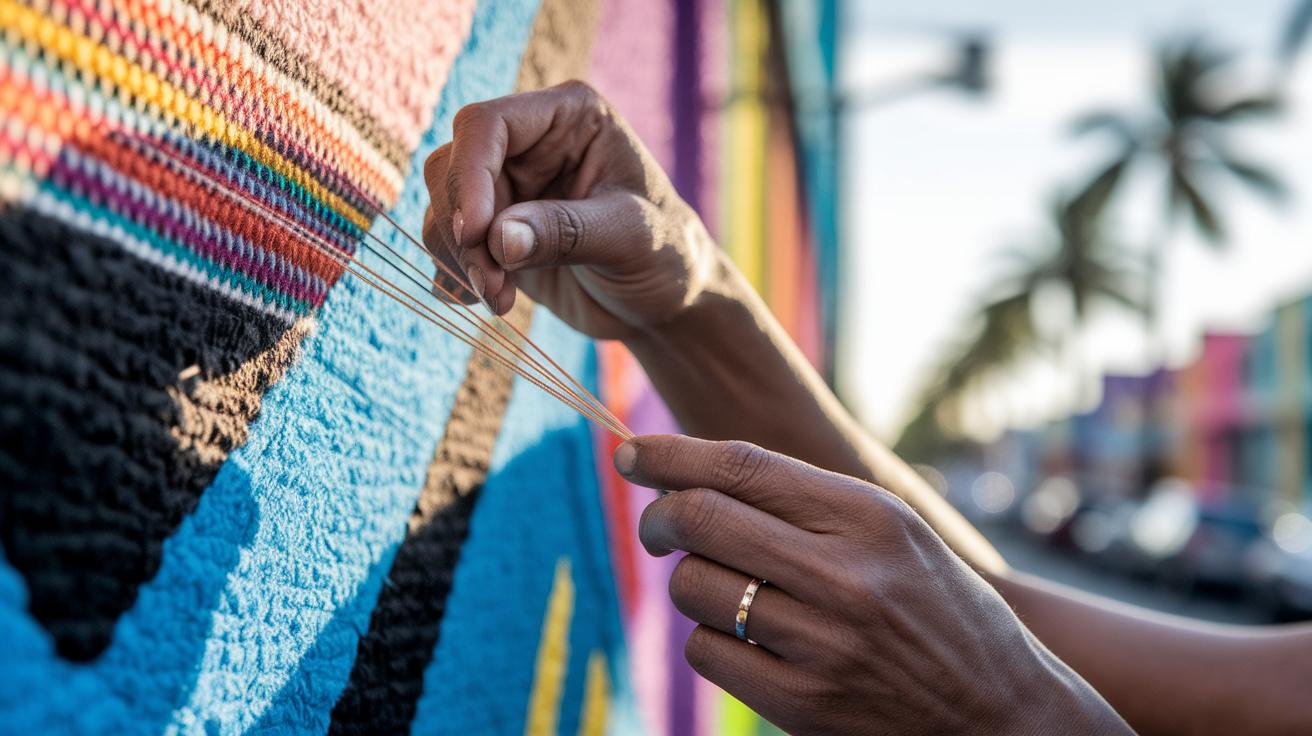
Caribbean artisans now see exciting changes in their world. Trade deals and a boost in tourism are opening up new markets for their handmade treasures. In Trinidad, metal crafts made using age-old methods are catching the eyes of buyers in Europe and North America, while Barbados’s woven fabrics charm people overseas. This blend of tradition and fresh opportunities helps their crafts reach new fans every day.
In cities like Miami and London, migrant artisans are reimagining classic Caribbean designs. They mix familiar local patterns with modern styles from abroad. Imagine an artisan in Miami who takes a traditional Caribbean design and infuses it with urban street art, a creative twist that honors the old ways while appealing to today's trends. It’s a lively reminder of how homegrown skills can meet global flair.
Local craft groups also face stiff competition from affordable imports. Many of these groups are now turning to online stores to share their work with the world. By embracing e-commerce, these artisans ensure that their authentic crafts not only survive but truly thrive in today's global market.
Caribbean Diaspora Networks and Hybrid Cultural Forms
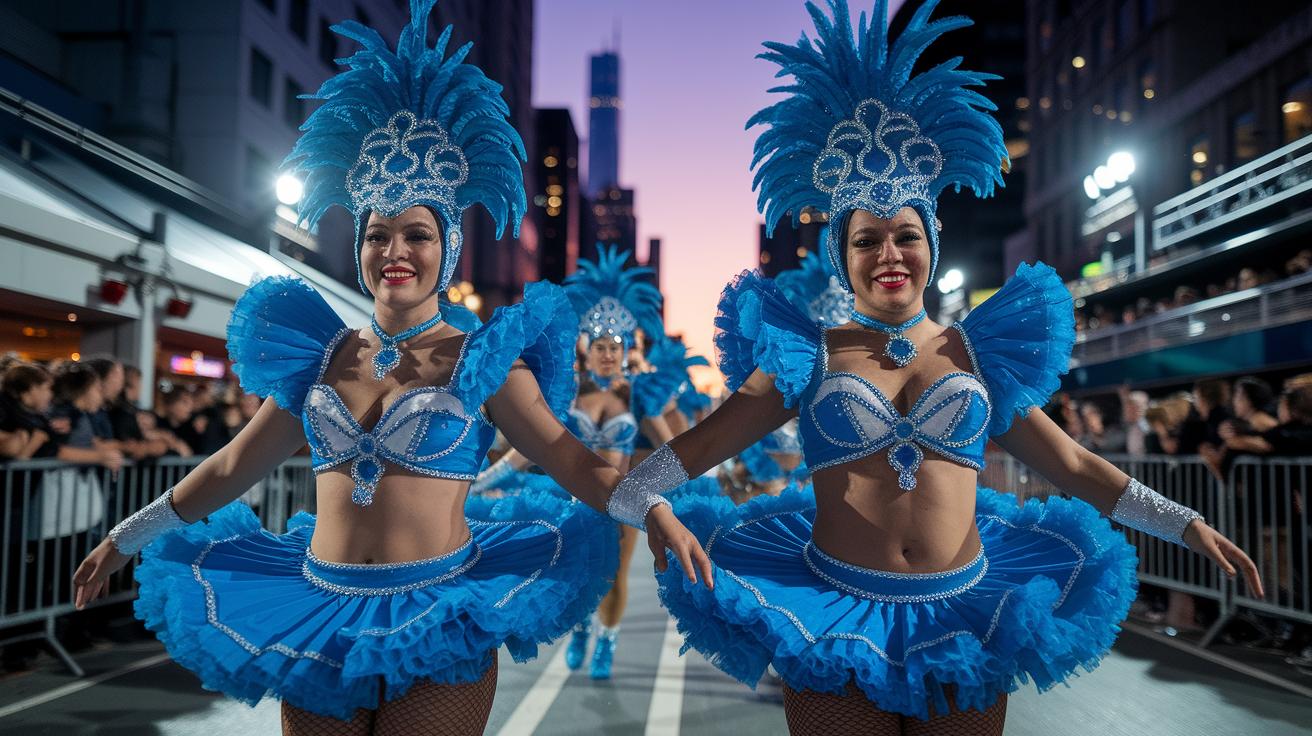
Caribbean folks living abroad are really shaking up the way island culture looks today. In places like New York, London, and Toronto, they light up the year with festivals that mix soca, reggae, and carnival vibes into a beautiful, cross-ocean celebration. Money sent back home helps spark creative studios that blend old-school styles with fresh ideas, leading to cool fusion music and new fashion that nods to long-standing traditions. I remember a Jamaican aunt sharing how reggae mixed with electronic dance music in a London club, creating a sound that felt both new and warmly familiar.
These networks aren’t just mini pieces of Caribbean culture set up around the globe, they’re real bridges linking island roots with the pulse of urban life worldwide. They weave old customs with modern flair, as seasoned artists team up with emerging talents to keep the West Indian spirit alive and evolving. In truth, this constant creative exchange lets ideas travel as freely as the beats and colors that inspire them.
- Festival tours (Carnival, Crop Over)
- Cross-continent music collaborations
- Social-media cultural campaigns
- Fashion and textile co-design
- Artist residency exchanges
Digital and Media Influences on Caribbean Folklore
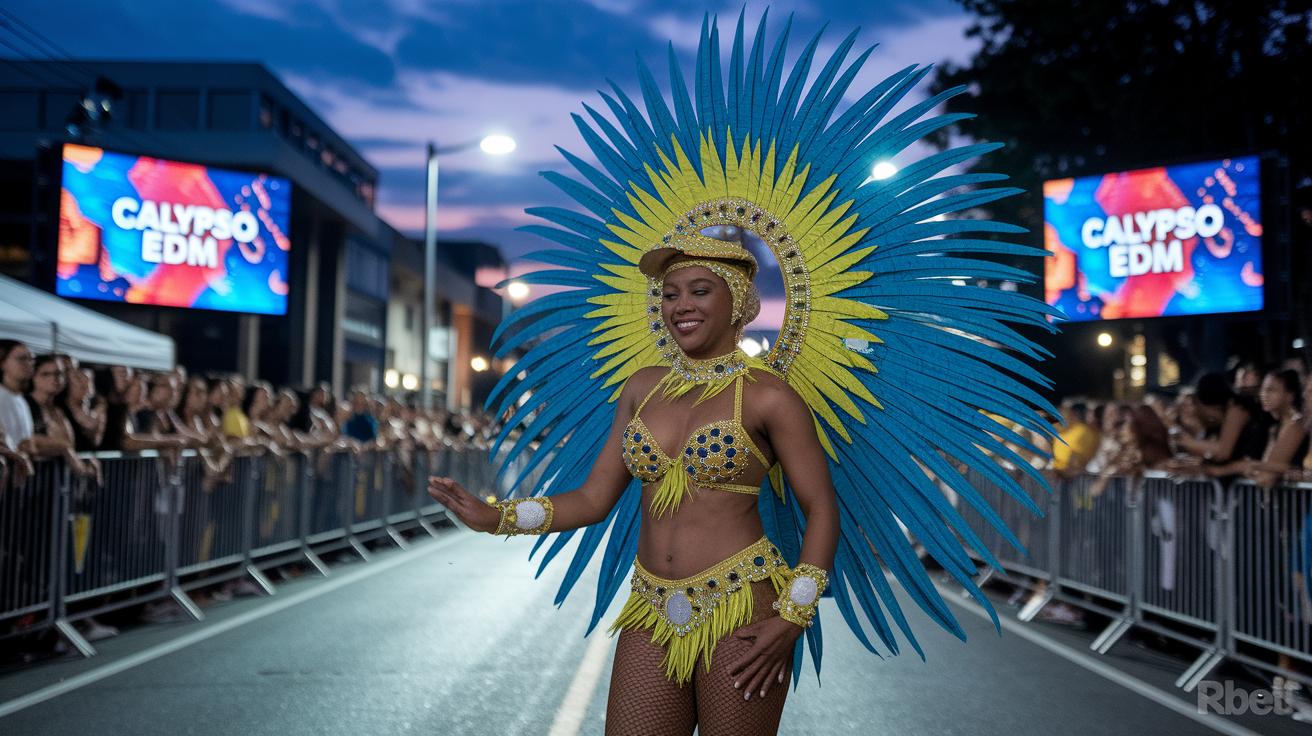
Digital media is changing how Caribbean folklore is shared, letting old stories reach fresh ears in real-time. Today, you can watch live Carnival parades and calypso competitions on streaming platforms from anywhere in the world. It's like having a piece of island magic right on your screen, full of vivid colors and lively rhythms.
YouTube has become a digital library for Caribbean culture. You'll find Haitian vodou ceremonies and Trinidadian steelpan performances preserved for anyone curious to dive in later. This type of online preservation keeps ancient legends and ritual practices alive while mixing in new ideas. And then there are virtual galleries that let Caribbean visual artists combine native designs with modern digital trends. These platforms help artists show and sell their work globally, bridging the gap between historical traditions and contemporary creativity.
Streaming and social media open up spaces where folklore isn’t just saved but reinterpreted. Fans and artists get into a friendly digital dialogue, honoring age-old practices while adding their own modern twist.
| Folklore Form | Modern Adaptation | Example |
|---|---|---|
| Calypso | Electronic fusion | Calypso-EDM tracks on SoundCloud |
| Steelpan music | Jazz integration | Trinidad jazz-pan ensembles |
| Vodou storytelling | Podcast series | Haiti oral history podcasts |
| Carnival dance | Virtual reality experiences | VR Carnival tours |
Digital tools are turning age-old practices into experiences that people all over the world can share, allowing Caribbean folklore to evolve with modern influences while keeping its unique charm.
Preservation and Innovation in Caribbean Cultural Future

Imagine standing on a sunny Caribbean beach while UNESCO programs in the Dominican Republic record the lively beats of merengue and bachata. They capture these sounds to keep them from fading away into history. At the same time, groups in Jamaica are teaching young people how to drum and build boats, connecting generations through both age-old traditions and fresh, modern styles.
In Barbados, policy forums host animated chats about intellectual property rights for oral histories and folklore. Folks discuss how to protect the unique stories and songs of the islands as markets grow fast. Over in Cuba, digital archives are carefully collecting indigenous legends and music, mixing modern technology with deep-rooted traditions to breathe new life into these treasured tales.
Local voices often wonder how to hold on to the soul of Caribbean culture while using new digital tools that reach a wider crowd. They suggest making online platforms that not only save cultural gems but also invite young people to join the conversation. This join-up of heritage and modern ideas shows that keeping traditions alive doesn’t slow progress, it sparks creative ways to join the past with the present.
Community workshops, digital storytelling sessions, and friendly policy forums are where experts and locals pool their ideas. Together, they are paving the way for a future where Caribbean cultural identity stays true to its roots while confidently stepping into tomorrow.
Final Words
In the action of globalization shaping Caribbean culture, our discussion showed how island arts, migration, and digital media fuse past traditions with modern flair. We explored how economic shifts and cross-border exchanges maintain a lively mix of heritage and innovation. Local crafts, music, and art forms evolve, echoing traditions while embracing global influences. This blend reminds us that Caribbean culture is a living story written with the pulse of history and the beat of today. Let the vibrant spirit of the islands guide your next exploration.
FAQ
Globalization and Caribbean culture pdf
The globalization and Caribbean culture PDF offers detailed insights into how global economic flows and cultural exchanges reshape Caribbean society, highlighting both the benefits and challenges of these global influences.
Globalization and Caribbean culture examples
Globalization and Caribbean culture examples include hybrid music styles, cross-border art exchanges, and modern twists on traditional crafts that clearly show the blending of local heritage with global trends.
Globalization and Caribbean culture essay
A globalization and Caribbean culture essay examines how past colonial ties and current economic shifts mix with modern media influences, presenting both the creative transformations and the challenges faced by Caribbean societies.
Globalization in the Caribbean advantages and disadvantages
Globalization in the Caribbean brings wider market access and cultural blending while also creating pressures on traditional practices and local industries, balancing new opportunities with economic and cultural challenges.
What is globalization?
Globalization is the process where countries become more interconnected through trade, technology, and cultural exchanges, allowing ideas and goods to flow freely across borders and influence everyday life.
How does globalization impact the Caribbean?
Globalization impacts the Caribbean by expanding cultural exchanges and market reach, reshaping artistic expressions and local economies, while also posing challenges in preserving traditional customs amidst global influences.
How does globalization have an impact on culture?
Globalization has an impact on culture by blending distinct local traditions with international trends, resulting in innovative art forms and social practices that reflect a mix of indigenous and modern influences.
What is Caribbean culture influenced by?
Caribbean culture is influenced by African, European, and indigenous traditions, with modern media, tourism, and migration adding layers of new artistic and social expressions that continue to evolve over time.
What are the challenges facing Caribbean countries in a globalized economy?
Challenges facing Caribbean countries include economic competition from low-cost imports, pressure to modernize traditional practices, and difficulties in maintaining cultural identity amid growing global market demands.
