Have you ever thought your smartphone could make old Caribbean art come alive? In the islands, age-old crafts mix with modern tech in a way that feels truly exciting. Think about ancient pottery, carvings, and textiles getting a digital makeover that brings their stories into today’s light. It’s like watching a piece of history glow anew, keeping traditions strong while giving them a modern twist.
This piece shows how technology is breathing new life into Caribbean art, inviting us to experience its rich past in a fresh, exciting way.
How Technological Innovation Shapes Caribbean Traditional Art Forms
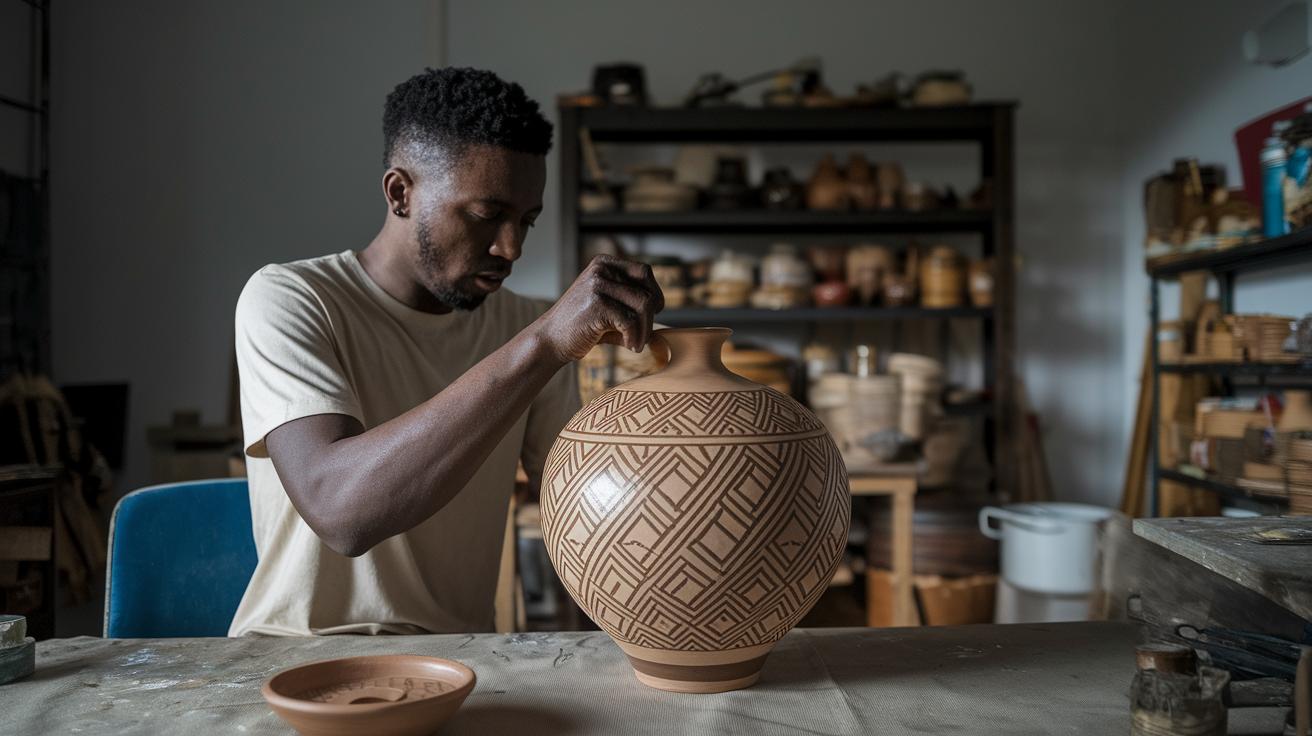
In the Caribbean, age-old art meets modern tech in a way that's both surprising and natural. For thousands of years, local artists, from the Taíno peoples to today’s creative minds, have used pottery, carving, and textile art to express their unique culture. Now, digital tools are joining in, adding bright new layers to these time-honored traditions. It’s like watching the best of both worlds come together, all while keeping that deep heritage alive.
New digital tools let us view and learn about Caribbean art in interactive, fun ways. Today’s technology mixes vibrant visuals and live performances, making it possible to see high-definition images of traditional art, or even capture motions in dance celebrations and mural recreations. Ever wondered how a virtual performance blends with live cultural displays? Check out resources like this one that explores the impact of digital tools on Caribbean performing arts, showing us that while modern work can be innovative, it still holds the soul of ancient techniques.
These creative methods give local artists a new way to show off their skills while keeping traditional crafts shining. With interactive digital media and online communities, artisans share their stories and talents with people all around the world. This fusion not only brings renewed energy to old crafts but also sets the stage for fresh, modern takes on the rich, diverse culture of the Caribbean.
Digital Preservation and Reinterpretation of Caribbean Heritage Art
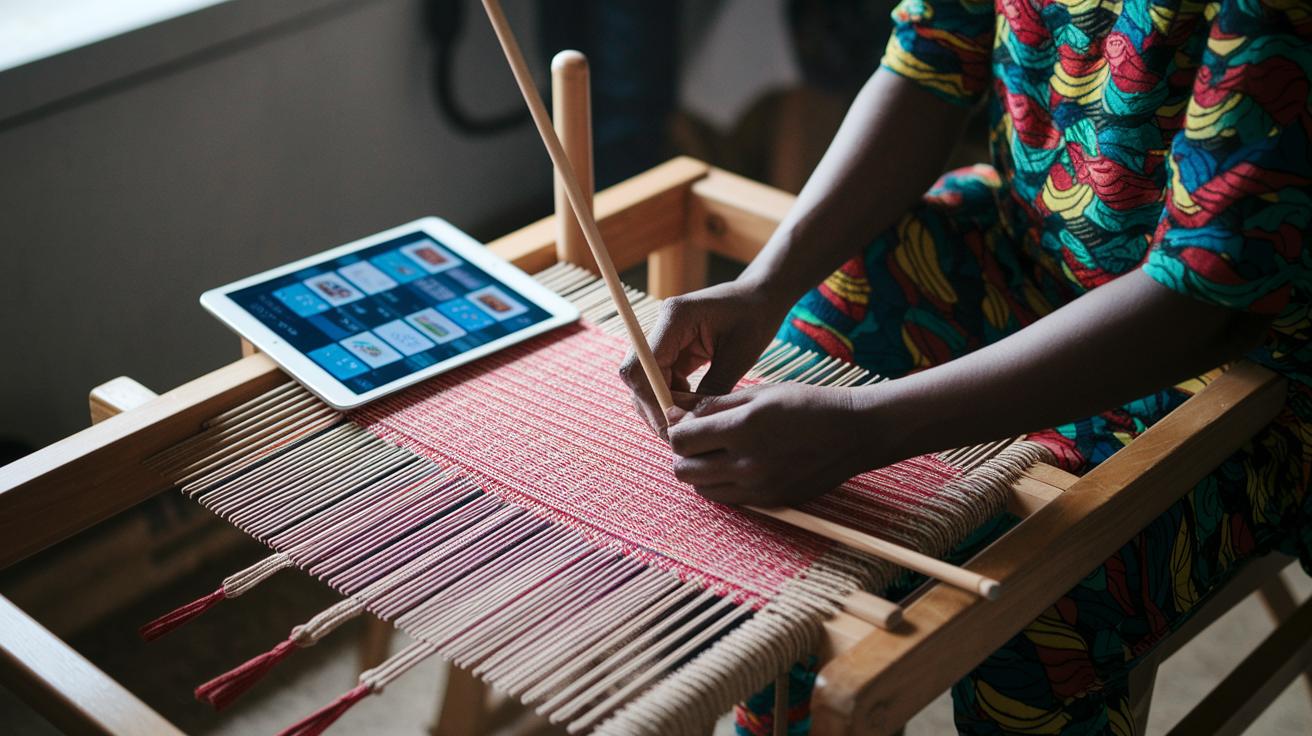
Caribbean creators are blending cherished old-school methods with new digital tools. They’re mixing classic crafts with modern tech to build online galleries that capture the vibrant spirit of centuries-old art. It’s like watching a colorful festival where tradition meets innovation, giving heritage a fresh twist.
Online communities feel like a friendly neighborhood hangout. Local talents share their creations and learn traditional techniques, even if they’re just starting out. Immersive digital courses offer easy introductions to both time-honored crafts and smart new methods. And while many artists still love the hands-on feel of making art by hand, this mix of old and new means the unique touch of Caribbean heritage shines through every time.
Key methods pushing this creative revival include:
- Building huge online archives of historical art images and documents.
- Hosting interactive virtual workshops that connect seasoned artists with beginners.
- Using blockchain (a secure digital ledger) to protect detailed histories of each artwork.
- Creating secure registries that keep sensitive cultural data safe.
- Offering interactive tutorials to teach traditional techniques in a digital space.
Virtual Exhibitions and New Media Platforms for Caribbean Traditional Art Forms

Imagine using your smartphone to dive into Caribbean art in a whole new way. With AR overlays, street murals come to life, offering fun facts, history, and even secret techniques behind each design.
Take, for example, scanning a vibrant mural on a busy street. Your phone shows extra layers of details that tell you the story of the artwork. One project in 2023 even let people watch a mural being created in real time, uncovering hidden meanings that you wouldn’t see otherwise.
Across islands and borders, the Caribbean community is connecting through these cool displays. Artists share live videos and explain the background of their works, encouraging everyone to join in discussions about tradition and creativity.
Another neat trick is geolocation-triggered AR. This means that when you’re in the right spot, your phone shows special content about a nearby artwork, making the experience feel personal and tied to the place.
Overall, these new digital platforms don’t just keep art safe online, they spark conversations between Caribbean art lovers around the world, making each piece feel even more alive.
Case Studies: AI, AR, and 3D Printing in Caribbean Traditional Art Forms

AI-Driven Reinterpretation of Folk Motifs
Ever wondered how modern tech can add a splash of color to old art? Local artisans are now using smart, learning machines to mix classic designs with a fresh vibe. These digital tools add bright details to timeless Taíno pottery patterns, almost like a digital brush dancing over an age-old canvas. Before AI stepped in, every pattern was painted by hand, connecting each stroke to centuries of history.
Augmented Reality in Legacy Craftsmanship
Imagine walking into a museum pop-up and using a special screen that shows hidden symbols beneath faded colonial murals. Augmented reality (a tool that overlays digital images onto real-life art) makes it feel like those missing stories are bubbling right back to life. With this tech, you can see subtle brushstrokes and secret layers that regular photos just miss, almost like a magic lens revealing whispers of the past.
3D Printing and Skill Preservation
In Barbados, local labs are turning to 3D printing to recreate detailed models of age-old carvings. These tiny replicas let teachers and students touch and study historical art without risking damage to the real thing. It’s like holding a little piece of history, complete with all its careful details, while still honoring the handmade traditions that keep these skills alive.
Collaboration Between Caribbean Artists and Tech Innovators
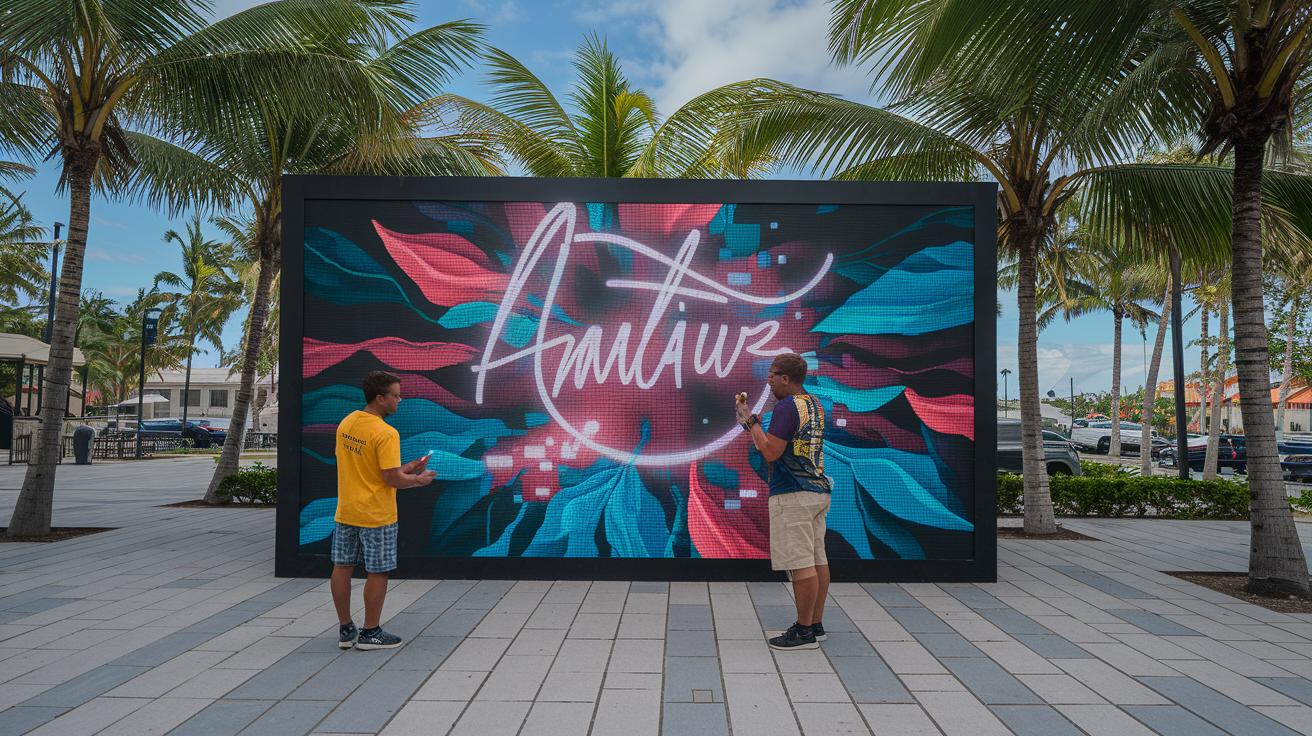
Here in the Caribbean, artists and tech pros blend ancient craftsmanship with modern gadgets in a way that really speaks to the community. Local creatives, tech whizzes, and history buffs team up on online platforms to craft digital murals and sound displays that pull you right in. For instance, teams from different islands gather around digital canvases, using age-old symbols to shine a light on today's issues like racial fairness and hints of colonial history. One local collaborator said it best: "Our art is like a friendly chat where every pixel has its own little story."
Then, tattoo groups mix things up by using projection mapping during street festivals. This cool tool turns traditional tattoo art into lively, moving displays that change right in front of your eyes. Imagine watching live projections add animated details to tattoos, as if the designs were coming to life to share stories from long ago.
Local tech experts and traditional artists are joining forces to give an exciting boost to old-school methods. They form a creative circle that not only keeps cultural heritage alive but also updates it for our fast-changing world. Their work shows that by using simple digital tools, local art can reach more people, all while staying true to its deep roots.
Future Directions for Technological Innovation and Caribbean Traditional Art Forms
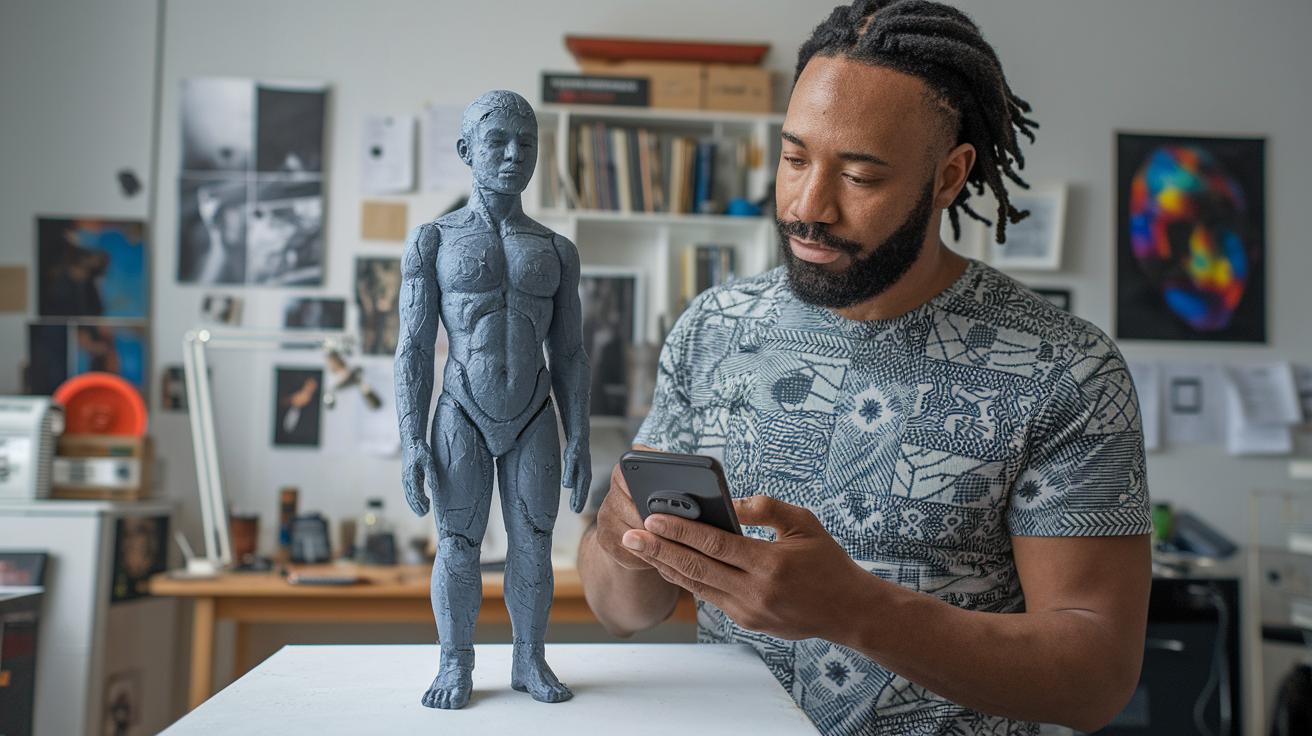
The Caribbean art scene is alive with fresh, exciting ideas that honor its traditions while embracing modern twists. Artists still love the tactile joy of crafting by hand, but new digital tools add an extra layer of creativity, making each piece even more special. It’s like mixing the rich flavors of a local recipe with a new, fun twist that extends the art beyond the island.
Today, imagine artworks that come with hidden sensors. These clever additions pick up the sounds, temperature, and even the gentle ocean breeze as they interact with nature, giving each creation its own story. There’s also a growing trend of using blockchain, a secure digital record, to track every artwork’s origins and unique details. And then there are immersive virtual experiences that let you step right into a recreated Caribbean ceremony, blending timeless traditions with the advancements of technology.
Even as exciting digital ideas spread, artists remain true to the soulful spirit of Caribbean culture. This beautiful mix of modern tools and hands-on craftsmanship shows that tradition and innovation can dance together, building a future that speaks as boldly to tomorrow as it honors the roots of the past.
Final Words
In the action of exploring how technological innovation and caribbean traditional art forms merge art and tech, we saw digital tools revitalizing time-honored methods. The post covered how online archives, AR overlays, and 3D printing breathe fresh life into classic crafts.
We also learned about creative partnerships and future trends that keep these traditions alive. Every example shows that tech can work hand in hand with heritage. It’s a bright mix of old and new, paving the way for more inspiring island scenes.
FAQ
What is technology based art and how is it different from traditional art forms?
The question shows technology based art uses digital tools like AR, AI, and 3D printing to add modern methods to traditional techniques, blending electronic processes with hands-on craft while keeping cultural expression alive.
What are the art forms in the Caribbean?
The question highlights Caribbean art, which covers traditional styles such as pottery, carving, weaving, and mural painting alongside digital reinterpretations. These forms mix Indigenous, African, and European influences to express cultural history.
How has technology influenced different art forms and what are examples of innovation in art?
The question explains technology has reshaped art using AR overlays, AI-driven color updates, and 3D printing. Such innovations revitalize historic designs and create interactive, modern displays that celebrate and preserve cultural techniques.
What does the PDF on technological innovation and Caribbean traditional art forms cover?
The question reveals that the PDF details how digital breakthroughs merge with Caribbean heritage, offering insights on preserving and reinterpreting ancestral art through modern tools, complete with practical examples and case studies.
