Have you ever thought that travel might be more than just a break from your routine? In the sparkling Caribbean, every careful step helps protect nature and keep local traditions thriving.
Imagine wandering down a sunlit path with a friendly local guide. You listen to old stories, feel the gentle island breeze on your skin, and notice the way the light dances on the water.
When eco-friendly choices mix with a rich culture, a special way of life unfolds. This blend not only cares for the earth but also celebrates history, offering a vibrant experience for both locals and visitors alike.
Foundations of Caribbean Eco-Cultural Heritage
Ecotourism here is about traveling mindfully. Every step you take helps protect the environment and supports the way locals live. You get to see bright coral reefs, soft sandy beaches, and the green embrace of nature. Imagine strolling an island trail with a local guide sharing old traditions as you spot colorful sea life. It feels like stepping into a story crafted by nature and community.
Many travelers are used to grand cruise ships and perfect beach scenes. But this popular style of tourism can sometimes hurt local communities and natural spaces. People now wonder if tourism should keep going as usual or change into something more thoughtful and fair for everyone. This discussion brings up the need for travel that respects both cultural heritage and the natural world.
At its heart, Caribbean eco-cultural heritage stands on three strong ideas. First is protecting nature while keeping local traditions alive through storytelling, crafts, and food. Next, communities join in by leading sustainable projects and educational events. Picture locals sharing island recipes, showcasing their handmade crafts, and guiding small tours that reveal a lifestyle deeply rooted in caring for nature and history.
Caribbean Eco-Cultural Heritage in Practice: Island Case Studies

Caribbean islands have a special way of mixing their rich cultural heritage with a deep care for the environment. It’s like taking a walk through history while enjoying nature's beauty. These examples show how blending old traditions with modern green practices makes each tour a personal and meaningful experience. They protect the ocean and historic sites alike, inviting local communities to cherish and preserve everything for the future.
Curaçao’s Sustainable Tourism Model
Curaçao is a great example of this blend. The island teamed up with Sustainable Travel International and local universities for a study that looks at how many visitors the island can handle without harming its treasures. This study, called the Destination Carrying Capacity Study, helps Curaçao grow its tourism in a careful way. Here, small-group tours and energy-saving places work hand in hand with eco-friendly practices, keeping both the natural scenery and cultural stories vibrant.
Guadeloupe’s Biosphere Reserve Approach
Over in Guadeloupe, efforts to protect nature are taken very seriously. The island safeguards over 75% of its lands and waters. Since 1992, the Biosphere Reserve has been a cornerstone in blending old-world charm with modern conservation. Local plans focus on real, authentic experiences, ensuring that both the culture and the environment are well cared for, not just for visitors, but also for the people who call Guadeloupe home.
Montserrat’s Resilience and Heritage Rebuild
Montserrat tells a story of hope and renewal. After the Soufrière Hills eruption in the 1990s, the island started rebuilding by mixing eco-friendly ideas with efforts to save its history. Casual tours let you hear stories of how the community came together to embrace sustainable practices and preserve its unique heritage. It’s all about resilience, turning challenges into a celebration of nature and community spirit.
| Island | Initiative | Outcomes |
|---|---|---|
| Curaçao | Destination Carrying Capacity Study | Balanced tourism growth |
| Guadeloupe | Biosphere Reserve | Protected ecosystems |
| Montserrat | Heritage Rebuild | Resilient tourism model |
Biodiversity Conservation within Caribbean Eco-Cultural Heritage
The Caribbean is a vibrant canvas painted with glowing coral reefs, soft white beaches, and thick, buzzing rainforests. Imagine stepping out on a clear day where gentle waves caress protected coastal waters, and the nearby forests hum with life. It’s not just nature thriving here, it’s a living blend of cultural traditions and stunning natural beauty.
And here’s the cool part: ecotourism lets you dive right into these experiences. Many travelers hit the island trails on foot or take a plunge into the deep blue to explore colorful underwater worlds. These adventures not only dazzle your senses but also support local conservation, with entry fees and tour donations helping protect these amazing spots. Think of it as learning nature’s secrets with every step you take.
Local communities are the heart and soul of these efforts. Neighbors organize nature walks, fun workshops, and community clean-up days to keep their island a safe home for native plants and animals. Their hands-on projects turn everyday activities into powerful acts of care, ensuring that the magic of the Caribbean’s natural and cultural heritage shines on for years to come.
Community Traditions and Stewardship in Caribbean Eco-Cultural Heritage
Local island dishes and traditional crafts form the heart of sustainable growth here. In kitchens, family recipes told over many generations create meals that support small farms and fishing families, while time-honored craft techniques keep local skills alive.
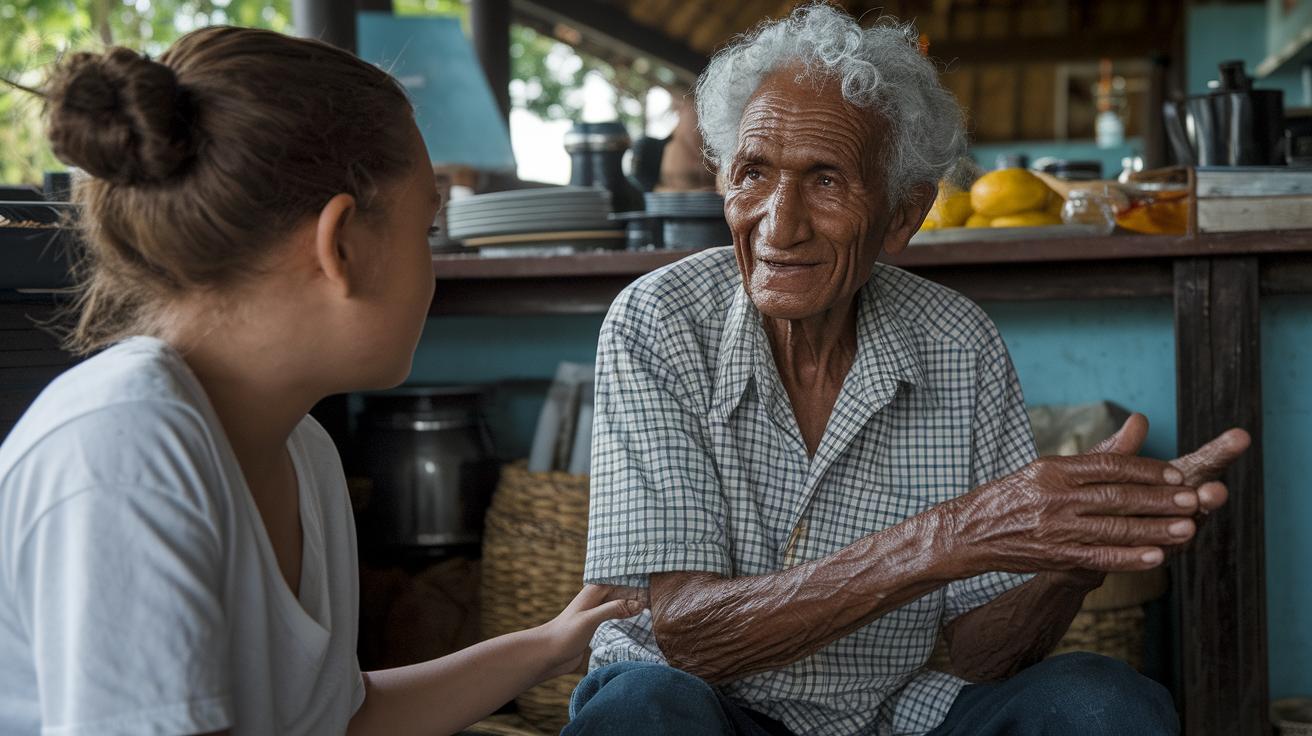
Festivals now bring elders and youth together in friendly storytelling sessions. Imagine an 80-year-old sharing a nearly lost custom that sparks curiosity among the younger crowd. It’s like listening to a treasured tale with a modern twist, making the island’s unique rhythm feel fresh and familiar.
Community-run lodgings and small group tours are also stepping up to support cultural projects. Money from energy-smart stays helps fund local art programs and keeps traditional crafts thriving. This blend of eco-friendly tourism and cultural care plays a key role in preserving Caribbean heritage, as seen at https://caribiana.com?p=2247
Strategies for Sustaining Caribbean Eco-Cultural Heritage
Tourism in the Caribbean is changing, and the shift is clear: nature and culture are now seen as two sides of the same coin. Instead of treating them as separate, today’s eco-friendly tourism makes sure that both the ocean breeze and local traditions are cherished. It’s all about working together so that visitors and locals truly connect.
Smart rules and careful studies now lead the way for balanced growth. Experts are setting simple guidelines to decide how many guests an island can welcome without straining its lush landscapes or age-old customs. By mixing what we know about the environment with respect for our heritage, these plans help protect the island’s special vibe while ensuring tourism stays fair.
Researchers, historians, and local teachers are joining forces to spread the word about smart tourism. Their projects bring environmental lessons and stories of the past together in a way that’s both clear and exciting. These efforts show real ways to help communities protect their natural beauty while keeping their cultural roots alive.
Local communities are turning big ideas into everyday actions by giving old landmarks a fresh purpose. Groups restore historic buildings and repurpose cultural sites for modern use, linking the charm of a storied past with today’s sustainable ways of living. When locals lead the way, development stays vibrant and respectful, creating a legacy that lasts.
Final Words
In the action, we explored how blending responsible travel with island traditions creates a rich mix of caribbean eco-cultural heritage. We saw how eco-friendly practices help preserve vibrant traditions, protect natural beauty, and support local communities. Each section painted a picture of a region where environmental care meets cultural pride. The detailed case studies and practical strategies give us new ways to enjoy this unique region. Every step taken shines a light on a brighter, sustainable future filled with island charm and responsible travel.
FAQ
What does Caribbean eco cultural heritage encompass?
Caribbean eco cultural heritage encompasses the integration of environmental care and local traditions. It supports indigenous histories, responsible travel, and community well-being to protect both nature and cultural practices.
How does the Caribbean Tourism Organization support the region?
The Caribbean Tourism Organization supports the region by promoting responsible travel practices, encouraging local cultural exchanges, and helping develop eco-friendly tourism that benefits both local communities and natural environments.
How can tourism negatively impact the Caribbean?
Tourism can strain natural resources, damage delicate ecosystems, and erode traditional practices if not managed carefully. This calls for balanced, responsible approaches that protect both local culture and the environment.
What do Caribbean tourism statistics by country indicate?
Caribbean tourism statistics by country reveal trends in visitor numbers, economic contributions, and the urgency for sustainable practices that help preserve natural habitats and maintain cultural integrity across the region.
How is sustainable tourism defined in the Caribbean?
Sustainable tourism in the Caribbean is defined as travel that respects local traditions while protecting nature. It promotes practices that support community initiatives, ensuring economic benefits without harming cultural and environmental assets.
What does ethical tourism in the Caribbean involve?
Ethical tourism in the Caribbean involves interacting with local communities respectfully, supporting practices that conserve natural resources, and contributing to efforts that keep cultural heritage alive for future generations.
What is the most eco friendly island in the Caribbean?
The most eco friendly island in the Caribbean is noted for strong sustainable practices, with islands like Saint Lucia or Jamaica often highlighted for their commitment to protecting natural resources and cultural heritage.
What are the three main cultural influences in the Caribbean?
Caribbean cultural influences stem from indigenous roots, African heritage, and European traditions. These influences blend to create unique music, cuisine, and celebration practices found throughout the island region.
Why is ecotourism important in the Caribbean?
Ecotourism is important in the Caribbean because it protects pristine natural sites and preserves cultural legacies. It offers visitors educational experiences and supports local communities by encouraging responsible travel practices.
What are the 4 C’s of ecotourism?
The 4 C’s of ecotourism are conservation, cultural integrity, community involvement, and collaboration. These elements guide efforts to maintain natural beauty while honoring and preserving local traditions.
