Have you ever noticed how Caribbean culture comes alive like a burst of bright colors and warm memories? It’s a mix of native traditions, the soulful rhythms of Africa, and touches of European style. When you listen to the music or join in the celebrations, it feels like you’re stirring a cool tropical drink full of history and heart. Every beat and flavor tells a story of a past rich in resilience and a present that's full of life and warmth.
Key Components in the Definition of Caribbean Culture
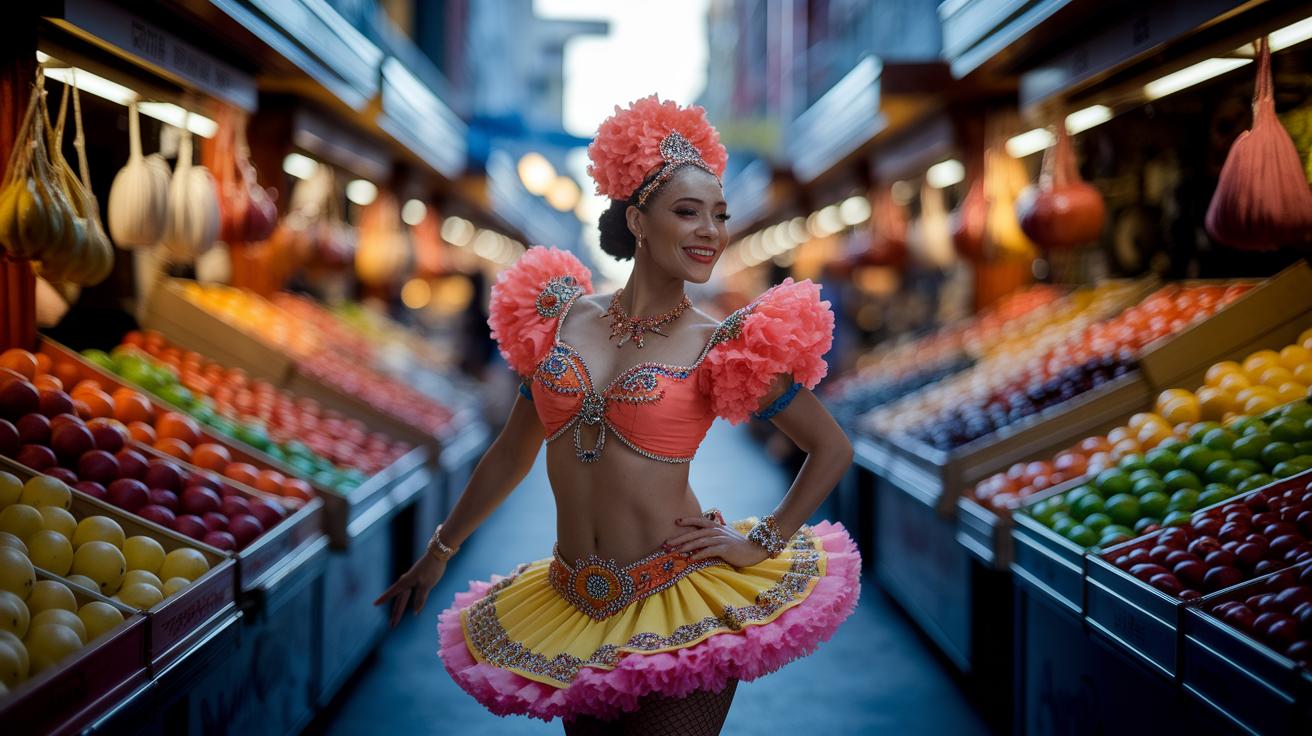
Caribbean culture is a warm mix of native, African, European, and other influences that come alive in its traditions, music, and art. Imagine walking through a lively street fair or hearing the soothing vibes of reggae, you instantly sense a story of ancient roots and new voices. It’s like the island itself is softly whispering tales of its history shaped by struggles, migrations, and the journey of its people.
Over the years, people from different backgrounds made the Caribbean their home, bringing languages like English, Spanish, French, Dutch, and many Creole dialects. These sounds mingle with familiar customs to create an inviting spirit that is both steeped in history and buzzingly current.
- Ethnic and ancestral blending
- Linguistic diversity
- Traditional music and dance
- Culinary fusion
- Festival celebrations
Think of it like mixing a refreshing tropical drink: you start with deep ancestral roots, stir in the sweet beats of island music, and top it off with a splash of festive energy. This lively combination not only shapes everyday life but also paints a picture of a region that thrives on shared moments, creative expression, and the simple joy of living.
Historical Foundations of Caribbean Cultural Evolution
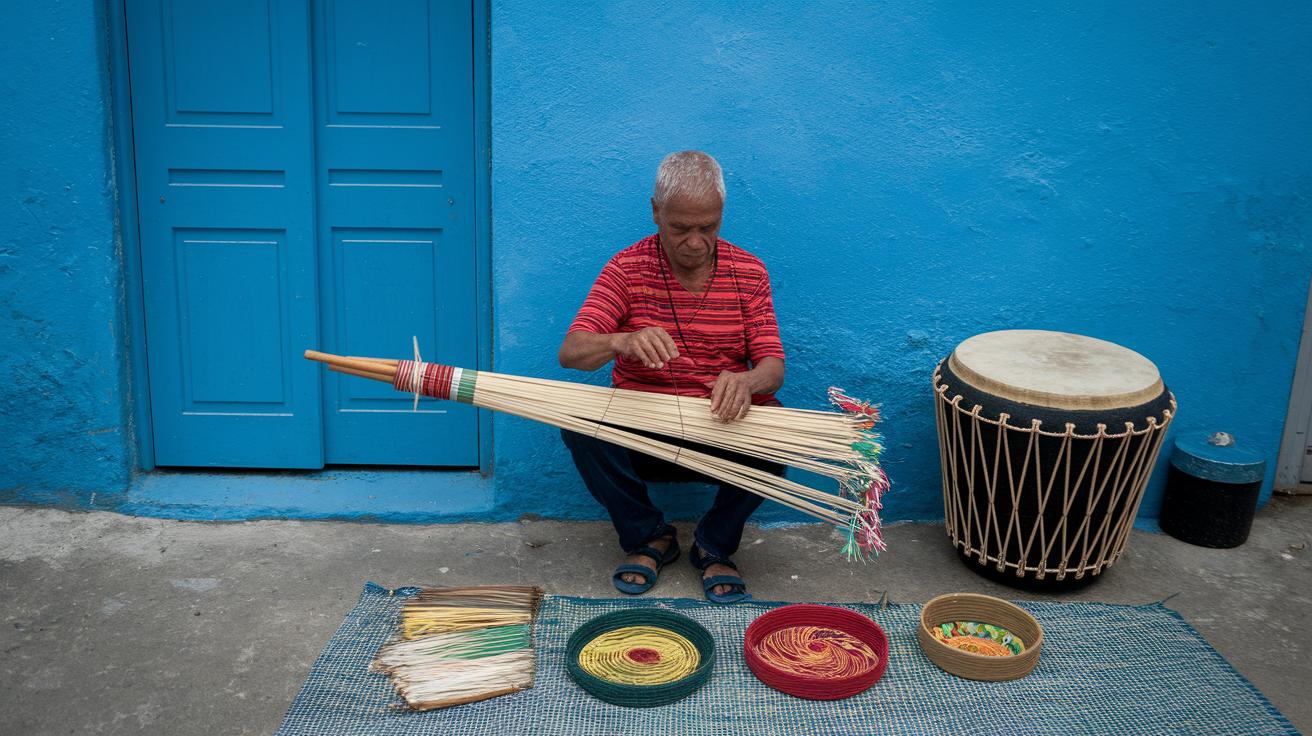
Imagine traveling back in time to an era when the Caribbean was home to the friendly Arawak and Carib peoples. These early locals lived throughout the islands and nearby lands, creating lively traditions that still sparkle in the region today. Picture bustling markets filled with the scent of fresh produce and the bright colors of handmade crafts, a scene that sounds like a perfect island day.
Then came the Europeans in the late 1400s, changing everything. Explorers and settlers arrived, and both the land and its people felt the impact. From the 1500s to the 1800s, the forced arrival of millions of Africans brought a brave spirit and the beat of drums that you can still hear in today’s festivals.
Soon after, workers from Asia made their way to the islands, adding their own special touch to Caribbean life. It was like adding a new flavor to a favorite dish, making the cultural mix even richer. This blend of traditions created a living, evolving story, a true melting pot that continues to charm visitors and locals alike.
Indigenous and African Roots Shaping Caribbean Identity
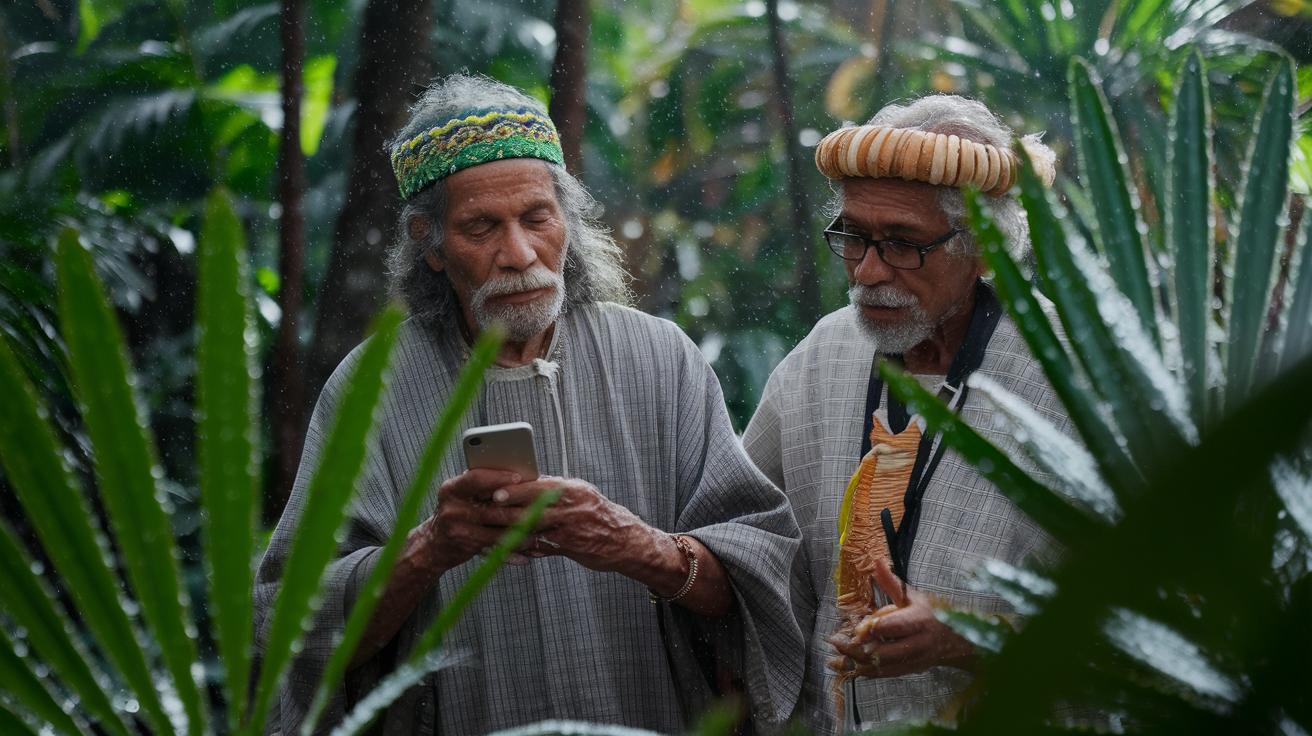
Caribbean life still holds close the traditions of its first people. Local communities honor the natural rhythm of the island with simple ceremonies like rain dances and the use of healing herbs. Imagine elders gathered at dawn in a quiet grove, their soft chants welcoming the morning as dew sparkles on ancient leaves. Each ritual tells a story from the past that colors the island's spirit today.
The African heritage whispers through the busy sounds of modern festivals. You can hear the deep beats of traditional drums mixing with today’s tunes. Picture a street festival where a steady drum pulse hides beneath the modern music, each beat a gentle echo of ancestral voices. This blend of old and new creates a lively, unforgettable atmosphere.
Today’s Caribbean celebrations bring these rich influences together in a beautiful mix. Traditional costumes, time-honored dances, and lively music combine to create events that feel both fresh and deeply rooted in history. Think of a vibrant parade where every step pays tribute to customs passed down for generations, merging the charm of the past with the excitement of today.
European Colonial Legacy and Language Evolution in Caribbean Culture
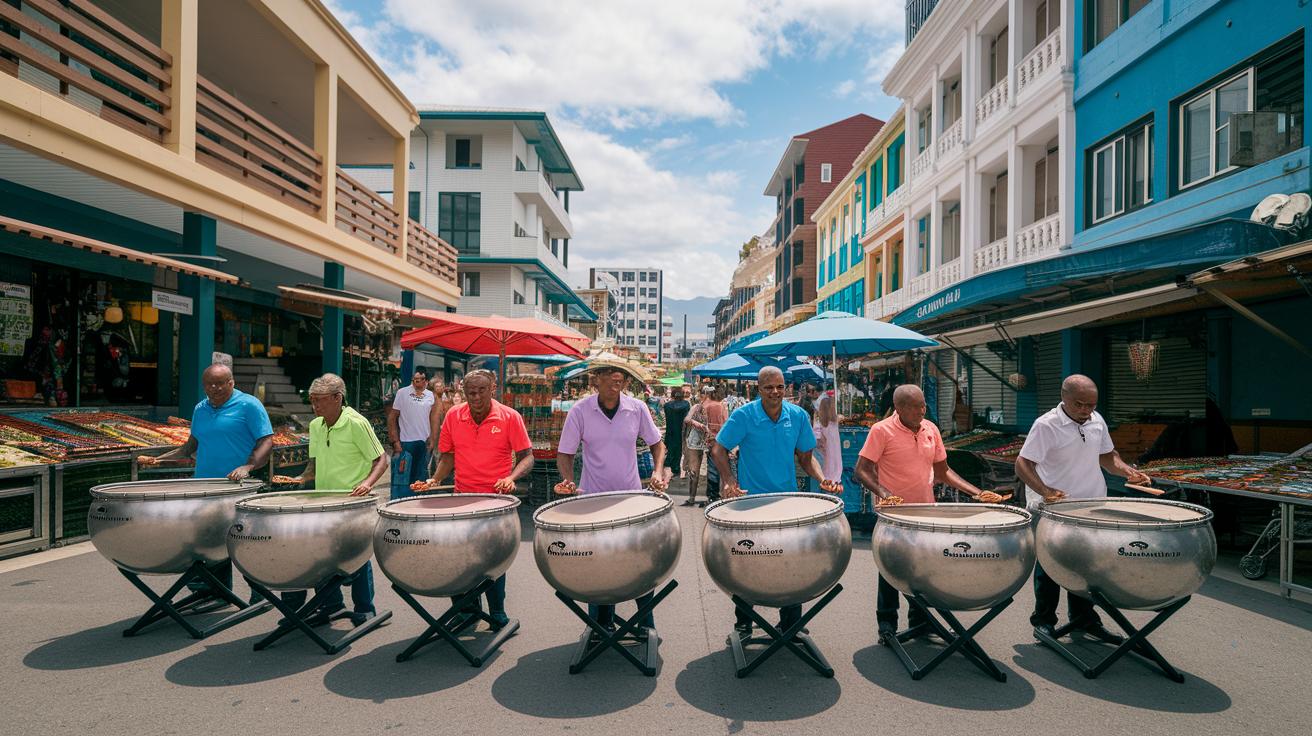
Back in the day, European countries like Spain, France, Britain, the Netherlands, and Denmark set up their empires in the Caribbean and changed life forever. Their rule reshaped social and political life by bringing in new laws, trade practices, and cultural habits. Imagine finding an old treaty or record that reminds you the islands were once part of vast empires with strict systems.
Over time, the mingling of different peoples led to the creation of Creole languages, such as Jamaican Patois and Aruban Papiamento. Locals took bits of European languages and mixed them with their own native tongues, turning everyday chatter into something that tells the story of the islands. Picture strolling down a busy street and hearing friendly voices that echo a deep, multilingual history.
You can also see the old influence in the islands' buildings. Plantation estates, forts, and public structures feature a mix of European style and local charm, built using materials native to the Caribbean. These structures stand quietly, like storytellers, reminding us of a time when European design met tropical life and left behind a unique, lasting identity.
Music and Artistic Traditions in Caribbean Culture
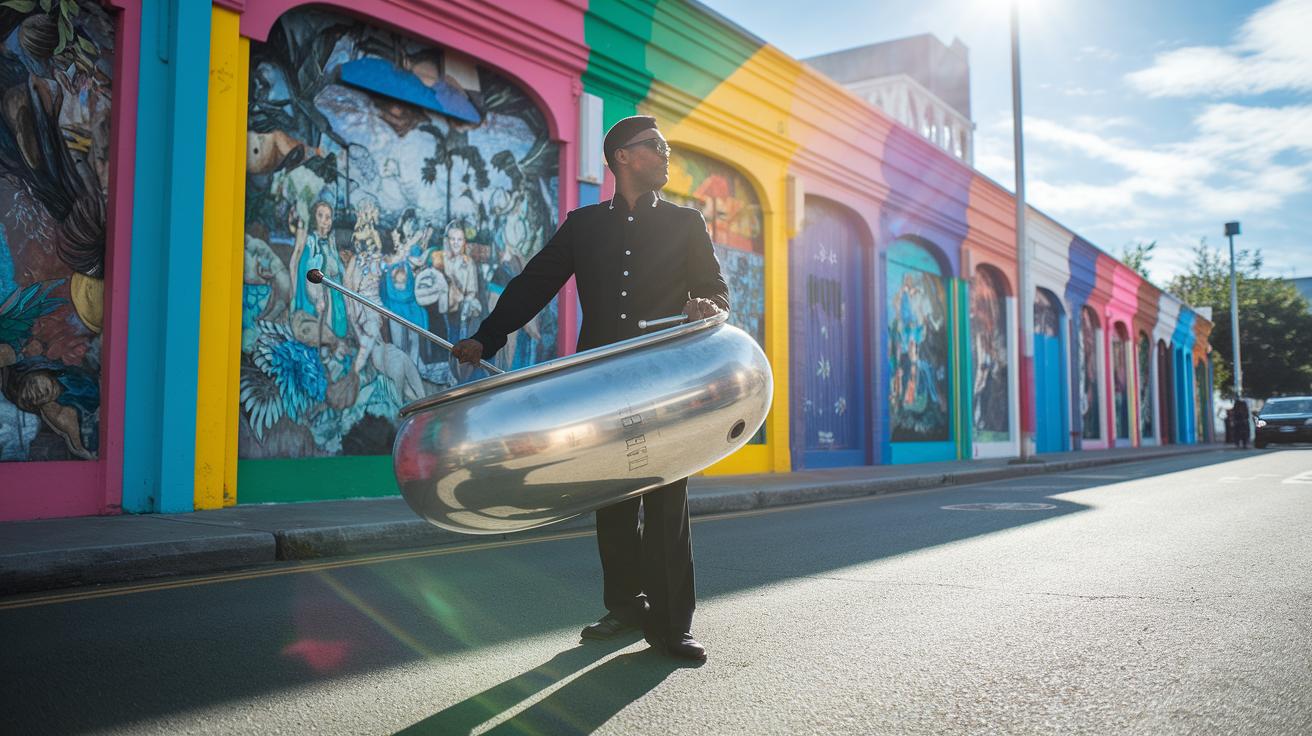
Caribbean music and art capture the island spirit and speak directly to the heart. When you step off the plane, you feel a vibrant pulse, as if the islands are whispering stories of resilience and creativity just for you. Every beat and splash of color feels like a secret diary written in rhythm and hues.
Reggae started in Jamaica back in the 1960s as a humble sound echoing through Kingston's narrow streets. It quickly grew to sweep across the islands and beyond. Along with calypso from Trinidad, soca, salsa, and merengue, these tunes create a musical tapestry that's both refreshing and deeply rooted in history. Imagine a street corner where a drummer taps out a simple beat, inviting you to join in the moment. And don't forget the steelpan from Trinidad, born in the 1930s, it adds a unique, sunny note to this lively mix.
The islands' visual arts are just as stirring. From sculptures and vibrant paintings to handcrafted pottery, every piece reflects the everyday beauty of island life and nature. It’s like receiving a colorful postcard that lets you feel every brushstroke and chisel mark.
And then there's the magic of storytelling. Caribbean literature and oral tales keep ancient folktales and historical narratives alive, creating a timeless record of life on the islands. Each story invites you to enjoy the rich cultural journey in this tropical paradise.
Culinary Heritage and Festive Customs Shaping Caribbean Culture
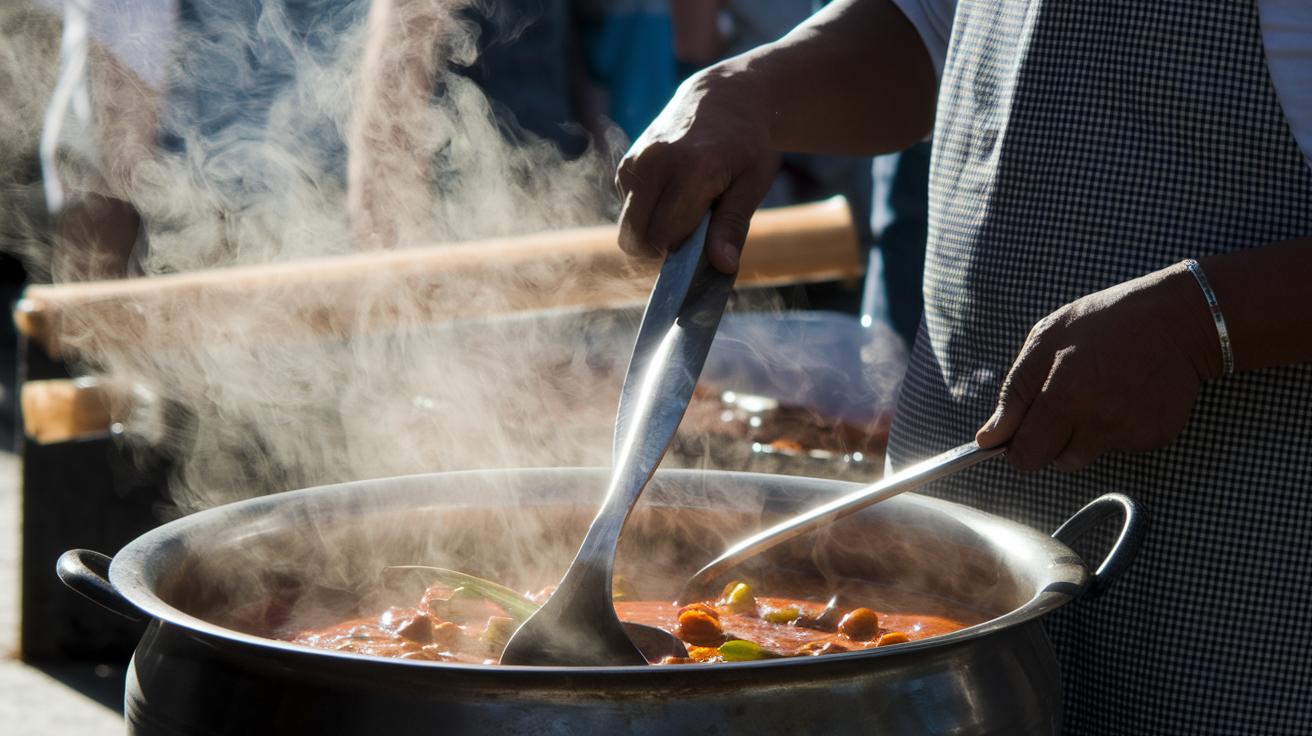
Caribbean food is a mix of tastes that comes from many different backgrounds. Imagine walking past a market stall where spicy Antigua’s Pepperpot Stew is bubbling away, filling the air with rich, savory smells. Local cooks add a special touch to every dish, using recipes handed down through generations. And then there are crunchy plantain chips, a snack that's hard to resist. Rum, made in places like Barbados, Antigua & Barbuda, Grenada, Saint Lucia, and Jamaica, comes in many types, each adding its own spirited note to the local flavor.
Festivals add even more sparkle to island life. Ever danced away at a street fair under the night sky? With up to 13 public holidays on some islands, celebrations burst forth like rays of island sunshine. Music, vibrant costumes, and a strong sense of community make each festival feel lively and unforgettable.
| Dish | Island of Origin |
|---|---|
| Antigua’s Pepperpot Stew | Antigua |
| Bajan Fishcakes | Barbados |
| Jamaican Curried Goat | Jamaica |
| Plantain Chips | Trinidad |
| Grenadian Nutmeg Ice-Cream | Grenada |
All these delicious dishes and fun festivals show the true heart of the Caribbean. The blend of flavors and traditions reflects the islands' rich history and love for celebrating life. Imagine tasting a meal that carries not just spices, but also the warm, inviting heartbeat of the Caribbean.
Definition of Caribbean Culture: Inspiring Heritage

Caribbean culture isn’t just found on sandy shores; it lives in communities throughout North America and Europe. These groups bring a piece of the island spirit wherever they gather. Think about a sunny day in the park with friends dancing to the soft beats of reggae and calypso, it feels like a warm, inviting homecoming.
Travelers now get a real taste of this vibrant heritage. Visitors join in lively music sessions, savor delicious island dishes, and soak up the fun of cheerful carnivals. It’s a bit like stepping into a living postcard, where every street corner hums with familiar tunes and friendly energy. The memories of bustling markets and heartfelt encounters capture the true essence of Caribbean life.
Local communities work hard to keep the rich traditions alive. Small heritage projects help preserve Creole languages and age-old crafts passed down through the generations. Workshops that teach storytelling, handmade weaving, and other cherished skills keep the culture thriving. Even Caribbean musicians and authors shine on the international stage, proving that this living history reaches far beyond the shores.
Final Words
in the action, the article swept us through a colorful mix of indigenous roots, African beats, and European influences that shape Caribbean culture. It touched on how lively music, tasty dishes, and time-honored traditions form a clear snapshot of the islands. Short histories and local customs showed us a straightforward look at the many faces of Caribbean culture and sustainable travel. Every piece of this narrative reminds us that the islands offer a relaxing and true-to-life experience to savor.
FAQ
What does Caribbean culture mean?
The meaning of Caribbean culture blends various influences—indigenous, African, European, and others—to form a vibrant mosaic of traditions, art, and music that shape a unique way of life in the region.
What are Caribbean culture traditions and values?
Caribbean culture traditions include festive celebrations, traditional music, dance, and culinary flair, while its values focus on community spirit, family ties, and pride in a shared historical heritage.
What is Caribbean food as part of its culture?
Caribbean food is a fusion of flavors that incorporates spices, local herbs, and diverse culinary techniques from native, African, and colonial traditions, creating hearty and colorful dishes.
What are some key facts about Caribbean culture?
Caribbean culture is a mix of diverse influences that yield a rich heritage, multiple languages, massive musical expressions, and festive customs that mirror the region’s dynamic and historical roots.
How has Caribbean culture evolved over time?
Caribbean cultural history reflects early indigenous practices, transformative periods of colonization and slavery, and later migrations, all of which have contributed to a complex yet resilient and dynamic cultural landscape.
What are the different aspects of Caribbean culture?
Caribbean culture consists of artistic expression such as music and dance, plus a deep social history that includes culinary traditions and community values, highlighting both creative and historical dimensions of its identity.
What are the four definitions of the Caribbean?
The four definitions of the Caribbean consider its geographic region, cultural heritage, historical background, and culinary traditions, each offering a snapshot of its diverse and multi-layered character.
How do we define Caribbean cultural identity?
Caribbean cultural identity is defined by a blend of ancestral influences, languages, and creative expressions that foster a strong sense of belonging and pride among its people.
What is the easy definition of the Caribbean?
The easy definition of the Caribbean is a group of islands and nearby areas known for their diverse cultures, lively traditions, flavorful food, and a rich mix of historical influences.
