Have you ever thought you could have fun and help nature at the same time? Caribbean travel is going green with buses and water taxis that gently leave their mark on our islands.
Imagine cruising on a solar-powered water ride, feeling the warm sun and cool ocean spray, or riding a bus that links up with colorful local spots, all while cutting down on pollution. This guide shows you some cool ways to explore the Caribbean, enjoying its clear blue waters and charming towns while keeping things light on the earth.
Caribbean Eco-Friendly Transportation Landscape

Traveling in the Caribbean can be both fun and kind to nature. Instead of long flights that create lots of pollution, many visitors now choose buses and small boat trips to enjoy island life. For example, Simobey offers half-day and full-day tours on small local boats that let you take in the beautiful coastal views. Eco-lodges like Maison de L’Ilet Oscar use water taxis powered by solar-heated water systems and electric setups. It’s a neat way to relax while using renewable energy.
Public bus systems and clever water taxi routes are the heart of green travel in the region. Buses connect busy towns to small, charming spots so you can check out local markets and colorful cultural sites without a big carbon footprint. And water taxis offer a clean, scenic ride to eco-friendly hotels, making sure every journey helps keep the Caribbean as clear and vibrant as its turquoise waters.
Zero-Emission Water Transit Solutions in the Caribbean
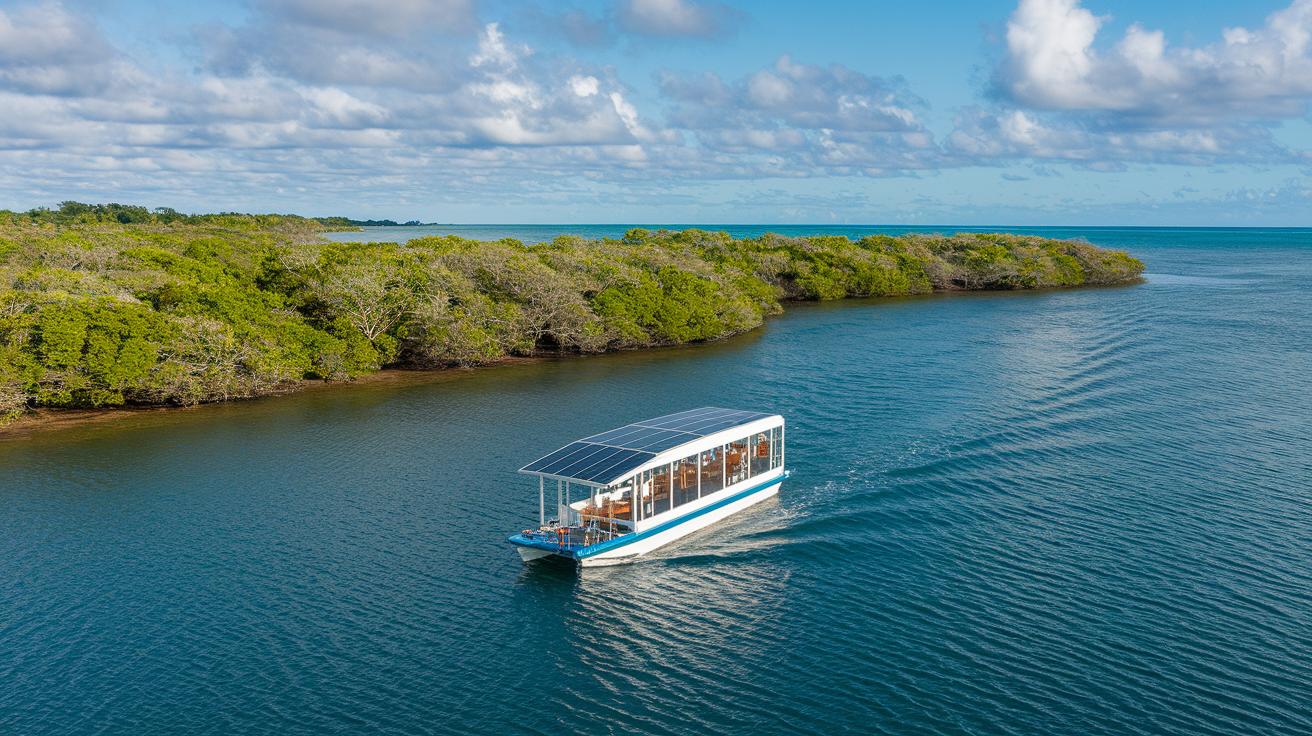
Caribbean water transit is getting greener every day, and it feels just like a breath of fresh sea air. Local operators and eco-lodges are teaming up to offer rides that run on clean energy, making every journey feel like a win for nature. For example, Maison de L’Ilet Oscar uses solar panels to heat water and power its electric systems, so your ride on a water taxi is not only fun, but also kind to the environment.
Clean water transit is about more than just cutting emissions, it’s about protecting the stunning coastal ecosystems we all love. Think of gliding along tranquil mangrove forests, where you might even hop on a kayak or paddleboard and feel the cool water splash gently as you explore nature’s hidden gems.
- Solar-powered ferry services
- Electric-catamaran eco-cruises
- Guided kayak and canoe trails
- Pedal-boat shoreline shuttles
- Wind-assisted schooner charters
These zero-emission options let you mix adventure with sustainability. When you choose one of these rides, you’re also supporting local efforts like Simobey’s small, eco-friendly snorkeling tours and lunch trips that showcase the coastal beauty of the Caribbean. Imagine drifting on a solar-powered ferry under a warm sun or enjoying a lazy pedal-boat ride along a sparkling shoreline. It’s a relaxed and clean way to enjoy island life, all while keeping our oceans and coastal communities in perfect harmony with nature.
Low-Carbon Land Transportation Options Across Caribbean Islands
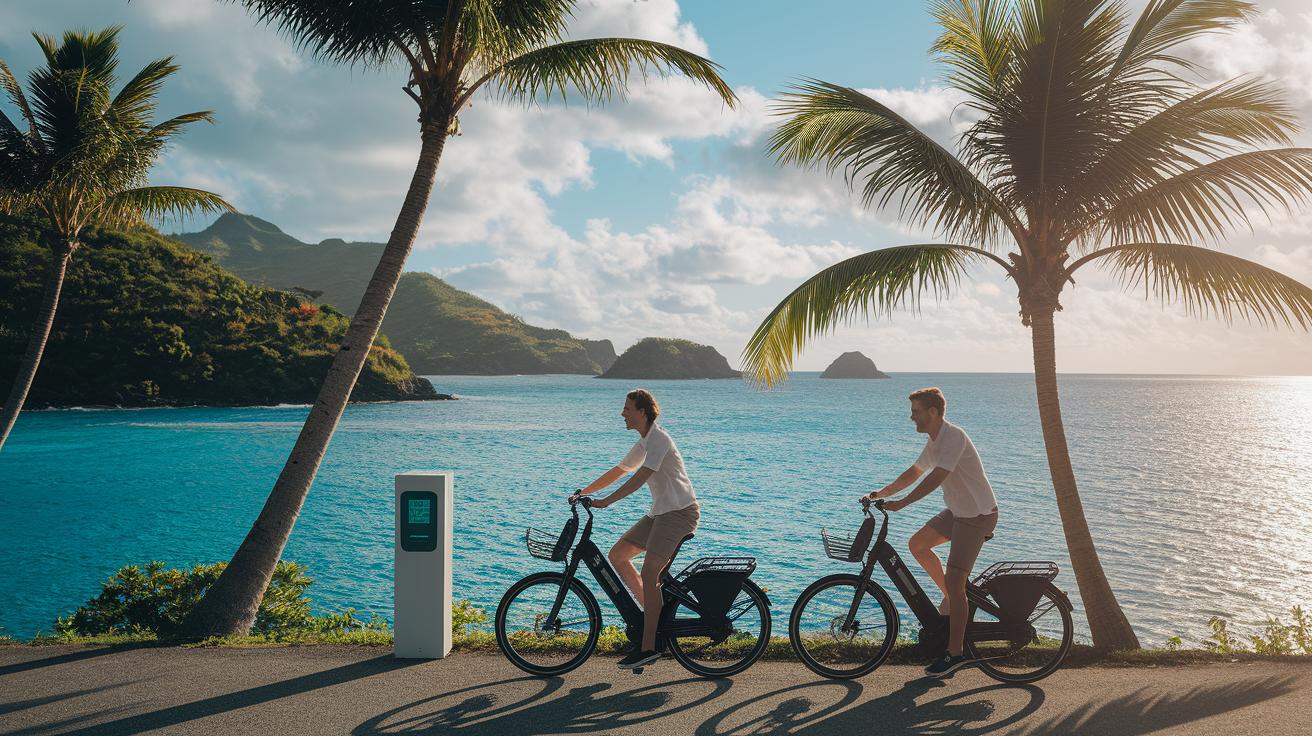
Caribbean islands show off plenty of green travel choices that let you explore both lively towns and quiet countryside spots. In Martinique, you can rent electric cars with charging points available at many hotels and small inns. Renting an electric car means you can visit colorful places like Saint-Pierre without leaving behind a big carbon footprint. Charging stations are easy to find at public docks and parking lots, and they usually come at a low cost.
One fun option is hopping on an e-bike or a shared bicycle. Many locals and rental shops offer these, so you can ride through the loop trails on the Caravelle Peninsula whether you're out for a few hours or the whole day. Imagine pedaling on a sunny day, feeling a cool breeze as you ride past quiet coastal roads and vibrant local scenes.
Local buses and shared shuttles also help keep island travel green. These services connect busy urban centers with historic spots like Saint-Pierre and offer an affordable way to get around. Using public transport not only helps lessen traffic and lower emissions, but it also means every trip plays a part in keeping the islands clean and welcoming for everyone.
Sample Carbon Neutral Travel Itinerary for Island Hopping

Looking for a smart way to explore the Caribbean while keeping your carbon footprint low? Think of planning your trip like whipping up a fresh island salad, with each travel move adding a special flavor. This itinerary sticks to green transit options so you can truly feel the pulse of the islands.
Start your adventure in Martinique. Arrive by a regional ferry that lets the salty sea breeze welcome you. Once you’re on land, hop on a local bus to Fort-de-France, where the streets buzz with island rhythms. Then, around day 3, catch a water taxi to reach Maison de L’Ilet Oscar, a charming eco-friendly spot that blends modern comforts with nature perfectly.
Next, on day 4, set off on a ferry to Dominica. Here, you can join a guided e-bike tour in Roseau. Picture cruising through lively streets on a battery-powered bike (that’s a ride which lets you enjoy the view without harming nature) while supporting sustainable tourism. Finally, on day 5, an electric shuttle will whisk you to the Pointe-à-Pitre ferry terminal, setting you up for a smooth, low-carbon departure.
Booking your rides ahead of time is the secret to an easy, stress-free trip. Reserve your ferries and local transit early, just like lining up your favorite tropical treats, so every part of your journey connects seamlessly. Enjoy the adventure and breathe in that warm Caribbean air!
Regulatory Framework and Incentives for Green Transportation

A lot of Caribbean islands are taking bold steps to cut back on pollution and boost clean travel. Local governments here make it simpler to choose green modes of transport by offering tax breaks on electric vehicles, that means when you’re exploring these vibrant islands, you can pick an energy-saving car without a fuss.
Ports are also getting in on the action by lowering fees for hybrid ferries, which makes low-emission travel more budget-friendly. In Martinique, for example, public docks now have subsidized solar charging stations. This lets drivers recharge their vehicles with renewable energy, adding a refreshing touch to their journey.
Then there’s the regional push for cleaner transit. CARICOM agreements work to level the playing field by standardizing emission rules across the islands. So whether you hop on a small ferry or board an electric shuttle, your ride helps keep the region’s transport sustainable and efficient. All of these incentives play a big role in encouraging green transportation across the Caribbean.
Best Practices and Emission-Free Journey Tips

When you choose emission-free travel, every Caribbean adventure becomes your own little way of protecting these stunning islands. Every time you take a public bus or catch a shared shuttle, you're reducing your carbon footprint in a simple but meaningful way. And by riding with others, you not only enjoy a laid-back journey but also help support a greener, community-focused lifestyle.
Packing smart is another easy way to cut down on travel emissions. Keeping your luggage light boosts fuel efficiency, and swapping single-use water bottles for a reusable one (or grabbing one from an eco-hotel that offers stainless steel options) can really add up. Little choices like a compact bag or a light outfit can make your journey smoother and cleaner. As one seasoned traveler might say, "Pack light, travel bright."
On top of that, simple behavior changes while you’re on the go can complete your eco-friendly trip. Whenever possible, pick shared rides and stick to regular ferry schedules instead of expensive charters. These small decisions not only reduce per-person emissions but also let you relax, knowing you're traveling in harmony with nature.
Final Words
In the action, our post highlighted eco-friendly ways to move around the Caribbean, from solar-powered water taxis to e-bikes and public buses that keep your carbon footprint low. We explored sustainable travel itineraries, green policies, and tips for reducing emissions while still soaking in the island vibes. It all comes together as your go-to Caribbean Eco-Friendly Transportation Guide, inspiring a thoughtful and positive path to exploring the islands. Enjoy every sun-kissed moment on your sustainable, enriching trip!
FAQ
What does sustainable tourism in the Caribbean mean?
Sustainable tourism in the Caribbean means supporting local communities while using eco-friendly practices that protect natural resources and culture, ensuring that both visitors and locals share a respectful, enriching travel experience.
What does a Caribbean travel guide offer?
A Caribbean travel guide offers practical tips on eco-friendly routes, local hotspots, and hidden gems while sharing insights on cultural highlights and budget-friendly ways to explore the islands authentically.
What are the top backpacking insights for traveling in the Caribbean?
Caribbean backpacking tips include exploring lesser-known islands, using eco-friendly transport like public buses or water taxis, and seeking out affordable accommodations that emphasize local experiences and environmental care.
What is the best way to travel around the Caribbean?
The best way to travel around the Caribbean is by opting for public buses, shared shuttles, or water taxis, all of which help lower carbon footprints while offering authentic insights into island living and local landscapes.
What is the most eco-friendly mode of transport in the Caribbean?
The most eco-friendly mode of transport in the Caribbean is using renewable-energy options like solar-powered ferries and water taxis, which minimize emissions and contribute to a cleaner, healthier environment.
What are the 5 P’s of sustainable tourism?
The 5 P’s of sustainable tourism often refer to Preservation, Participation, Protection, Prosperity, and Pride. These concepts stress respecting nature, involving locals, and ensuring economic benefits while showcasing regional identity.
Which Caribbean destinations are popular for eco-friendly travel?
Popular eco-friendly Caribbean spots include Puerto Rico, Dominican Republic, Saint Lucia, Grenada, and Antigua and Barbuda. These places feature responsible tours, renewable-energy transit, and local initiatives that invite visitors to experience nature mindfully.
