Have you ever wondered if the spices on your tongue carry ancient stories? Each taste holds memories of bold journeys and deep traditions, like chatting with a friendly local over a treasured family recipe. Over time, African flavors mixed with European touches and island charm to create tastes that burst with history.
Every pinch of spice adds more than just flavor, it connects us to a rich past full of tradition and strength. It’s like every sprinkle gently reminds us of the resilient, diverse heritage that makes the Caribbean so special.
Exploring the Essence of Caribbean Spice and Flavor Heritage
Caribbean spice and flavor heritage is like taking a delightful trip through history with every bite. It mixes African and European influences with the relaxed vibe of island life. Think of it as chatting with a local about their favorite family recipe, where every pinch of spice tells a story of celebration and resilience.
Imagine opening an old wooden spice chest and being greeted by the smell of earthy spices and a hint of citrus. The aroma brings to mind busy market squares and cheerful gatherings under the warm sun. It feels as if each spice was chosen to capture the spirit of the islands perfectly.
Over time, flavors here have evolved through a blend of traditions. Local cooking is full of fire and sweetness, much like the lively beat of Caribbean music. The zest of peppers, the gentle touch of herbs, and generations of shared love all come together in each dish. Every meal feels like a welcoming conversation between the past and the present.
Historical Spice Trade Routes and Caribbean Flavor Evolution

Back in the colonial days, big ships loaded with spices began a journey that forever changed Caribbean cooking. European traders sailed vast oceans carrying treasures like cinnamon and cloves from Asia, chillies from South America, and coriander and cumin from India, all picked to spark new tastes on the islands.
Imagine a time when sailors caught a whiff of exotic spices drifting over the sea. Each scent was a hint of wonderful flavors waiting to be discovered along the Caribbean shore. These spices weren't just ingredients, they were little messengers bringing tales of distant lands, colorful cultures, and an irresistible passion for great food.
Local cooks quickly embraced these foreign flavors by blending them with native ingredients. The result was a creative burst of recipes that carry the spirit of past adventures and lively cultural exchanges. Every dish now feels like a story, echoing nautical journeys and the unforgettable impact of age-old spice routes.
Even today, the legacy of these spice trade routes can be tasted in every bite. It’s a warm reminder of a vibrant history where every meal reflects the spirit of the Caribbean, full of flavor, heart, and a touch of adventure.
Indigenous and African Origins of Caribbean Spices
Long before modern kitchens, the island’s first people seasoned their meals with native herbs, leaves, bark, and wild chillies. They knew how to use nature’s gifts to preserve food and craft flavors that still brighten Caribbean dishes today. Imagine a family gathered around a simple wooden table, using the bounty of the land to add a special zing to every meal.
Later, African traditions brought even more warmth and spice into the mix. As people moved and shared their stories, ingredients like okra, extra chillies, and fragrant herbs joined the kitchen party. Think of a cozy kitchen filled with delightful scents, a place where every meal feels like a celebration of colorful history.
These early practices are at the heart of Caribbean cooking. Even a small pinch of spice carries the vibrant memories of ancient techniques and shared traditions. In every dish, you can taste a rich history that connects today’s cooks to generations past, all woven together in a tapestry as bold and lively as the islands themselves.
Signature Caribbean Spices: Scotch Bonnet, Nutmeg, and More
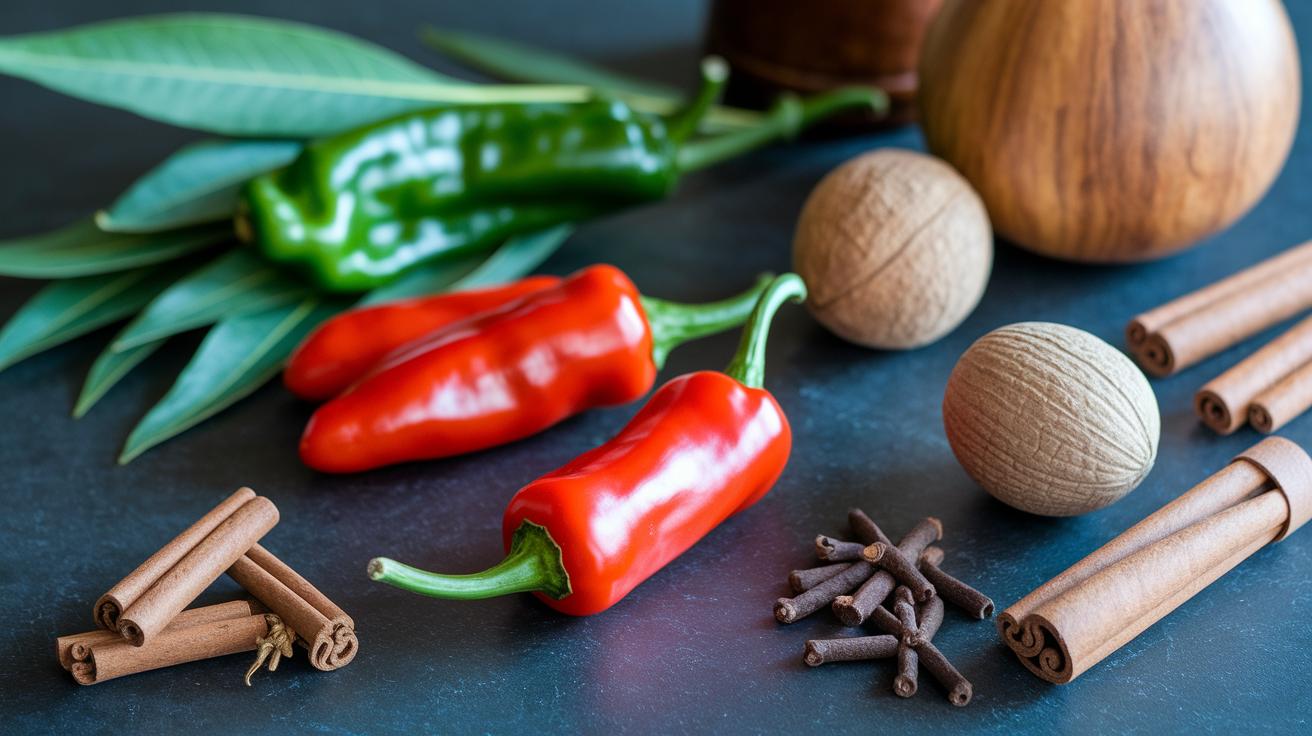
Caribbean food is full of lively, aromatic spices that have been passed down through generations. At the heart of it all are Scotch Bonnet peppers, famous for their fruity, bold heat. They light up jerk seasoning and rich curries, making each bite of jerk chicken a fun mix of spicy kick and gentle sweetness.
Then there's Grenada’s nutmeg, a spice with such a long history that it even gave the island the nickname Spice Island. Nutmeg makes its way into cozy pastries, inviting infusions, and even warm drinks, filling each recipe with a flavor that seems to whisper tales of the old spice trade.
Cinnamon and cloves also add their own charm. Cinnamon blends perfectly into baked treats and hot beverages, while cloves bring a deep, savory note to hearty marinades and stews. Roucou (or achiote) gives dishes a bright, reddish tint, and a bit of ginger adds a lively zing to everything from tropical drinks to savory plates. Together, these spices create a colorful story of Caribbean pride, warm traditions, and genuine, sun-kissed flavors.
Traditional Island Recipes and Tropical Seasoning Blends
Caribbean kitchens are where sweet and spicy come together in the best way. Think of dishes that mix flavors like a warm hug from the islands. Picture that classic jerk chicken, marinated in allspice, Scotch Bonnet (a super hot pepper), thyme, and pimento. Every bite is a playful mix of heat and tropical sweetness, imagine a little burst of fire followed by a soft, fruity finish, as if your tongue is taking part in a sunlit carnival.
Trinidad’s curry holds a special place too. Its blend of turmeric, coriander, cumin, fenugreek, mustard, ginger, and chili creates a dish rich in history. Picture a warm bowl of curried goat, slowly simmered until each spice sings in harmony. It’s like tasting generations of tradition in every spoonful.
Many island recipes celebrate a clever mix of flavors using sugar-chili rubs and honey-kissed marinades. A good marinade might include a splash of coconut milk, a touch of molasses, and pieces of tropical fruit. This creates a flavor that dances with a peppery zing and the gentle caress of a coastal breeze.
Here’s a tip for your own kitchen: try mixing chillies with a pinch of cinnamon, nutmeg, and cloves. It’s a blend that carries the deep, authentic taste of meals shared under starry Caribbean skies.
- Think of using a sugar-chili rub to give grilled meats a unique twist.
- Consider a honey-infused marinade when you want that extra zing in your favorite seafood.
Every recipe is like a little story, passed down with care and a genuine love for island living.
Culinary Techniques: Jerk Seasoning, Roux, and Island Spice Craftsmanship
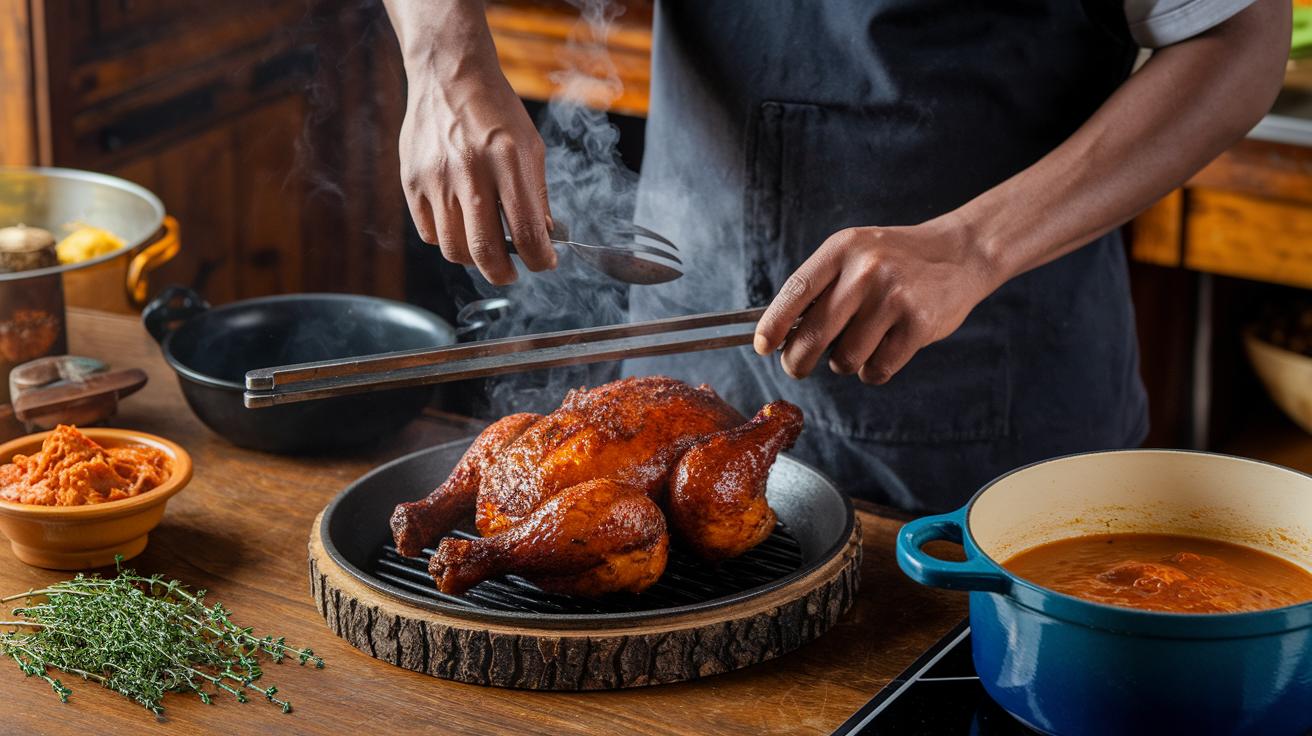
Caribbean chefs love to work with jerk seasoning using both dry rubs and wet marinades. They slowly smoke the meat over pimento wood until the spices blend into a tangy, warming mix. Ever imagine a chicken sizzling as it soaks up herbs, with a smoky whiff mixed with fresh thyme and a hint of scotch bonnet?
Now, think about the roux technique, a classic sidekick in many island dishes. Chefs brown a mix of flour and fat to capture an earthy richness that thickens stews like callaloo and pepperpot. This method adds a lovely texture and a golden color that feels as warm as the Caribbean sun. Picture stirring a bubbling pot as the raw mix transforms into a deep, flavorful base, a journey just like the evolution of island cooking.
Meanwhile, local spice experts stick to old, trusted ways by sun-drying peppers and hand-grinding pimento berries. These careful processes lock in every bit of aroma and kick, honoring the island’s natural ingredients. Each step in this craft adds an authentic flavor that turns everyday meals into a true Caribbean celebration.
Every technique here not only keeps cherished traditions alive but also turns simple ingredients into dishes bursting with the heart and heritage of the Caribbean.
Modern Zesty Innovations and Caribbean Spice Tourism
Step into a Caribbean market, and you'll feel the energy of modern twists on familiar traditions. Over the years, local chefs have taken old flavors and given them a fresh spin. Imagine a hot sauce where sweet mango dances with a drop of Caribbean rum and just a touch of fiery Scotch Bonnet. It’s a fun mix that shows off the island’s creative vibe.
Farm-to-table spots now celebrate organic spices and offer charming herbal garden tours. You can wander among neat rows of vibrant plants, learning little secrets from enthusiastic growers, all under the sunny Caribbean sky. It’s like a mini adventure that tickles your senses.
In our vibrant region, hands-on fun is on the rise. At spice festivals and interactive cooking classes, you can mix local peppers with sweet tropical hints. Picture yourself stirring up a unique blend that makes every bite burst with island magic. It really feels like you’re crafting your own tasty story.
More and more visitors are joining guided tours focused on culinary heritage. Exploring these tours lets you taste the real story behind Caribbean spice traditions. Check out the Caribbean cultural heritage tours and plan your escape with Caribbean travel ideas for an authentic, flavor-packed experience. Every journey here celebrates the lively spirit of our island spices and modern zest for life.
Final Words
In the action of exploring Caribbean spice and flavor heritage, we uncovered a mix of old customs and lively modern twists. Each section painted a picture of how African, indigenous, and global influences blended to create bold flavors that warm the senses. The historical spice trade, time-honored recipes, and artisanal cooking techniques all reveal the soulful spirit of the islands. We end on a note of optimism, inviting you to sample these sensory experiences and savor every bite of that unique island charm. Enjoy every moment amidst the sun, spice, and smiles.
FAQ
Caribbean spice and flavor heritage menu
The Caribbean spice and flavor heritage menu highlights traditional dishes using bold spices and local ingredients that capture authentic island tastes while honoring centuries of cultural blending.
Caribbean spice and flavor heritage recipes
The Caribbean spice and flavor heritage recipes mix indigenous herbs, African spices, and colonial influences to create balanced, tangy flavors that celebrate the region’s culinary traditions.
Which Caribbean island is famous for its spices?
The Caribbean island famous for its spices is Grenada, widely known as the “Spice Island” for its abundant production of nutmeg, cinnamon, and cloves that shape its culinary identity.
What is considered Caribbean heritage?
Caribbean heritage considers the blend of indigenous, African, and European influences found in food, art, and traditions, forming a rich cultural mosaic that embodies island spirit.
What are the cultural influences and flavor profiles of the Caribbean?
The cultural influences and flavor profiles of the Caribbean stem from indigenous practices, African culinary traditions, and European spice trade, resulting in dishes with zesty, sweet, and savory notes.
What are the Caribbean spices and seasonings?
The Caribbean spices and seasonings feature Scotch Bonnet peppers, nutmeg, cinnamon, cloves, ginger, and aromatic herbs, all contributing to the region’s bold and memorable culinary experience.
