Ever wonder if Caribbean food could be your ticket to a whole new travel adventure? Imagine taking a bite of spicy jerk chicken or enjoying a rich seafood stew, with each flavor telling its own story. This guide is like a friendly chat about street food and local dining secrets from Jamaica and St. Lucia. Next, you'll get a real taste of island life without any fuss. It's kind of like making a tropical salad: start with the basics and then sprinkle in bold flavors for a meal you'll keep craving.
What You’ll Find in Your Caribbean Culinary Travel Guide
If you're a foodie with an island heart, this guide is made just for you. We’ve put together a clear, friendly layout packed with detailed destination guides, street food tips that feel like local secrets, and advice on tasting the best regional treats. Think of it like whipping up a tropical salad, start with the basics, blend in your favorite flavors, and enjoy every delicious bite.
Inside, you'll explore energetic spots like Jamaica and cozy hideaways in St Lucia. The guide covers must-try local dishes, hands-on tours priced between $60 and $105 that last around 2.5 to 3.5 hours, and smart budget tips suggesting you set aside about $500 to $1,200 per week for foodie adventures. Also, our seasonal hints point you to the dry months from November to April when vibrant events like the SXM Festival in March and the Festival de la Gastronomie in November make island flavors even more memorable.
For extra inspiration, don’t miss our internal resources. Check out our Caribbean travel ideas for broader travel tips or explore the Caribbean Local Markets and Bazaars Travel Guide to dig into the local scene. These tools ensure your culinary journey is as rich and genuine as every bite you'll savor.
Top Caribbean Culinary Destinations to Explore
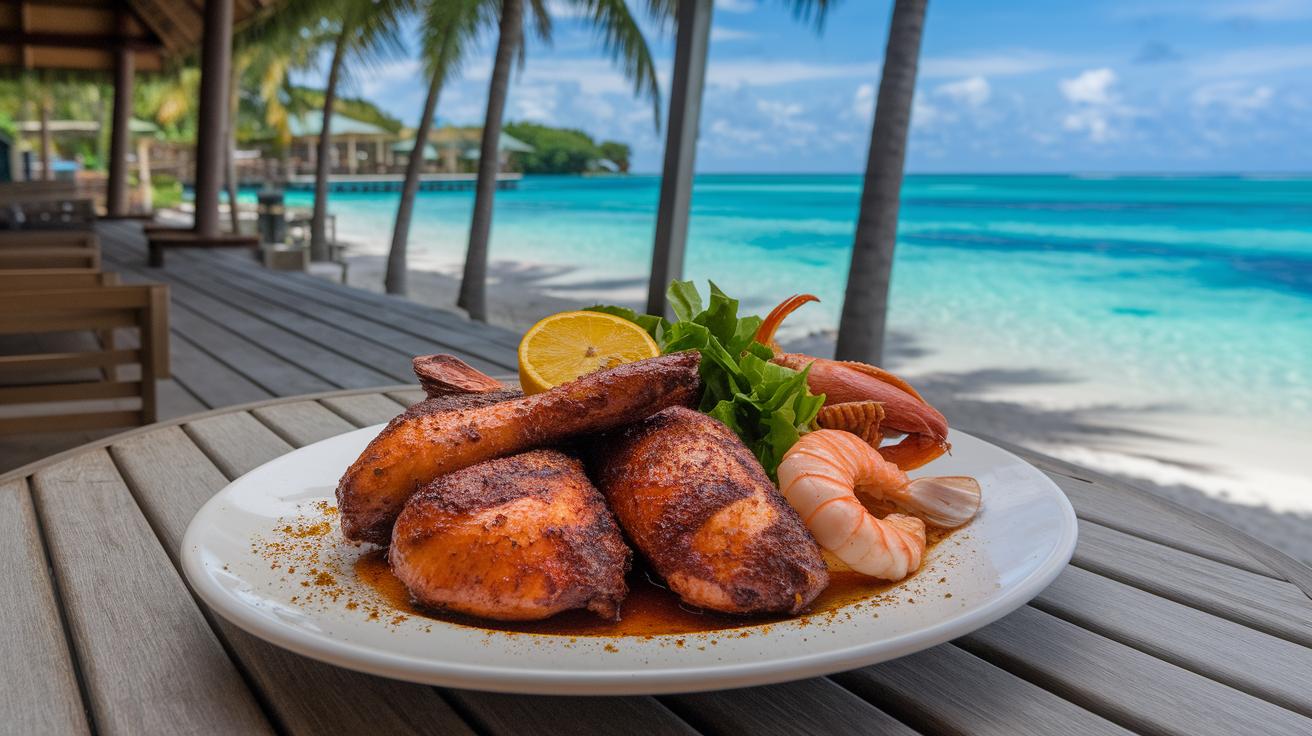
Imagine tasting meals that capture the island’s lively spirit. Every dish bursts with local flavors, using recipes handed down through generations and fresh tropical ingredients.
Across the Caribbean, every island has its own special taste. In Jamaica, you get more than just jerk chicken with a vibrant mix of spices. In St. Lucia, the Creole-French flavors at Sugar Beach make every bite exciting. Antigua thrills with seafood paired with a hint of rum on the Eat n’ Lime Food Tour. Barbados charms you with its Bajan fusion dishes at the Yellow Bird Hotel. And in Grenada, warm stews filled with nutmeg and local spices are a real work of art at the Calabash Luxury Boutique Hotel & Spa.
| Island | Signature Dish | Recommended Experience |
|---|---|---|
| Jamaica | Beyond Jerk Chicken | Explore Kingston and Spanish Town’s local eateries |
| St. Lucia | Creole-French Spice Blend | Savor flavors at Sugar Beach |
| Antigua | Seafood with Rum Accents | Join the Eat n’ Lime Food Tour |
| Barbados | Bajan Fusion Cuisine | Dine at Yellow Bird Hotel |
| Grenada | Hearty Stews | Experience spice plantation tours at Calabash Luxury Boutique Hotel & Spa |
These islands create a delicious journey that shows you the best of the region. With each stop, you discover a mix of spices, local cooking styles, and cherished traditions. Whether it’s a relaxed seaside meal or a refined coastal feast, each experience is like adding the perfect ingredient to a fresh Caribbean salad. Every bite leaves you with sweet memories, making your tour as satisfying as it is colorful.
Signature Tropical Dishes and Native Ingredients in the Caribbean
The Caribbean’s food story comes to life through its spices and unique cooking traditions. Back in the day, the islands were a major part of the spice trade, which brought flavors from all over the world. Local cooks mixed European, native, and African methods to create a one-of-a-kind taste. Imagine cinnamon, garlic, nutmeg, cloves, and parsley coming together to make every meal burst with flavor.
Think about five unforgettable dishes that capture this vibrant flavor legacy. In Jamaica, jerk chicken is loved for its spicy, herb-filled kick. In St. Lucia, you might enjoy cocoa tea that blends the soft warmth of local fruits with the rich taste of cocoa, and banana treats that add a sweet tropical twist. Grenada is famous for its hearty stews, where nutmeg fills the air with its special aroma. And in Cuba, slow-cooked beef in ropa vieja simmers in a rich, rum-soaked sauce, serving up a meal that feels both cozy and soulful.
These spices aren’t just for flavor, they are the heart and soul of Caribbean cooking. Each spice, arriving from lands far away, mixed with local ingredients to turn simple recipes into unforgettable dishes. With a blend of heat, sweetness, and earthiness, every bite tells a story of history, passion, and the true spirit of the Caribbean.
Must-Visit Caribbean Culinary Tours and Experiences
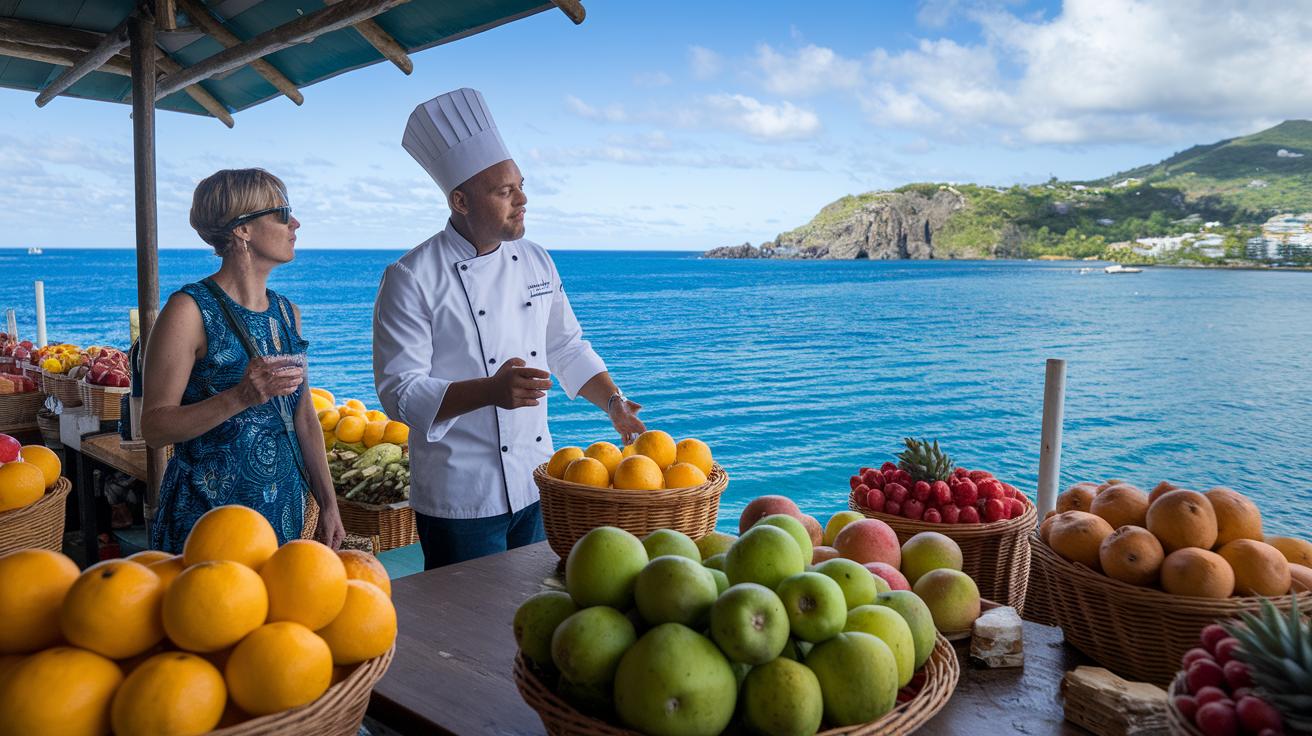
Imagine exploring the islands through your taste buds while chatting with friendly local chefs. That’s exactly what these guided culinary tours offer you, a genuine dive into Caribbean flavor, culture, and history. Every stop feels like a story being told over a pot of spicy stew and a glass of freshly mixed tropical cocktail.
These tours let you mix with market vendors, watch seasoned mixologists, and even learn how to whip up a traditional dish. Each experience is like putting together a vibrant tropical fruit salad: you pick one tasty piece after another until you have a meal that's bursting with color and flavor.
- Antigua Eat n’ Lime Food Tour – Over in Antigua, this tour runs for roughly 2.5 to 3.5 hours and costs between $60 and $105. You get to enjoy three tasty meals, watch a bartending demo, and sample genuine island dishes, all while sharing smiles with new friends.
- Cuba Ropa Vieja and Rum Cocktail Workshop – In Cuba, get a hands-on lesson in making the classic dish ropa vieja paired with a special rum cocktail. You even visit a sugarcane estate to see how local ingredients are grown, a real treat for your senses.
- St. Lucia Cocoa & Spice Workshop – In St. Lucia, dive into a dessert-making session where you mix up cocoa tea and banana treats. This workshop is perfect if you're curious about the island’s spice heritage, combining sweet and savory elements like a perfect island melody.
A little extra cash for these delightful tours goes a long way, they are not just about eating, but about experiencing and learning. If you’re into the farm-to-table vibe, check out the farm-to-table gourmet dining guide for cool tips on using fresh local produce. Whether you're a seasoned foodie or simply love exploring new flavors, these tours are a fantastic way to connect with Caribbean culinary traditions.
Cooking Classes and Chef Encounters for Caribbean Culinary Travelers
Caribbean cooking classes offer you a chance to cook alongside local chefs in a warm, friendly setting. In these sessions, you’ll get a behind-the-scenes look at the little secrets that make each dish special. Local chefs share personal stories and tips as if they're chatting with you over a meal, explaining how a bit more of a local herb can turn an ordinary dish into something extraordinary.
In cozy family kitchens or small, inviting workshops, chefs reveal the simple techniques that have been passed down through generations. They explain how each spice blend got its start and why adding that extra pinch can change everything. It really feels like you’re learning a secret ritual that goes far beyond just following a printed recipe.
In Antigua, you might find a family-run bartending demo where a chef walks you through creating classic island drinks. You even hear little gems like how a twist of citrus can brighten up a cocktail. Over in Cuba, a ropa vieja workshop shows you how to perfectly balance savory meats with a touch of sweetness, all told through delightful personal memories. Down in St. Lucia, an artisanal cocoa session gives you a sneak peek into making a native dessert that skillfully combines textures and flavors. And in Grand Case, Saint Martin, you’ll hear first-hand stories from chefs about early influences and personal twists that make traditional recipes truly unique.
Caribbean Culinary Travel Itineraries and Planning Tips
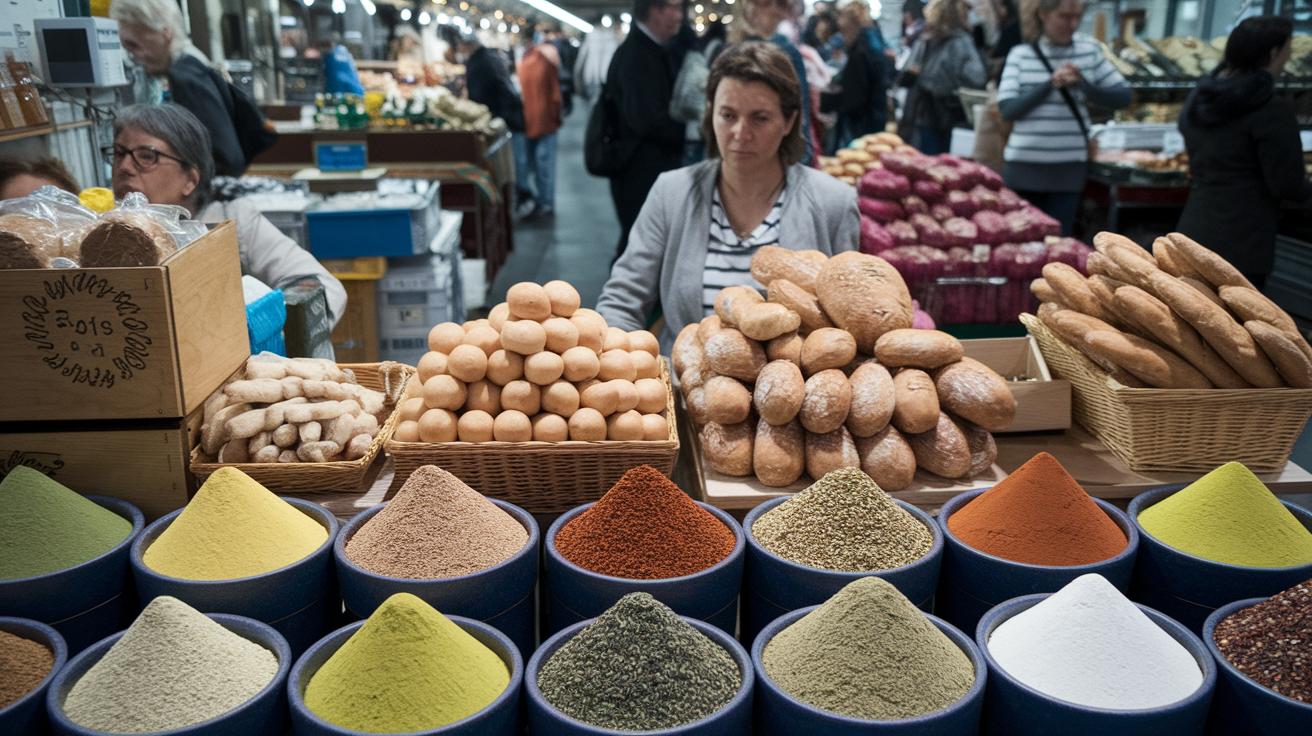
Imagine spending three magical days savoring the Caribbean’s best eats. In Port of Spain, start your morning at a bustling local market where the smell of warm bread and spices wraps around you like a friendly hug. Later, enjoy a beachside breakfast with golden sun and soft ocean whispers that set the perfect pace for the day.
Then, take a leisurely stroll through Santo Domingo's lively streets, where every corner serves up tasty treats and colorful scenes. Each stop feels like a tiny bite of island magic, a mix of bright flavors and cheerful chatter that makes you feel right at home. It’s a simple yet unforgettable plan for anyone who loves markets, seaside chill time, and vibrant night scenes all rolled into one.
Now, picture expanding your adventure into a seven-day island-hopping journey across Jamaica, Antigua, and St. Lucia. In Jamaica, delight in the mouthwatering spice of jerk treats that pack a punch. In Antigua, fresh seafood with a hint of rum awaits, making every meal feel like a little celebration. And in St. Lucia, the unique blend of Creole and French flavors invites you to explore a culinary world unlike any other.
Take your time on each island to truly soak in the food culture and breathtaking scenery. Pack light clothes, comfortable shoes, your favorite sun protection, and a bit of cash for those charming market treasures. For the best weather and local buzz, plan your trip between November and April. With this itinerary, you're all set for a genuine, food-filled adventure that captures the warm, spirited essence of Caribbean life.
Budgeting and Seasonal Advice for Caribbean Culinary Travel
Imagine savoring delicious Caribbean flavors during the dry season, December to April, when the days are warm and the breezes are gentle, setting the perfect scene for local food celebrations. Picture colorful events like the SXM Festival in March and a well-loved food festival in November, with some islands even hosting secret food fests on quiet weekdays during the off-peak season.
Plan on spending roughly $500 to $1,200 per week for your dining adventures. This budget lets you enjoy everything from tasty street snacks to a nice dinner at a local restaurant. And if you visit during May or June, you might catch a few deals on hotels and meals, making it a great time to explore unique local tastes without stretching your wallet too far.
Final Words
In the action, our guide has taken you through the island’s best stops, from street food tours and chef-led workshops to handy budgeting tips. Each section has given you easy steps for planning your food-filled trip along with insights on seasonal festivals and local markets. With a focus on practical advice and immersive experiences, this caribbean culinary travel guide serves as your passport to warm, flavorful memories. Enjoy planning your trip and savor each bite along the way!
FAQ
What is Caribbean cuisine?
The term Caribbean cuisine refers to a blend of island-inspired flavors, cooking techniques, and fresh ingredients that reflect a rich mix of cultural influences from spice trade history and regional traditions.
What are some traditional Caribbean foods and food lists?
The mention of traditional Caribbean foods covers a variety of local dishes—from spiced jerk chicken to seafood offerings—and a curated list of about 50 vibrant recipes that showcase the islands’ unique culinary flair.
How does the history of Caribbean cuisine shape its food culture?
The history of Caribbean cuisine is rooted in centuries-old spice trades, native ingredients, and cultural exchanges, shaping a food culture where recipes are handed down and community traditions come alive in every dish.
How does Caribbean food culture influence local menus?
Caribbean food culture means local menus feature dishes prepared with freshly sourced ingredients and time-honored recipes, reflecting a warm community spirit and celebrating the island’s heritage with every bite.
Which island is known for having the best food in the Caribbean?
While opinions vary, many appreciate Jamaica for its bold flavors and Antigua for its seafood and heritage, showing that each island offers distinctive and delicious culinary experiences based on individual taste.
