Have you ever noticed how Caribbean culture sparkles with life? It’s more than old tales, it’s a mix of flavors, rhythms, and traditions that feels as comforting as your favorite family recipe. Imagine neighbors gathering over a meal, sharing stories that reach deep into their cherished roots. In this piece, we explore how customs passed down through the years keep the island vibe alive and give every Caribbean soul its own special flair.
Defining Caribbean Cultural Identity: A Comprehensive Overview
The Caribbean isn’t just a place, it’s a feeling. Its cultural identity is kept alive through traditions that families and communities hold close, even when they live far from home. Think of a mix of tasty foods, lively music, heartfelt religious practices, inspiring philosophies, and even personal ideas of what beauty means. Each of these bits of culture reminds us of deep African roots and the vibrant pulse of island life.
Families pass down recipes for spicy jerk, slow-cooked stews, and zesty roti while swapping stories of joyful gatherings and tight-knit bonds. Imagine neighbors coming together for a shared meal, where hearty laughter dances with the sound of rhythmic beats that totally bring the islands to mind. It’s interesting how, before moving abroad, many families would meet up weekly to recreate the familiar sounds and flavors of home.
Even the language tells its own story. Creole dialects mix European words with African rhythms, allowing people to express the soul of the islands in every conversation and song. Local celebrations, art that captures precious memories, and everyday rituals all add to a rich legacy that began on sunny shores.
In the end, Caribbean cultural identity keeps growing while staying true to its colorful origins. Every tradition, whether shared over a cozy family dinner or during a lively community festival, plays its part in keeping the island spirit bright, no matter how far away from home you might be.
Caribbean Cultural Identity Shines With Colorful Heritage
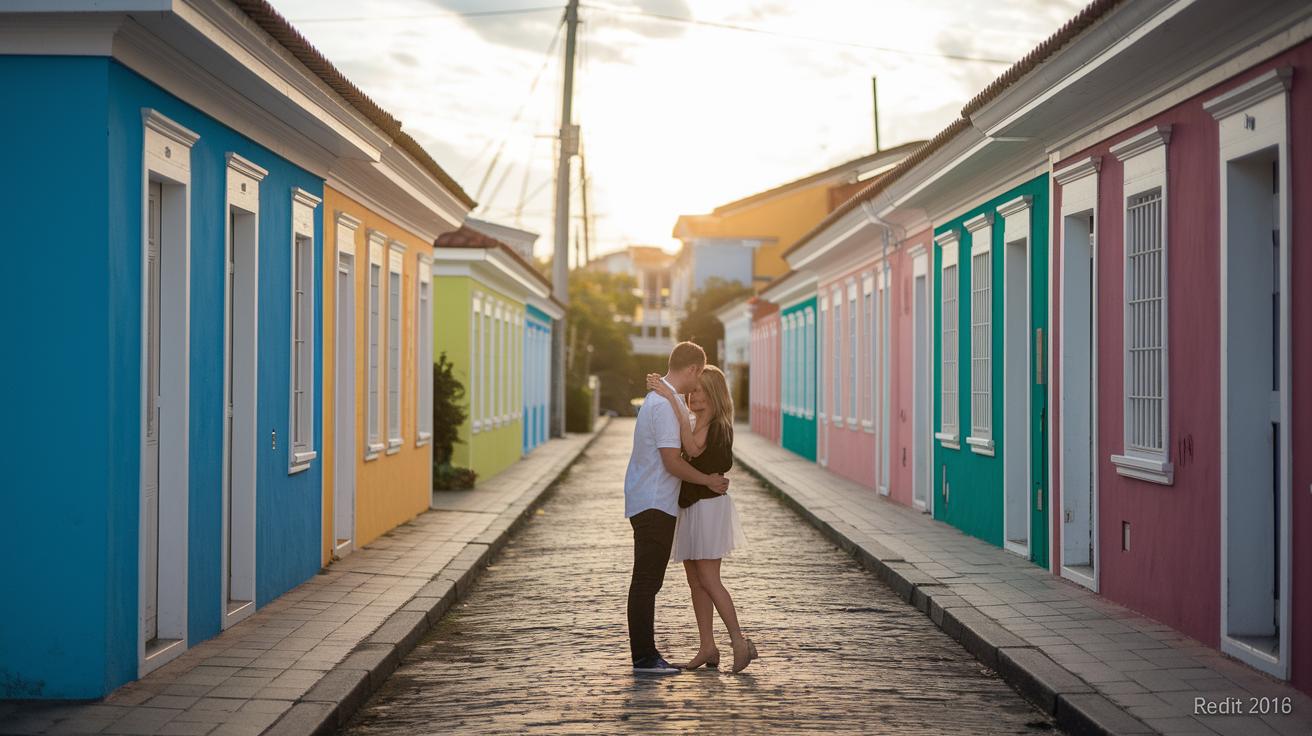
Caribbean culture has grown and changed over the years as different peoples made the islands their home. Long ago, the Taino and Carib peoples lived here, and you can still see evidence of their traditions in the local names and time-tested farming techniques. It’s like a gentle whisper from the past, reminding you of the roots of island life.
Then, around the 15th century all the way to the 19th century, Europeans arrived, bringing along their own languages and ways of governing. Their ideas mixed with the native customs, leaving traces in the art, the style of the buildings, and even in everyday habits. Each change layered on a new story, adding to the islands’ unique vibe.
And there’s more. Forced migration brought African peoples to the Caribbean, and with them came rich culinary, musical, and spiritual traditions. Imagine it as a recipe: centuries of history simmering into every spice in a traditional dish and every drumbeat in a local rhythm. The rhythms of calypso and reggae still echo those deep roots, and ingredients like plantains and cassava are at the heart of island kitchens.
European customs never erased the native practices. Instead, they blended together, mixing the old with the new in a way that makes the Caribbean’s past a living, breathing part of today. Indigenous farming methods and the names of places preserve the memory of early islanders, crafting a vibrant tapestry of history.
All these influences, indigenous, European, and African, come together to create a colorful, resilient heritage. As you wander on a historical walking tour, you can almost feel the heartbeat of the islands, a beautiful blend of stories that has shaped the Caribbean into what it is today.
Spiritual Practices and Celebrations in Caribbean Cultural Identity
Caribbean culture blossoms with a mix of spiritual traditions. It blends African and native customs with European church practices in a way that makes faith feel alive. This unique blend creates special belief systems where old myths and religious stories come out during island-wide events.
Imagine walking down a lively street on Carnival day, where deep drum beats mix with the clear voices of church choirs. It feels like the old world and the new are dancing together right before your eyes.
Caribbean festivals do more than just bring excitement, they tell the timeless stories of the islands. Events like Carnival and Junkanoo draw everyone together with upbeat music, energetic dances, and colorful, dramatic costumes. It’s like being in an outdoor classroom where every performance teaches you about history and heartfelt traditions. For example, during a harvest festival, elders share stories passed down from their grandparents, keeping precious memories alive.
Many local traditions celebrate the changing seasons with special ceremonies that mirror nature’s own cycle. You might see dances and costumes that honor ancestors, a beautiful way to remind everyone of the shared past that unites the community.
Caribbean spirituality is like a mirror reflecting a long, colorful history and also a map guiding people to stay close together. These sacred and festive moments, full of joy and meaning, make the islands feel deeply alive and warmly connected.
Musical and Dance Evolution in Caribbean Cultural Identity
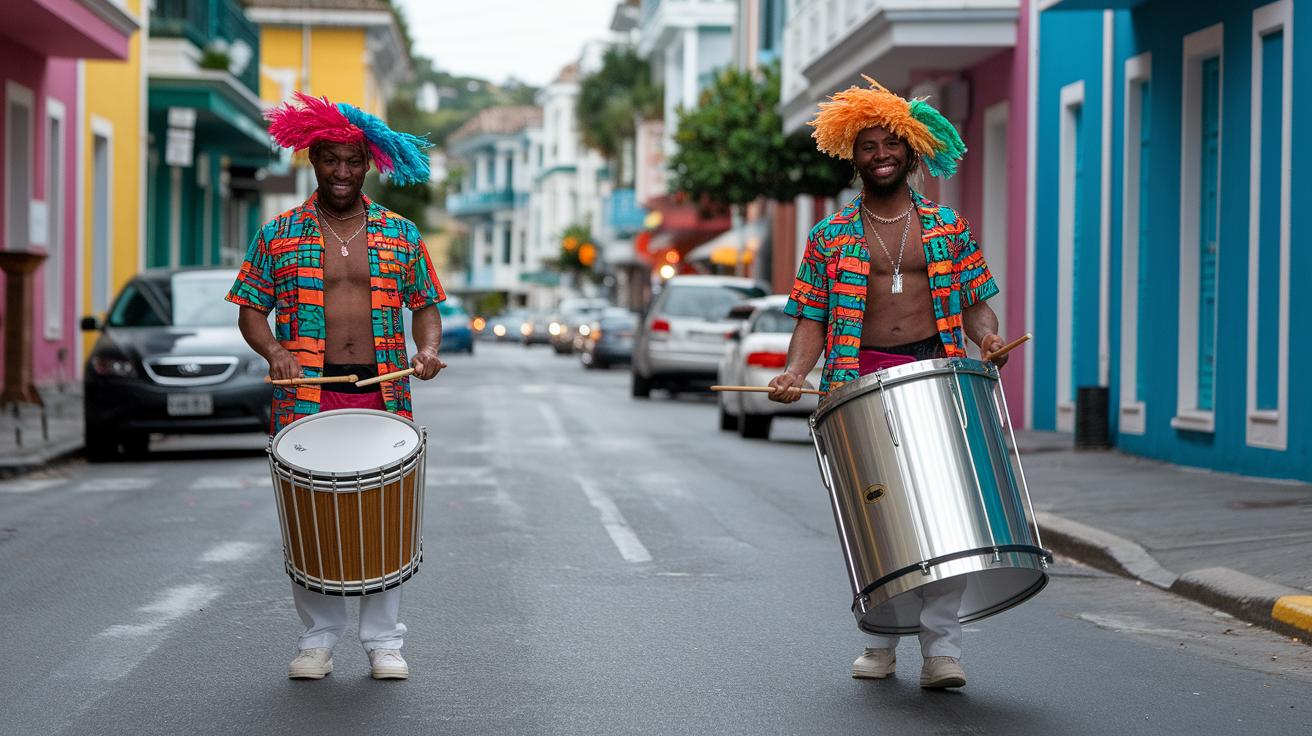
Back in the day in Trinidad, African drum beats paved the way for calypso songs. These rhythms set up a musical world that grew richer with each passing year. And then, in 1960s Jamaica, reggae burst onto the scene. Bringing Rastafari values along, reggae touched hearts everywhere. Have you ever thought of a calypso beat as a way to tell a story about life?
From these roots came hybrid styles like soca and dancehall. They mix African, European, and local influences in a way that feels both timeless and new. Every beat and note tells its own little story. Think of it like cooking your favorite meal: a dash of vintage spice meets a swirl of modern flavor, creating a taste that is uniquely Caribbean.
At community celebrations, traditional dances like limbo, quadrille, and bélé still light up the scene. They are more than just performances, they hold the history and hopes of the people. Take the limbo, for example. Its playful challenge pulls everyone in, linking today’s fun with a vivid past. In the Caribbean, dance is truly a language of strength and joy.
Caribbean music and dance continue to evolve as communities share their stories and adapt to new rhythms. Old traditions blend with fresh ideas, keeping the culture as dynamic as the islands. Whether it’s a crowded festival or an impromptu home gathering, every performance echoes the deep history and creative spirit that make Caribbean culture shine.
Culinary Traditions and Language Influences in Caribbean Cultural Identity
In a small coastal town, families share more than just a recipe, they share a story with every roti. Over the years, people from different lands brought flavors like sweet tropical fruits and a touch of tangy citrus, making each island’s version a little different. Picture a local chef saying, "Our roti has a dash of tangy lime, like a fresh sea breeze." It’s a simple way to show how history and local tastes come together in every bite.
At a busy local market, one vendor mixes his cooking with his everyday language. While preparing spicy jerk chicken (a dish with a bold, smoky flavor), he uses Creole phrases to explain his craft. He might say, "Mi chicken got dat kick," blending a bit of pride and affection for traditions into his words.
Language and flavor often grow together. In some villages, everyday talk blends African speech patterns with European words. One diner might recall a neighbor saying, "Savor di flavor, like a secret passed on from elders." This simple remark ties together culture and cuisine in a way that feels personal and rare.
| Region | Culinary Twist | Local Language Influence |
|---|---|---|
| Trinidad | Roti with tropical citrus | Mix of English and Creole idioms |
| Jamaica | Jerk chicken with unique spice blends | Patois expressions during food prep |
| Haiti | Griot with evolved spice techniques | Kreyòl phrases that echo ancestral memories |
- Each region brings its own little twist to traditional dishes.
- Local Creole and Patois expressions add a unique flavor to every meal.
Caribbean Cultural Identity Shines With Colorful Heritage
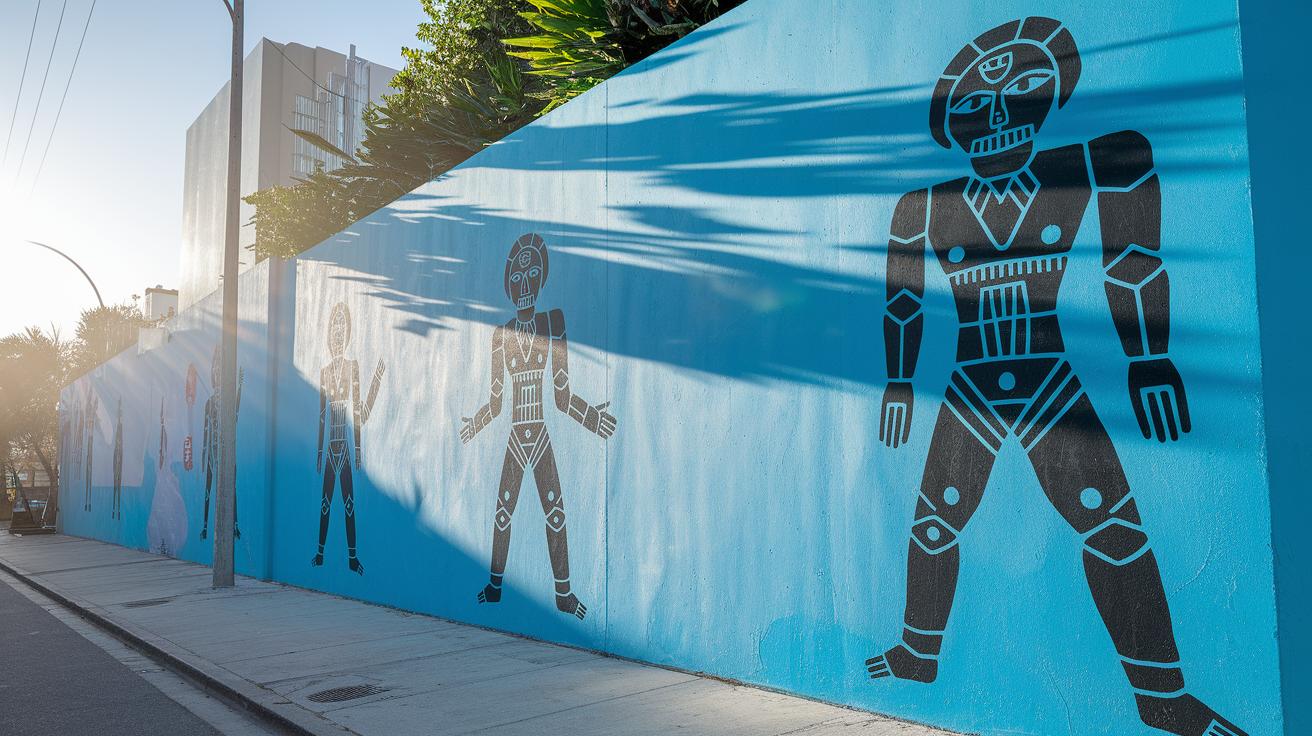
Every brushstroke and written word in the Caribbean tells a story, mixing ancient Taino petroglyphs with old colonial paintings. Think of iconic creations like Edna Manley’s Jamaican sculptures or Wifredo Lam’s Cuban paintings as a master painter catching sunlight on the sea, each piece shares a bit of our island history.
New art forms are adding bright, fresh layers to this timeless identity. Colorful street murals splash vibrant hues across city walls, almost as if they whisper, "Every color tells a tale." Digital art now brings these old stories into our modern world, shifting and sparkling like the ever-changing tide.
Local writers also keep this creative spirit alive. Inspired by legends like Derek Walcott and Aimé Césaire, poets craft simple verses, like "Sunlight dances on warm sand", that blend old traditions with the pulse of today.
Artists from the diaspora mix global styles with island themes. Their work speaks to today’s challenges while cherishing timeless cultural memories. If you get the chance, take a tour of Caribbean cultural heritage for an up-close look at art that has evolved over the centuries.
Caribbean Cultural Identity in the Diaspora and Contemporary Self-Definition
In North America and Europe, the warm spirit of Caribbean culture shines through colorful festivals and lively gatherings. People come together to enjoy music, tasty food, and art that reminds them of home. Families and friends share old recipes and cherished stories that keep their island roots alive.
Many second- and third-generation immigrants find fresh ways to celebrate who they are. They mix long-held traditions with modern ideas using podcasts, digital storytelling (sharing stories online), and creative art. One young artist said, "I grew up with the island rhythm in my heart, mixed with the pulse of my new home." This shows how personal stories can blend memories of the past with the excitement of today.
New and blended art forms, like fusion music or mixed-media shows, give everyone a chance to share their unique experiences. Social media has even become a modern meeting spot where people chat and strengthen their ties. It helps keep the feeling of togetherness alive, even when friends and family are far apart.
Pan-Caribbean networks also play a big role by connecting communities on different continents. Their big celebrations and joint projects hold traditions close, creating a beautiful blend of voices from many islands.
| What Brings Us Together | How It Shows Our Culture |
|---|---|
| Festivals | They echo the beats of island drums. |
| Digital Storytelling | It shares personal tales and keeps memories alive. |
| Cultural Associations | They support both traditional customs and fresh ideas. |
Every memory shared and every creative project done strengthens the sense of self in those living a dual life. The Caribbean identity continues to evolve, carrying its sun-kissed charm far away from its original shore.
Final Words
In the action, we moved through rich history, colorful festivals, and mouthwatering food that shape caribbean cultural identity. We peeked into how centuries-old traditions mix with modern expressions in music, art, and community celebrations. Small slices of everyday life brought out the unique flavors of local customs and values. It leaves us with a warm reminder that every island beat and shared moment makes these experiences truly unforgettable. Keep that sunny spirit alive and embrace every moment of Caribbean life.
FAQ
What is Caribbean cultural identity?
Caribbean cultural identity means a blend of indigenous, African, and European influences that shape island heritage through food, music, language, and spiritual practices.
What are some examples of Caribbean cultural identity?
Caribbean cultural identity shows in dishes like Jamaican jerk and Trinidadian roti, in festivals such as Carnival, and in musical forms like reggae and calypso that mirror historical influences.
What are the cultural characteristics of the Caribbean?
Caribbean cultural characteristics include a rich mix of history-based language styles, flavorful cuisines, rhythmic music, and spiritual practices originating from indigenous, African, and colonial roots.
What does cultural diversity in the Caribbean mean?
Cultural diversity in the Caribbean means a dynamic mix of traditions from native peoples, African heritage, and European colonial impact, resulting in varied languages, art forms, and culinary traditions.
What is the cultural identity of Jamaica?
Jamaican cultural identity comes from African roots seen in reggae and jerk cuisine, combined with a unique language blend and a strong local spirit that marks its vibrant island heritage.
Where can I find resources like a Caribbean cultural identity PDF or essay?
Caribbean cultural identity PDFs or essays often explore the historical roots, traditional practices, and influence of diaspora, providing detailed insights available through academic sites or cultural publications.
