Ever wondered if the rich Caribbean heritage can stand strong in today’s fast-changing world? Imagine centuries-old sites that are battling budget issues while locals passionately work to keep their traditions alive.
Local communities are taking charge. They’re mixing thoughtful planning with fresh digital ideas that are like modern tools, simple, clear, and smart, to protect their beloved landmarks. It’s a bit like keeping an old beach hut safe from a summer storm using both sturdy walls and modern materials.
Experts are blending age-old stories with new techniques to create a plan that feels as warm and enduring as the Caribbean sun. And really, that mix of heart and clever strategies shows that holding onto this heritage isn’t just a dream; it’s a vibrant tribute to the islands’ timeless spirit.
Strategies for Preserving Caribbean Heritage Sites
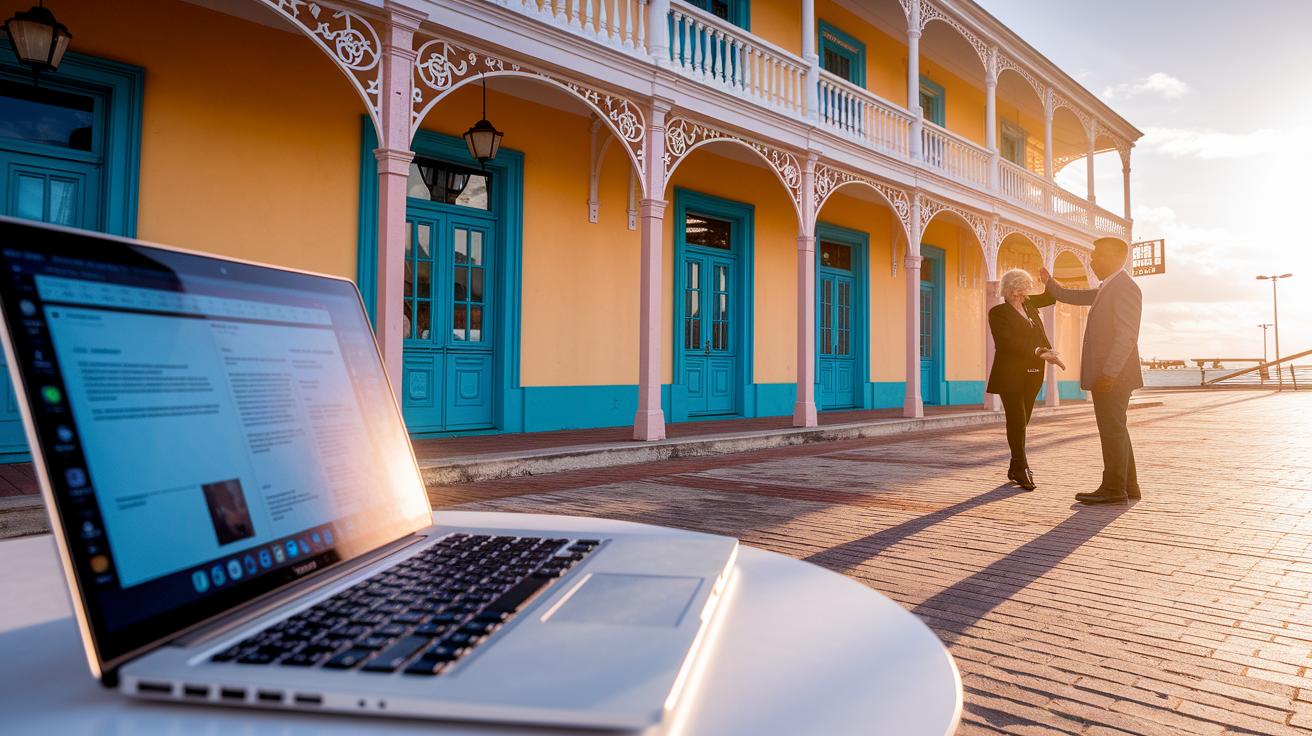
Protecting Caribbean cultural and architectural treasures takes a smart mix of efforts and careful planning. Public funds, private investments, and NGO grants join forces to help overcome money challenges. Local governments and nonprofits lean on grants and financial aid to safeguard history-rich sites. Even UNESCO’s Information for All Programme gets in on the action by turning old archives and spoken stories into digital treasures. This blend ensures that both the buildings and the memories they hold stay alive for the future.
Government steps and community spirit perfectly team up with modern tourism ideas to give these heritage sites a fresh vibe. Responsible tourism here means mixing the charm of old market experiences with today’s conveniences, giving visitors a true taste of local life while also supporting the upkeep of these landmarks. At the same time, digital projects like archiving ancient records and storytelling programs add another layer of protection. Next, these combined efforts build a solid foundation that keeps the rich Caribbean legacy thriving.
• Legal protection and policy enforcement
• Community engagement and volunteer stewardship
• Digital archiving and storytelling programs
• Tourism-driven preservation models
• NGO and private-sector partnerships
By blending these methods, we create a resilient plan to care for and restore historical landmarks. This approach not only preserves the physical sites but also keeps our shared cultural identity vibrant. With legal support, community pride, digital storytelling, thoughtful tourism, and strong partnerships, Caribbean heritage sites continue to shine, telling their timeless story through every sun-kissed moment.
Case Studies in Conservation of Caribbean Heritage Sites
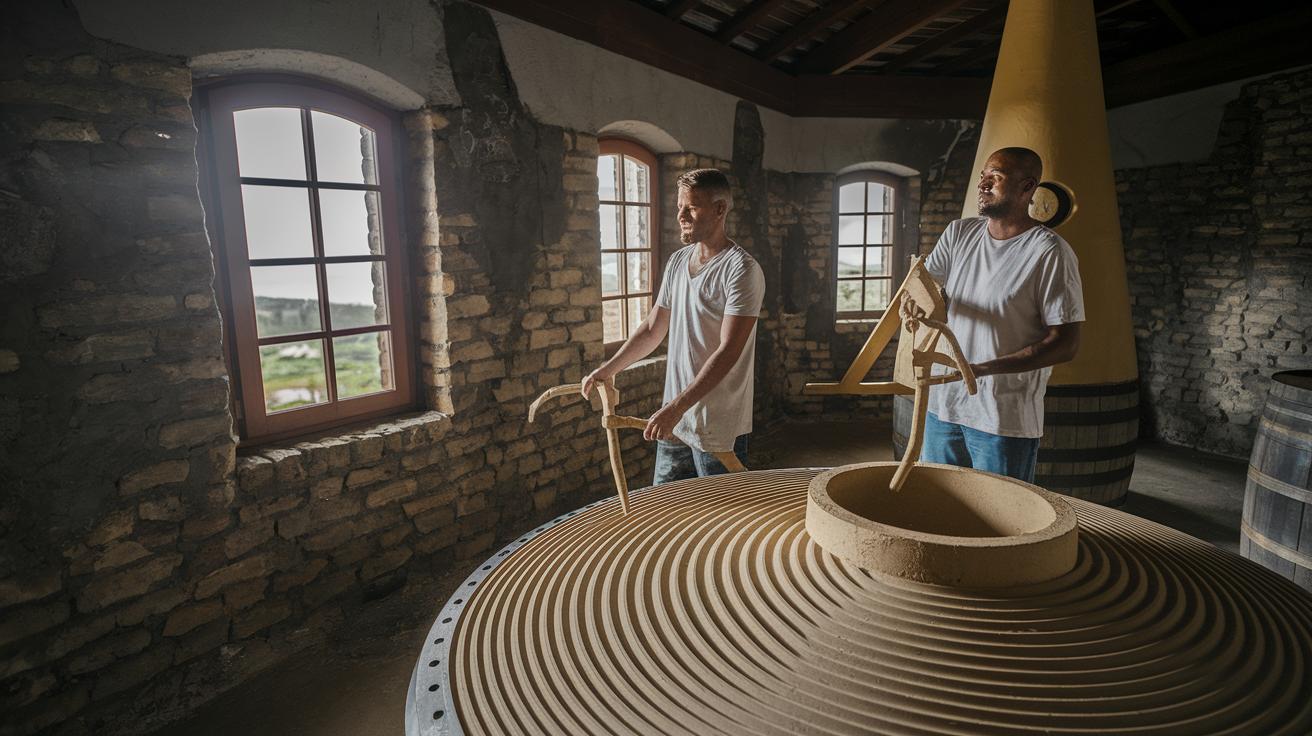
Caribbean conservation is a blend of heartfelt repairs and new digital techniques that keep our island history alive. Regions mix old, trusted methods with modern tech to protect unique cultural landmarks and invite visitors to feel and interact with the past in fresh, exciting ways.
Distillerie Neisson Restoration Project
In Martinique, the Distillerie Neisson project brought an 18th-century building back to life using traditional lime mortar and hands-on craftsmanship. Local artisans poured their hearts into the work from 2018 to 2021, using materials trusted for centuries. They carefully followed the original construction methods so the building still feels authentically historic while standing strong for the future. It’s a perfect example of blending history with skilled, personal care.
Saint-Pierre Prison Digital Reconstruction
Meanwhile, in Saint-Pierre, history took a digital leap. Experts transformed the ruined 1902 prison into a lively virtual experience using 3D scanning and VR visualization (virtual reality, which lets you explore digitally). This innovative method captures every detail, letting visitors take a virtual tour of areas that once stayed hidden. It’s a cool way to protect historical remnants while making learning about the past fun and accessible.
| Project Name | Location | Techniques Used | Outcome |
|---|---|---|---|
| Distillerie Neisson Restoration Project | Martinique | Traditional lime mortar techniques, artisan craftsmanship | Restored 18th-century building |
| Saint-Pierre Prison Digital Reconstruction | Saint-Pierre | 3D scanning, VR visualization | Interactive virtual exhibit |
Funding Models and Policy Frameworks for Protecting Caribbean Heritage Sites
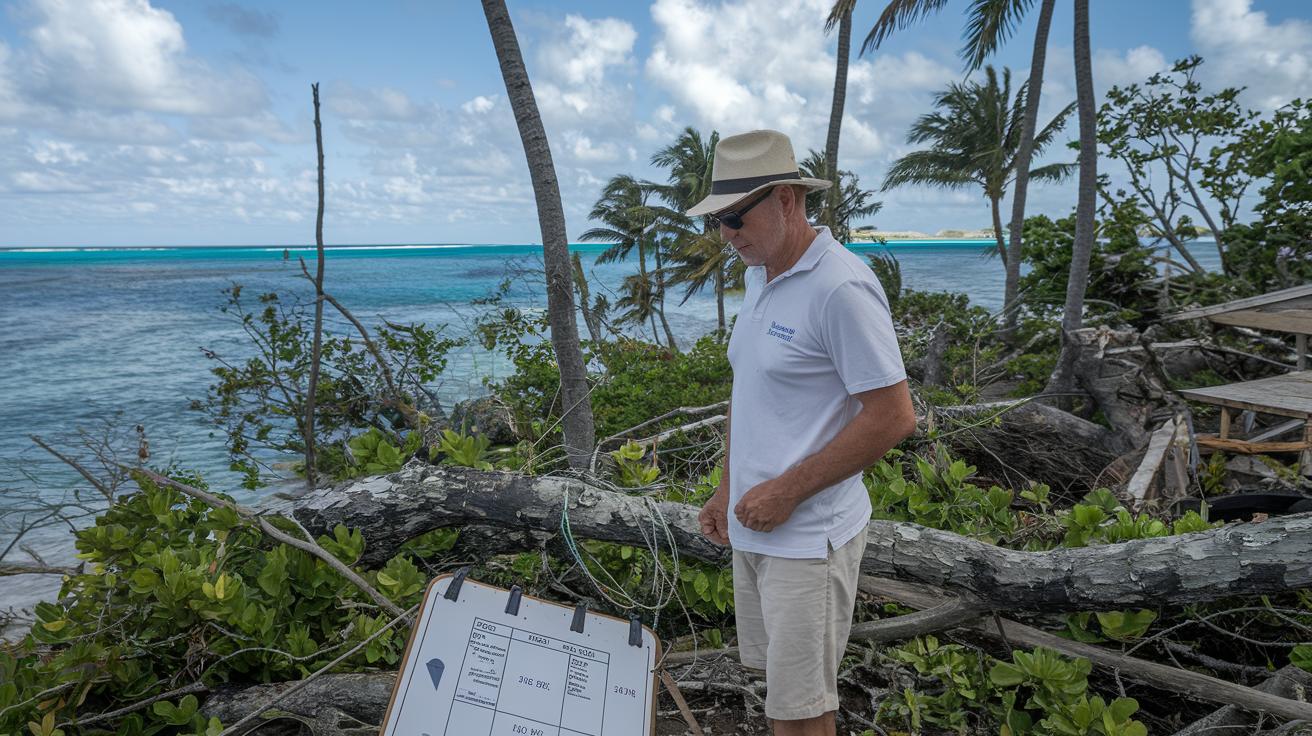
Funding is shifting in ways that hit small island economies hard because of changing money matters and climate effects. These days, mixing public funds, private money, and NGO grants is more important than ever as our treasured heritage sites need flexible support. At a recent CARICOM summit, experts shared that fresh financial ideas can better protect these sites. For example, one Caribbean island project quickly secured emergency funds after storm damage, showing that creative funding really works when unexpected weather strikes.
At both the national and regional levels, governments are updating policies to protect these heritage gems more effectively. They’ve improved grant programs and created simpler approval processes, helping local groups start repairs faster. In one coastal community, new laws sped up repairs, a change that shows how even small legal tweaks make a real difference.
NGOs are also stepping up by fine-tuning their support strategies. They’re focusing on training locals in basic restoration skills and blending modern technologies with traditional methods. For instance, a nonprofit workshop recently showed how combining old craft techniques with modern conservation tools can bring new life to heritage sites.
UNESCO-backed projects are catching on too, moving to digital preservation. One project in an island nation has turned fading documents and oral histories into digital files. This approach saves delicate records and invites local communities to help keep their past alive, proving that modern ideas and cherished traditions really do go hand in hand.
Community Engagement in Preserving Caribbean Heritage Sites
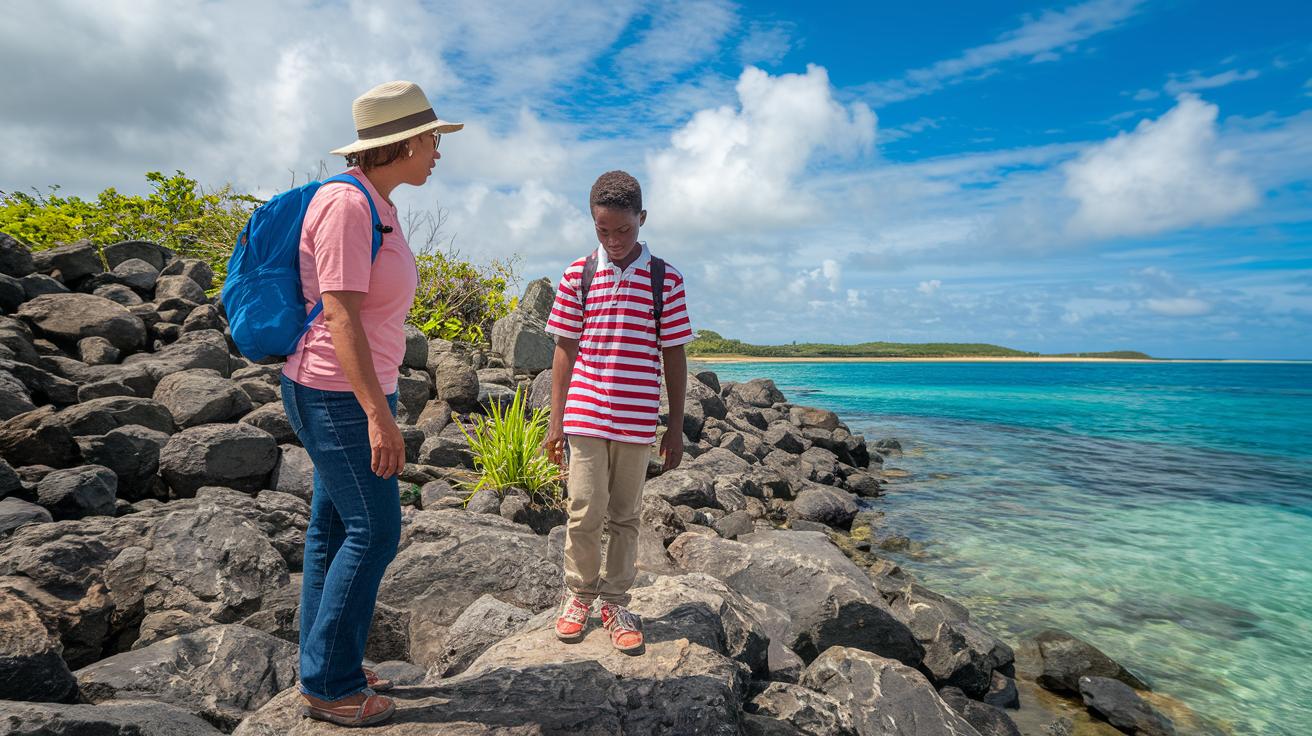
Residents and volunteers from all over the Caribbean are coming together to bring history into everyday life. Local programs invite everyone to take pride in their surroundings and learn the skills needed to care for important sites. These community efforts turn regular people into cultural guardians, keeping cherished landmarks vibrant for all.
Digital storytelling has become a favorite way to share these rich histories. In Barbados, workshops have helped around 2,500 young people learn digital storytelling and archiving (a method to record and share stories using modern media). This fresh approach revives old traditions, while community memory projects capture local voices and family stories passed down through generations. The efforts not only preserve cherished narratives but also encourage new generations to value and document their heritage.
Local volunteers also show up with hands-on care for heritage sites. They organize regular clean-ups and lead simple tours that explain the historical significance of these places. Community-led walking tours, such as the ones offered in the Caribbean, let visitors see firsthand the dedication behind preserving these legacies. This spirit of togetherness and active care keeps Caribbean history alive for everyone.
Digital Archiving and 3D Modeling for Caribbean Heritage Site Preservation

Digital archiving turns old letters, photos, and shared memories into digital files. It’s like taking a handwritten note and putting it online, ready for anyone curious enough to take a look.
Programs like UNESCO’s Information for All Programme help communities save delicate documents by giving grants to make secure digital collections. For example, a local archive might use these funds to digitize community records so they’re protected from wear and tear and can be enjoyed by everyone.
Experts also use 3D scanning to capture every detail of cultural spots, such as the Saint-Pierre prison ruins. Imagine wandering through a virtual tour where old corridors and ruins feel nearly as real as being there in person.
Digital access now means both locals and visitors can explore Caribbean heritage anytime they want. These modern methods blend perfectly with traditional practices, keeping local stories and landmarks alive for generations to come.
Challenges and Future Directions in Preserving Caribbean Heritage Sites
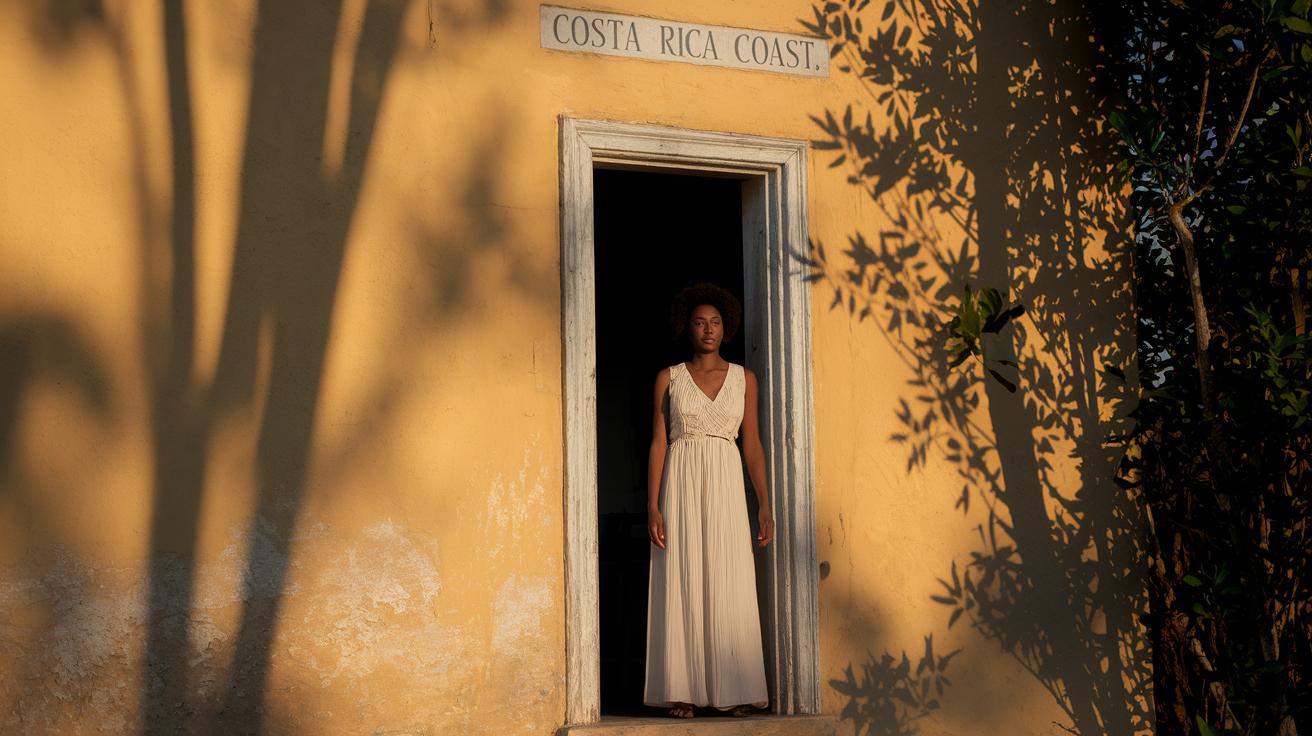
There are still legal and money hurdles that make it hard to protect Caribbean heritage sites. For example, Afro-descendant communities on Costa Rica's Caribbean coast are facing the risk of demolitions due to unclear property titles and old legal protections. Many of these sites struggle with small budgets, which makes routine upkeep and thoughtful restoration tough. Without clear legal support and steady funds, keeping these historical gems safe for future generations becomes a real challenge.
Nature throws its own curveballs into the mix. Hurricanes, rising sea levels, and harsh weather can damage these aging structures. This means that each site needs careful risk checks to spot weak spots and to get ready for a storm. When disasters hit, it proves just how important it is to have solid disaster plans to protect these treasures from the effects of climate change.
But there’s hope. New, integrated approaches that blend climate adaptation, policy changes, and modern technology can build long-term strength for these sites. Updating legal rules, securing funding in creative ways, and including disaster readiness in everyday care can make a big difference. With sustainable restoration techniques and regular risk assessments, communities can better handle the weather and other challenges. These proactive steps can help Caribbean heritage sites remain strong and continue to shine, even when faced with tough legal and environmental pressures.
Final Words
in the action, we highlighted smart ways to care for Caribbean monuments through legal rules, community support, digital records, and eco-friendly planning.
We looked at examples where local teams and hands-on tech helped keep the rich culture alive.
When preserving caribbean heritage sites becomes part of every plan, each effort helps protect the true spirit of the islands.
Keep the outlook sunny and hopeful as you remember that every small step can brighten the future of these treasured sites.
FAQ
How can we preserve Caribbean culture and what are two ways some Caribbean families preserve their culture?
Preserving Caribbean culture means keeping traditions alive through community storytelling and hands-on activities like cooking and music, along with digital archiving and local mentorship to pass down history.
How to preserve cultural heritage sites?
Preserving cultural heritage sites involves legal protection, community volunteer efforts, digital archiving projects, responsible tourism models, and partnerships between public and private groups to maintain historical landmarks.
What are the 5 C’s of world heritage?
The 5 C’s of world heritage include criteria that assess significance, conservation measures, community involvement, cultural representation, and a commitment to continuous care for heritage preservation.
