Ever thought your tropical getaway might have a few surprises in store? A trip to the Caribbean isn’t just about clear blue waters and sunny skies. Sometimes, you might face quick weather changes or different safety rules that catch you off guard.
This guide is like your friendly island buddy, offering simple tips to help you feel safe and confident. We cover everything from keeping your important papers secure to staying updated with local news. Think of it as your personal map for a smooth, worry-free adventure. Ready to explore the islands with peace of mind?
Caribbean Safety Guide: Comprehensive Security Overview
Did you know that hurricane season here runs from June to November? It’s wild, right? The best storms hit between August and October when the wind howls and the rains pour down hard. And while you might hear about earthquakes often, they usually stay below 3.0 on the Richter scale – more of a little shake than a big scare.
Different islands have their own safety stories. Some spots like the U.S. and British Virgin Islands, St. Barths, and Anguilla are known for being pretty safe. But in other places, the dangers can be higher. For instance, some parts of the Bahamas have reported worries near hotels, casinos, nightclubs, and even dark beaches. So, it’s a good idea to keep an eye on travel alerts and check the latest updates to know what’s up. You can always peek at the Caribbean travel advisory if you need more info.
Where you go in the Caribbean really matters. Some islands have a relaxed vibe with hardly any issues, while places with busy nightlife or quiet, isolated spots might bring extra risks. Knowing what to look for in each island helps you change your plans quickly if needed.
This guide gives you a friendly, clear look at what to expect when you travel around these colorful and lively islands. Enjoy your planning and stay safe out there!
Caribbean Safety Guide: Securing Your Documents and Money
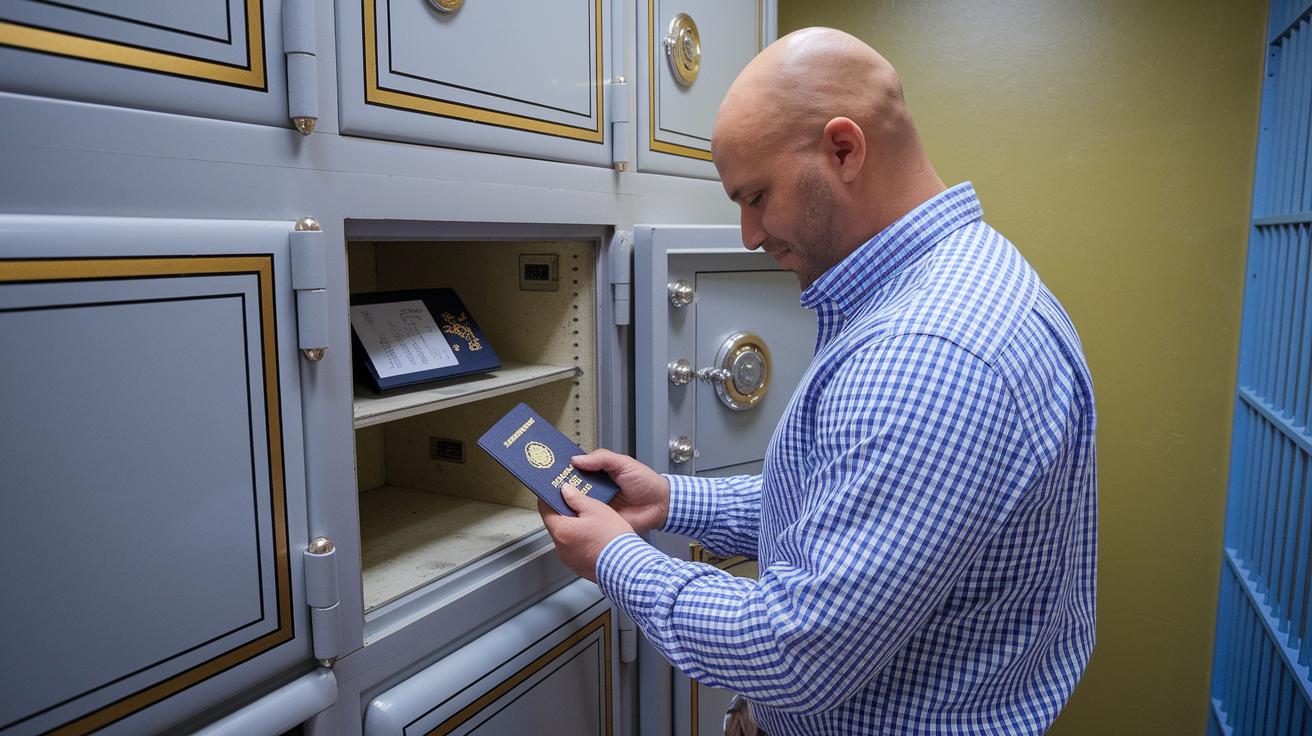
Before you set off on your Caribbean getaway, make sure you have a plan to protect your key documents and cash. If you're coming from the EU, U.S., or UK, you generally don’t need a visa. Aussies and New Zealanders can grab one when they arrive, but if your nationality requires a visa before you leave home, double-check those rules well before you book your flight.
When you're on the island, keep your passport safe by tucking it away in your hotel safe. It also helps to email a digital copy to a friend or family member you trust, this way, if your passport ever goes missing, you'll have a backup handy. In busy tourist areas, places usually accept major credit cards like Visa, Amex, or MasterCard. But when you venture off the beaten path, having some local cash can really come in handy.
Here's a simple checklist to keep your documents and money secure:
- Keep your passport in your hotel safe
- Email a digital copy to someone you trust
- Check your visa requirements before you travel
- Cover the keypad when entering your PIN at ATMs
Following these steps will help you stay secure and enjoy every moment of your Caribbean adventure.
Caribbean Safety Guide: Crime, Scams, and Local Law Advice
When you’re enjoying the warm, vibrant islands, it’s smart to stay alert to common scams. You might hear stories about people pretending to be police and handing you fake fines or tours with sneaky hidden fees that seem too good to be real. Sometimes, a taxi ride might feel off if the driver expects extra cash at the end. Trust your gut, if something doesn’t feel right, it’s best to walk away.
Here are some easy tips to keep you safe:
- Keep an eye out for lottery or timeshare deals where you’re pushed to pay extra fees right away.
- Be careful of fake hurricane-relief charities that might target kind-hearted visitors.
- Check any package deals closely to avoid surprises like missing hotel details.
It’s also important to know a bit about local rules. In islands like Barbados, Jamaica, Grenada, Dominica, St. Lucia, and St. Vincent, wearing anything that looks like military camouflage isn’t allowed. This means items like hats, bags, or clothes that resemble military gear are off limits, and the rules are taken seriously.
When you’re at busy festivals or in crowded places, keep your valuables secure. These spots can be a magnet for petty theft, so it helps to keep cash and personal items out of sight. Blending in and acting naturally can really help you avoid drawing unwanted attention.
If you ever need to ask for help from the police, try to stay calm and explain your situation clearly. It’s a good idea to carry a list of local emergency contacts and even ask your hotel for extra advice on reaching the local authorities. With these practical pointers at hand, you can feel confident, secure, and free to embrace all the magic that the Caribbean has to offer.
Caribbean Safety Guide: Health and Medical Precautions
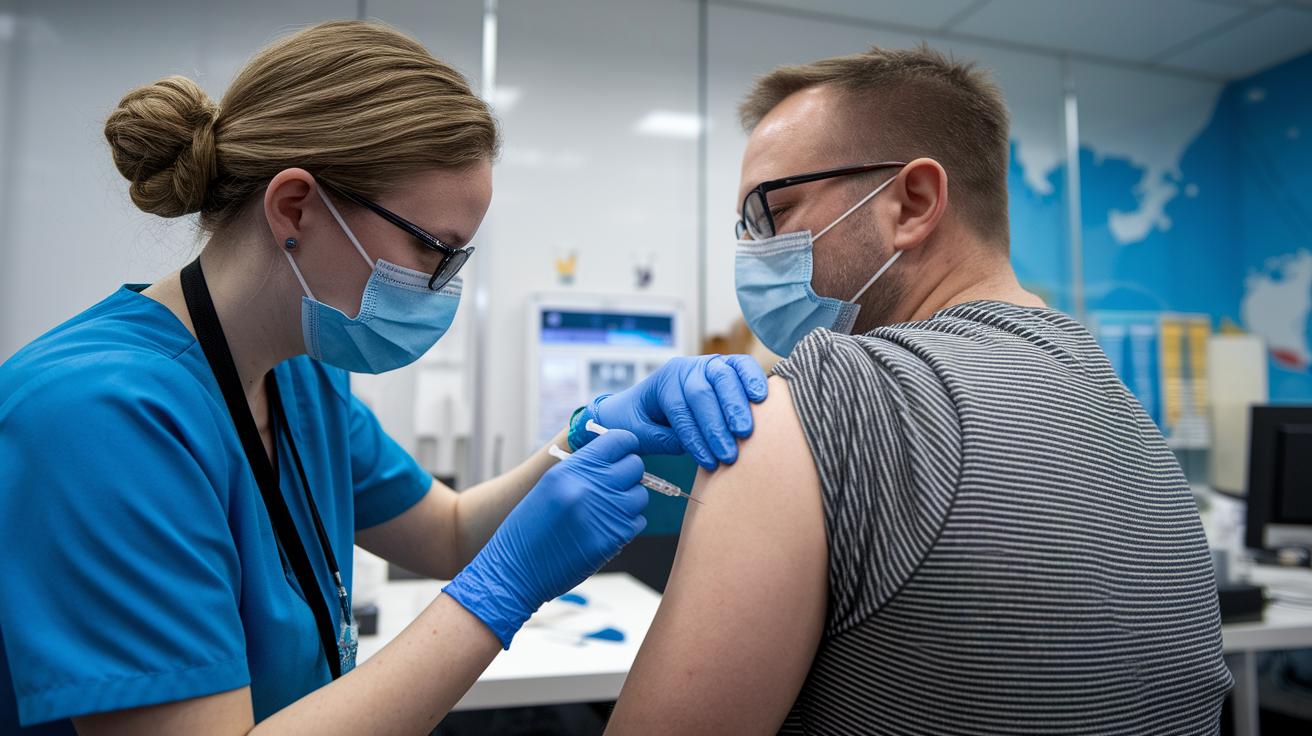
Before you head out on your trip, swing by a travel clinic to chat about any vaccines you might need. Many experts suggest getting shots for hepatitis A, typhoid, and a few other local risks. I remember one traveler saying, "A short visit to the doctor before my trip kept me feeling great throughout my vacation." Knowing where the nearby hospitals or clinics are can really bring peace of mind, so ask your hotel team for recommendations or look up a local medical facility on your phone.
Staying safe with food and water is super important. It’s best to stick with bottled water and enjoy meals that are freshly cooked to dodge pesky stomach troubles. And don’t forget to keep some hand sanitizer with you, washing your hands regularly, especially after eating or getting off a bus, can really help.
The Caribbean is a beautiful place, but its warm nights also attract insects that might spread diseases. A good tip is to pack some insect repellent with DEET and try wearing long sleeves when it’s just starting or winding down. These simple steps can help keep those bugs at bay, letting you enjoy your island days without worry.
Caribbean Safety Guide: Natural Disaster Preparedness
| Hazard | Season/Occurrence | Preparedness Steps |
|---|---|---|
| Hurricane | June–Nov | Identify shelter, secure windows |
| Earthquake | Year-round (rare >M3.0) | Drop, cover, hold on; inspect property |
| Flood/Surge | Post-hurricane | Move to high ground; follow official alerts |
If you’re planning a trip through the Caribbean, it pays to be ready for nature’s surprises. Hurricanes are a common guest from June to November, with the strongest ones usually making an appearance between August and October. Local folks often set up safe shelters in hotels or community centers, so it’s a smart move to check where these spots are before you set foot on the island.
Ever felt the tremor of a slight shake? Earthquakes do happen here, but they’re usually mild (less than a 3.0 on the scale). When you feel a shake, just drop, cover, and hold on until it stops, then take a quick look around to see if anything’s out of place.
And let’s not forget about floods or a sudden storm surge after a hurricane. It’s best to keep one ear tuned to local weather updates and know the safe routes to higher ground. If you’re in a more remote area, help might take a bit longer to arrive, so having a plan with a designated meeting spot and backup routes can really come in handy. Keeping your phone charged and knowing where to find official updates will help you stay on top of things when the weather turns.
In the end, being prepared lets you soak in the Caribbean’s beauty with peace of mind, so you can enjoy every moment of that warm, sun-kissed breeze without worry.
Caribbean Safety Guide: Transportation and Accommodation Measures
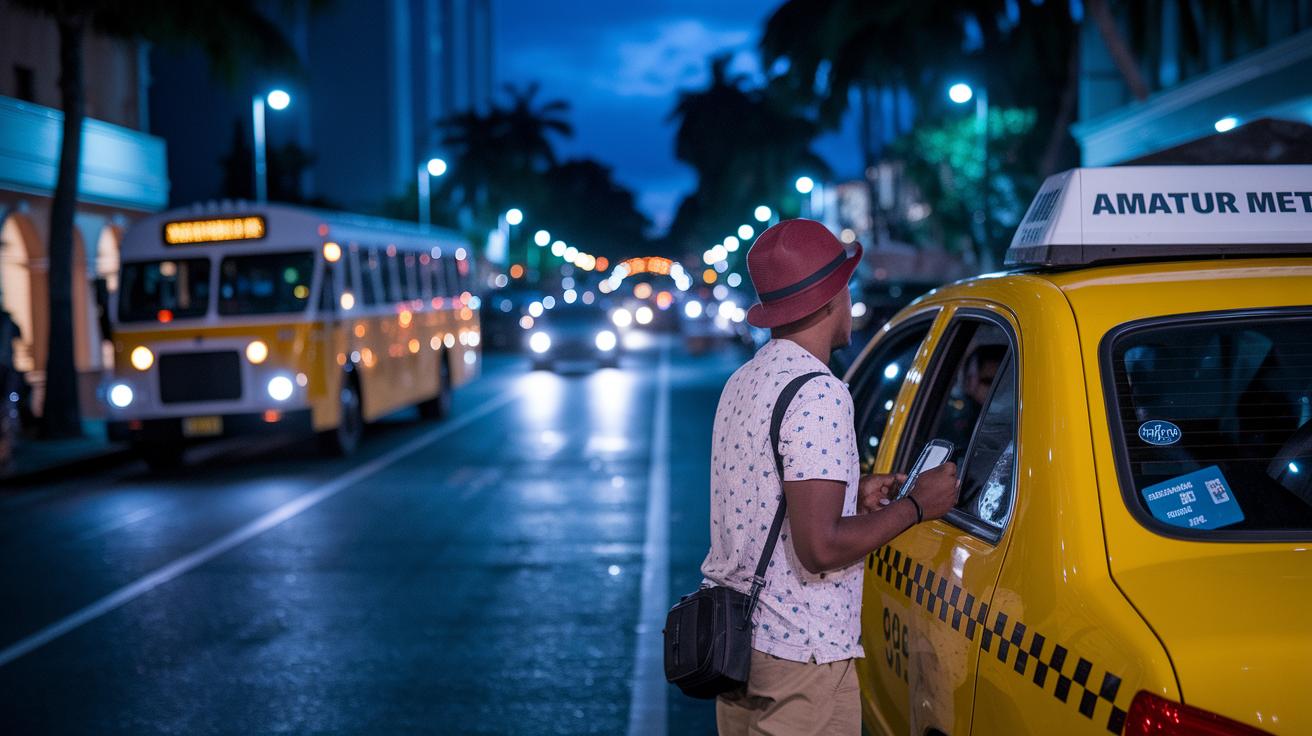
Traveling around the Caribbean can be fun, but the roads and transit systems can be a bit unpredictable. Small islands might have roads with little lighting, and speed limits aren’t always strictly followed. Driving, especially at night or on routes without clear markings, calls for extra focus. And if you hop on a public bus, remember that they sometimes show signs of aging and drivers might not have had the best training, so keep your eyes open.
When you grab a taxi or use a ride service, it’s smart to check the fare meter to avoid any extra charges. Keeping a simple map with you can help ensure you’re on the right path. If you’re taking a boat, ferry, or even thinking about a cruise, take a moment to check the operator’s safety record. For cruises, you might want to look at our cruise safety guide (https://theroyalcaribbean.com?p=1246) under boat and ferry precautions for some extra insights.
Your stay matters too. When booking a hotel or rental, make sure it has secure entry systems like card-swipe keys and in-room safes. Choosing a spot in a well-lit, busy area is a good idea, especially if you plan on returning late. A quick chat with the front desk about any recent security updates or local transit tips can go a long way.
In the end, leaning on local advice and your own gut can make all the difference. A little extra care lets you enjoy the Caribbean with real confidence and peace of mind. Enjoy your adventure and stay safe!
Caribbean Safety Guide: Beach and Water Activity Precautions
The Caribbean’s clear blue waters and warm sandy shores make for a perfect day of swimming, snorkeling (exploring underwater life with a mask and snorkel), or diving. But, as much as the ocean calls your name, it’s smart to keep safety in mind. The sea can surprise you with strong currents or quick drop-offs, and sometimes local operators might not provide all the proper gear like life jackets or helmets.
Before you jump in, check the daily surf and current reports or ask someone on shore how the water looks today. A reef-safe sunscreen not only protects your skin but also helps keep the ocean’s fragile home safe. When you’re about to take a dip, be sure your life jacket is Coast Guard-approved, especially as safety standards can sometimes slip by local operators. If you’re set on snorkeling or diving, confirm that your guide or rental service has all the proper certifications. And please, avoid touching coral or marine life; it helps them flourish naturally.
Always swim near a lifeguard station when you can, and stick close to a buddy or group in case you need a helping hand. Lastly, remember to stay hydrated and protect yourself from too much sun. Enjoy your day in the water while keeping safety as your top priority.
Final Words
In the action, our guide covered island travel safety, from weather alerts and document protection to tips for beach and water activities. We shared insights on avoiding scams, handling transportation concerns, and preparing for natural events, all in a clear, practical style.
This Caribbean safety guide aims to help you set up a smooth trip. With smart planning and local tips at your side, you can relax and enjoy every sunlit moment on your next Caribbean escape.
FAQ
What does the Caribbean Safety Guide PDF include?
The Caribbean Safety Guide PDF explains local weather hazards, crime risks, transport safety measures, and beach activity precautions so visitors can enjoy safe island travel.
How does the Caribbean Safety Guide help tourists?
The Caribbean Safety Guide for tourists offers tips on protecting documents and money, avoiding scams, and preparing for natural hazards, ensuring a secure island stay.
What marks the most dangerous or risky Caribbean islands?
Some Caribbean islands record higher crime and risk indicators, especially around tourist spots. Always check updated local advisories to avoid areas with higher reported incidents.
Which Caribbean islands are considered the safest?
Islands like the U.S. and British Virgin Islands, St. Barths, and Anguilla are rated among the safest, offering secure family environments and reduced hurricane impact when traveling during less active periods.
What risks do travelers face in the Caribbean?
Travelers can face risks such as crime, scam schemes, natural hazards like hurricanes, and occasional transportation issues. Reviewing current travel advisories helps visitors plan a safe trip.
