Have you ever wondered how a masked ball from the 1700s might have changed Caribbean history? French planters started it all by hosting elegant parties that mixed old European traditions with island vibes. Over time, those secret gatherings turned into vibrant street parades led by freed locals, where every drumbeat and dance told a story of change. Today’s festivals still carry that rich heritage, blending cultures into unforgettable bursts of color and life.
Caribbean Cultural Festivals History: Origins and Evolution
Back in the late 1700s, French planters kicked things off with pre-Lenten masquerade balls that mimicked the fancy parties of elite French society. Over time, these exclusive gatherings mixed with local customs, turning into a vibrant celebration of Caribbean life.
Carnival got its name from the Latin words for "meat" (caro) and "goodbye" (vale), originally marking a pagan festival before evolving into a special Catholic ritual. It's almost like uncovering a little secret history, imagine finding out that Carnival started as a sacred send-off dinner before fasting began.
Enslaved Africans, especially those from Yoruba and other West African groups, brought their lively drumming, call-and-response songs, and energetic stick fighting into the mix. Their vibrant energy transformed quiet observances into nights filled with passion and strong expressions of identity, like what you’d see during the traditional Canboulay parades.
After 1834 in Trinidad, when emancipation came through, things really shifted. Freed people began leading street processions that grew into grand public events built on four main features: calypso or soca music (Caribbean dance music), the distinctive sounds of steelpan, dazzling masquerade (mas) balls, and dynamic dance moves.
From those fancy private balls in the 1700s to the lively street parades of the early 1800s and the organized Carnival events by the mid-1800s, every phase added a new layer to this rich tradition. Every drumbeat and dance move tells a story of centuries of cultural blending, capturing the true spirit of a Caribbean festival.
Colonial and Indigenous Foundations of Island Festivities
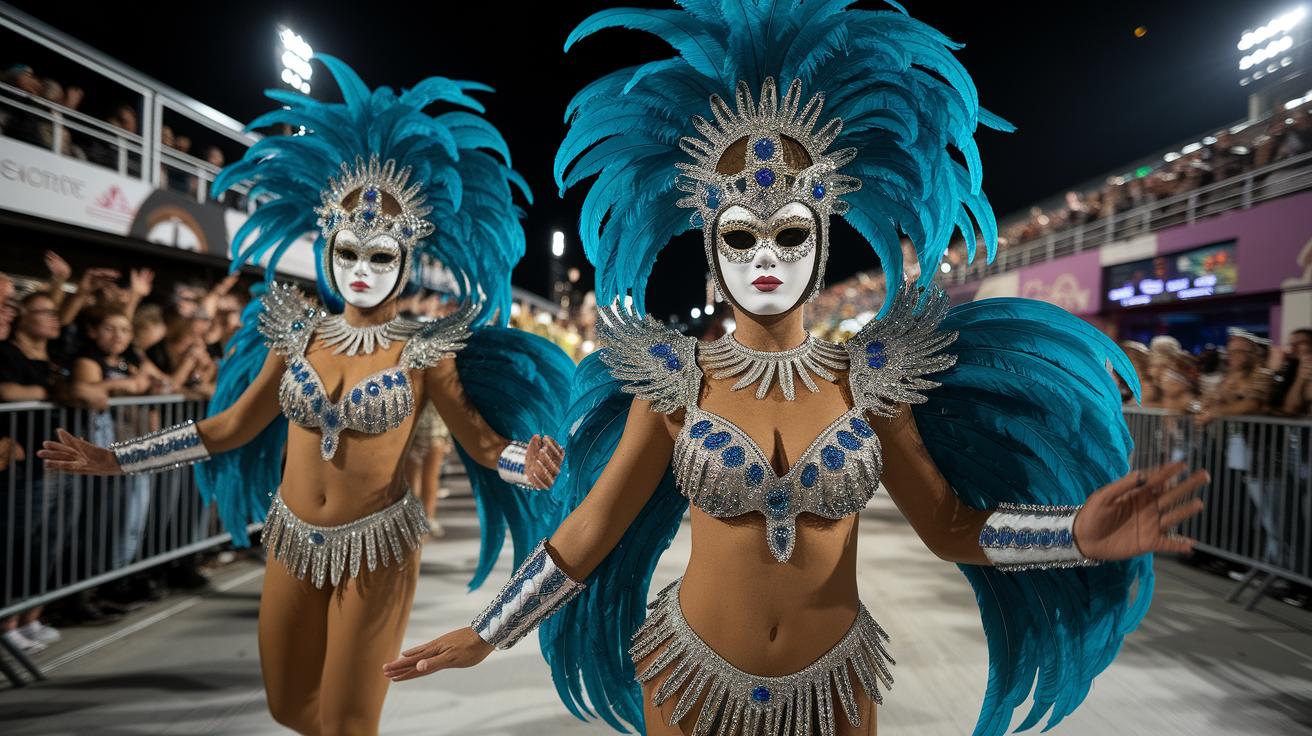
When the French and Spanish first sailed into the Caribbean, they brought with them vibrant customs like Fat Tuesday masquerades and strict Lenten calendars. These new traditions set the stage for a blend of formal, European ceremony and the relaxed, warm celebrations that locals loved. Soon enough, the structured parades and religious feast days mixed with native seasonal rites, creating festivals that felt both excitingly new and comfortingly familiar.
At the same time, the island’s original peoples, such as the Taíno, Carib, and Arawak, added their own colorful symbols and lively practices. Their traditional rituals, like those honoring the harvest of yam and cassava, eventually paved the way for festivals like Crop Over in Barbados. In these celebrations, early Carib and Arawak dance chants filled the air with a rhythmic pulse that still echoes today. What really shines through in these festivities is a tale of two worlds coming together to create something uniquely joyful and lasting.
Afro-Caribbean Expressions and Festival Innovations
Enslaved Africans from Yoruba, Ewe, and Kongo regions completely changed Caribbean festivals. They brought in infectious drum beats, cheerful call-and-response songs, and colorful masquerade acts. Their vibrant influence turned plain European-style carnivals into lively celebrations of life and freedom.
You really feel their impact when a drum’s steady beat echoes at a festival, bringing back traditions that honor the spirit of the African diaspora. Picture a local band setting off with a simple, steady rhythm. Ever wonder? Those very beats once carried secret messages of hope and resistance, echoing centuries of African storytelling.
Canboulay’s nighttime torch marches and stick-fighting traditions, even when banned by the British in the 1880s, slowly evolved into a fresh style of calypso music. People got creative, swapping out actual sticks for everyday items like dustbin lids and frying pans. Then, in 1939, this burst of inventiveness led to the birth of the steelpan in Trinidad, a sound that today stands as a hallmark of modern carnival.
Likewise, Haiti’s pre-Independence Mardi Gras and Jamaica’s colorful masked Jonkonnu parades show just how deep African influences run. Each brings its own special flavor by mixing folklore with festive rituals that continue to shape the region’s cultural celebrations.
Veiled Splendor: Masquerade and Costume Evolution in Festivals
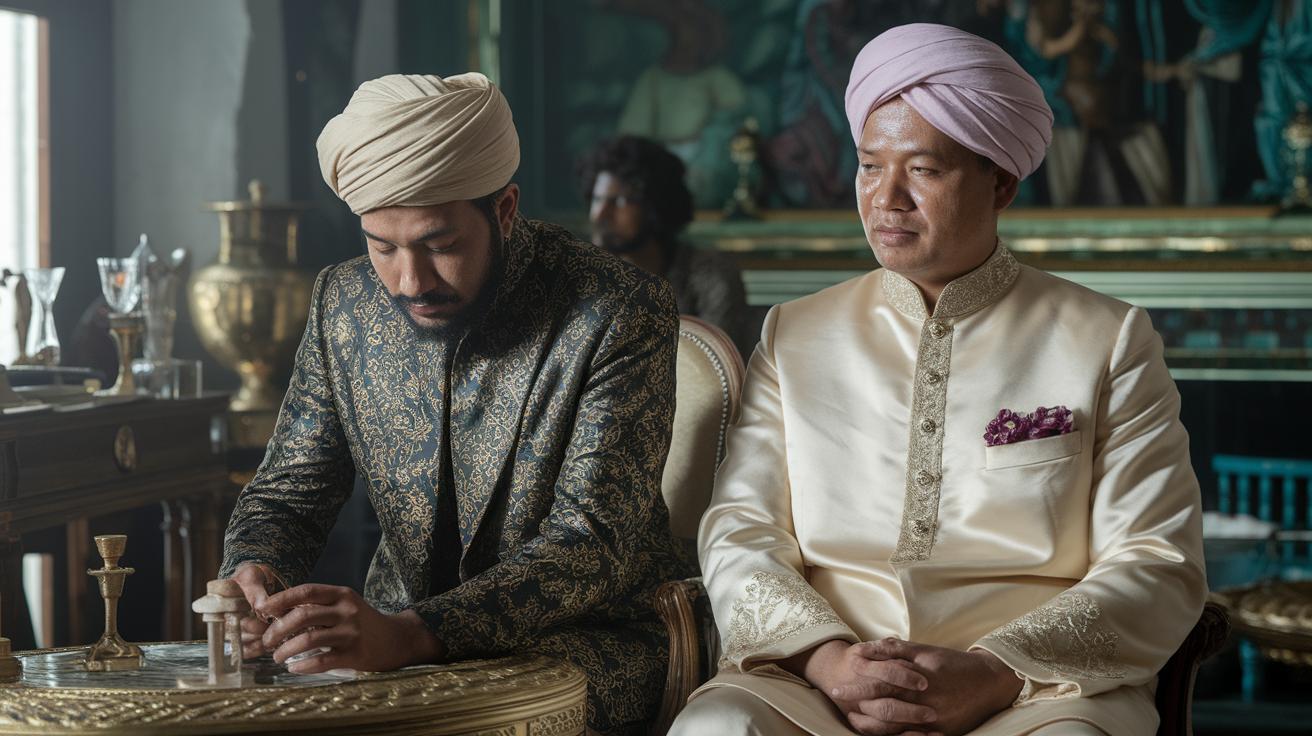
Back in the 1700s, French high society held private parties where people dressed in dazzling silk outfits, fancy masks, and wigs sprinkled with powder. Picture a noble stepping into a softly lit room, their costume shimmering like fragile glass. Every small detail in their attire spoke loudly about wealth and pride.
After emancipation, creative souls began to see beauty in discarded pieces. Ordinary rags, stray feathers, and paper-mache were reborn as colorful jahaji costumes. Imagine freed folks taking simple materials and turning them into lively symbols of resistance. Their bold, makeshift outfits mixed humor with a strong call for freedom, letting them speak out on politics and society.
By the mid-20th century, new ideas like steel-wire frames started to shape how costumes were made. Designers experimented with huge wings, tall headdresses, and sweeping flourishes that caught the eye. They drew inspiration from birds flying high and the deep spirit of their ancestors. Every costume became a living story, a blend of hope, history, and the enduring heartbeat of the Caribbean.
Soundscapes of Celebration: Musical and Dance Traditions
Trinidad’s calypso kicked off in the 1800s as a unique way to share news and express protest. It was music that spoke right to the heart of the people. By the early 1900s, this vibrant style was woven into every Carnival celebration. Imagine locals gathering in small circles on narrow streets, their voices melding with the warm sounds of calypso as it told lively stories of everyday wonder.
In the 1970s, a fresh beat arrived called soca. Soca mixed traditional calypso rhythms with melodic sounds inspired by East Indian music, creating a fun, energetic vibe. This sound filled the streets and transformed each parade into a joyful, communal dance party. Ever noticed how music can capture the very spirit of a festival? That’s exactly the magic of soca.
Then, in the 1950s, steelpan bands began to shine on national stages. Their crisp, warm tunes quickly came to represent the pulse of Carnival. Each performance by these talented bands turned into a living story of pride and resilience, much like a heartbeat that keeps the celebration alive.
Limbo dancing adds another playful twist. With roots tracing back to African traditions, limbo evolved into a competitive art by the early 20th century. Its low, bending moves and cheeky spins bring smiles to onlookers. And then there’s dancehall, its bouncy, offbeat rhythms weave through modern street celebrations, capturing the unmistakable, vibrant spirit of Jamaican culture.
Caribbean Cultural Festivals History Sparks Vibrant Roots
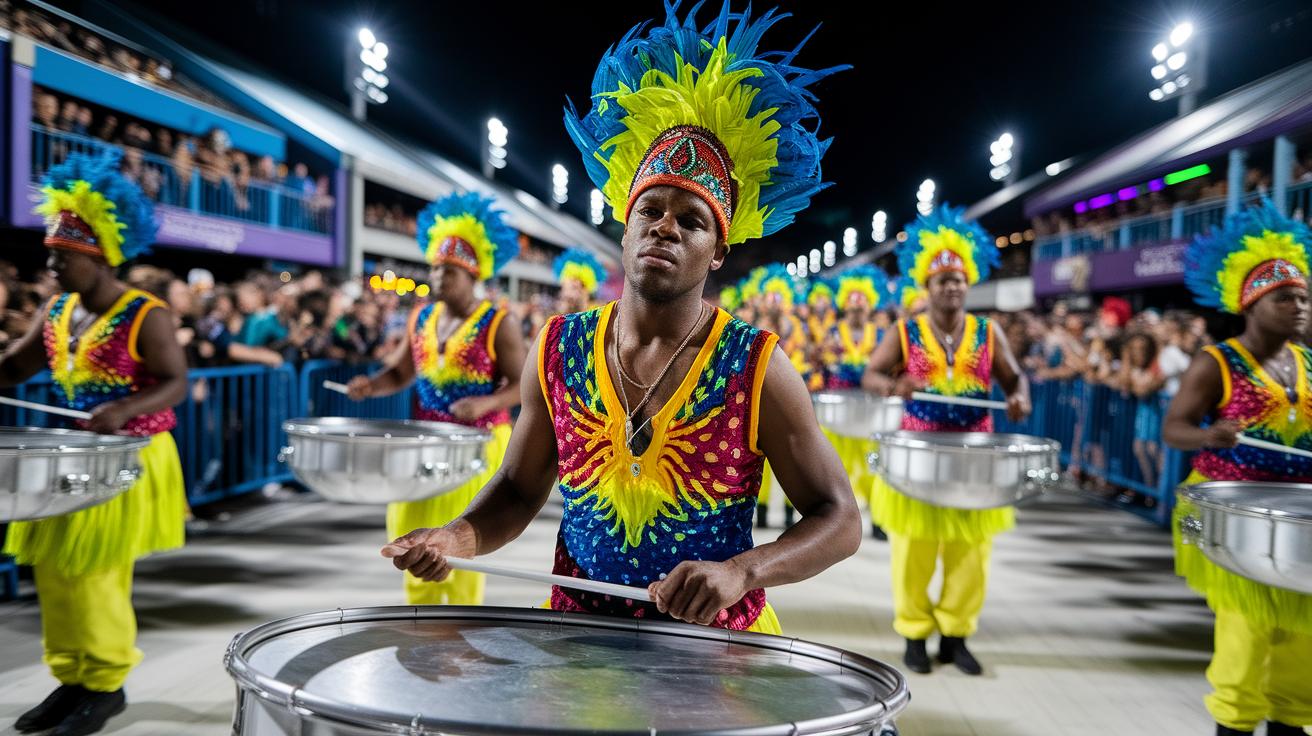
Trinidad’s Carnival is the biggest modern celebration you can find in the region. Every year, over 30,000 visitors come ready to soak up the energy and color. Imagine strolling through streets alive with parades bursting in brilliant hues as local bands kick off with catchy calypso and the spirited rhythms of the steelpan, a sound that defines the festival. There are exciting band launches, a fun Kiddies Carnival for the little ones, and lively contests showcasing the best in local dance and music. Each beat invites everyone to join in the celebration, making it a day full of memorable, festive moments.
Barbados’ Crop Over Festival has its roots in the harvest traditions of the 1780s. It all started as a sugarcane celebration, but over time it’s grown into a month-long festival filled with folk concerts, the special ceremony of delivering the last sugar cane, and even the crowning of a King and Queen. Picture village streets lined with joyful dancers wearing stunning handmade costumes that pay tribute to both the island’s colonial past and its vibrant agricultural heritage. The air is filled with music, a mix of traditional drum beats and modern rhythms, that brings the community together in a display of pride and creativity.
Jamaica’s Bacchanal Carnival officially began in 1990, though its spirit goes back much further in the island’s rich history. The highlight is the famous Road March in Kingston where the streets transform into a giant stage for energetic Mas bands. Here, you can hear a lively blend of dancehall, calypso, and soca, creating a sensory feast that truly reflects Jamaica’s bold, creative heartbeat. With some ticketed events adding a touch of exclusivity, each parade feels unique, a vibrant dance between tradition and modern beats that captures the true soul of island life.
Preserving Caribbean Cultural Heritage Through Festival Conservation
Since the 1990s, classrooms in Trinidad, Barbados, and Jamaica have been sharing Carnival stories as part of their lessons. Teachers and community leaders team up to use lively tales, vibrant costume sketches, and snippets of calypso and soca tunes (Caribbean party music) to keep history feeling fresh.
In 2014, the colorful Trinidad Carnival rituals earned a spot on UNESCO’s list of intangible heritage. This global nod not only celebrates the beat and spirit of the festivities but also reminds us all to care for this living culture.
Local community archives are key to keeping these traditions alive. They gather cherished oral histories, detailed costume drawings, and old recordings that open a window into the magic of island celebrations. In Grenada, for instance, Spicemas revival workshops (started in 2000) offer hands-on lessons in traditional mas (festive masquerade) and drumming, ensuring that these time-honored practices continue to groove on.
Heritage tours in Port of Spain, Bridgetown, and Kingston further boost this cultural legacy. These tours guide visitors through historic Carnival sites, turning each stop into an engaging classroom where tales of struggle, creativity, and joy keep Caribbean passions alive for everyone.
Final Words
In the action, we traced Caribbean cultural festivals history from its colonial roots to spirited Afro-Caribbean expressions. We witnessed how masquerade costumes, street processions, and lively music evolved over time, making every celebration a lively canvas of tradition and creativity. Each segment painted a picture of how islands blend cultural influences into festive art. The energy of these events continues to inspire and bring people together on a colorful path of shared heritage. Enjoy your Caribbean escape filled with wonder and warmth.
FAQ
Q: What does Caribbean cultural festivals history entail, including timelines and the impact of slavery?
A: Caribbean cultural festivals history describes how celebrations evolved from European masquerade balls to events enriched by African traditions introduced by enslaved populations, creating a colorful blend of cultures.
Q: How has Caribbean cultural festivals history influenced celebrations in America?
A: Caribbean cultural festivals history influenced American traditions by inspiring parades and events like the West Indian Day Parade, which showcase the cultural heritage of Caribbean communities on U.S. soil.
Q: What is the origin of Carnival in the Caribbean?
A: The origin of Carnival in the Caribbean comes from early pre-Lenten masquerade balls introduced by French planters, which later merged with African customs like drumming and call-and-response songs.
Q: How did Caribbean Carnival costumes develop over time?
A: Caribbean Carnival costumes evolved from the refined attire of colonial elite balls to creative ensembles using everyday materials, symbolizing freedom and cultural expression through artistic design.
Q: What defines traditional Caribbean festivals?
A: Traditional Caribbean festivals are defined by a blend of indigenous, European, and African influences, featuring music, dance, and communal rituals that celebrate harvests, freedom, and vibrant community life.
Q: What are some notable Caribbean-inspired parades and events in America?
A: Notable events include the West Indian Day Parade, Notting Hill Carnival, Toronto Caribbean Carnival, J’ouvert, Coney Island Mermaid Parade, and the National Puerto Rican Day Parade, all reflecting Caribbean cultural vibrance.
