Ever thought about how Caribbean homes mix worldwide styles with local know-how? Picture an island story where palm roofs and coral stone walls come together with smart, modern design.
Imagine learning about ancient Amerindian techniques and seeing colonial touches in tidy town grids and old plantation houses. Every building tells a story of local skill and warm, cultural traditions.
In truth, these historic styles keep sparking fresh design ideas. It’s like each structure holds a little piece of the Caribbean's long, rich past.
Caribbean Architectural Heritage: Origins and Cultural Significance
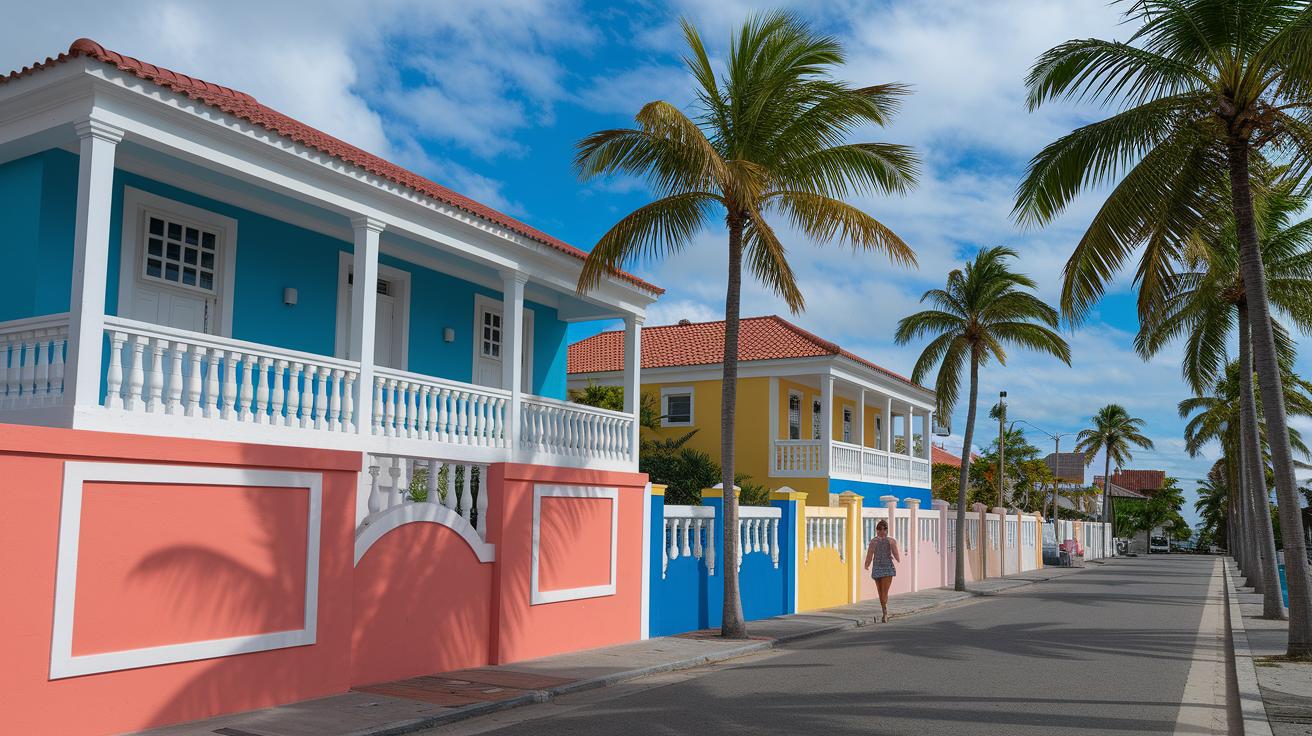
Caribbean architectural heritage is a fascinating mix of building styles that tells the islands' story. It's all about local craftsmanship blended with ideas from around the world. Ever notice how houses back in the day used palm thatch roofs to keep cool without any modern AC? That clever use of natural materials like coral limestone, mahogany, and palm thatch shows how communities adapted to their warm, tropical surroundings.
It all started with the Amerindian settlers who first set the foundation with their building techniques. Then came African influences during the time of transatlantic trade, adding a dose of labor ingenuity and resourcefulness that really shaped how things were built. Later, European powers, think Spanish, French, Dutch, and British, introduced new ideas, like grid-based town layouts and decorative details, which have left a lasting mark on island design.
Today, modern Caribbean buildings still carry a hint of this rich past. They often mix traditional materials with fresh, functional touches. Whether you're admiring a well-loved historic home or a new structure that marries old charm with modern convenience, these designs continue to bring out that vibrant, ever-evolving Caribbean spirit.
Colonial Influences Shaping Caribbean Architectural Heritage
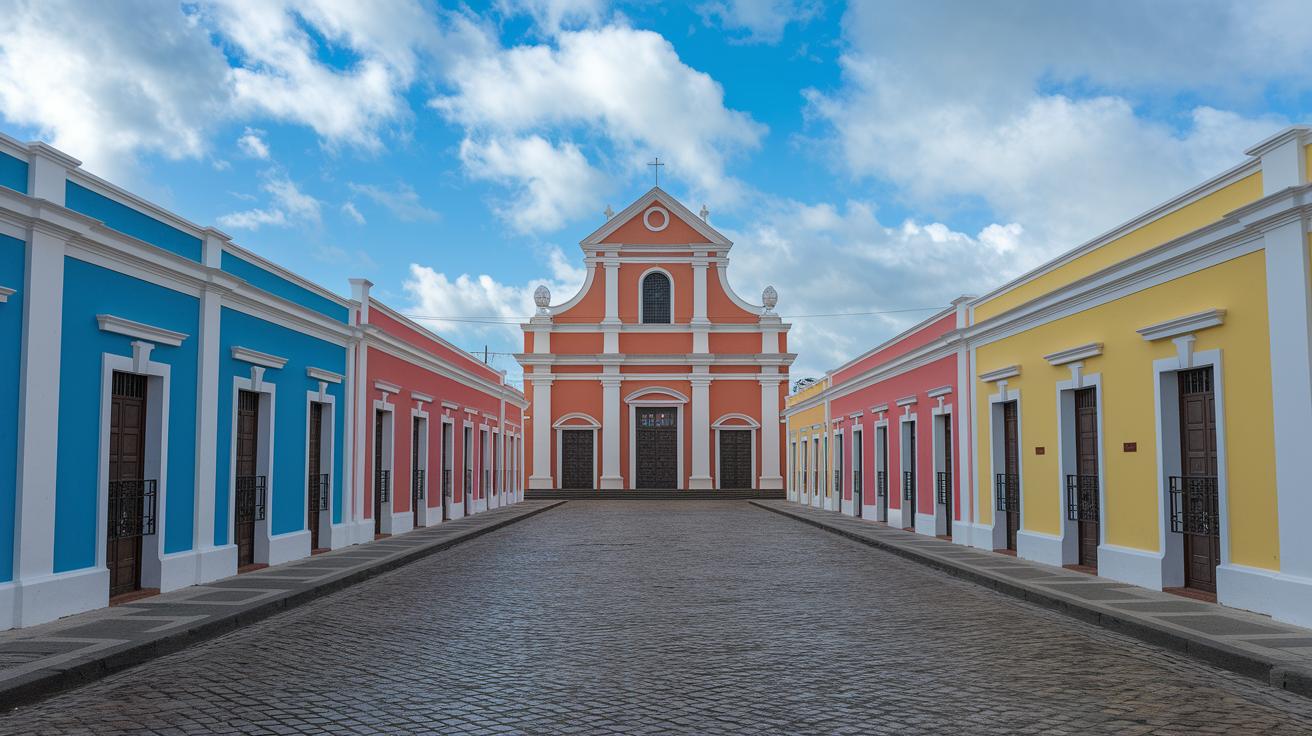
Spanish colonial planning introduced a neat grid for towns that created clear street paths, inviting town squares, and special church areas. This design helped shape early communities and still brings a comforting sense of order and tradition today.
British Colonial Styles in Barbados:
Barbados really shows off its British roots through grand plantation houses built in old Georgian and Victorian styles. These beautiful homes boast balanced fronts with lovely columns, elegant mahogany details, and solid coral limestone as their base. At the same time, you’ll find simpler, wooden chattel houses that locals designed to be both practical and adaptable. Imagine walking past a historic estate with charming arches and tidy details that sit side by side with more modest, clever homes, a mix that speaks of both old-world class and everyday ingenuity.
Dutch Revival Architecture in Aruba:
In Aruba, the Dutch touch is all over Oranjestad through pastel-colored buildings that warm the eyes. The Dutch Colonial Revival look shines with cheerful gambrel roofs and second-story balconies that invite you to slow down and enjoy island life. City Hall, built in the 1920s and carefully restored in 1998, stands as a proud reminder of that era, while the De Olde Molen windmill, rebuilt in 1961, adds a hint of nostalgia. Picture yourself strolling along sunlit streets where every building softly shares a story of a time full of refined yet playful charm.
French Architectural Flair in Martinique:
Martinique offers a taste of French elegance with buildings echoing designs from the 19th century. The vibrant fort of Fort-de-France hosts the Schoelcher Library, known for its stunning Byzantine glass dome and intricate metal details. Nearby, a replica of Sacre Coeur brings a slice of Parisian beauty into the tropical scene. These structures combine fine craftsmanship with open, airy designs that perfectly suit the island’s warm climate.
Taken together, these colonial styles create a lively architectural scene that reflects a rich cultural past intertwined with genuine local creativity.
Vernacular Construction and Creole Design in Caribbean Architectural Heritage
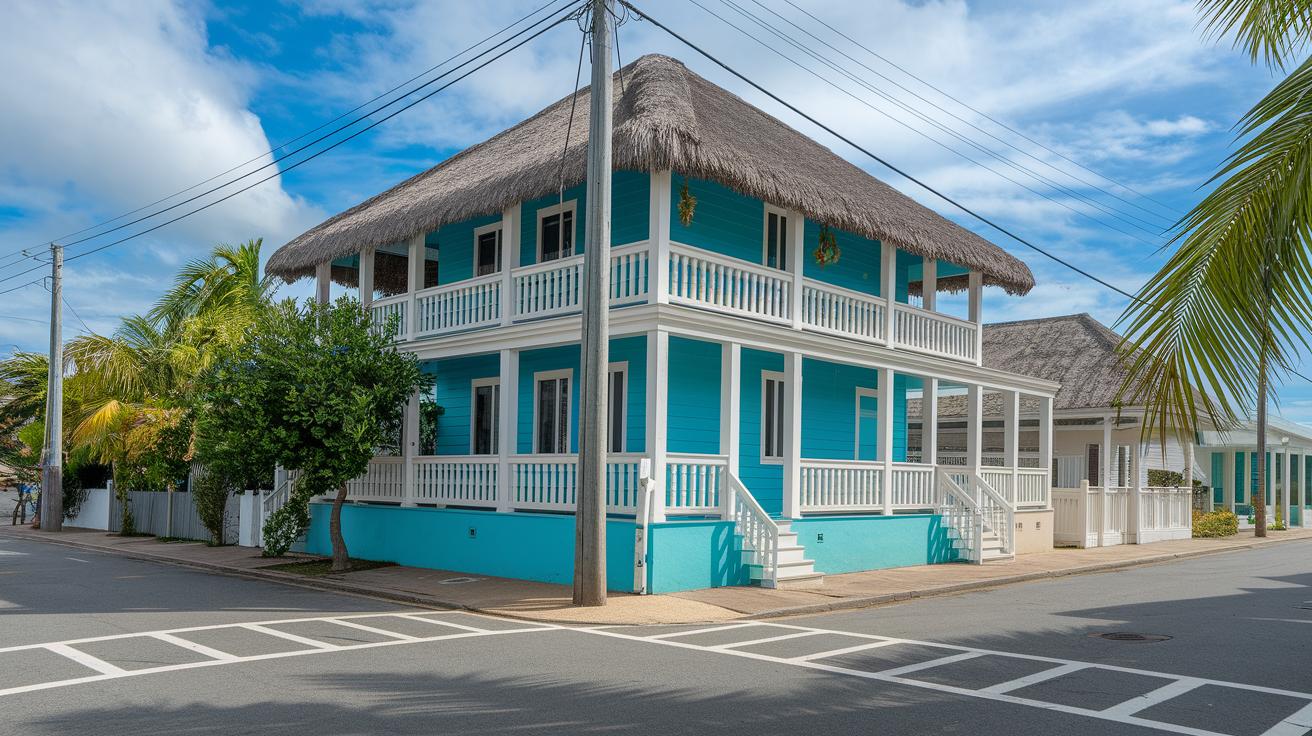
Long ago, native Caribbean people built their homes with natural materials like wood, coral limestone, and palm thatch. They chose these items because they let soothing breezes flow through and helped keep the tropical heat in check. The early houses were simple but smart, crafted to handle local challenges while blending in with the lush surroundings.
African traditions also added their special touch to these building styles. Local families learned to build homes that could be moved or rebuilt as needed. This clever approach shows how well they understood the local weather and the materials at hand.
Later on, Creole design brought in fresh ideas such as wrap-around verandahs and louvered shutters (slatted window covers that let in gentle air). They even built steep roofs to push away heavy rain and keep the inside cool and comfy. Mixing Amerindian and African techniques, these design choices helped homes shine under the warm Caribbean sun.
Today, you can see these timeless methods in rural tropical homesteads and artisan-built houses. In Barbados, for example, chattel houses use movable timber frames and raised floors, showing off a design that truly meets everyday needs. These charming structures stand as lasting reminders of how local wisdom and tradition continue to shape Caribbean living.
Preservation and Restoration Approaches in Caribbean Architectural Heritage
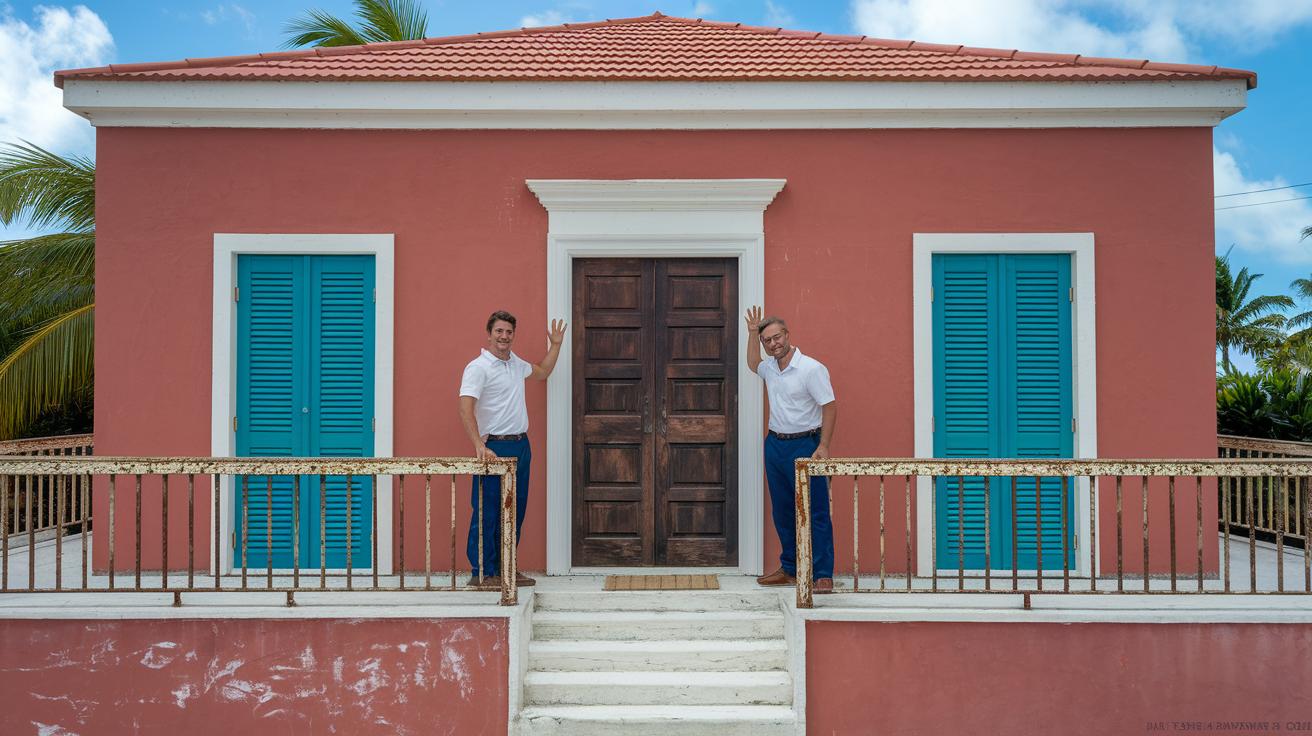
In the Caribbean, taking care of old buildings means honoring long-held traditions while meeting modern-day challenges. Local efforts face problems like coral limestone wearing away, mahogany wood rotting, and metal details rusting. Projects like "Before It's All Gone: Preserving Jamaica's Architectural Heritage" use detailed photos and strong community support to show these challenges. Local experts dig through old records and work closely with community leaders to set clear goals, protecting these beloved sites against nature's wear and tear and limited funds. For instance, a committed team carefully fixed up a worn colonial building, keeping its original charm intact, showing that every brick and stone tells a story.
| Site | Island | Year | Action |
|---|---|---|---|
| Jamaica Monitor sites | Jamaica | 2003–2005 | Documentation & advocacy |
| City Hall restoration | Aruba | 1998 | Structural repair & paint |
| De Olde Molen windmill | Aruba | 1961 | Reassembly & adaptive reuse |
Today, building conservation mixes old-school techniques with fresh ideas to protect these cultural gems. Researching original building methods and partnering with local groups and government bodies brings more stability and sustainable funding to these projects. New treatments now help address issues like moisture damage and decay while still keeping the original design in place. For example, a team restored an old windmill using adaptive reuse methods that kept both its history and usability. These efforts help Caribbean architectural heritage shine, linking communities to their past while getting ready for what lies ahead.
Modern Adaptations in Caribbean Architectural Heritage and Climate Design
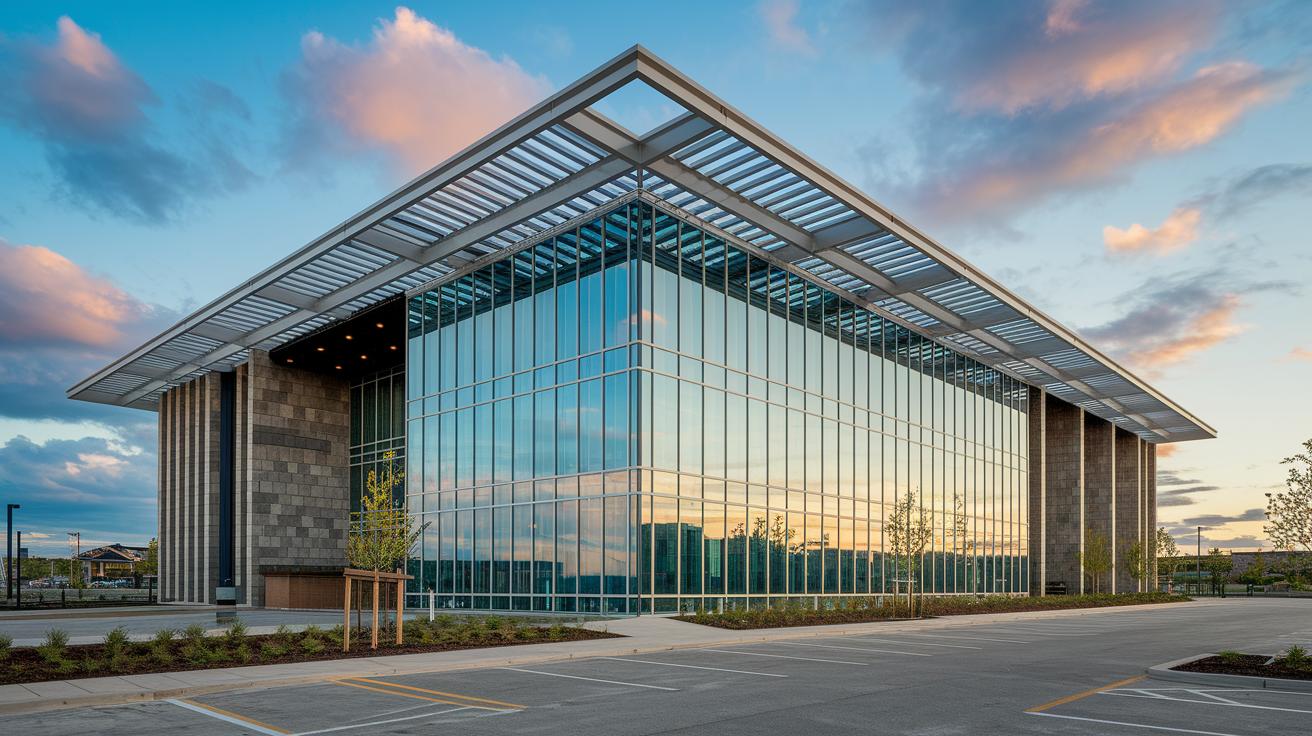
In the Caribbean, modern architects love mixing the old with the new. They blend classic touches like columns, verandahs, and intricate moldings with fresh design ideas such as sleek steel frames and big glass walls. It’s like enjoying the warm feel of a historic estate while meeting today’s needs with cool, modern comforts.
Design here isn’t just about style, it’s also smart living. Because the islands have intense heat, high humidity, and heavy rain, architects plan buildings to work perfectly with the climate. They use techniques like cross-ventilation, wide overhangs, raised foundations, and adjustable louvers. Imagine sunlight gently filtering through modern glass alongside time-honored masonry. This design creates naturally bright spaces that keep interiors cool and energy bills low, all while preserving precious island history.
Future Tourism Trends and Community Efforts in Caribbean Architectural Heritage
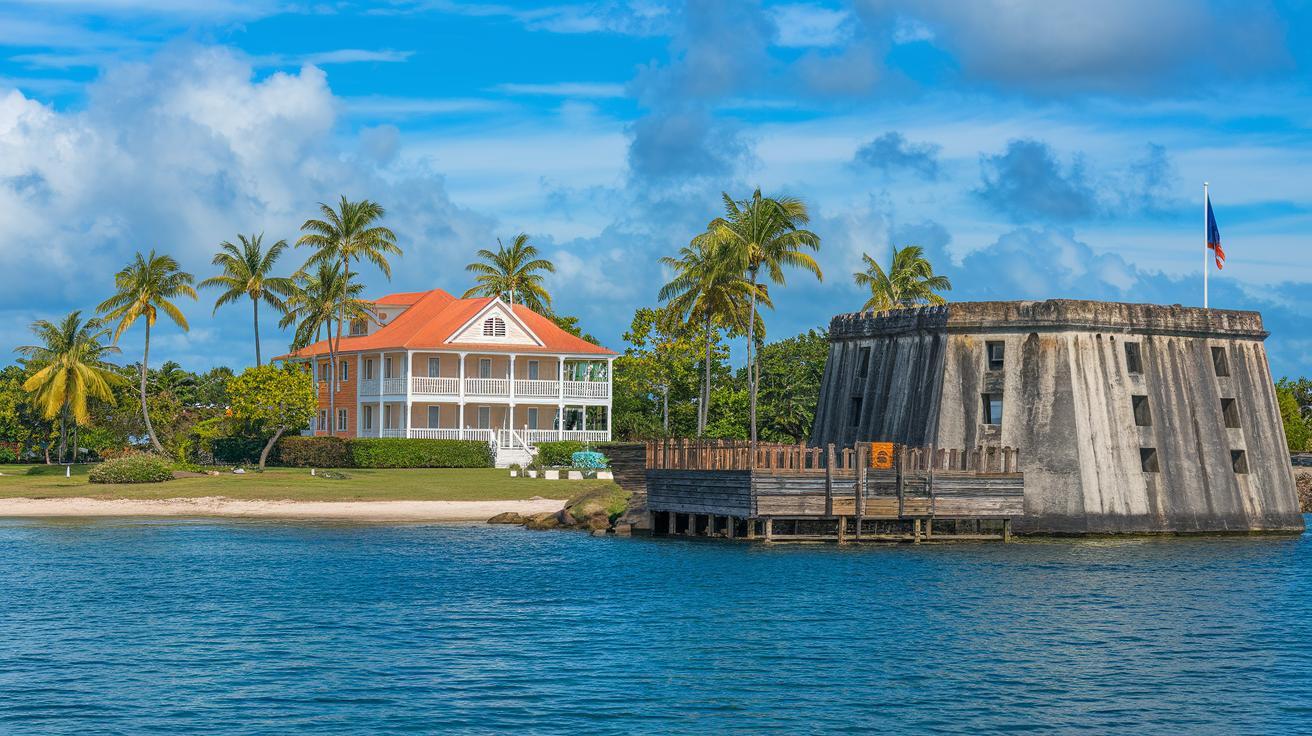
Heritage tourism gives a big boost to local economies by inviting travelers to explore old sugar plantation houses, forts, and town halls that today work as hotels, museums, or restaurants. It’s amazing how these sites blend the old with the new, preserving history while creating jobs and sparking community growth. Did you know many of these projects help mix tradition with fresh economic energy?
Community restoration is also key to keeping historic neighborhoods vibrant. Local groups and government teams join forces to create protected design areas and update building rules. It’s like a community coming together to care for a treasured old building, mixing past charm with modern touches.
Then there are digital projects that bring history to life. With online galleries and interactive tours, visitors can enjoy Caribbean architectural stories in fresh, engaging ways. Picture exploring a digital gallery filled with glowing photos and shared memories that make these classic sites feel as real and welcoming as a sunny day on the beach.
Final Words
In the action, we explored vibrant island narratives, from colonial town planning to soulful local styles. We looked at how traditional building methods blend with modern climate design and passionate community efforts. Each segment shared practical insights on preserving the unique charm of every site while embracing fresh ideas. This delightful mix reminds us to appreciate the rich architectural heritage in caribbean culture and to cherish the authentic experiences found on each sunlit island. Here's to many more unforgettable moments in the heart of the Caribbean.
FAQ
What is architectural heritage in Caribbean culture?
Architectural heritage in Caribbean culture refers to the unique blend of building styles from Amerindian, African, and European origins. This heritage shapes everyday island life and reflects historical stories through design.
What is the importance of architectural heritage in Caribbean culture?
The architectural heritage is key because it preserves history, strengthens local identity, and boosts tourism. It shows how different cultures have left a lasting mark on the islands.
What are examples of traditional Caribbean architecture?
Traditional Caribbean architecture often features open-air layouts, wrap-around verandahs, and natural materials like coral limestone and palm thatch. These examples highlight how designs are adapted to tropical climates.
How is modern Caribbean architecture different from traditional styles?
Modern Caribbean architecture mixes historic design with new materials like glass and steel. This blend creates functional spaces that embrace both local tradition and current construction techniques.
What role do Spanish Colonial and Georgian architectures play in Caribbean design?
Spanish Colonial and Georgian architectures influence city layouts with grid planning and balanced facades. Their lasting design features continue to define public spaces and community character across the islands.
What three cultures have influenced Caribbean building styles?
Building styles in the Caribbean have been shaped by Amerindian, African, and European cultures. Each has contributed techniques and aesthetics that together form the region’s rich architectural mosaic.
How does Creole architecture fit into Caribbean culture and heritage?
Creole architecture showcases adaptive designs like movable houses and open layouts. These features meet tropical challenges and highlight the creativity of local artisans and cultural influences.
What resources exist on Caribbean architectural heritage, like PDFs or books?
Various PDFs and books offer detailed essays and case studies on Caribbean architectural heritage. These resources provide insights for students, researchers, and anyone interested in the islands’ historic designs.
What is Colonial architecture in the context of the Caribbean?
Colonial architecture in the Caribbean includes structures built by early European settlers. It features elements like central plazas and grid-based town planning that still influence modern urban layouts.
How does Mediterranean Revival influence Caribbean architectural styles?
Mediterranean Revival architecture in the Caribbean introduces elements such as arches, tiled roofs, and stucco finishes. These features merge European aesthetics with local methods for climate-friendly design.
What are Caribbean architecture houses like?
Caribbean architecture houses often boast bright facades, natural ventilation, and open designs. They blend traditional building materials with contemporary comforts, making them both practical and charming.
How is modern architecture incorporated into the Caribbean context?
Modern architecture in the Caribbean builds on historical designs by adding sleek lines and innovative materials. This approach creates efficient spaces that honor tradition while meeting current living standards.
