Ever notice how old island tunes still make us smile today? Caribbean ancestral music carries a rich history that beats in every heart on the islands.
Imagine sitting by the sea, listening to the soft, soulful sounds of the Taíno next to the strong, rhythmic drum beats brought by African roots. Each note whispers a story of life, hope, and the power to rise above challenges.
In this piece, we share how these timeless melodies not only connect generations but also add a warm, lively spirit to modern celebrations. Let the sound of the music take you on a journey, filling your ears with history and your heart with island magic.
Historical Foundations of Caribbean Ancestral Music
Long before colonizers arrived, the Taíno people filled the islands with music that felt as natural as the ocean breeze. They made simple instruments from wood, shells, and gourds, creating gentle rhythms for ceremonies, planting days, and harvest parties. These early beats set the stage for what we now call Caribbean ancestral music.
When Spanish explorers landed in 1494 and the English followed in 1655, life on the islands took a new turn. The old Taíno traditions were disrupted, and new sounds came with African slaves, who brought vibrant call-and-response songs and lively drum beats. African rhythms blended with local customs, and communities of escaped slaves, known as Maroons, kept alive songs that spoke of resistance and hope. Over time, these rich layers of indigenous, African, and European sounds joined together to create the unique soundtrack of the Caribbean.
Today, Caribbean music mirrors the colorful mix of its people. Most locals have African roots, but you'll also find European, Chinese, and Indian influences in the mix. Even the spiritual life is a blend, ranging from Protestant services and Rastafarian vibes to African spiritual traditions, Hindu rituals, Buddhist teachings, and Islam. All these elements shape a dynamic, ever-evolving sound that makes the Caribbean spirit so special.
Indigenous Beat Legacies in Caribbean Ancestral Music
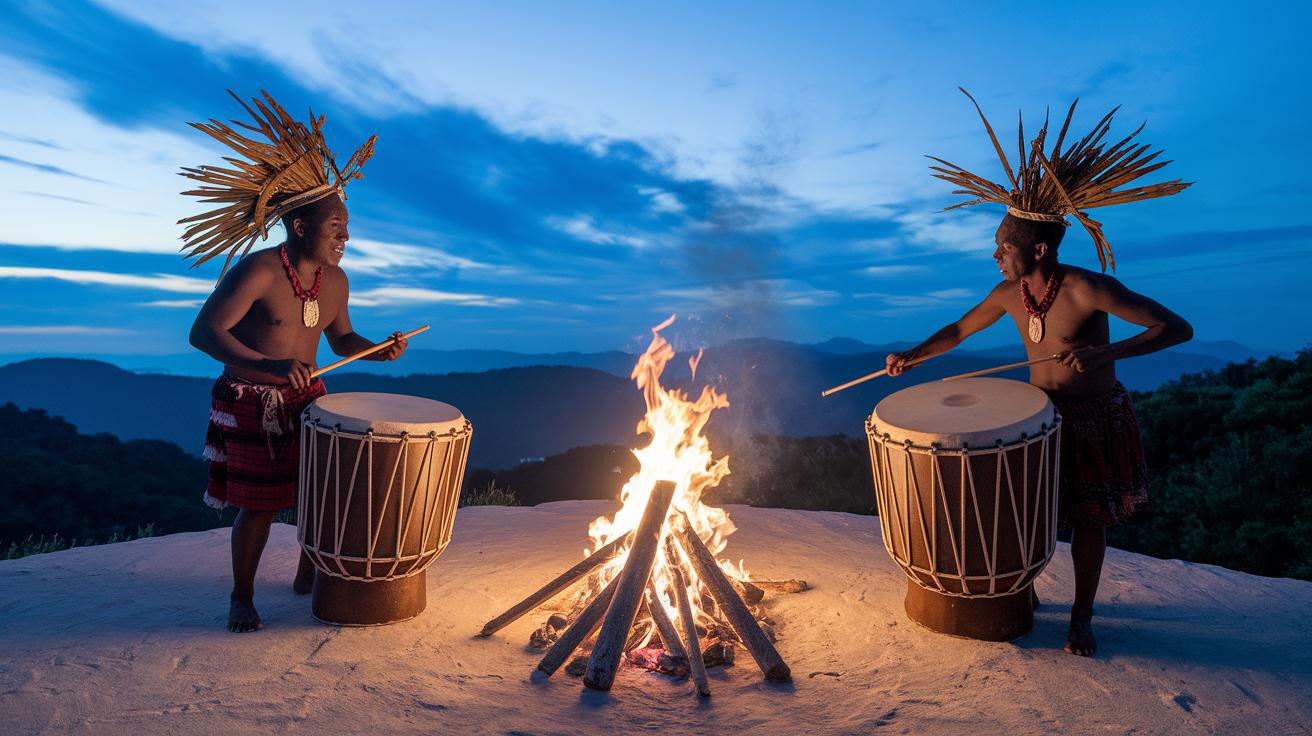
Taíno music is a cherished part of the Caribbean’s past, full of simple, soulful sounds that capture the island vibe. The Taíno people used wooden drums called batea, shell flutes known as güira, and gourd maracas to bring lively beats to their ceremonies. These instruments set the mood for planting days, harvest celebrations, and festive gatherings where ancient oral legends were shared around crackling fires. Archaeological finds and early writings help us imagine those warm, vibrant tunes dancing under clear blue skies and over lush green fields. Fun fact: early Caribbean communities used music not just for joy, but also to mark nature’s changing rhythms.
Taíno Ceremonial and Oral Music
During farm rituals, the deep beat of the batea filled the air, uniting everyone as they honored their land. Meanwhile, the gentle melodies of the güira flute accompanied communal dances, setting a pace that echoed nature’s own rhythm. In the evenings, around glowing fires and in the midst of celebrations, storytellers wove ancient legends into song, keeping the memory of their ancestors and the natural world alive. These weren’t just tunes, they were heartfelt expressions of identity and connection, with every note echoing shared memories and deep emotion. Even today, the spirit of these traditions continues to inspire the island, reminding us how every beat once pulsed in tune with the very heartbeat of life.
Afro-Diasporic Pulse in Caribbean Ancestral Music
Enslaved Africans in the Caribbean relied on worksongs to keep a steady beat during long, hard days on the plantation. These call-and-response chants helped everyone work together while offering hope and a way to resist their suffering. The sound of the drums and voices felt like a secret language that brought comfort and united the community during tough times.
- Enslaved worksongs: call-and-response field chants
- Ring shout: a circular dance with layered vocals
- Kumina: a Jamaican spiritual drumming practice
- Myal: Jamaican dance rituals with syncopated percussion
- Revival: church ceremonies featuring polyrhythmic drums
- Pocomania: syncretic worship rhythms in Jamaica
In Jamaica, Maroon communities kept these powerful rhythms alive, transforming them into legacies brimming with pride and memory. Practices like Kumina, Myal, and Revival still inspire fresh Caribbean sounds today. Whether in small, cozy gatherings or at bustling festivals, these steady beats connect listeners with the struggles and triumphs of the past.
Every drumbeat carries whispers of ancestors who used music to express joy, sorrow, and a fierce determination to survive. By holding onto these traditions, the Maroons created a unique musical story that celebrates both resistance and life. Their rhythms, born from hard times and rich cultural mixes, continue to shape the island’s identity. Even in the darkest moments, these echoing drums remind us that our shared voice can always help light the way forward.
Folk Harmony Expressions in Caribbean Ancestral Music
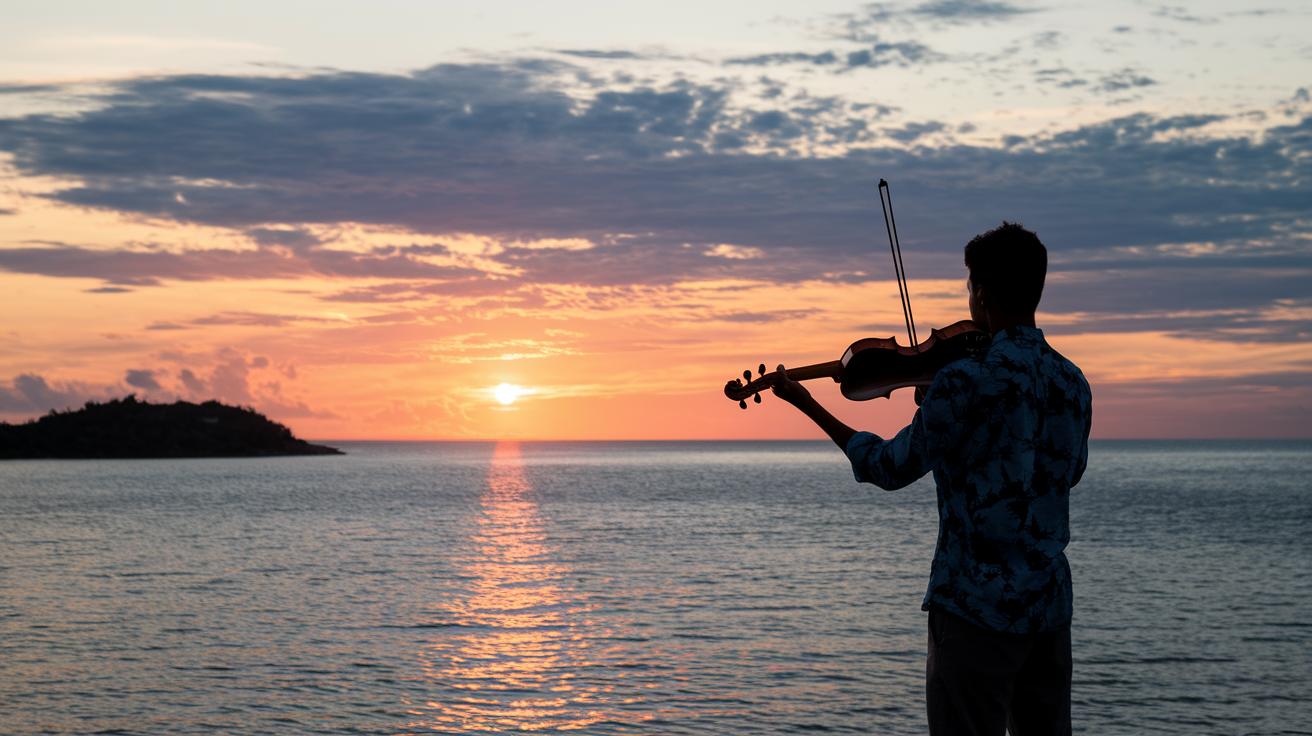
When Spanish and English settlers first arrived, they brought guitars, banjos, and violins along with them. These instruments soon blended with the island’s native sounds, creating something truly unique. Local musicians mixed European chord ideas with indigenous melodies, letting the music flow as naturally as the ocean breeze.
Early folk artists experimented by playing tunes that echoed the island’s natural rhythms. The gentle strums of strings told stories of everyday life, stories that felt both new and familiar at the same time. You could almost feel the tug of both practiced Western techniques and the raw beats of native customs.
Then, come the mid-1800s, music in the Caribbean took a playful turn. In Jamaica, the lively style called mento mixed African beats with simple Western chords, adding a dash of witty lyrics. Meanwhile, in Trinidad, calypso emerged by weaving European melodies with a powerful African rhythm that spoke candidly about daily life.
Every pluck of a string, every beat played, carried a history of change and renewal. Music became more than just sound, it turned into a heartfelt conversation that celebrated the islands' rich, multicultural identity.
Traditional Instrumental Craft and Archival Native Ballads in Caribbean Ancestral Music
Since 2006, collections from Caribbean American Heritage Month have captured the warm, familiar songs passed down through the generations. These field recordings let you hear the raw emotion of communities celebrating everyday life and special occasions with song and dance. Early recordings show how instruments like the bomba drum from Puerto Rico and the tumba drum from Cuba brought people together during ritual dances and lively festivities. Imagine the tiple from Puerto Rico or the tres from Cuba, adding a sweet melody that dances alongside the rhythm. Maracas, guiros, and even shells create unique textures that blend into a rich, layered beat, while call-and-response vocals spark moments of pure, spontaneous joy.
Each instrument in these ballads plays a special role in revealing the islands’ vibrant mix of rhythms. Traditional craftsmanship is clear in every note as musicians uncover age-old practices with a fresh twist. The lively sounds in these collections have inspired a revival of folk tunes and helped modern audiences connect with their heritage. Over time, community archives have become lively hubs for preserving and reinterpreting these treasured musical traditions. Not only do they act as snapshots of history, they also serve as inspiration for today’s local bands who infuse modern Caribbean vibes with an organic, heartfelt spirit.
| Instrument | Region | Usage |
|---|---|---|
| Bomba drum | Puerto Rico | Used to keep the beat during ritual dances |
| Tumba drum | Cuba | Essential for carnival and folk ceremonies |
| Tiple | Puerto Rico | Offers beautiful melodic harmony in ballads |
| Maracas | Across Caribbean | Add rhythm to parades and festive ceremonies |
Today, modern bands are breathing new life into these time-honored ballads. Community archives help both musicians and listeners feel the deep connection of history preserved in song. Local groups are using these archival gems to rebuild and blend traditional tunes with modern twists, ensuring these musical treasures continue to fill festivals, cozy gatherings, and cultural events all across the Caribbean.
Rhythmic Ritual Performances and Festival of Ancient Tunes in Caribbean Ancestral Music
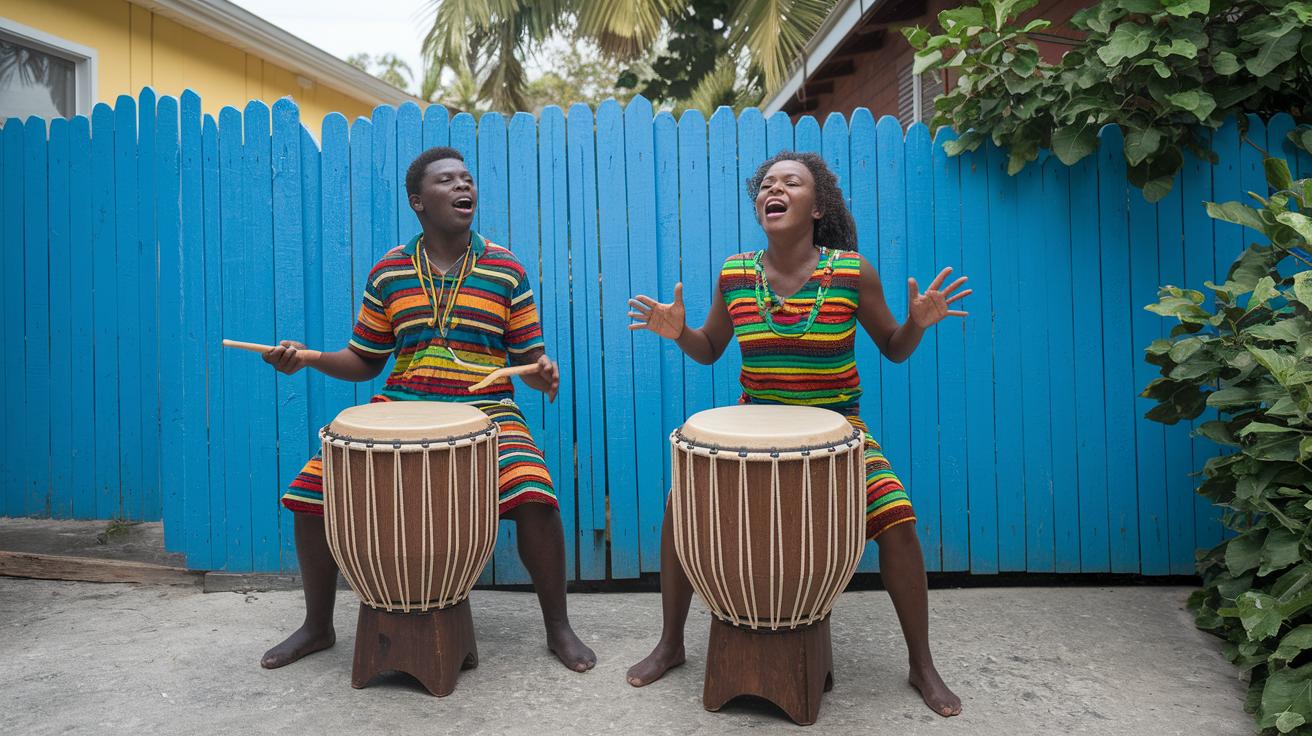
Music here holds memories of hard times and brave hearts. In Jamaica, during moments like the 1760 Easter Rebellion and the 1831 Christmas Rebellion, communities found a way to speak out through song. They used powerful call-and-response chants that not only fired up the workers but also carried warm messages of hope and unity. It’s like the beat of a drum telling a story, connecting people when words just weren’t enough.
Religious celebrations also tap into this ancient magic of sound. Think of revivalist and Pocomania ceremonies (Pocomania is a kind of spiritual tradition) where steady drumming and joyful singing bring everyone together. The rhythm feels almost like a heartbeat that ties you back to your roots, a living memory passed down through generations. It reminds you of the taste of fresh island air and the glow of a sunset over the sea.
Today, festivals like Junkanoo in the Bahamas and Carnival in Trinidad keep this musical legacy alive. Streets burst with the sounds of drumming, dancing, and heartfelt singing. Here, every beat and every note honors a past full of resilience while lighting a spark for the future. It’s a celebration of life, a mix of old traditions and new energy that makes the Caribbean spirit shine.
Archival Sonic Transformations in Caribbean Ancestral Music Preservation
Digital archives have totally changed how we listen to Caribbean music. Since 2006, online collections and handy finding aids (tools that help you find and understand old recordings) have opened up a treasure trove of Caribbean American sounds. Imagine these aids as a friendly guide leading you through a maze of history, revealing the amazing stories hidden in every beat. Instead of old bulky archives, digital collections let you search, click, and explore every detail of our vibrant musical past.
Community groups are taking music preservation to a whole new level by digitizing field recordings and hosting live events. They turn old, static recordings into lively experiences that mix classic sounds with modern twists. Think of a live music series that uses digital archives to set the scene, blending history with today's energy in a way you just don’t get from traditional methods. This mix of past and present shows how digital tools keep Caribbean musical heritage strong while sparking fresh creativity today.
Final Words
In the action, we explored the roots of Caribbean ancestral music, hearing echoes from Taíno rituals, colonial encounters, and Afro-diasporic beats. We unraveled the layers of indigenous instruments, oral traditions, and vibrant drumming practices that still inspire local festivals and personal memories.
The rich history and soulful rhythms remind us that every melody carries a story. Embrace the magic of caribbean ancestral music and let these sounds spark your next unforgettable Caribbean experience.
FAQ
What are some online and musical collections of Caribbean ancestral music?
Caribbean ancestral music collections include curated songs, playlists, and YouTube channels that showcase historic recordings blending Taíno, African, and European influences while preserving the island’s cultural sound.
Who are the key artists and what instrumental styles define Caribbean ancestral music?
Caribbean ancestral music artists honor heritage sounds using traditional instruments like wooden drums, flutes, and maracas, reflecting the blend of indigenous, African, and colonial musical influences.
What is Caribbean music called?
Caribbean music is often known by names such as calypso, mento, or reggae, each term highlighting a distinct style that echoes the diverse cultural roots of the islands.
What is popular Caribbean music?
Popular Caribbean music typically features soulful vocals and rhythmic beats, combining native and external influences to create lively tunes that appeal to both locals and international listeners.
What are the top 10 Caribbean songs?
The top 10 Caribbean songs usually spotlight classic tracks in styles like reggae, calypso, and mento, representing a rich heritage of sound that has charmed listeners across generations.
What type of music originated in the Caribbean?
Music that originated in the Caribbean includes indigenous ceremony melodies, African-derived call-and-response field songs, and European folk styles that merged to form unique ancestral sounds.
What is Caribbean folk music?
Caribbean folk music refers to traditional songs and instrumentals passed down through generations, capturing oral histories and communal experiences in a style that remains true to the islands’ roots.
What is a Caribbean folk song called?
A Caribbean folk song is a tune that carries storytelling and cultural narratives, often characterized by engaging rhythms and lyrics born from the islands’ mixed heritage.
What is traditional Jamaican music called?
Traditional Jamaican music is often identified as mento or reggae, styles that incorporate the island’s indigenous and African musical practices to form a distinctive sonic identity.
