Ever thought one snapshot could capture the island vibe perfectly? In this guide, we show you how to turn a simple click into a memory that brings back the feel of sunlit beaches and bustling local spots.
Imagine setting your camera just right at dawn, catching that soft, gentle glow that fills the scene with warmth. We share easy tips on finding the best light, picking your favorite gear, and even uncovering secret spots that make each photo feel truly special.
Caribbean Photography Itineraries: Top Island Destinations for Stunning Shots
Imagine wandering through islands where every stop feels like a scene from a travel diary. This fun journey takes you from the cool rock pools at The Baths in the British Virgin Islands to the bold, towering volcanic peaks of the Pitons in St. Lucia. Each spot shines its own way, with light and landscapes that make every snap extra special. Start by planning your day like setting up a mini photo session, don’t forget a sturdy tripod for those early mornings when soft light brings every detail to life.
Think about exploring the lively, old streets of Havana in Cuba, or hiking through the rich, green trails of El Yunque National Park in Puerto Rico, where nature and wildlife make the perfect backdrop. And picture yourself capturing warm beach portraits at Seven Mile Beach in Grand Cayman during golden hour, when the water glows with turquoise hues. This island tour invites you to try different angles and shutter speeds, turning every photo into its own little adventure.
| Island | What You’ll Capture | Best Light Time | Gear Tip |
|---|---|---|---|
| British Virgin Islands | The unique rock pools and formations at The Baths | Early morning | A wide-angle lens paired with a tripod |
| St. Lucia | The dramatic volcanic peaks of the Pitons | Sunrise | A telephoto lens for far-off details |
| Cuba | The vibrant, colorful streets of Old Havana | Mid-morning | A standard zoom lens |
| Puerto Rico | The lush greenery and wildlife in El Yunque | Late afternoon | A macro lens to capture nature close-up |
| Grand Cayman | The golden sunsets and serene water at Seven Mile Beach | Golden hour | A mirrorless camera with a prime lens |
Coastal Imaging Techniques and Lighting Tips for Caribbean Photography
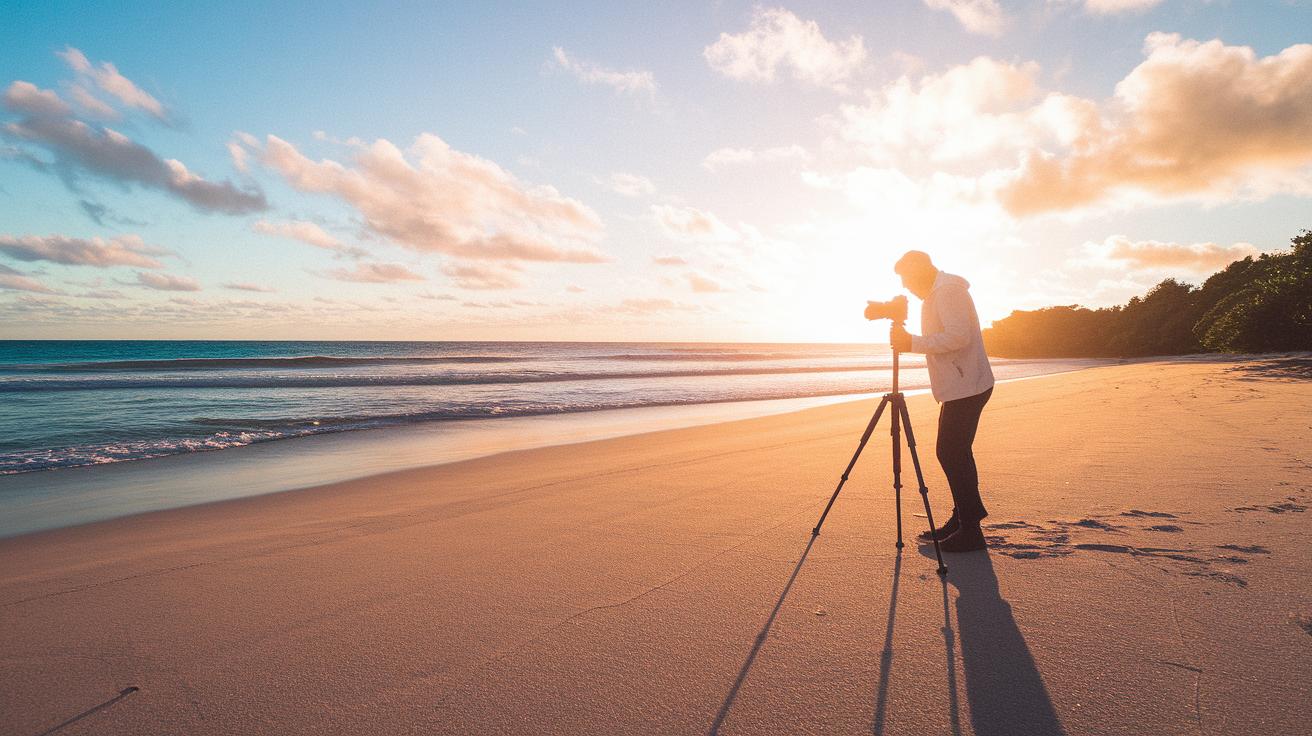
Imagine you’re on a sandy Jamaican beach at sunrise, watching soft pinks, bright oranges, and light purples fill the sky. That early light, known as golden hour, creates long shadows that add magic to your coastal photos. A trusty tripod becomes your best friend, helping you capture every graceful silhouette and tiny detail. Fun fact: at sunrise, the beach unveils a secret palette of colors just waiting to be captured.
When the sun is high at midday, the light on Caribbean shores can really be intense, often washing out those subtle details. To ease that harsh brightness, grab a diffuser or a polarizing filter, they help cut the glare and balance the water’s reflections. Play around with your camera settings when the sun is strongest, so you can keep that clear blue background without losing any texture in your images. Think of it like fine-tuning a boat’s sails, guiding the light exactly where you want it.
For photos that really pop, try framing your shots to include natural reflections and lines that lead the eye through the scene. Look for spots where the water mirrors the sky, or where a curvy coastline draws you in. Mix in elements like driftwood or rocky edges with the steady rhythm of the waves, and suddenly you have a picture that pulls the viewer right into the heart of the moment.
Underwater and Wildlife Caribbean Photography: Marine Life Captures
Dive headfirst into the lively underwater world of the Caribbean, where every splash feels almost like a dream. This is a place where snorkeling and diving are pure magic, and coral reefs burst with bright fish and impressive sea plants.
Above the water, nature shows off in its own way. Picture tall frigatebirds gliding over sun-soaked islands and vivid flamingos lighting up the quiet, salty lagoons of nearby isles.
If you're the kind of person who loves capturing unique moments, planning your marine shots becomes part of the fun. You might explore hidden underwater caves with a wide-angle lens or get up close with a waterproof camera. Every picture you take tells a sweet story of tropical wonder.
The play of water, light, and color asks for both creativity and the right equipment. With the proper gear by your side, each dive or boat ride turns into a bright snapshot of nature, inviting you to see the Caribbean's marvels with new eyes and a warm heart.
Take your time to capture each fleeting moment with care, and let your camera share the real spirit of island life.
- Bonaire salt pans and flamingo portraiture with telephoto lenses.
- Bahamas cays for photographing frigatebirds at dawn.
- Cayman coral reefs using wide-angle underwater housings.
- Turks & Caicos barrier reef snorkeling with color-correcting filters.
- Puerto Rico night diving in La Parguera bioluminescent bays.
Cultural and Heritage Caribbean Photography: Street Scenes and Festivals
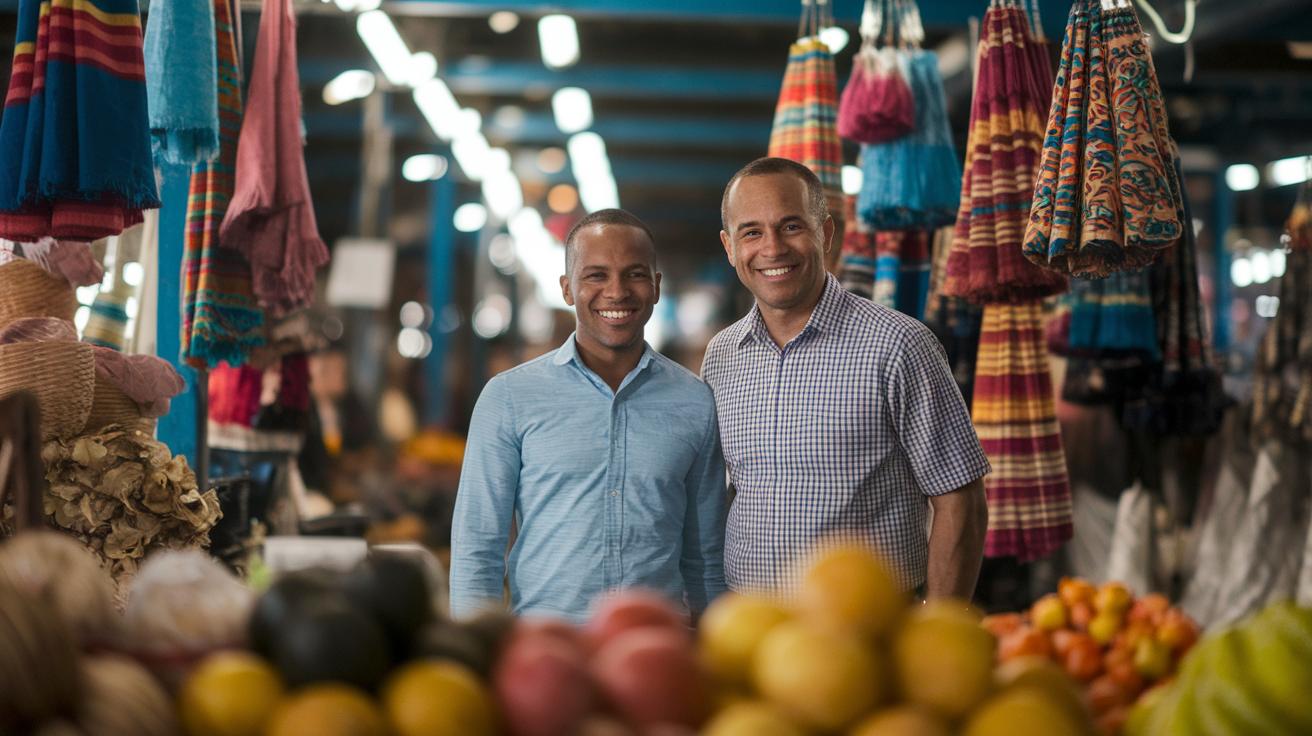
When you're capturing Caribbean street life, start by snapping candid moments in busy markets and on lively sidewalks. Look for local vendors displaying bright textiles and fresh produce, and catch those genuine smiles as people go about their day. Try a shallow focus to make your subject stand out against the burst of market activity, and let the natural sunlight bring out the rich, warm hues of the scene. Think of a market where every color practically dances in the morning light.
In historic towns like Old Havana, notice the little details, weathered walls and ornate ironwork tell their own story. Use wide shots that include the charming streets and cobblestone paths so viewers can really feel the area’s vibe. Angle your camera to catch neat plays of light and shadow on classic buildings, mixing old-school charm with that laid-back island spirit.
At local festivals, focus on moments bursting with real emotion and energy. Snap portraits of people in festive clothes against the backdrop of vibrant parades and rhythmic music. Adjust your settings to handle the shifting light and be patient until that natural smile or playful gesture steals the moment.
Advanced Composition and Post-Processing in Caribbean Island Images
Start by playing around with different ways to set up your tropical photos. Try using the rule of thirds, which means not centering your subject but placing it to the side. This lets natural wonders like gently swaying palms and textured sands frame your shot. Experiment with various angles and add interesting foreground details to give your image more depth. Even a simple scene can tell a great island story when the elements lead your eye naturally.
Next, jump into editing with a steady workflow in Lightroom. Begin by adjusting the basic colors, brightness, and contrast to keep everything looking natural. Then, use selective saturation to make tropical hues pop without overdoing it. You can also try dodging and burning, techniques for lightening and darkening parts of your photo, to highlight little details. Lastly, consider using HDR techniques to brighten up shadows under palm trees, giving your photo a balanced, lively feel.
Nighttime Caribbean Photography: Star Trails and Moonlit Seascapes
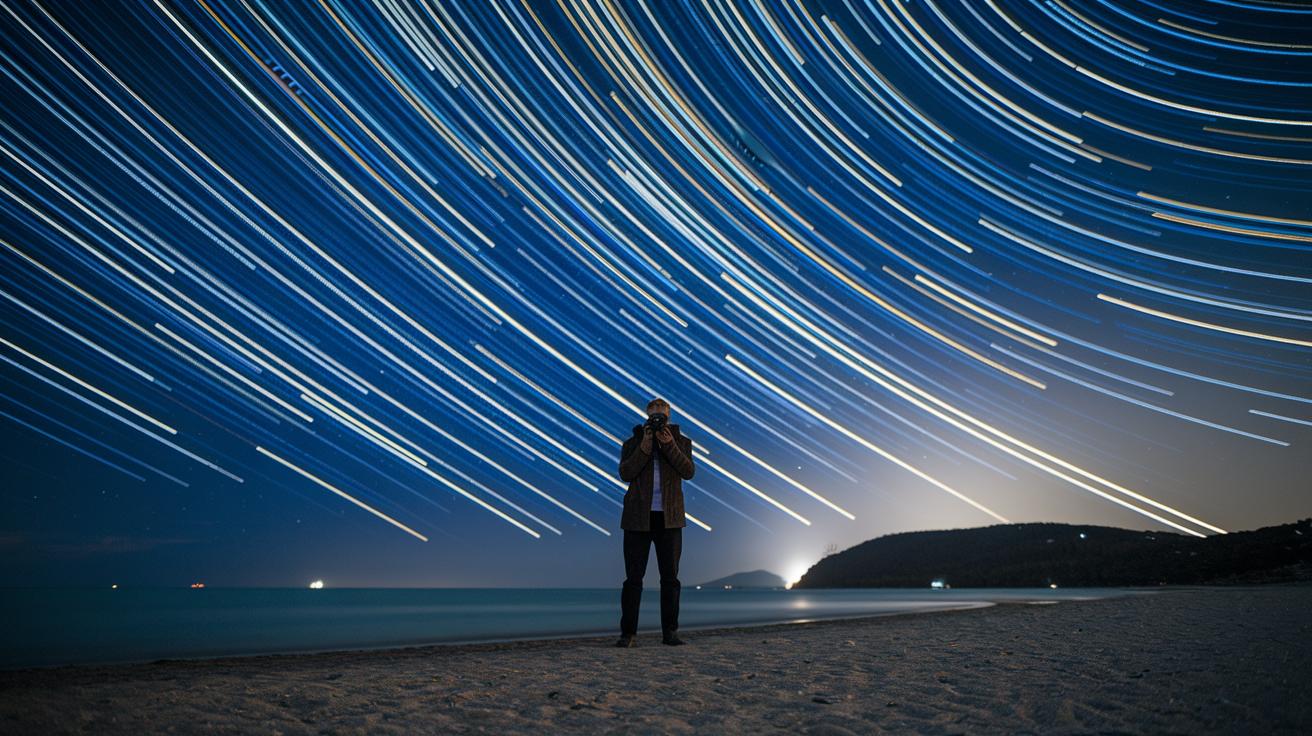
Imagine you’re on a quiet beach, camera in hand, as the night sky shows off the Milky Way and trails of twinkling stars. For star trails, try dialing your camera to settings like ISO 800 to 1600, with an aperture of f/2.8 and exposures of about 15 to 30 seconds. A wide-angle lens helps you catch most of this dazzling sky. It’s like the night turns into a painter’s canvas, with every little star adding a splash of light. Experiment with slow shutter speeds and even a tiny bit of camera movement to let the magic of the scene show through.
When shooting the coast under moonlight, set your camera for exposures between 10 and 20 seconds. This technique smooths out the water and captures the soft glow of the moon as it lights up the shore. A good, sturdy tripod is key to keeping your image crisp while the gentle waves murmur their secrets. Think of these long-exposure photos as quiet chats between the moon and the sea. Try different angles and watch how the light and reflections create a calm, dreamy vibe that’s uniquely Caribbean.
Caribbean Photography Gear Guide: Cameras, Lenses, and Accessories
When you're ready to capture the sun-kissed magic of the Caribbean, picking the right camera sets the whole vibe. Mirrorless cameras are great because they’re compact and quick, perfect for those spur-of-the-moment beach portraits and little island smiles. DSLR cameras feel tougher and offer longer battery life, making them a solid choice when you’re exploring lively coastal scenes. And if you’re after easy, on-the-go shots, a compact camera is simple to use, even if it doesn't offer all the bells and whistles of larger gear. Think about your travel style and plans to decide which option fits your island adventure best.
Now, let's chat about lenses. They’re key to turning every island moment into a stunning image. A 16–35 mm lens is perfect for sweeping landscapes, letting you capture vast beaches and dramatic volcanic shores. If you’re aiming to snap wildlife or far-off details at sea, a 70–200 mm lens is your go-to, bringing colorful birds and rugged rock formations into sharp focus. With the right lenses in your kit, you can beautifully frame both wide, open vistas and those tiny, captivating details that make Caribbean photography so special.
Accessories round out your perfect island setup. A sturdy tripod helps keep your shots steady even when the light is low during sunrise or sunset. Polarizing filters cut glare and make the sky pop with vibrant colors, while waterproof housings protect your camera from splashes and sudden rain showers. And don't forget extra batteries, memory cards, and silica gel packs, they’re the reliable sidekicks that keep your camera ready for every moment of your Caribbean journey.
Practical Caribbean Travel Logistics for Photography Tours
When you're getting ready for a photography trip in the Caribbean, think about heading there from December to April. During these sunny months, the islands burst with light, making every spot look picture-perfect. Imagine the warm, inviting skies paired with gentle trade winds, enough sunlight to highlight every detail without the harsh glare. For a closer look at the weather conditions, check out a Caribbean island weather guide so you know when to expect just a touch of rain.
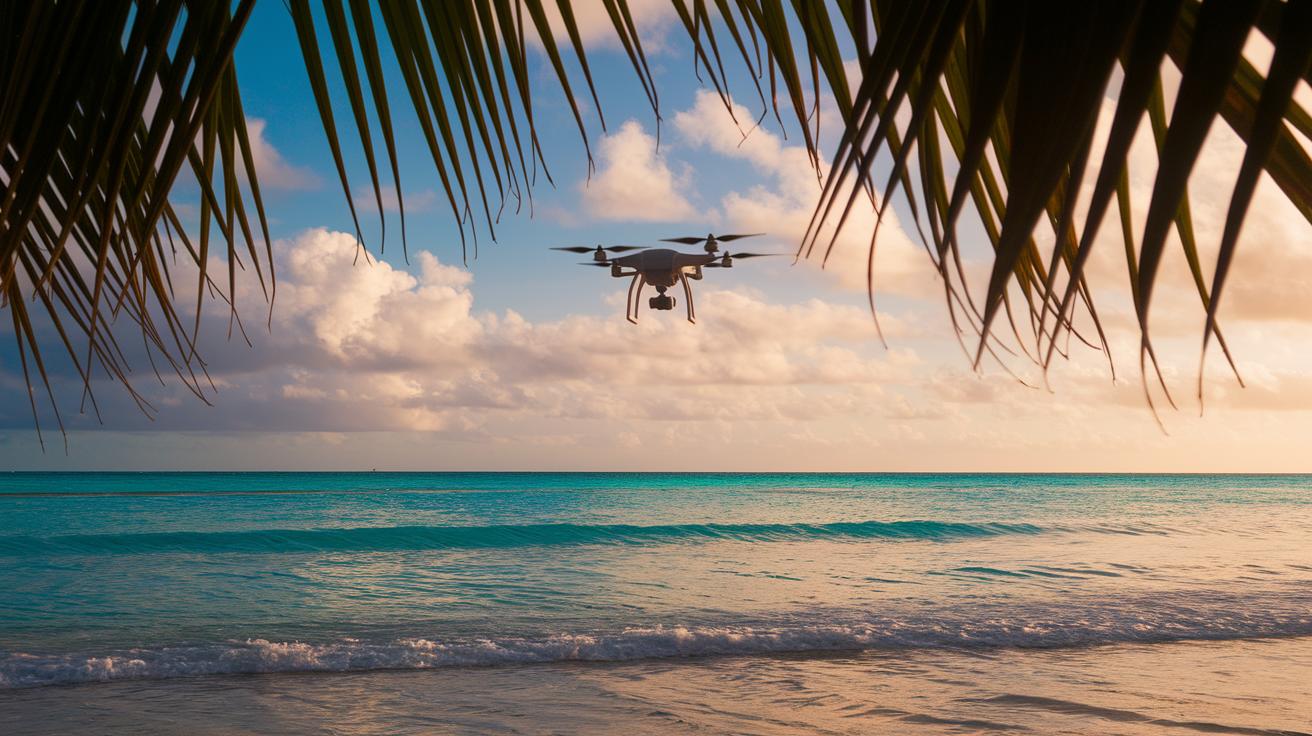
Before you pack your drone, do a little homework on the local rules. Every island has its own set of guidelines, some welcome your aerial shots without fuss, while others might need permits or have set flight paths. Staying updated ensures you get those breathtaking views from above without any last-minute surprises. Trust me, spending a few extra minutes on research now will let you focus on capturing all the beauty.
When it comes to packing, think of your gear like a handy toolkit for catching unforgettable moments. Be sure to bring along essentials like silica packs and lens cleaning kits to protect against the island humidity and sudden weather changes. And don’t forget power adapters and some insurance for peace of mind on long days under the Caribbean sun. With a bit of smart prep, you can focus all your energy on snapping those stunning tropical scenes.
Final Words
In the action, this blog post covered a range of topics from island-specific photo spots and coastal light tips to underwater, cultural, and nighttime captures. It also reviewed essential gear and practical travel logistics for a smooth photography trip. We broke down key techniques and provided gear ideas to help you capture striking images under ideal light. Remember that with the right planning and passion, every shot transforms into a memory. Keep your spirit bright and your camera ready with the Caribbean Photography Travel Guide: Capture the Islands.
FAQ
What are some top Caribbean photography spots?
The Caribbean photography itinerary includes The Baths in BVI, the Pitons in St. Lucia, Old Havana in Cuba, El Yunque in Puerto Rico, and Seven Mile Beach in Grand Cayman, each offering unique image opportunities.
When is the best time to shoot in the Caribbean?
The best time for Caribbean photography is during early sunrise, golden hour, and sunset when light is soft and warm, yielding natural tones and dramatic shadows for your shots.
What gear should I pack for a Caribbean photography tour?
The camera gear guide recommends a mirrorless or DSLR system, versatile lenses like 16–35mm and 70–200mm, plus a sturdy tripod, polarizing filters, waterproof housing, extra batteries, and memory cards.
How can I capture coastal and nighttime scenes effectively?
Coastal and nighttime shooting thrive on using tripods for long exposures, adjusting ISO and shutter speeds for star trails, and using diffusers or filters to manage bright midday or moonlit scenes.
What practical travel tips help on Caribbean photography trips?
Practical tips include checking weather forecasts, packing humidity control gear and lens cleaning kits, understanding drone permits, and planning trips during the dry months of December to April for clearer skies.
How do I shoot underwater and wildlife photos in the Caribbean?
Underwater and wildlife photography requires waterproof housings and wide-angle lenses, with key spots like Cayman coral reefs, Bonaire salt pans for flamingos, and Bahamas cays for early-morning bird shots.
How can I capture Caribbean culture and heritage on camera?
Cultural photography thrives by focusing on street scenes, local markets with colorful textiles, historic colonial architecture, and festival scenes in areas such as Trinidad and Cuba using both wide and candid shots.
What post-processing tips work best for Caribbean images?
Editing in Lightroom with adjustments to exposure, contrast, and saturation helps bring out natural tropical hues, while techniques like HDR can recover shadows in palm-lined skies for balanced final images.
