Ever wondered if radio might be the secret keeper of Caribbean dialects? Community radio stations chat in the island's true voice, sharing local slang and stories as warm as a bedtime beach sunset. They help us remember our roots while connecting old and young with every broadcast. One broadcaster mentioned that hearing his native words on air felt like feeling the heartbeat of his island. Today, these stations proudly guard our culture and invite us to tune in and reconnect with our heritage.
Community Radio’s Central Role in Caribbean Dialect and Culture Preservation
Community radio in the Caribbean is a special way to share the island’s unique language and keep traditions alive. These stations are run by locals who work hard to support the many dialects that form the heart of Caribbean culture. They team up with community members to make sure native languages are heard clearly, letting you hear the music and everyday slang of island life. One broadcaster shared that hearing his native tongue on the radio feels like experiencing the pulse of the island’s heritage. These voices do more than entertain; they help protect and preserve cultural history.
Local stations often create special segments that celebrate native languages and share traditional stories. Research shows that listening to your ancestral language on air fills you with pride and strengthens your sense of identity. It isn’t just fun, it reconnects listeners with their roots. One caller mentioned that every call-in story reminds them of the rich history of their community. With clear cultural storytelling and engaging broadcasts, these stations help slow down language loss while bringing people together and keeping traditions burning bright.
Caribbean community radio stations also save recordings that are more than 10 years old, treating them as genuine cultural treasures. Many of these stations have nearly 50 years of continuous programming, so each decade offers a wealth of recordings that capture how language and attitudes have changed over time. These archives serve as historical records and learning tools for future generations, making sure the evolution of local dialects is never forgotten. By keeping these stories alive today, community radio ensures that tomorrow’s listeners will always have a link to the past.
Historical Evolution of Community Radio in the Caribbean Cultural Landscape
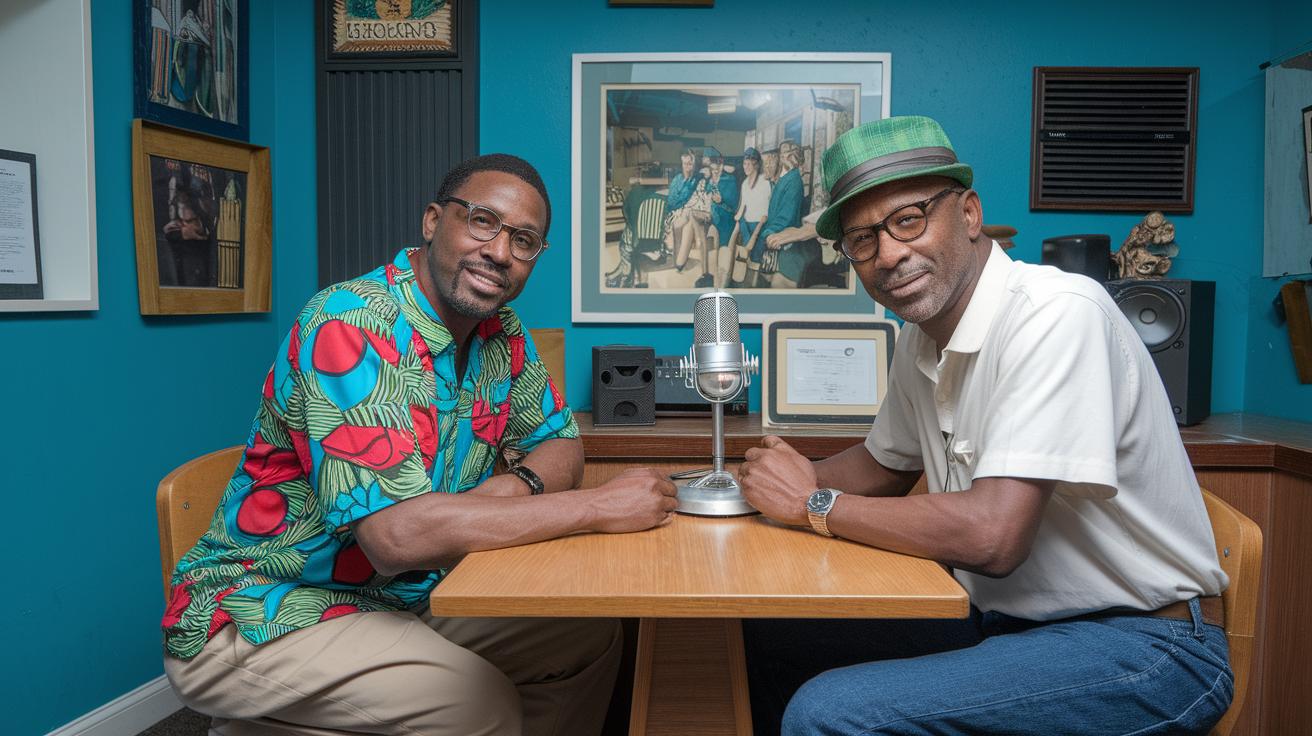
Caribbean community radio has a long and exciting past, full of warm memories and lively voices. In the 1970s, a few brave pioneers got the ball rolling with small pilot stations that broadcast local dialects, sharing news and heartfelt cultural stories in the languages of the islands. It was like tuning into a friendly chat where everyone’s voice mattered.
Over nearly 50 years, what started as simple community updates has grown into a cherished cultural guardian. The radio now features dedicated shows in native languages, keeping traditions alive and letting communities proudly celebrate their heritage. Every step along the way marks moments when new technology and creative ideas came together to make the airwaves feel even more like home.
| Year | Milestone | Cultural Impact |
|---|---|---|
| 1972 | First Jamaican community station on air | Local dialect news debuted |
| 1980 | Expansion to Eastern Caribbean islands | Broader audience for Creole shows |
| 1995 | Launch of dialect-focused programming | Surge in vernacular music broadcasts |
| 2005 | Archival initiative begins | Material older than 10 years digitized |
| 2015 | Online streaming adopted | Diaspora access to cultural talk shows |
Caribbean Community Radio Initiatives: Case Studies in Dialect Revival
Caribbean community radio stations are doing something pretty awesome. They back projects that keep local languages strong and help these special dialects shine. These stories show how simple, local sound projects bring whole communities together, letting every island voice be heard.
Jamaica: RJR Wellness on Air
In Jamaica, RJR Wellness on Air got rolling way back in 1985. Their goal was simple – to keep Patois alive and honor the local culture. Before long, the show was reaching about 50,000 folks each week. They’ve collected over 1,200 pieces of Patois talk, letting people relive old sayings and share fresh tales in a language that means the world to them.
This radio show has grown to be a local favorite. It keeps voices from fading away and shows that community radio can be a living record of how language changes over time.
Trinidad & Tobago: Sistren Radio Dialect Stories
Over in Trinidad & Tobago, Sistren Radio Dialect Stories began in 1990 with a twist, women leading Creole storytelling sessions. Not only do they air their favorite programs, but they also hold about 25 community workshops each year. These events invite locals to dive into Creole storytelling, making every broadcast feel like a fun, lively get-together.
Listeners are treated to sessions where learning and fun meet. The stories spark local pride and create a space where everyone can share and learn from one another. It turns traditional storytelling into a modern public forum that feels vibrant and welcoming.
Haiti: Radio Caraïbes Creole News
Since 1973, Radio Caraïbes has been a staple in Haiti with daily 30-minute Creole news segments. Over the years, they’ve built a strong archive that shows how the local language has evolved along with cultural changes. It’s a handy resource for anyone curious about how Creole is used and changing every day.
| Key Benefits |
|---|
| Expanding dialect fluency |
| Fostering local pride |
| Strengthening intergenerational ties |
Strategies Employed by Community Radio to Safeguard Caribbean Dialects and Culture
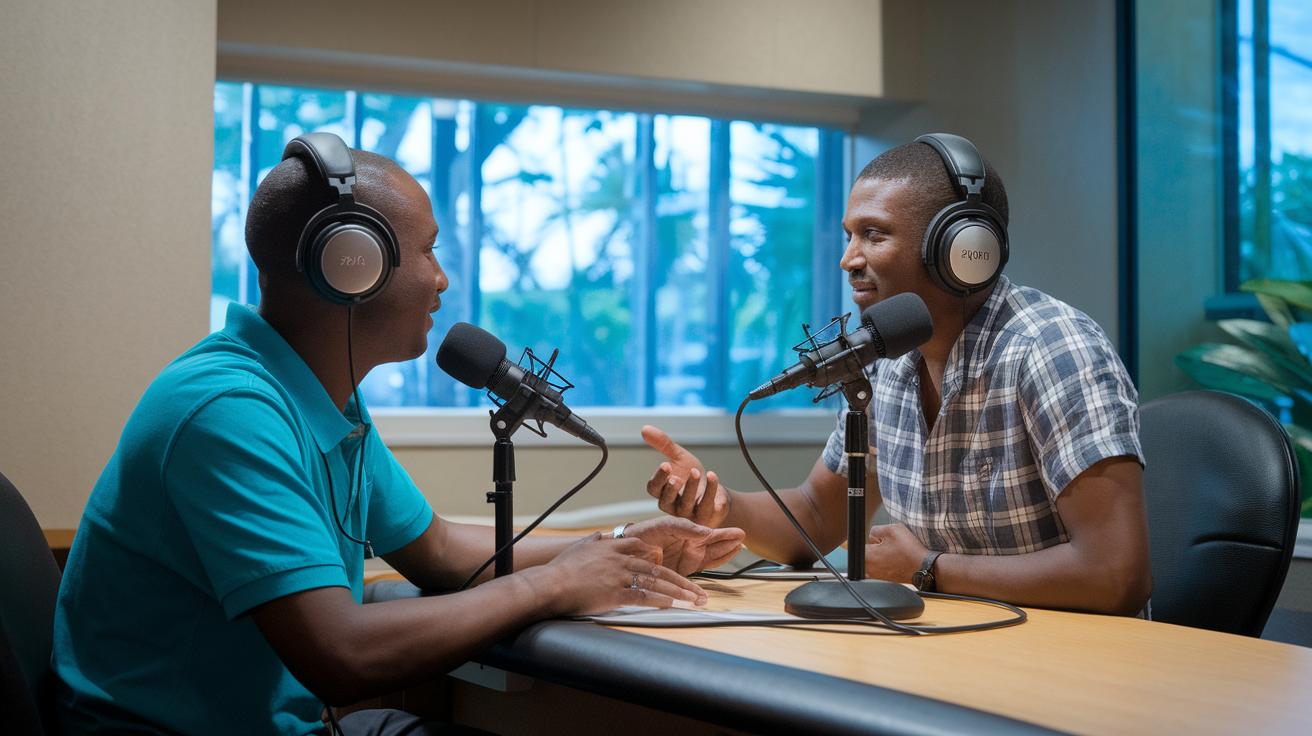
Community radio stations throughout the Caribbean are using fun and creative ways to keep local dialects and traditions alive. They mix live shows, community chats, and interactive programs to let the local language flourish. It's like they're the friendly keepers of stories and customs passed down through generations.
One of the coolest parts is their live storytelling sessions and call-in folktales. People share age-old stories and personal memories on air, making you feel like you're right there with them. These lively conversations bring the rich oral history to life, helping timeless tales echo across generations.
Another neat trick is saving digital recordings of these broadcasts. Interviews and shows older than 10 years are kept in station libraries, offering a peek into the past. Think of this digital archive as a treasure chest filled with voices and stories, ensuring that the wisdom of yesterday inspires tomorrow.
Radio stations also set up relaxed roundtable discussions with elders and language experts. In these get-togethers, they chat about how local expressions have changed over time and share tips on preserving folklore. It’s a heartwarming scene where deep cultural knowledge is passed along with plenty of thoughtful conversation.
And then there are the mentorship programs, which pair young broadcasters with experienced radio pros. This hands-on training not only teaches the kids how to keep the dialects buzzing but also helps strengthen the bonds within the community. By sharing broadcasting tips and tricks, these programs ensure that the melodious legacy of Caribbean dialects and culture continues to come alive on the airwaves.
Community Engagement and Cultural Impact of Caribbean Radio Broadcasts
Recent listener surveys show that Caribbean community radio is sparking a fresh wave of cultural spirit. Imagine coming to a local event and hearing more of your native tongue, one study points to a 70% jump in using local dialects at community gatherings. It’s like listening to a warm story told by a good friend, one that reminds you of home. People feel deeply connected to these broadcasts, which entertain and help revive cherished languages and traditions. Every show creates a little hub where neighbors share memories and feelings, strengthening the bond of community.
There’s even more magic in how Caribbean radio keeps traditions alive. Last year, over 1,000 archived audio clips were enjoyed online, a true sign of the community’s longing to hold on to its cultural past. Live broadcasts of festivals have boosted local pride by 40%, and fun, educational segments about dialects have inspired a 25% increase in school projects about local folklore. This shows just how much heritage-driven audio can deepen our understanding of Caribbean culture and language.
- Increased dialect fluency
- Festival turnout
- Youth involvement
- Educational usage
- Archive downloads
Challenges and Future Prospects for Caribbean Community Radio Preservation Efforts

In some Caribbean areas, strict rules make it hard for community radio stations to get the licenses they need. With tight budgets too, keeping older programs safe and starting new projects gets pretty tough. And around the countryside, many places just can’t get the digital tools that help share their voices.
On the bright side, new ways to share digital content are popping up. Radio stations are teaming up to stretch their online reach, so people can tune in no matter where they are. With more streaming and island-to-island teamwork, broadcasters are finding fresh chances to share stories and keep languages alive for all ages.
Looking forward, the future really shines. As more areas get digital access and communities work together, community radio will keep being a key place where Caribbean words, music, and memories are shared between generations.
Final Words
In the action, we saw how community radio has kept Caribbean dialects alive and well. The post journeyed through vibrant case studies, historic milestones, and smart ways to keep old broadcasts safe. It touched on local storytelling, call-in shows, and cultural roundtables that spark a true pride in native tongues. Every effort shows that the role of community radio in preserving Caribbean dialects and culture is genuine and impactful. Keep the island spirit thriving with every broadcast and cherish this living legacy.
