Have you ever wondered if island travel could be as easy as a sunny stroll on the beach? Getting around the Caribbean is a breeze. Whether you're popping on a little plane or boarding a local ferry, each ride gives you a taste of island life. Imagine gliding from one sandy shore to another, feeling just like a local. In this guide, we break down your travel options and what they cost so you can choose the ride that fits your vibe and enjoy every minute of island life.
Caribbean Local Transportation Overview: Modes, Costs, and Essentials
The Caribbean is a bunch of islands you can’t swim between, but catching a quick flight is easy. Traveling here can be as unique as each island itself. You might find yourself on a tiny plane that seats only 6 to 10 people, where air conditioning is missing and there isn’t much room for extra bags. Ever been on a flight where every carry-on counts? It’s a snug, lively experience that gets you whisked from one sandy haven to the next.
If flying isn’t your top choice, don’t stress. You can also hop on a 7- to 10-day cruise out of Florida, where your room and meals are all included. Or, for a more personal touch, why not charter a private yacht with a skipper and hostess? That option might even cost less than staying in hotels, which can run about $100 to $150 a night. Ferries in spots like the Bahamas, US Virgin Islands, and British Virgin Islands offer another chance to mix up your travel plans by syncing with those bright, sunny days.
When you’re staying on one island, renting a car from familiar companies like Enterprise, Dollar, or Alamo, or even a local rental, gives you the freedom to explore at your own pace. And if you’re on a budget, local buses or even hitchhiking can offer an authentic peek into island life without burning a hole in your wallet.
Caribbean Local Transportation: Inter-Island Travel Options

If you're planning to hop from one island to another, short-haul flights are a handy choice. They pop up several times a day, connecting various islands with tiny cabins and strict baggage rules that make you really think about every carry-on. It’s like sharing a cozy ride with a few friendly faces where every little thing counts.
Then there are ferries in the Bahamas, US Virgin Islands, and British Virgin Islands. Their daytime schedules let you plan your travel easily, whether you opt for a bright morning crossing or a laid-back ride in the late afternoon. It’s a simple way to soak up the island sun while moving smoothly along your journey.
Every week, Caribbean cruises set sail from major U.S. ports, offering a mini-vacation experience in one go. These cruises bundle your room, meals, and stops at different islands into one exciting trip. It’s a fun taste of various cultures, all while relaxing on board.
For those who love to call the shots, yacht charters are perfect. You get to design your own sea adventure and explore hidden coves and lesser-known islands on your own schedule. Just remember to plan ahead since prices can start at over $500 a day. But hey, sometimes a bit of extra planning means more freedom on the water.
Lastly, domestic carriers often share seasonal timetables online, giving you a heads-up on the best travel dates. So, always check the latest schedules and be ready to book early for a smooth, carefree island hop.
Caribbean Local Transportation: Buses, Taxis, and Ride-Sharing
In Grenada, buses are neatly divided into 10 zones. Zones 1 through 9 cover Grenada, while zone 10 is set aside just for Carriacou. These buses start running bright and early at 6 am until 9 pm from Monday to Saturday. And if you decide you want to go off the beaten path, there’s usually an extra fare. Imagine boarding a cheerful morning bus that feels like you’re joining a local fest, with colorful vehicles and friendly drivers sharing warm greetings.
Jamaica gives you a bunch of choices. You can hop on route taxis, squeeze into minibuses, or even try the Knutsford Express for a laid-back ride. It’s like enjoying a casual trip where casual chit-chat carries you along while you take in the island’s friendly vibe. Public buses here are also a great, easy way to keep costs low and see everyday life in the community.
Over in the Dominican Republic, you’ll find local hops on “Guaguas” for short trips and longer trips with carriers like Bavaro Expreso, Caribe Tours, and Metro Tours. It’s like breezily connecting coastal spots with bustling towns, letting you taste different flavors of Caribbean life all in one go.
Ride-sharing apps like Uber have made their way into most of the larger cities too. They offer extra convenience, and local taxi fares usually start around USD 2–3, making these rides a wallet-friendly choice.
- Buses: Organized by zones in Grenada, they keep travel cheap and cheerful.
- Taxis: Found on nearly all islands, they give you quick trips without the fuss.
- Ride-sharing: Apps in bigger cities add a modern, flexible option.
- Coach services: Jamaica and the Dominican Republic offer comfy rides for longer journeys.
| Island | Transit Options |
|---|---|
| Grenada | Buses (10 zones), occasional taxis |
| Jamaica | Route taxis, minibuses, Knutsford Express |
| Dominican Republic | Guaguas, long-distance carriers (Bavaro Expreso, Caribe Tours, Metro Tours) |
Caribbean Local Transportation: Rental Vehicles and Driving Requirements
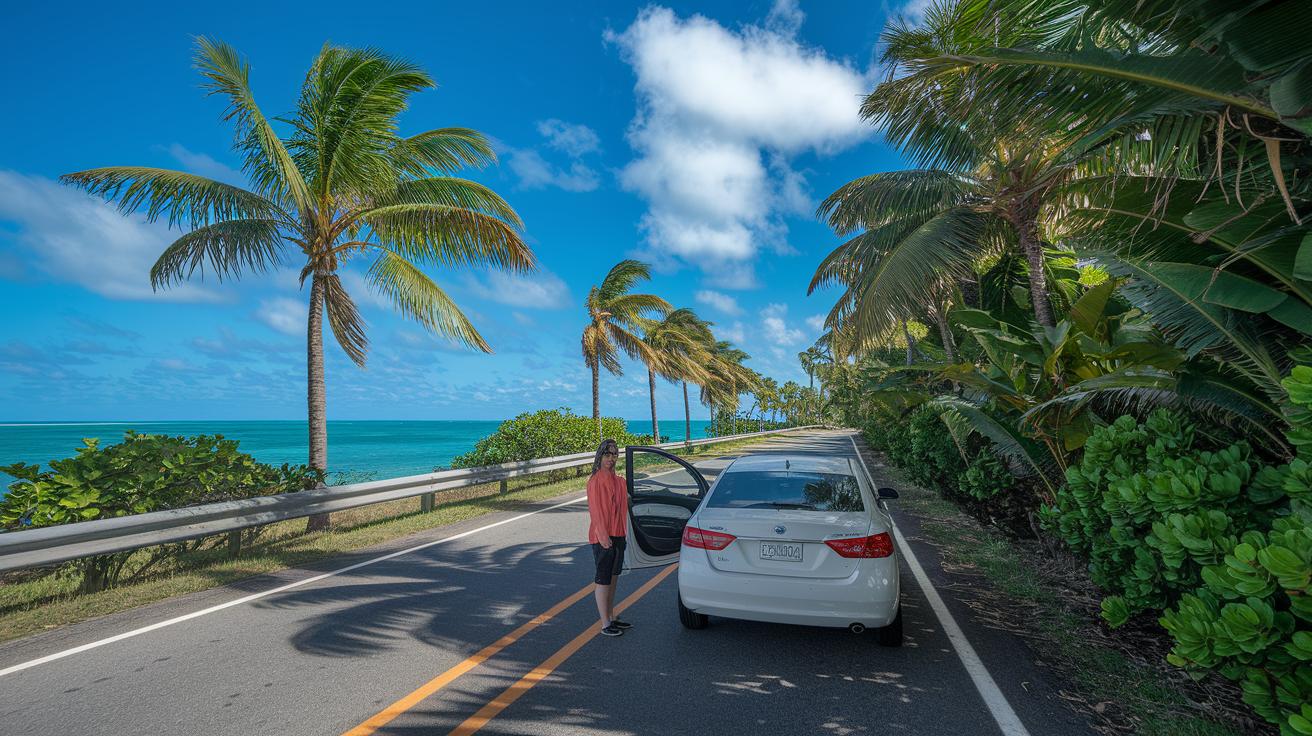
Hitting the open roads of the Caribbean is an adventure waiting to happen. Whether you're exploring St. Maarten or another lively island, renting a car from well-known companies like Enterprise, Dollar, or Alamo lets you set your own pace. Big firms usually want you to be at least 25 and have a valid driver's license, while some local companies are cool with younger drivers if you're ready for a bit of adventure.
Imagine planning your ride as easy as ordering your favorite tropical smoothie, simple and customized just for you. Daily rates usually fall between USD 40 and 70, making it a pretty fair deal for island exploration. Just keep in mind that insurance is generally required, so you might want to add that to your travel checklist.
If a smaller ride is more your style, think about trying a motorbike or scooter. These options can give you the intimate feel of riding like a local, zooming along coastal roads with the wind in your hair. Of course, you'll need to wear a helmet and stick to local traffic rules for a safe journey.
- Rental cars: Common on busy islands and offered by major companies.
- Local firms: Often more relaxed when it comes to age restrictions.
- Two-wheeled options: Motorbikes and scooters offer a close-up island vibe.
Even on sunny Caribbean islands, a firm grasp on local driving laws is crucial; a simple misstep on a scooter could turn a fun ride into a learning moment. Enjoy the freedom of the open road and let the island charm guide your adventure!
Guide to Caribbean Local Transportation Planning: Strategic Insights and Digital Tools
If you’re looking for planning insights that go beyond the usual hour-by-hour timetables, here’s a friendly tip: try to focus on the unique details that make your trip truly special. For example, traveling during off-peak times can save you up to 20% on fares, letting you set aside some extra cash for a refreshing coconut drink later.
Digital tools are your best friend when it comes to planning. They help make your journey as smooth as a gentle Caribbean wave. So, why not give these methods a try?
- Use mobile apps that send real-time alerts about regional flights and ferries, keeping you in the loop.
- Compare fare options online to catch those clever discounts.
- Check for any updates on payment methods so you know whether cash or card is best for your situation at that moment.
Imagine this: you’re relaxing by the sea, and a digital alert pops up saying fares have dropped by 15%. In a heartbeat, you adjust your plans to take advantage of the deal, now that’s smart, stress-free planning!
Caribbean Local Transportation Safety, Cultural Etiquette, and Regional Variations

Traveling through the Caribbean is more than just island hopping, it’s about keeping safe and honoring the local ways of life. While tropical rains hit their peak from June through November, the off-season might save you up to 30%, even if an afternoon sprinkle pops up unexpectedly. When you’re flying in a small plane, don’t hesitate to ask about life vests and emergency plans. It’s a simple step that lets you sit back and enjoy the ride.
Local ferries might follow different safety rules, so take a moment to look for Coast Guard signs before boarding. A quick question like "Where are the life jackets?" can go a long way in making you feel secure. And if you’re visiting an island where English isn’t the top language, learning a few key words in French, Spanish, or Creole, like "hello" and "thank you", can smooth over any little bumps in your day.
Keeping local customs in mind is just as important as safety. Many islanders appreciate visitors who respect their traditions. A friendly greeting and a warm smile can open not only doors but also hearts. Locals are usually happy to help, even if you’re planning to hitch a ride. Always check details with your host or driver ahead of time to avoid any mix-ups.
| Safety Tip | Cultural Tip | Timing Tip |
|---|---|---|
| Ask about emergency plans on small planes. | Learn and use a few basic local words. | Be mindful of festival dates like Trinidad Carnival. |
Staying alert to seasonal trends and local customs ensures that your Caribbean adventure is not only fun and relaxing but also safe and respectful.
Final Words
In the action, we explored an overview of caribbean local transportation options from small planes to budget buses. We chatted about inter-island flights, ferries, rental vehicles, and payment tips that make travel fun and simple. The guide shed light on costs, schedules, and safety, reminding us that planning a trip can be as refreshing as a sea breeze. Enjoy this treasure trove of insights as you set off on your unforgettable Caribbean escape.
FAQ
Q: What maps or itineraries help plan Caribbean island hopping, including ferry routes and guides?
A: The maps and guides help you plan Caribbean island hopping by showing clear ferry routes, island layouts, and essential stops. They provide ready-to-use info that makes planning your island tour easy.
Q: How do two- and three-week Caribbean island hopping packages work?
A: The packages combine room, board, and inter-island travel like flights, ferries, or cruises. They bundle essential services so you can enjoy two or three weeks of island hopping without extra hassle.
Q: What does the new Caribbean ferry offer?
A: The new Caribbean ferry provides updated schedules and improved services that offer reliable, frequent daytime trips. It features user-friendly online timetables to help you plan your inter-island trips confidently.
Q: What is the best way to get around the Caribbean?
A: The best way to get around the Caribbean mixes short flights, ferries, and local buses. This combo offers convenience, local flavor, and flexibility to match your schedule and budget.
Q: Which Caribbean islands might not be worth visiting?
A: Some Caribbean islands may feel less engaging if they offer fewer local interactions or limited transport options. It’s helpful to research individual spots based on your interests to decide if an island fits your style.
Q: How can I travel around the Caribbean on a budget?
A: You can travel on a budget by using local buses, taxis, and cost-effective flights or ferries. Booking early and choosing off-peak times often lowers costs while giving you a true island experience.
Q: Is island hopping in the Caribbean expensive?
A: Island hopping costs vary by choice. Budget options like ferries and public transit are affordable, while private charters and flights may be pricier. Choose the mode that best fits your comfort and cost preferences.
